Every April, Kamakura welcomes spring with a festival centered on Tsurugaoka Hachimangu and the old approach of Wakamiya Oji. There is a procession through town, a historical dance connected to Shizuka Gozen, and tea served outdoors in temple and shrine grounds. It makes an easy day trip from Tokyo, but the schedule is not as simple as arriving on one day and seeing everything. For 2027, the key is the second-to-third Sunday pattern, the official program, and realistic expectations about yabusame and cherry blossoms.
What Kamakura Matsuri Is and What It Is Not
First, a quick untangling: Kamakura Matsuri is the spring festival of Kamakura, the coastal town about an hour south of Tokyo that served as Japan’s seat of warrior government in the twelfth and thirteenth centuries. It has nothing to do with the snow-hut “kamakura” festivals of northern towns like Yokote. The names just happen to match.
The festival has run since 1959, centered on Tsurugaoka Hachimangu, the shrine at the heart of the old samurai capital, and Wakamiya Oji, the avenue leading up to it. It is not a large urban street party. It is better understood as a spring stretch of events when Kamakura’s history becomes visible in the streets: a procession, a dance on the shrine’s open stage, tea in temple grounds, and the normal weekend rhythm around them.
When Kamakura Matsuri Happens in 2027
The festival traditionally runs from the second Sunday of April through the third. In 2027, that points to April 11 and April 18, but treat those dates as a planning assumption, not a confirmed schedule. The official program usually appears on the Kamakura City Tourism Association’s site in the weeks beforehand, and details shift year to year.
The 2026 edition is a useful template. The procession and Shizuka no Mai fell on the opening Sunday, April 12. Outdoor tea seating followed on April 18 and 19, with a yabusame ritual listed for April 19. If 2027 follows a similar pattern, the opening Sunday would likely carry the main procession and dance, while the closing weekend may bring tea and, possibly, the archery.
The safest approach is to pencil in both Sundays, then confirm once the announcement is out. The English tourism site is useful for general planning, but the Japanese event page usually carries the most detailed festival program.
Choosing the Ideal Day to Visit the Kamakura Festival
If you only have one day, the second Sunday is the clearer choice. Based on recent patterns, the procession and Shizuka no Mai are likely to fall then, giving you the festival’s two most distinctive events in one visit.
The third weekend suits travelers who care more about outdoor tea or yabusame, with the caveat that both depend on the official program. With two free days, you could return for tea, the Great Buddha, or Kita-Kamakura. Whatever you choose, leave slack. Festival days bring traffic restrictions, and April weather can change an outdoor schedule.
Festival Highlights: Procession, Shizuka no Mai, and Tea
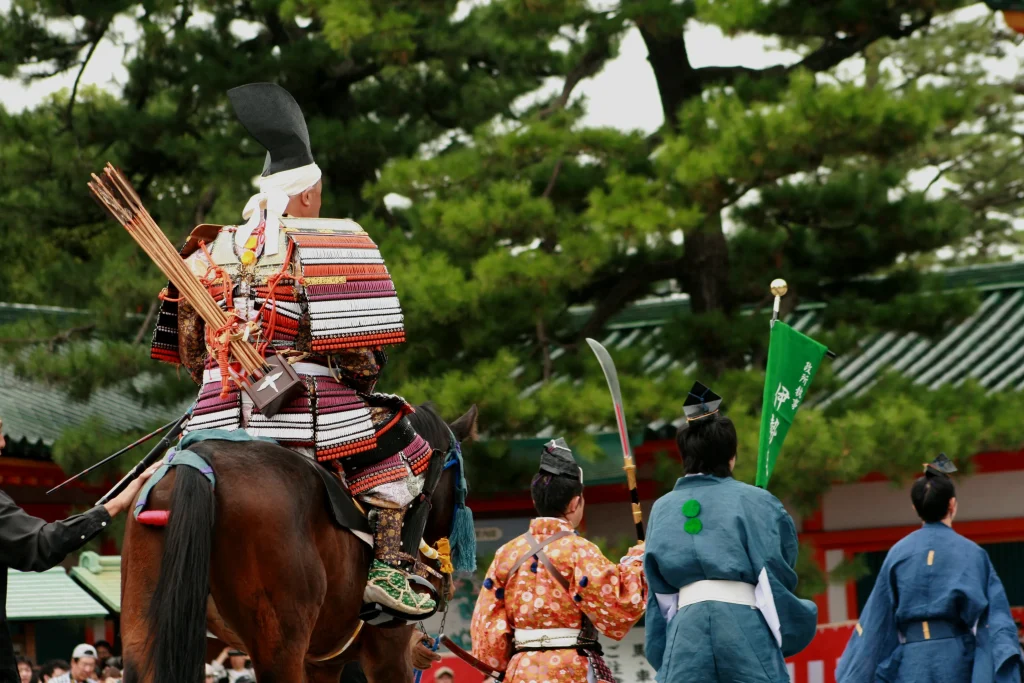
The procession is the festival’s most visible event: roughly a kilometer from the Geba intersection up Wakamiya Oji and into the shrine grounds. Musicians, portable shrines, groups in armor, and local organizations move along the old approach. People usually watch from the roadside, so arrive a little early, choose a comfortable stretch, and let it pass.
Shizuka no Mai is quieter, and it may stay with some travelers longer than the procession. It is performed on the Maiden, the open stage in the shrine grounds, usually in the afternoon. In 2026 it came with a short explanation beforehand. The dance carries a story, and knowing a little of it changes what you see.
The tea seating, called nodate, rounds out the festival. In some years it is held in the grounds of Tsurugaoka Hachimangu, Kencho-ji, and Kotoku-in. It is outdoor tea, less formal than a full tea-room experience but still shaped by tea tradition. Details vary, so check the program if this matters to you.
The Story Behind Shizuka no Mai
The dance re-enacts a moment from Kamakura’s founding drama. Shizuka Gozen was a shirabyoshi, a female performer known for song and dance in medieval Japan, and the companion of Minamoto no Yoshitsune. Yoshitsune helped his elder brother Yoritomo take control of the country, but the brothers later became enemies. Shizuka was captured and brought to Kamakura.
Ordered to dance before Yoritomo and his wife Hojo Masako, Shizuka sang of her longing for Yoshitsune, the man Yoritomo was hunting. The account comes down through the Azuma Kagami, the chronicle of the Kamakura government.
You do not need all this background to enjoy the performance. But knowing the outline turns a graceful dance into a specific scene from the town’s history, performed where Kamakura still gathers for its spring festival.
Yabusame: Worth Knowing, but Check the Details
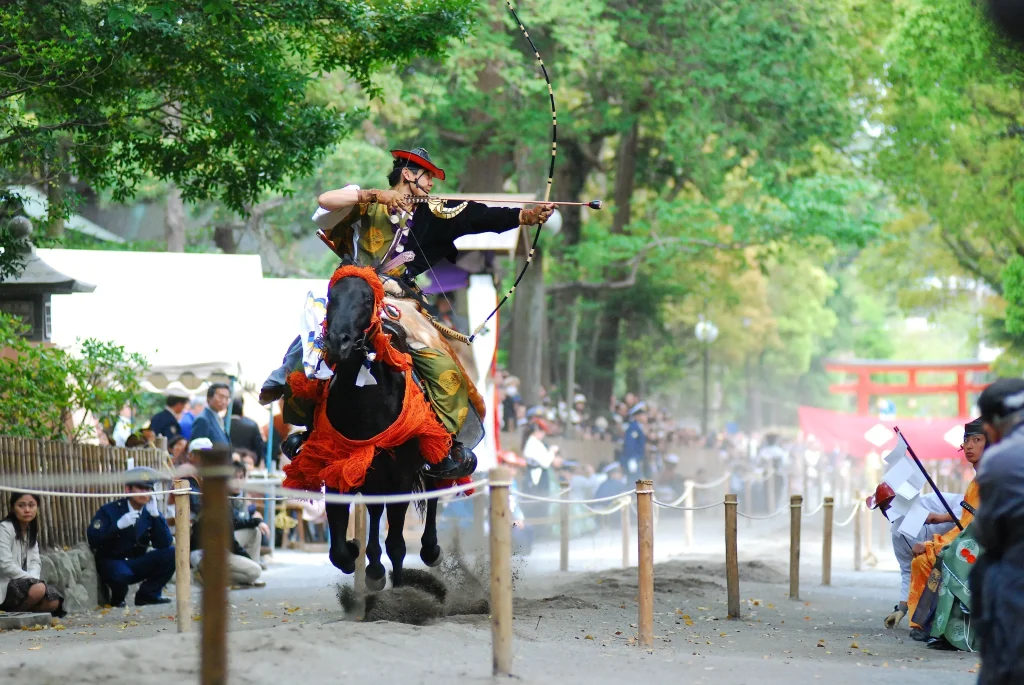
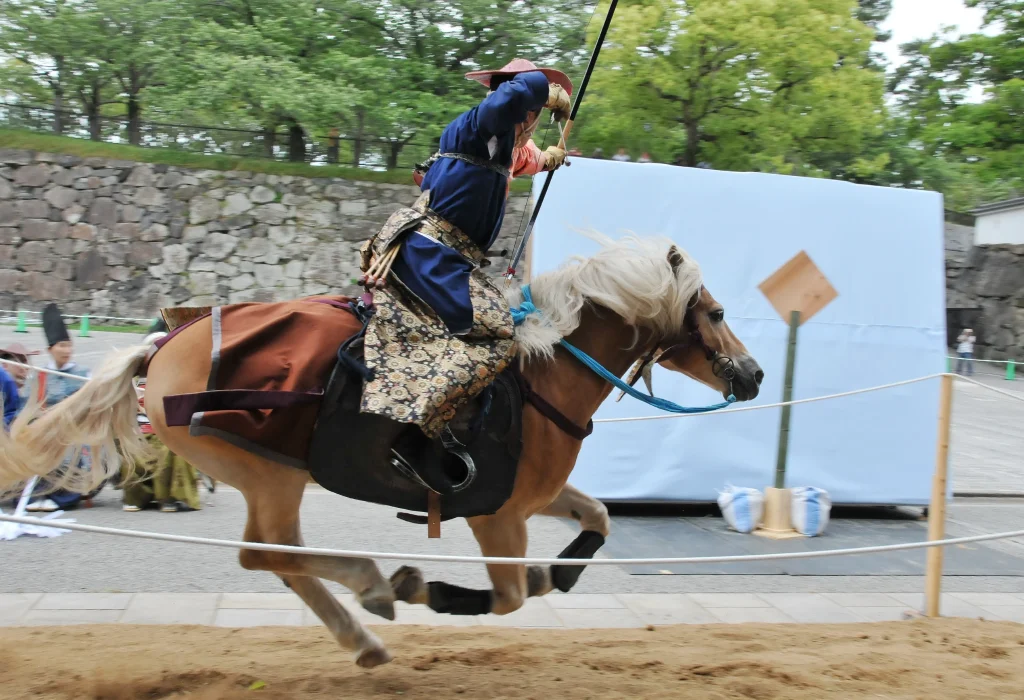
Yabusame, mounted archery performed at speed, is one of the images most associated with Tsurugaoka Hachimangu. The tradition here is said to date to 1187, when Minamoto no Yoritomo had it performed as an offering at the shrine. It is a shrine ritual, not simply a visitor event, which is why the details matter.
Be careful about assuming you will see it at the spring festival. In recent years, spring yabusame has been held as part of the shrine’s own observances during the festival period, with details handled by the shrine rather than announced as a headline event of Kamakura Matsuri. The better-established annual yabusame reference point is September 16, during Reitaisai.
If yabusame is your main reason for coming, plan around September. If you are coming in April anyway, check the shrine’s announcements close to the date.
Reference:Festivals – Tsurugaoka Hachimangu
Cherry Blossoms and Festival Timing
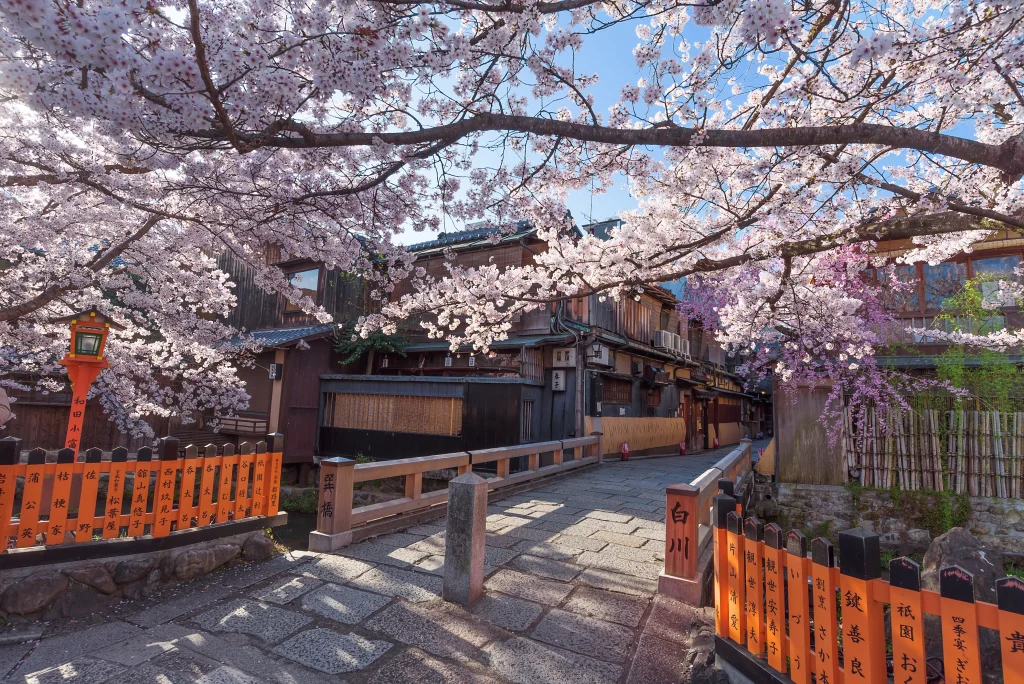
A common hope is that the festival and full cherry blossoms will land on the same weekend. Sometimes they overlap, but often they do not. In 2026, Kamakura’s main cherry blossom spots moved from early bloom in late March to peak or near peak in early April, though timing changes by year, weather, location, and variety. As April moves on, you may find trees past peak, yaezakura coming in, and fresh green leaves elsewhere.
If the second Sunday falls toward mid-April, expect that mix rather than a postcard of full bloom. Dankazura, the raised central walkway running up Wakamiya Oji, is still worth walking for its lanterns, new leaves, remaining petals, and festival crowd.
If full bloom is the priority of your trip, treat the festival and the blossoms as separate targets and plan around bloom forecasts. Our guide to the best season to visit Japan covers that timing.
Read more: Best Season to Go to Japan: Find the Perfect Time
A Realistic Tokyo Day Trip Plan
Kamakura sits about an hour from Tokyo by train, so a festival day trip is easy. The challenge is restraint, not logistics.
For the second Sunday, arrive at Kamakura Station mid-morning and walk out the east exit toward Wakamiya Oji. Watch the procession, then move up toward Tsurugaoka Hachimangu with the crowd. Leave time for the approach, the great stairway, and the Maiden where the afternoon dance is held.
After Shizuka no Mai, if your energy holds, ride the Enoden, the small local railway running from Kamakura toward Hase and Enoshima. From Hase Station, it is about seven minutes on foot to Kotoku-in, home of the Great Buddha. The bronze Buddha has stood in the open air since the late Muromachi period, and its stillness gives the day a useful change of pace.
Festival Sundays mean crowds and some road restrictions around the shrine, so build in buffer time and take breaks early. Also, resist adding a third district. Seeing the procession, the dance, and the Buddha well beats rushing five things.
Practical Information: Essential Tips for Festival Visitors
The table below reflects the usual pattern and 2027 projections. Confirm against official announcements before locking in plans.
| Item | Planning note |
|---|---|
| Festival | Kamakura Matsuri |
| Usual period | Second to third Sunday of April |
| 2027 likely key Sundays | April 11 and April 18, pending official confirmation |
| Main area | Wakamiya Oji and Tsurugaoka Hachimangu |
| Main events | Procession, Shizuka no Mai, nodate tea seating |
| Yabusame | May be held separately at Tsurugaoka Hachimangu during the period; check official details |
| Access from Tokyo | About 1 hour by train to Kamakura Station |
| Great Buddha side trip | Kotoku-in, about 7 minutes on foot from Hase Station |
| Great Buddha hours and fee | April to September: 8:00 to 17:30; adult admission ¥300; Great Buddha interior ¥50, but check current details before visiting |
Planning Spring in Japan Around Moving Dates
Spring in Japan does not always fit neatly into a fixed schedule. Festival programs firm up late, blossoms follow the weather rather than the calendar, and the best days often come from leaving room for both. Kamakura Matsuri, taken on its own terms, can turn one day of a Tokyo stay into something more layered than a standard side trip.
If you are building a longer spring trip and want help fitting pieces like this together, ENJYU JAPAN designs Tailor-Made Tour itineraries around these judgment calls: festival dates, bloom timing, and the quieter days in between. Sometimes the most useful spring plan leaves space on purpose.