If you are wondering where to begin in Gion, a few well-chosen stops will help you understand the neighbourhood without rushing through it.
The best things to do in Gion combine a walk through its historic streets with a temple visit, cultural exhibition or performance. Add time for tea, and you have both substance and room to pause. Choose daytime for gardens and exhibitions, or build an evening around a booked show. This guide helps you arrange those choices, with alternatives for rain, tired feet and unavailable tickets.
Choose the Gion Visit That Fits Your Time
Allow around 90 minutes to two hours for a compact walk and a break, or three to four hours with a cultural stop. These are planning estimates, allowing time to browse and rest. Start with your main interest, then decide which nearby places deserve the remaining time.
Shijo-dori, the main street, runs east from the Kamo River towards Yasaka Shrine. Hanamikoji extends south from it, while Gion Shirakawa lies to the north. Pontocho is across the river; Kiyomizu-dera requires a separate extension towards the hills. Keep those additions optional rather than treating everything as one short circuit.
| Experience | Choose it for | Timing and booking |
|---|---|---|
| Hanamikoji and Shirakawa | Townhouses and a waterside walk | Use public streets and follow local signs |
| Kenninji | Gardens and temple art | Daytime; last admission is 16:30 |
| Yasaka Shrine | Shrine architecture and worship | Grounds and service counters have different hours |
| Gion Kagai Art Museum | Clothing, objects and Kyoto dance | Check opening dates and optional dance tickets |
| Gion Corner | An introduction to performing arts | Select a performance date and time |
| Tea and shopping | A break or something to take home | Allow for queues and closing times |
The venues have different scheduling and access conditions, so arrange the least flexible activity first.
Walk Gion’s Streets and Choose a Temple or Shrine
Walking introduces the neighbourhood’s buildings; a temple or shrine offers another perspective. Choose according to your interests and arrival time rather than assuming both religious sites are essential.
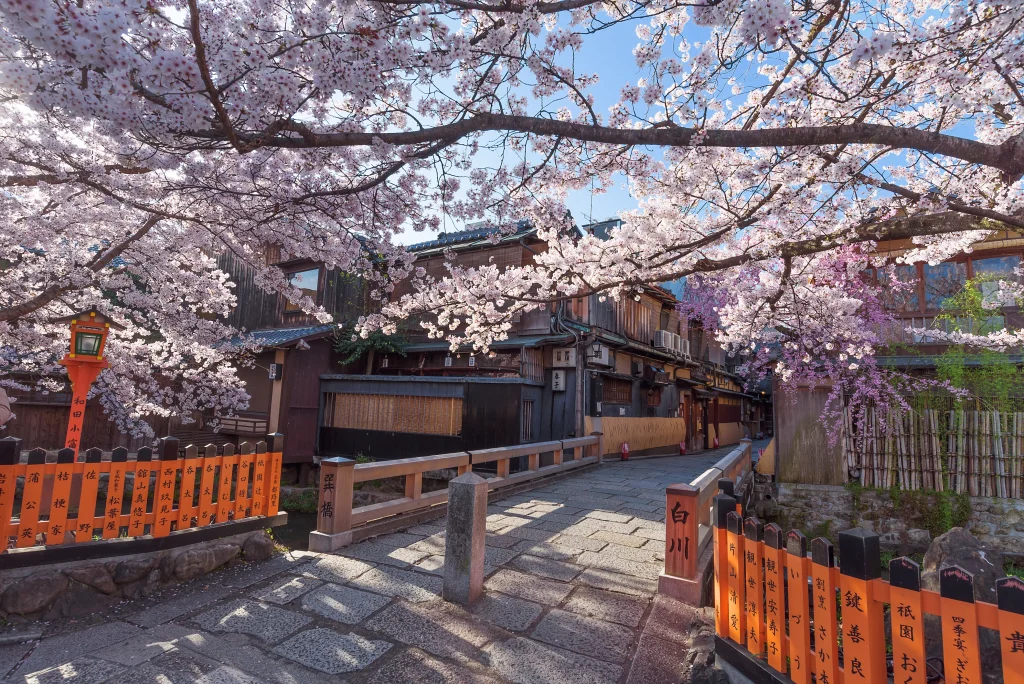
Walk Hanamikoji and Gion Shirakawa
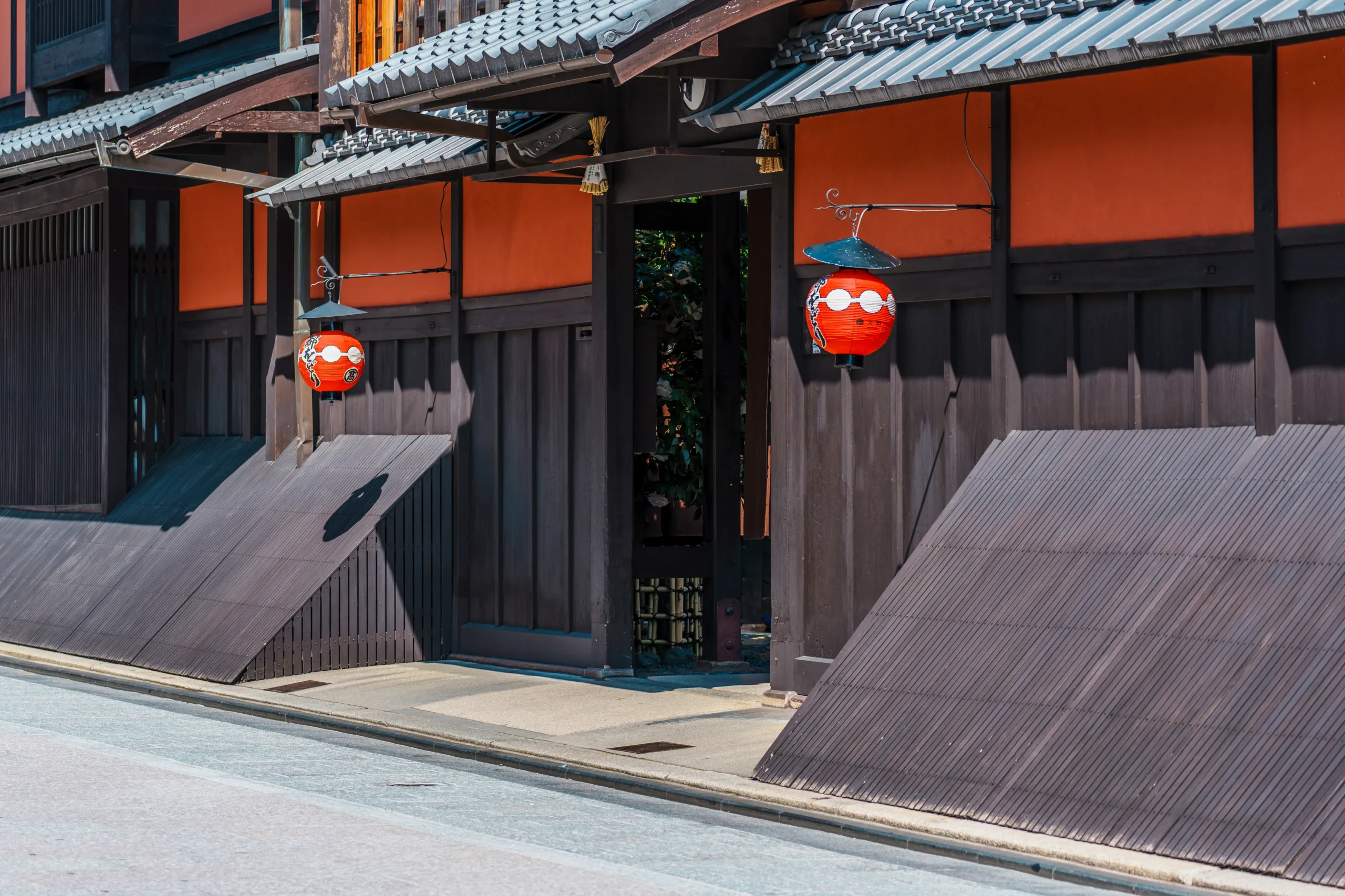
Follow Hanamikoji south from Shijo-dori, noticing the wooden lattices of machiya, traditional townhouses. Some buildings have inuyarai, curved bamboo structures along their lower walls. Their shapes and materials give you specific details to observe as you walk.
Some buildings house ochaya, establishments hosting entertainment by geiko and maiko. An ochaya is not an ordinary café where visitors can enter for tea. Enjoy the streetscape while respecting the difference between a public road and a private entrance.
For a waterside alternative, explore the public streets around Shirakawa and its bridges. Keep entrances clear and follow photography signs. When narrow passages become busy, continue walking rather than waiting in other people’s way. The neighbourhood remains a place of work and daily life.
Visit Kenninji During the Day
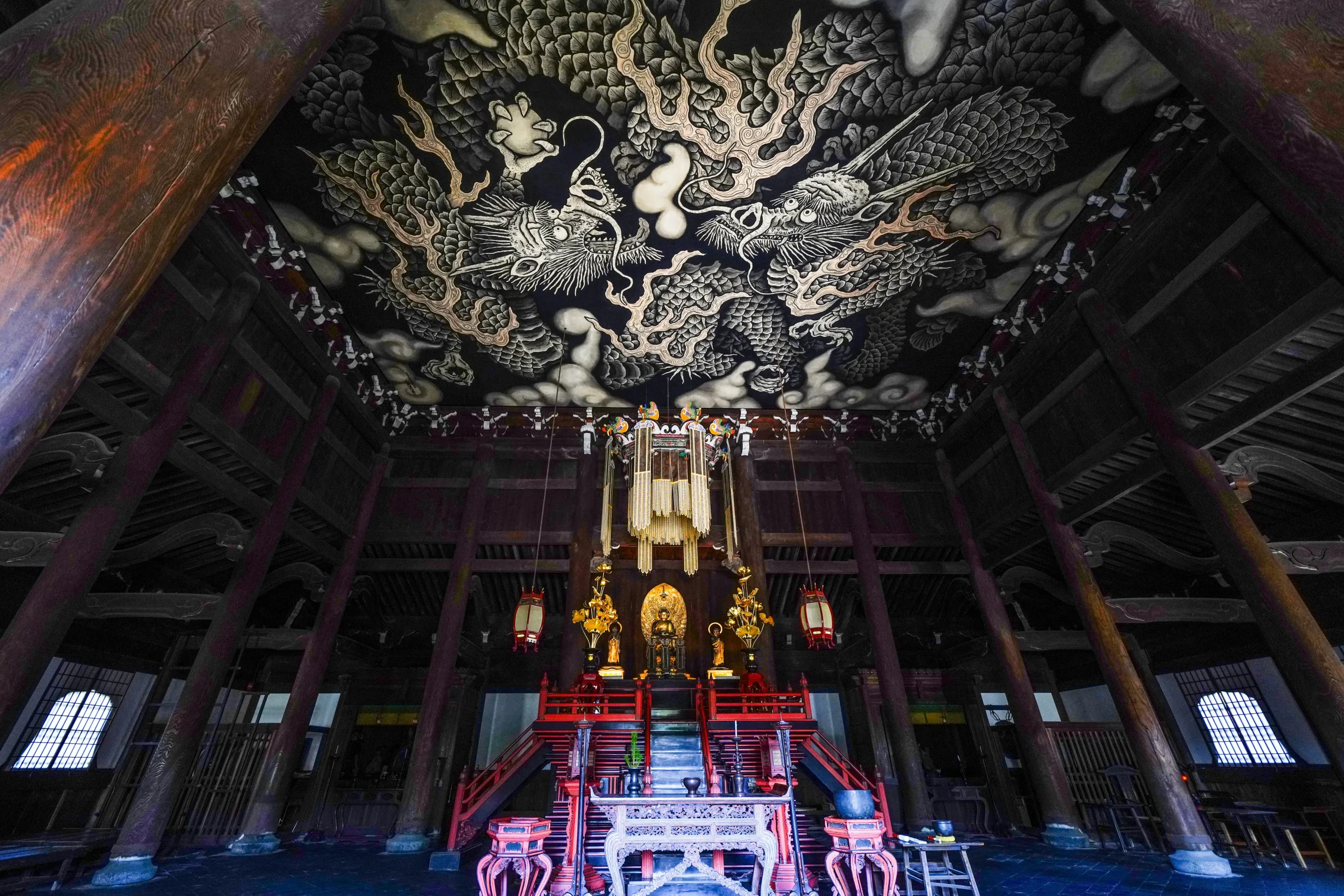
Kenninji Temple suits visitors interested in gardens and painting. Its Twin Dragons ceiling painting was completed by Koizumi Junsaku in 2002. The displayed Wind and Thunder Gods screen is a high-resolution reproduction; the original is entrusted to Kyoto National Museum. Knowing the distinction helps you understand what you are seeing.
Adult admission is ¥800 through 2026, with an announced increase to ¥1,000 from 1 January 2027. Visiting hours are 10:00–17:00, and reception closes at 16:30. Make this your first stop if you arrive late in the afternoon.
Handheld still photography is permitted under the temple’s rules, but video and equipment such as tripods are prohibited. Keep photography brief, leave space for other visitors and follow additional signs.
Visit Yasaka Shrine at a Time That Suits You
Yasaka Shrine stands at the eastern end of Shijo-dori. It is a Shinto place of worship, offering a different experience from a Buddhist temple’s interior displays. Notice its buildings while leaving room for people who have come to pray.
Worship is possible around the clock, while the shrine office operates from 09:00 to 17:00. Overnight access does not mean every service remains available. If you need step-free access, confirm the suitable entrance and route with the shrine before visiting.
Choose a Cultural Experience and Make Time for Tea
If you are unsure which cultural stop to choose, begin with the difference between an exhibition and a broader stage programme. The two venues below offer distinct introductions.
Gion Kagai Art Museum: Exhibits and a Short Dance
At the Gion Kagai Art Museum, look at kimono, woven obi sashes and seasonal hair ornaments. These objects connect the performers’ appearance with the craft behind it. In Kyoto, geiko are professional performing artists and maiko are apprentices. ENJYU JAPAN’s guide to geisha experiences explains their work and other cultural encounters.
General admission is ¥1,500. Optional kyomai, a Kyoto style of dance, costs another ¥1,600 and presents two dances in approximately 15 minutes. This is a performance, not a conversation or banquet. Enter at least 15 minutes before a booked dance; photography and video are prohibited during it.
The museum opens 11:00–18:30, with last admission at 17:30. It lists a spring closure from mid-March to early May, alongside year-end and irregular closures. Exact dates vary, so consult the calendar, particularly if you plan to attend Miyako Odori. English exhibition explanations are available through QR codes, with free Wi-Fi provided.
Access conditions deserve attention before purchase. Pushchairs and visitors’ own wheelchairs are not permitted inside. A limited number of indoor wheelchairs are available, but some areas remain inaccessible. The upstairs dance venue has no lift, so contact the museum about your requirements. Tickets cannot be changed or cancelled after purchase.
Gion Corner: An Evening Introduction to Traditional Arts
Gion Corner presents short introductions to arts including Kyoto dance, tea preparation, flower arrangement and music. Its approximately 50-minute programme suits visitors wanting variety within one seated performance. It is a public introduction to Japanese traditions, not private entertainment with performers.
Regular shows begin at 18:00 and 19:00; adult standard tickets cost ¥5,500. From 1 December to 11 March, winter performances run Tuesday to Friday, excluding public holidays, with additional closure dates. Check the winter schedule and programme when selecting your date.
Premium seats cost ¥6,600 and include a tablet with explanations and translations. That feature does not accompany standard seats. Choose the ticket according to the support you would find useful.
Pause for Tea or Buy Something to Take Home
Gion Tsujiri’s main store offers tea and confectionery on Shijo-dori. Saryo Tsujiri occupies the second and third floors for seated refreshments, with English menus available. Its current Japanese listing gives 10:30–20:30 opening hours and last orders at 19:30. Confirm access arrangements if you need to avoid stairs.
A café break is separate from a formal tea ceremony. If the queue is longer than you wish to wait, buy tea to take home or choose takeaway. Ask about individual ingredients for dietary requirements; an English menu does not guarantee suitability.
Plan a Daytime or Evening Route, with Alternatives
Build your route around the activity with the least flexible timing. Choose a weather alternative before purchasing non-changeable tickets, then shorten outdoor sections if conditions change.
A Daytime Route with One Main Cultural Stop
For a three-to-four-hour visit, start at Gion-shijo Station and make Kenninji your first stop. Continue along Hanamikoji, pause for tea, then choose either Yasaka Shrine or Shirakawa. For a shorter outing, omit the paid cultural stop and combine one street area with a break.
| Plan | How to adjust |
|---|---|
| A: Fair weather | Kenninji → Hanamikoji → tea → Yasaka Shrine or Shirakawa |
| B: Rain | Museum exhibition → optional booked dance → tea; keep outdoor transfers short |
| C: Museum closed or dance sold out | If only the dance is sold out, consider the exhibition. If the museum is closed, choose Kenninji during opening hours when conditions suit, or shorten the visit to tea and one public street area |
Exhibition admission can involve waiting, and optional dance tickets may sell out. A closed museum and an unavailable performance therefore require different decisions.
If walking becomes tiring, reduce the route to one venue and a seated break. Check access arrangements if you need to avoid stairs. Indoor destinations still require outdoor travel; in severe weather or transport disruption, postponing may be preferable to moving between venues.
An Evening Route Built Around a Show
Choose your Gion Corner performance first, then arrange dinner with enough time after it. Beforehand, walk a short section of Hanamikoji or Shirakawa rather than trying to cover both. Allow separately for finding the venue and entering.
| Plan | How to adjust |
|---|---|
| A: Fair weather | Short walk → booked performance → dinner |
| B: Rain or tiredness | Go directly to the venue and keep the onward journey short |
| C: Sold-out show or closure | Keep dinner, and schedule the cultural experience separately |
When booking dinner, establish the course price, dietary arrangements, child policy and cancellation terms. If the show is unavailable, changing the purpose of the evening is often easier than finding an equivalent replacement. Closed daytime galleries and temple interiors are not immediate evening alternatives.
Adjust Your Visit for Seasonal Performances and Festivals
A seasonal event can become your main experience rather than another stop. Miyako Odori is Gion Kobu’s spring dance production, with performances announced for 1–30 April 2027. Arrange the day around your chosen performance rather than adding a full cultural circuit.
Gion Matsuri is Yasaka Shrine’s July festival. Its float neighbourhoods and procession routes extend beyond the streets described here. Use ENJYU JAPAN’s Gion Matsuri guide for festival geography and viewing plans, then adapt your ordinary route to the relevant events and restrictions.
Prepare for a Comfortable and Respectful Visit
Keep your travel and booking details together so you can find your way without relying on Japanese. Save the information below before leaving your accommodation, and leave large luggage there if possible.
| What to prepare | Key information |
|---|---|
| Destination details | Save each venue’s Japanese and English names, entrance location, booking QR code and start time. |
| Nearest stations | Gion-shijo Station (祇園四条駅) serves Keihan. Kyoto-Kawaramachi Station (京都河原町駅), across the river, serves Hankyu. |
| From Kyoto Station | One rail option is JR to Tofukuji, then Keihan to Gion-shijo. Check connections for your departure time. |
| English assistance | Gion-shijo’s tourist information centre offers English assistance from 10:00 to 18:00. |
| Large luggage | Leave it at your accommodation. Gion Kagai Art Museum has no secure luggage storage service. |
| Museum tickets | Show the ticket QR code on your phone or bring a printed copy of the PDF. |
Respecting local boundaries is equally important. Follow no-entry and photography signs, and do not follow, touch or photograph geiko and maiko without permission. Keep entrances and routes clear for residents and vehicles: Hanamikoji is not pedestrian-only. These steps help you enjoy the neighbourhood while respecting the people who live and work there.
Is Gion Open to Tourists?
Yes. Visitors can use public streets and venues open to them. Restrictions on private lanes do not close the entire district; follow the signs at each location.
Your Invitation to Gion, at Your Own Pace
A garden, a dance or the craftsmanship of a kimono can each provide a satisfying focus. Select the date and any necessary reservation, then let the walk connect those choices. The aim is not to fill every minute, but to give your main interest enough time.
Leave a little room for curiosity; the finest part of your visit may be the detail you choose to linger over.
References
- Kenninji Temple – Visitor Information: Admission, Opening Hours and Access
- Kenninji Temple – Cultural Properties: Wind and Thunder Gods Screens and Twin Dragons Painting
- Kenninji Temple – Photography Rules: Still Photography, Video and Equipment Restrictions
- Yasaka Shrine – Worship and Prayer Information: Visiting Hours, Office Hours and Wheelchair Access
- Gion Kagai Art Museum – Visitor Information: Admission, Opening Hours and Seasonal Closures
- Gion Kagai Art Museum – FAQ: Tickets, English Explanations, Photography and Access Restrictions
- Gion Corner – Performance Guide: Programmes, Tickets, Winter Schedule and Access
- Saryo Tsujiri – Gion Main Store: Café Location, Opening Hours and Last Orders
- Gion Kobu Kabukai – Miyako Odori 2027: Performance Dates, Tickets and Venue
- Yasaka Shrine – Gion Matsuri: Festival Rituals and Principal Events
- Keihan Electric Railway – Information for Travellers: Tourist Information Centres and Station Facilities
- Kyoto City Tourism Association – 4 Guidelines to Follow When Visiting Kyoto: Photography, Private Property and Respectful Conduct