Just east of central Kobe, the Nada sake district offers an easy introduction to one of Japan’s best-known brewing regions. Known as Nada-Gogo, or the “five villages of Nada,” it extends along Osaka Bay from Kobe towards Nishinomiya. You can visit former brewhouses filled with old equipment, look into modern production facilities, and compare sake styles without needing to be an enthusiast.
For a first visit, concentrate on Uozaki and Sumiyoshi. Two or three nearby facilities make a manageable three- to four-hour outing from Kobe or Osaka. The five brewing areas span a much longer stretch of coast, so there is little reason to cover them all on foot.
Why Did Nada Become Such an Important Sake Region?
Much of Nada’s brewing history begins with water, but efficient rice polishing and access to major markets were important too.
Miyamizu, the mineral-rich groundwater associated with Nishinomiya, was particularly valued. Minerals in brewing water help fermentation, while low iron content helps prevent unwanted colouring. Brewers across the wider region did not necessarily use identical water or methods.
The Rokko Mountains helped in two ways. Cold winter winds known as Rokko-oroshi suited traditional brewing during cooler months. Streams flowing towards the sea powered waterwheels that polished rice more efficiently than manual methods, allowing breweries to increase output.
Skilled Tamba toji, or master brewers from the Tamba region, contributed expertise. Hyogo’s rice-growing areas also became important, especially through their association with Yamada Nishiki, a renowned sake rice. Those fields lie outside the coastal brewery district, and not every Nada sake uses that variety.
Access to Osaka Bay gave Nada another advantage. Barrels could be shipped to Edo, present-day Tokyo, where demand was considerable. The breweries were positioned to distribute what they produced. In 2020, the shared brewing history of Itami and Nada-Gogo was recognized as a Japan Heritage story, encompassing both regions.
Reference: Japan Heritage story
What Makes Visiting Nada Different?
Between brewery stops, you pass apartment buildings, busy roads and modern factories. Nada’s sake tradition continues alongside everyday city life.
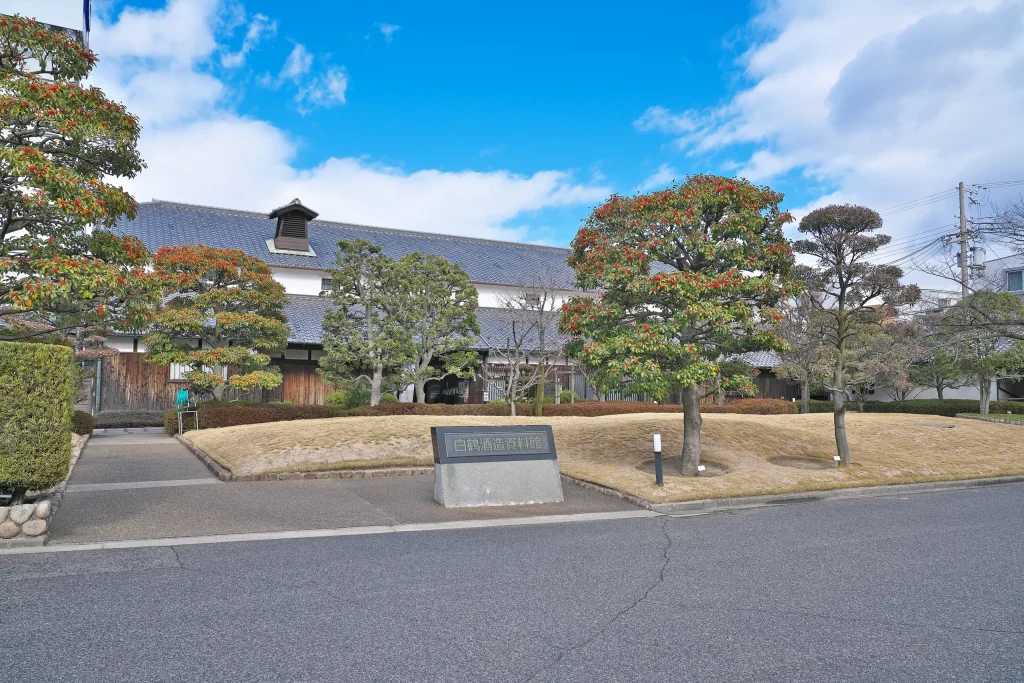
The buildings reveal more recent history, too. Kiku-Masamune’s earlier museum collapsed in the 1995 Great Hanshin-Awaji Earthquake. Its replacement, reopened in 1999, incorporates old pillars and beams. Sawanotsuru rebuilt its historic museum after the same disaster. Hakutsuru’s museum, meanwhile, occupies an early twentieth-century former brewhouse.
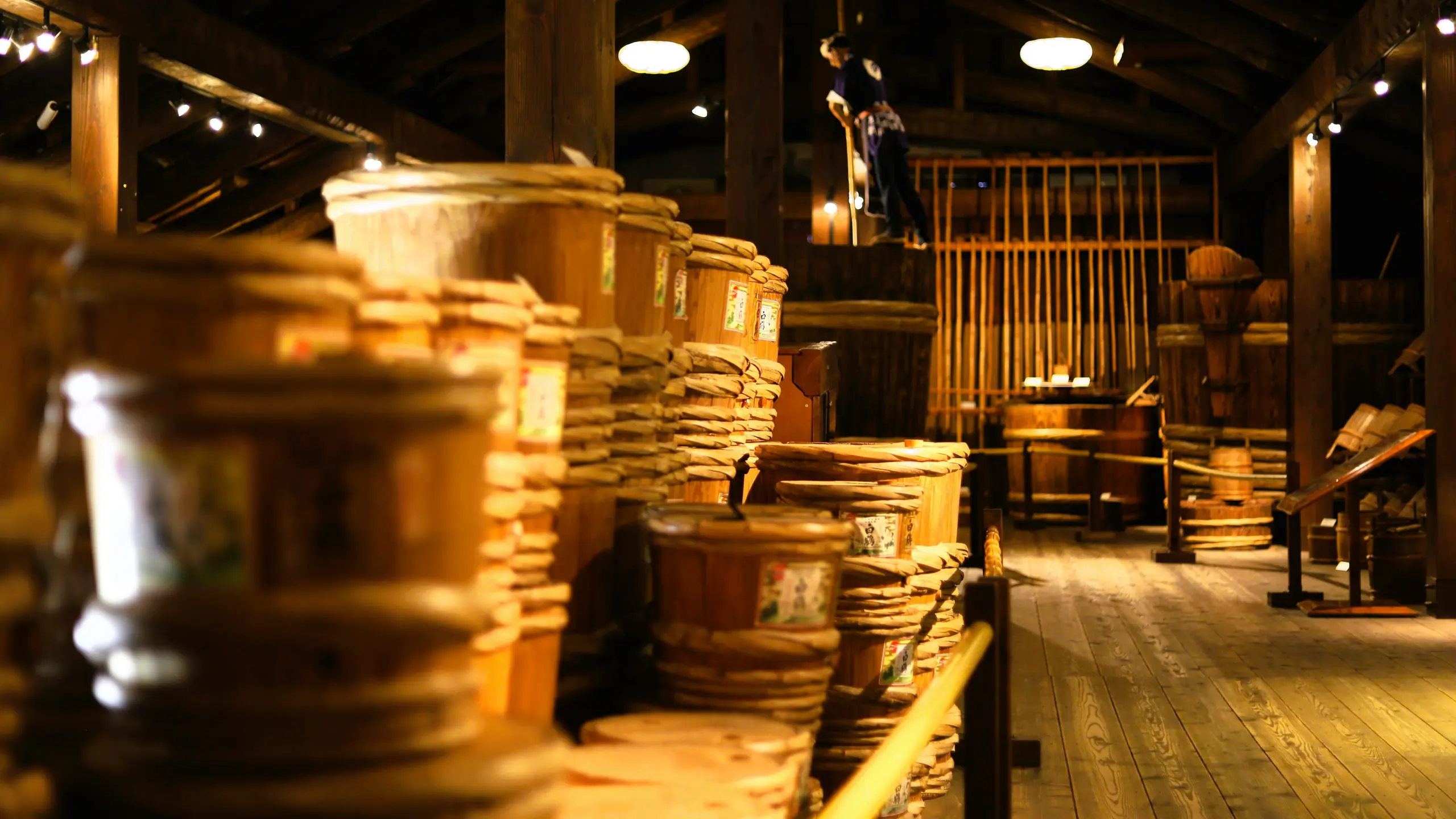
These offer different ways of understanding brewing heritage. You can study wooden vats and hand tools in one building, then visit a facility where modern equipment is visible behind glass. Visitors interested in craft or architecture, rather than drinking, can enjoy the contrast.
Which Sake Breweries and Museums Should You Visit?
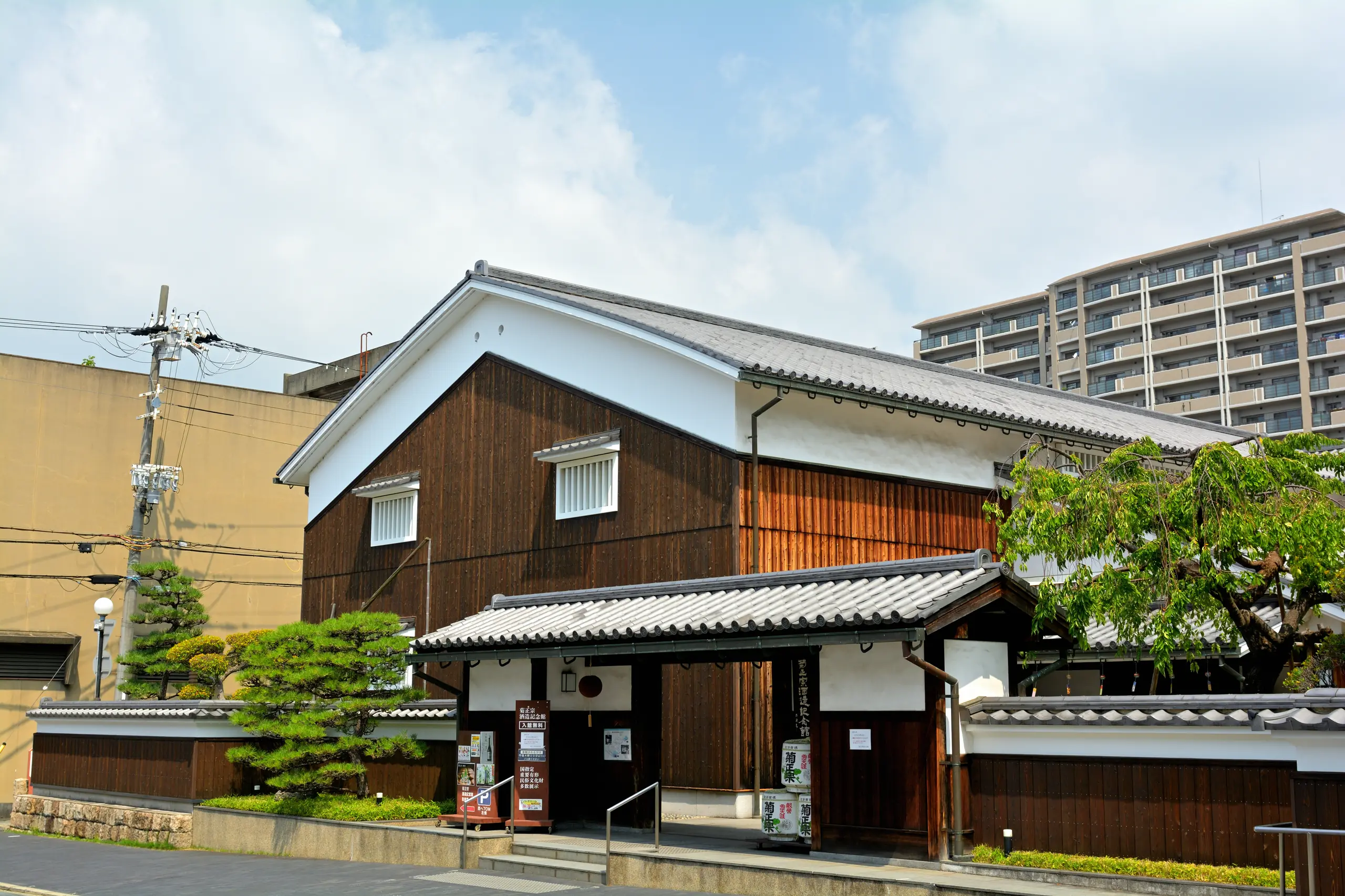
For traditional brewing tools, start with Hakutsuru or Kiku-Masamune; for a glimpse of modern equipment, try Hamafukutsuru. Admission, tasting arrangements and reservations differ, and a museum visit does not necessarily include access to a working production area.
| Facility | Best for | Visit conditions |
|---|---|---|
| Hakutsuru | Traditional process | Free; small groups walk in |
| Kiku-Masamune | Old tools and craftsmanship | Free main museum; usually closed Tuesday |
| Hamafukutsuru | Modern equipment | Free viewing; usually closed Monday |
| Kobe Shushinkan | Planned brewery visit | Free introductory visit by advance booking |
| Sawanotsuru | Historic architecture | Free museum; usually closed Wednesday |
Hakutsuru Sake Brewery Museum is a sensible first stop. Its former brewhouse uses equipment, figures and videos to explain the old production process. Entry is free, and groups smaller than ten can usually visit without booking. It is about five minutes on foot from Hanshin Sumiyoshi Station.
Kiku-Masamune Sake Brewery Museum focuses on tools and older methods. Its collection includes historic brewing equipment, while the reconstructed building incorporates timber from its predecessor. The main museum is free for small groups, but specialist facilities have separate reservations.
Hamafukutsuru Ginjo Kobo offers a contrast. A glass-walled corridor overlooks contemporary equipment, and visitors may see production activity depending on the day. Small groups can enter without a reservation. The facility also has shopping and tasting options, including paid samples; these finish earlier than the building’s closing time.
Kobe Shushinkan, which produces Fukuju, offers an introductory experience with a video, exhibits and a partly self-guided view through glass. The free option requires advance booking. A separate paid visit involves different arrangements. Choose this if you are happy to plan ahead instead of simply walking in.
Farther west, Sawanotsuru Sake Museum occupies a reconstructed historic brewery building. It is an option for visitors interested in older production spaces, although it adds travel time to the eastern route.
What Does Nada Sake Taste Like?
Nada has long been associated with relatively firm, dry sake. An old expression contrasts its otokozake, or “masculine sake,” with the supposedly softer onnazake of Fushimi. Those traditional descriptions are not formal classifications and do not apply to every bottle.
The National Tax Agency’s geographical-indication specification instead emphasizes balanced flavour and a pleasant finish. It also mentions fruity qualities in some ginjo styles. Comparing a fragrant ginjo with a fuller or sharper-finishing sake can be more instructive than memorizing technical terms.
There are contemporary variations too. Takara Shuzo produces Sho Chiku Bai Shirakabegura Mio, a gently sweet, fruity sparkling sake, at its Shirakabegura brewery in Nada. It is one example of a style that can appeal to someone who previously disliked conventional sake.
Read more: Japanese Sake: Styles and Tasting
Getting to Nada from Kobe or Osaka
Once you have a couple of museums in mind, Hanshin Railway makes it fairly simple to reach them. Uozaki Station works well for Hamafukutsuru and Kiku-Masamune; Hanshin Sumiyoshi is convenient for Hakutsuru. Ishiyagawa serves Kobe Shushinkan, and Oishi is nearest to Sawanotsuru.
Allow roughly ten minutes on the train from Kobe-Sannomiya to Uozaki. From Osaka-Umeda, the journey takes approximately 30–35 minutes, depending on the service. Faster trains do not serve every smaller station, so check whether you need a local connection. Timetables can change.
How to Spend Half a Day in Nada
One manageable route begins at Hanshin Uozaki Station and finishes at Hanshin Sumiyoshi. Start with Hamafukutsuru for its modern facilities, continue to Kiku-Masamune for traditional equipment, and finish at Hakutsuru to follow the old production process through its exhibits. Allow three to four hours for walking, visits and unhurried browsing.
This is a suggested self-guided route, not a bookable tour. The facilities have different opening days and may not all be available on your date. If you have only two hours, pick one or two according to your interests. A relaxed museum visit is usually more rewarding than rushing to complete a checklist.
With more time, add Kobe Shushinkan or Sawanotsuru, using the local train when appropriate. Remember to reserve a Shushinkan visit. The Nishinomiya area is better treated as a separate extension; the Hakushika Memorial Museum of Sake is an option there but does not belong on the short Kobe route.
If you are staying in Kyoto, Fushimi’s more compact brewery area may be easier to fit into your trip. Nada is especially convenient from Kobe or Osaka, with historic exhibits and modern production facilities spread across several neighborhoods.
Read more: Sake Breweries in Kyoto’s Fushimi District
Practical Tips and Seasonal Experiences
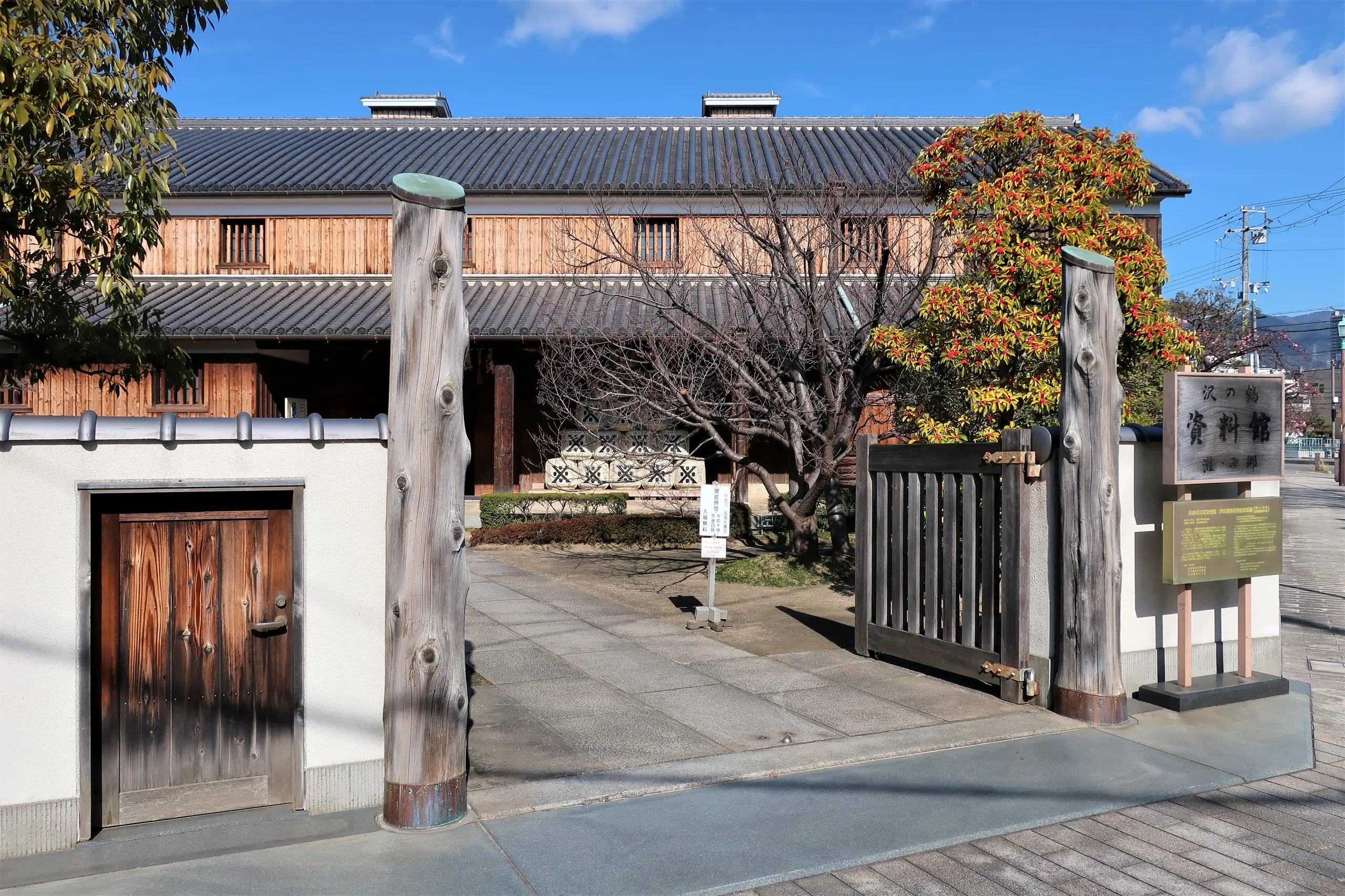
Opening days vary between breweries. Kiku-Masamune usually closes on Tuesdays, Hamafukutsuru on Mondays and Sawanotsuru on Wednesdays, although public holidays can change the pattern. Hakutsuru also publishes seasonal closure and site notices.
A historic exhibition is not the same as a production tour. Some facilities let visitors view equipment through glass; a guided experience may require advance booking even if the museum or shop does not. The tasks visible during production vary by day and season. English-language explanations also vary by facility, so check what is available if you hope to join a guided visit.
Brewery open days and sake-related events are another approachable introduction, but dates are announced individually. Japan’s legal drinking age is 20, and public transport makes sense if tasting is part of the visit. Non-drinkers can enjoy the exhibits and architecture too.
If you plan to taste, ask staff what is available that day and compare two or three small samples. You may notice differences in aroma, sweetness and texture that are harder to pick up with just one style. Water and something to eat can make the tasting more comfortable.
Discovering Nada Beyond the Bottle
Nada’s interest lies in how its history remains visible in a working production district. Water, mountain streams and coastal shipping helped breweries grow; historic buildings and modern facilities show how the craft continues. Choose a few stops that appeal to you rather than trying to see everything.
ENJYU JAPAN’s Tailor-Made Tour service can help you fit a sake-focused visit into a wider Kobe or Osaka itinerary, accounting for your interests, travel pace and the facilities you hope to visit.