Ultimate Guide to Japanese Sake: How It’s Made, Unique Flavors, and Expert Tasting Tips

Japanese sake is an alcoholic drink that has been loved for centuries, beginning during the Yayoi period, from 300 BCE to 300 CE. With its rich history, sake is an essential part of Japan’s own traditional culture, and today we can enjoy many different types of sake with various tastes and smells.

This article has everything you need to know about Japanese sake, from its brewing process and unique flavors to tips on pairing and tasting.

What is Sake?

Sake is a traditional Japanese alcoholic beverage made primarily from rice, water, and koji.  The average alcohol content is 15 to 16%. It has various rich flavors and aromas, so we can choose the right one to go well with any dish. Sake is Japanese rice wine, however, the fermentation process is entirely different from that of regular wine; however, its fermentation process is entirely different from that of regular wine. While wine is made by simply fermenting the natural sugars found in grapes, sake is produced through a complex method called multiple parallel fermentation, where the conversion of starch into sugar and sugar into alcohol happen simultaneously in the same tank.

The Secret Behind the Ingredients: Rice and Water

To truly understand sake, one must look closely at its core ingredients:

  • Sake Rice (Sakamikomi / Sakamai): Unlike regular table rice, sake brewing rice features larger grains with a starchy core called shinpaku (white heart), which is low in proteins and fats, allowing for a cleaner, more refined flavor profile. Famous varieties include Yamada Nishiki, Gohyakumangoku, and Miyama Nishiki.
  • Water (Shikomimizu): Water accounts for roughly 80% of a finished bottle of sake. Soft water (low in minerals) typically yields gentle, smooth, and mellow sakes, while hard water (rich in potassium and magnesium) accelerates yeast activity, creating crisp, bold, and dry sakes.

History of Sake: From Ancient Rituals to Modern Craft 

Sake’s origins are deeply intertwined with Japan’s spiritual and agricultural roots:

  • Ancient Beginnings: The earliest forms of sake involved chewing rice and spitting it into a tub—a primitive method called Kuchikami-no-sake (mouth-chewed sake) used for religious offerings to the gods.
  • The Imperial Era and Temples: During Japan’s classical era (the Nara and Heian periods, spanning from 710 to 1185 CE), sake brewing techniques advanced significantly within Shinto shrines and Buddhist temples, where large-scale production methods were first established.
  • The Edo Period Revolution: The Edo period (1603–1867) marked the birth of modern sake brewing techniques, including pasteurization (centuries before Louis Pasteur discovered it in the West), wooden barrel transport, and the establishment of master brewing guilds like the Toji.

Sake Brewing: Process and Fermentation
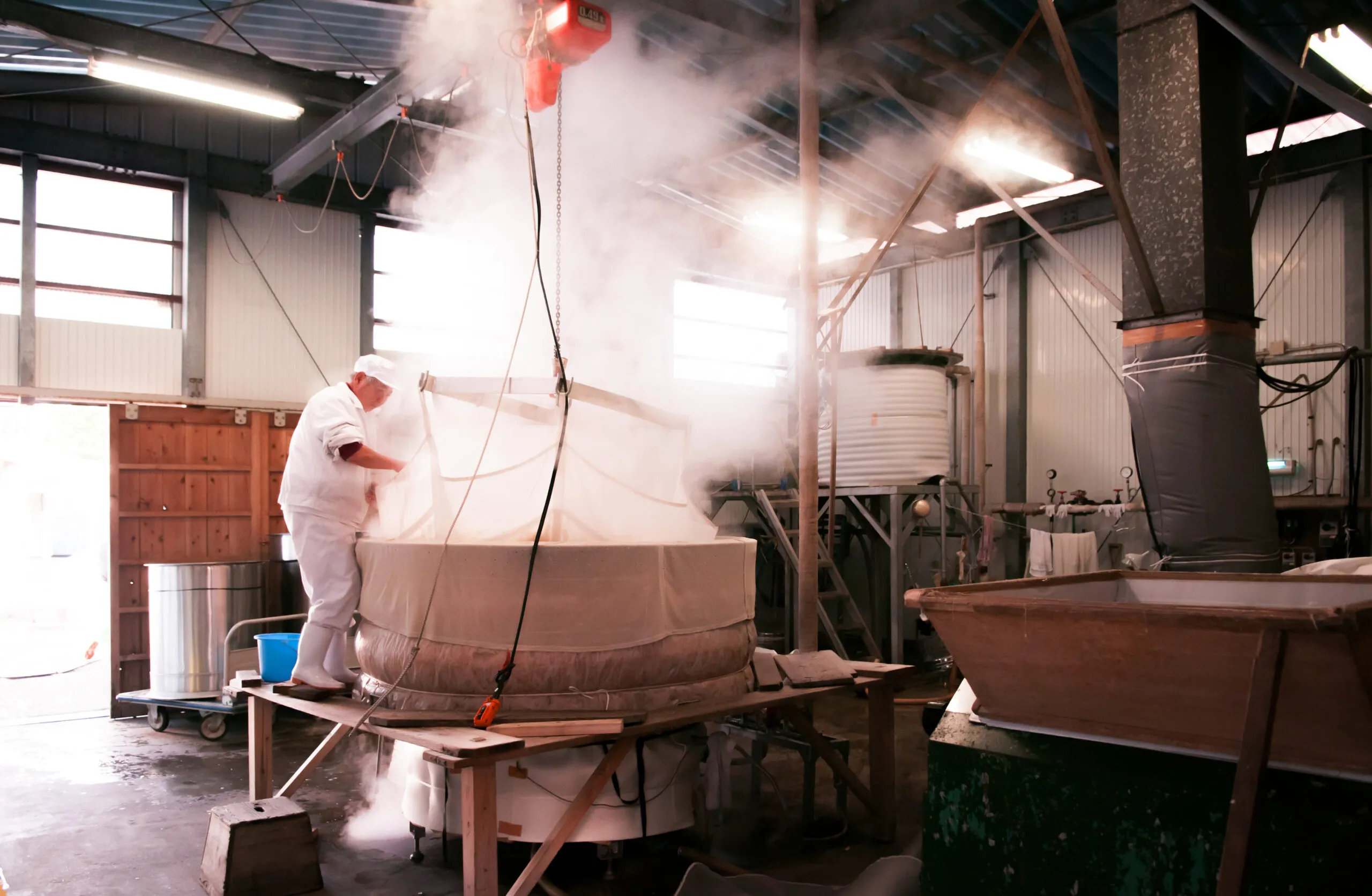
Rice steaming for making Japanese sake

A complex brewing process of about two months is necessary, which demands meticulous effort, and is carefully managed by skilled brewers giving sake its exceptional flavor and unique character. Let’s dive into the fascinating journey of how sake is produced. 

1. Prepare the Rice

The first step is polishing and washing the rice. Rice has an outer layer or husk which contains vitamins, proteins and fats. So it is essential to remove them to maintain the sake’s intended flavor profile without contamination. After the cleaning process, the rice is soaked in water and steamed. 

2. Koji Making

Koji is recognized as Japan’s national mold and is used in Japanese seasonings such as miso and soy sauce. In the process of making sake, koji is prepared by adding koji mold to steamed rice and plays a crucial role in converting the starch in the rice into fermentable sugars. 

3. Shubo Making

Shubo means mother of sake and is known as “yeast starter” in English. It is made by mixing the steamed rice with koji, water and yeast. It enables the cultivation of a large quantity of yeast, which is essential for the sake brewing process. 

4. Moromi Making

Steamed rice, water and koji are mixed with shubo to make moromi, a fermenting mass. The process of making moromi seems simple but these ingredients are mixed over three days and are essential to ensure balanced fermentation, promote yeast growth, and prevent the proliferation of unwanted bacteria. This is a traditional way to make moromi, called “sandan-shikomi”, which consists of four stages: hatsuzoe, odori, nakazoe and tomezoe.

On the first day, hatsuzoe begins by putting shubo, koji, steamed rice and water into a tank and mixing them. The next day is odori, there is no need to add anything, just to stir it with a paddle to promote the growth of yeast. On the third day, nakazoe, add the same ingredients as the first day, but twice as much. In the final stage, tomozoe, we need to double the amount of ingredients from the previous stage, nakazoe. This “sandan-shikomi” process takes time and effort but it makes the sake more valuable in flavor and quality.

5. Fermentation

It is then going to take a further 20  days for the fermentation process of the moromi to be completed. Once the process is done, the moromi will be pressed to separate the sake before moving on to the final stage.

6. Pasteurization

In general, the pressed sake is then heated to about 60 to 70℃ for pasteurization to kill any bacteria and prevent further enzymatic reactions. Some sake would skip the pasteurization process and are heat-treated before shipping, which is called “live storage sake” or “live-bottled sake”.

Source: Japan Sake and Shochu Makers Association | Understanding the Sake Brewing Process

Source: Sawanotsuru Sakemizuki | “San-Dan Shikomi”: Understanding Flavor Changes Through the Brewing Process

Types of Sake and Flavors
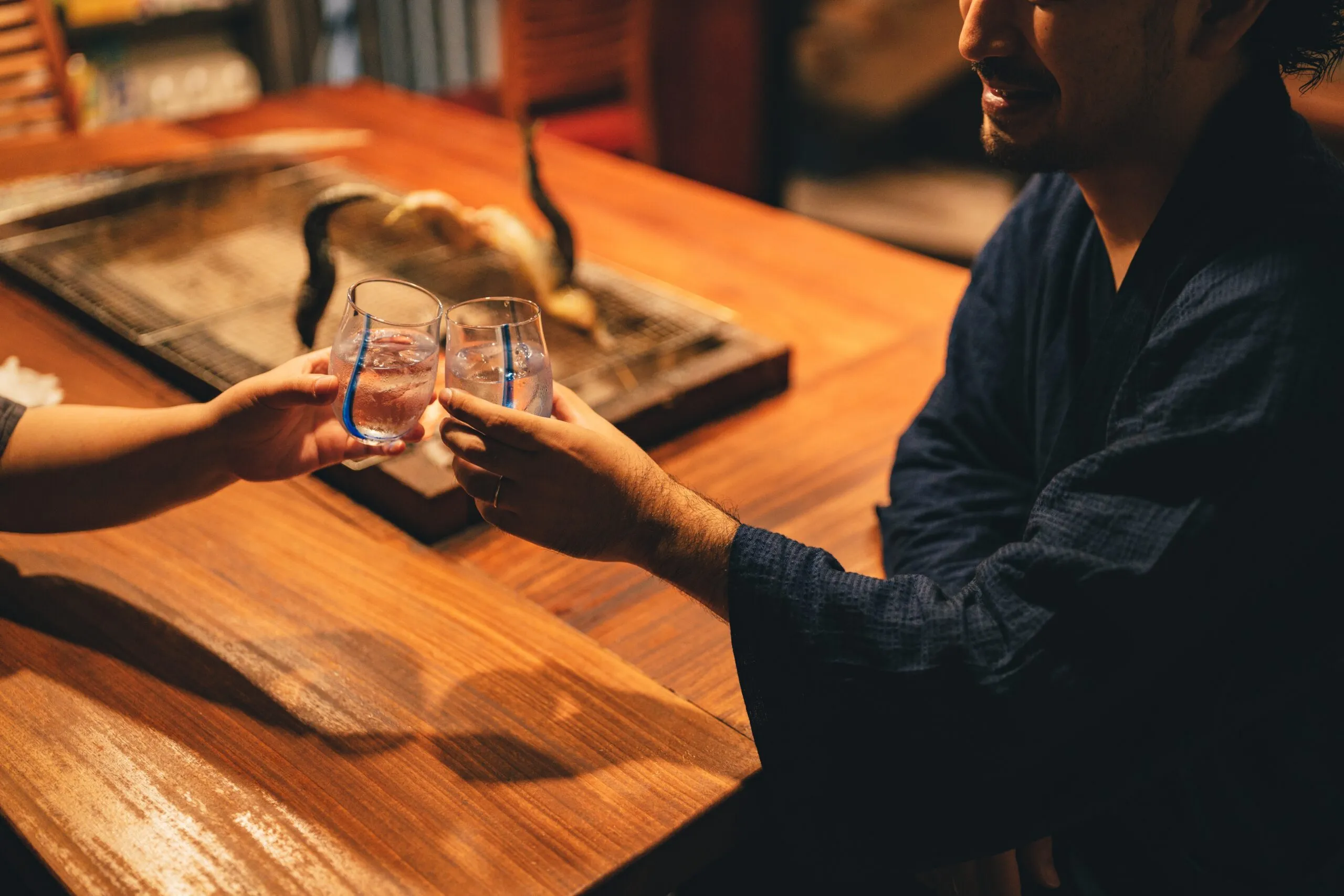
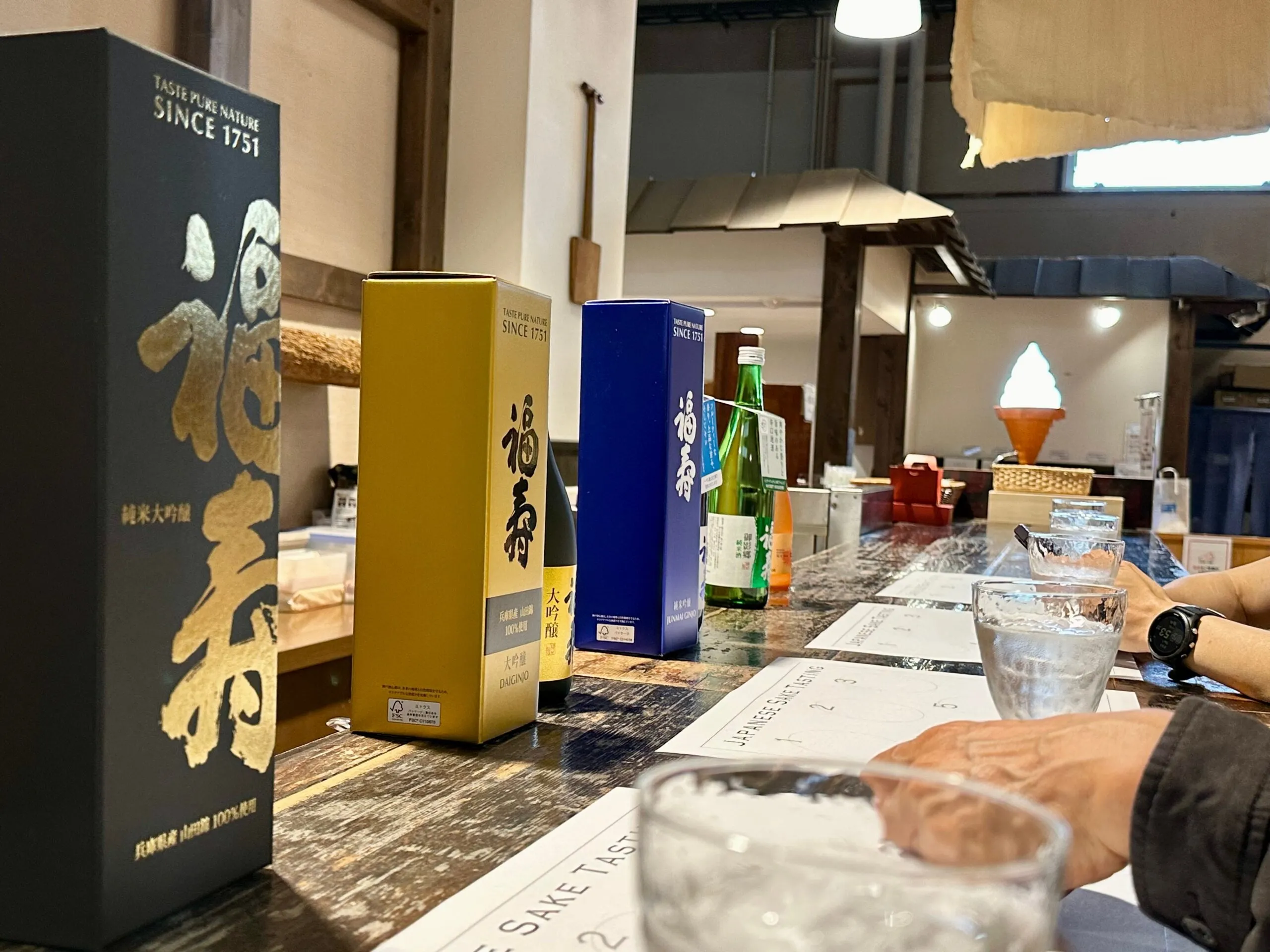
Sake experience in Izakaya

Sake has its own unique flavor depending on the type, brewing process and  ingredients. Some are sweet and fruity, while others are dry and crisp. Textures also vary, ranging from light and smooth to rich and full-bodied. Explore the 8 rich varieties of sake and find the perfect match for your taste using the comparison table below:

Sake Type Main Ingredients Seimai Buai (Polishing Ratio) Flavor Profile & Characteristics
Junmai-Shu Rice, Koji, Water No strict rule (usually under 70%) Pure, full, and rich body with authentic rice umami. No added alcohol.
Ginjyo-Shu Rice, Koji, Water, Brewer’s Alcohol 60% or lower Fresh, gorgeous aroma and delicate flavor with enhanced crispness.
Honjozo-Shu Rice, Koji, Water, Brewer’s Alcohol 70% Similar to Junmai, but lighter, less aromatic, and generally drier.
Daiginjo-Shu Rice, Koji, Water, Brewer’s Alcohol 50% or lower Fruity aroma (peach/apple), highly polished, elegant, and smooth.
Junmai-Ginjo-Shu Rice, Koji, Water 60% or lower Delicate aroma and rich rice umami without added alcohol.
Junmai-Daiginjo-Shu Rice, Koji, Water 50% or lower The pinnacle of refinement, exceptionally clean, fragrant, and smooth.
Nigori-Sake Rice, Koji, Water (Coarsely filtered) Varies Cloudy, milky appearance with a creamy texture and robust flavor.
Namazake Rice, Koji, Water (Unpasteurized) Varies Vibrant, fresh, and unadulterated lively flavor profile.

How to Enjoy Sake: Tips from Expert 

1. Explore Temperature Variations

You can enjoy sake at room temperature, chilled or warmed, and even the same kind of sake can taste different depending on its temperature. Reishu is sake chilled from 5℃ to 15℃, which brings out its floral aroma and clear taste. Warmed sake tastes sharp, especially, Atsukan, which is between 50°C and 55°C and offers a bold and full-bodied taste. If you are trying sake for the first time, it’s best to start with chilled sake.

2. Experiment with Glassware

Exploring different glassware is an excellent way to savor the subtle nuances of sake’s fragrance and flavor. Traditional ceramic cups, such as Ochoko or Guinomi, add a classic and authentic touch, emphasizing the cultural and ritualistic aspects of sake. On the other hand, wine glasses or tulip-shaped glasses are ideal for enhancing the aromatic profile of sake, especially for varieties like Ginjo-Shu and Daiginjo-Shu, where the delicate floral and fruity notes shine. 

3. Sake Tasting

Many sake breweries hold sake-tasting experiences to dive deep into the world. It is evaluated based on three key elements: appearance, aroma, and flavor. First, observe the differences in clarity and color. Next, take a sip and compare the aromas. Finally savor the flavors, noting their balance and the overall impression they leave. This experience lets you explore the rich diversity of sake and develop a deeper understanding and appreciation for its flavor, aroma, and craftsmanship.

4. Food Pairing

Sake can be paired widely, even with richly flavored dishes and meats. Here are some classic pairings:

  • Sushi and Sashimi: A clean and refined taste, such as Junmai Ginjo-Shu, enhances the delicate flavor of fresh fish.
  • Tempura: The light and crispy coating of tempura with the smooth texture of Junmai-Shu is the best.
  • Grilled Fish and Meats: The rich and full-bodied flavor of Junmai-Shu highlights the taste of grilled dishes.
  • Spicy Dishes: Slightly sweet sake meets the heat and spice of these foods.
  • Cheese: Sake and cheese go well together.

5. Proper Storage and Shelf Life Guidance

Unlike wine, sake is sensitive to light, heat, and oxygen. To maintain its optimal taste:

  • Light Protection: UV rays break down compounds in sake and cause spoilage (known as Hikae-shu or light-struck odor). Always store bottles in dark places or wrap them in paper.
  • Temperature Control: Unpasteurized sake (Namazake) must be kept refrigerated at all times (around 5°C). Regular pasteurized sakes can be stored in cool, dark environments, but refrigeration after opening is strongly recommended.
  • Shelf Life After Opening: While sealed bottles can last for months, an opened bottle of sake is best consumed within 1 to 2 weeks for peak freshness, though it can still be used for cooking or enjoyed as it gently oxidizes over a month.

6. Health, Beauty, and Sake: Why It’s Good For You

Beyond its exceptional taste, sake offers unique wellness benefits backed by science:

  • Amino Acids and Peptides: Sake contains a significantly higher concentration of amino acids than wine or beer, which helps boost metabolism and provides essential building blocks for skin health.
  • Kojic Acid: Derived from koji mold, kojic acid is widely celebrated in Japanese skincare for its natural brightening and anti-aging properties.
  • Stress Relief and Blood Circulation: Moderate consumption of warm sake promotes healthy peripheral blood circulation, helping the body relax and easing muscle tension.

Sake Tourism in Japan: Regional Characteristics and Must-Visit Sake Museums

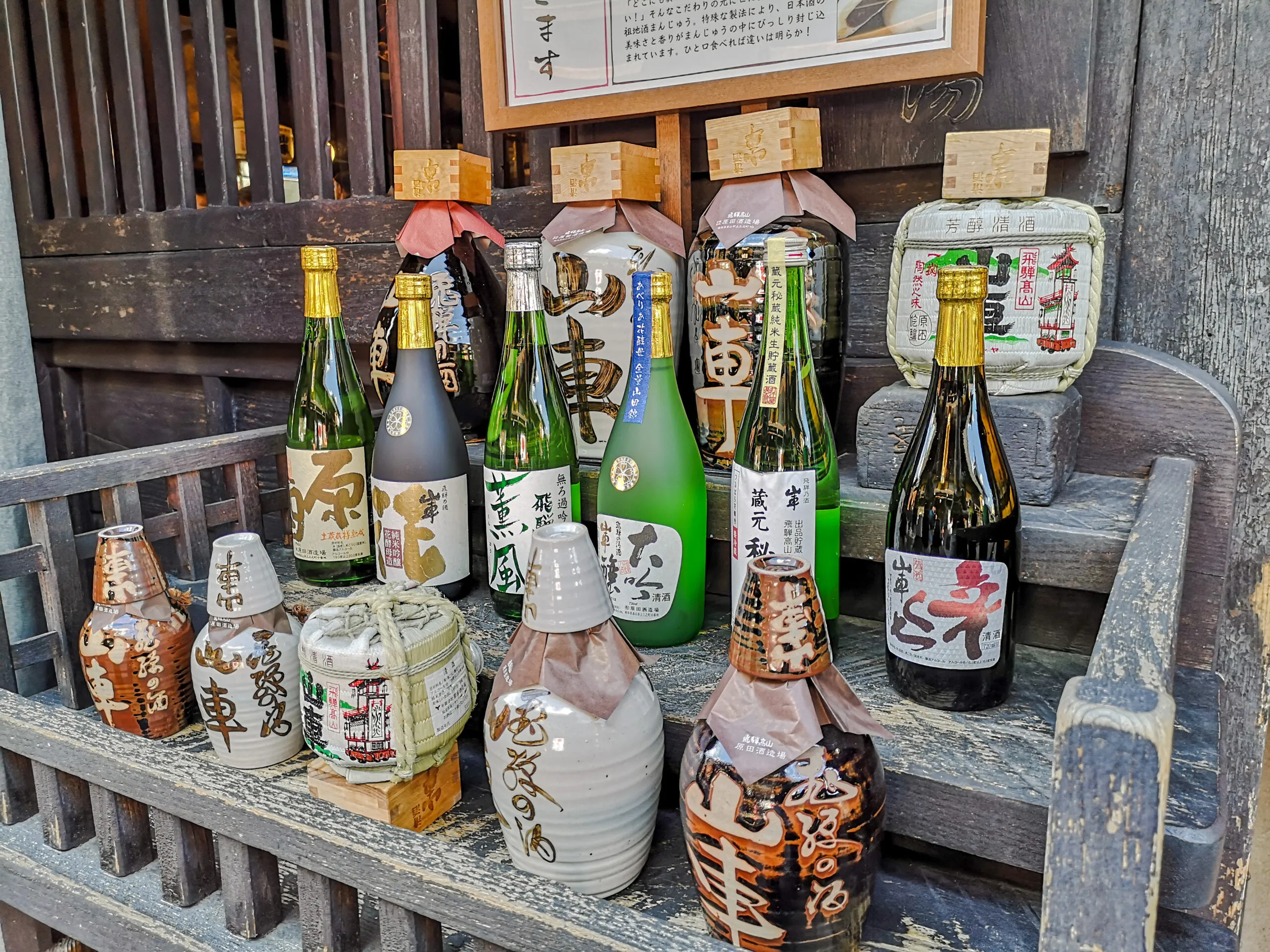
Variety of Sake bottles

Japan’s diverse natural environment, abundant pure water resources, and distinct regional climates have shaped a rich tapestry of local sakes, known as Jizake. Exploring these regions offers travelers an immersive way to connect with Japanese culture. Here is a comprehensive guide to the key regions and the must-visit sake museums and breweries across Japan.

1. Niigata: The Kingdom of Crisp and Dry Sake

Blessed with heavy winter snows that melt into ultra-pure water, Niigata is internationally renowned for producing crisp, dry, and clean-tasting sakes (Tanrei-Karakuchi).

  • Must-Visit Spot – Ponshukan (Yuzawa Station): Located right inside Niigata Station and Yuzawa Station, this legendary sake museum lets you sample over 100 varieties of regional sakes using a fun, coin-operated tasting machine.
  • Must-Visit Spot – Imayotsukasa Sake Brewery (Niigata City): Founded in 1767, this brewery is located close to Niigata City center and specializes entirely in premium Junmai (pure rice) brewing. They offer insightful historic tours through their traditional wooden storehouses.

2. Kyoto (Fushimi): The Historic Heart of Traditional Brewing

Fushimi in Kyoto is blessed with Fushimizu—a medium-soft underground water source that is famed for producing remarkably smooth, elegant, and refined sakes.

  • Must-Visit Spot – Gekkeikan Okura Sake Museum (Kyoto): Housed in a renovated 1909 timber storehouse in Fushimi, Kyoto, this world-class museum displays hundreds of traditional Edo-period brewing tools, vintage wooden vats, and historical documents. Visitors can experience the authentic sounds and smells of historic brewing and finish the tour with an exclusive tasting session.

3. Hyogo (Nada Gogo): Japan’s Largest Powerhouse of Sake

Stretching across Kobe and Nishinomiya, the “Nada Five Gogo” (Nada Gogo) region accounts for a massive share of Japan’s traditional sake production. It is famous for its hard mineral water (Miyamizu) and strong winter winds (Rokko Oroshi), which together forge bold, full-bodied, and robust sakes.

  • Must-Visit Spot – Hakutsuru Sake Brewery Museum (Kobe): Located in Kobe’s historic brewery district, this museum offers life-sized dioramas of traditional brewing processes, old fermentation tanks, and extensive tasting bars where you can try seasonal unpasteurized varieties.

4. Greater Tokyo: Scenic Nature Sanctuaries and City Craft Breweries

While Tokyo is a bustling metropolis, its western outskirts (Tama region) boast lush mountains and pristine rivers ideal for brewing.

  • Must-Visit Spot – Ozawa Shuzo (Sawanoi, Tokyo): Located in the picturesque Okutama gorge in western Tokyo, this 300-year-old brewery produces Sawanoi. Visitors can enjoy free guided tours of the hillside cellars, stroll along the pristine river garden, and sample various grades at the outdoor tasting pavilion.
  • Must-Visit Spot – Ishikawa Brewery (Fussa, Tokyo): Situated in Fussa, Tokyo, this is a historic estate featuring charming Meiji-era brick storehouses, a craft beer pub, a restaurant, and an on-site sake shrine.

5. Nagano & Hokkaido: Alpine Purity and Bold Innovation

  • Nagano (Suwa Gokaido): A famous area featuring five historic breweries within walking distance of each other. Miyasaka Brewing (Masumi) is widely celebrated for isolating the revolutionary “Kyokai No. 7 Yeast” and welcomes visitors to its contemporary on-site tasting lounge, Cella Masumi.
  • Hokkaido (Otaru & Mashike): Utilizing freezing northern climates and crystal-clear snowmelt, breweries like Tanaka Shuzo Kikkogura (Otaru) and Kunimare Sake Brewery (Mashike) offer fascinating looks into northern brewing heritage inside historical stone and timber storehouses.

Smart Ways to Enjoy Sake at an Izakaya: Ordering Tips and Etiquette

While exploring brewery tours across Japan is a wonderful adventure, you don’t need to travel far to enjoy great sake. Izakayas (Japanese pubs) are everywhere, making them the most accessible stage to dive into the world of sake.

Basic Etiquette and Ordering Tips at an Izakaya

  • Know Your Sizes: Sake is typically ordered by the go (1 go is approximately 180ml, ideal for sharing or having a few cups) or by the glass. Starting with a glass allows you to try multiple varieties smartly.

  • Reading the Menu and Asking Staff: Look for keywords like Karakuchi (dry) or Amakuchi (sweet) on the menu. If you are unsure, don’t hesitate to ask the staff: “What local sake do you recommend today?” or “Can you suggest a crisp sake that goes well with fish?”  Engaging with the servers this way ensures you’ll quickly land on an outstanding bottle.
  • The Etiquette of Pouring (Oshaku): When someone pours sake for you, hold your cup gently with both hands as a sign of respect. Pouring for others at your table is also a wonderful way to foster warm conversation over a meal.

Classic Izakaya Menu Items and Sake Pairings

Sake’s true power lies in its ability to elevate food flavors while letting its own umami shine. Pairing sake with classic izakaya dishes unlocks its full potential:

  • Sashimi & Carpaccio × Crisp, Dry Chilled Sake (Tanrei Karakuchi): Fresh tuna or white fish pairs with clean, dry sake. It cleanses the palate without masking the delicate natural flavors of the seafood.
  • Yakitori (Salt-grilled chicken) × Rich Junmai Sake: The savory, charred fat of grilled chicken meets the deep rice umami of Junmai sake in a stellar combination. Salt-grilled skewers match particularly well with structured, full-bodied brews.
  • Oden & Dashimaki Tamago (Dashi omelet) × Warm Sake (Kanzake): Dishes rich in dashi broth pair best with warmed sake ranging from skin-temperature to hot. The comforting umami of the broth merges with the warm, mellow aromas of the sake.
  • Tempura & Fried Foods × Fragrant Ginjo: Crispy, light tempura batters are counterbalanced by the fruity, aromatic profile of Ginjo styles, cutting through the oils and resetting your palate for the next bite.

Take It Further at a Dedicated “Sake Bar”

If you want to sample a wider variety of regional labels or find a specific flavor profile you love, seek out a Sake Bar or Japanese Wine Bar (Washu Bar) in the city.

  • The Allure of Sake Bars: They offer a much larger inventory than standard izakayas, featuring rare local labels and seasonal limited releases. Many places offer “Tasting Sets” (3 to 5 small pours), making it easy for beginners to explore.
  • Guided Expertise from Sommeliers (Kikizoshi): These bars are often staffed by certified sake sommeliers (kikizake-shi). They can guide you based on your mood—such as “I like something sweet and light” or “What fits tonight’s vibe?”—making it the ultimate opportunity to discover your personal taste preferences.

Frequently Asked Questions (FAQ) About Japanese Sake

To help you understand sake even better, here are clear and detailed answers to the most common questions people ask about Japanese sake:

What kind of alcohol is Japanese sake?

As noted in our overview, while often referred to as “rice wine,” sake is technically closer to a brewed beer because starch must be converted to sugar before fermentation. However, thanks to its unique multiple parallel fermentation method occurring in a single tank, it achieves a distinctive character with a typical alcohol content of 15%–16%.

Is sake 100% alcohol?

No, absolutely not. Standard Japanese sake has an average alcohol content of 15% to 16%, which is slightly higher than typical wine (11%–14%) but much lower than distilled spirits like whiskey, vodka, or tequila (which usually start around 40%). Some unfiltered or cask-strength styles (Genshu) may reach 18% to 20%, but water is almost always added during production to balance the flavor.

Why is sake so expensive?

While everyday table sake is quite affordable, premium Japanese sakes (such as Daiginjo or Junmai Daiginjo) can be quite expensive. The primary reasons include:

  • Intense Rice Polishing: To make ultra-premium sake, up to 50% or more of the outer rice grain is polished away, meaning massive amounts of rice are required to produce a single bottle.
  • Labor and Craftsmanship: Brewing requires meticulous handcrafting by master brewers (Toji) over weeks and months under strict temperature controls.
  • Import and Distribution Costs: Transporting delicate, unpasteurized, or heavy glass bottles internationally adds significant shipping and cold-chain storage expenses.

Does sake get you very drunk?

Sake can get you just as drunk as any other alcoholic beverage if consumed in excess, as its 15% ABV is higher than standard wine or beer. However, because premium sake is often sipped slowly and paired with rich foods, people sometimes underestimate its potency. Furthermore, high-quality, pure-rice sakes (Junmai) are known for containing fewer impurities, which many drinkers report results in fewer hangovers when consumed responsibly.

Do Japanese people actually drink sake?

Yes, absolutely, though drinking habits have diversified over the decades. While beer, highballs (whisky and soda), and wine are extremely popular in modern Japanese izakayas and everyday dining, sake remains a staple at traditional celebrations, weddings, seasonal festivals, New Year gatherings (Oshogatsu), and high-end dining experiences.

Summary

Sake is a beverage with incredible diversity and charm, offering a rich history, a complex brewing process, a wide range of flavors, and countless pairing possibilities with food. Exploring unique regional varieties, experimenting with different serving styles, and understanding sake etiquette can enhance your appreciation and enjoyment of this iconic drink. Take the opportunity to discover your favorite way to enjoy sake and experience its unique allure to the fullest.
Ready to experience the true essence of Japanese Sake?

Don’t just read about sake—experience it where it’s born. Whether you are looking to plan a private, exclusive brewery tour, a curated sake tasting session led by a certified master sommelier, or a custom travel itinerary tailored to your exact taste across Niigata, Kyoto, or Tokyo, our expert concierge team is here to assist you.

Contact us now for exclusive brewery access, private guides, and personalized expert advice.

Let's Plan a Special Holiday Just for You.

Speak to One of Our Travel Specialists

Other Columns