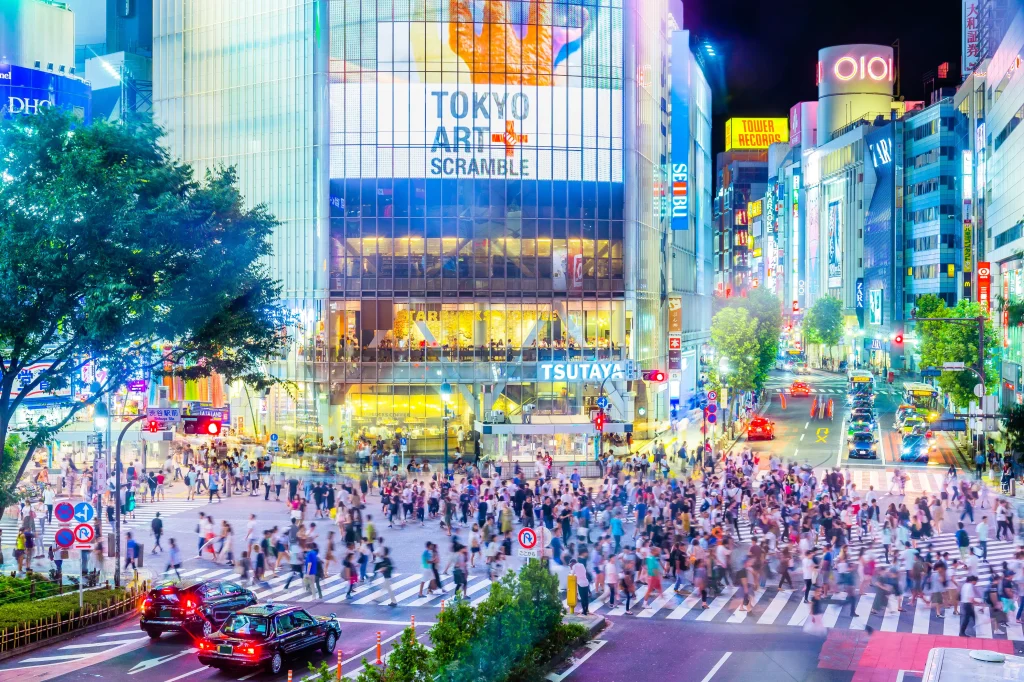
Tokyo offers rewarding photography locations far beyond Shibuya Crossing, Senso-ji Temple and the familiar skyline views. The key is not finding places that nobody knows. It is choosing places where the city reveals a different side of itself: a temple roof above a narrow lane, railway arches glowing in the evening, or water holding the last light of the day.
“Secret” in this guide does not mean private, restricted or deliberately concealed places. It means publicly accessible locations and viewpoints that offer a less repeated way to photograph Tokyo. Whether you use a smartphone or a dedicated camera, give each place time. Watch how the light changes, notice how people move through the scene, and take a few steps before pressing the shutter. A different position often matters more than different equipment.
Secret Photography Spots in Tokyo at a Glance
Think of these Tokyo photo spots as a route-planning map rather than a ranking. Choose one or two places that match the Tokyo you want to photograph instead of trying to collect all nine in a single day.
|
Spot |
Nearest station | Best for | Best time |
Time to allow |
|
Yanaka |
Nippori Station |
Temple roofs, low-rise streets and daily details |
Early morning |
1.5–2 hours |
|
Nezu Shrine |
Nezu Station |
Torii gates, repetition and shrine architecture |
Morning |
45–60 minutes |
|
Kagurazaka |
Iidabashi Station |
Slopes, stone lanes and evening light |
Late afternoon |
1–1.5 hours |
|
Kiyosumi-Shirakawa |
Kiyosumi-shirakawa Station |
Water, reflections and urban textures |
Morning or after rain |
1.5–2 hours |
|
Koenji |
Koenji Station |
Signs, vintage shops and street movement |
Late afternoon |
1.5–2 hours |
|
Tokyo International Forum |
Yurakucho Station |
Glass, geometry and human scale |
Morning |
45–60 minutes |
|
Tsukishima |
Tsukishima Station |
Low-rise streets and high-rise contrast |
Late afternoon |
1–1.5 hours |
|
Shimbashi–Yurakucho |
Shimbashi or Yurakucho Station |
Railway structures, evening light and city life |
Early evening |
About 1 hour |
|
Odaiba waterfront |
Daiba or Odaiba-kaihinkoen Station |
Water, bridge, skyline and blue hour |
Sunset to blue hour |
1.5–2 hours |
For historic, lower-rise Tokyo, begin with Yanaka, Nezu Shrine or Kagurazaka. Koenji, Tsukishima and the railway arches around Shimbashi and Yurakucho suit travellers interested in city life. Tokyo International Forum offers a more architectural approach, while Kiyosumi-Shirakawa and Odaiba use water and open space.
The suggested times are starting points rather than rules. Tokyo’s sunset time and the angle of the sun change considerably through the year. A late-afternoon walk in July produces very different light from one in December, so check the weather and daylight for the date of your visit.
9 Secret Photography Spots in Tokyo Worth Making Time For
Each of these places reveals a different layer of Tokyo, from temple streets and railway arches to waterfront skylines. Rather than rushing to collect every location, use this list to understand what gives each scene its character before deciding how to frame it.
1. Yanaka — Photograph Tokyo at a Lower, Slower Scale
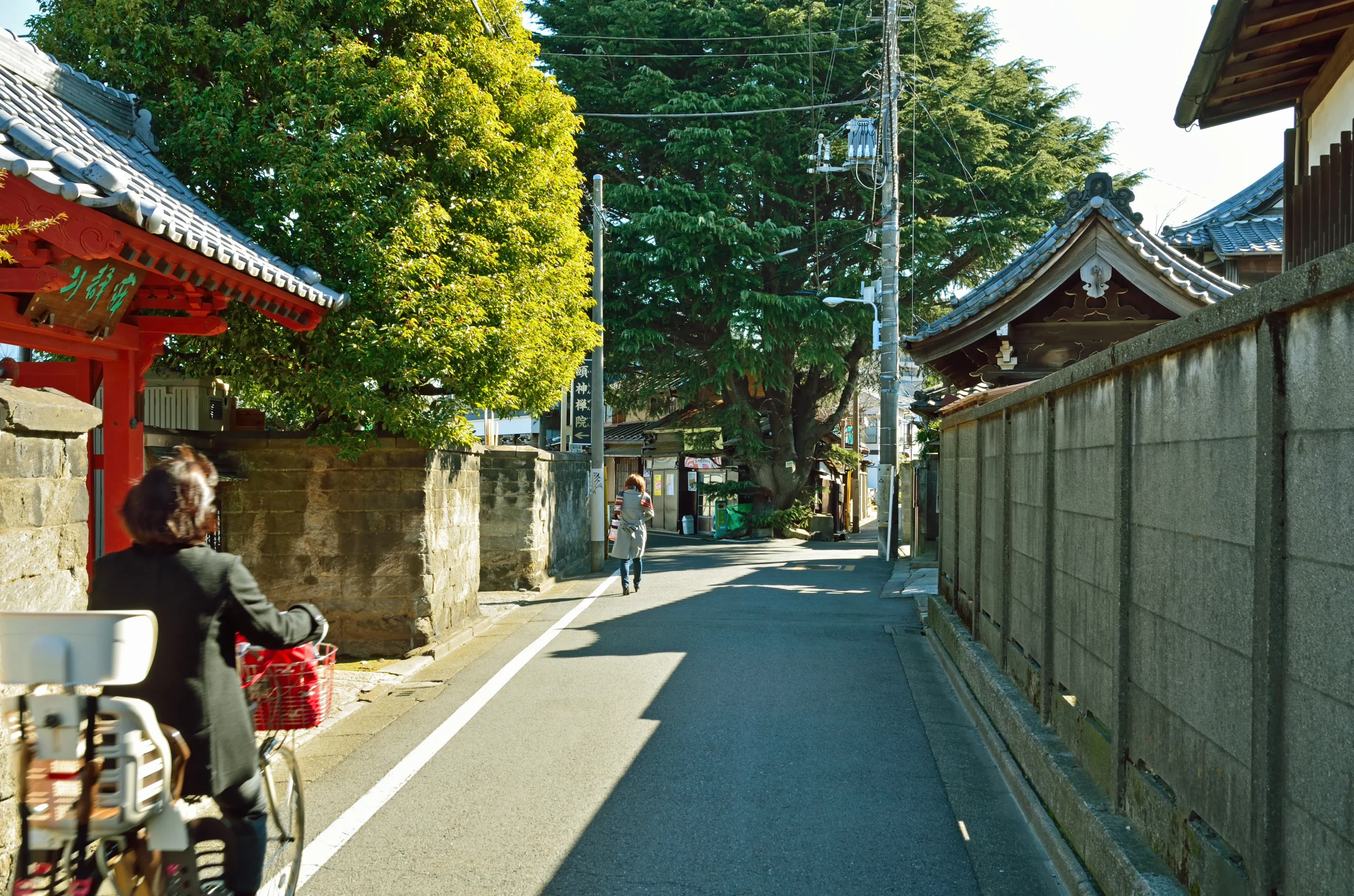
Yanaka rewards photographers who look at Tokyo on a smaller scale. Instead of towers and wide crossings, the frame may contain a temple roof, a narrow lane, potted plants and the edge of a neighbourhood shop. Together with nearby Nezu and Sendagi, the wider area is often called Yanesen. Temples have long shaped this part of northern Tokyo, while homes, shops and visitor routes still share its streets today.
Instead of automatically reaching for the widest setting on your phone or camera, try isolating a smaller section of the street. Use a plant, stone or noren—a short fabric curtain at the entrance of a shop or restaurant—in the foreground. Place a lane in the middle, with roofs, trees or utility lines behind it. This gives the photograph depth without forcing too much into one frame.
Yanaka Ginza is worth visiting, but do not stop there. Walk some quieter temple paths as well. Yanaka is a lived-in residential district, so doorways, windows and private gardens are not ready-made “old Tokyo” props.
2. Nezu Shrine — Use Repetition Rather Than Recreating Kyoto
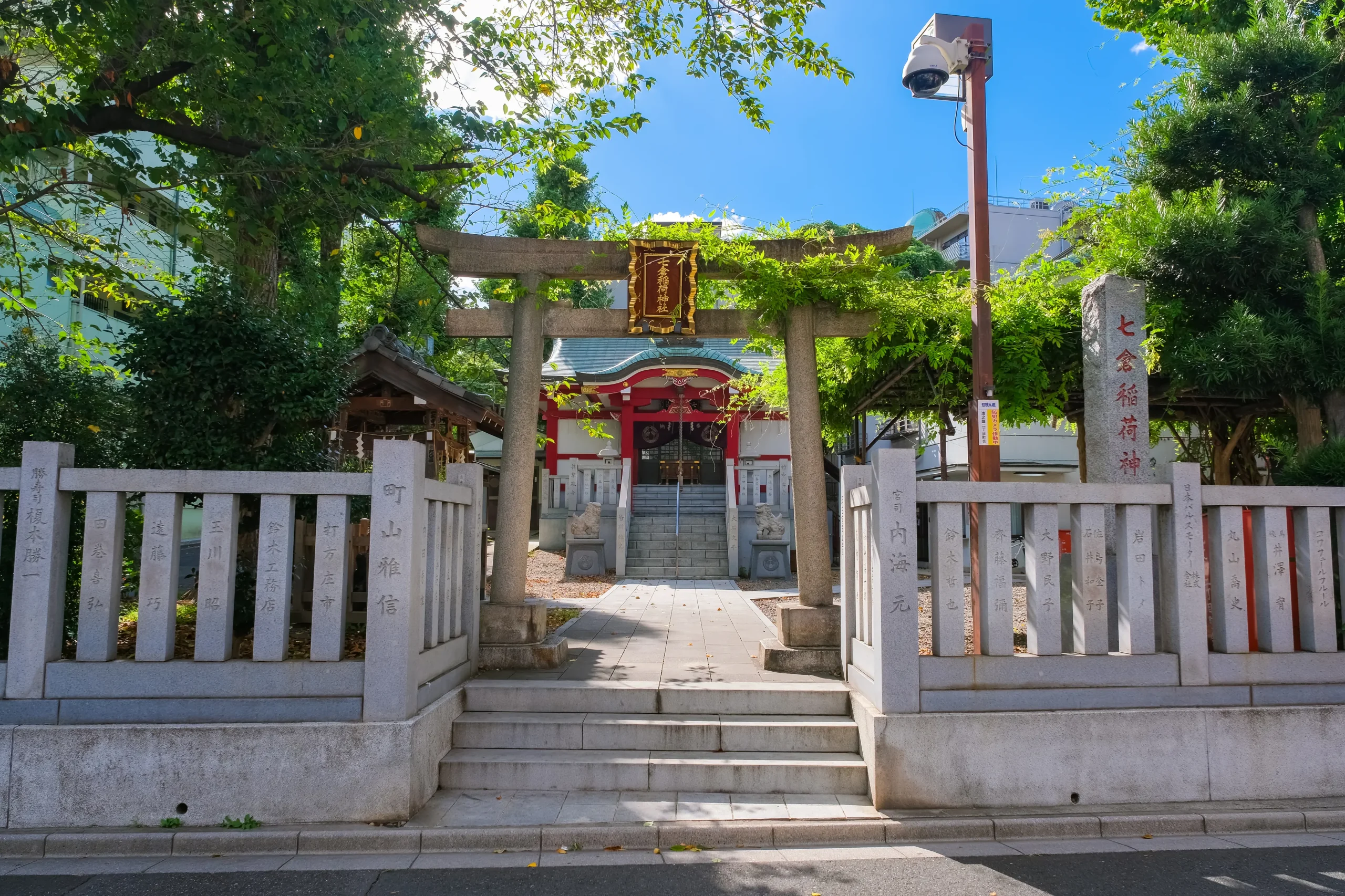
Nezu Shrine works best when you photograph its torii as part of a sacred route, not as a substitute for Kyoto. A torii is a gate marking the approach to a Shinto sacred space. Here, repeated vermilion gates create rhythm and depth, leading the eye gradually through the shrine grounds.
A straight view down the path emphasises repetition, while a slightly angled position can show how the gates guide the eye forward. Including one person at a distance can reveal the scale of the route without making that person the subject.
The scene changes with the weather and season. Morning light can create alternating bands of shade, while wet surfaces after rain can make the vermilion appear richer. Spring adds another visual layer when the shrine’s azaleas bloom; festival dates, garden access and crowd levels vary each year, so check the shrine’s current information before visiting.
Nezu Shrine remains an active place of worship. Let worshippers pass first, do not hold a position in the narrow torii route for long, and follow temporary signs during festivals or busy flowering periods.
3. Kagurazaka — Let the Slope Shape the Photograph
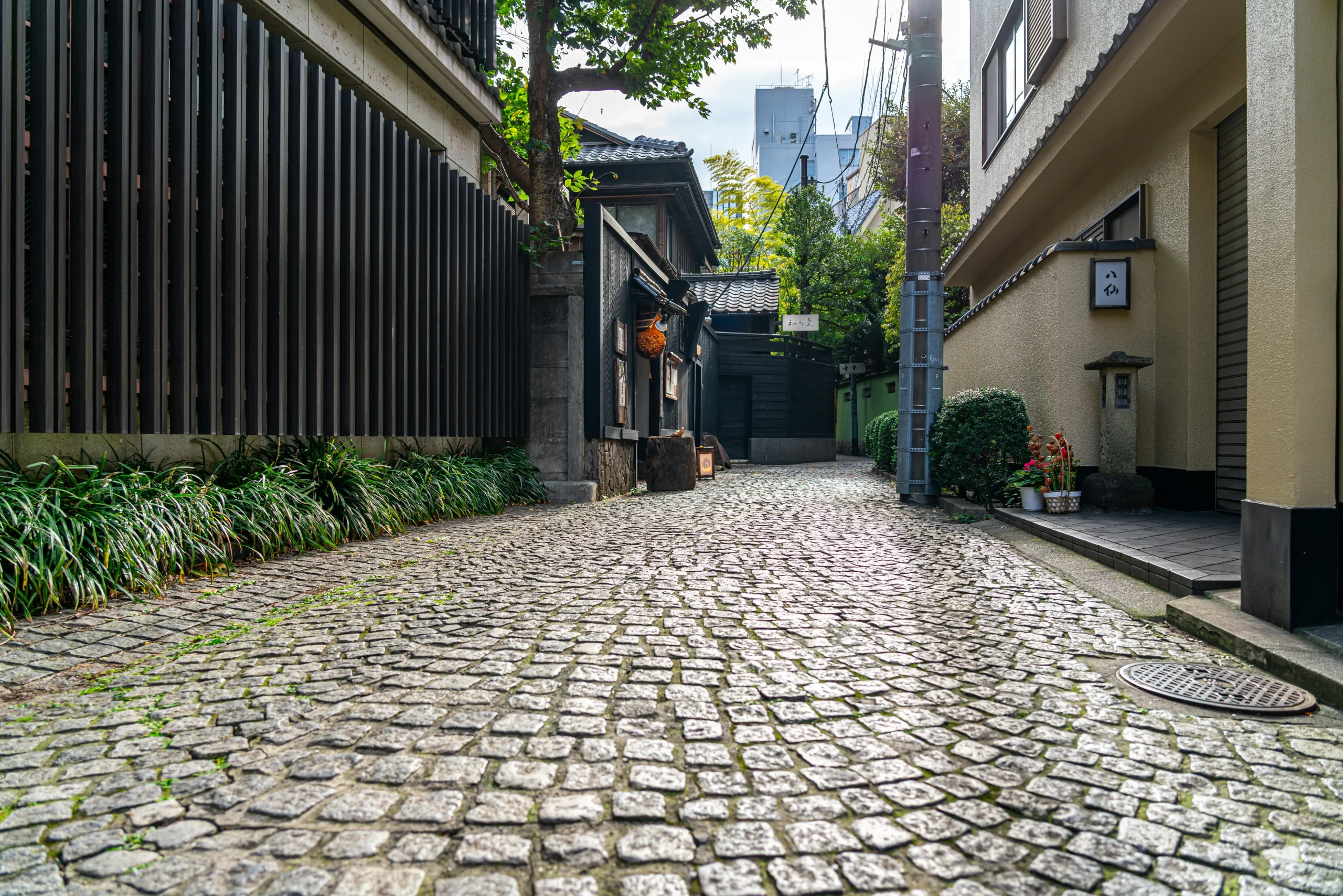
Kagurazaka is interesting because the ground itself shapes the photograph. Slopes, bends and narrow side streets prevent the eye from seeing everything at once. They create natural layers and give a photograph a clear direction.
Kagurazaka has long been associated with hanamachi culture. A hanamachi is a traditional entertainment district associated with geisha houses and restaurants. Today, long-established restaurants and lattice-fronted buildings sit beside bakeries, cafés, homes and newer dining spaces. Photographing that coexistence is more revealing than trying to make the area resemble Kyoto.
Use a bend in the lane, a noren, or the edge of a wall as foreground. In late afternoon, remaining daylight can mix gradually with the warm light from restaurants. This makes stone paving and wooden details easier to read.
Kagurazaka’s smaller lanes are working and residential spaces. Keep equipment compact, remain outside private property and avoid blocking narrow passages while composing a photograph.
4. Kiyosumi-Shirakawa — Use Water and Urban Surfaces
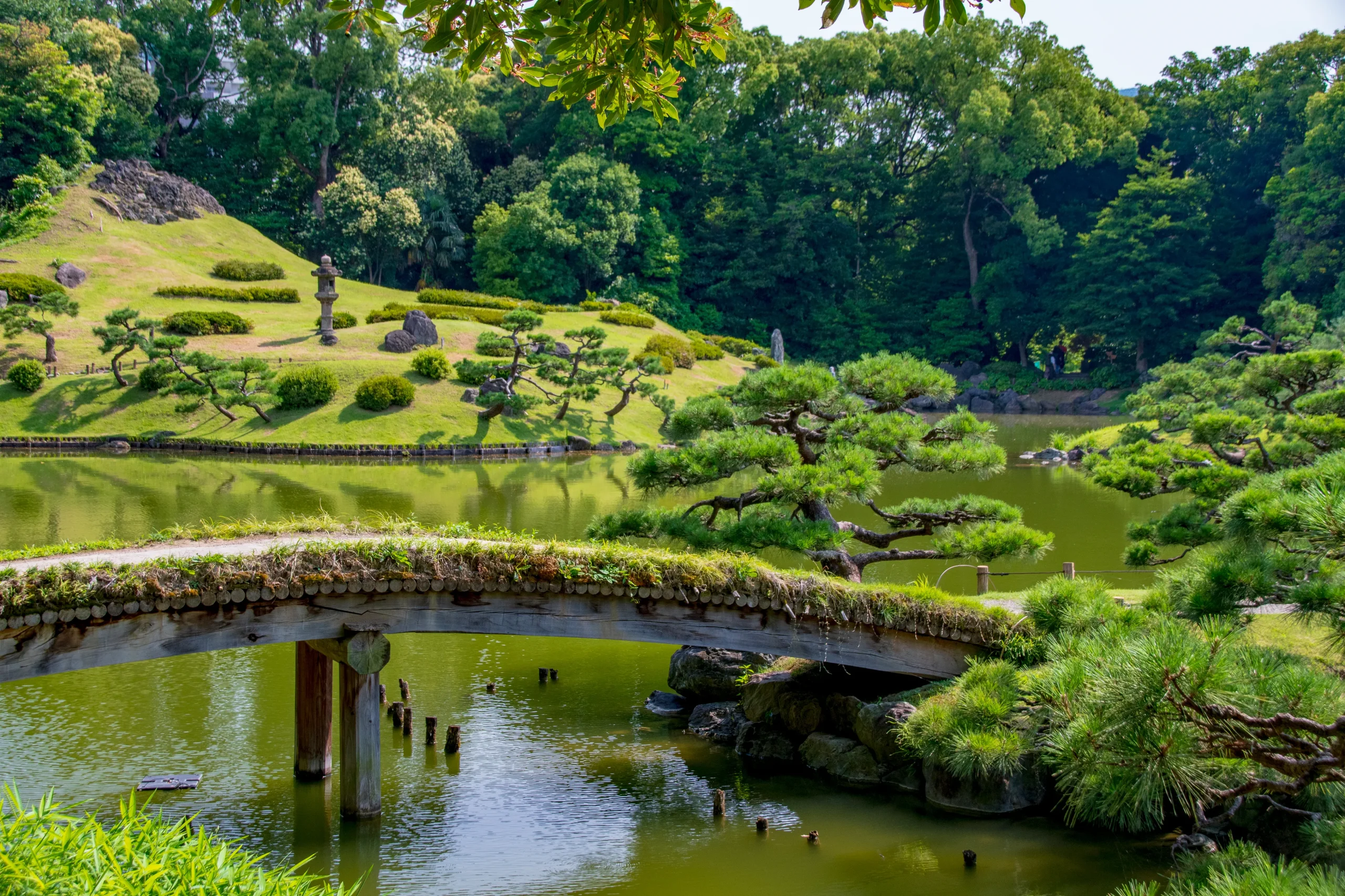
Kiyosumi-Shirakawa gives photographers several versions of Tokyo within a compact area. Waterways, bridges, gardens, older working buildings, contemporary art and newer coffee shops create a mixture of surfaces rather than one obvious landmark. The neighbourhood combines older local character with contemporary art and coffee culture.
Look for water first. When the wind is light, canals can hold fragments of bridges and buildings. After rain, wet pavement becomes another reflective surface. Glass, metal, concrete and vegetation can then appear together in one frame, especially when you avoid making a single café sign the whole subject.
Nearby Kiyosumi Gardens offers a slower study in composition. Stones, water, trees and open space create different visual relationships from the streets outside. Rain does not ruin a photography walk here; it changes which surfaces respond to light. Stay out of loading areas and other working or private spaces when looking for a better angle.
5. Koenji — Photograph Street Culture Without Hunting for “Characters”
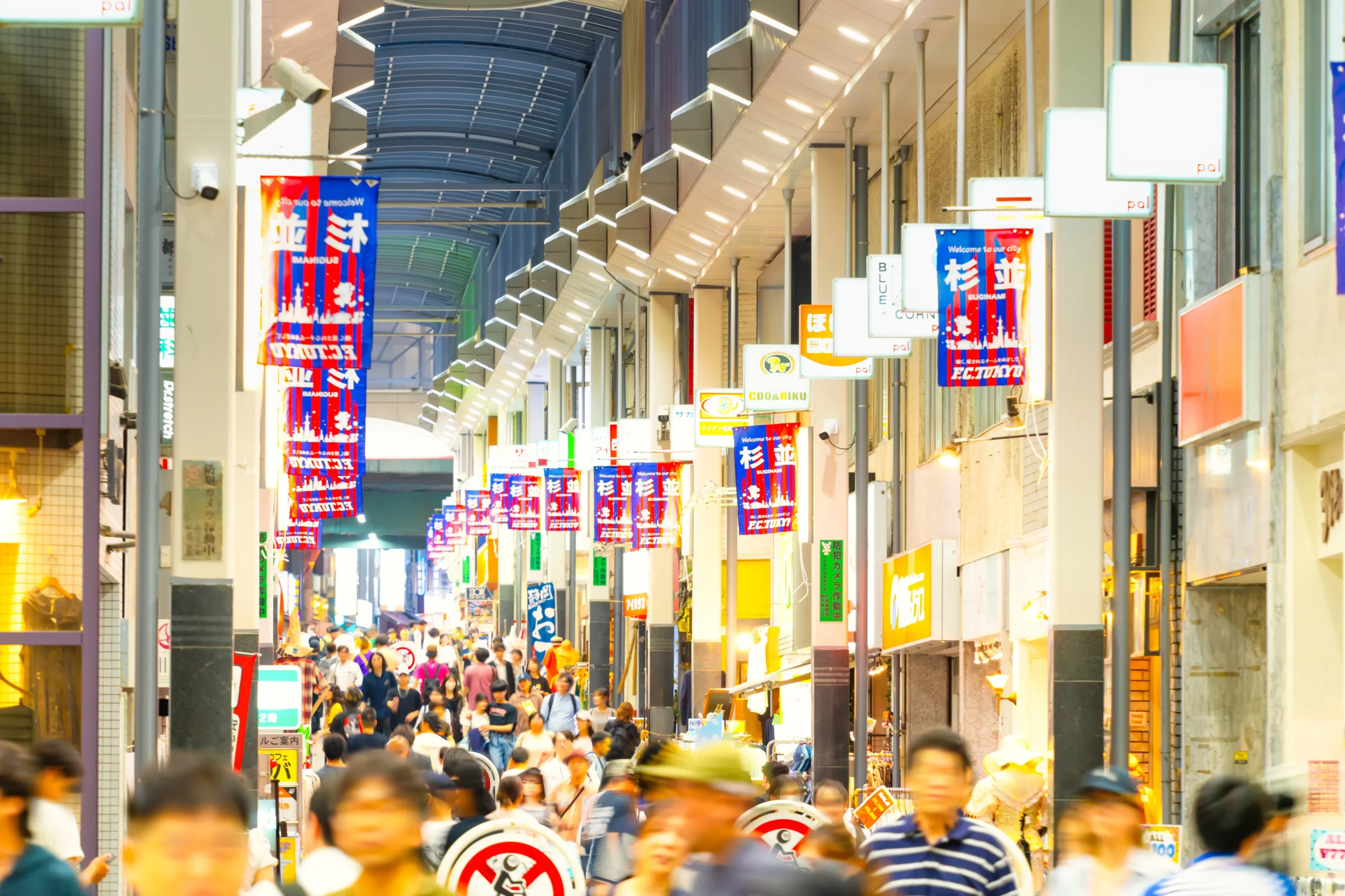
Koenji shows that Tokyo street culture extends far beyond Shibuya and Harajuku. Vintage clothing shops, live-music venues, covered shopping streets, bicycles, handmade signs and overhead wires give the area a more independent visual character. The neighbourhood has a recognised connection with alternative music, punk culture and vintage clothing.
The strongest photographs often combine several of these elements. Instead of filling the frame with one colourful sign, place it beside an awning, a passing bicycle or a long afternoon shadow. Later in the day, shop lighting begins to mix with the remaining natural light, changing the colour of the street.
Street photography does not require hunting for unusually dressed strangers. People can appear as part of a wider pattern of movement, scale and urban rhythm without becoming the object of the photograph. Shops, music venues and private interiors have their own photography policies, so check before taking photographs inside.
6. Tokyo International Forum — Turn Architecture into Lines and Scale
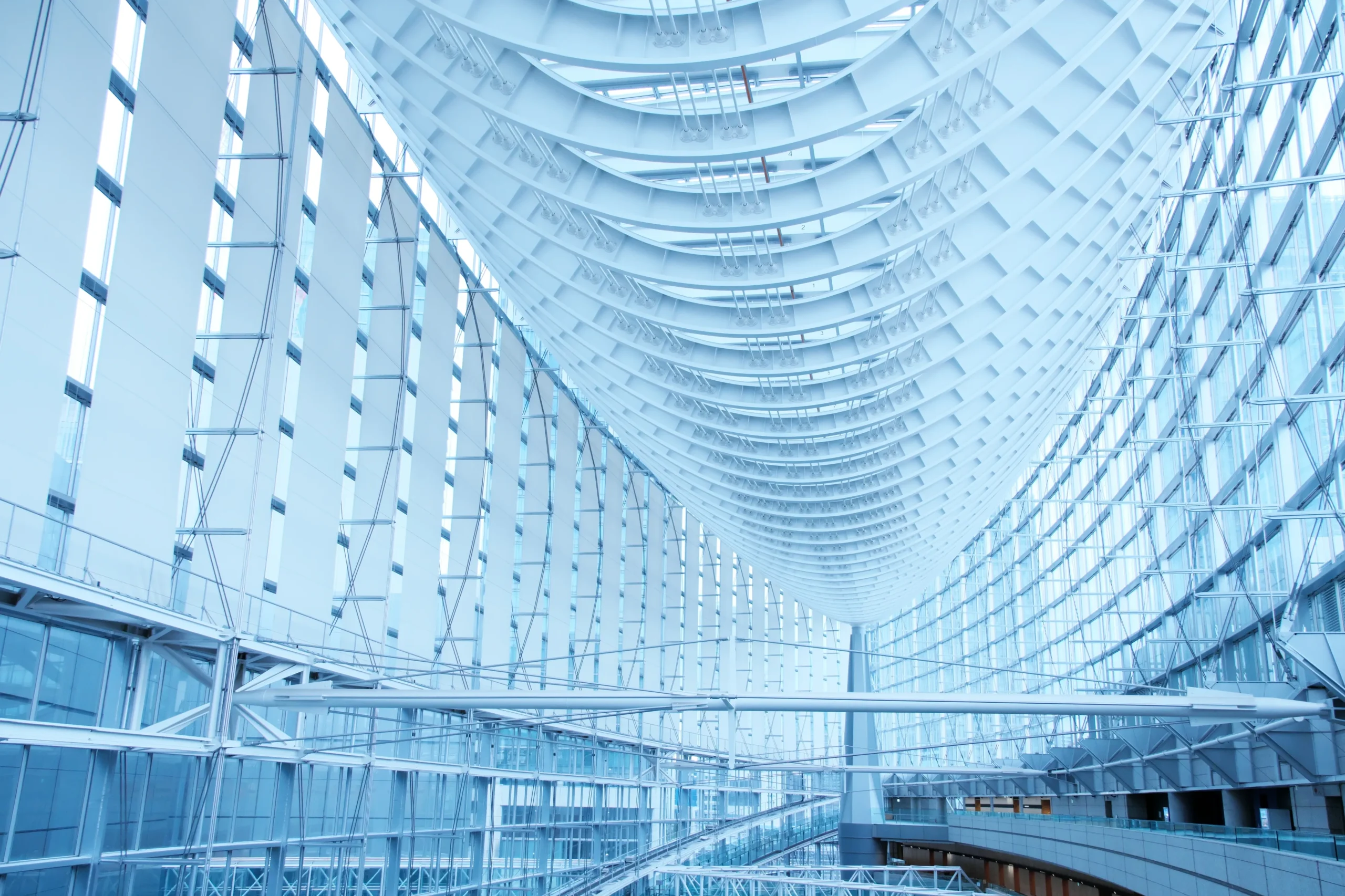
Tokyo International Forum offers one of central Tokyo’s clearest opportunities to work with geometry. Its Glass Building combines sweeping curves, transparent walls, structural beams, escalators and people moving through a much larger architectural frame.
Start by looking for lines instead of trying to capture the whole building. Smartphone users can switch on a grid to align strong verticals or central compositions. With a camera, a wider view can emphasise scale, while a more natural or moderately zoomed view can isolate repeated beams, escalators or a single figure against the structure. Reflections on glass and flooring can also turn an ordinary part of the building into a layered photograph.
Photography here has specific rules. Casual, non-commercial photography may be possible in public areas, but always follow the facility’s current guidance and any signs on site. Do not occupy passageways or use tripods or reflectors that obstruct others, and stay out of event or rental areas. Organised photo sessions involving models or cosplay require advance procedures, even when they are non-commercial.
7. Tsukishima — Put Different Scales of Tokyo in One Frame
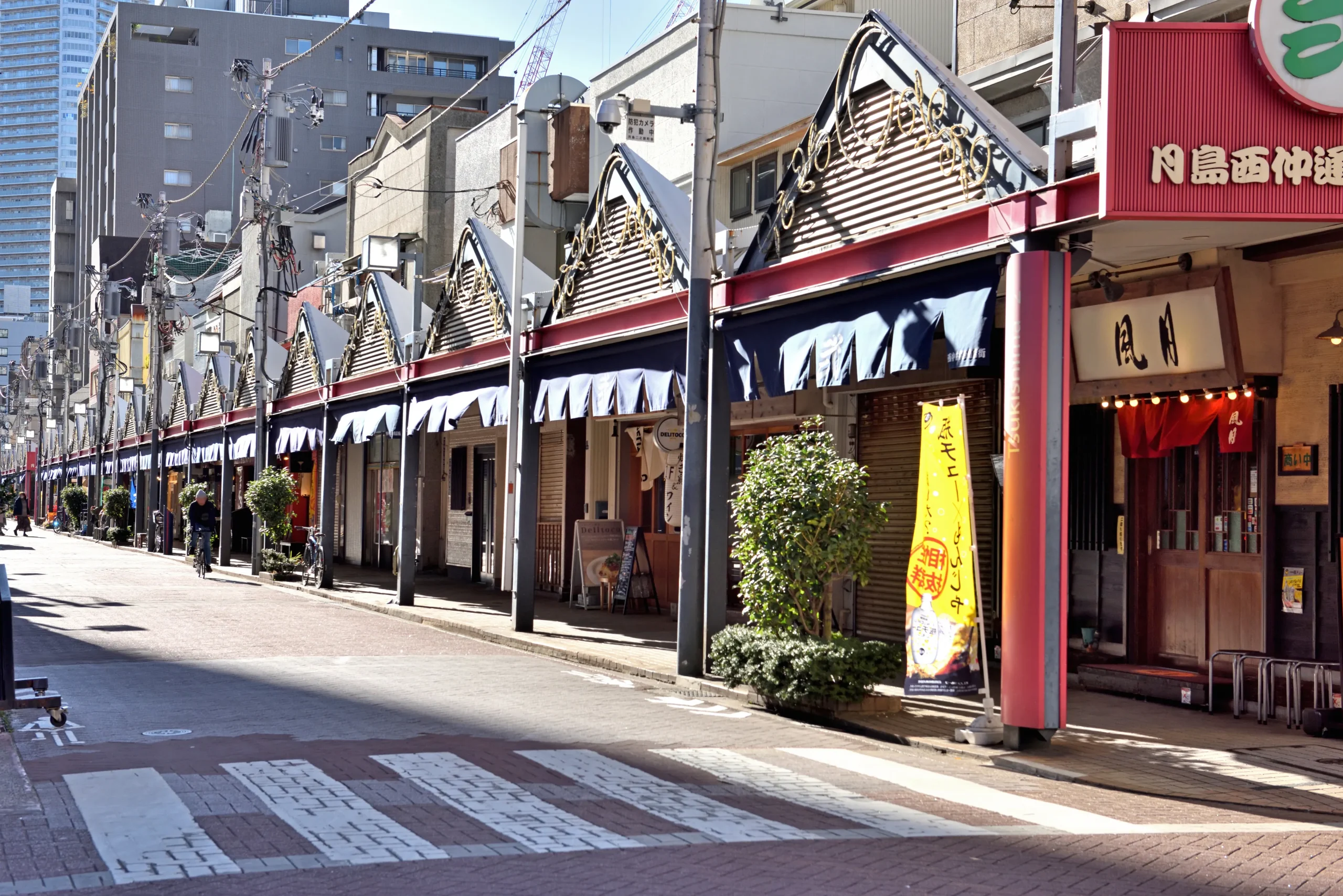
Tsukishima is useful for photographing Tokyo as an evolving city rather than dividing it neatly into “old” and “new”. Low-rise streets of homes, shops and restaurants sit close to much taller waterfront developments. The photograph can show both without treating either as a symbol of a vanished or superior Tokyo.
The area is closely associated with monjayaki, a savoury batter dish cooked on a hot plate. Its restaurant streets provide strong foreground details, but the more interesting opportunity often appears when you look beyond them.
Place a lantern, shopfront or bicycle near the camera, then allow towers to rise in the distance. A longer lens can strengthen this effect through compression—making distant elements appear visually closer together. Late afternoon and early evening work well because shop lights begin to appear while the larger buildings still retain visible detail.
These are active restaurant streets. Do not block entrances or delivery routes, and ask before photographing food preparation, staff or customers inside.
8. Shimbashi–Yurakucho — Photograph Tokyo Under the Railway
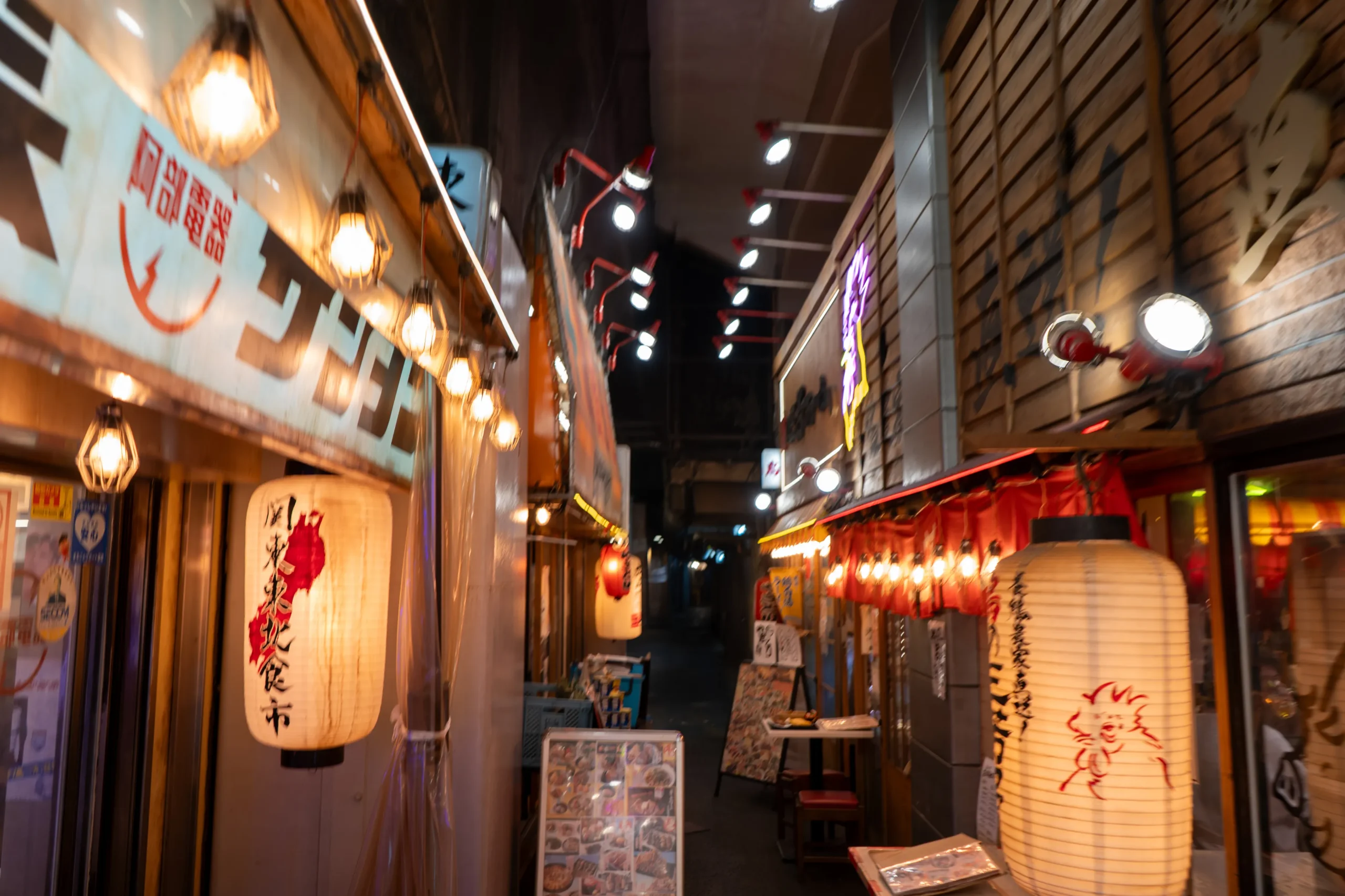
Around the railway arches between Yurakucho and Shimbashi, transport infrastructure becomes part of street life. The appeal comes from the way railway structures and commercial spaces occupy the same narrow strip of central Tokyo. Trains pass overhead while restaurants, lights and pedestrian routes share the space below.
Early evening is often the most rewarding time. It can bring together the last outdoor light, warmer restaurant interiors, commuters crossing the frame and trains passing above. The sound and brief vibration of a train can change the feeling of the space within seconds.
More experienced photographers can decide whether movement should appear sharp or slightly blurred. Make that choice before changing settings: do you want the pedestrian flow to feel still, or do you want the picture to suggest motion?
During commuting and dining hours, the area becomes busy. Find a position that does not obstruct entrances, roads or station approaches. Never enter railway land, cross barriers or move into the road for a cleaner angle.
9. Odaiba Waterfront — Leave Space Around the Skyline
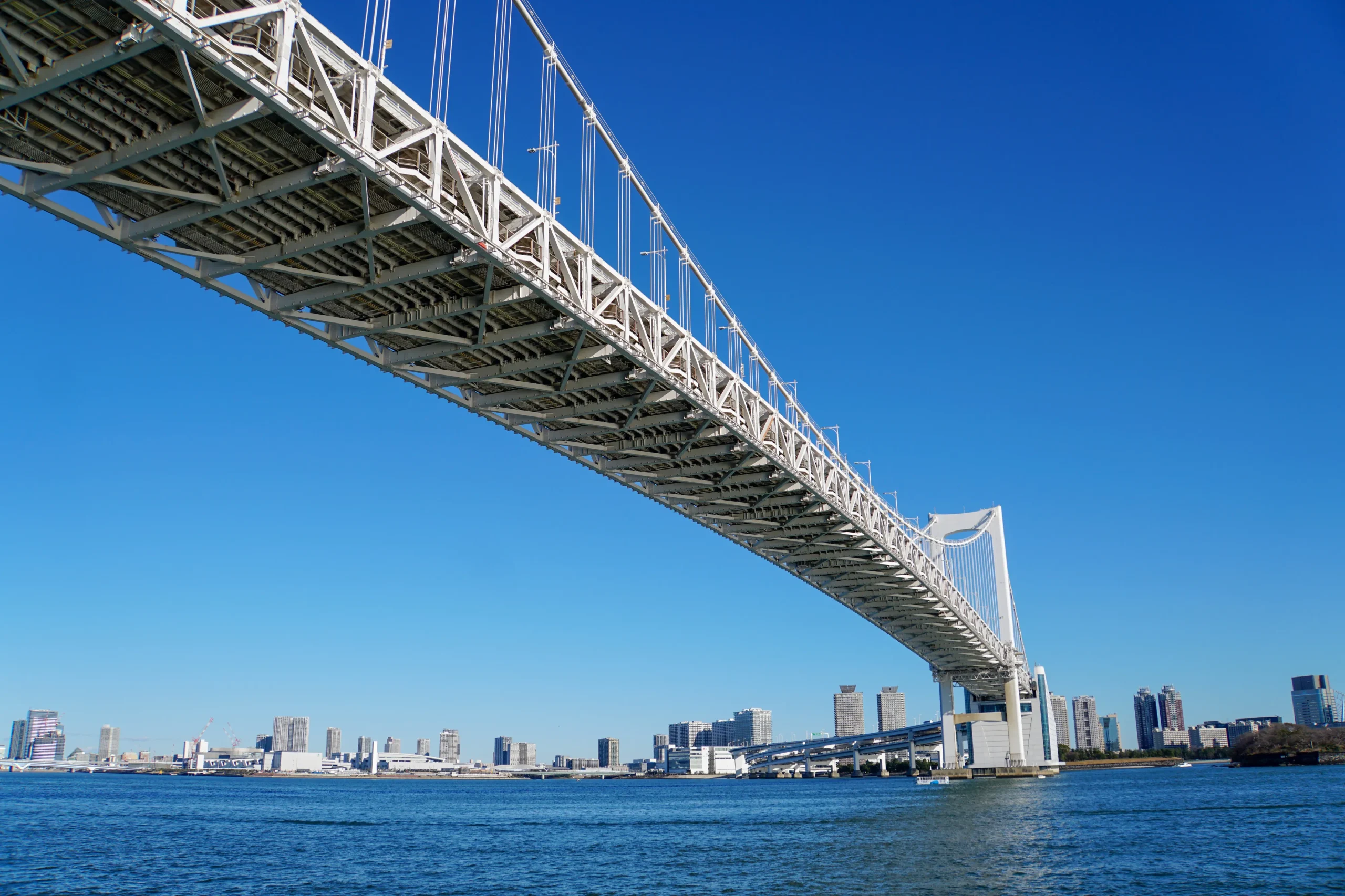
While Odaiba is widely known, it can still produce a less repeated Tokyo photograph if you resist filling the frame entirely with the Rainbow Bridge. Its strength is space: open water, sky, moving boats, the bridge and distant buildings can share one view. Odaiba is a major waterfront entertainment district, but its wider coastal views can offer a different visual pace from central Tokyo.
Use that openness deliberately. Place the bridge away from the centre, leave more sky or water than feels necessary, or include a small person to show scale. Reflections can become more visible as daylight fades.
One useful period is blue hour, the short interval of cool blue light after sunset and before full darkness. During this time, colour remaining in the sky can balance the growing artificial light of the city. Check the day’s sunset time rather than relying on a fixed hour.
The waterfront can feel noticeably colder in strong wind, particularly in winter. Plan your return journey before staying for night photography, and always remain behind waterfront barriers.
Tokyo Photography Tips: Make the Scene Your Own
You do not need specialist equipment to make a familiar Tokyo scene feel more personal. Light, distance, reflections, movement and a small change of position often make a greater difference than the camera in your hand.
Work With the Light, Not Just the Clock
Good light is not simply a particular hour on a travel schedule. Low morning light can reveal texture in stone, wood and building façades. Overcast weather reduces hard shadows, which can help with shrine details, greenery and narrow streets. Rain leaves reflections on glass, waterways and pavement, while blue hour can balance a still-visible sky with artificial lighting.
The season matters as well. A late-afternoon walk in July and one in December will produce very different light. Check sunset and weather conditions, then look at where the light is actually falling when you arrive.
Build Depth With Foreground, Middle Ground and Background
Tokyo often becomes more interesting when several scales of the city appear in one frame. A simple way to create that effect is to think in three layers.
In Yanaka, a plant or stone can form the foreground, a lane can serve as the middle ground, and a temple roof acts as the background. In Tsukishima, a lantern or bicycle can lead into a shopping street, with towers rising beyond it. This works just as well with a phone as with a dedicated camera.
Before taking the picture, check each part of the frame rather than looking only at the main subject. A small foreground detail can lead the eye into a much larger city scene.
Use Reflections and Movement
Water, windows, metal and wet pavement can create a second version of the scene. A partial reflection is often more useful than a perfect mirror image because it adds another layer without duplicating everything.
Movement can do the same. A train, bicycle, umbrella, boat or stream of pedestrians can show the pace of a place. People do not need to be the main subject; they can provide scale and rhythm within the city around them.
If an identifiable stranger becomes the main subject rather than part of the wider street scene, asking permission is the more respectful approach.
Move Before You Change Your Gear
One of the simplest Tokyo photography tips requires no equipment: move. Take three steps sideways. Lower the camera. Turn a horizontal photograph into a vertical one. Look for a foreground object. Wait five minutes and watch where people or light move.
This is particularly useful when you recognise a composition from social media. Instead of reproducing it exactly, change your position and decide what interests you about the place itself. A small physical change can give a familiar location a more personal frame.
Tokyo Photography Etiquette: Know When Not to Take the Shot
Knowing when not to take a photograph matters as much as finding the right composition. Tokyo’s streets, shrines and shops are shared or working spaces first, so a good image should never come at the expense of the people using them.
Streets and Residential Areas
A public street is shared space, not a private studio. In residential areas and shopping streets, people still need to walk, cycle, make deliveries and enter their homes.
Avoid photographing private windows, doorways, gardens or laundry simply because they add an appealing sense of everyday Japan. Do not pursue children, intoxicated people or workers taking a break as subjects. Take the photograph, check it and move on rather than occupying the same narrow position for a long period.
Respecting the function of the street usually gives you more time to observe it calmly.
Shrines, Temples and Private Businesses
Shrines and temples are active religious spaces before they are photography locations. Worship, ceremonies and instructions from staff take priority over a composition.
Photography rules can vary within the same site. Outdoor photography may be permitted while an inner building, ceremonial area, tripod or flash use is restricted. Check signs rather than assuming that an open gate means every form of photography is allowed.
The same principle applies to shops and restaurants. Ask before photographing interiors, staff, other customers, merchandise or food preparation. Open to visitors does not mean open for every kind of photography.
Tripods, Portrait Sessions and Commercial Photography
A hand-held travel photograph is not necessarily treated in the same way as a staged portrait session. Tripods, lighting, models, cosplay, organised shoots, livestreaming and commercial production may require additional permission depending on the location.
Tokyo International Forum is a useful example: organised photo sessions and commercial shooting require advance procedures, and equipment that occupies shared space is restricted.
Rules differ between properties and can change for events. Check both the official website and signs on site when planning anything beyond ordinary travel snapshots.
Fit Photography Into Your Tokyo Itinerary
Photography does not need to take over your Tokyo itinerary. One well-chosen neighbourhood can fit naturally between a shrine visit, lunch or an evening reservation, while leaving enough time to wait for the light rather than rush to the next location.
If You Have One to Two Hours
Choose one compact area rather than spending your time moving between several neighbourhoods. Tokyo International Forum works particularly well around Tokyo Station, Marunouchi and Yurakucho. Kagurazaka suits an afternoon walk before dinner, while the Shimbashi–Yurakucho railway area becomes more visually active as offices empty and restaurant lights appear.
The aim is not to collect locations. Use the short period to watch one environment change.
If You Have Half a Day
Nezu Shrine and Yanaka make a natural combination for travellers interested in shrine architecture, temple districts and lower-rise streets. Begin around Nezu, then stroll towards Yanaka at your own pace, rather than treating every street as a required photo stop.
Another option is Kiyosumi-Shirakawa followed by Tsukishima. The route shifts from gardens, canals and hard urban surfaces towards low-rise restaurant streets and taller waterfront development. It gives the half-day a coherent theme rather than two unrelated attractions.
Actual travel times depend on your starting point, weather and other reservations, so leave some flexibility.
If Photography Is One Part of a Tailor-Made Tokyo Day
A photography stop works best when it belongs naturally within the day rather than becoming a race between locations. A well-planned Tokyo itinerary can connect a shrine visit, local food, architecture and enough time to photograph the city when the light suits the place.
For travellers using a tailor-made itinerary, ENJYU JAPAN can build photography time around the experiences you already want, rather than adding a separate list of “hidden” locations. Hotel position, walking distance, meal reservations and the interests of everyone travelling together can shape which neighbourhood makes sense.
That approach leaves more room to look closely instead of spending the day in transit.
Let Tokyo Reward a Slower Look
You do not need to photograph all nine places to return with a more personal view of Tokyo. Choose the side of the city that interests you most: temple streets, railway structures, waterfront space, street culture or contemporary architecture.
Then give that place longer than a checklist normally allows. Watch the light move across a wall, listen for the next train, notice how a shop changes when its lights come on, or wait for a reflection to settle.
In Tokyo, “secret” does not have to mean exclusive. Sometimes it simply means noticing what other people walked past.
Choose one neighbourhood, give it more time than you think it needs, and allow Tokyo itself—not a list of famous compositions—to decide what enters the frame.
References
- Tokyo Convention & Visitors Bureau – GO TOKYO: Yanaka & Nezu
- Tokyo Convention & Visitors Bureau – GO TOKYO: Kiyosumi-Shirakawa, Coffee and Art in a Traditional Setting
- Tokyo Metropolitan Park Association – Kiyosumi Gardens: Outline, Access and Visitor Information
- Tokyo International Forum Co., Ltd. – FAQ: Photography and Use of Public Spaces
- Tokyo International Forum Co., Ltd. – Access to Tokyo International Forum
- Tokyo Convention & Visitors Bureau – GO TOKYO: Koenji, the Cool Capital of Punk
- Tokyo Convention & Visitors Bureau – GO TOKYO: Odaiba, Tokyo’s Waterfront Entertainment District
- Japan Meteorological Agency – Weather Information and Forecast Services
- National Astronomical Observatory of Japan – Calendar and Astronomical Information