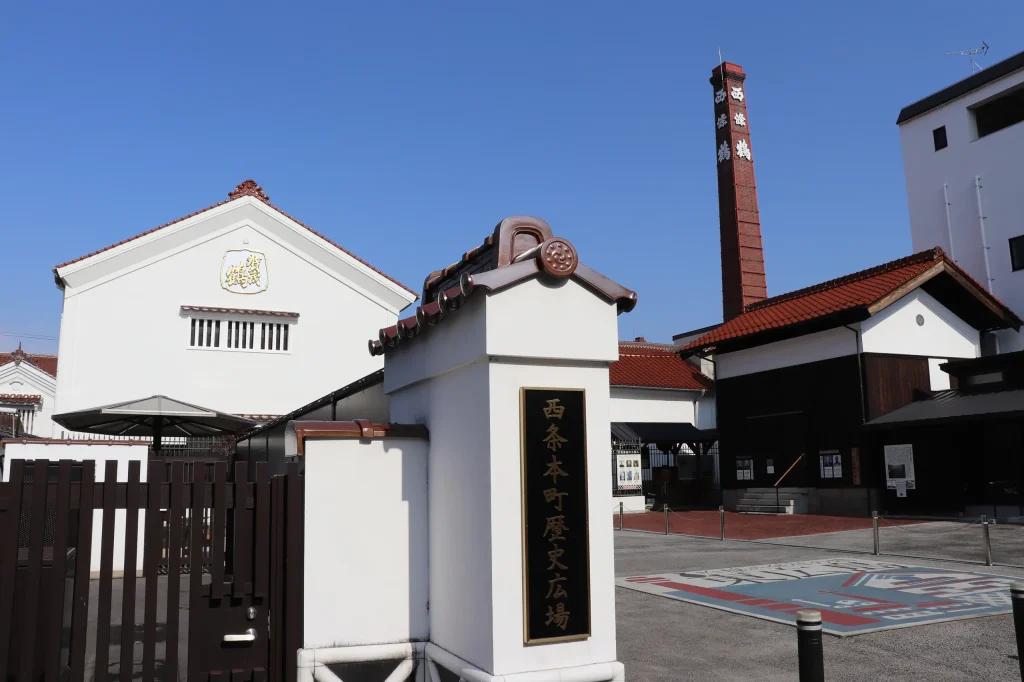
About 35 minutes by train from Hiroshima, seven working sake breweries stand within walking distance of JR Saijo Station. Their white-walled buildings and red-brick chimneys make Saijo Sake Brewery Street interesting even if you know little about Japanese sake.
Allow two to three hours for a walk and a few stops, or half a day if you want to taste several varieties and have lunch. Check visiting arrangements before setting out: a brewery shop may be open when its tasting room is not, and an exhibition is different from a tour of a working brewhouse.
Is Saijo Sake District Worth Visiting?
Saijo suits visitors looking beyond Hiroshima’s best-known landmarks. The compact district is easy to explore without a car, and even non-drinkers can enjoy its old storehouses, brick chimneys and small exhibitions.
| At a glance | Planning advice |
|---|---|
| Access | JR Sanyo Main Line from Hiroshima, about 35–40 minutes |
| Time needed | 2–3 hours for highlights; half a day with lunch and tastings |
| Choosing a day | Weekdays often have more regular shops; some tasting spaces open on weekends |
| Visiting | Shops, selected exhibits and tastings; production areas are restricted |
| Drinking | Tasting fees vary; minimum drinking age is 20 |
| Before you go | Check the official weekly opening schedule and walking map |
If you particularly want to see sake being made, look for a tour that explicitly includes production areas and confirm its arrangements beforehand. An ordinary walk-in visit rarely offers that access.
Why Saijo Became a Sake-Brewing Town
From a Post Town to a Brewing District
Saijo was once Yokkaichi, a post town on the Saigoku Highway. Buildings faced the road, with working spaces extending back along narrow plots. Some older breweries still reflect that layout.
Brewing expanded in the late nineteenth and early twentieth centuries as railway transport and improved equipment helped producers reach larger markets. Bigger warehouses rose behind the original streetscape. Saijo’s mixture of small lanes and industrial buildings still tells that story.
In 2024, four historic brewery-related properties were designated together as a National Historic Site. The four sites are Hakubotan’s Enpo storehouse, Kamotsuru’s No. 1 brewery, the former prefectural brewing research facility on Kamoizumi’s property, and Fukubijin’s Daikoku warehouse. The designation does not cover every building in the district, and some protected properties are closed to visitors.
Water, Rice, and the Craft of Brewing
Sake is made with rice, water, koji and yeast, but the finished drink is far from standardized. Minerals influence fermentation, rice can be polished to different degrees, and brewers make choices about temperature, timing and technique.
In the 1890s, Miura Senzaburo, a brewer from Akitsu on the Hiroshima coast, developed a reliable method for brewing with soft water. His work helped transform what had been considered a disadvantage into a successful regional approach. In 1907, Hiroshima sake took the top two prizes at Japan’s first national sake competition.
Saijo’s own water tells a slightly different story. Groundwater from nearby mountains acquires minerals before reaching local wells. Kamoizumi, for example, describes its water as medium-hard. Hiroshima’s famous soft-water method is therefore part of the wider region’s history, rather than evidence that every Saijo brewery uses soft water.
Another local breakthrough came in 1896, when Saijo-born Riichi Satake invented Japan’s first powered rice-polishing machine. Later improvements gave brewers more precise control over how much of the rice grain’s outer layers were removed. The town’s brewing history is still visible along the streets near Saijo Station.
What to See Along Saijo Sake Brewery Street
Start with the Historic Streetscape
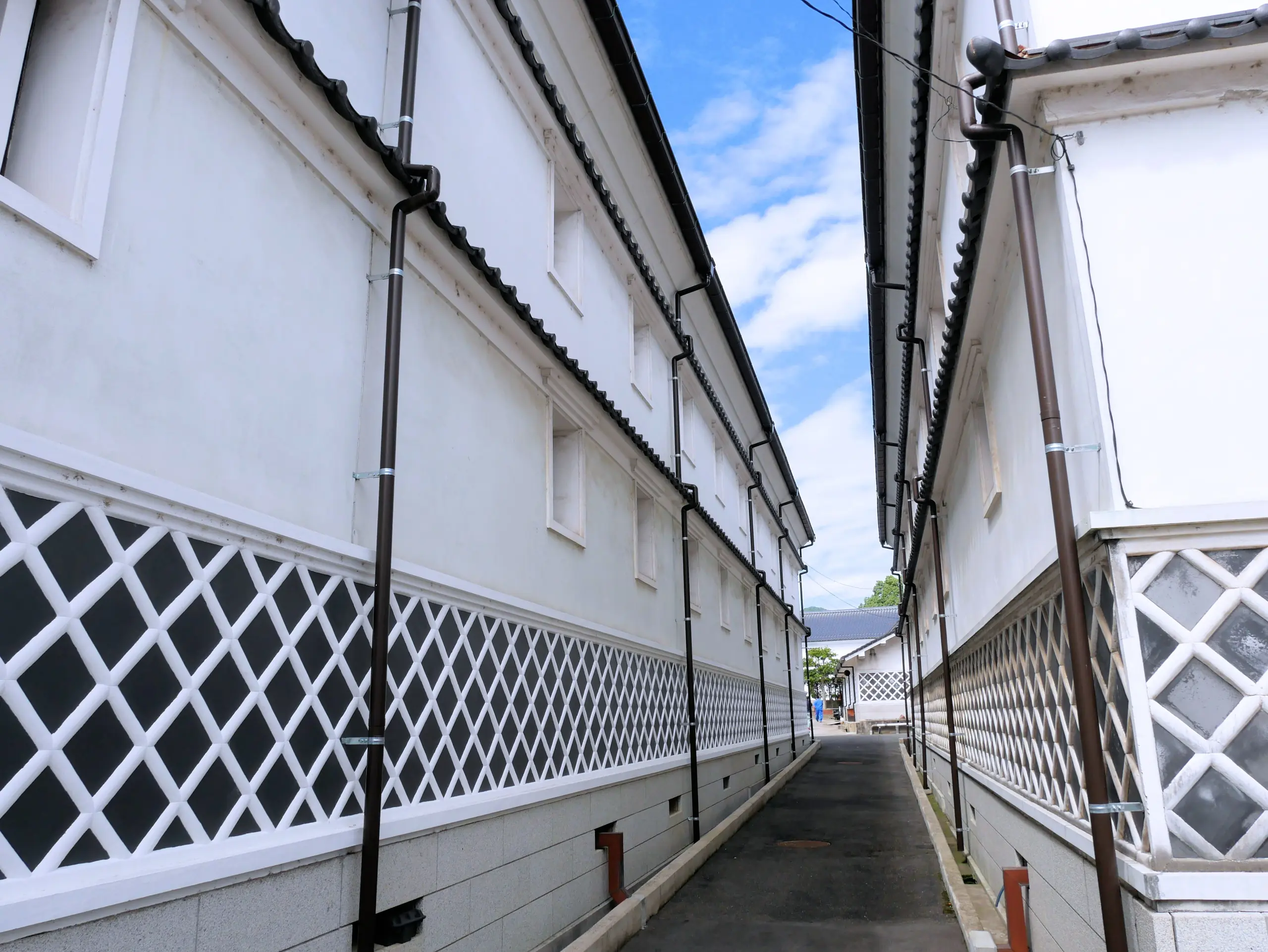
From Saijo Station, head a few minutes south toward the old road and its side streets. Brick chimneys bearing brewery names rise above white plaster walls, tiled roofs and patterned namako walls. Some buildings still serve working breweries; others welcome visitors into shops and exhibitions.
You need not visit all seven breweries. Three illustrate different parts of Saijo’s story; the official walking map shows the full district.
Kamotsuru: Understanding How Sake Is Made
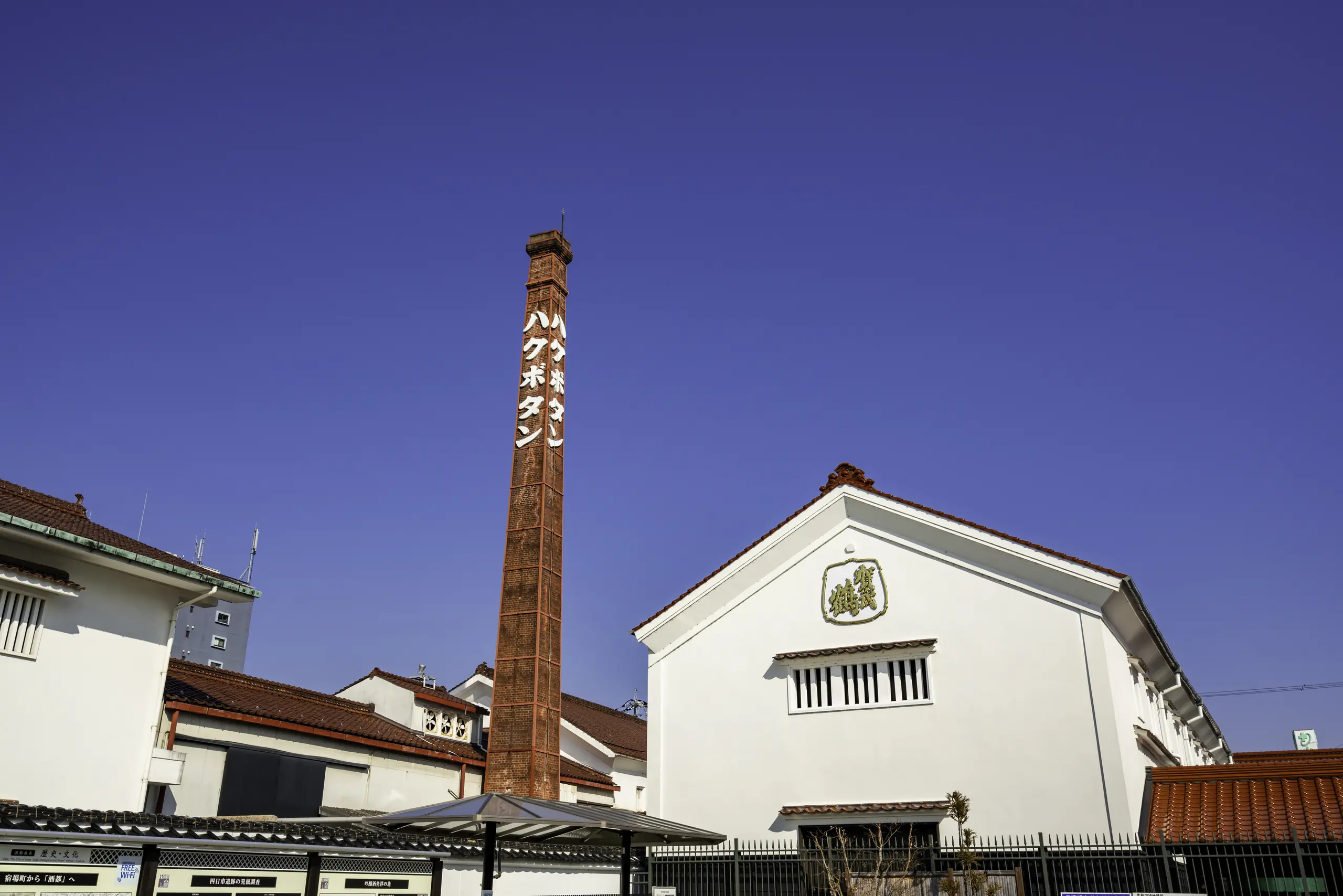
Kamotsuru offers a useful first stop for anyone curious about production. Its Sake Museum Shop occupies a renovated nineteenth-century brewery building, with exhibits, a shop and a tasting bar. Admission to the self-guided exhibition is free.
This is a visitor exhibition, not unrestricted access to brewing equipment in use. Tours of normally closed production areas have separate arrangements. The exhibits introduce the brewing process, giving you a little more context before you try the sake.
Read more: Brewery Experiences in Japan
Fukubijin: A Place That Trained Brewers
Fukubijin became known for training brewing specialists in the early twentieth century. Its large buildings and red-brick chimney reflect a period when sake production grew and technical knowledge was shared more widely.
The brewery has a visitor-facing shop, but its historic Daikoku warehouse, included in the national designation, is not open to the public. You can still appreciate its place in the streetscape.
Kamoizumi: A Different Approach to Sake
Kamoizumi helped revive junmai sake, made with rice, koji and water without adding brewing alcohol. Its history shows that breweries within the same district can make different choices.
Its Shusenkan space offers an opportunity to compare Kamoizumi varieties, alongside coffee and tea made with brewing water. Shusenkan usually opens on weekends and public holidays; weekday visitors instead use the main office shop.
Hakubotan deserves a historical mention too. Its Enpo storehouse is associated with a building dating to 1675, among Saijo’s oldest surviving brewery structures. This protected building is closed to the public, although the brewery has separate visitor facilities.
How Sake Tasting Works in Saijo
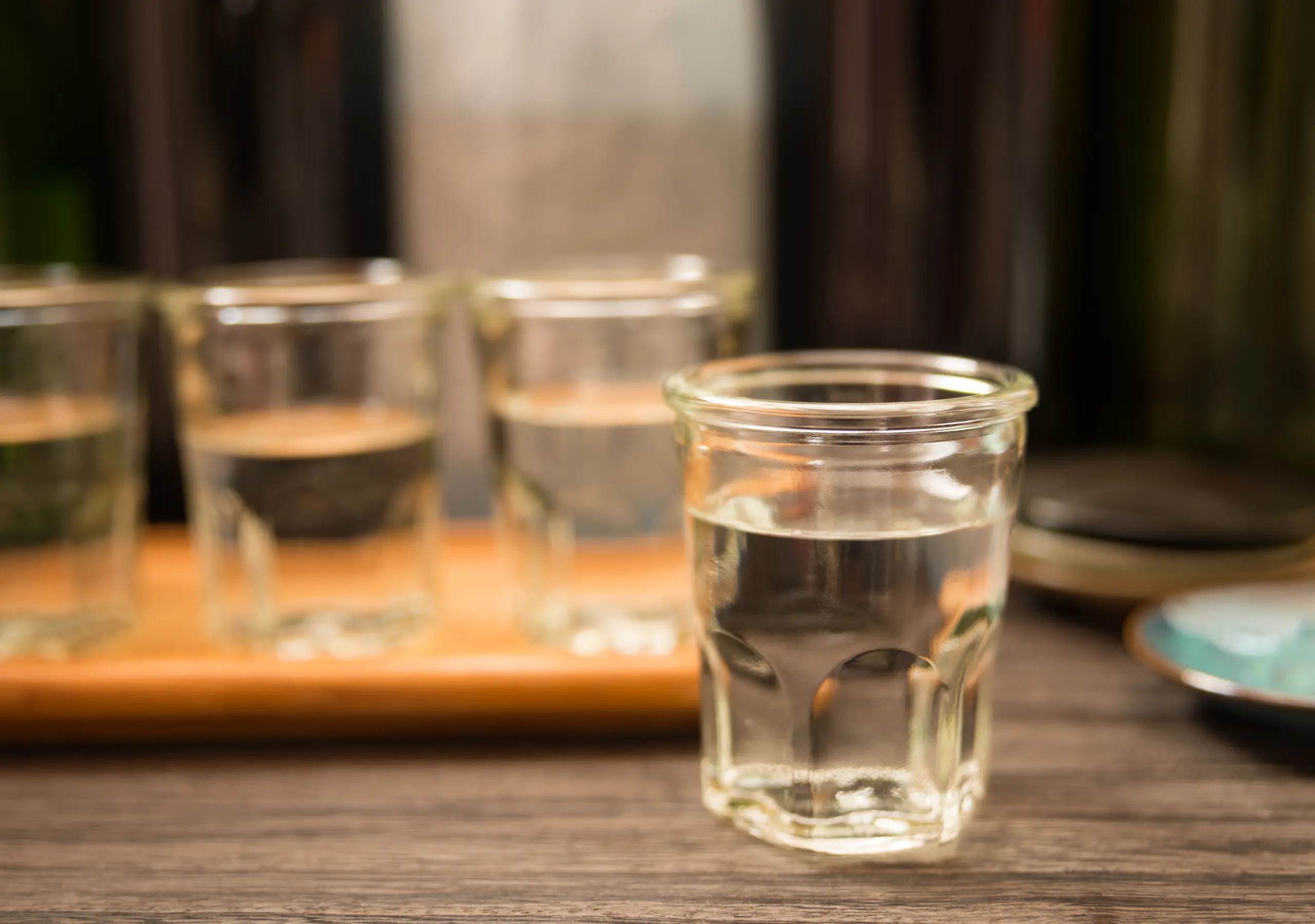
Walking between breweries lets you compare producers without traveling between towns. One sake may have a clean finish, another a fuller texture or more pronounced aroma. There is no single taste shared by every Saijo brewery.
You do not need technical knowledge to enjoy the differences. Try a few small pours and notice aroma, sweetness, acidity and aftertaste. If you want to understand terms such as junmai and ginjo before visiting, the guide to Japanese sake explains the basics.
Availability, prices and payment methods vary by location. Carry some cash, as certain tasting counters do not accept credit cards. Not every staff member can explain products in English, and a paid tasting does not necessarily include a brewery tour.
Remember that small pours can add up. Drink water, take a break for food and do not drive or cycle after drinking. For non-drinkers, the historic buildings and exhibits remain worthwhile; check ingredients before assuming sweets made with sake lees are alcohol-free.
How Saijo Compares with Fushimi and Nada
The differences between neighboring breweries are a reminder that sake varies across Japan as well. Saijo is often mentioned alongside Fushimi in Kyoto and Nada near Kobe, two other well-known brewing regions.
Fushimi developed around abundant underground water and Kyoto’s brewing culture. Nada benefited from mineral-rich Miyamizu water, water-powered rice milling and coastal shipping routes. Saijo offers a compact group of breweries whose history also reveals changes in machinery and fermentation techniques.
How to Get to Saijo and Plan Your Visit
Getting There from Hiroshima
Take a local JR Sanyo Main Line train east from Hiroshima Station to JR Saijo Station, usually about 35–40 minutes. The brewery district is a short walk from the station’s south side.
Do not confuse Saijo Station with Higashi-Hiroshima Station on the Shinkansen line, which is some distance from the brewery street. Saijo is also connected to Hiroshima Airport by bus, although timetables should be checked before planning an airport-day stop.
Which Day to Go and How Much Time to Allow
Weekdays often offer access to more regular brewery shops, while Kamoizumi’s Shusenkan is generally a weekend and holiday option. Some smaller locations close for lunch. Saturday and Sunday arrangements vary, and individual opening times can change.
Two to three hours allows a comfortable walk and selected stops. Set aside half a day for several tastings and lunch. One local specialty is bishu-nabe, a hot pot seasoned with sake, salt and pepper and traditionally associated with brewery workers.
You can combine Saijo with other Hiroshima sights, but visiting Miyajima on a separate half-day usually feels less rushed. For more ideas, see the day trips from Hiroshima guide.
When Is the Best Time to Visit Saijo?
Sake brewing has traditionally taken place mainly in the cooler months, but Saijo is worth exploring throughout the year. Historic buildings, shops and exhibitions are the main attractions for many visitors. Even in winter, access to active brewing areas is not automatic.
The annual Sake Festival brings a very different atmosphere, with tasting events and large crowds. Check the organizer’s official website for the dates of future events before planning a visit around the festival. For an unhurried visit to individual breweries, choose an ordinary day.
A Different Side of Hiroshima
Saijo’s chimneys and old storehouses tell part of the story; tasting sake from neighboring breweries fills in another. It is a rewarding half-day outing for travelers curious about the craft that shaped this town.
Visiting Saijo is straightforward, although brewery opening days can make planning a little tricky. If you would like to explore more of Hiroshima and the Seto Inland Sea, ENJYU JAPAN can help build a Tailor-Made Tour around the places and cultural experiences that interest you.