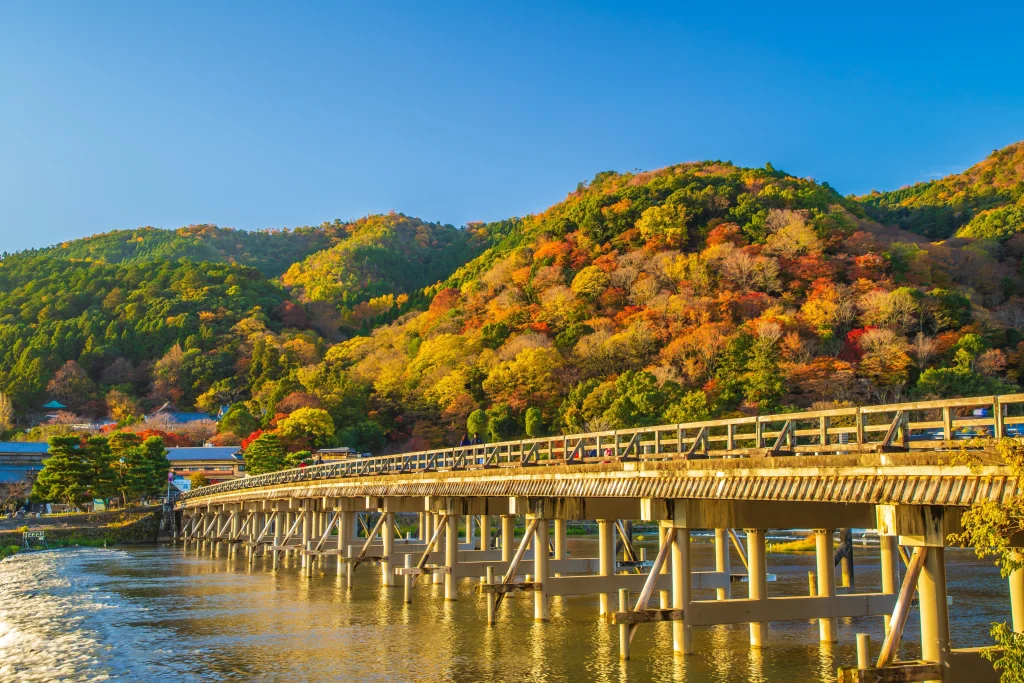
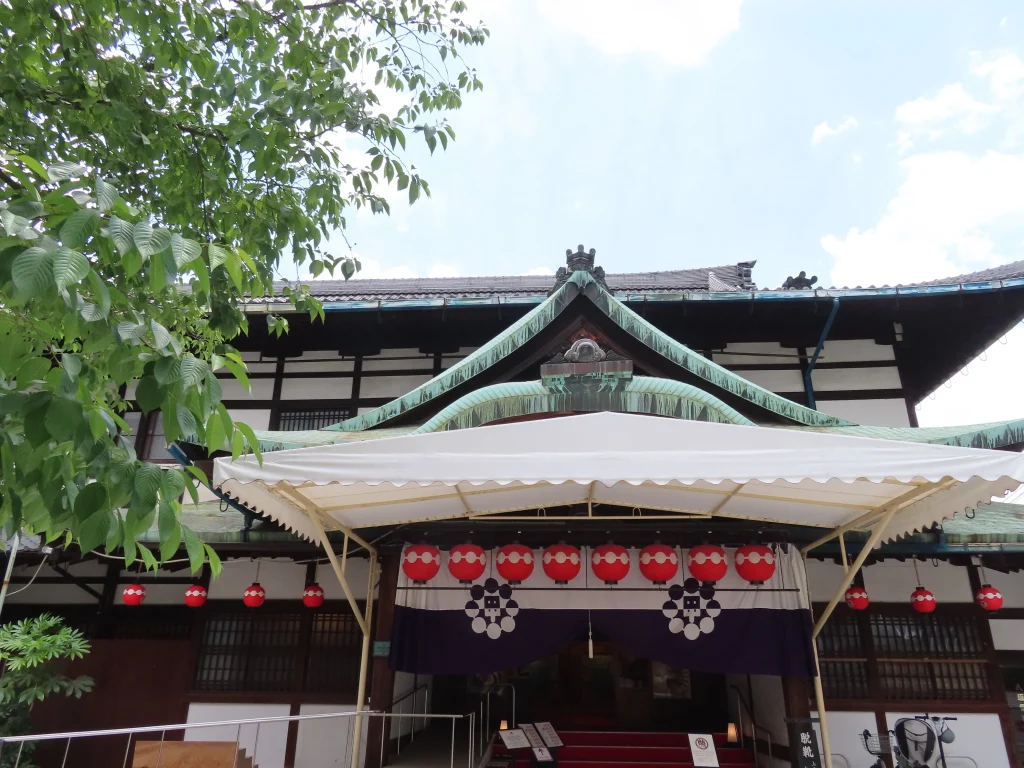
Arashiyama is famous for its bamboo grove, but there’s much more to enjoy here than a walk between tall green stalks. The mountains rise behind Togetsukyo Bridge, small shops sell pickles and sweets, and quiet temple paths begin beyond the busiest streets. You can see several major sights in half a day. Give yourself a full day, though, and you can wander by the river, stop wherever something catches your eye, and discover why this corner of Kyoto is worth more than a quick photograph.
What to Do Based on Your Available Time
- 3–4 hours (excluding travel from central Kyoto): Choose the Bamboo Grove, Tenryu-ji Temple and Togetsukyo Bridge, with a little time for shops along the way.
- 6–8 hours: Add a leisurely meal, riverside walking and one extra experience, such as Monkey Park or a quieter temple.
- Two days: Take a slower look at Okusaga, explore more temples, or make room for a scenic railway or river excursion.
Start With Arashiyama’s Famous Sights
Arashiyama Bamboo Grove: Beautiful, but Keep Expectations Realistic
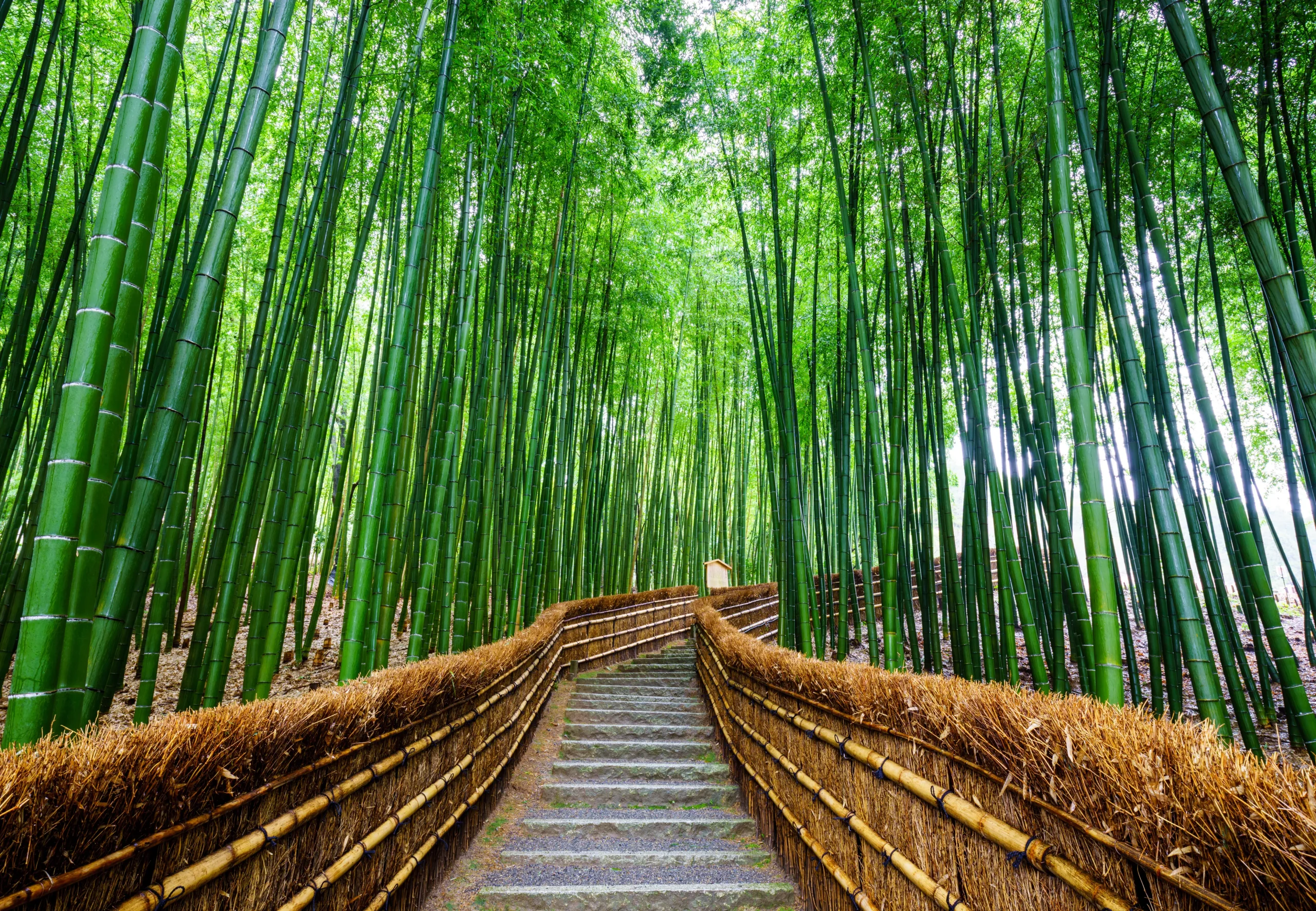
The Bamboo Grove is one of Kyoto’s most recognizable scenes. Tall bamboo rises on either side of the path, and the changing light gives the walk a distinctive atmosphere. It’s worth seeing, particularly if you’ve never walked through a bamboo forest before.
Still, don’t expect a vast wilderness or an empty path in the middle of the day. The famous stretch can feel shorter and busier than photographs suggest. Visit earlier if quiet photos matter to you, but don’t let a crowded morning spoil the rest of Arashiyama. The grove works best as one part of a wider walk.
Tenryu-ji Temple and Its Garden
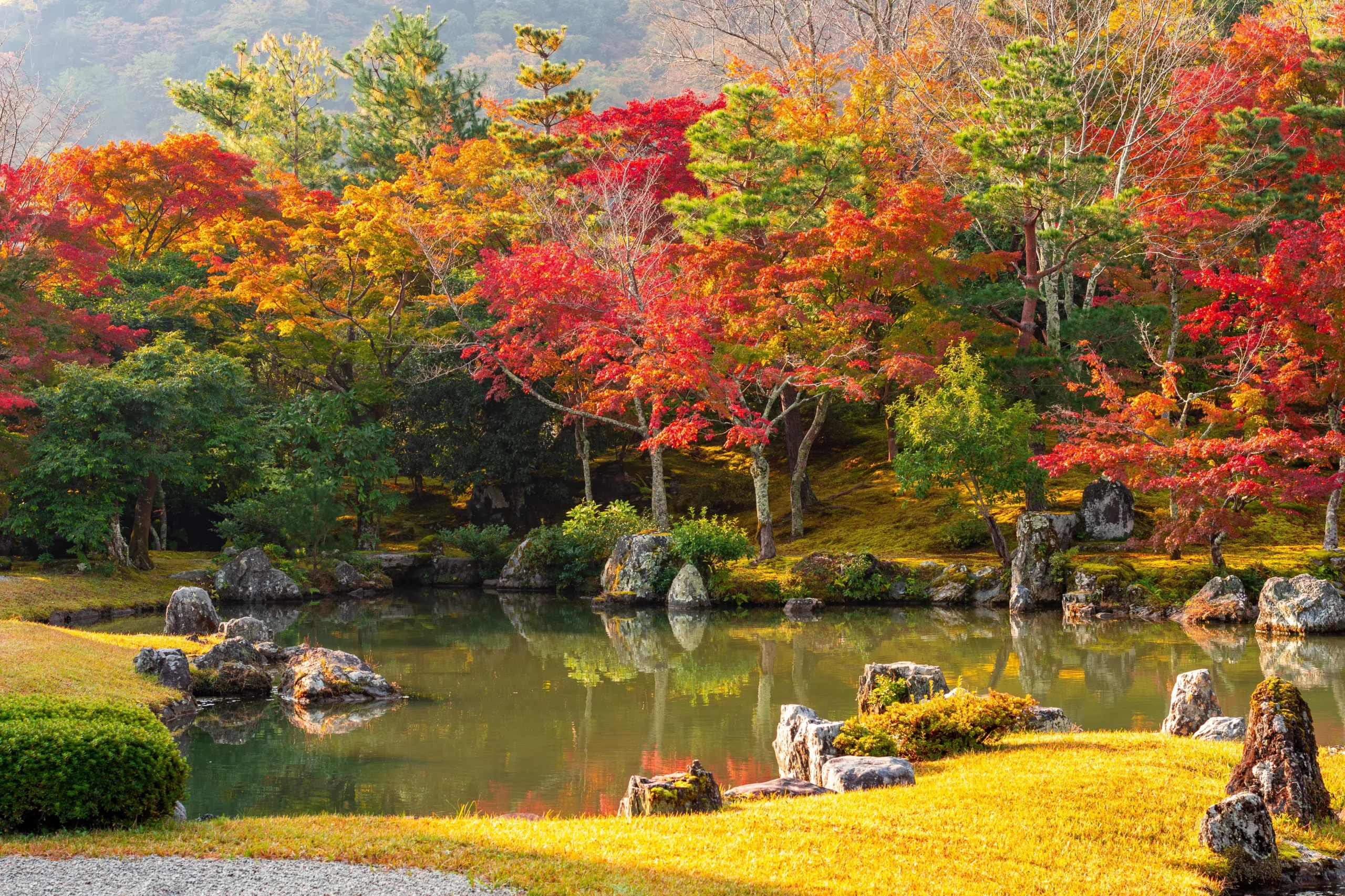
Nearby Tenryu-ji is a Zen temple and part of Kyoto’s UNESCO World Heritage listing. Its Sogenchi pond garden uses the surrounding hills as part of the scenery. It’s worth spending some time here before continuing toward the Bamboo Grove.
Tenryu-ji’s northern garden exit connects conveniently with the bamboo area. Garden admission and access to temple buildings are handled separately, so check the temple’s current visitor information before going.
Togetsukyo Bridge and the Riverside
At Togetsukyo Bridge, take a little time to walk along the river rather than simply crossing and moving on. From the banks, you can look back at the bridge with the mountains behind it and watch the boats passing on the water.
Enjoy Arashiyama Between the Landmarks
Browse the Small Shops and Taste Local Specialties
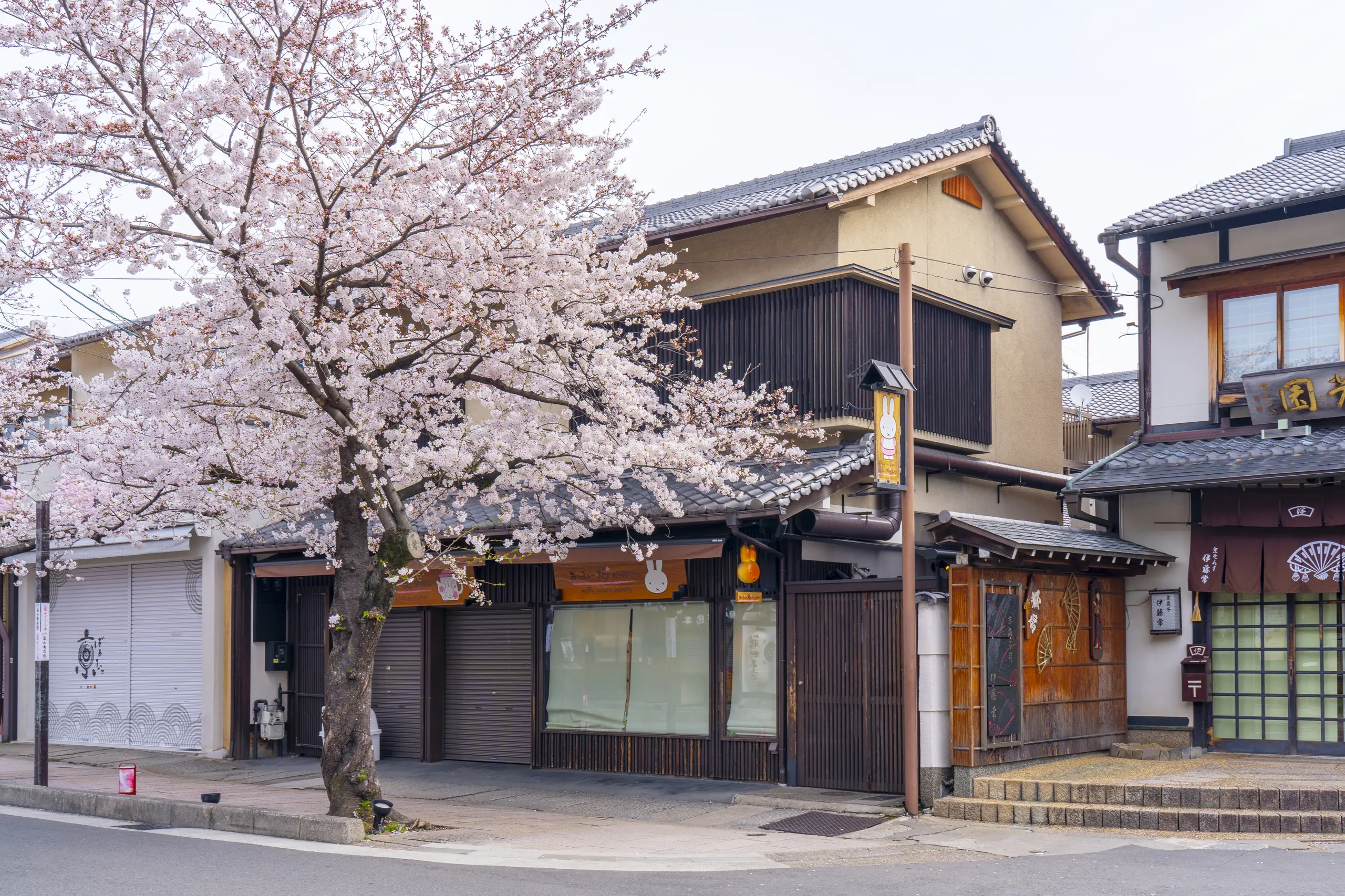
Around Randen Arashiyama Station and the road toward Togetsukyo Bridge, you’ll find souvenir shops, places selling Japanese pickles (tsukemono), traditional sweets (wagashi), pastries, and other local products.
Some shops offer little samples, so you might try something unfamiliar, look around, and then move on to the next shop. It’s an enjoyable way to spend time in Arashiyama, especially if you’re not in a hurry to reach another attraction.
Take Your Time Along the Riverside
Arashiyama can be busy without feeling completely hemmed in. Step away from the main shopping street and you have the breadth of the river, tree-covered slopes and paths where there’s no need to keep checking an itinerary. Watch the traditional-looking boats, find a place to sit when appropriate, or simply walk until you’re ready to turn back.
Find a Quieter Side of Arashiyama in Sagano and Okusaga
Walk Through Saga Toriimoto’s Historic Streets
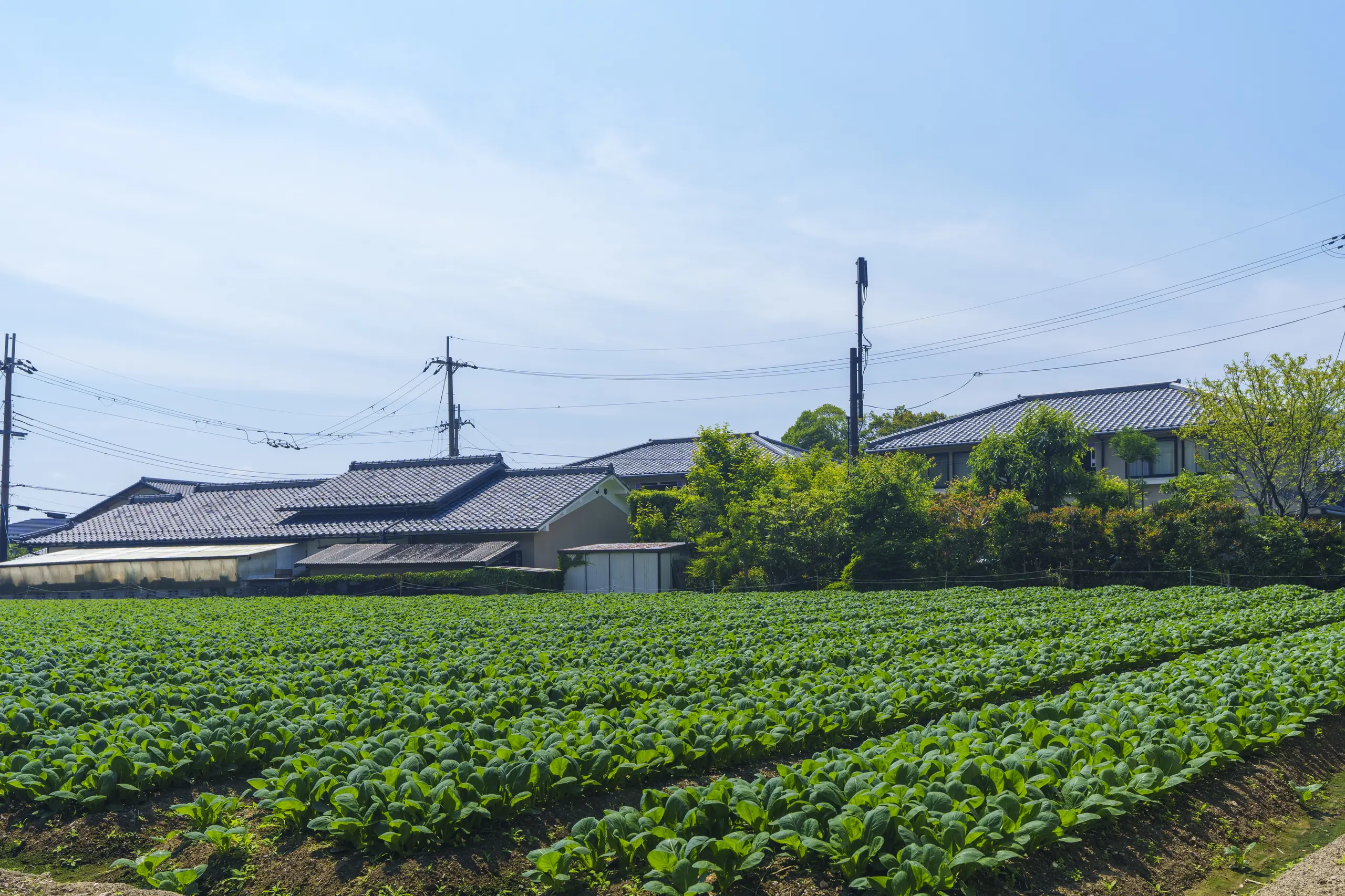
North of the Bamboo Grove, the old road through Saga Toriimoto is lined with wooden townhouses and a few thatched-roof buildings. The area is protected as a historic district, and it’s an interesting walk between temple visits, especially if you enjoy traditional streets and old buildings.
Choose a Temple That Matches Your Interests
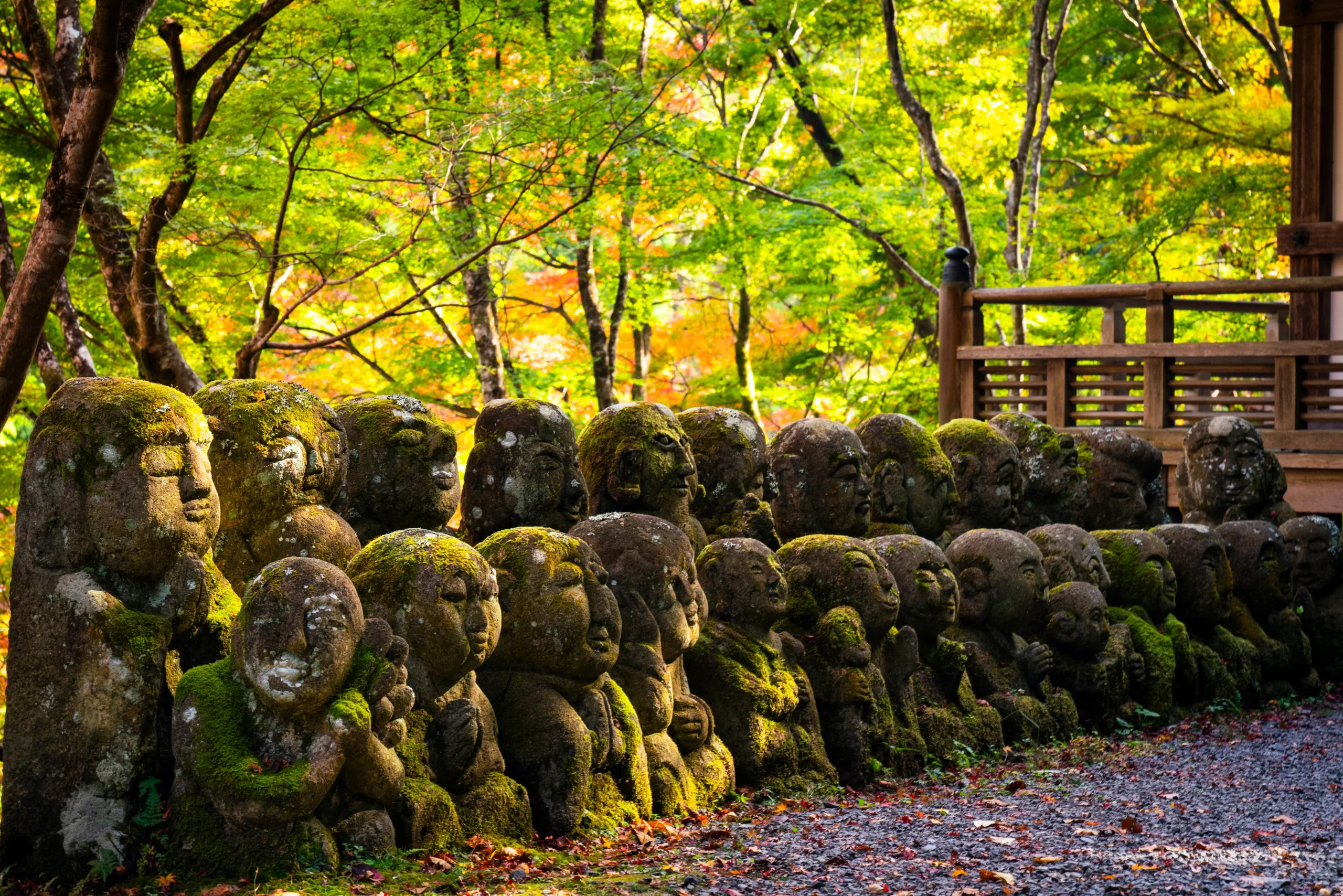
Otagi Nenbutsu-ji is memorable for its many stone figures of Buddhist disciples, each with a different expression or personality. Nearby Gio-ji offers another mood entirely: a shaded moss garden surrounded by trees. Both are worth a visit, but you don’t need to visit every temple in the area. Choose the one or two that interest you most.
For a practical route, Otagi Nenbutsu-ji recommends arriving by bus or taxi and walking downhill through Saga Toriimoto toward the Bamboo Grove and bridge. That’s usually more appealing than starting in central Arashiyama and walking the entire way uphill. Check Otagi’s visiting days carefully: it currently lists Wednesday and Saturday closures.
Add Another Experience if You Have Time
Iwatayama Monkey Park: Wildlife and a View Over Kyoto
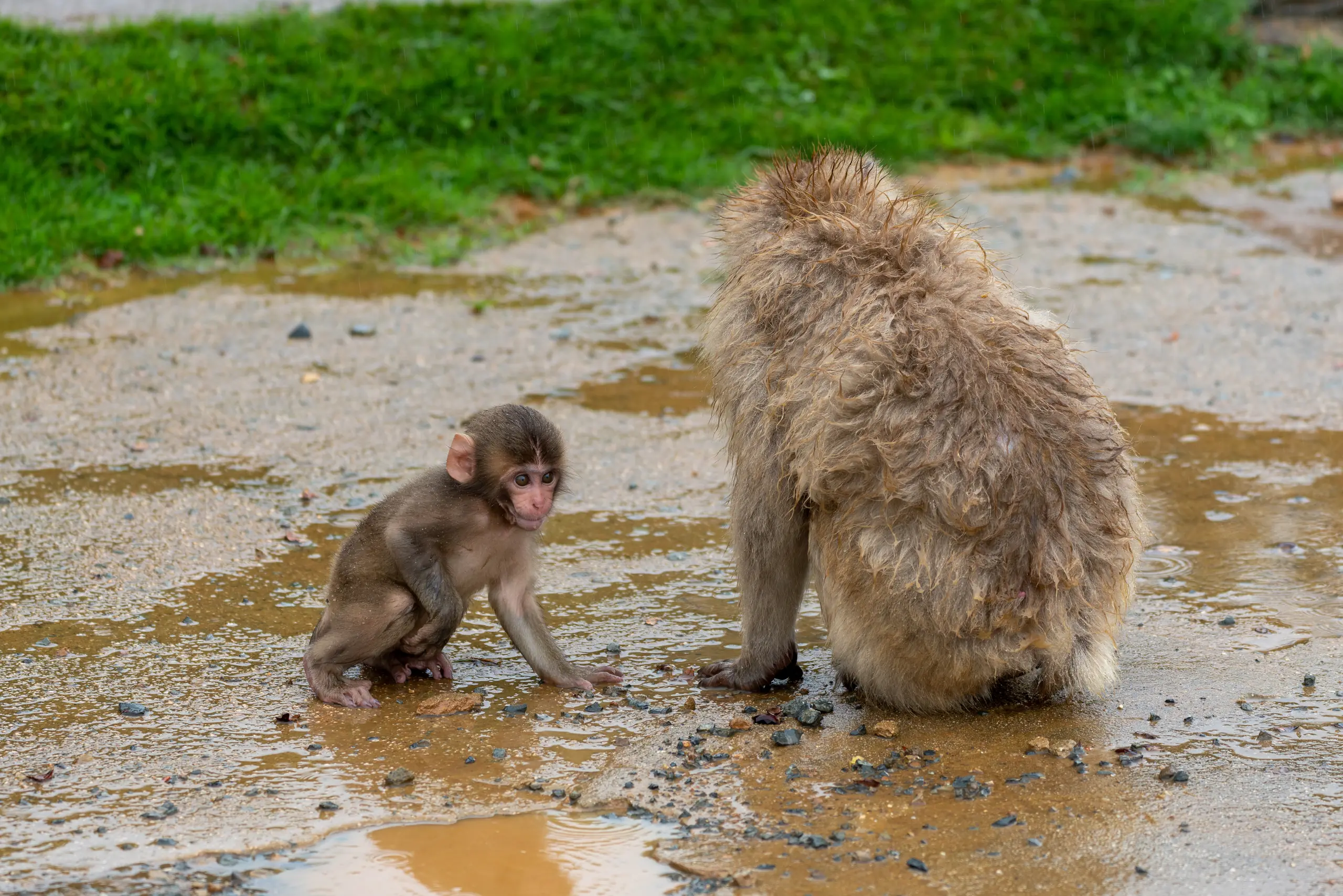
Across the river, Iwatayama Monkey Park offers something quite different from temple sightseeing. The walk takes you uphill through a wooded area, with views across Kyoto near the top. You can watch the Japanese macaques moving around the hillside, so the climb is interesting for more than just the scenery.
The path can be steep, particularly in hot or wet weather. Follow the park’s rules about keeping your distance from the monkeys. If you’d rather avoid the climb, spend that time along the river or in a garden instead.
Kimono Forest: A Colorful Stop at Randen Arashiyama Station
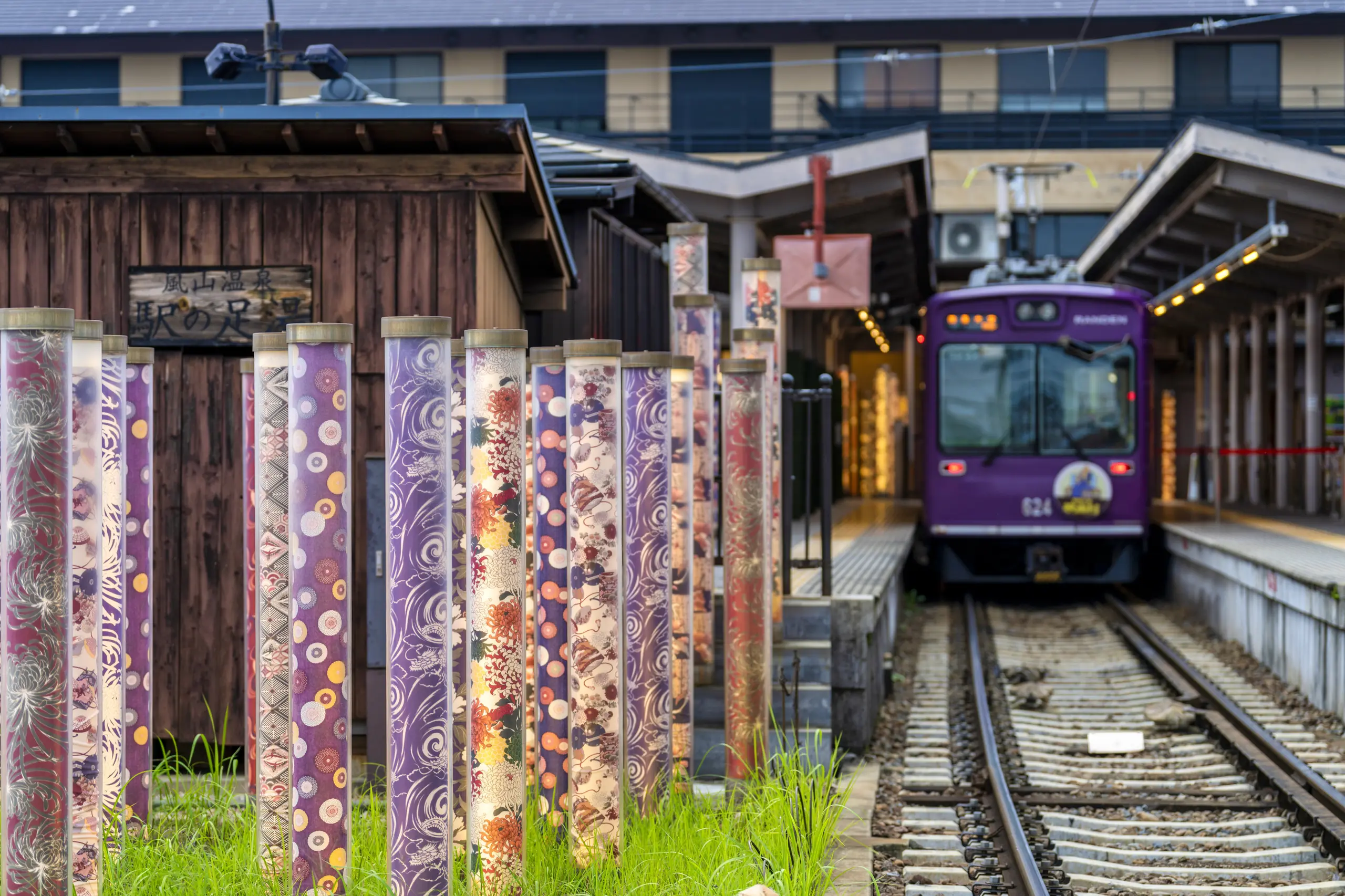
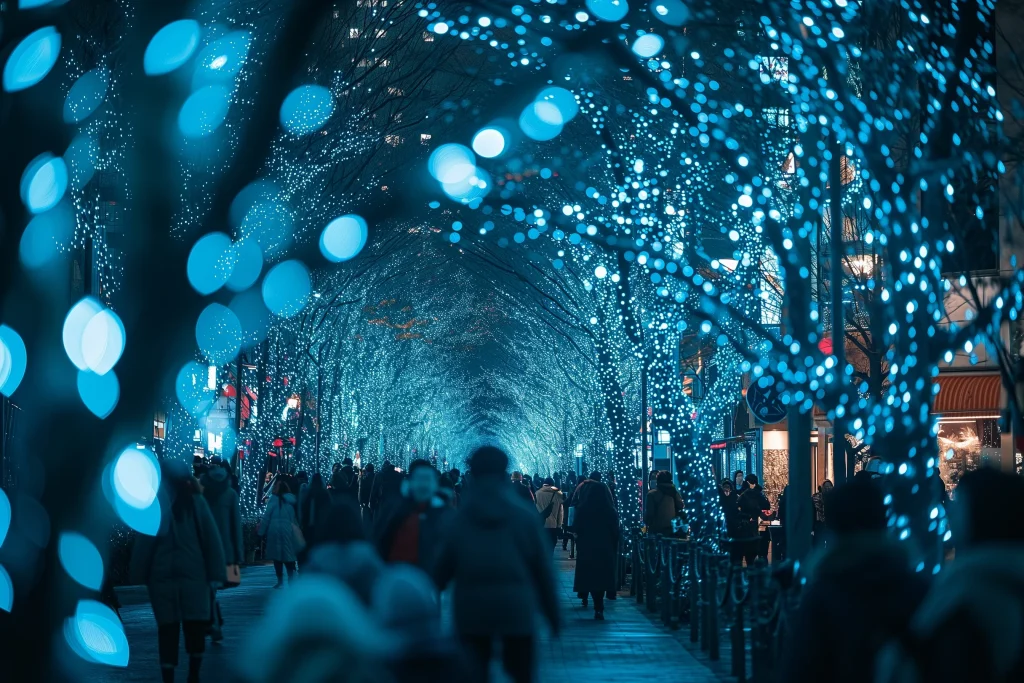
At Randen Arashiyama Station, the Kimono Forest brings a different sort of color to the neighborhood. Around 600 illuminated pillars feature patterns inspired by Kyoto’s Yuzen-dyed textiles. It’s an easy stop near the main sightseeing streets, and one worth remembering if you stay into the evening.
The lights can be especially striking after rain, when their colors reflect on the wet ground. Check the station’s current lighting arrangements if an evening visit is important to you.
Should You Take the Sagano Romantic Train or Hozugawa River Boat Ride?
Both excursions reveal the Hozugawa Valley beyond central Arashiyama, but they are not interchangeable. The Sagano Romantic Train takes roughly 25 minutes to travel through the gorge toward Kameoka. It’s a compact scenic ride, although you’ll still need to plan how to return or continue afterward.
The Hozugawa River Boat Ride is a longer journey, usually around two hours on the water from Kameoka toward Arashiyama. Getting to the boat departure point also takes time, and services depend on river and weather conditions. Combining train and boat can be rewarding, but it requires deliberate planning rather than squeezing them between temple stops.
Read more: Scenic Trains in Japan
Suggested Arashiyama Itineraries
Half-Day Route: The Classic Highlights
Begin at Tenryu-ji, where the garden is a rewarding introduction and the northern exit leads toward the Bamboo Grove. Walk through the bamboo area, then return toward the main shopping streets. Browse for a little while before finishing at Togetsukyo Bridge and the river.
If you only have half a day, it’s better to save Monkey Park, the more distant temples, or a boat excursion for another visit.
Full-Day Route: Slow Down and Explore
For a longer day, consider starting at Otagi Nenbutsu-ji in the north. Take a bus or taxi uphill, then walk down through Saga Toriimoto. Stop at Gio-ji if its moss garden appeals to you, continue toward the Bamboo Grove and Tenryu-ji, and leave the later part of the day for food, shops and the river.
This itinerary involves a good deal of walking and should be adjusted for temple closures, weather and your energy. If you prefer to stay closer to the center, skip Okusaga and enjoy the classic sights at an easier pace, adding Monkey Park if you want an uphill walk and city views. Kimono Forest makes a pleasant final stop if you’re still around in the evening.
When to Visit Arashiyama and How to Get There
Best Time of Day and Season
An early start can make the Bamboo Grove more comfortable, especially during busy travel periods. But a very early visit also means that shops and many temples won’t yet be open. If you want the best of both, enjoy an early walk and save shopping and garden visits for later in the morning.
Spring brings blossoms to parts of the area, summer surrounds the river with green hills, and autumn colors the mountains and temple gardens. Rain may change your walking plans, but it can also suit a garden visit or a stop at Kimono Forest. Kyoto’s official congestion forecast and selected live cameras are useful when choosing your timing.
Read more: Kyoto Autumn Foliage
Getting to Arashiyama From Kyoto Station
From Kyoto Station, the JR Sagano Line to Saga-Arashiyama is generally the simplest route. A rapid service can take about 11 minutes, followed by a walk to the main sights. Remember that JR Saga-Arashiyama, Randen Arashiyama and Hankyu Arashiyama are separate stations, so your arrival point affects the order in which you explore.
Rail is usually more predictable than taking a bus all the way from central Kyoto when roads are busy.
Make Room to Enjoy Arashiyama
There’s plenty to see in Arashiyama, but you don’t need to fit everything into one visit. Choose the places that interest you most and leave some time for the river, small shops, or a walk through the quieter streets.
If you’re planning to combine Arashiyama with other parts of Kyoto, ENJYU JAPAN can help organize a Tailor-Made Tour around your interests and preferred travel pace.