If Japan’s birds have caught your interest, let us begin with a practical question: which encounter would suit the journey you are already planning?
A half-day in Tokyo, a guided woodland walk in Karuizawa, or a winter outing to watch cranes offers a different introduction. Your travel month, existing itinerary and preferred pace provide the starting points. Choose the setting first, then make room for the experience.
For a short city outing, consider Tokyo Port Wild Bird Park. For forest observation with a guide, compare Karuizawa’s tours. Winter cranes require a more deliberate plan: Kushiro and Tsurui in eastern Hokkaido, or Izumi in southern Kyushu. This guide helps you compare those choices through transport, language support, walking conditions and alternatives when the weather changes.
Practical information was checked on 11 October 2026. Match seasonal arrangements and booking conditions to your travel dates.
Choose a Birdwatching Route That Fits Your Trip
Start with where you will stay and how much time you can spare. A city observation centre and a winter crane excursion require different preparations. The four routes below are alternatives, not a nationwide circuit to complete.
| Route | Best suited to | Seasonal focus | Time and walking | Transport and language |
|---|---|---|---|---|
| Tokyo Port Wild Bird Park | Adding nature to city sightseeing | Year-round; birds change with the season | Allow half a day, including the station walk and park visit | Monorail and walking; English visitor information available |
| Karuizawa | Learning about woodland wildlife with a guide | Year-round; spring and winter suit bird-focused visits | Shared tour: two hours on approximately 2 km of unpaved paths | Basic English on shared tours; dedicated English private option |
| Kushiro and Tsurui | Making winter red-crowned cranes a travel priority | Winter gatherings | An excursion within an eastern Hokkaido stay; snow and cold affect movement | Bus and walking, or pre-arranged transport |
| Izumi | Adding cranes to a winter Kyushu itinerary | Seasonal winter opening | Road transfer from Izumi Station, followed by observation | Reserve return transport; English visitor guidance available online |
The Tokyo half-day allowance is a planning suggestion; Karuizawa’s tour duration and walking distance are operator information. Regional excursions also require time to reach their bases.
If your companion prefers less walking, compare the viewing format before the bird list. A wetland observation room and an unpaved woodland trail offer different ways to participate.
For comparisons with other outdoor activities, ENJYU JAPAN’s Japan Nature Travel guide provides the wider context. Here, the focus is on making one birdwatching visit work.
When to Go: Match the Season to the Habitat
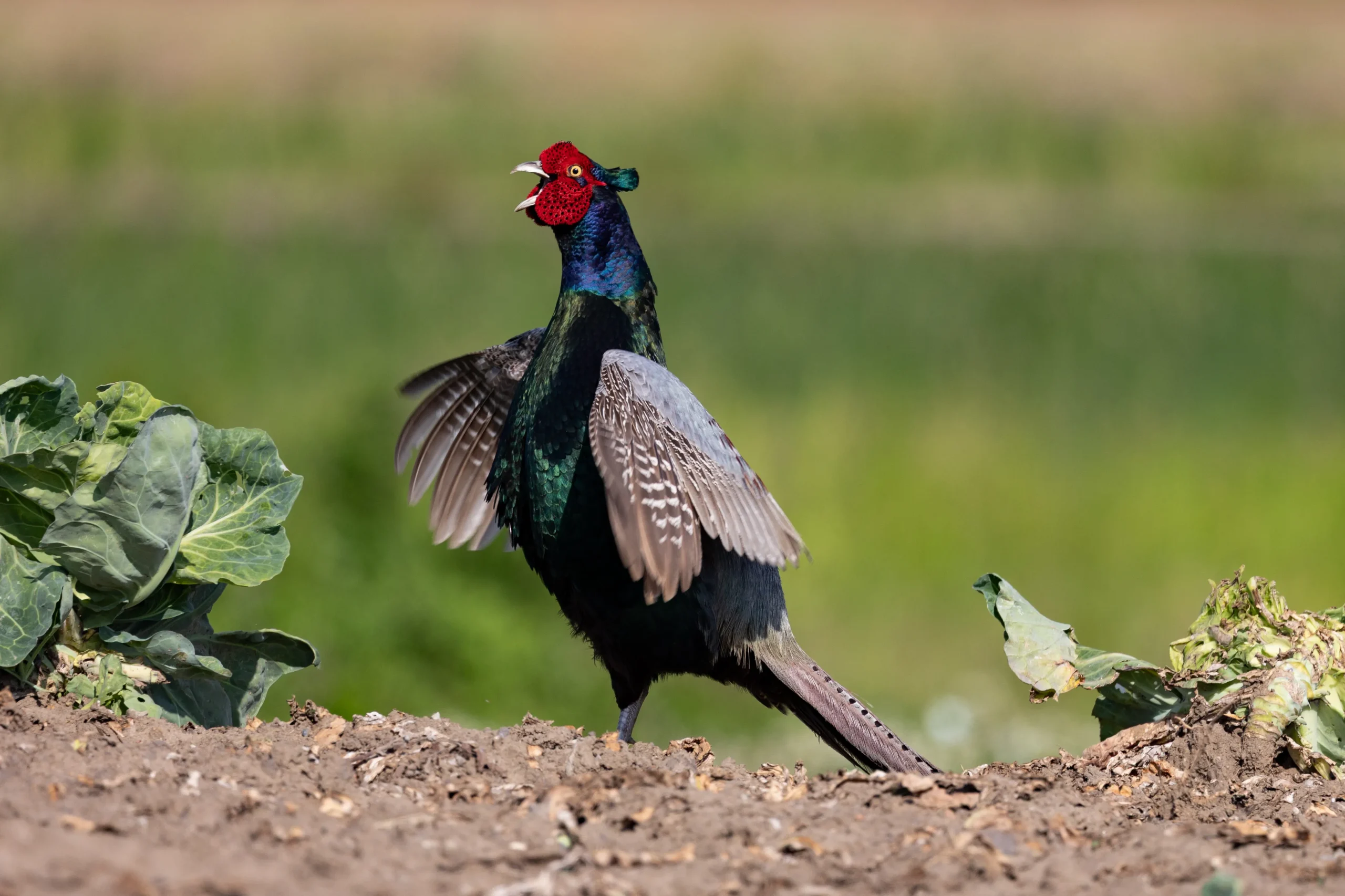
There is no single best month for every birdwatching trip in Japan. Wetlands, forests and crane wintering grounds follow different patterns. Match your dates to the habitat and observation style rather than treating one season as universally best.
Winter Waterbirds and Crane Watching
Winter brings visiting ducks to Tokyo’s tidal habitats and crane gatherings to Hokkaido and Kyushu. At Tokyo Port Wild Bird Park, greater scaup join birds using the ponds and mudflats. At Tsurui, wild red-crowned cranes gather around managed winter feeding; Izumi receives migrating cranes. These are different ecological stories, not interchangeable outings.
A centre’s opening season is not necessarily the best period for seeing birds gather. Tsurui’s centre opens in October, while its guidance describes the main gatherings later in winter. Consider the birds’ seasonal activity as well as the building’s calendar.
Spring and Autumn Migration
Tokyo’s mudflats attract migrating shorebirds in spring and autumn, including ruddy turnstones and grey-tailed tattlers. Falling water exposes feeding areas, so recent sightings and the day’s conditions matter. Ask which observation points are useful rather than relying on one supposedly ideal time or tide.
Summer Forests: Choose the Right Kind of Observation
Summer is not a nationwide off-season, but local conditions change what is easy to see. Picchio recommends late March–late May and December–late February for bird-focused visits in Karuizawa. Dense undergrowth and reduced daytime activity make observation harder from mid-July to late September.
Its shared nature tour has a broader purpose, examining birds alongside plants, insects and animal traces. Decide whether you want focused birdwatching or an introduction to the woodland as a whole. That distinction helps you choose the right booking.
Tokyo: A Half-Day at Tokyo Port Wild Bird Park
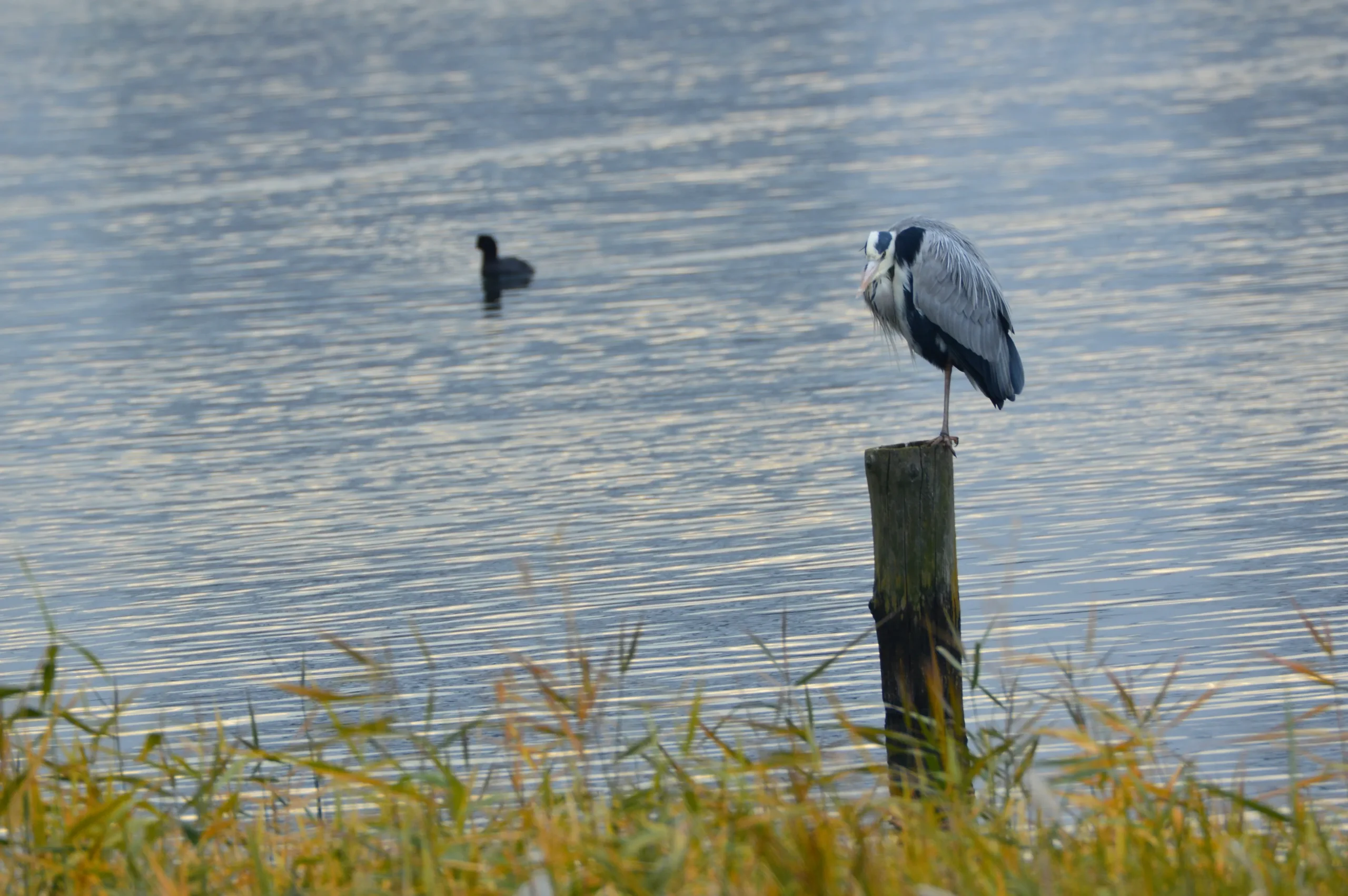
An observation centre makes a practical first stop when you have limited time or no specialist equipment. Begin under cover, then decide how much of the park to explore.
Start with the Nature Centre
Tokyo Port Wild Bird Park offers free binocular loans and fixed telescopes. Wild Bird Society of Japan rangers are based in its nature centre, although regular English-speaking assistance is not confirmed. Save GO TOKYO’s English visitor information before arriving for an introduction and access guidance.
Glass-fronted viewing areas overlook the tidal pond and mudflats. Cormorants and grey herons rest on posts, while ducks use the water in winter. Follow one bird’s movements before trying to identify every species: feeding, resting and swimming already give you something to observe.
Adult admission is ¥300. Opening hours are 09:00–17:00 from February to October and 09:00–16:30 from November to January. Last admission is 30 minutes before closing. Mondays are normally closed, with holiday exceptions and year-end closures. For a winter visit, arrive before the 16:00 admission deadline.
The Walk from the Station
Take the Tokyo Monorail to Ryutsu Center Station and walk approximately 15 minutes. Airport Rapid services do not stop there. Save the operator’s photographic walking directions and the Japanese name, 東京港野鳥公園, for the final approach.
The station walk comes before movement within the park. If walking is a concern, consult its barrier-free map and ask about the route to your intended viewing area. Mapped facilities and wheelchair loans help with planning, but do not establish that every path suits every visitor.
- Plan A: Visit the nature centre, then add outdoor observation areas according to your energy and the weather.
- Plan B: In rain, concentrate on indoor viewing if reaching the park remains safe.
- Plan C: Choose the National Museum of Nature and Science in Ueno when open. Permanent-exhibition admission is ¥630 for adults and university students. It is elsewhere in Tokyo and also normally closes on Mondays.
If both venues are closed, exchange the outing with another planned indoor day rather than adding an uncertain transfer.
Karuizawa: Choose the Right Forest Tour
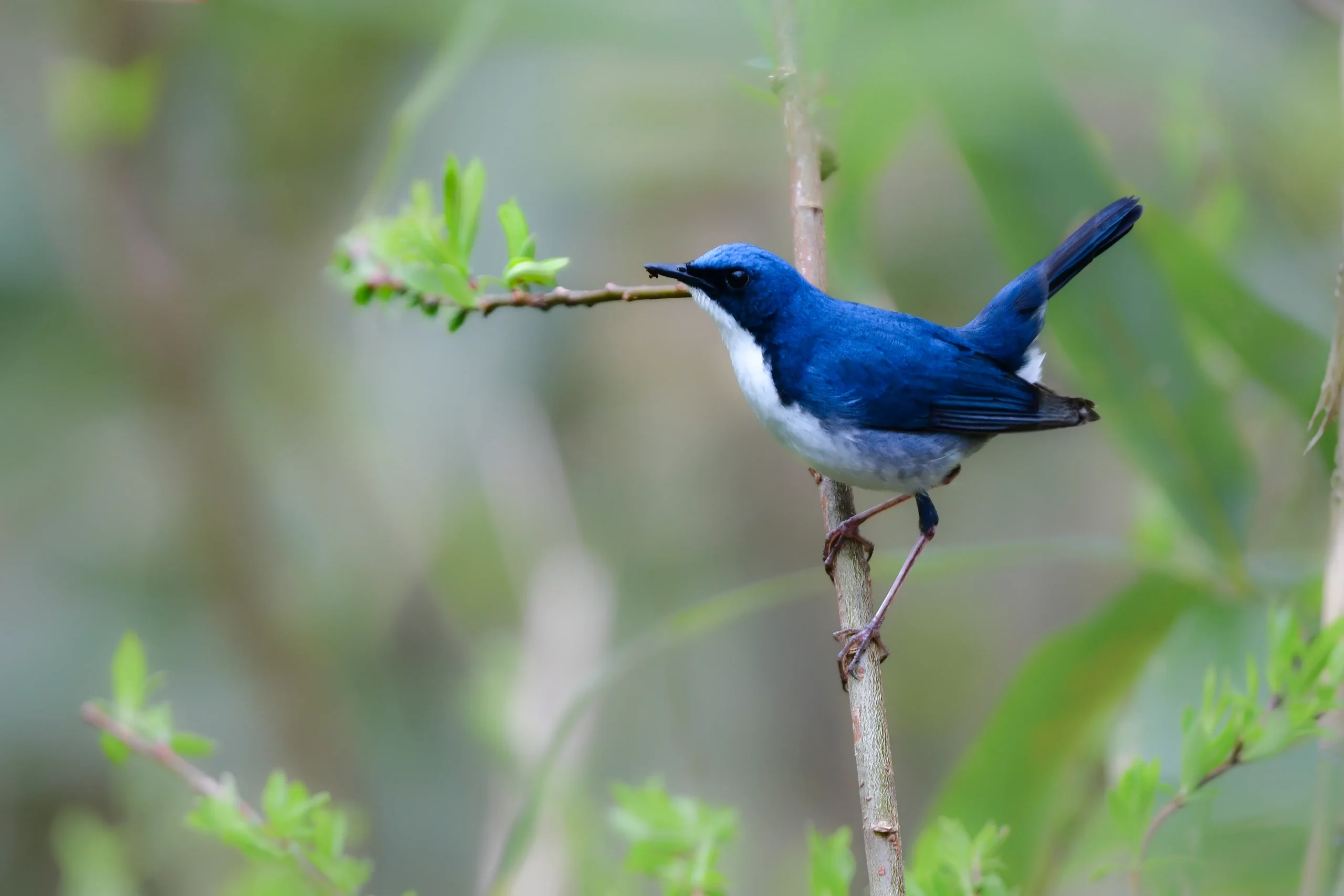
A guide can help you connect a bird, a feeding trace and the surrounding woodland. Choose the tour according to the explanation you want and the ground you can comfortably cover.
A Shared Nature Walk or a Private English-Guided Tour?
Picchio’s Nature Watching Tour lasts two hours and covers woodland wildlife more broadly than birds alone. Adult prices start at ¥2,500 per person, and binocular rental costs ¥300. Guiding is in Japanese and basic English, with English ability varying between guides. Prices change by date, so use the booking calendar for your total.
For detailed English discussion or a bird-focused outing, compare its Private Tour with Native English Speaking Guide. The listed two-to-three-hour option costs ¥40,000 per group of one to six people. Confirm the final price, itinerary and included transport when booking. Compare the group total with the shared tour’s per-person price.
Paths, Meeting Point and Reservations
The shared walk follows approximately two kilometres of unpaved paths. Wheelchairs and pushchairs cannot be used, and there are no toilets during the tour. If these conditions raise concerns, discuss them before reserving; a gentle pace does not make the ground suitable for everyone.
The shared morning tour runs from 10:00 to 12:00. Afternoon departures have seasonal conditions. Meet at Picchio Visitor Center, book online with a credit card, and review the cancellation terms before paying.
From Karuizawa Station, take a bus to Hoshino Onsen Tombo-no-yu, then allow approximately 13 minutes to walk to Picchio. The operator’s access page provides the approach. Match the bus timetable to your start time and allow extra time for busy roads.
- Plan A: Reserve the tour matching your interests, language needs and walking ability, with time for the return transfer.
- Plan B: Follow the organiser’s weather decision. Bring suitable rainwear and discuss any requested changes; adjustments are not automatic.
- Plan C: Visit Hiroshi Senju Museum Karuizawa when travel is safe and the museum is open. Adult admission is ¥1,500. It normally closes on Tuesdays and from 26 December through February, so it is not a winter fallback.
During that closure, exchange the forest outing with another day in your itinerary.
Eastern Hokkaido: Plan a Winter Crane Visit from Kushiro
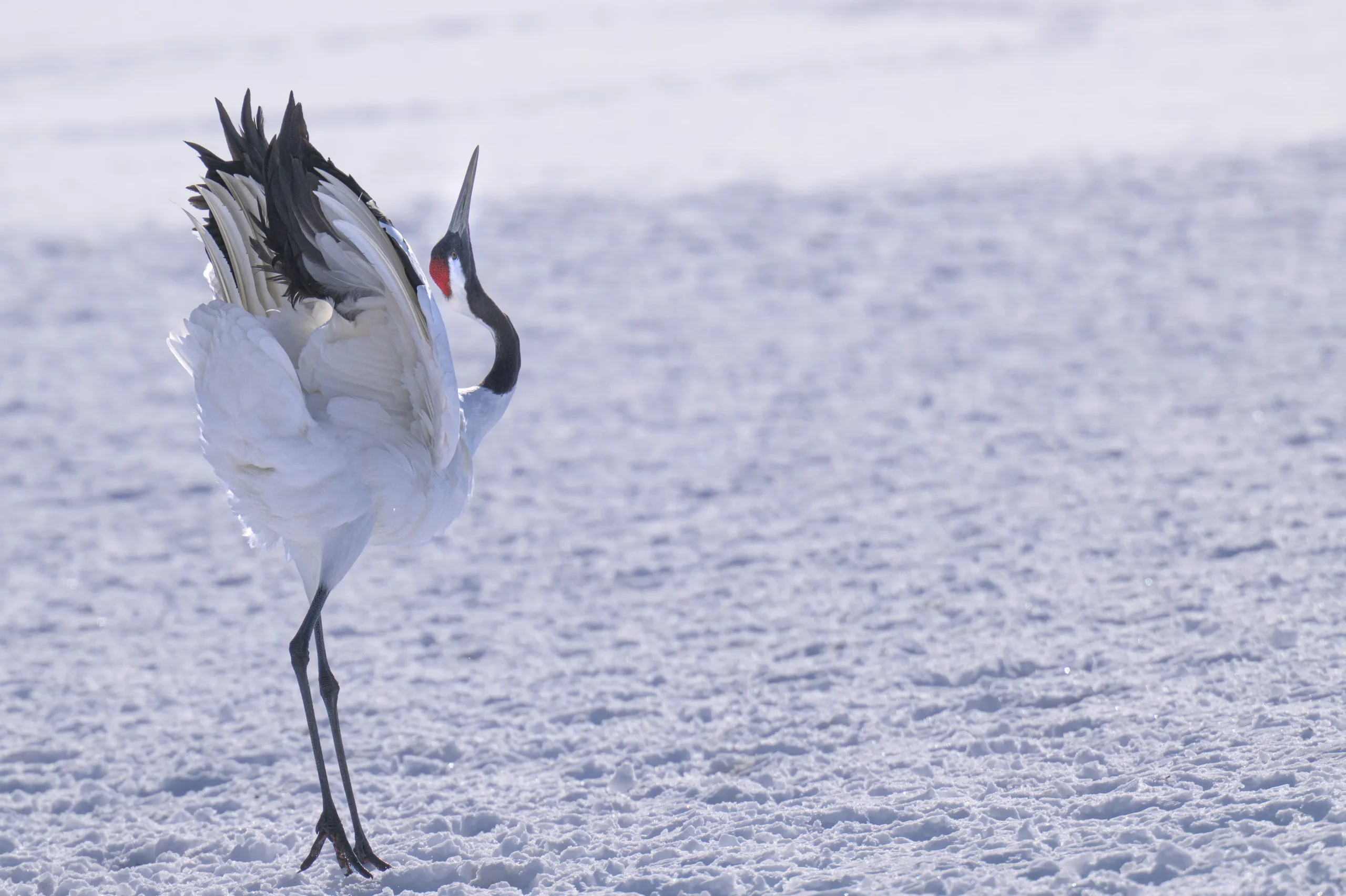
A winter crane outing needs time for observation and transport. Use Kushiro as your base and keep the day focused on Tsurui, rather than attaching distant destinations simply because they also lie in eastern Hokkaido.
Watch Cranes at Tsurui-Ito Tancho Sanctuary
Tsurui-Ito Tancho Sanctuary provides designated viewing areas for wild red-crowned cranes, known in Japanese as tancho. Its nature centre also offers telescope observation. Managed winter feeding supports the birds when food is limited; visitors should not feed them themselves.
The sanctuary opened in 1987 on land provided by Yoshitaka Ito, a dairy farmer involved in crane protection, with donations supporting its development. That history connects the viewing site to local land management and continuing conservation. Human care helps sustain this opportunity to observe wild birds.
Admission is free. The published centre season is 1 October–30 March, with hours of 09:00–16:00. Closures include Tuesdays, Wednesdays, the first Thursday each month, and 26 December–1 January, with holiday exceptions. Choose an open day if indoor viewing matters to your visit.
Arrange the Return Journey First
The sanctuary describes an approximate one-hour bus journey from Kushiro Station, followed by a ten-minute walk from Tsurui Village Office, 鶴居村役場前. Use Akan Bus’s official route information to establish both directions for your date. A route description alone is not a return plan.
If snowy walking or waiting outdoors would be difficult, compare a pre-arranged vehicle. Request a quotation covering the return journey and observation time. You need not make unfamiliar winter driving part of the experience.
- Plan A: Travel from Kushiro, observe from the designated areas, and return without adding distant stops.
- Plan B: When roads are safe and the centre is open, prioritise indoor telescope observation.
- Plan C: Stay in Kushiro and visit Kushiro City Museum when open. General admission is ¥480, with hours of 09:30–17:00. Its English page includes closure information and a notice about construction affecting nearby pavements.
If city travel is also unsafe, postpone rather than substitute another excursion.
Izumi: Winter Cranes and the Landscape That Supports Them
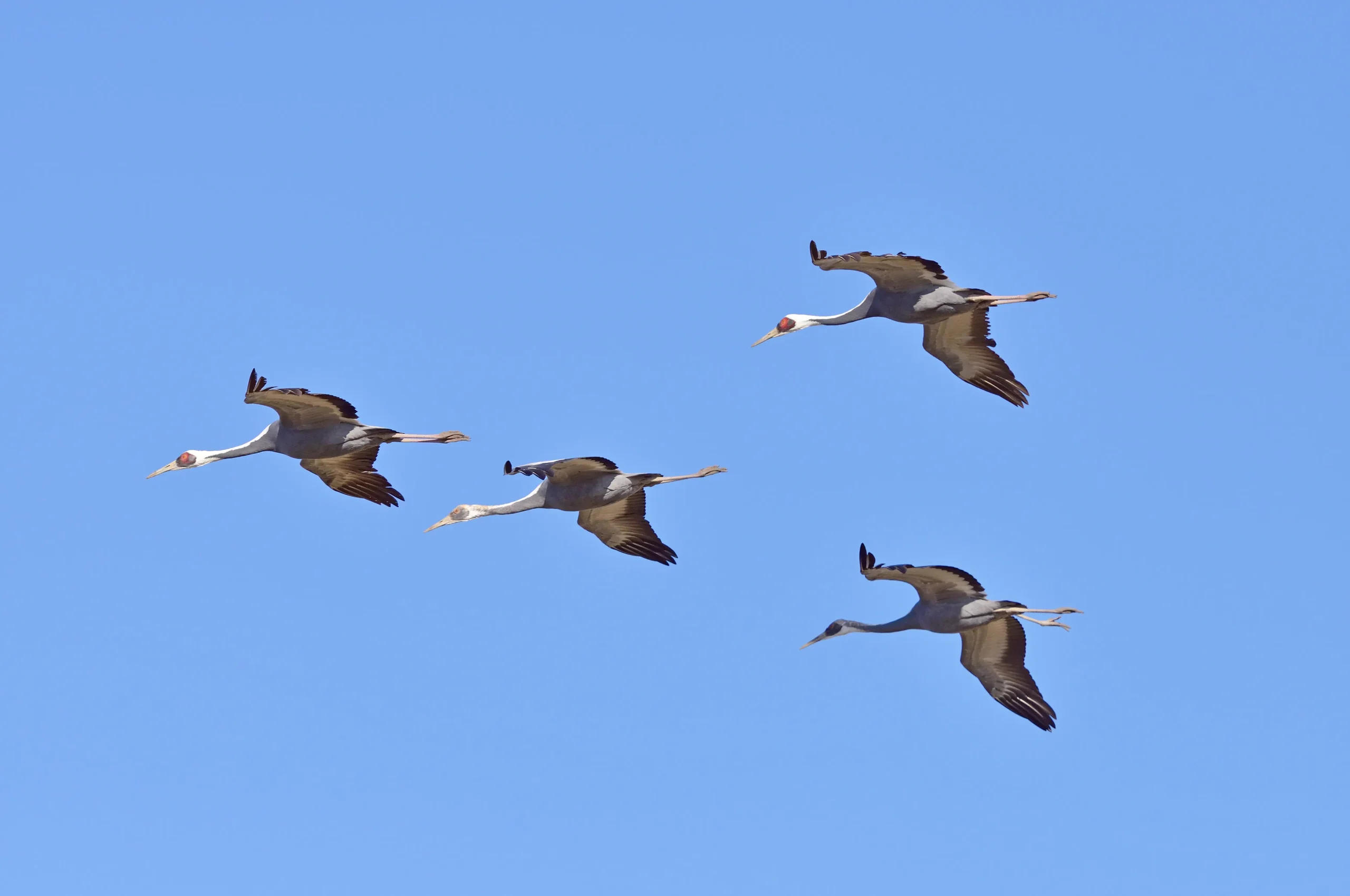
Izumi’s migrating cranes gather on land shared with residents, farms and a poultry industry. Its seasonal arrangements protect those relationships as well as the birds. Begin at the visitor hub, then follow the permitted routes.
Begin at the Crane Observation Centre
Izumi Crane Observation Centre overlooks the wintering grounds and provides panels and videos. More than 10,000 cranes gather in the wider area each winter, although the number visible at any moment varies. Watch how the flock feeds, rests and uses the fields rather than making one count your goal.
The centre is approximately 20 minutes by car from Izumi Station. Arrange the return pickup with the outward journey. Save the destination as 出水市ツル観察センター, at 出水市荘2478番地4, and request help from your accommodation if needed. Previous winter taxi discounts should not be assumed to continue.
Winter Access: Fees and Visitor Passes
The following arrangements apply to 1 November 2026–14 March 2027.
| Item | Visitor information |
|---|---|
| First stop | Begin at the observation centre and pay the conservation contribution |
| Payment | Cash only |
| Cars, taxis and vans with up to ten registered seats | ¥1,000 per vehicle per day |
| Visitors arriving on foot | ¥1,000 per person per day |
| Visitor Pass | Includes centre admission without an additional entrance payment and binocular rental, subject to availability |
| Opening | Regular centre hours: 09:00–17:00; last admission: 16:30 |
| Early access | From 06:30 for contribution-paying visitors |
| Crane-count dates | Access to the wintering grounds is restricted until 09:00 |
Consult the official English winter visitor guidelines for survey dates and current routes. Watch the three-minute orientation video, available in English, before entering the wider viewing area. Follow disinfection procedures and remain in your vehicle except at designated stops and walking areas.
A shared electric minibus offers guided rides of approximately 40–50 minutes. English guidance requires an advance request through the contact details on the visitor page and depends on staff availability. The separate self-drive electric vehicle requires a Japanese-issued driving licence; an international driving permit is not accepted for that rental.
These rules help protect cranes, reduce disease risks and keep narrow roads clear for residents and farm vehicles. Following them is part of understanding the landscape.
- Plan A: Reserved transport to the centre, orientation, permitted observation, then the arranged return.
- Plan B: In manageable rain, concentrate on the centre’s indoor views and exhibits.
- Plan C: Visit Crane Park Izumi for displays about cranes and the region. Adult admission is ¥330; hours are 09:00–17:00, with last admission at 16:30. Its published schedule lists daily opening during November–March.
Prepare for the Visit and Watch Birds Responsibly
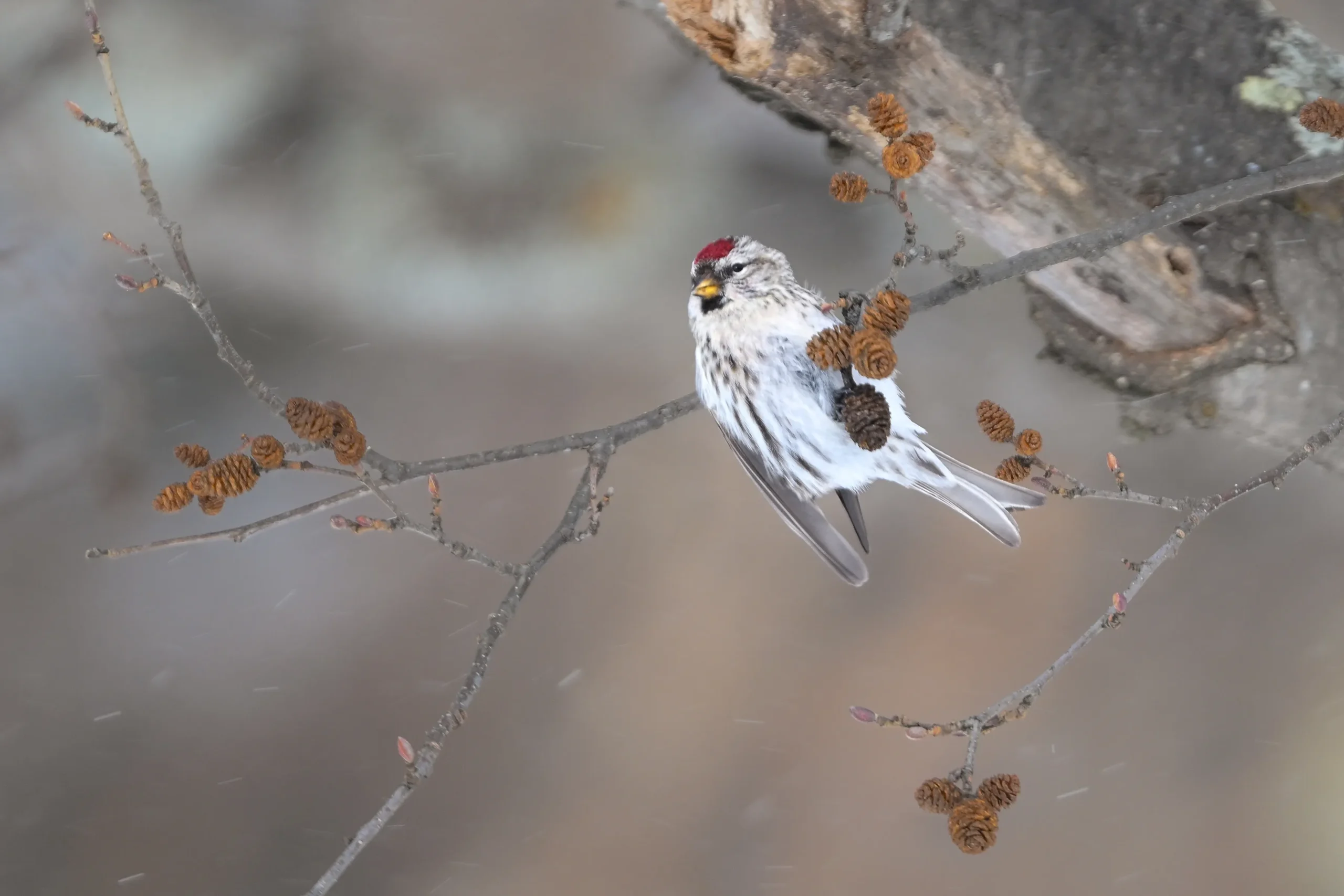
Good preparation helps you concentrate on the birds once you arrive. Match your equipment and safety precautions to the route, whether you are visiting a viewing room or walking through woodland.
Before You Leave
Save your reservation, meeting point, Japanese destination name and return arrangements. Bring water, suitable footwear, rain protection and seasonal layers. For guided walks, check the path surface, toilet availability and cancellation policy.
If walking is difficult, ask about the exact approach to your viewing area. An indoor observation room does not necessarily mean a step-free route. Equipment loans also vary, so establish what your chosen site provides.
Bear Precautions and Weather Safety
Before entering woodland in bear habitat, check local sightings and closures, and ask your guide or visitor centre about precautions. If bear spray is recommended for your route, arrange it locally and learn how to use it beforehand. It cannot be carried in cabin or checked baggage on aircraft.
Rain may allow a shorter outing when transport operates normally. Strong winds, heavy snow, closures or evacuation information call for a change of date or a safe alternative. Indoor viewing does not remove the risks of reaching the site.
Let Birds Continue Their Normal Behaviour
At observation points, keep your voice low and give birds room to feed and rest. Avoid feeding them, approaching nests, using flash or playing recorded calls to attract them. If a bird reacts to your approach, stop and increase your distance.
During walks through bear habitat, follow local safety instructions, including making your presence heard where advised. Quiet birdwatching should never override precautions against an unexpected bear encounter.
Respect private farmland, leave roads and viewing spaces clear, and follow local disinfection procedures. Keep sensitive nesting locations out of public posts. These practices protect both the birds and the people who share their surroundings.
Discover Japan Through Its Birds
Choose one route that fits your month, interests and walking preferences, then give it enough time. Tokyo offers a short introduction, Karuizawa adds guided understanding, and winter crane outings reward a more deliberate regional stay. A suitable visit is worth more than several hurried arrivals.
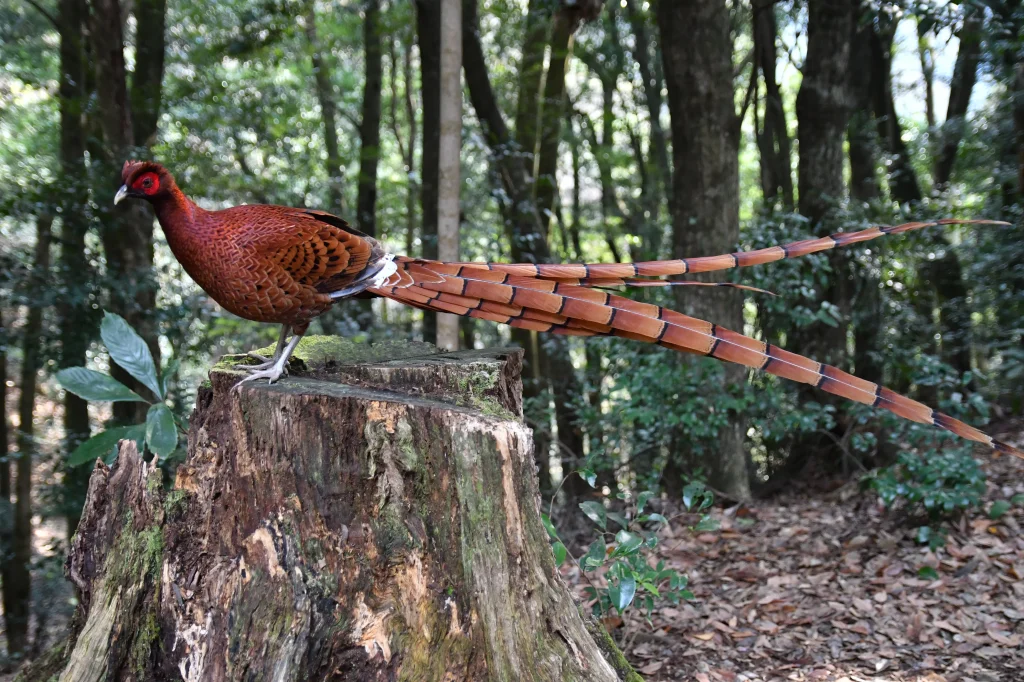
Japan’s long island chain, varied terrain and history of geographical isolation have helped shape wildlife found nowhere else. These are endemic species: plants and animals native to a particular place and no other. Following local access rules, keeping your distance and leaving habitats undisturbed helps protect what makes each encounter distinctive.env.go+1
For a longer journey, ENJYU JAPAN can discuss a Tailor-Made Tour around your dates and preferred pace. Raise birdwatching alongside transport, language and walking needs, so the wider itinerary supports the experience you want.
Keep a little of the day for yourself; the finest encounter may arrive without an appointment.
References
- Tokyo Port Terminal Corporation – Tokyo Port Wild Bird Park: Admission, Opening Hours and Equipment Loans
- Tokyo Port Terminal Corporation – Tokyo Port Wild Bird Park: Public Transport and Walking Directions
- Picchio – Nature Watching Tour: Prices, Language Support, Walking Conditions and Reservations
- Picchio – Private Tour with Native English Speaking Guide: Group Prices and Seasonal Birdwatching Advice
- Picchio – Access: Transport to the Visitor Centre
- Wild Bird Society of Japan – Tsurui-Ito Tancho Sanctuary: Conservation History, Opening Dates and Access
- Akan Bus – Regular Local Bus Routes: Tsurui Line and Timetables
- Izumi City Tourism – Izumi Crane Observation Centre: Facilities, Opening Hours and Access
- Izumi Ramsar Navi – Visiting the Izumi Crane Wintering Grounds: 2026–27 Fees, Visitor Passes and English Guidance
- Wild Bird Society of Japan – Guidelines for Beginner Birdwatchers and Bird Photographers: Responsible Observation
- Picchio – Nature Watching Tour: Walking Conditions, Equipment and Booking Information (2026)
- Ministry of the Environment, Japan – Bears in National Parks: Preparing for Your Visit and Avoiding Encounters (n.d.)
- Wild Bird Society of Japan – Guidelines for Beginner Birdwatchers and Bird Photographers (2022)
- Izumi Ramsar Navi – Visiting the Izumi Crane Wintering Grounds: Access Rules and Conservation Measures (2026)