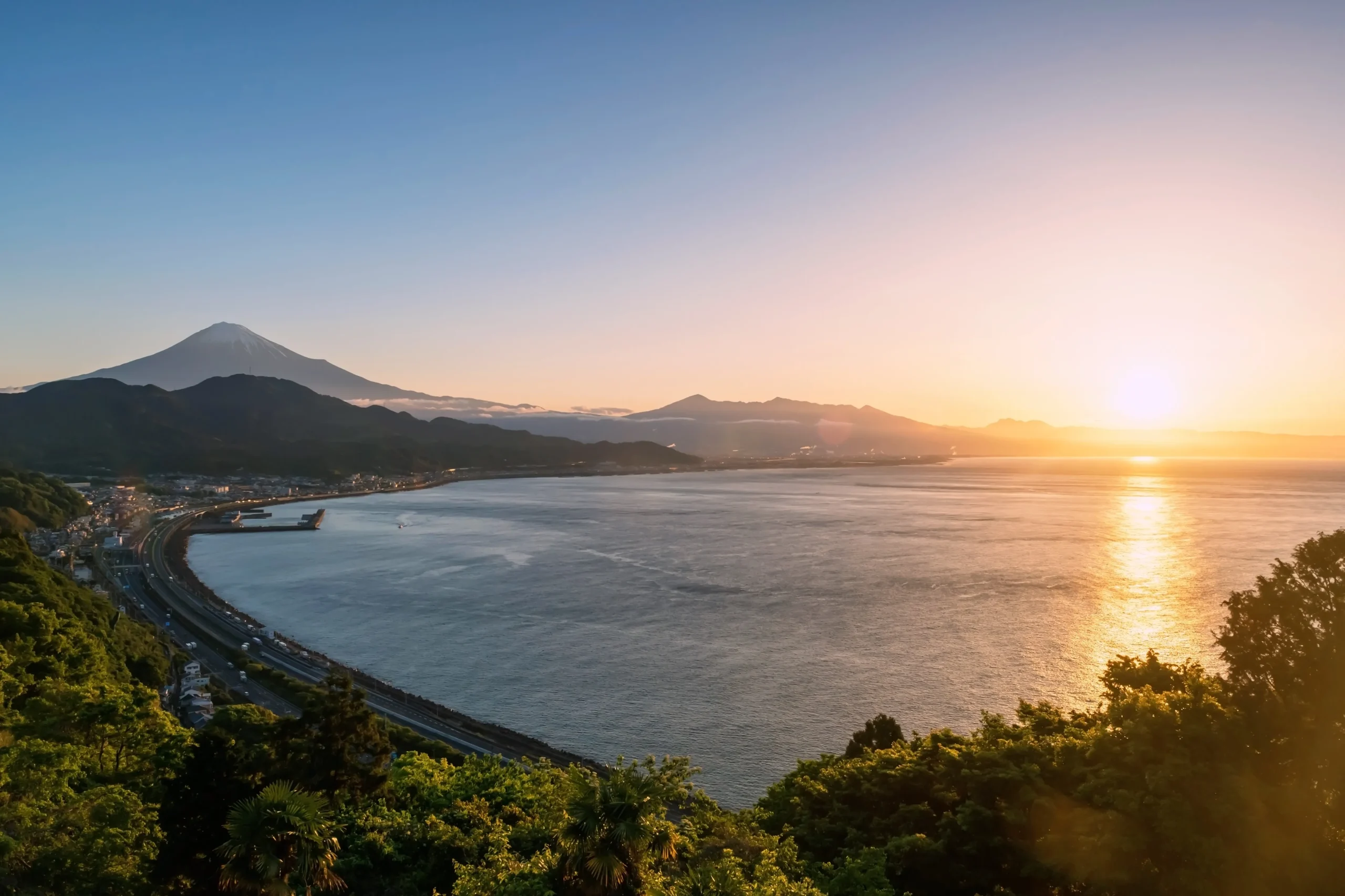
Japan can feel intensely urban when you first arrive: crowded stations, dense neighborhoods, and a convenience store on nearly every corner. But that first impression covers only part of the country. About two-thirds of Japan is forest, and the islands stretch far enough north and south to hold drift ice, alpine valleys, ancient cedar groves, coral seas, rice fields, tea hills, and quiet gardens within one journey. For nature lovers, the question is not whether Japan has enough nature for your trip. It is which kind of nature you want to build around.
Start With a Nature Anchor, Not a List
Japan rewards travelers who pick one or two nature themes and give them time. On a 10- to 14-night trip, trying to see alpine valleys, coral reefs, northern wildlife, and old-growth forest in one route usually means too many transit days. Choosing an anchor, such as mountains, ancient forest, islands, cultivated landscapes, or a season, makes the rest of the plan easier.
| Nature anchor | Good examples | Best fit | Access reality |
|---|---|---|---|
| Golden Route nature | Mt. Fuji, Hakone, Nikko, Kyoto hills, Wazuka | First trips | Easy to moderate |
| Alpine scenery | Kamikochi, Japanese Alps | Walkers and hikers | Needs planning |
| Ancient forest | Yakushima | Nature-focused trips | Trip anchor |
| Northern wilderness | Shiretoko, Hokkaido | Wildlife and winter scenery | Trip anchor |
| Islands and sea | Kerama, Tokyo’s islands | Beach and island travelers | Route-dependent |
| Human-shaped nature | Kenrokuen, tea fields, rice terraces | Culture and nature travelers | Often easy |
Remote places are not bad choices. Some of Japan’s best nature is remote. They just deserve honesty about what they cost in time.
Easy Nature Add-Ons from the Golden Route

Most first trips follow the Golden Route, the common Tokyo, Kyoto, and Osaka corridor, and there is plenty of nature within reach of it. The trick is separating comfortable day trips from places that become much better with an overnight stay.
The Mt. Fuji and Hakone area is the obvious starting point from Tokyo: a volcanic landscape of lakes, forests, hot springs, and views of the mountain itself. Staying overnight also gives you a better chance of catching the mountain in the quieter morning hours.
Read more: Beyond the View: What to Do Around Mt. Fuji in 2026
Nikko, north of Tokyo, combines waterfalls, a highland lake, marshland walks, and shrines in one area. It is possible as a day trip, but the natural highlights sit higher than the shrine area, and the bus between them takes time.
From Kyoto, nature sits closer than the crowded city center suggests. Arashiyama is famous for bamboo, but the hills of Nishikyo-ku also hold quieter bamboo forests on the city’s western edge. South of Kyoto, Wazuka’s tea fields cover hillsides in neat green rows and pair naturally with Kyoto or Nara. They are a good first taste of scenery cultivated rather than left wild.
North and South Can Feel Like Different Countries
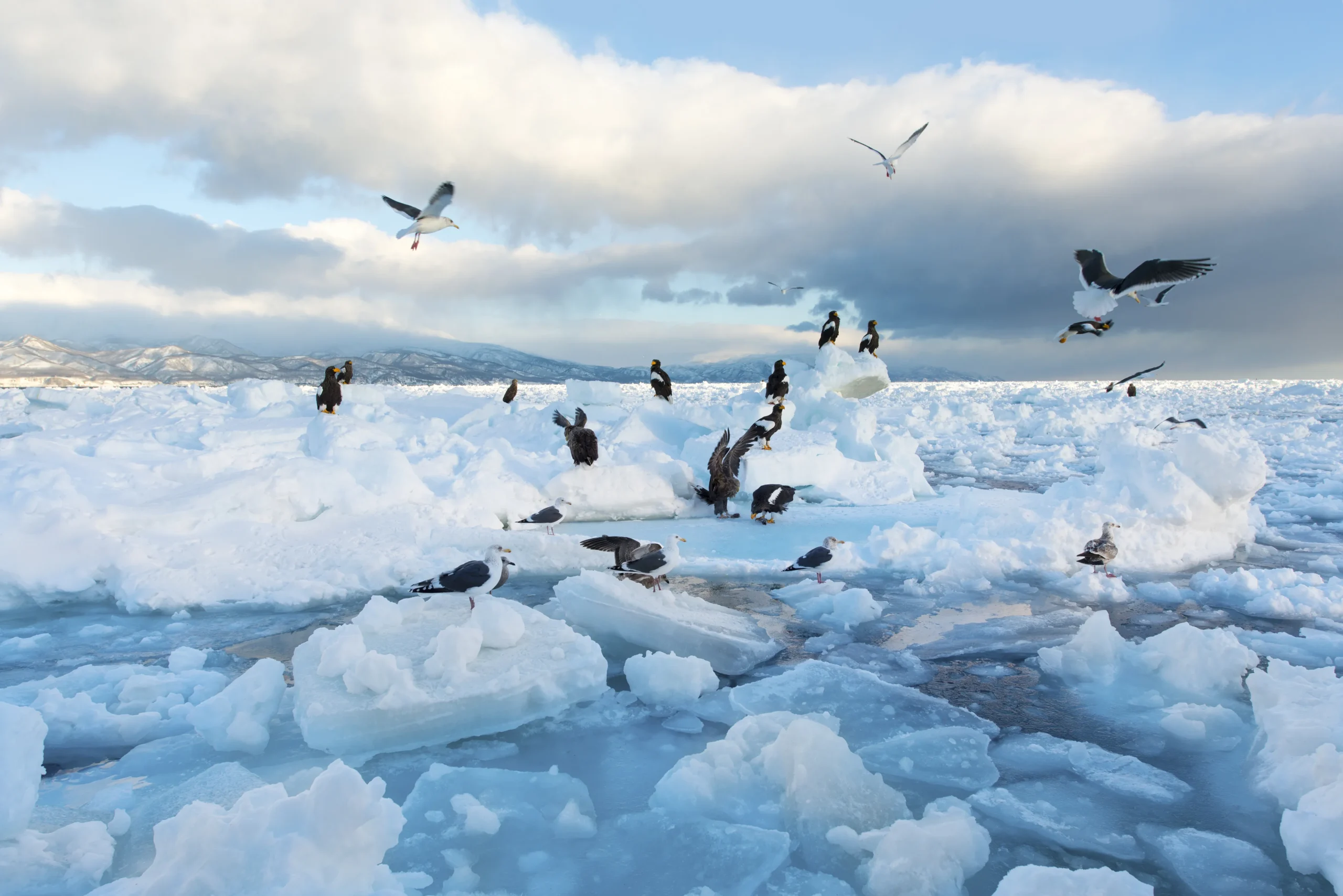
This is the contrast that surprises many travelers. In February, drift ice can reach the Shiretoko Peninsula in eastern Hokkaido, a UNESCO World Natural Heritage area far removed from the Japan of city stations and temple streets. Around the same season, the Kerama Islands off Okinawa are known for blue water, coral reefs, and winter-to-spring humpback whales.
Same country, same month, completely different trips. That is why nature travel in Japan works best when you think about the month and region together. Neither Shiretoko nor Kerama should be treated as a casual side trip from Tokyo. Both require extra domestic travel for most Tokyo-starting routes, and both make more sense as a major part of the journey.
Mountains and Ancient Forests to Anchor Your Journey
Kamikochi | Nagano
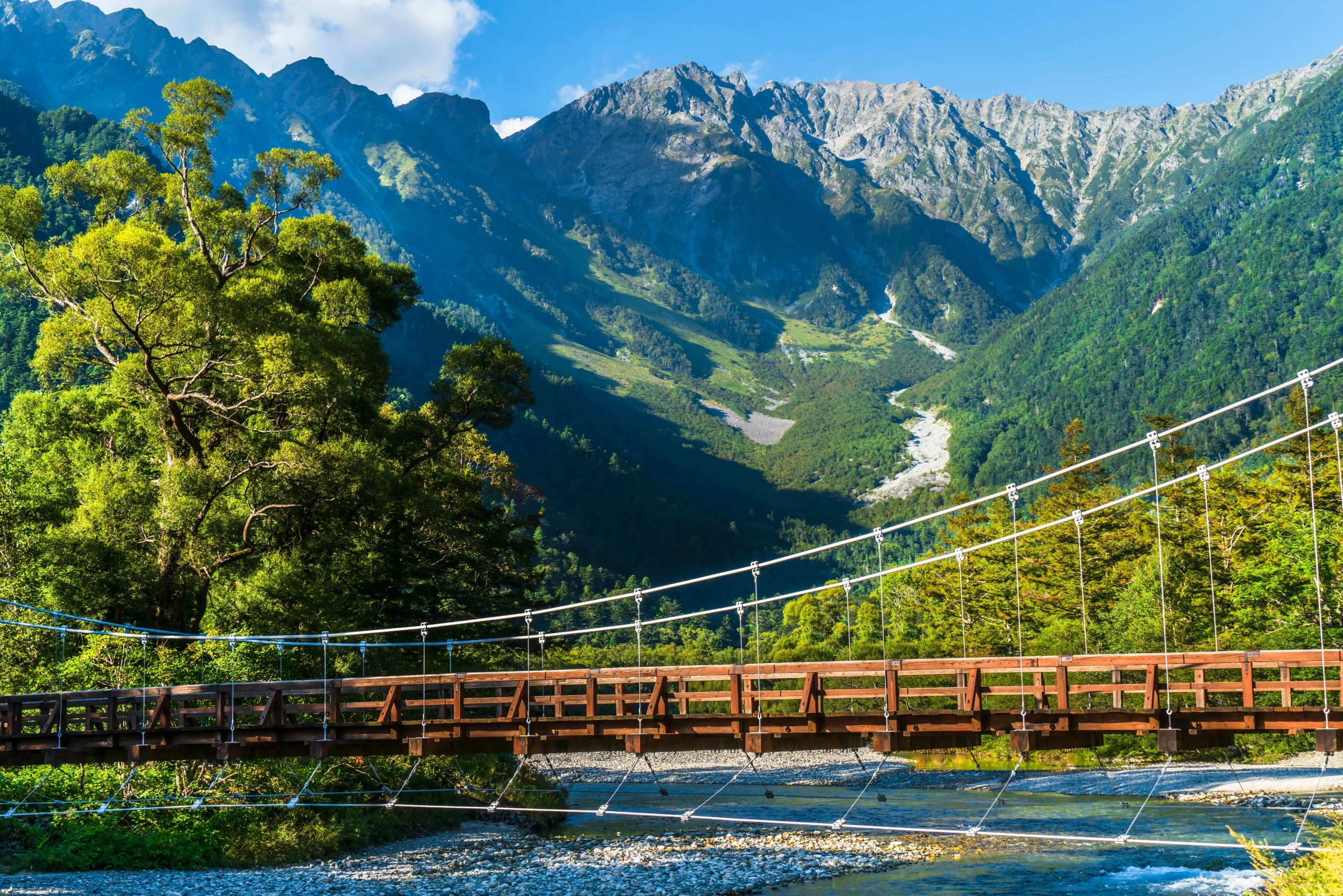
Kamikochi is a river valley at about 1,500 meters in the Northern Japan Alps, generally open mid-April to mid-November. Private cars are not allowed, so visitors arrive by bus or taxi, which helps keep the valley floor quieter than many famous scenic spots. The walk along the Azusa River between Taisho Pond and Kappa Bridge is gentle, while serious alpine routes branch off for prepared hikers. A day trip from Matsumoto is possible, but overnight is better.
Reference: Kamikochi Official Website
Yakushima | Kagoshima
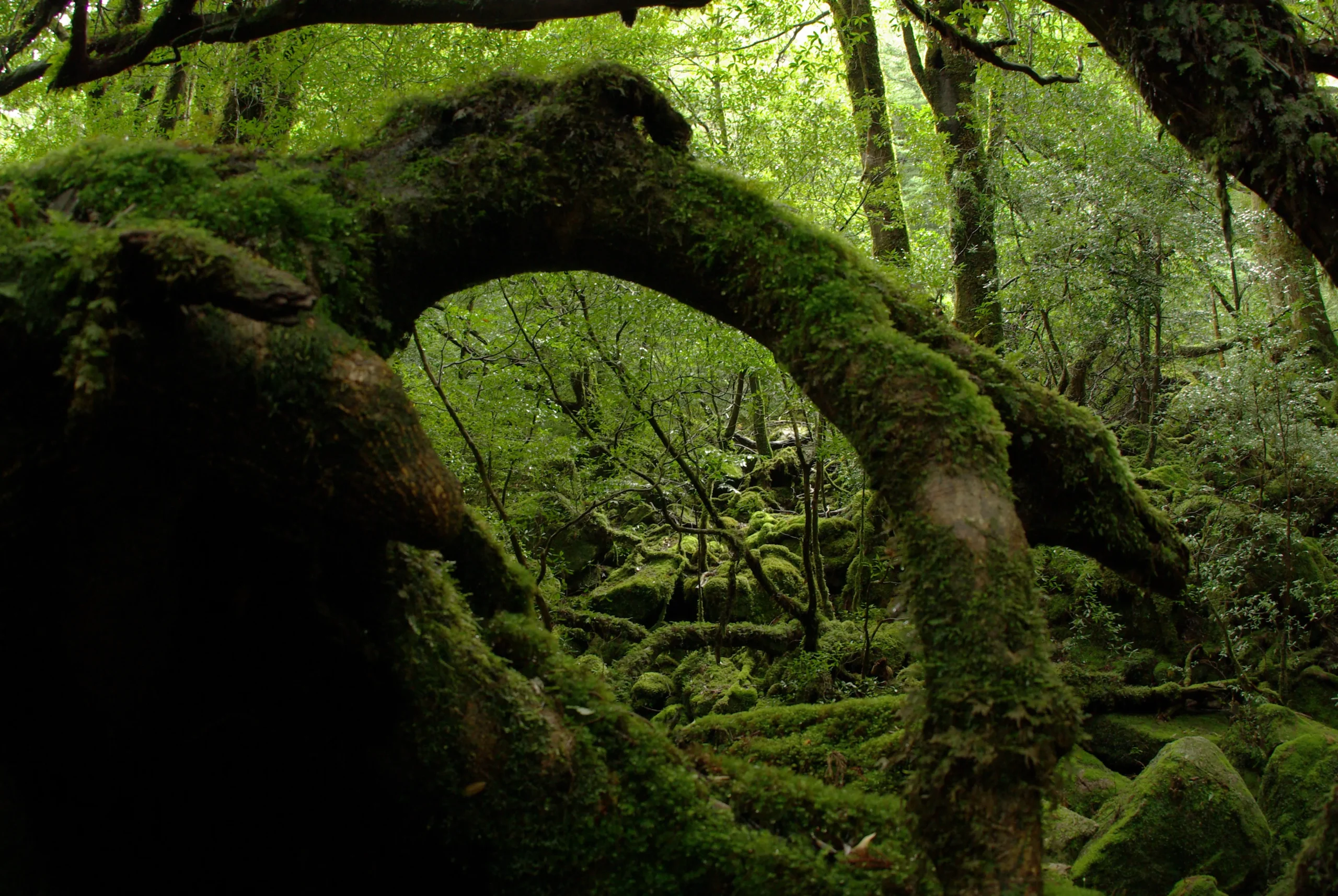
Yakushima, a round green island south of Kyushu, is a different kind of commitment. Its ancient cedar forests include yakusugi, cedar trees over a thousand years old, and the island is a World Natural Heritage site. It rains often, trails take time, and the island deserves at least two or three nights. Rushing it defeats the point.
Reference: Yakushima
Sea, Islands, and Coastal Japan
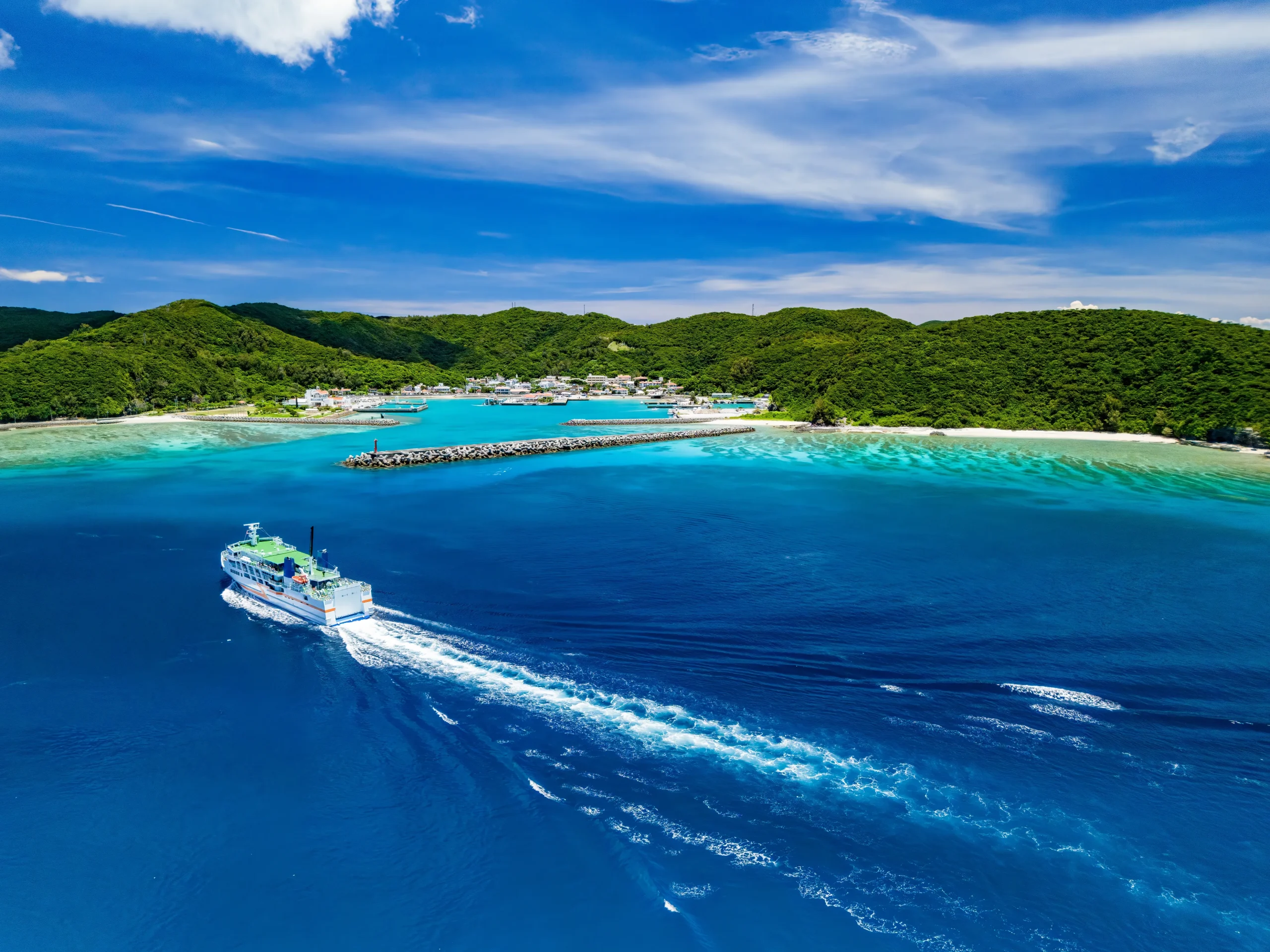
Island nature in Japan is not only an Okinawa story. Tokyo’s island routes include the Izu Islands, which can fit into some longer itineraries, and the Ogasawara Islands, which are remote and reached by ferry from Tokyo. Some island trips can be added with planning, while others deserve to be the reason for the trip.
The Izu Islands are the more flexible choice, especially for travelers who want volcanic coastlines, hiking, beaches, or a quieter break from Tokyo without devoting a full week to the journey. Ogasawara requires far more time, but the long crossing is part of what keeps the islands isolated and makes the experience feel separate from mainland Japan.
Read more: Tokyo’s Island Escapes: Choosing Between Izu and Ogasawara
The Kerama Islands are one of the strongest choices if Okinawa is already in your plan, with ferry access from Naha and a slower island rhythm than the mainland. Ferries and small flights are weather-sensitive, so build in slack instead of booking a tight connection home.
Nature Reimagined: Landscapes Shaped by Human Hands
Some of Japan’s most memorable landscapes are not wild at all. They have been cultivated, pruned, planted, and composed for generations.
Kenrokuen | Kanazawa

Kenrokuen in Kanazawa, traditionally counted among Japan’s three great gardens, is the clearest example. Trees, streams, ponds, and sightlines are carefully arranged, and the garden changes character with the seasons. It can feel almost artificially perfect. It shows nature as something observed, shaped, and cared for, not only something entered as wilderness.
Reference: Kenrokuen Garden
Wazuka | Kyoto

The same idea runs through Wazuka’s tea hills, terraced rice fields, and Kyoto’s bamboo groves. The famous bamboo paths can get crowded by mid-morning, so timing matters. None of these landscapes needs mystical framing. They are working or maintaining places that happen to be beautiful.
Shinrin-yoku: How to Experience Japan’s Forest Bathing
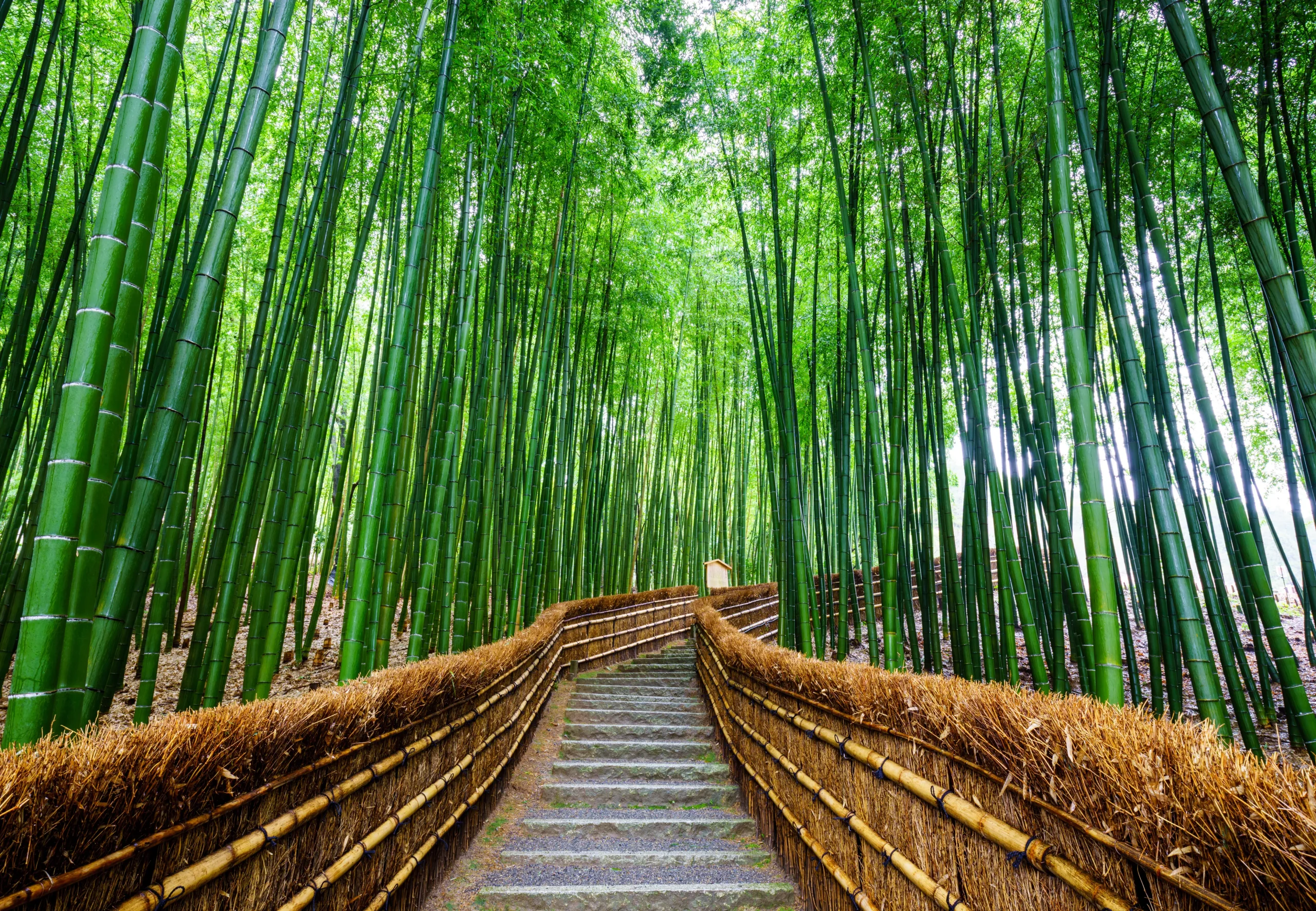
You may run into the term shinrin-yoku, often translated as “forest bathing.” The term became popular in Japan in the 1980s, and for travelers it is simple: slow down in the forest, walk without rushing, sit near water, listen, and resist turning every stop into a photo opportunity. Kamikochi, Yakushima, Nikko’s woods, Kyoto’s hills, and even a quiet forested temple approach all suit it.
When to Go: Match the Season to the Landscape
There is no single best season for nature in Japan. There is a best season for each landscape.
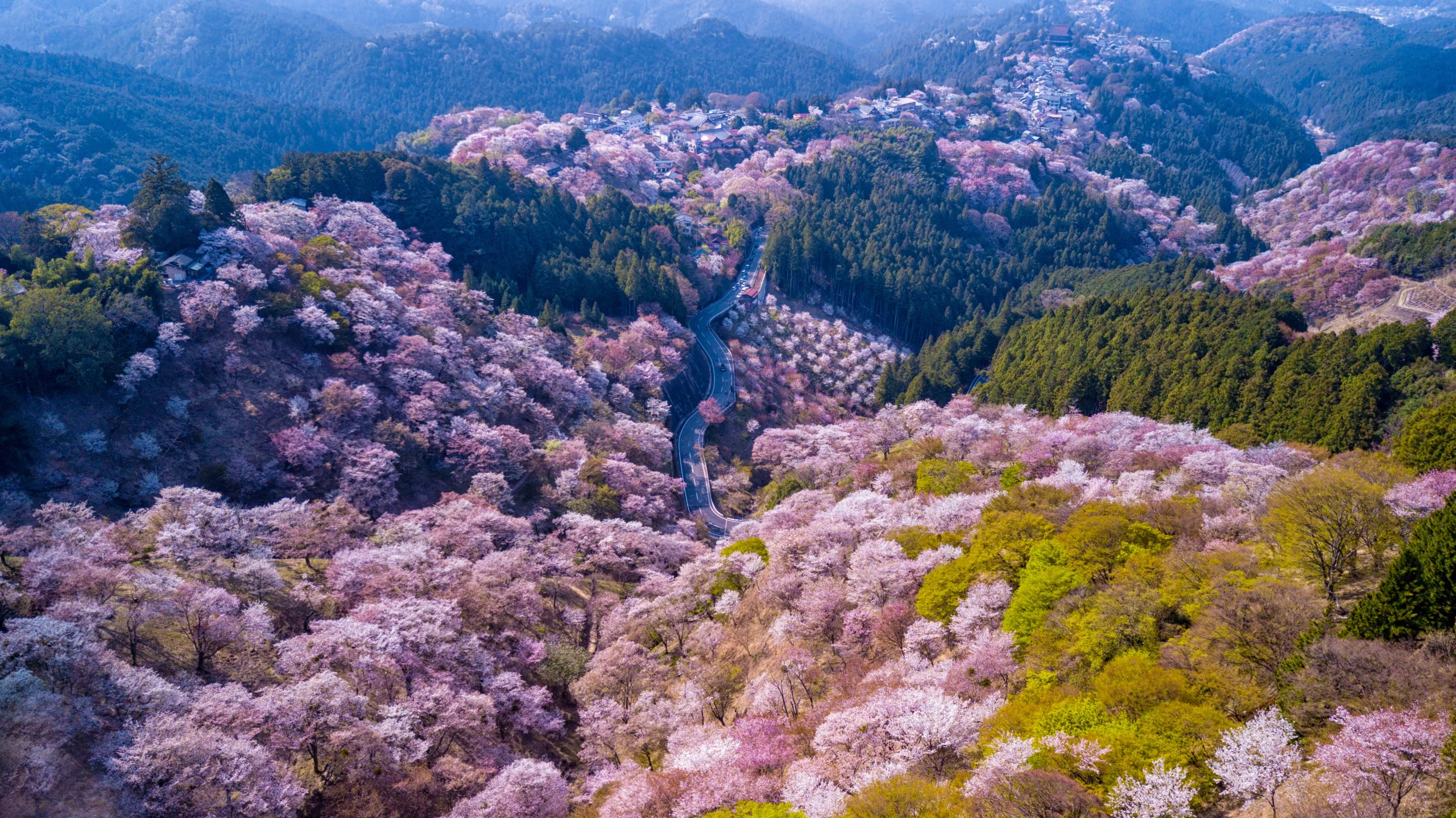
Spring brings blossoms, fresh green, gardens, and comfortable lowland walks. Japan’s early-summer rainy season does not make travel impossible, and forests, moss, and gardens can look especially fresh, but it is less suitable for travelers planning several long mountain walks. After that summer is better for high mountains, Hokkaido, rivers, and islands, though the big cities become hot and humid. Autumn color moves gradually across the country and is especially rewarding in gardens, mountains, temple grounds, and rural landscapes.
Read more: Autumn Leaves in Japan: When to Go, Where to See Them
Winter closes Kamikochi and some mountain roads, but it brings drift ice to parts of Hokkaido, whale season around Kerama, snow scenery, and often clearer views of Mt. Fuji. Timings shift from year to year, so treat any month-by-month chart as a guide rather than a promise.
Is Your Destination an Easy Add-On or a Trip Anchor?
A quick reality check helps before you commit. Hakone, Nikko, Kyoto’s hills, and Wazuka can slot into a first-time route without too much friction. Kamikochi sits in the middle: reachable by public transport, seasonal, and better with an overnight. Yakushima, Shiretoko, Kerama, and Ogasawara are anchors. Plan around them, or save them for a future trip.
A rental car helps in some rural areas, but it is not always essential on the main corridors, and Kamikochi does not allow private cars at all. Where rural buses run only a few times a day, the schedule quietly becomes the itinerary, so check access before you fall in love with a place on the map.
Designing Your Japanese Journey Around the Landscape
The best nature trip in Japan is usually not the one with the most famous names. It is the one that gives each landscape enough time: perhaps a few city days, one strong nature anchor, and one easy add-on, matched carefully to the month you are traveling. That matching of season, access, and landscape is where trips succeed.
If you would rather not untangle ferry schedules, mountain seasons, and regional routes yourself, this is exactly the kind of planning ENJYU JAPAN enjoys. A Tailor-Made Tour can be built around the nature that drew you to Japan in the first place, with the route and timing shaped around it.