A thoughtful traveller begins with the clues that matter: the travel week, the altitude of each destination and the trees beginning to change.
November in Japan is not one fixed season. Northern valleys may feel close to winter while a ginkgo avenue farther south turns gold, and maples nearby are still developing colour. Read these differences carefully, and the journey becomes far richer than a race for one postcard view.
November is an excellent month to visit Japan, particularly for travellers who enjoy gardens, temple districts, regional food and time outdoors. Across much of central and western Japan, the summer humidity has eased and walking is more comfortable than in July or August.
This guide explains how weather varies by region, when autumn colour is likely to develop, which events can shape a route, and how to keep plans flexible when rain, cloud or changing foliage alters the day.
Is November 2026 a Good Time to Visit Japan?
Yes—but the week and region matter more than the month itself. In much of Honshu and Kyushu, November brings cooler conditions for city walks, gardens and temple visits than midsummer. Hokkaido, northern areas and higher mountain routes can feel close to early winter, but that calls for suitable clothing and careful route planning rather than automatic avoidance.
November works particularly well when a journey includes more than one kind of experience. A garden in the morning, a meal in a regional town, an onsen—a natural hot-spring bath—and an evening temple visit can make a full day, even if cloud hides a mountain view or a particular maple has not yet reached its deepest colour.
The season is not quiet everywhere. Kyoto’s best-known temples, Lake Kawaguchiko on clear weekends, Korankei during the maple season and popular night openings can all attract large numbers of visitors. A route with breathing space is more valuable than assuming that autumn is automatically cheaper or less crowded than spring.
November vs October
October and November can both suit a Japan trip, but they support different routes. October often favours northern Japan, mountain areas and higher elevations, where seasonal colour tends to arrive earlier. November shifts more attention towards gardens, temple districts, hot springs and lower-elevation cities in central and western Japan.
|
Travel priority |
October |
November |
|
Autumn colour |
Northern and higher areas often develop colour earlier | Colour moves towards central and western lowland cities |
|
Weather |
Often warmer in southern and western regions | Cooler mornings and evenings; many cities remain comfortable for walking |
|
Outdoor plans |
Mountains, national parks and northern routes | Gardens, temple districts, lower walks and city-plus-regional routes |
|
Main concern |
Conditions can vary widely across early autumn | Northern and higher areas may feel close to early winter |
If Tokyo, Kyoto or Osaka are central to your route, late November and, in some places, early December can be more promising for urban autumn colour. If you prefer mountain valleys, higher temple towns and northern landscapes, October or early November may offer more suitable options.
November vs Cherry Blossom Season
November is not Japan’s main cherry blossom season. Most widely visited blossom periods fall between late March and early April, depending on the region and the year.
Autumn offers a different experience from spring. Ginkgoes can turn city avenues yellow, while maples colour pond edges, temple grounds and wooded slopes. The season changes between northern and southern regions, and between higher and lower ground, giving travellers several ways to build a route around their dates.
Famous autumn sites can still be busy, so November should not be presented as a uniformly quiet alternative to spring.
Japan’s November Weather by Region
Japan stretches far enough from north to south that November can feel close to winter in Sapporo and much warmer in Naha, Okinawa. Climate normals are useful for understanding these regional contrasts, but they do not predict a specific travel day.
The figures below use Japan Meteorological Agency climate normals for 1991–2020. They are long-term averages rather than a short-term forecast.
|
City |
November average high | November average low |
What it means for travellers |
|
Sapporo |
8.7°C (47.7°F) |
1.6°C (34.9°F) |
Pack for early winter and check local weather, especially outside the city |
|
Tokyo |
16.7°C (62.1°F) |
8.8°C (47.8°F) |
A jacket and removable layers usually work well |
|
Osaka |
17.8°C (64.0°F) |
10.2°C (50.4°F) |
Comfortable for walking by day, with a noticeable chill after sunset |
|
Fukuoka |
18.2°C (64.8°F) |
10.2°C (50.4°F) |
Mild city sightseeing weather, with a warmer layer for evening |
|
Naha |
25.0°C (77.0°F) |
20.2°C (68.4°F) |
Lighter clothing remains useful, with a thin layer for wind and evenings |
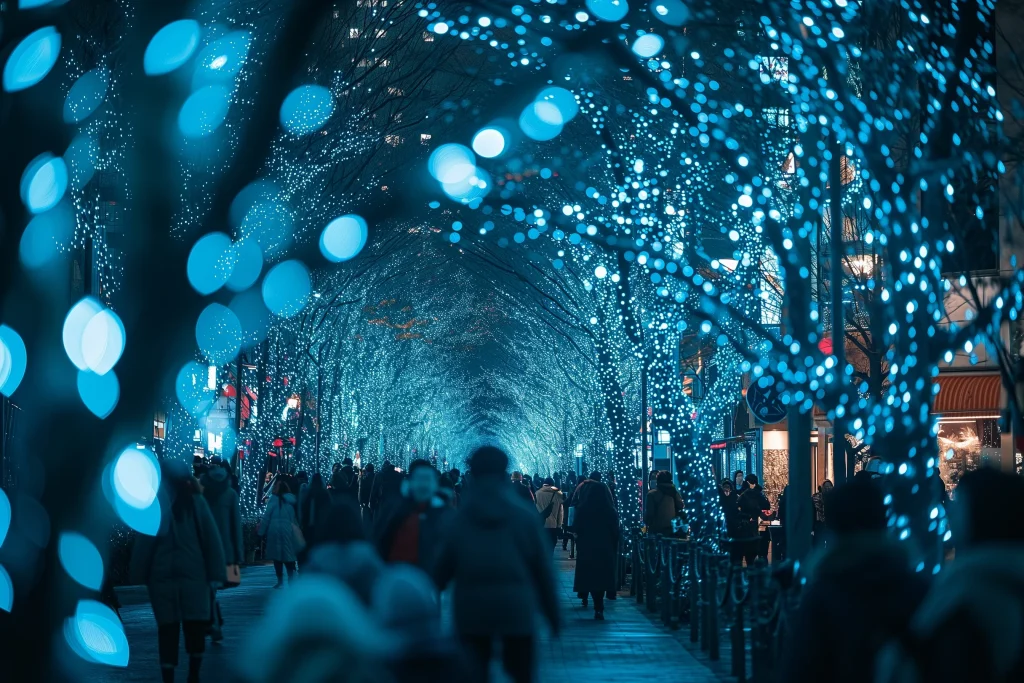
Tokyo, Kyoto and Osaka can feel comfortable in the middle of the day, but temple grounds, riversides, lake shores and evening illuminations are often colder than city centres. Mountain and valley routes require a separate forecast check.
Conditions in Tokyo are not a reliable guide to higher areas or the Sea of Japan coast.
As winter approaches, the Sea of Japan side can become wetter and more changeable than many Pacific-side cities. A sunny Tokyo forecast does not necessarily describe conditions in Kanazawa, Niigata or mountain areas of Tohoku. If your route includes rural buses, ropeways or a late return from a valley, check the forecast and transport notices for that destination itself.
Read more: Best Season to Go to Japan in 2026: Find the Perfect Time
Early, Mid, or Late November: Which Week Should You Choose?
November is not a uniform month. The most suitable places depend on your travel week, the elevation of your destinations and whether you prefer city gardens, regional towns, lakes or valleys.
Use this framework as a guide for planning, not as a guarantee of colour on a particular date.
| Travel timing | Better regions to consider | Seasonal character | Good fit for | Key caution |
| 1–10 November | Selected northern areas, temple towns, valleys, hot-spring towns and higher terrain where conditions fit | Earlier autumn colour; colder mornings in many areas | Nature, onsen and regional travel | Check transport, opening dates, temperatures and walking conditions |
| 11–20 November | Lake Kawaguchiko, Aichi and Korankei, selected gardens and ginkgo areas | Transition from higher terrain to lower cities | Mt. Fuji routes, regional day trips and city-plus-nature travel | Weekend crowds can increase at famous foliage sites |
| 21–30 November | Tokyo gardens and selected lowland cities, including Kyoto where current conditions suit the route | Urban ginkgo colour and progressing lowland autumn | First trips, temple districts and evening visits | Maple colour may continue into December; plan popular dates early |
Early November — Mountains, Temple Towns and the North
If you are travelling between 1 and 10 November, northern and higher areas can be more suitable candidates than lowland city gardens. Koyasan, a Buddhist temple town in Wakayama Prefecture, often develops autumn colour earlier than central Kyoto because of its elevation. Its temple precincts and forest paths can pair naturally with a regional stay.
In Tohoku, a valley, hillside and town may all be at different stages. Check a local report rather than relying on one forecast for an entire prefecture. Hokkaido should be approached as a region entering early winter, not as a guaranteed foliage destination.
Kamikochi in Nagano is an early-November option only. Regular access and many visitor facilities end around 15 November for the winter season. Check official timetables, temperatures and local notices before adding it to a route.
Mid-November — Follow the Change in Elevation
Mid-November can suit travellers who combine places at different elevations. Lake Kawaguchiko, Korankei in Aichi, selected gardens and city ginkgo areas can become worthwhile candidates, depending on the season’s progress.
Around Mt. Fuji, separate three questions: whether the mountain is visible, whether the trees have changed colour, and whether a festival or illumination is taking place. These conditions do not always align. A one- or two-night stay gives more room to adjust than a tightly scheduled day trip from Tokyo.
Korankei can also fit a mid-month route from Nagoya. The valley combines maples along the Tomoe River, Kojakuji Temple and the old streets of Asuke. It is widely known in Japan and can be crowded during the season, particularly at weekends.
Late November — Ginkgo Avenues and Urban Autumn
Late November brings autumn firmly into Japan’s major cities. Ginkgo avenues often turn gold before maples reach their deepest reds, so streets, parks and temple districts can already feel distinctly seasonal while some maple gardens continue developing into early December.
The final week of the month works particularly well for a flexible city route: a garden in the afternoon, a museum or craft experience during the cooler hours, followed by seasonal food or an evening opening.
From Saturday 21 to Monday 23 November 2026, Japan has a three-day weekend. Hotels, intercity transport and well-known autumn sites can be busier, especially in Kyoto and around Lake Kawaguchiko. If your dates are fixed, check accommodation and long-distance transport as early as possible, then keep the order of garden visits flexible enough to follow current conditions.
When and Where to See Autumn Leaves in November 2026
Kōyō means the seasonal change in autumn leaf colour. Momiji refers to Japanese maple and often to maple scenery in autumn.
Yellow ginkgo leaves and red maple leaves do not always change at the same time, so a forecast can guide a route but cannot guarantee one perfect day.
Japan Meteorological Corporation’s first 2026 forecast projects ginkgo in Tokyo around 26 November and red maple around 29 November. In Osaka, it projects ginkgo around 24 November and red maple around 4 December. Kyoto city maples are projected later, around 11 December. These dates show why autumn colour cannot be reduced to one national “peak”.
Forecasts draw on seasonal temperature patterns and past observations, but local conditions still matter. A temple hillside, a riverside park and a landscape garden in the same city may change at different speeds. The most reliable approach is to give a route several forms of seasonal interest.
|
Situation |
Plan A | Plan B |
Plan C |
|
Colour is late |
Check current conditions and consider a nearby site with a different elevation, exposure or tree type | Choose ginkgo avenues, gardens, shrines and evergreen landscapes | Shift time towards museums, crafts, onsen and seasonal food |
|
Leaves have fallen |
Notice garden water, stone, moss, temple architecture and town streets | Check later-season lowland or southern options | Use evening visits, food and indoor culture as the day’s focus |
|
Rain or low cloud |
Keep outdoor time short and choose safer paved routes | Visit museums, galleries, covered markets or onsen | Move natural scenery to a clearer day |
|
Heavy crowds |
Visit one main site early | Choose a garden or temple in another district | Switch to a weekday or evening opening where available |
A higher or more northerly destination may help when colour is late, but only where transport, opening dates and weather make the change sensible. Wet leaves, stone steps and uneven paths can be slippery. A safe return journey matters more than trying to rescue one photograph.
Read more: Autumn Leaves in Japan: When to Go, Where to See Them, and How to Plan
Best Places to Visit in Japan in November 2026
For a first trip, cities with broad transport, accommodation, food and indoor cultural options make reliable bases. Lakes, valleys and regional towns can then be added as day trips or short stays, selected around your travel week, local conditions and the amount of time available.
The following destinations are not a ranking. Each plays a different role in a November route: Tokyo offers flexibility, Kyoto brings temple districts and evening visits, Lake Kawaguchiko provides time around Mt. Fuji, Korankei adds regional autumn, and Fukuoka combines culture with Kyushu travel.
Tokyo — A Flexible November Base
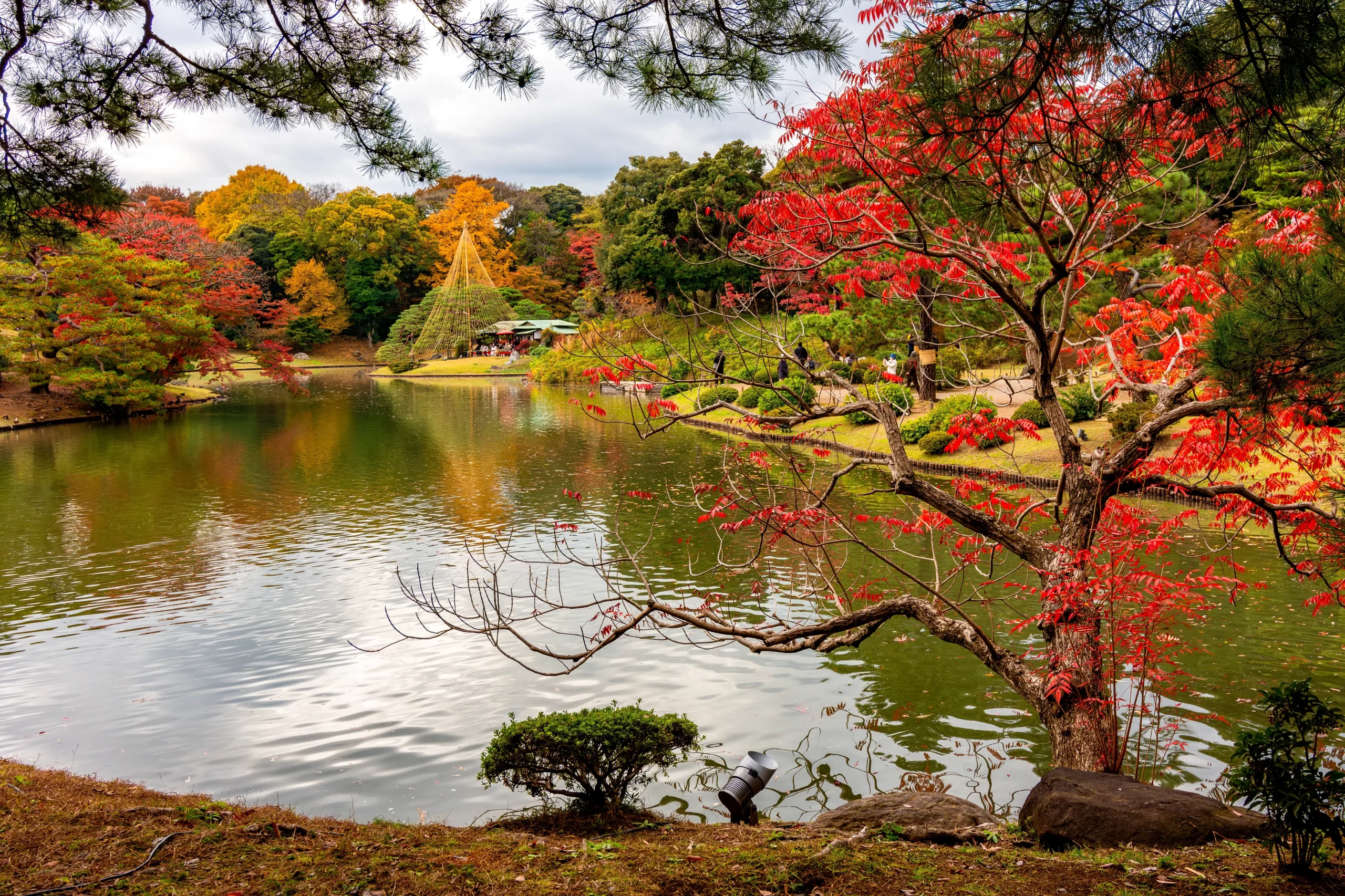
Tokyo can absorb a change of plan because gardens, museums, restaurants, neighbourhoods and regional day trips are available across the city. Earlier in the month, use Tokyo for museums, food and walks. Later, add ginkgo avenues and garden visits as seasonal colour develops.
Rikugien and Koishikawa Korakuen are landscape gardens where ponds, paths and carefully framed views matter as much as the colour of individual trees. Rikugien is a seven-minute walk from Komagome Station, according to the Tokyo Metropolitan Park Association. This makes it possible to combine a garden visit with another stop in northern Tokyo.
If rain changes the day, choose from museums and indoor cultural sites in several districts rather than treating the garden visit as lost. Autumn night openings at Rikugien are announced year by year, so check the official 2026 programme, entry arrangements and weather notices before making an evening plan.
Kyoto and Nara — Temples, Gardens and Evening Visits

Kyoto is best approached by district rather than by checklist. Choose one area—such as Higashiyama, Arashiyama, northern Kyoto or the south-east temple districts—for the morning. Then leave time for a meal, a garden or an evening visit nearby. This reduces the pressure of crowded buses and long cross-city journeys.
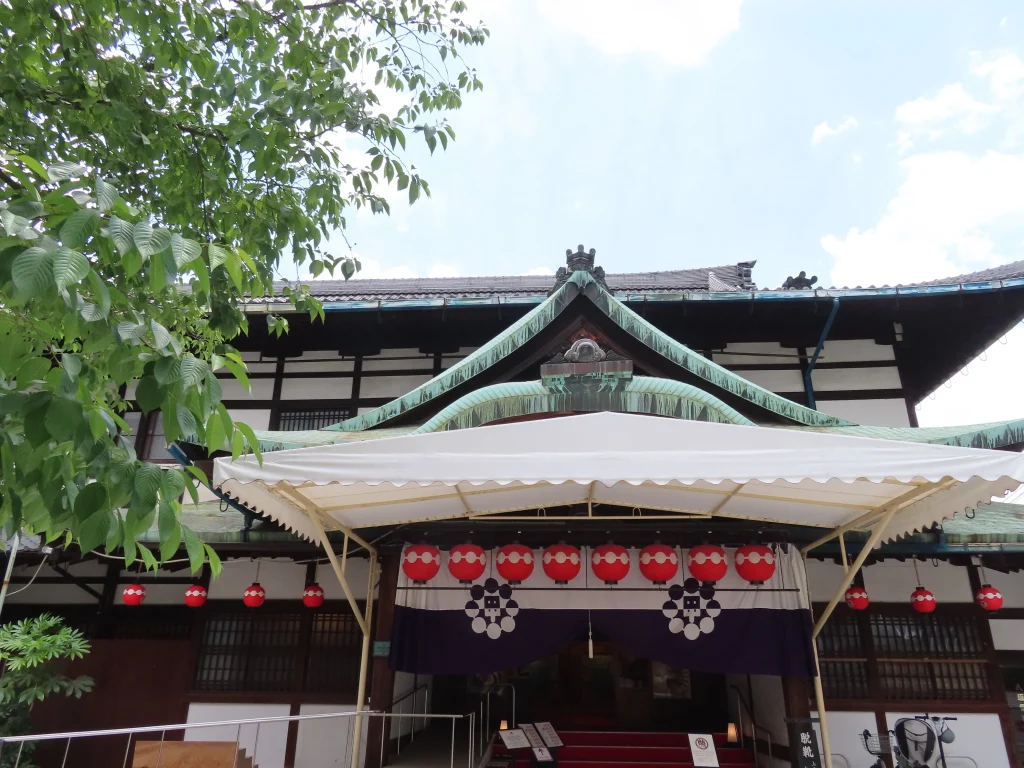
Kiyomizu-dera’s autumn special night viewing runs from 21 to 30 November 2026. Last entry is at 9:00 p.m., and the temple closes at 9:30 p.m. These dates describe extended opening hours, not the exact stage of maple colour across Kyoto.
Nara can be added from Kyoto by rail for travellers who want temple precincts, parks and a slower day. If rain or crowds change the plan, reduce outdoor stops and allow more time for museums, tea, covered shopping streets or an evening activity.
Lake Kawaguchiko and the Mt. Fuji Area — Best for a One- or Two-Night Stay
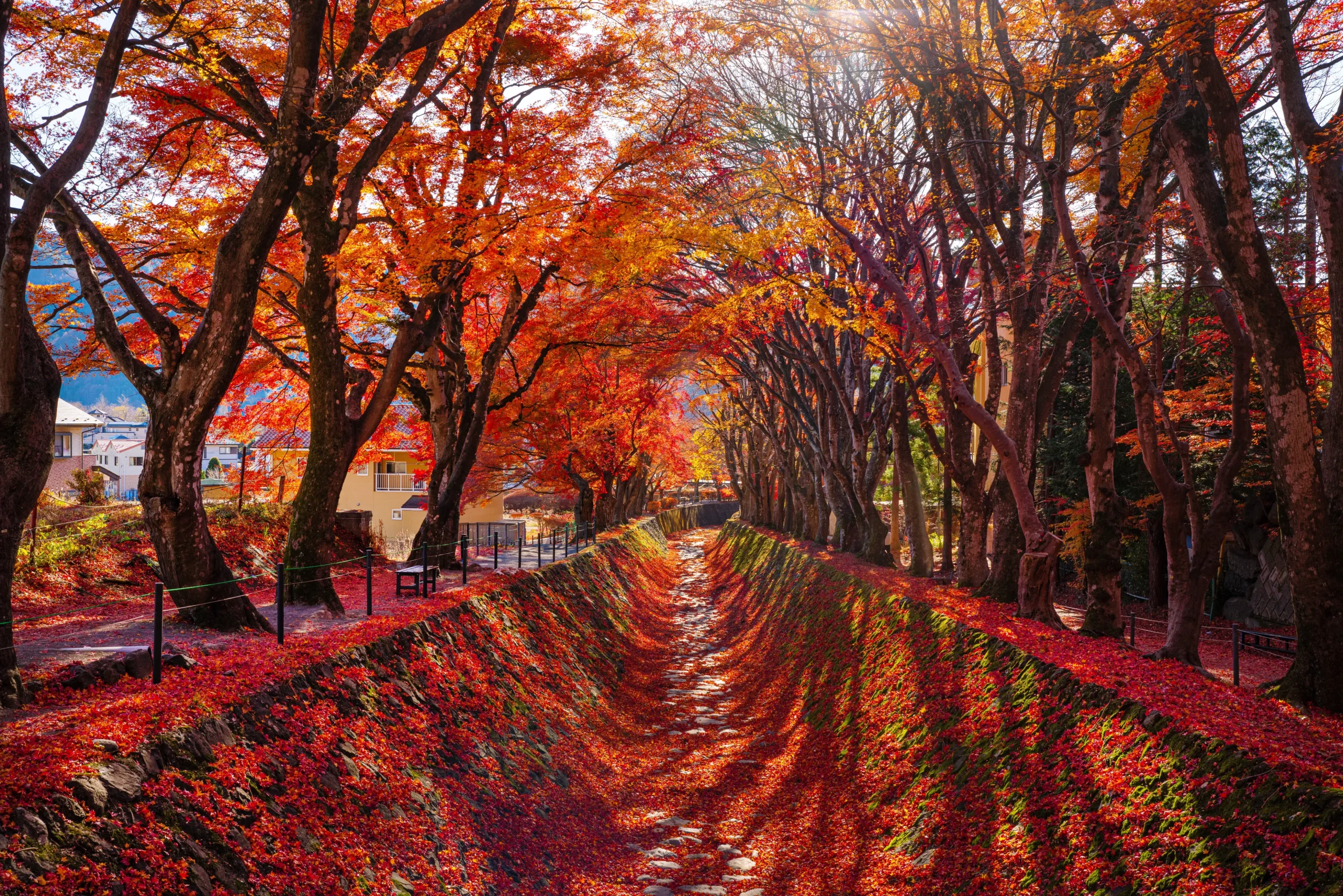
Lake Kawaguchiko can suit travellers who want lake scenery, autumn colour, Mt. Fuji views and hot springs within the same stay. These are separate pleasures, not one guaranteed experience. Cloud can cover Mt. Fuji at any time, even when the lakeside remains enjoyable.
A one- or two-night stay provides more than one opportunity to check conditions for the mountain. It also allows time for a lakeside walk, a museum, a regional meal or an onsen if visibility is poor. The Itchiku Kubota Art Museum is one possible indoor cultural visit, subject to current opening arrangements.
The Fuji Kawaguchiko Autumn Leaves Festival centres on the Momiji Corridor, but published 2026 dates should be checked against the organiser’s final event notice. Do not plan an evening around the corridor’s light-up until its operating dates and hours are confirmed.
Read more: Things to Do in Kawaguchiko in 2026: Best Time to Visit and How to Get There to Do
Read more: Beyond the View: What to Do Around Mt. Fuji in 2026
Korankei, Aichi — Regional Autumn with Nagoya as a Base
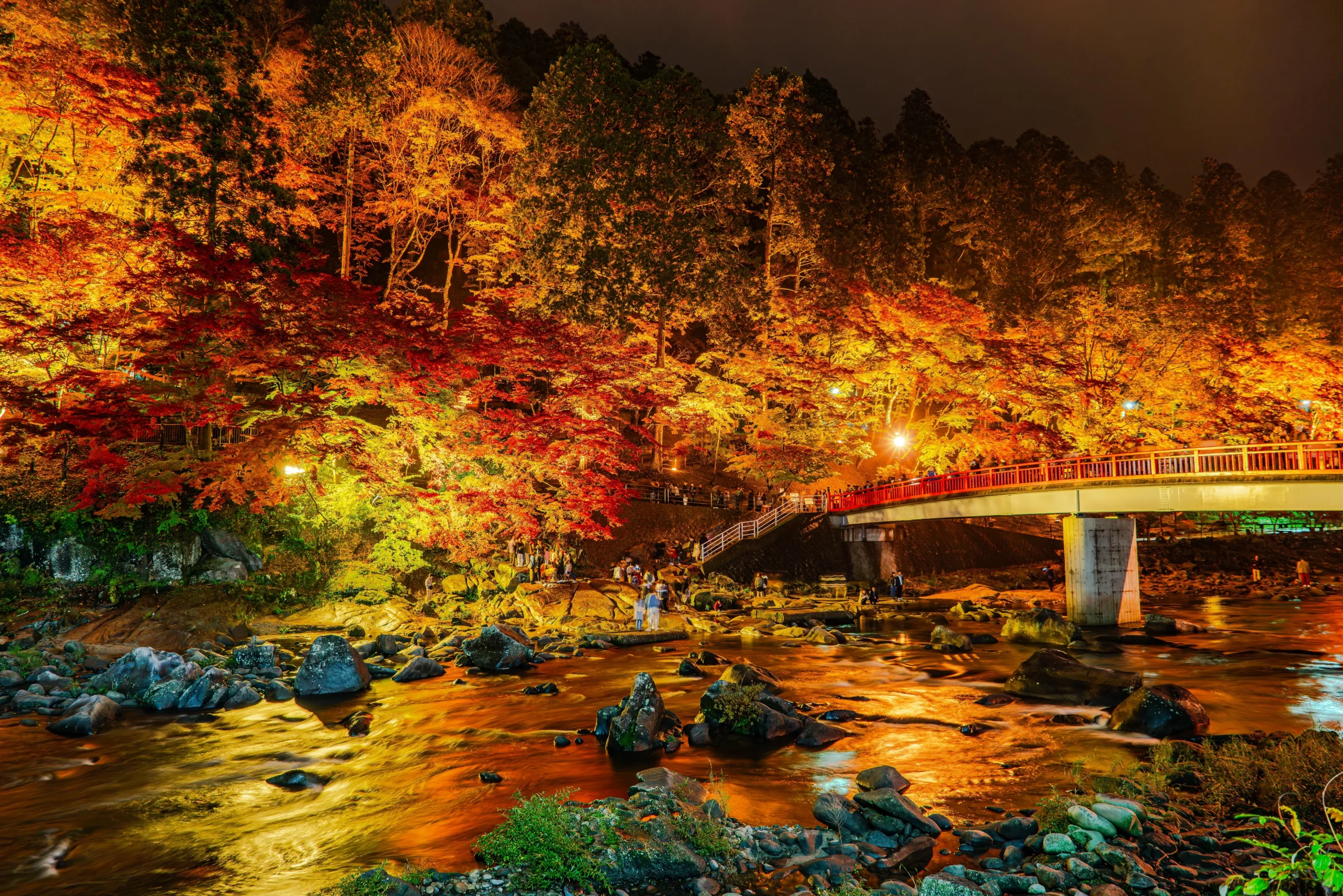
Korankei is a valley along the Tomoe River in Asuke, Toyota City. It combines maple trees, the grounds of Kojakuji Temple and the old streets of Asuke. Tourism Toyota describes the area as having around 3,000 maples, which trace back to plantings begun by a Kojakuji priest in the seventeenth century.
For travellers staying in Nagoya, Korankei can work as a regional day trip when bus connections and traffic conditions suit the plan. It is not a hidden location. It is popular within Japan during the maple season, and roads can become heavily congested at weekends.
If the valley feels crowded or wet, Nagoya offers an alternative through gardens, museums, craft-related visits and regional food. This does not replace Korankei. It simply ensures that weather or traffic does not take over the entire day.
Fukuoka and Kyushu — Mild Weather, Food, Onsen and Sumo
Fukuoka is a useful base for travellers who want city sightseeing, regional food, hot springs and traditional sport in one Kyushu route. It is milder than many northern destinations in November, although temperatures and foliage timing vary across the island.
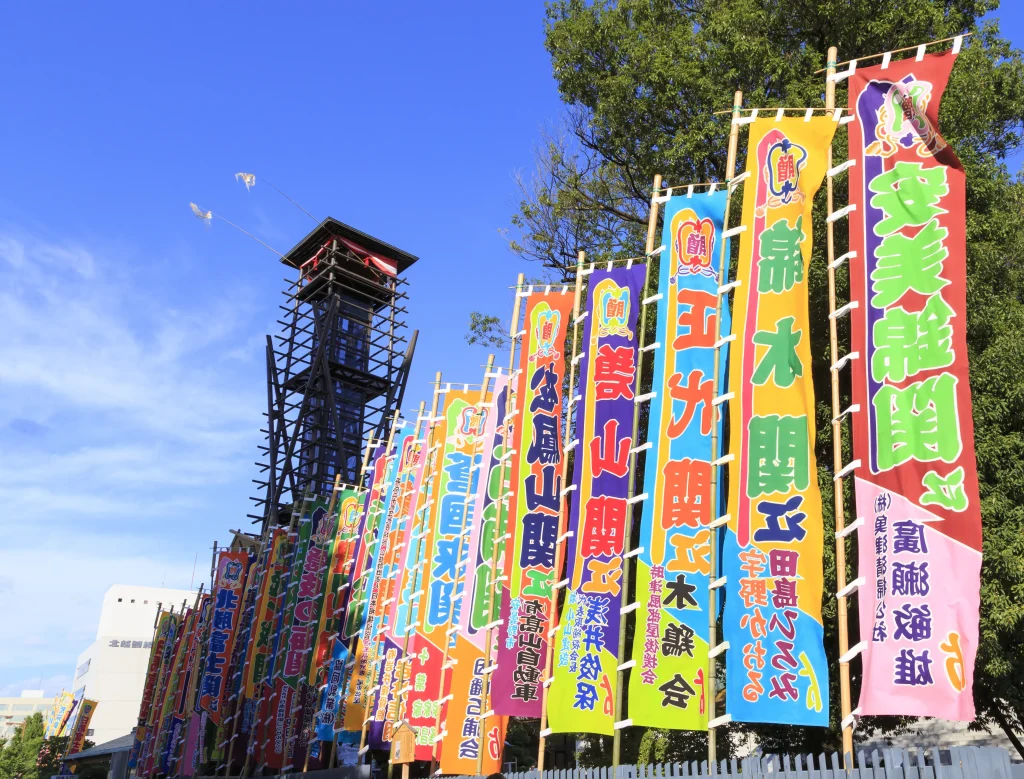
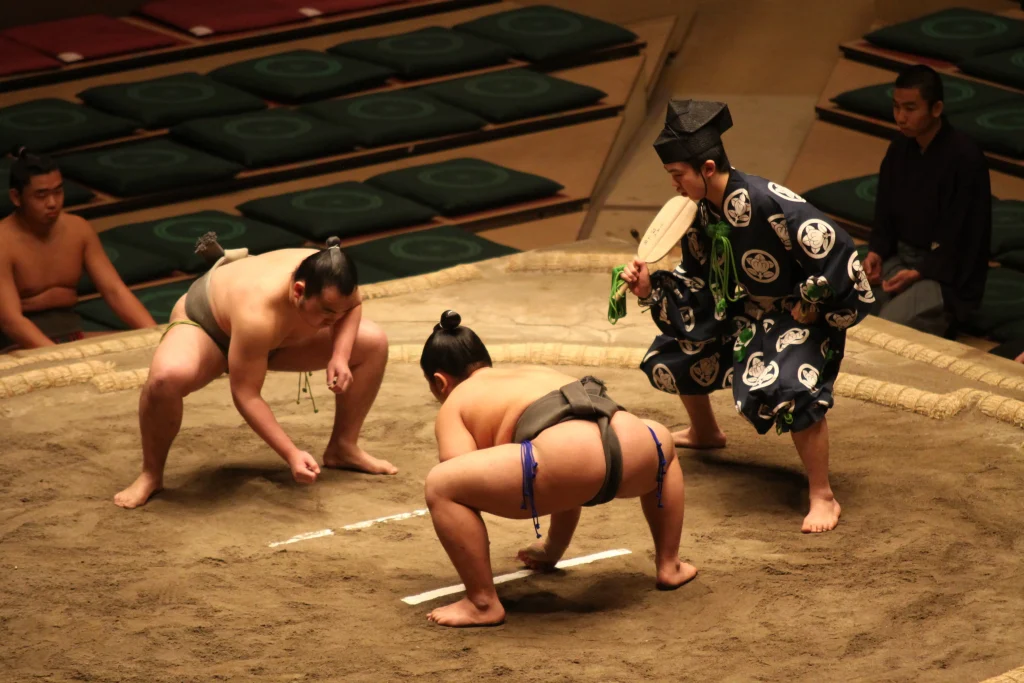
The November Grand Sumo Tournament takes place at Fukuoka Kokusai Center from 8 to 22 November 2026. Advance ticket sales began on 19 September; check current availability through the Japan Sumo Association before choosing a date.
A sumo day can anchor a Fukuoka stay, with city walks, indoor culture and food arranged around it. The day begins with lower divisions, while the top division appears later in the afternoon. Arriving earlier allows first-time spectators to see earlier bouts and ring rituals without adding a distant day trip on the same day.
Read more: November Grand Sumo in Fukuoka: A Connoisseur’s Guide to the Kyushu Basho
Things to Do in Japan in November 2026 Beyond Autumn Leaves
Autumn leaves are an important reason to travel in November, but they do not need to carry the entire journey. On suitable days, many regions support city walks, temple visits, hot springs, seasonal meals, museum time and outdoor activity at a pace that leaves room for changing weather.
City Walks, Gardens and Temple Districts
Tokyo, Kyoto, Nara, Kanazawa, Nagoya and Fukuoka can be comfortable for urban walking on suitable November days. Instead of moving between several distant highlights, build a day around one garden or temple district, a local lunch and one indoor visit.
A smaller garden, local park or neighbourhood temple can provide a pause between larger sites. It may not be empty, but it can offer a different scale and a reason to notice gravel paths, rooflines, water and seasonal planting rather than only a celebrated viewpoint.
Onsen, Seasonal Food and Indoor Culture
An onsen stay gives a November route room to breathe. A ryokan, or traditional Japanese inn, often combines accommodation, bathing and meals in one setting. Some properties serve dinner at a fixed time, so check arrangements before arrival rather than treating a ryokan as a late-night hotel stop.
Seasonal menus may include new rice, persimmons, chestnuts, sweet potatoes and warming hot-pot dishes. Menus change by region, giving each stop its own version of late autumn. Matsutake mushrooms can appear in high-end autumn meals, but they are expensive and their season is limited.
Museums, galleries, workshops and covered markets are useful when rain, wind or crowds change an outdoor plan. They are not merely back-up activities. Regional craft, food and local history can deepen a journey that began with autumn scenery.
Cycling, Valley Walks and Late-Season Nature
The Shimanami Kaido links Onomichi in Hiroshima Prefecture with Imabari in Ehime Prefecture. Its main route is about 70 kilometres, but travellers do not need to ride the full distance. A shorter rental cycle route can suit those with limited time or less experience.
The official cycling portal identifies autumn as a popular season for the route, but actual conditions depend on weather, wind and daylight. Begin early, check bicycle return points, and allow for luggage and ferry connections. Check the operator’s current English-language guidance before renting.
For valley walks, choose maintained routes and check local transport before leaving the city. Kamikochi and other highland areas need extra care in November because access services and facilities can end for winter. A lower walk, a garden or a town stay may be the better choice when conditions are uncertain.
Read more: The 9 Best Cycling Routes in Japan and How to Ride
November 2026 Events and Seasonal Traditions
November has no single nationwide festival that defines the month. Instead, family shrine visits, national holidays, major sumo and selected night openings add dates that can influence a route. They are most meaningful when treated as part of local life, not as a checklist.
|
Event |
2026 date | Location |
Planning note |
|
Culture Day |
3 November |
Nationwide |
Check individual museum and cultural-programme schedules |
|
Grand Sumo Tournament |
8–22 November |
Fukuoka |
Check official ticket availability and venue guidance |
|
Shichi-Go-San |
Around 15 November |
Shrines nationwide |
Respect family worship and photography etiquette |
|
Kiyomizu-dera Night Viewing |
21–30 November |
Kyoto |
Last entry at 9:00 p.m.; confirm transport and weather notices |
|
Labor Thanksgiving Day |
23 November |
Nationwide |
The 21–23 November period forms a three-day weekend |
Shichi-Go-San — A Family Shrine Tradition
Shichi-Go-San, literally “Seven-Five-Three”, is a family observance associated with children aged three, five and seven. Families visit a local shrine to give thanks for a child’s growth and to pray for continued health. The custom is linked with 15 November, although many families choose nearby weekends to fit around school and work.
For travellers, Shichi-Go-San is best understood as part of everyday shrine life, rather than as a visitor attraction. If you encounter families in formal dress, give worshippers space, follow signs and shrine staff guidance, and avoid taking close photographs of children or families without permission.
Grand Sumo in Fukuoka
The November Grand Sumo Tournament gives travellers in Kyushu a fixed cultural date within an otherwise flexible autumn route. The top division appears later in the afternoon, while earlier bouts and ring rituals give first-time spectators helpful context.
A sumo day can take longer than expected, so avoid adding a distant day trip before or after it. Check current ticket availability through the Japan Sumo Association before arranging accommodation around a specific date.
If rain changes outdoor plans in Fukuoka, the tournament, museums and food offer alternatives that do not depend on the weather.
How to Build a Japan in November 2026 Itinerary
A first November trip becomes more manageable when it uses a few bases and leaves one part of the route adaptable. Tokyo, the Mt. Fuji area and Kyoto can form a practical structure. Add one regional stay or day trip that fits your dates, rather than moving every day in search of colour.
A 10-Day First-Trip Framework
|
Day |
Base |
Travel purpose |
|
Days 1–3 |
Tokyo |
Arrival recovery, gardens, museums, food and flexible city time |
|
Days 4–5 |
Lake Kawaguchiko or Hakone |
Mt. Fuji-area scenery, onsen and outdoor time |
|
Days 6–8 |
Kyoto |
Temples, gardens, neighbourhoods and evening visits |
|
Day 9 |
Nara or Osaka |
Parks and temples, or food and city culture |
| Day 10 | Departure |
Keep the final day light and close to the departure route |
This framework can be useful from mid to late November, especially when current weather and foliage conditions support the route. Keep arrival days light. Do not place a long transfer, a mountain route and an evening illumination into the same day.
If Mt. Fuji is hidden by cloud, switch the lake section with Tokyo museum time where possible. If Kyoto feels crowded, use Nara, a garden or a different district to spread the day more comfortably.
Adapt the Route to Your Travel Week
For an early-November trip, keep Tokyo and Kyoto for culture, food and architecture, then consider adding Koyasan, a hot-spring town or another carefully checked higher destination. Do not rely on lowland city gardens alone for autumn colour.
For mid-November, Lake Kawaguchiko or Korankei can add seasonal contrast. They sit on different routes, so choose the one that fits your wider journey rather than trying to include both in a short itinerary.
For late November, Tokyo, Kyoto, Nara and Osaka can offer city-based autumn options, while some maple colour may continue into December. For a seven-day journey, consider limiting the route to two city bases and one regional day. With fourteen days, you may add Kyushu for sumo and food, or the Setouchi coast for cycling and smaller towns.
Read more: Japan’s Golden Route in 2026: A First-Timer’s Guide to Tokyo, Kyoto, Osaka & More
Read more: Things to Know Before Going to Japan
Crowds, Costs and When to Book for November 2026
November is not a quiet season everywhere. Kyoto’s autumn weekends, Lake Kawaguchiko on clear days, Korankei during the maple season, Fukuoka during the sumo tournament and popular night openings can all increase demand. The useful planning question is not whether November is “cheap”, but which parts of your route are hardest to replace.
The 21–23 November period is a three-day weekend in Japan because Labor Thanksgiving Day falls on Monday 23 November. Popular temple districts, accommodation and transport can be especially busy, but other late-November weekends can also attract crowds around famous foliage destinations.
A practical booking order is:
- Accommodation in Kyoto, Lake Kawaguchiko, popular hot-spring towns and Fukuoka on fixed dates.
- Sumo tickets, reserved night openings and special temple viewings.
- Long-distance transport and reserved seats where appropriate.
- Restaurants, guides and cultural experiences with fixed times.
- Gardens, town walks, museums and meals that can be moved according to weather.
smartEX covers online reservations for the Tokaido, Sanyo and Kyushu Shinkansen. It accepts purchases from 5:30 a.m. one year before the boarding date until four minutes before the scheduled departure time, subject to availability. It does not cover every Shinkansen line or every rail journey in Japan.
You do not need to avoid famous places entirely. Visit one major site early, use an evening activity within the same district, and leave time for meals and rest. Even a famous destination can feel calmer when you stay overnight, arrive early or explore beyond its main approach.
What to Pack for Japan in November 2026
Layering is usually the most practical approach. Many cities can suit long walks during the day, but temple grounds, lake shores, riversides, evening illuminations and mountain routes often feel colder than city centres at midday.
For Tokyo, Kyoto, Osaka and much of Kyushu, bring long-sleeve tops, a sweater or cardigan, and a light coat or medium-weight jacket. Comfortable shoes with reliable grip matter because garden paths, stone steps, station transfers and gentle slopes are part of many November days.
A compact umbrella or lightweight rain shell is useful, especially if your route includes the Sea of Japan side or rural areas.
For Hokkaido, Tohoku and higher-elevation destinations, add a warmer outer layer. A scarf and gloves can be useful on colder mornings. Choose shoes that can handle wet leaves, gravel paths and uneven ground, and keep a small day bag for layers, water and rain protection.
For Okinawa, lighter clothing remains useful, but a thin long-sleeve layer helps with evening wind, rain and air-conditioned interiors. If you expect to remove your shoes at temples or traditional accommodation, warmer socks may be welcome. Slip-on shoes can be convenient, but grip and stability matter more on long walks or wet paths.
Japan in November 2026 FAQs
If you are finalising a travel plan, a few practical questions often remain about weather, timing and seasonal expectations. The answers below offer a quick reference before you settle the route.
Is November cherry blossom season in Japan?
No. Japan’s main cherry blossom season is in spring. November is associated with autumn leaves, ginkgo avenues, gardens, temple districts and seasonal food.
Does it snow in Japan in November?
Snow is possible in Hokkaido, higher areas and parts of Tohoku. It is not usually the central planning concern for lowland city itineraries in Tokyo, Kyoto or Osaka, though mountain day trips can be much colder.
Is early or late November better for autumn leaves?
Early November can favour selected northern, valley and higher locations. Late November and, in some cities, early December can be more promising for lowland gardens, ginkgo avenues and temple districts. Check updated forecasts for your specific route.
Final Thoughts: Choose the Week Before the View
The most satisfying November journeys leave room for adjustment. A garden can share the day with a museum, a maple valley with an old town, and a clear morning outdoors with an unhurried evening at a ryokan.
Choose the week before the view, then shape the route around the places and experiences that matter most to you. With thoughtful timing, a change of weather becomes a reason to explore another side of Japan rather than a lost day. ENJYU JAPAN can help shape a Tailor-Made Tour around your dates, interests and preferred pace.
Leave one afternoon unclaimed, and let November show you a finer plan than the one you first imagined.
References
- Japan Meteorological Agency – Tables of Climatological Normals (1991–2020)
- Japan Meteorological Corporation – 2026 Autumn Foliage Forecast, First Release (2026)
- Cabinet Office, Government of Japan – National Holidays in 2026
- Japan Sumo Association – 2026 Grand Tournament Schedule
- Kiyomizu-dera – Special Night Viewing Schedule (2026)
- Tourism Toyota – Korankei Gorge and 2026 Maple Festival
- Kamikochi Official Website – Frequently Asked Questions
- smartEX – Service and Reservation Period