Operational information checked October 2026. Train services, fares, access arrangements, ticket conditions, opening information and local transport can change. Please confirm official sources before travelling.
When every city seems essential, the first clue to a rewarding journey through Japan lies not in adding another famous stop, but in choosing the right order.
Japan’s Golden Route centres on Tokyo, Kyoto and Osaka, often with an overnight stay in Hakone or another well-chosen addition. For a first visit, allow 10 to 14 days; 12 days and 11 nights offer a particularly comfortable balance between travel time and time on the ground.
This guide explains how to divide those days, choose between Hakone and the Fuji Five Lakes, manage trains and luggage, and adjust when weather or crowds change. The aim is not to see everything. It is to give each place enough time to become more than a station name.
|
Question |
Short answer |
| What is the core route? | Tokyo → Hakone or the Fuji Five Lakes → Kyoto → Osaka |
| How long should you allow? | 10 days is workable; 12 days is more comfortable; 14 days allows one meaningful regional extension |
| Where should you arrive and depart? | Consider arriving in Tokyo and departing from Kansai if flight prices and times suit your itinerary |
| Do you need a Japan Rail Pass? | Compare the current pass price with the individual journeys in your actual itinerary |
| Should you visit both Hakone and the Fuji Five Lakes? | Usually not on a 10-day trip; choose the one that best matches your priorities |
Route at a Glance
|
Stop |
Recommended stay |
Main role in the journey |
|
Tokyo |
4 nights |
Contemporary city life, older neighbourhoods, museums, food and design |
|
Hakone |
1 night |
Hot springs, a ryokan stay, volcanic landscapes and a pause between major cities |
|
Kyoto |
4 nights |
Temples, shrines, gardens, craft, seasonal food and a Nara day trip |
|
Osaka |
2 nights |
Food, nightlife, urban history and a practical Kansai departure point |
Before choosing a hotel, look at the shape of the whole journey. The Golden Route works best as a sequence of stays, not a list of places to collect.
A ryokan is a traditional Japanese inn. This 4+1+4+2 pattern gives 11 nights across 12 days. It is a starting model, not a fixed rule. Your actual sightseeing time depends on your arrival and departure times.
If Mount Fuji views matter more than a hot-spring stay, replace Hakone with the Fuji Five Lakes in the same one-night slot. Nara is usually best as a day trip from Kyoto or Osaka, rather than an extra overnight base.
What Is Japan’s Golden Route?
Japan’s Golden Route is a popular first-trip framework, not one officially fixed course. It centres on Tokyo, Kyoto and Osaka, then adds destinations such as Hakone, the Fuji Five Lakes, Nara, Nagoya, Himeji, Hiroshima or Miyajima according to the time you have and the experiences you value.
The main cities are linked by the Tokaido Shinkansen, the high-speed rail line connecting Tokyo with Nagoya, Kyoto and Shin-Osaka. Hakone and the Fuji Five Lakes sit away from this main corridor, so both require separate regional connections. That distinction matters when you decide where to stay and how much luggage to carry.
The modern rail journey broadly follows the east-to-west direction of the historic Tōkaidō, the old route between Edo, now Tokyo, and Kyoto. Today, it gives first-time visitors a clear way to combine large cities, religious sites, regional food and a mountain or hot-spring stay without using domestic flights.
Think of the route in layers:
- Core stays: Tokyo, Kyoto and Osaka
- One-night pause: Hakone
- Alternative mountain stay: Fuji Five Lakes or Fujiyoshida
- Flexible cultural addition: Nara
- Interest-based stops: Nagoya and Gotemba
- Longer extension: Himeji, Hiroshima and Miyajima
The route works because its main cities are well connected, not because every traveller needs to visit the same places.
How Many Days Do You Need for Japan’s Golden Route?
The useful question is not how many cities you can name. It is how many nights you can give each city without turning every morning into a hotel checkout and transfer.
|
Trip length |
Suggested route | Main priority |
What not to do |
|
7 days |
Tokyo → Kyoto → Osaka | Keep the route simple | Add Hakone, Fuji Five Lakes, Nara and Hiroshima together |
|
10 days |
Tokyo → Hakone or Fuji Five Lakes → Kyoto → Osaka | Add one mountain or hot-spring stay | Treat Hakone and Fuji Five Lakes as one stop |
|
12 days |
Tokyo → Hakone → Kyoto with Nara → Osaka | Balance travel with longer stays | Change hotels every night |
|
14 days |
The 12-day route plus Hiroshima/Miyajima, Himeji or Nagoya | Add one meaningful extension | Add cities while reducing every stay to one night |
The 7-Day Version: Keep to the Three Core Cities
A week can give you a strong introduction to Tokyo, Kyoto and Osaka. One simple split is three nights in Tokyo, two nights in Kyoto and one night in Osaka. If you fly out of Kansai, another sensible version is three nights in Tokyo and three nights in Kyoto, with Osaka visited for an evening or day rather than used as a separate hotel base.
At this length, leave out Hakone, the Fuji Five Lakes, Nara and Hiroshima. A smaller route will leave you with more than station platforms and hotel lobbies.
The 10-Day Version: Choose Hakone or the Fuji Five Lakes
Ten days allow one night between Tokyo and Kyoto. Make Hakone your priority if you want a ryokan, hot springs, art and volcanic scenery. Make the Fuji Five Lakes your focus if close views of Mount Fuji, lakes and photography matter more.
Nara can fit, but it will take time from Kyoto. Nagoya and Hiroshima are usually better saved for a longer journey.
The Recommended 12-Day Version: Balance Movement and Time
Twelve days allow four nights in Tokyo, one in Hakone, four in Kyoto and two in Osaka. Nara can become a day trip without turning each city into a hurried overnight stop.
For many first-time visitors, this gives one of the most comfortable balances between movement and time on the ground. It also creates room for jet lag, rain, a slower morning or a reservation that shapes one day.
The 14-Day Version: Add One Regional Extension
With 14 days, add one clear regional extension. Hiroshima and Miyajima suit travellers interested in peace history, shrine architecture and island scenery. Himeji works well for castle architecture. Nagoya rewards an interest in industry, railways, craft or regional food.
Use extra days to deepen the journey rather than fragment it. An evening and a morning in a new region often reveal more than a quick pass-through.
A Recommended 12-Day Golden Route Itinerary
This itinerary uses four stable bases and keeps nearby places together. Treat the daily suggestions as a framework: one meaningful experience and one well-chosen area can make a better day than six unrelated stops.
Days 1–4: Tokyo — Explore by District, Not by Checklist
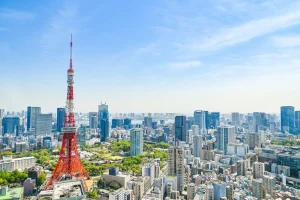
Tokyo is too large to complete in four days. It is easier to enjoy when you choose a neighbourhood and follow its rhythm.
|
Day |
Focus |
Planning principle |
|
Day 1 |
Arrival and a gentle first evening |
Keep plans close to your hotel after an international flight |
|
Day 2 |
East Tokyo |
Pair Asakusa with Ueno or Yanaka; keep Ginza as an interest-based alternative |
|
Day 3 |
West Tokyo |
Meiji Jingu, Harajuku, Omotesando and Shibuya; add Shinjuku only if energy allows |
|
Day 4 |
Personal interest or weather buffer |
Museums, gardens, food, architecture, a nearby visit or rest |
On Day 1, keep the evening local. A quiet walk, a simple meal and an early night are usually more useful than rushing to a distant attraction.
Day 2 begins well in Asakusa. Sensō-ji is one of Tokyo’s oldest and most significant Buddhist temples. Kaminarimon, the gate with its large red lantern, leads to Nakamise, the shopping street that approaches the temple grounds. The district developed through worship, trade and entertainment, so it is best understood slowly and on foot.
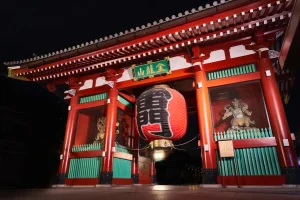
From Asakusa, give the afternoon to one companion area. Ueno suits travellers interested in museums and parkland. Yanaka is better for smaller lanes, temples and local shops. Ginza offers a different kind of visit, shaped by department stores, design, architecture and dining. Do not try to include all four in one day.
Day 3 can start at Meiji Jingu, a Shinto shrine set within a forested precinct near Harajuku. Continue through Harajuku and Omotesando towards Shibuya. These areas are close enough to form one coherent day of shrine grounds, fashion, design and street life. Shinjuku can follow in the evening, but it is an option rather than an obligation.
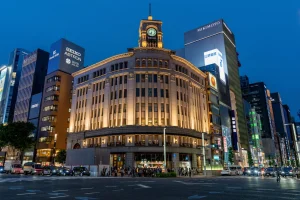
Use Day 4 for the Tokyo that matches your interests. Choose museums, gardens, food, craft, fashion, architecture or a pre-booked experience. It can also absorb rain, tiredness or a delayed reservation. A flexible day is what keeps the rest of the journey comfortable.
Day 5: Tokyo to Hakone — Make Space for a Hot-Spring Stay
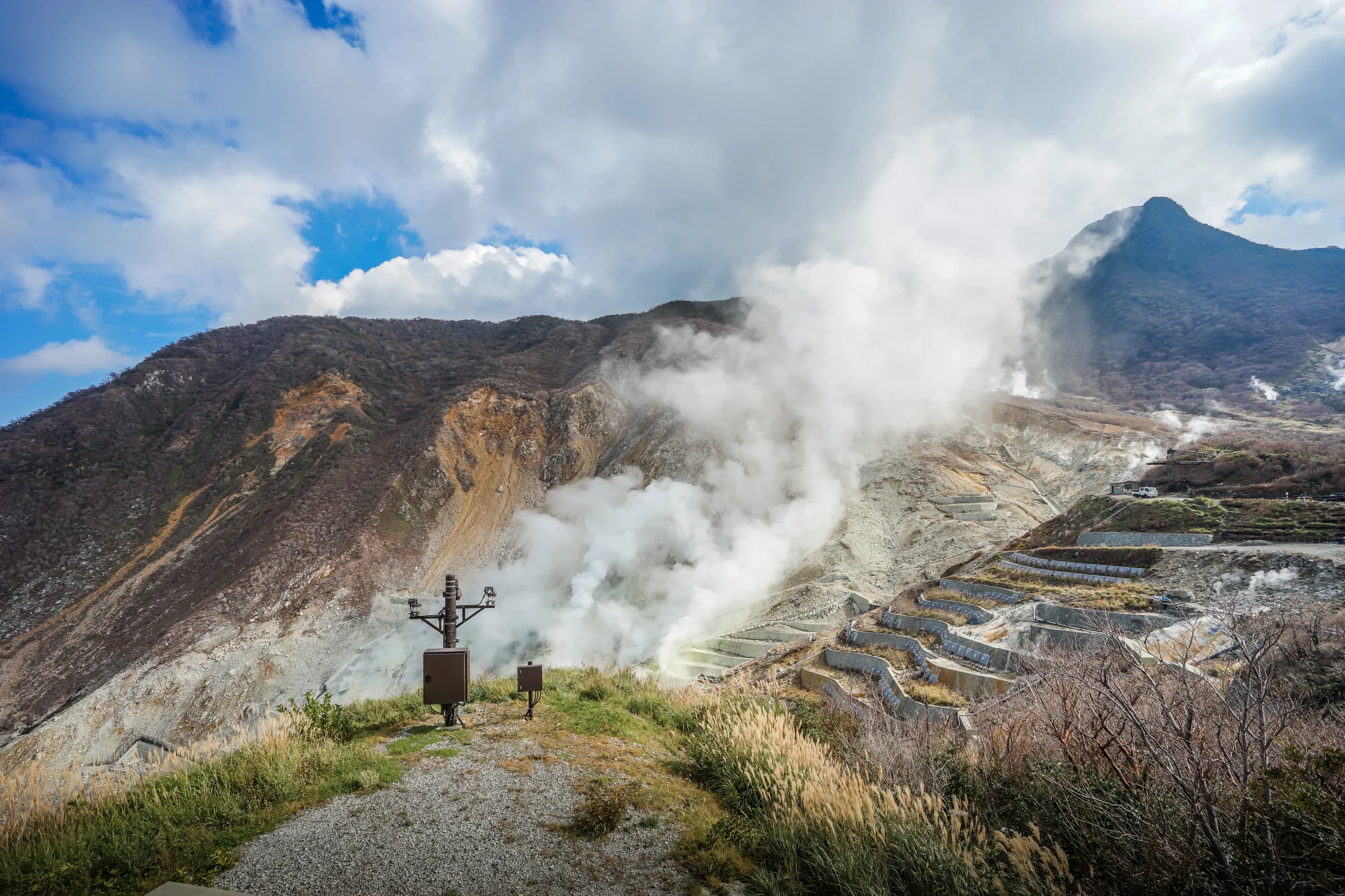
Hakone is not a place to complete in a single loop. It is a place to pause between the larger cities.
You can reach Hakone through Odawara, either by Shinkansen from Tokyo or by Odakyu railway from Shinjuku. From Odawara or Hakone-Yumoto, many hotels require another connection by local train, bus, cable car or ropeway. Check your accommodation’s access instructions before choosing a train.
Many ryokan stays are organised around bathing, dinner and breakfast, often with a yukata, a light cotton robe, provided for use inside the inn. Facilities vary by property. Confirm meal plans, final check-in time, private-bath options, tattoo policies and dietary needs before booking.
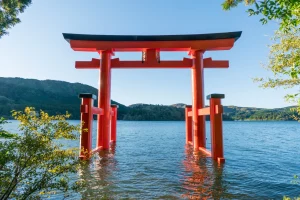
Choose two or three priorities rather than trying to complete the full Hakone Loop:
- Lake Ashi for water, mountain scenery and boat journeys
- Hakone Shrine, an active Shinto place of worship beside the lake
- Ōwakudani for volcanic steam and the ropeway landscape
- The Hakone Open-Air Museum for sculpture in mountain surroundings
- Time at your ryokan for bathing, dinner and a slower morning
Mount Fuji may appear from selected places in Hakone, but do not build the overnight around that view alone. Hot springs, volcanic landforms, museums and forested paths still make the area worthwhile when clouds cover the summit.
If you are travelling with large luggage, ask whether your Tokyo hotel can dispatch it to Kyoto and whether your Kyoto hotel can receive it. Carry an overnight bag with your passport, medication, valuables, electronics and clothing for the following day.
Days 6–9: Kyoto and Nara — Give Each District Time
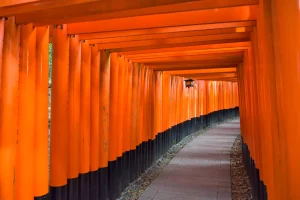
Kyoto rewards travellers who give one district enough time, rather than crossing the city for a longer list of temples.
|
Day |
Focus |
Planning principle |
|
Day 6 |
Hakone to Kyoto |
Travel to Kyoto and keep the first evening local |
|
Day 7 |
Higashiyama and Gion |
Connect temple grounds, historic streets, food and walking |
|
Day 8 |
Fushimi Inari and southern Kyoto |
Decide between a short shrine visit and a longer mountain walk |
|
Day 9 |
Choose one: Arashiyama, north-west Kyoto or a Nara day trip Return to your Kyoto hotel |
Do not combine all three in one day |
On Day 6, return to Odawara and take a suitable Shinkansen service to Kyoto. Not every service stops at Odawara, so check before reserving. Once you arrive, keep the evening close to your hotel. A transfer day is not the moment to force in a distant temple before closing time.
Day 7 works well in Higashiyama. Kiyomizu-dera, the lanes of Sannenzaka and Ninenzaka, and the wider Gion area can form one continuous day on foot. These are religious, residential and working areas, not museum sets. Follow local signs, avoid private property and take photographs of people only with permission.
Day 8 belongs to Fushimi Inari Taisha, a Shinto shrine associated with Inari worship. Inari is linked with rice, prosperity and the conditions that support everyday life. The shrine is known for its bright red-orange torii gates, gateways marking the approach to a Shinto sacred space. Worshippers have donated these gates as expressions of prayer and gratitude since the Edo period.
A short visit through the lower gates takes much less time than a longer walk around Mount Inari. Decide which experience you want before you go. Early morning or later afternoon can be easier than the busiest middle hours, though conditions change by season. Afterwards, stay in Fushimi for its sake district or continue to Uji for tea and Byōdō-in Temple. Trying to include both can weaken the day.
Day 9 gives you three distinct options. Arashiyama combines riverside scenery, temple grounds and bamboo groves. North-west Kyoto offers temple gardens and a quieter, more focused route. Nara offers Tōdai-ji, Kasuga Taisha and parkland in Japan’s early capital.
Nara’s deer are wild animals with a long cultural connection to Kasuga Taisha. Do not chase or tease them. Feed them only approved deer crackers, and take all rubbish with you.
Days 10–11: Osaka — End with Food, Energy and Flexibility
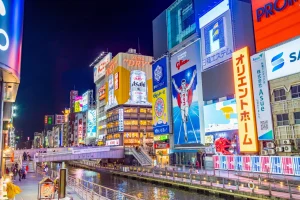
Osaka brings a different energy to the final part of the journey. Food, commerce and evening streets take the place of Kyoto’s temple districts.
|
Day |
Focus |
Planning principle |
|
Day 10 |
Urban history, architecture and art | Transfer from Kyoto, then make Osaka Castle, Nakanoshima or Umeda your focus |
|
Day 11 |
Namba, Dotonbori and Shinsaibashi | Treat adjoining districts as one walkable food, shopping and evening area |
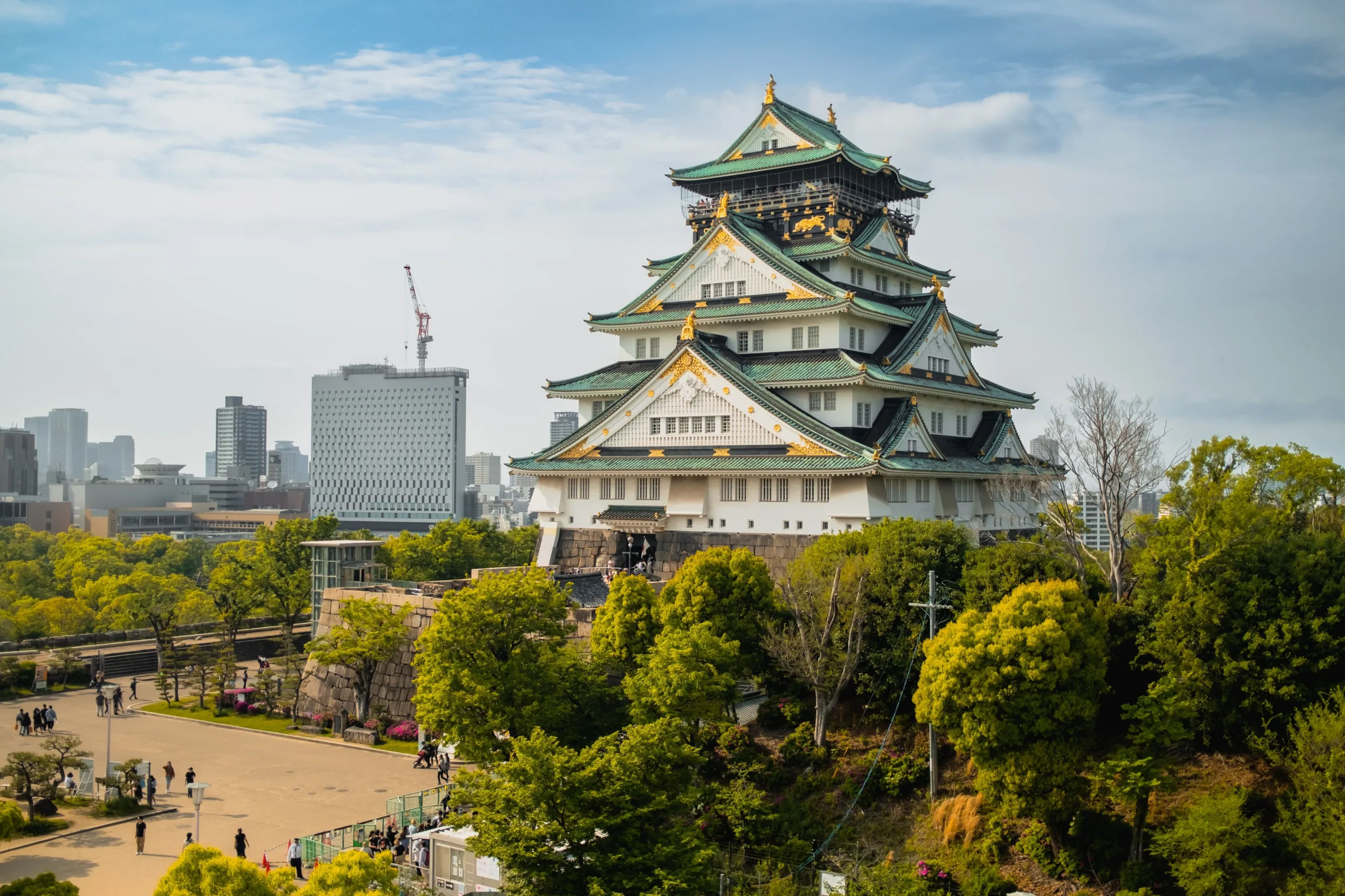
On Day 10, move from Kyoto to Osaka without trying to fill every hour. Osaka Castle suits travellers interested in layered history. Nakanoshima offers riverside architecture and museums. Umeda is a useful choice for contemporary city life, shopping and views.
The present Osaka Castle main tower is a 1931 reconstruction and museum. It is distinct from the original Toyotomi-period castle and the later Tokugawa rebuilding. This makes the site useful for understanding how Osaka has remembered and rebuilt its past.
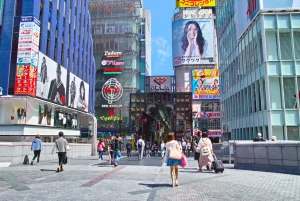
Day 11 focuses on Namba, Dotonbori and Shinsaibashi. These adjoining districts work as one evening area of canal views, illuminated signs, food, covered arcades and shops. Dotonbori developed as a centre of entertainment and commerce, and its dense food culture remains part of that history.
Try takoyaki, okonomiyaki or kushikatsu if they appeal to you, but do not turn food into another checklist. A few shared dishes can make it easier to try several flavours without making lunch too heavy for the afternoon.
Shinsekai is a separate option for travellers interested in older commercial streets and local food culture. Universal Studios Japan requires its own full day if it is a priority.
Day 12: Departure or One Final Choice
The last day is for leaving cleanly, not for adding one final distant attraction.
If you depart from Kansai International Airport, check the route from your specific hotel. Namba, Tennoji and Osaka/Umeda have different airport connections, and the most useful option depends on luggage, departure time and changes.
If your flight leaves later in the day, use the morning for breakfast, a short walk or shopping near your hotel. Follow your airline’s check-in guidance rather than relying on one universal airport rule. If you have a Tokyo return ticket, consider returning to Tokyo the evening before your international flight.
Hakone or the Fuji Five Lakes?
Hakone and the Fuji Five Lakes are not two versions of the same stop. They sit on different sides of Mount Fuji, offer different transport patterns and reward different priorities.
|
Comparison |
Hakone |
Fuji Five Lakes / Fujiyoshida |
|
Best for |
Hot springs, ryokan, volcanic landscapes, art and rest | Mount Fuji views, photography, lakes and mountain scenery |
|
Position in the route |
Easier to place between Tokyo and Kyoto through Odawara | Requires more deliberate onward planning towards Mishima, Tokyo or another connection |
|
Overnight value |
Dinner, bathing and a slower morning | Early and late views, lakeside time and local exploration |
|
Mount Fuji views |
Possible from selected locations | More direct northern views, but still dependent on weather |
|
Poor-weather value |
Strong hot-spring, museum and cultural alternatives | More dependent on outdoor scenery, though local museums and cafés remain |
|
Best for a first Golden Route |
Travellers seeking balance and rest | Travellers placing Fuji scenery above route simplicity |
Hakone lies in Kanagawa Prefecture, south-west of Tokyo. Its main appeal is the combination of a ryokan stay, hot springs, volcanic landscapes, art and a convenient onward connection to Kyoto through Odawara. It remains a worthwhile stop in rain or cloud because these experiences do not depend on a view of Mount Fuji.
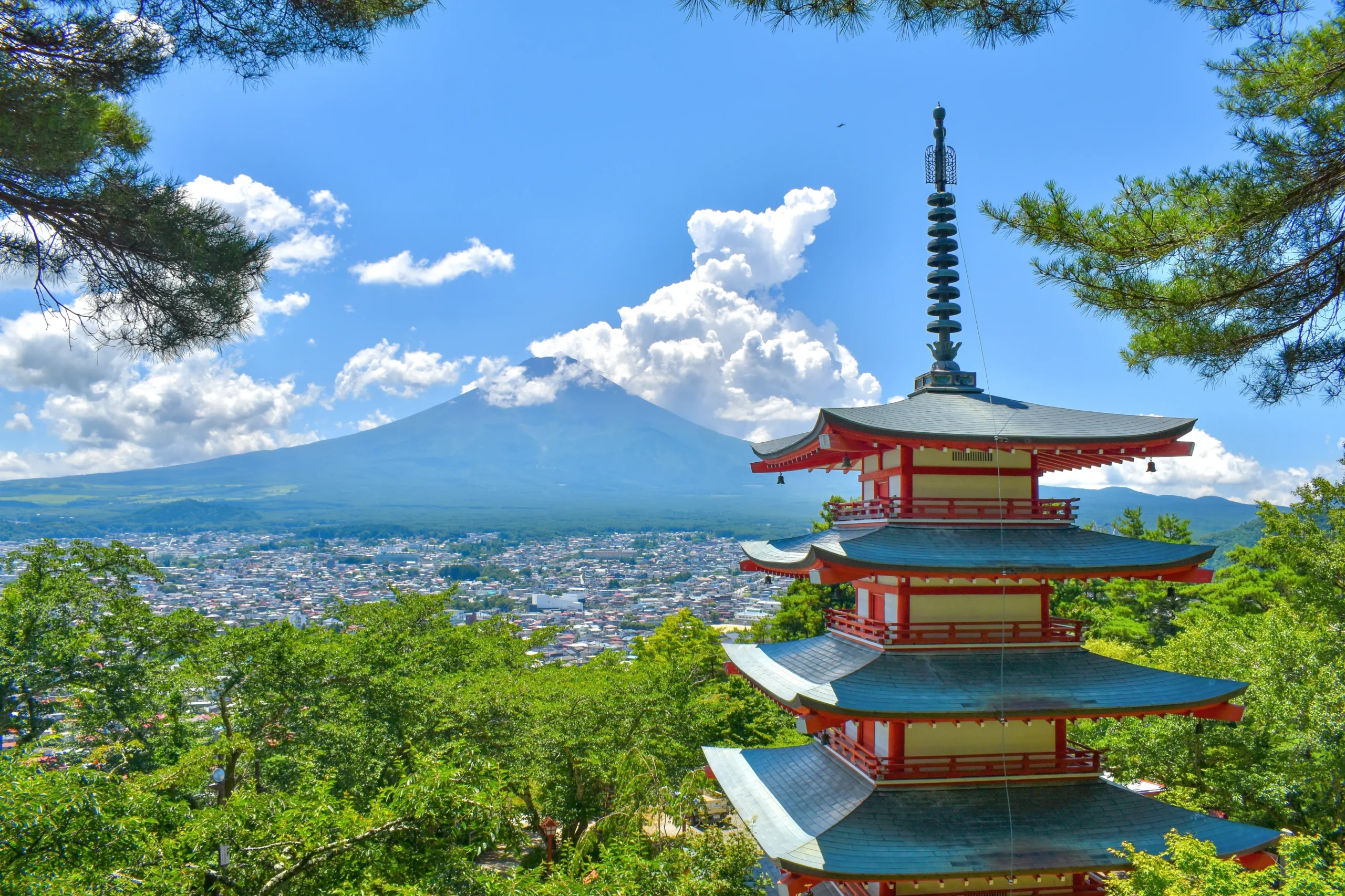
The Fuji Five Lakes and Fujiyoshida lie in Yamanashi Prefecture, north of Mount Fuji. This side of the mountain offers the classic northern views that many travellers seek, especially around Lake Kawaguchi and Fujiyoshida. Arakurayama Sengen Park, with Chureito Pagoda and Mount Fuji in the same view, is in Fujiyoshida, not Shizuoka.
The trade-off is transport. The Fuji Five Lakes do not sit directly on the Tokaido Shinkansen corridor. You can continue west afterwards, but the route needs more careful planning than Hakone. Give the area enough time for changing visibility, lake walks and local transport rather than treating it as a quick photograph between trains.
Gotemba, in Shizuoka Prefecture, is a separate decision again. It is useful for travellers whose main priority is outlet shopping. It is not a cultural replacement for Hakone or the Fuji Five Lakes.
On a 10-day trip, select one mountain-area stop. Even with 12 days, one well-chosen overnight usually gives more value than fitting both into the journey.
Should You Add Nagoya, Gotemba, Himeji or Hiroshima?
Not every interesting place belongs in a first itinerary. Good planning means knowing what to leave out.
|
Optional stop |
Add it for | Minimum useful time |
Main trade-off |
|
Nagoya |
Industry, railways, craft, castle history and regional food | 1 night | Reduces time in Tokyo or Kyoto |
|
Gotemba |
Outlet shopping | Half to full day | Complicates luggage and mountain-area transport |
|
Himeji |
Original castle architecture and history | Half to full day | Needs luggage planning if visited in transit |
|
Hiroshima and Miyajima |
Peace history, shrine architecture and the Seto Inland Sea | 2 nights | Adds long-distance travel west of Osaka |
Add Nagoya for Industry, Craft and Regional Food
Nagoya is not essential for every first Golden Route. It is a strong addition for travellers interested in manufacturing, railways, automobiles, ceramics, craft or regional food.
Nagoya Castle’s Main Tower Keep is currently closed due to age and earthquake-resistance concerns. If you include the city, plan around the Hommaru Palace, castle grounds, museums and other open areas rather than expecting to enter the main keep. Add Nagoya because it answers a clear interest, not simply because the Shinkansen passes through it.
Add Gotemba for Shopping
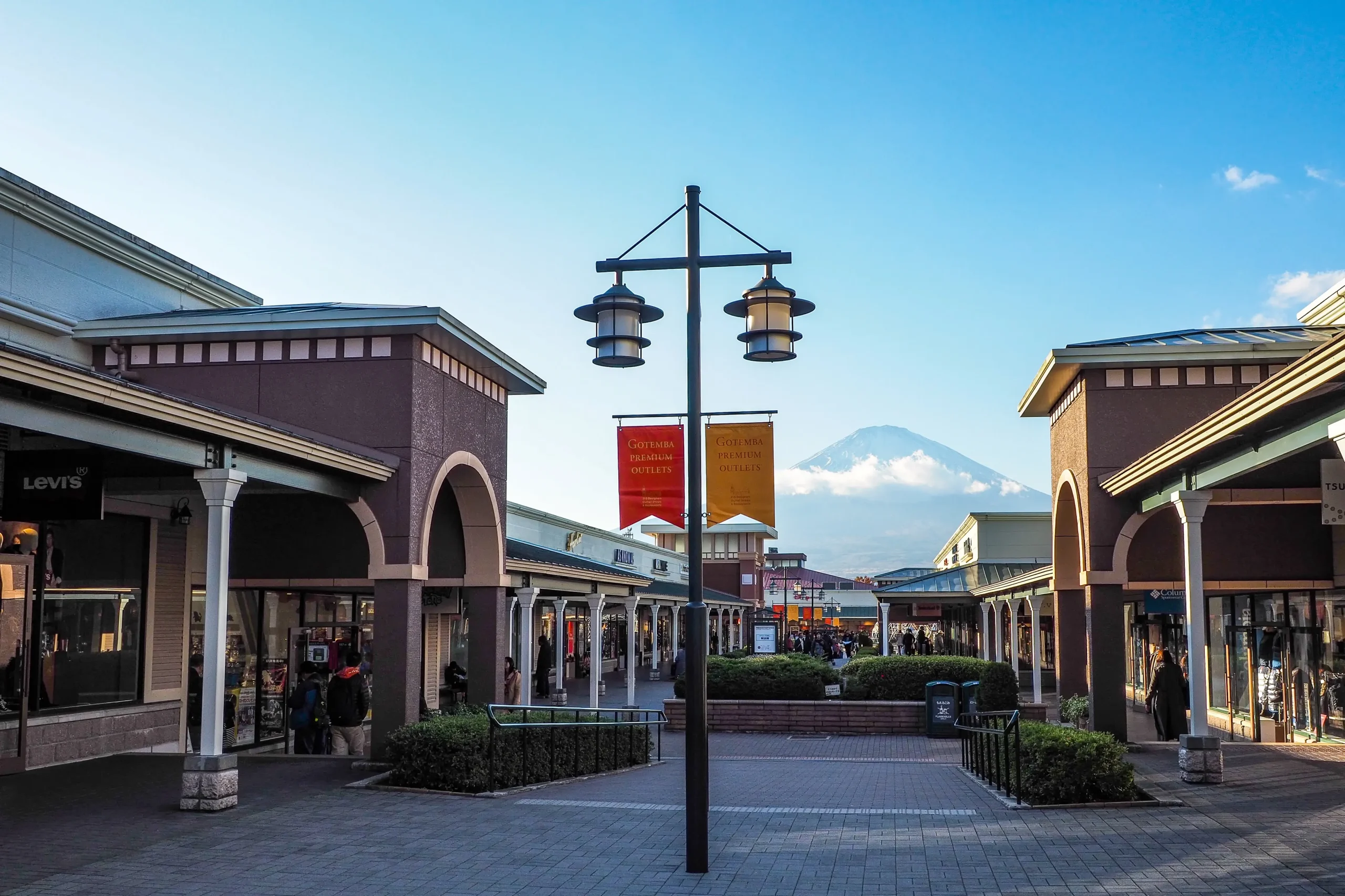
Gotemba Premium Outlets suit travellers for whom brand shopping is a real priority. It requires planning for transport and luggage, especially if you continue west towards Kyoto afterwards.
On a shorter itinerary, a shopping stop usually replaces time in Hakone or the Fuji Five Lakes. Make that trade-off deliberately.
Add Himeji, Hiroshima and Miyajima When You Have 14 Days
Himeji can work well as a focused cultural stop on a westbound rail journey, especially for travellers interested in original castle architecture.
Hiroshima and Miyajima need more time. Allow an unhurried visit to the Peace Memorial Park and Museum, and avoid placing them between unrelated sightseeing appointments. Miyajima adds sea, forest, shrine architecture and island walking. If possible, keep two nights for Hiroshima and Miyajima rather than treating them as a rushed day trip from Osaka.
How to Travel the Golden Route Smoothly
Japan’s rail network becomes easier once you separate long-distance trains, city transport, regional connections and luggage planning.
Use the Tokaido Shinkansen as the Main Spine
The Tokaido Shinkansen connects Tokyo and Shinagawa with Nagoya, Kyoto and Shin-Osaka. It is the main rail link for the central part of the route.
Odawara is the main Shinkansen connection for Hakone, but not every Shinkansen service stops there. You can also travel from Shinjuku towards Hakone by Odakyu railway. The Fuji Five Lakes require a separate regional connection, while Shin-Osaka requires a local transfer to most Osaka hotels.
You do not need to memorise every line. Focus on three layers: Shinkansen between cities, local transport within cities and regional transport in Hakone or the Mount Fuji area.
Do Not Buy a Japan Rail Pass Automatically
The nationwide Japan Rail Pass may or may not offer better value for your route. Compare its current price with the individual journeys you actually plan to make.
For a largely one-way Tokyo–Hakone–Kyoto–Osaka itinerary, individual tickets can be a sensible option. A return to Tokyo, or extra travel to Himeji and Hiroshima, changes the calculation.
Some faster services require an additional ticket when used with the nationwide Japan Rail Pass. Check the current official conditions before buying. Do not assume the pass covers city subways, private railways or Hakone transport.
Use an IC Card for City Travel
An IC card, such as Suica, PASMO or ICOCA, can simplify many urban rail, subway and bus journeys. It may also work for small purchases at convenience stores and other shops.
Think of it as a quick payment method for local travel, rather than a replacement for every long-distance ticket. Mobile versions and purchase methods depend on your device and current availability, so check official guidance when you arrive.
Plan for Luggage Before Your Hakone Stay
Travelling to Hakone with one small overnight bag makes local transport and ryokan transfers easier. Ask in advance whether your Tokyo hotel can dispatch luggage and whether your Kyoto hotel can receive it.
Forwarded luggage may arrive on the following day, so carry what you need with you. Keep passports, medication, valuables, chargers and clothes for the next day in your overnight bag.
On the Tokaido-Sanyo-Kyushu Shinkansen, a suitcase whose length, width and height add up to more than 160 cm and no more than 250 cm requires a reserved seat with an oversized baggage area. Suitcases over 250 cm cannot be brought on board. Check JR Central’s guidance for strollers, sports equipment and musical instruments, which have separate rules.
Consider Flying into Tokyo and out of Osaka
An open-jaw itinerary uses different arrival and departure airports. Arriving in Tokyo and departing from Kansai can reduce the need to travel back east at the end of the journey.
Compare the full fare, flight times, airport access and baggage conditions before deciding. A Tokyo return ticket can still be more practical for some routes. Whichever ticket you choose, avoid placing a long intercity transfer immediately before an international flight.
How to Adapt for Seasons, Weather, Crowds and Pace
A good itinerary is not one that never changes. It is one that changes well when weather, crowds or energy levels shift.
|
Season |
Main planning issue |
Practical response |
|
Spring |
High demand and changing blossom timing | Book key stays early; do not build the route around one predicted bloom date |
|
Early summer |
Rain and humidity | Keep museums, gardens and indoor cultural options available |
|
Midsummer |
Heat and fatigue | Start early, rest at midday and shorten outdoor routes |
|
Autumn |
High demand and changing foliage timing | Check regional conditions; do not assume every city peaks at the same time |
|
Winter |
Shorter daylight and possible mountain disruption | Finish mountain travel earlier and retain an indoor alternative |
If blossom or autumn colour are central to your plans, reserve key stays early and keep each day flexible enough for local conditions. Tokyo, Hakone, the Mount Fuji area, Kyoto and Osaka do not reach seasonal peaks at the same time. Mountain areas often change earlier than lower cities, while the exact timing moves from year to year.
If you value a slower journey more than one specific seasonal view, consider travelling outside the busiest blossom and foliage periods. Winter can offer clearer mountain air, while early summer can bring fresh green landscapes and quieter gardens. Conditions still vary, so check local information close to departure.
|
Situation |
Plan B |
Plan C |
| Mount Fuji is hidden by cloud | Visit a museum, take a hot bath or walk beside a lake | Slow down for a ryokan meal, tea or rest |
| Hakone transport is disrupted | Choose one area confirmed to be accessible that day, such as Hakone-Yumoto or an operating museum | If you can reach Odawara, consider travelling to Kyoto earlier |
| Central Kyoto is crowded | Give the day to one district rather than several major temples | Visit a garden, museum, craft workshop or tea house |
| Rain in Osaka | Use museums, covered arcades and department stores | Focus on food and evening streets |
| Heat or fatigue builds | Start early and rest at midday | Remove a day trip and keep one stable hotel base |
When cloud hides Mount Fuji, shift the day towards a quiet museum, a long bath, a garden in light rain or an unhurried meal. When Kyoto feels busy, a single district often works better than trying to beat the crowds everywhere. In summer, shorter walks and a midday break protect your energy for the experiences that matter most.
These are not lesser alternatives. They simply change the purpose of the day while protecting the quality of the journey.
Is the Golden Route Right for You?
The Golden Route is a strong first framework, but it is not a test that every visitor needs to pass.
The Golden Route Works Well If You…
- Are visiting Japan for the first time
- Have around 10 to 14 days
- Want to see Tokyo, Kyoto and Osaka in one journey
- Enjoy cities, temples, gardens, food and hot springs
- Prefer public transport to domestic flights or driving
- Would like one night in a ryokan between major cities
Adjust It or Choose Another Region If You…
- Prioritise skiing, mountain hiking, remote islands or wildlife observation
- Have already spent substantial time in Tokyo, Kyoto and Osaka
- Prefer longer stays in small towns, mountain villages, farming areas or coastal regions
- Want to focus deeply on Hokkaido, Tohoku, Kyushu or Okinawa
- Have fewer than seven days and value time in one place over geographical range
Famous cities and regional Japan are not opposites between “touristy” and “authentic”. Both contain ordinary life, serious cultural heritage and places that deserve care.
Frequently Asked Questions
What is the Golden Route in Japan?
It is a flexible first-trip framework centred on Tokyo, Kyoto and Osaka. Depending on your available days and interests, it can include Hakone, the Fuji Five Lakes, Nara, Nagoya, Himeji, Hiroshima or Miyajima. It is not one fixed package tour.
How many days do I need for the Golden Route?
Seven days can cover Tokyo, Kyoto and Osaka at a faster pace. Ten days allow one stop in Hakone or the Fuji Five Lakes. For many first-time visitors, 12 days offer a comfortable balance of travel and rest. Fourteen days allow one meaningful regional extension.
Is the Japan Rail Pass worth it for the Golden Route?
It depends on your exact journeys. A one-way Tokyo–Kyoto–Osaka route does not necessarily make the nationwide pass good value. Adding Hiroshima, Himeji or a return to Tokyo can change the result. Compare current individual fares with the pass price before buying.
Should I choose Hakone or the Fuji Five Lakes?
Choose Hakone for a ryokan, hot springs, volcanic scenery, art and a smoother route through Odawara. Choose the Fuji Five Lakes for Mount Fuji views, lakeside scenery and photography. On a 10-day trip, choose one rather than both.
Which station should I use when travelling from Hakone to Kyoto?
Odawara is the usual Shinkansen connection for Kyoto. Your route from Hakone depends on where you stay, so allow time to reach Odawara by local train, bus or taxi. Check which Shinkansen services stop there, and confirm your ryokan’s check-out and luggage arrangements before leaving.
What should I do if Mount Fuji is hidden?
Shift the day towards a museum, a hot bath, a quiet meal or a lakeside walk. Hakone and the Fuji Five Lakes offer more than one view, and a flexible itinerary lets you enjoy the area without chasing the summit all day.
Plan a Golden Route That Leaves Room for Japan
A well-planned Golden Route does not try to collect every famous sight. It leaves time to notice how Japan changes between a Tokyo morning, steam rising above a Hakone bath, a quiet Kyoto path and an Osaka dinner table.
If coordinating ryokan stays, rail journeys, luggage transfers and seasonal conditions becomes more complicated than you would like, ENJYU JAPAN can help shape a tailor-made route around your pace and interests.
Leave one hour unplanned; Japan has a discreet talent for stealing it, then returning it as the finest thing in your memory.
References