Planning a soccer match around a trip to Japan in 2027? J1 resumes on February 13 and finishes on June 6, while J2 and J3 return a week later. Matches in the second half of the year will belong to the following season, 2027/28, whose detailed calendar has yet to be announced. That distinction matters when searching for games and booking travel.
You don’t need to follow Japanese soccer enjoy its chants, food and shared excitement. Start by finding a fixture that fits your trip and a ticket you can buy.
When Can You Watch J.League Soccer in 2027?
Japan’s professional men’s league switched to an August–June season in 2026, replacing the familiar calendar-year format. The 2026/27 season spans the winter break and finishes in late spring 2027. J1, J2 and J3 each have 20 clubs playing 38 league rounds.
2027 at a glance
| Travel dates | What to expect |
|---|---|
| January 1 | Emperor’s Cup and Empress’s Cup finals in Tokyo; separate competitions |
| January 2–February 19 | Winter break through February 12; J1 returns February 13 |
| February 20–May 23 | J1, J2 and J3 regular-season matches; check individual dates |
| May 24–June 6 | J1’s final rounds and promotion-related fixtures |
| June 7–July | Between regular league seasons; other competitions may play |
| August–December | 2027/28 season expected; opening date and fixtures not yet announced |
The exact 2027/28 opening date and fixtures are not confirmed. Promotion and relegation may change the J1 lineup.
What’s Confirmed for 2027, and What Isn’t?
The J.League has already announced opponents and candidate dates for the second half of 2026/27. Some individual fixtures have confirmed venues and kickoffs, but the remaining 2027 kickoff times, venues and broadcast information are scheduled for release in early December 2026. If your game is listed against a candidate weekend, avoid committing to a tightly timed activity on either day until the details are finalized.
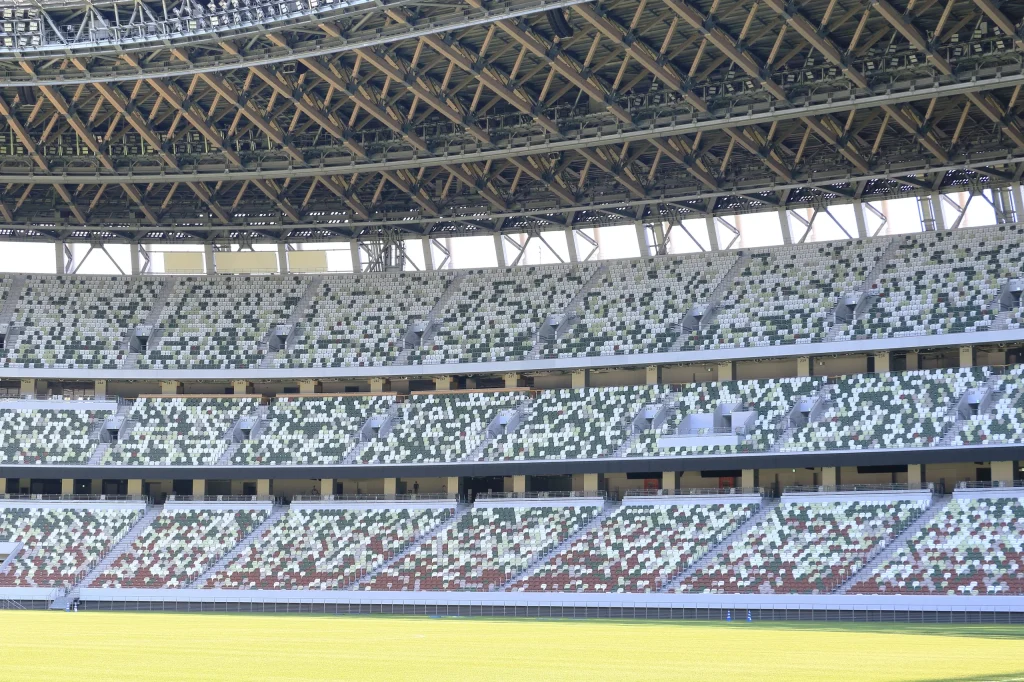
Tokyo offers several known examples. MUFG Stadium, the National Stadium, has six announced J1 match dates on February 14, 20 and 27, and March 6, 14 and 21. The February 14 fixture is Tokyo Verdy against Urawa Reds. A scheduled match date is not a promise that tickets are on sale, so check the home club’s purchasing page separately.
In Kansai, Kyoto Sanga against Vissel Kobe has been fixed for Wednesday, April 14, at 7 p.m. This could suit visitors who prefer an evening match instead of building an entire sightseeing day around soccer.
Reference: National Stadium match schedule – J.League
How to Choose a Match That Fits Your Trip
Start with where you’ll be staying rather than the biggest club name you recognize. Look for home games within easy reach, then compare the journey back after the match. A stadium that’s accessible in daylight may need more planning if the final whistle comes late or a crowd heads for the same train.
Tokyo and Yokohama: The National Stadium’s announced fixtures suit a Tokyo stay. FC Tokyo and Tokyo Verdy also use Ajinomoto Stadium in western Tokyo; Yokohama F. Marinos play at Nissan Stadium. Always verify the venue for the individual match.
Nagoya and Kansai: Nagoya Grampus offer a possible match for visitors to Aichi, although Toyota Stadium is outside central Nagoya. Kyoto Sanga play beside Kameoka Station, reachable by train from Kyoto. Cerezo Osaka, Gamba Osaka and Vissel Kobe provide additional options across Kansai, each with different transport arrangements.
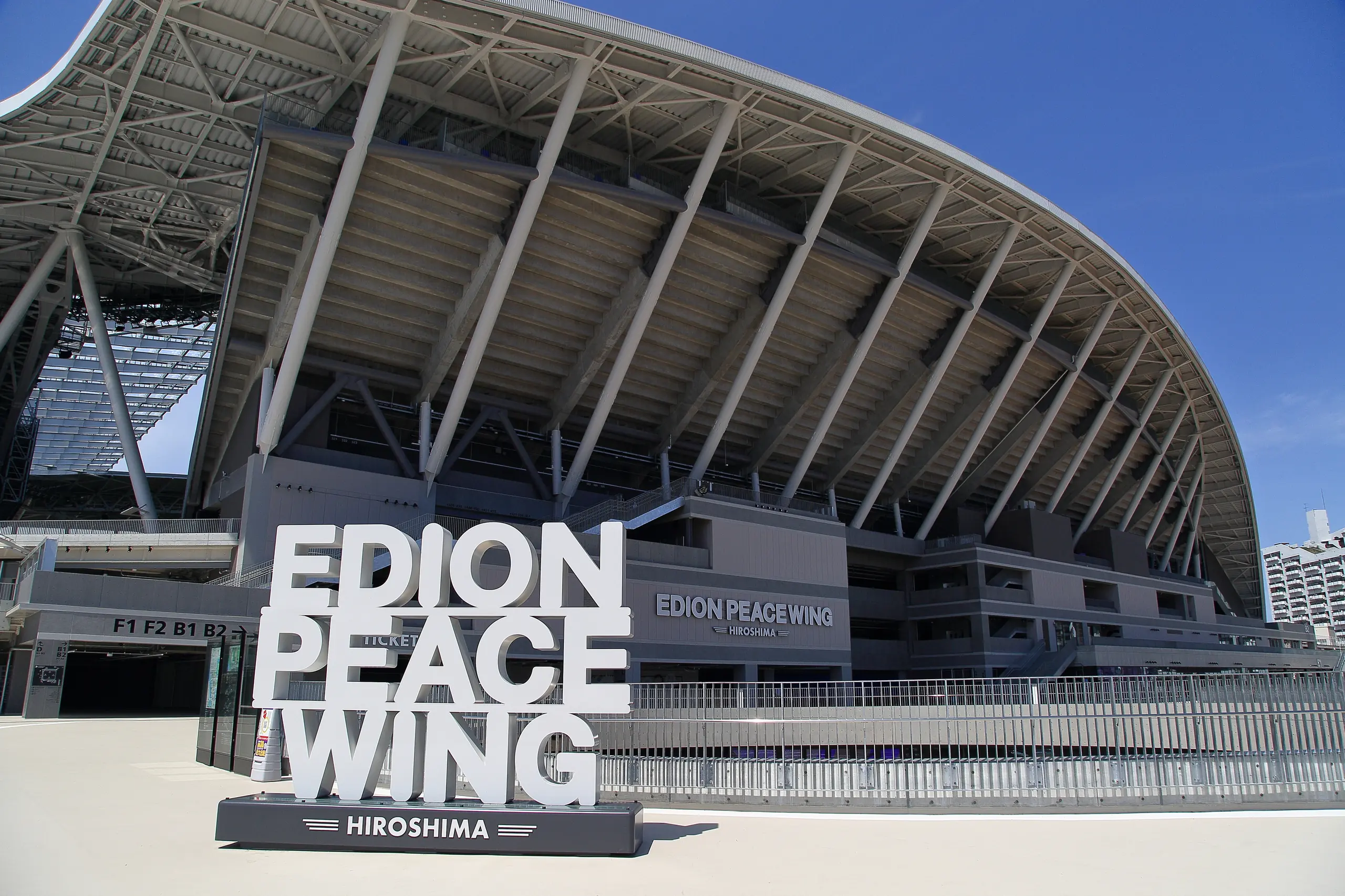
Western Japan: EDION PEACE WING HIROSHIMA is near central sights, and Nagasaki’s Peace Stadium is close to Nagasaki Station. Both are practical when those cities are already on your route.
The lower divisions like J2 or J3 may be the most practical choice in a regional city, and attending a smaller-club home match can be rewarding without needing to know the league standings.
How to Buy J.League Tickets in 2027
Begin with the official J.League English ticket directory. Select the club hosting the game and follow the link to its ticketing service. English-language purchasing is available for many clubs, although the process and payment options are not identical everywhere.
For the Japanese J.LEAGUE TICKET site, the usual steps are to choose the home club and fixture, select a seat category and quantity, sign in with a free J.League ID and complete payment. Some clubs support QR admission on your phone. Read the booking conditions before assuming you can collect tickets at a convenience store or enter with a printed confirmation.
There is a particularly useful payment check: J.LEAGUE TICKET requires 3-D Secure 2.0 authentication for credit-card purchases. Your bank may need an app or one-time-password setup. Even a compatible overseas card can occasionally fail authentication, so avoid leaving an important booking until the last moment.
Tickets don’t all go on sale at the same time. Home clubs set their own membership presales and general-sale dates, and popular fixtures can sell out. Confirm whether tickets are actually available, not merely whether a match appears in the schedule. Buying at the gate is not guaranteed.
Prices vary by club, opponent and seat, sometimes dynamically. Choose a seat for the view you want, and use official resale where available.
Reference: Official English ticket directory – J.League
Where Should You Sit for Your First Match?
Most clubs distinguish between the main stand, the back stand and the supporters’ area behind the goals. The main stand offers a broad side-on view of the pitch, often near the team benches. The back stand has a similar perspective, may cost less, and is specifically suggested for newcomers in J.League’s beginner guide.
The goal-end area is where many committed supporters sing, clap, wave flags and often stand for much of the match. If that sounds exciting, but even a reserved seat elsewhere in the stadium gives you enough to enjoy the atmosphere.
Pay attention to home and away seating restrictions. Some clubs limit opposing shirts, scarves or colors in designated sections. If you’re neutral, you don’t need to buy club merchandise to enjoy the game, although a towel scarf can be a fun way to join in.
What Is a J.League Matchday Like?
Give yourself time before kickoff. Depending on the club and fixture, the area around the stadium may have food trucks, merchandise, family activities, performances or a mascot appearance. Some supporters meet early, eat and explore the ground before going to their seats. Check the home club’s matchday guide for what’s actually scheduled.
Stadium food is often called sutaguru, short for ‘stadium gourmet’. Some clubs offer dishes associated with their region alongside familiar snacks and drinks. Availability, stall locations and payment methods vary, so it’s worth checking the match’s event page if trying the food is part of your plan.
Supporters can make the event enjoyable even for someone who doesn’t follow soccer. Chants build in the goal-end sections, scarves rise and groups clap in rhythm. You might not understand the words, but you can recognize the shared excitement.
Mascots, songs and matchday routines differ by club, giving each home crowd its own character.
Matchday Etiquette and Practical Tips
Check your venue’s rules before you travel. Restrictions may cover standing, large flags, away-team merchandise, smoking and items brought through the gate. If rain is forecast, a poncho is a safer choice than opening an umbrella where it could obstruct other people’s view.
Keep your phone charged for QR tickets, check your entrance and allow time for queues and crowded post-match transport.
J.League allows certain photographs and videos taken by spectators to be shared online under its published guidelines, but posting live-play footage and live-streaming are restricted.
What If There Is No J.League Match During Your Visit?
A winter break doesn’t mean there is no soccer in Japan. On January 1, 2027, the men’s Emperor’s Cup final and women’s Empress’s Cup final are scheduled at Tokyo’s National Stadium, although each competition has its own ticket arrangements. These matches are not part of the regular J.League season.
Japan also has the professional women’s WE League, with its own 2026/27 schedule running into May. Domestic cups and international matches may offer other possibilities. Check the relevant competition’s official fixture list rather than assuming there will be a game during your stay.
Making Soccer Part of Your Japan Itinerary
The best match isn’t necessarily the one featuring Japan’s most famous club. Choose a fixture that fits your travel dates, a seat that suits your comfort level and a stadium you can reach without rushing. With some 2027 details still pending, a little flexibility will help.
If you want to combine a match with sightseeing without building the entire journey around transport connections, ENJYU JAPAN can help plan a Tailor-Made Tour around your interests and the confirmed fixture dates. Match tickets remain subject to each club’s own availability and purchase conditions.