Aizome, or traditional Japanese indigo dyeing, is one of the most memorable cultural experiences to include in a trip to Japan. From historic Awa indigo in Tokushima to artisan-led workshops near Tokyo and regional studios in Aomori, visitors can create their own indigo-dyed piece while discovering the people, plants, and techniques behind Japan Blue.
This guide introduces the history and artistry of aizome, explains how traditional indigo dyeing works, and highlights where to experience it in Japan. Whether you are looking for a short hands-on workshop, an artisan-made textile to take home, or a deeper craft-focused journey, aizome offers a beautiful way to connect with Japanese culture beyond sightseeing.
What is Aizome?

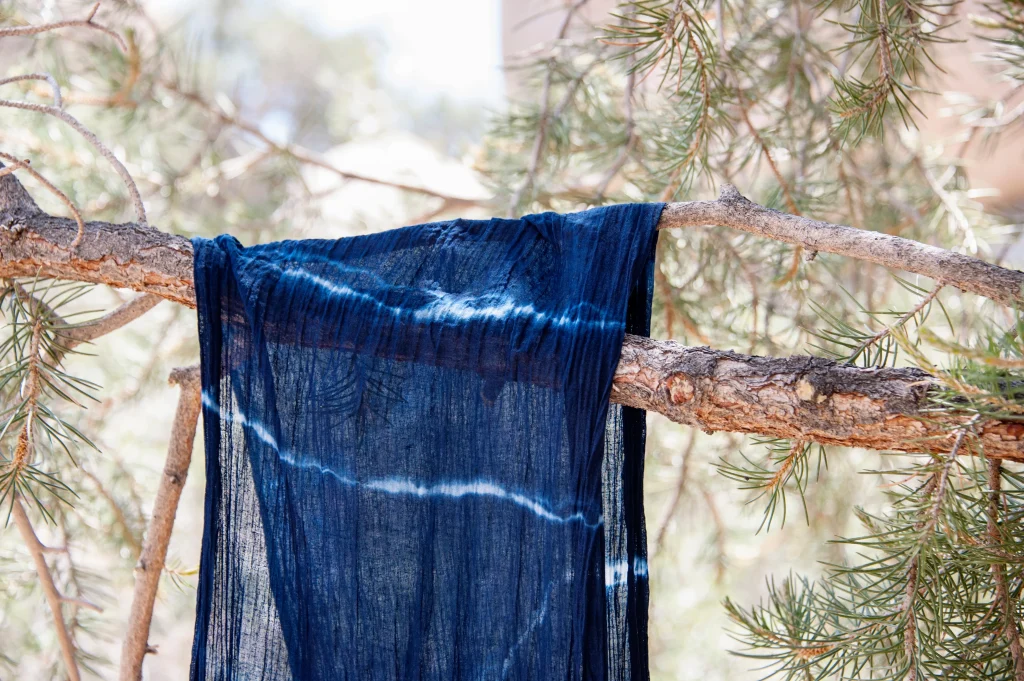
Aizome is a rich indigo hue achieved through repeated dyeing. Over time, this color deepens and evolves, infusing each piece with a distinct character. The more it is used and washed, the more it gains individuality, becoming a reflection of its owner’s journey. From traditional garments like kimonos and yukata to modern household items such as Noren curtains and handkerchiefs, aizome’s versatility bridges tradition and contemporary design. Its beauty and unique texture make it a cherished addition to any lifestyle, blending functionality with timeless artistry.
The true allure of aizome lies in its transformative nature. As a “living color,” it matures with time, telling a story of history, culture, and personal connection, making every piece an evolving work of art. The essence of aizome lies in its natural dye, primarily extracted from the indigo plant. The leaves of the plant are harvested, dried, and then fermented to produce the vibrant blue dye. This process is a remarkable example of utilizing nature’s power to create stunning colors.
As a traditional technique that does not rely on synthetic dyes, aizome is also recognized as an eco-friendly dyeing method. The use of plant-based dyes not only reduces environmental impact but also ensures that the materials are biodegradable, returning to nature when discarded. This high level of sustainability makes aizome especially valued in today’s environmentally conscious world.
The History of Aizome

Aizome has been practiced in Japan for centuries, gaining widespread popularity from the Heian to Muromachi periods. Its success stemmed from indigo’s natural insect-repellent and durable qualities, combined with its ability to beautifully color fabrics. During the Edo period, “Awa Indigo” from Tokushima flourished, becoming the heart of Japan’s indigo industry. This development elevated aizome’s status domestically and internationally, making it a staple for samurai, merchants, and commoners alike.
Aizome was commonly used to dye everyday items such as kimonos and workwear, seamlessly integrating it into daily life. Today, it remains highly regarded as a traditional Japanese craft. Artisans continue to pass down their expertise, preserving time-honored techniques while embracing innovation with modern designs and fashion applications. Aizome serves as a cultural bridge between Japan’s past and present, celebrated for its enduring beauty and versatility. As a cherished heritage, it continues to captivate and inspire people across generations.
The Enchantment of Aizome
Aizome, renowned worldwide as “Japan Blue,” symbolizes a significant aspect of Japan’s cultural identity. Its vibrant and profound blue hue is a product of traditional techniques honed over centuries, offering a distinct and unparalleled beauty. The allure of aizome lies in its unique dyeing process and the craftsmanship of skilled artisans. Each piece reveals subtle variations in color, influenced by the number of dyeing cycles and the meticulous techniques used. These nuances are hard to replicate through mass production. Moreover, aizome reflects the personality and dedication of its artisans. The dyeing process transforms their intent and passion into tangible works of art. Over time, aizome develops more character, with its beauty evolving as the fabric ages and this unique quality makes each piece grow more special with use.
Aizome Technique
Aizome uses two primary methods: “Tatezome” and “fresh leaf dyeing.”
Tatezome
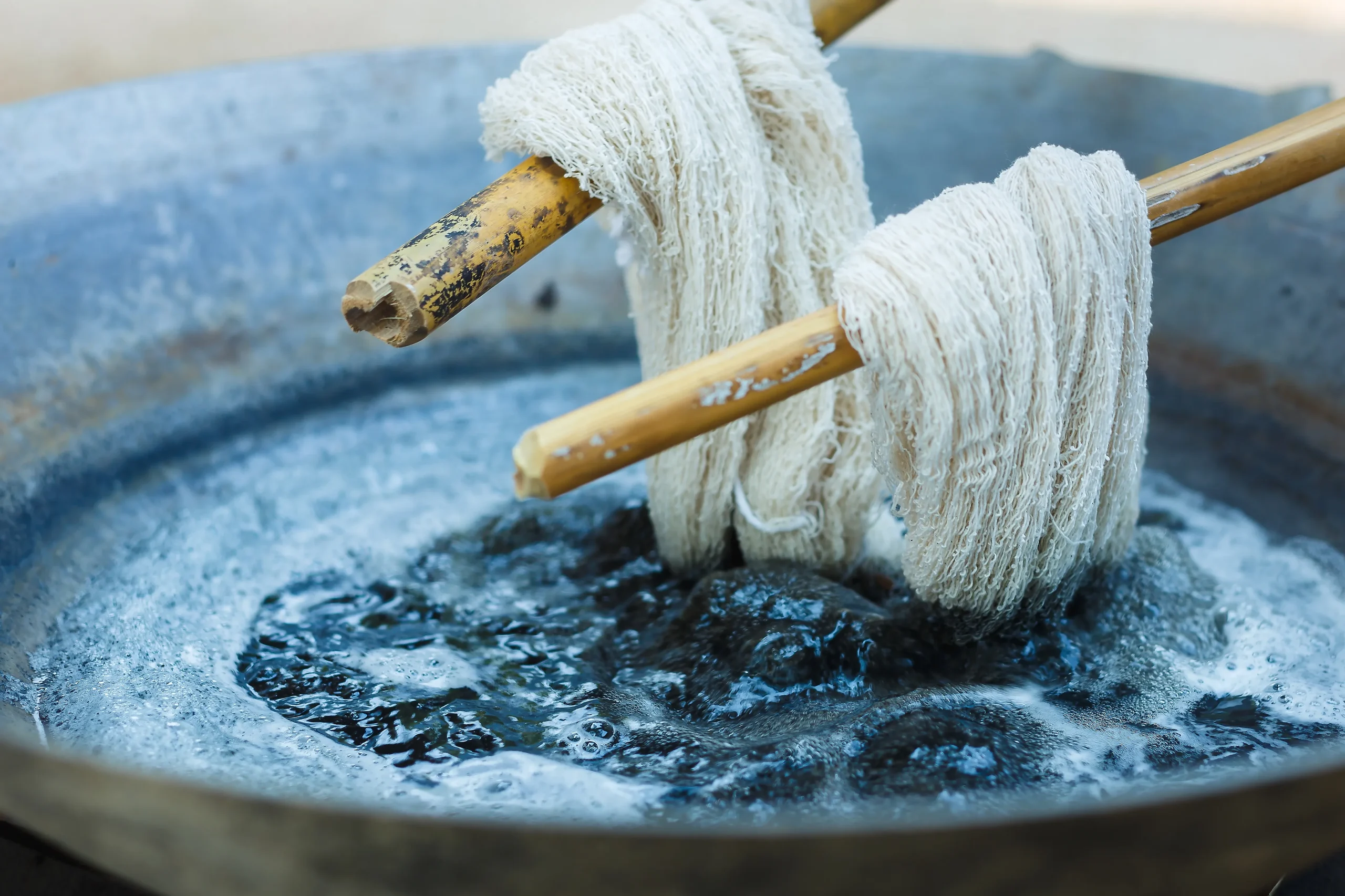
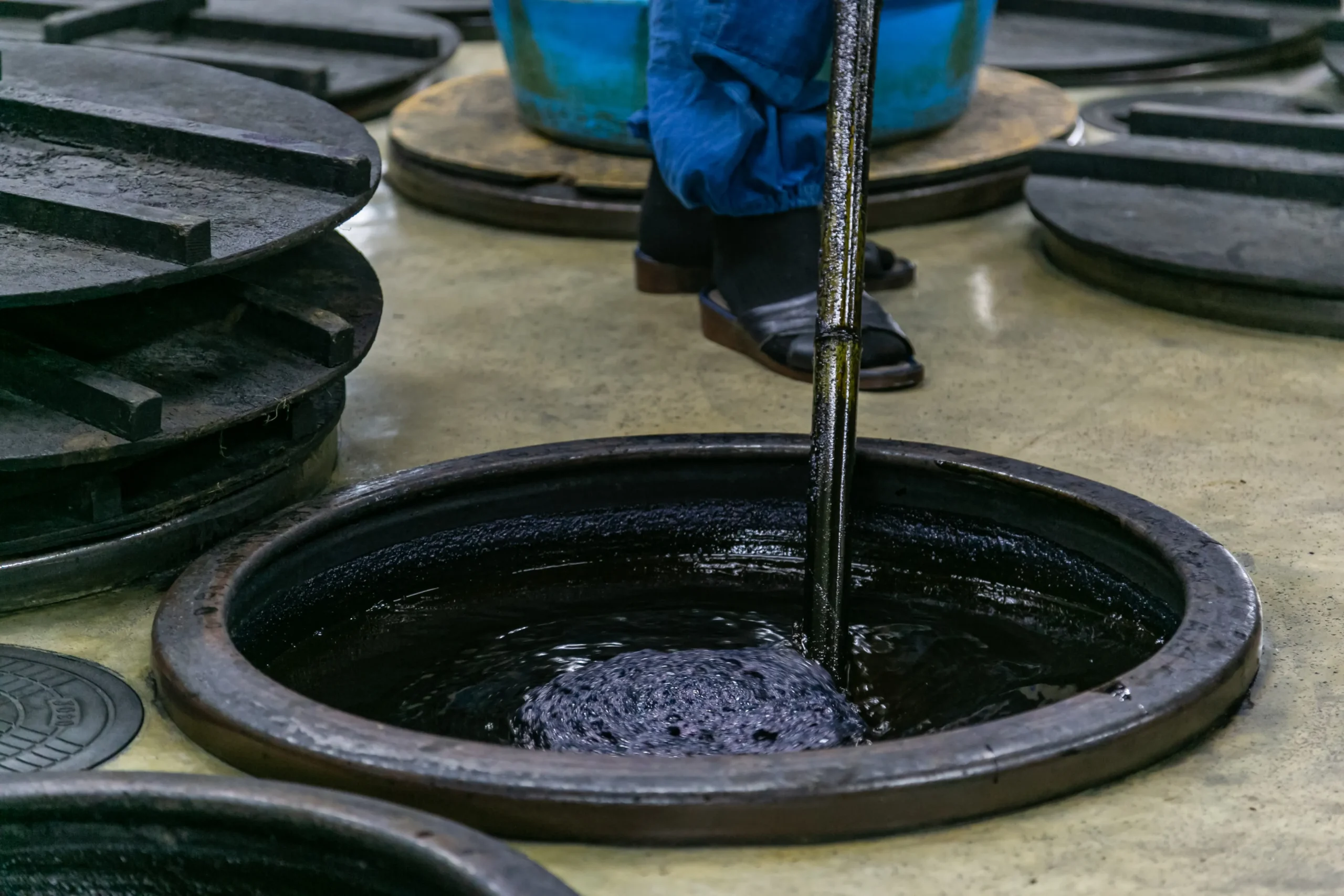
This process involves fermenting dye extracted from indigo leaves to create a dyeing liquid that produces the characteristic deep blue hue and unique texture of aizome. It requires expert craftsmanship to carefully manage conditions such as the temperature, humidity, and the progress of fermentation. The blue color emerges when the dye reacts with oxygen, making the step of exposing the fabric to air after dyeing essential. Repeating this process results in the deep, rich indigo color that defines fermentation dyeing.
The first step transforms the dried indigo leaves, or “sukumo,” into a usable dye. Sukumo contains the blue pigment “indigo,” but it is insoluble in water. By combining it with an alkaline solution made from ash lye and harnessing the power of microorganisms, artisans ferment the indigo to create the dyeing liquid. This traditional method is meticulously monitored and adjusted by skilled craftsmen, ensuring the quality of the dye, which forms the heart of aizome.
The dyeing process begins by boiling the fermented indigo liquid to extract the pigment. The mixture of water and indigo is heated gently, allowing the dye to dissolve fully into the liquid. Once cooled, the dyeing liquid is ready for use. Meanwhile, the fabric is pre-soaked in water to enhance its absorbency, ensuring an even and thorough dyeing process.
During dyeing, the fabric is immersed in the cooled indigo solution and carefully moved around to achieve uniform coverage. After dyeing, the fabric is rinsed under running water to remove excess dye, then soaked in an acidic solution to set the color in a process known as “fixing.” Finally, the fabric is wrung out and dried, revealing the vibrant blue color characteristic of fermentation dyeing. Each step requires precision and care, resulting in the deep, lustrous hues that make this method unique.
Fresh Leaf Dyeing
Fresh leaf dyeing uses freshly harvested plant leaves to transfer natural hues onto fabric, highlighting the vitality of plants and their inherent beauty.
The process begins with gathering fresh leaves such as indigo or mugwort, washing them to remove impurities, and grinding them into a paste using a blender or mortar and pestle. The paste is wrapped in cloth and squeezed to extract the dye liquid, which is then adjusted with water if necessary.
The fabric is pre-soaked in water to enhance its ability to absorb the dye evenly, ensuring smooth and vibrant results. The dampened fabric is immersed in the freshly prepared dye and gently kneaded to allow even absorption. Moving the fabric continuously within the dye bath for 20 to 30 minutes helps achieve uniform coloration.
After dyeing, the fabric is rinsed under running water to remove any excess dye and soaked in a fixative solution, such as vinegar or aluminum mordant, to set the color. This step ensures the hues remain vibrant and long-lasting. Finally, the fabric is air-dried in a shaded area to preserve the natural hues.
This method results in textiles that capture the beauty and vitality of nature, creating unique pieces that combine craftsmanship with environmental harmony. The fabric evolves over time, deepening in character and reflecting the beauty of the natural world.
Famous Areas for Aizome in Japan

Tokushima
Tokushima is famous for its aizome technique, in particular, high-quality indigo called ”Awa Ai” was produced and became known throughout the country. With a rich history of indigo cultivation and dyeing, the products crafted here are celebrated for their deep blue hues and unique textures. Skilled artisans in Tokushima continue to preserve traditional methods while passing on the techniques to future generations.
Aomori
In Aomori, indigo cultivation once thrived but nearly vanished over time. However, the Aomori Ai Cooperative sparked efforts to revive the lost craft. They support local farmers while safeguarding traditional techniques and creating new value. Indigo from Aomori has gained acclaim for its exceptional beauty, and visitors can engage in aizome workshops to learn about the process from cultivation to dyeing.
Tokyo
Ome City in Tokyo, known as the “Home of Dyeing,” has long been a hub for traditional dyeing techniques, including aizome. This area flourished as a silk-weaving center during the Edo period, with indigo dyeing playing a pivotal role in its history. Local artisans continue to uphold time-honored methods while innovating to meet contemporary demands. In Ome, aizome workshops and studios are popular among tourists and dyeing enthusiasts, offering hands-on experiences with traditional techniques.
These regions show how aizome has developed its own character across Japan—from Tokushima’s historic Awa indigo culture to the textile traditions of Tokyo and the revival of indigo craftsmanship in Aomori. The best way to appreciate these regional differences is to step into a workshop, meet the people behind the craft, and watch indigo transform in your own hands.
Where to Experience Aizome in Japan
Reading about aizome is inspiring, but seeing the color develop in front of you is something else entirely. During an indigo-dyeing experience, fabric often emerges from the vat in a yellow-green shade before it turns blue in the air. This small moment of transformation helps visitors understand why aizome has fascinated people in Japan for centuries.
An aizome workshop is also one of the most approachable ways to experience Japanese craftsmanship. You do not need to be a textile expert or artist. Most studios welcome beginners, provide the necessary tools, and guide participants through each stage—from folding or binding the fabric to dipping it into the vat and revealing the final pattern.
For travelers, the experience has lasting value. Rather than buying a souvenir that stays on a shelf, you can create a handkerchief, tenugui towel, scarf, tote bag, or T-shirt that becomes part of everyday life after your trip. Each use can bring back the memory of the studio, the artisan, and the place where you made it.
The following destinations offer particularly meaningful ways to encounter aizome in Japan.
Tokushima: Discover Awa Indigo at Ai no Yakata
Tokushima Prefecture is one of the most important places in the history of Japanese indigo. During the Edo period, the region became famous for Awa Ai, or Awa indigo. Its fertile land and river systems supported indigo cultivation, while producers developed the knowledge required to turn indigo leaves into sukumo, the composted leaf material used in traditional dye vats.
For travelers who want to understand more than the finished blue color, Tokushima is an exceptional destination. The region connects agriculture, trade, textile history, and contemporary craft in one place.
A particularly valuable stop is Ai no Yakata, the Aizumi Town History Museum. Set in the former residence of the Okumura family, who were major indigo merchants, the museum introduces visitors to the world of Awa indigo through historic buildings, tools, documents, and displays about cultivation, leaf processing, and dyeing.
Ai no Yakata is especially well suited to visitors who want both context and a hands-on activity. Its indigo-dyeing program allows guests to dye items such as handkerchiefs while learning about the craft in a setting directly connected to Tokushima’s indigo heritage. The experience uses lye-fermentation dyeing, known in Japanese as aku-hakko-date, which is one of the traditional methods associated with natural Japanese indigo.
A visit here can help turn aizome from an abstract cultural term into a story with real people, materials, and places behind it. Before or after the workshop, take time to explore the former merchant residence and notice how closely the region’s prosperity was once tied to blue.
Travel tip: Workshop availability, reservation requirements, and waiting times can change during busy travel seasons. Check the official Ai no Yakata website before visiting, especially during holidays.
Tokushima: Shop Awa Sho-Ai and Shijira Weaving at Rampuya
Aizome is not only an activity; it is also a beautiful way to bring Japanese craft into daily life. For visitors interested in textiles, clothing, and homeware, Rampuya is a worthwhile Tokushima stop.
Rampuya is the workshop and shop of Okamoto Orifu Factory, a cotton-textile maker founded in 1912. The company produces and sells textiles including Awa Sho-Ai indigo-dyed fabric, Awa shijira-ori textiles, and selvedge denim woven on traditional power looms.
Awa shijira-ori is known for its lightly crinkled texture. The uneven surface is created through differences in tension between warp and weft threads, producing a fabric that feels airy and is particularly comfortable in warm weather. It has long been valued for summer clothing, but its texture also gives contemporary garments and accessories an unmistakable character.
At Rampuya, travelers can discover how aizome extends beyond the familiar image of a dyed handkerchief. The product range includes shirts, samue and jinbei-style garments, scarves, stoles, noren curtains, furoshiki wrapping cloths, fashion accessories, table textiles, and jeans. This makes it a useful place for choosing a practical, well-made item that fits your own lifestyle.
When shopping for aizome, it is worth asking about the materials and process. “Indigo” can refer to several different dyeing methods, while “Awa Sho-Ai” points to a specific Tokushima tradition. Staff and makers can help visitors understand the story behind a textile, how it was made, and how to care for it.
Whether you choose a lightweight shijira-ori scarf, a small accessory, or a more substantial garment, a locally made textile can be a meaningful reminder of Tokushima’s indigo culture.
Ome, Tokyo: Dye with Artisans at Kosoen
Travelers based in Tokyo do not need to travel far to find a deeply traditional aizome experience. Ome, a city in western Tokyo, has a long connection with textile production and dyeing. It offers a quieter, craft-focused contrast to central Tokyo while remaining possible to include in a wider Tokyo itinerary.
At Kosoen, visitors can experience natural indigo dyeing under the guidance of skilled artisans. The studio uses natural indigo lye-fermentation dyeing, allowing participants to work with a living indigo vat and observe the repeated cycle of dipping and oxidation that creates the final blue.
Kosoen’s workshop is particularly appealing because it offers different options depending on how much time you have and what you would like to make. Shorter courses include handkerchief and bandana dyeing, while more in-depth options include cotton stoles and T-shirts. The studio also accepts certain items brought in by participants, subject to advance consultation about the material and whether it is suitable for dyeing.
The process is simple enough for beginners yet absorbing for people with a deeper interest in craft. After choosing your textile, you can create patterns by folding, tying, or arranging the fabric before dyeing. The fabric is dipped several times, and the blue becomes richer with each exposure to air. No two results are identical, which makes the finished piece feel truly personal.
Kosoen is a good choice for couples, families, solo travelers, and small groups who want to add a creative, tactile experience to their Tokyo stay. It is also a rewarding option for visitors who have already seen Tokyo’s major sights and want to encounter a different side of the region.
What to wear: Indigo may splash during the workshop, and dyeing can involve crouching or bending over the vat. Wear comfortable clothes that you do not mind getting marked. The studio provides protective items such as aprons and rubber gloves.
Hirosaki, Aomori: Tsugaru Natural Indigo at Kawasaki Somekojo
For a more regional aizome experience, travel north to Hirosaki in Aomori Prefecture. The city is widely known for its castle, cherry blossoms, and local culture, but it also offers opportunities to discover traditional Tsugaru indigo dyeing.
Kawasaki Somekojo is a long-established dye house that carries on the tradition of Tsugaru natural indigo dyeing from the Edo period. Its work is based on natural materials, including tade-ai and sukumo. The studio also uses lye made with pruned apple branches, a detail that reflects its connection to Aomori’s local environment and agricultural identity.
The dye house describes indigo as a “living dye,” an idea that becomes easy to understand when you see naturally dyed textiles. Their shades are not designed to look mechanically identical. Instead, the color can gain depth and individuality over time, while every piece reflects the conditions of the vat and the hand of the maker.
Kawasaki Somekojo offers workshop learning experiences and also has a shop where visitors can see and purchase hand-dyed pieces. Its range includes tenugui towels, parasols, and stoles, among other items. Because many products are dyed individually in the workshop, the available pieces can vary from one visit to another. That makes browsing part of the pleasure: you may find a textile whose particular shade and pattern feels meant for you.
Hirosaki is especially attractive for travelers who enjoy connecting a craft experience with a destination’s landscape and seasonal character. In spring, aizome can be paired with the famous cherry blossoms of Hirosaki Park. At other times of year, it can complement a slower journey through northern Japan, including local food, historic streets, nature, and hot springs.
As with any small artisan workshop, advance contact is recommended. Workshop schedules and shop hours may vary, particularly around holidays and seasonal events.
How to Choose the Right Aizome Experience
Each destination offers a different perspective on aizome. The best choice depends on the kind of trip you want to take.
| If you are looking for… | A strong option |
| A deep introduction to the history of Japanese indigo | Ai no Yakata, Tokushima |
| A craft-focused souvenir or locally made indigo textile | Rampuya, Tokushima |
| An accessible natural indigo workshop from Tokyo | Kosoen, Ome |
| A regional, artisan-led experience in northern Japan | Kawasaki Somekojo, Hirosaki |
Before booking, consider a few practical points:
- Check the language support. Some workshops may offer English information, while others may be most enjoyable with an interpreter or guide.
- Confirm the item you will dye. A handkerchief may be ideal for a short activity, while a T-shirt or stole can offer more room for creative pattern-making.
- Ask about timing. Small-group workshops may operate on selected days or require advance reservations.
- Plan for drying and packing. Some items may be ready to take away quickly, while others may need more time to dry.
- Choose a pace that fits your trip. A short session can be a perfect addition to a Tokyo stay, while Tokushima or Hirosaki can become the center of a slower, craft-led journey.
Caring for Your Aizome Souvenir
Aizome textiles are made to be used, but gentle care will help them develop beautifully. Always follow the instructions provided by the studio or maker, as fabrics and dyeing methods vary.
In general, wash a new dark-indigo item separately for the first few washes. Use cool water and a mild detergent, and avoid bleach or long periods of soaking. Drying in the shade can help protect the color from strong sunlight. It is also wise to be careful with pale bags, furniture, or clothing at first, since deep indigo may transfer slightly through friction.
Over time, some fading is natural. This is not simply a loss of color; it is part of the story of an indigo-dyed textile. The softening of the fabric and the gradual changes in blue can make the item more personal with every use.
Make Aizome Part of a Tailor-Made Japan Journey
Aizome is most rewarding when it is experienced as part of a wider connection with Japan. Imagine beginning the day at an indigo workshop, sharing a local lunch, walking through a historic town, and meeting the people who preserve regional traditions. These are the kinds of moments that turn a trip into a lasting memory.
ENJYU JAPAN designs tailor-made journeys for international travelers who want to experience Japan beyond standard sightseeing. Whether you would like to include an indigo-dyeing workshop in Tokyo, a deeper exploration of Awa indigo in Tokushima, or a northern craft journey through Hirosaki and Aomori, their Japan-based travel experts can plan an itinerary around your interests, pace, and preferred style of travel.
Contact ENJYU JAPAN to begin planning your personalized journey through Japan’s living blue.