Cherry blossoms are one of Japan’s most iconic symbols of spring, celebrated for their delicate beauty and fleeting presence. For centuries, these blossoms have captured the hearts of locals and visitors alike—signaling renewal, reflection, and the start of a new season.
If you’re visiting Tokyo in spring, experiencing hanami—the tradition of cherry blossom viewing—is a must. Across parks, riversides, and temple grounds, soft pink petals blanket the city in a dreamlike atmosphere that lasts just a short time.
This guide introduces Tokyo’s top cherry blossom spots, the best times to visit, and the different sakura varieties you might encounter. Since the peak bloom window is brief—typically about two weeks from full bloom to fall—timing your visit well is essential.
From early bloomers to late-flowering varieties, knowing when and where to go will help you make the most of this unforgettable season in Tokyo.
Best Time to See Cherry Blossoms in Tokyo
In 2025, cherry blossoms in Tokyo started blooming on March 24 and reached full bloom by March 30—a bit earlier than usual. On average, the best time to see cherry blossoms in Tokyo is from late March to early April.
The exact timing depends on the variety. Somei Yoshino, the most iconic and widely planted type, usually follows the average bloom schedule. But other varieties—like Shidarezakura (weeping cherry) and Oshima-zakura—bloom slightly earlier or later.
To catch the blossoms at their peak, it’s best to:
- Check updated forecasts close to your travel dates
- Learn which cherry tree varieties are at each location
- Plan to visit several spots to enjoy different blooms and settings
With a little planning, you can fully enjoy the beauty of Tokyo’s cherry blossoms at just the right moment.
5 Cherry Blossoms Spots in Tokyo, 2026
Chidorigafuchi Green Way
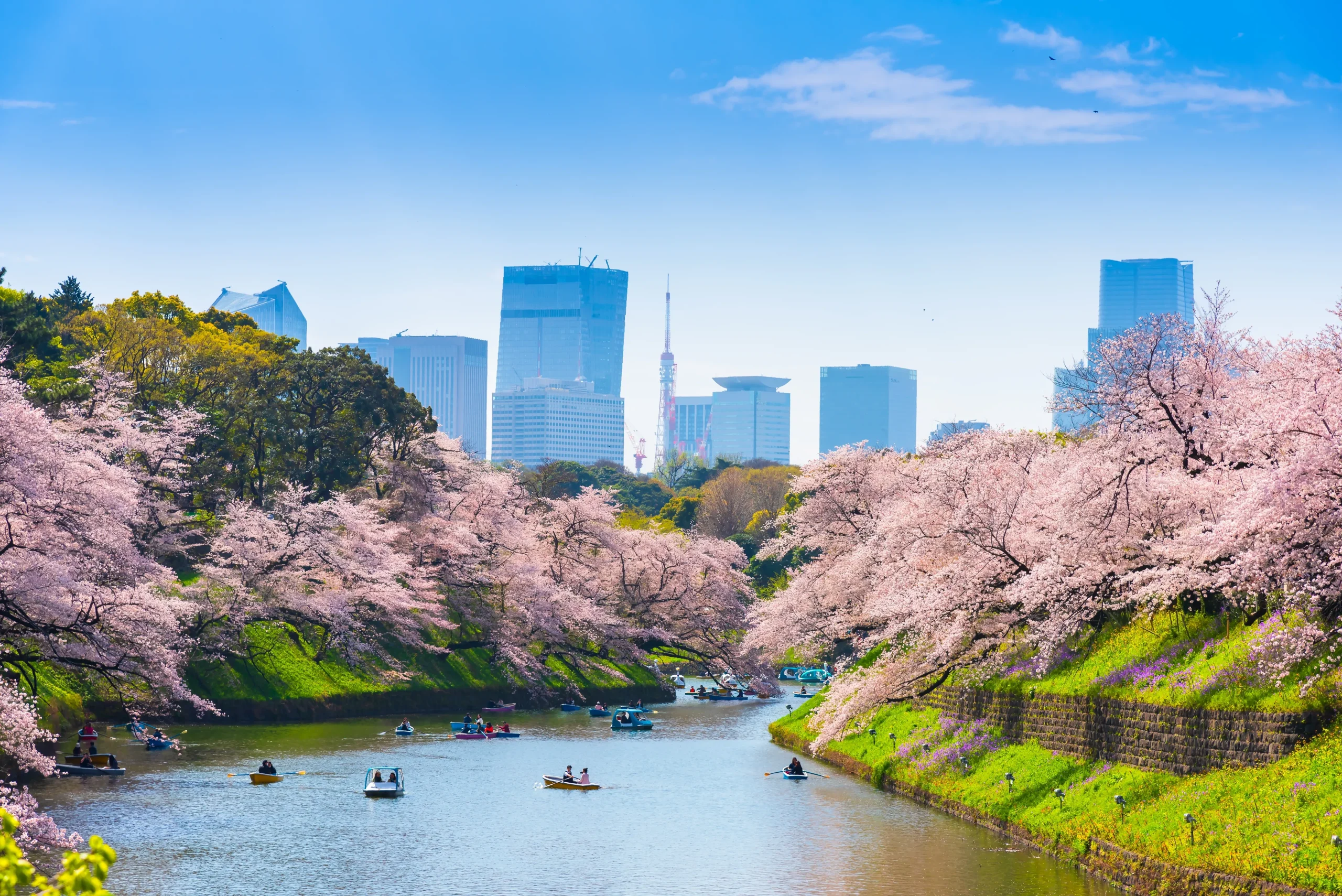
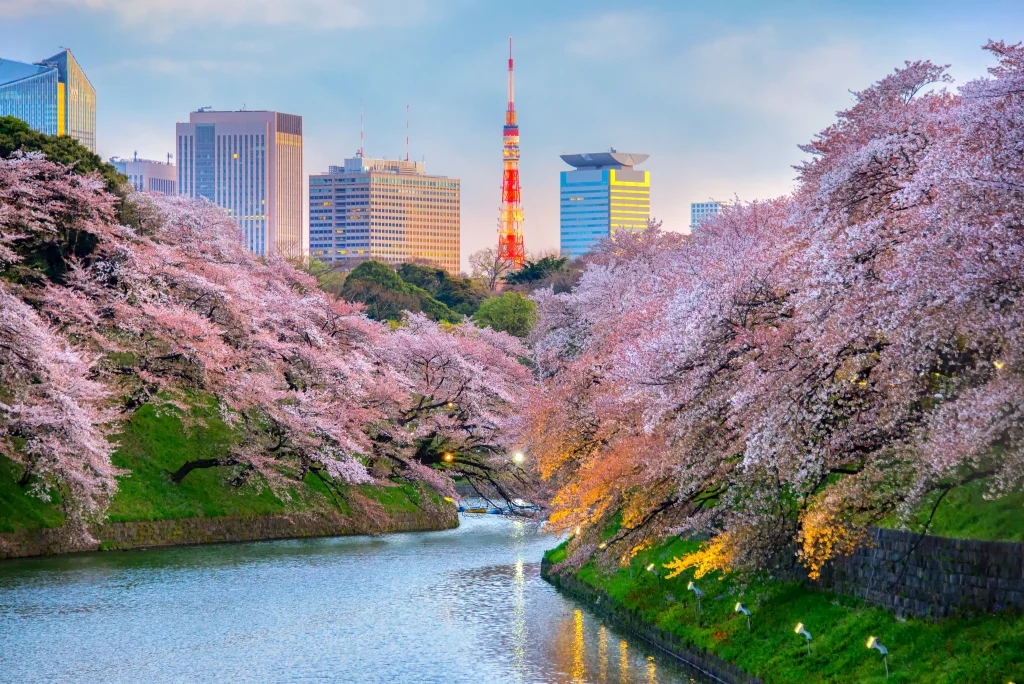
Just west of the Imperial Palace, the Chidorigafuchi Green Way offers one of Tokyo’s most enchanting cherry blossom walks. This 700-meter path follows the edge of the palace moat, lined with about 140 cherry trees—including the beloved Somei Yoshino. In spring, the trees arch over the water, creating a soft pink tunnel that draws visitors from all over the city.
What makes Chidorigafuchi truly special is the view from the water. Rent a rowboat from the nearby pier and float beneath the blossoms as they flutter overhead and reflect on the surface of the moat. It’s a peaceful, dreamlike experience—just minutes from the capital’s urban buzz.
In the evenings, soft illuminations light up the trees for the Chiyoda Sakura Festival, casting the walkway in a romantic glow. The path’s history as part of Edo Castle’s outer defenses adds another layer of depth, blending the legacy of the shoguns with the beauty of spring.
Rikugien
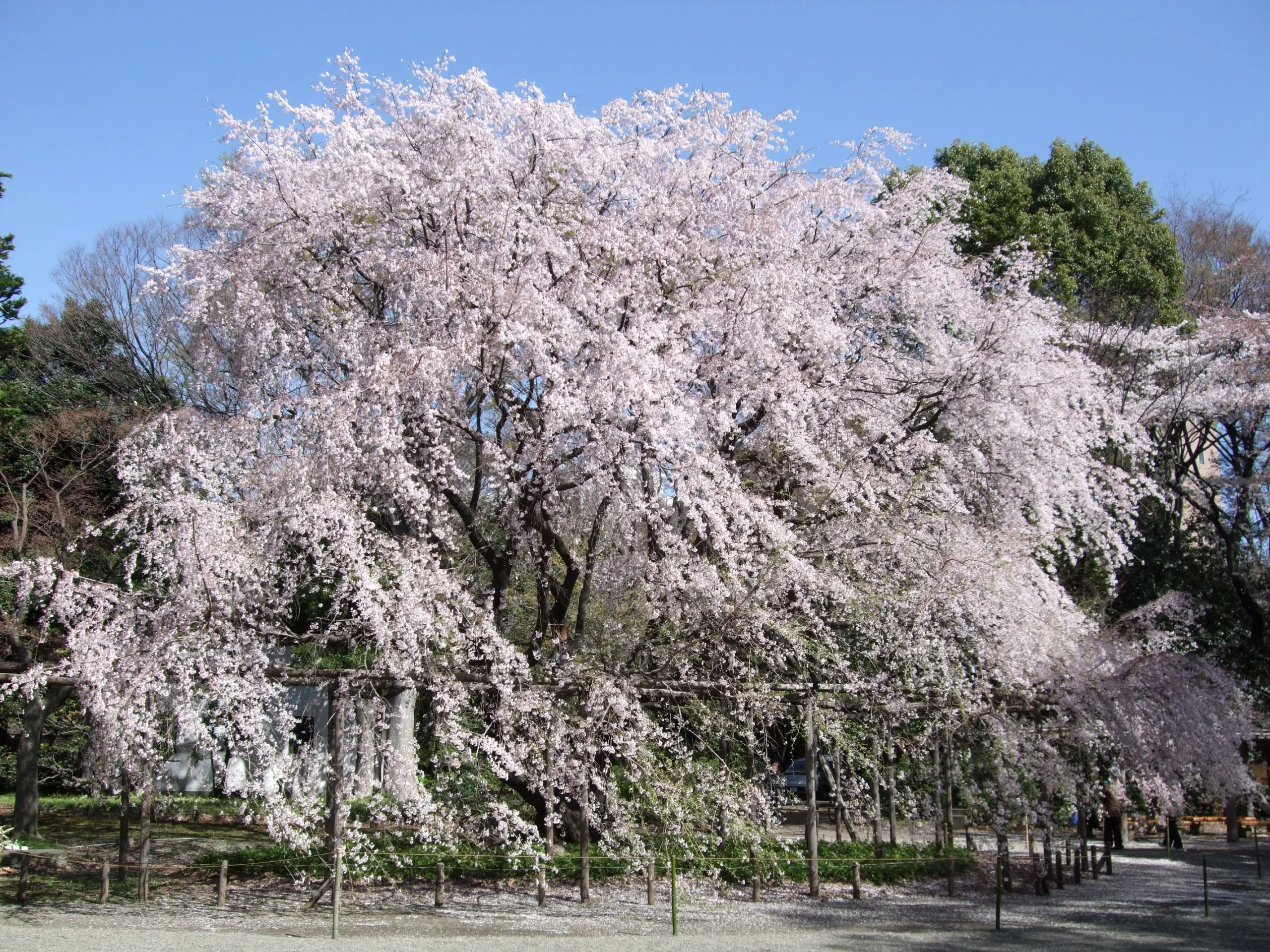
Tucked away in Tokyo’s Bunkyo Ward, Rikugien is a traditional Japanese landscape garden built in the early 18th century. With its winding paths, gentle hills, and reflective ponds, it offers a serene glimpse into Edo-period aesthetics—and in spring, it becomes one of the city’s most captivating cherry blossom spots.
The garden is home to around 80 cherry trees, but one in particular draws all eyes: a magnificent weeping cherry tree that stands over 15 meters tall and spreads nearly 20 meters wide. Its sweeping branches, heavy with pale pink petals, seem to pour toward the ground like a waterfall of blossoms.
Each year in late March, the tree is illuminated for a limited-time night viewing. Under soft lights, the blooms glow with a quiet radiance, transforming the garden into a dreamlike world of shadows and soft pinks.
Rikugien was created in 1695 by Yanagisawa Yoshiyasu, a samurai and trusted vassal of Shogun Tokugawa Tsunayoshi. It’s said that Tsunayoshi himself often visited, and his daughter, Princess Tsuruhime, would enjoy hanami here. Strolling these paths today connects you to that history—a rare moment where nature and heritage blend seamlessly.
Zojoji Temple
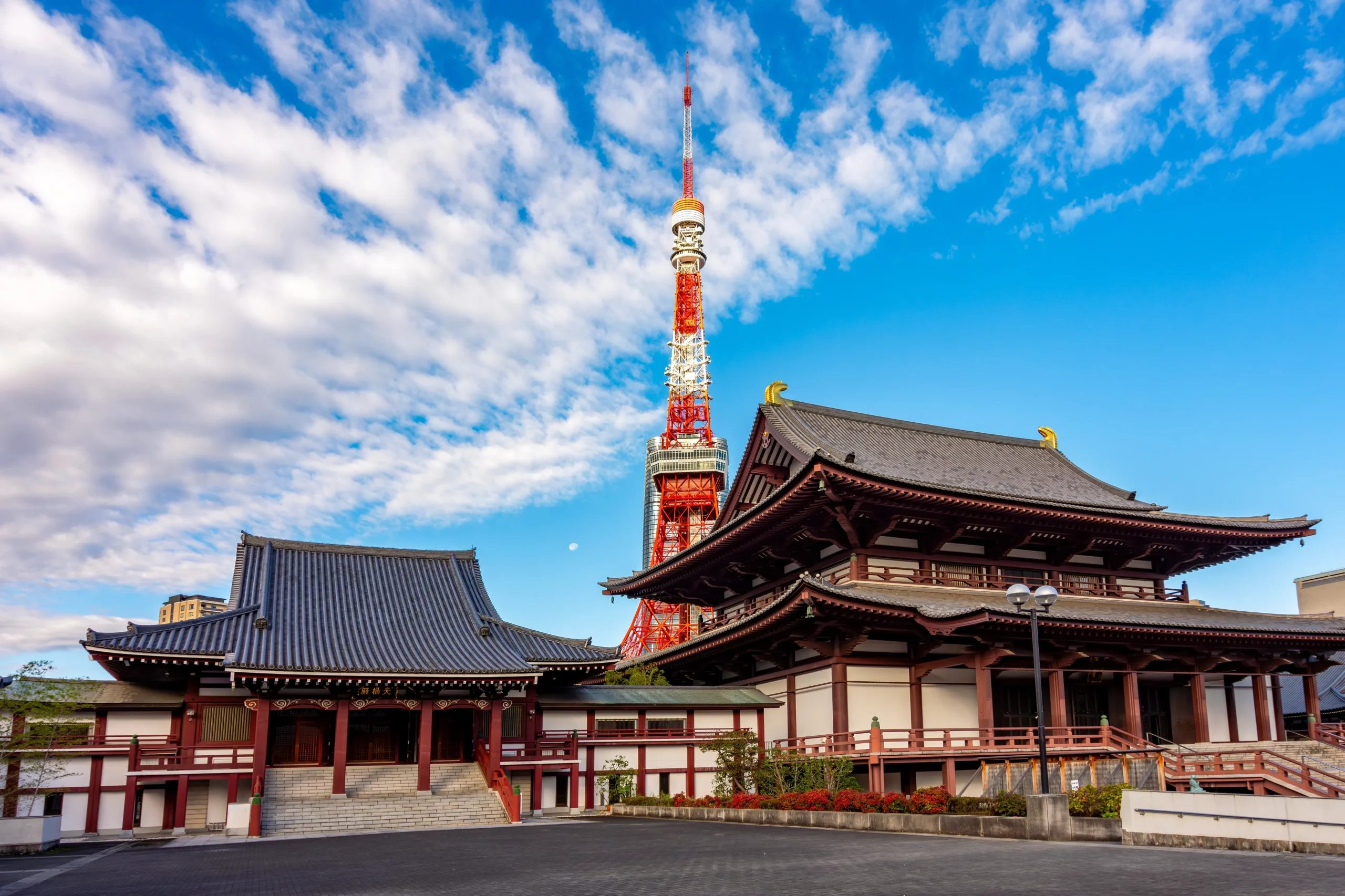
Few places capture the harmony of old and new quite like Zojoji Temple in spring. Located at the foot of Tokyo Tower, this historic temple offers one of Tokyo’s most iconic cherry blossom views—a striking contrast between traditional temple architecture and the gleaming red tower rising behind it.
About 200 cherry trees bloom across the temple’s expansive grounds, turning the site into a tranquil pink oasis. The most popular photo spot is from the front of the main hall, where you can frame the towering Tokyo Tower with blossoming trees and Zojoji’s stately roofline—a scene that feels both timeless and uniquely Tokyo.
Zojoji is more than just a pretty backdrop. As a former family temple of the Tokugawa shoguns, it holds deep historical and cultural significance, and its main structures are designated Important Cultural Properties of Japan. Spring here is not just about beauty—it’s about experiencing centuries of history set against the fleeting magic of cherry blossoms.
Tokyo Midtown
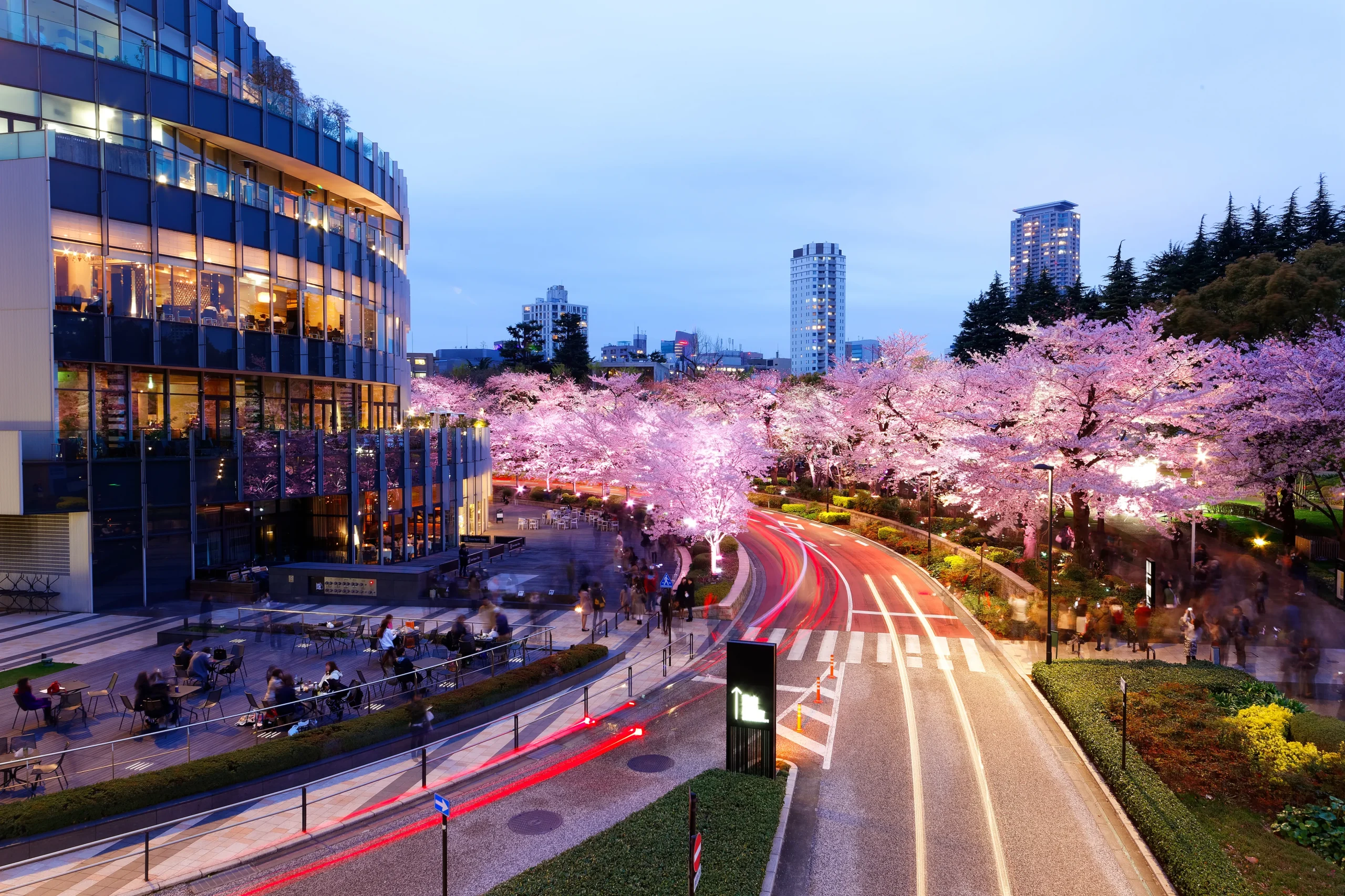
In the heart of Roppongi, Tokyo Midtown offers a rare blend of modern design and seasonal beauty. This stylish urban complex is home to around 100 cherry trees, primarily Somei Yoshino, lining a peaceful promenade known as Midtown Garden.
What makes this spot unique is its history. When the area was redeveloped from the former Defense Agency site, around 40 existing cherry trees were preserved and replanted, giving the new complex a natural connection to the past. Today, visitors can admire eight different types of cherry blossoms, making it a diverse and colorful destination during the hanami season.
The sakura here bloom beautifully against the backdrop of sleek architecture, and as evening falls, gentle illuminations add a romantic glow to the tree-lined paths. Whether you’re stopping by for a stroll, a picnic on the grass, or just a quick photo, Tokyo Midtown offers a refined and relaxing way to enjoy spring in the city.
Showa Kinen Park
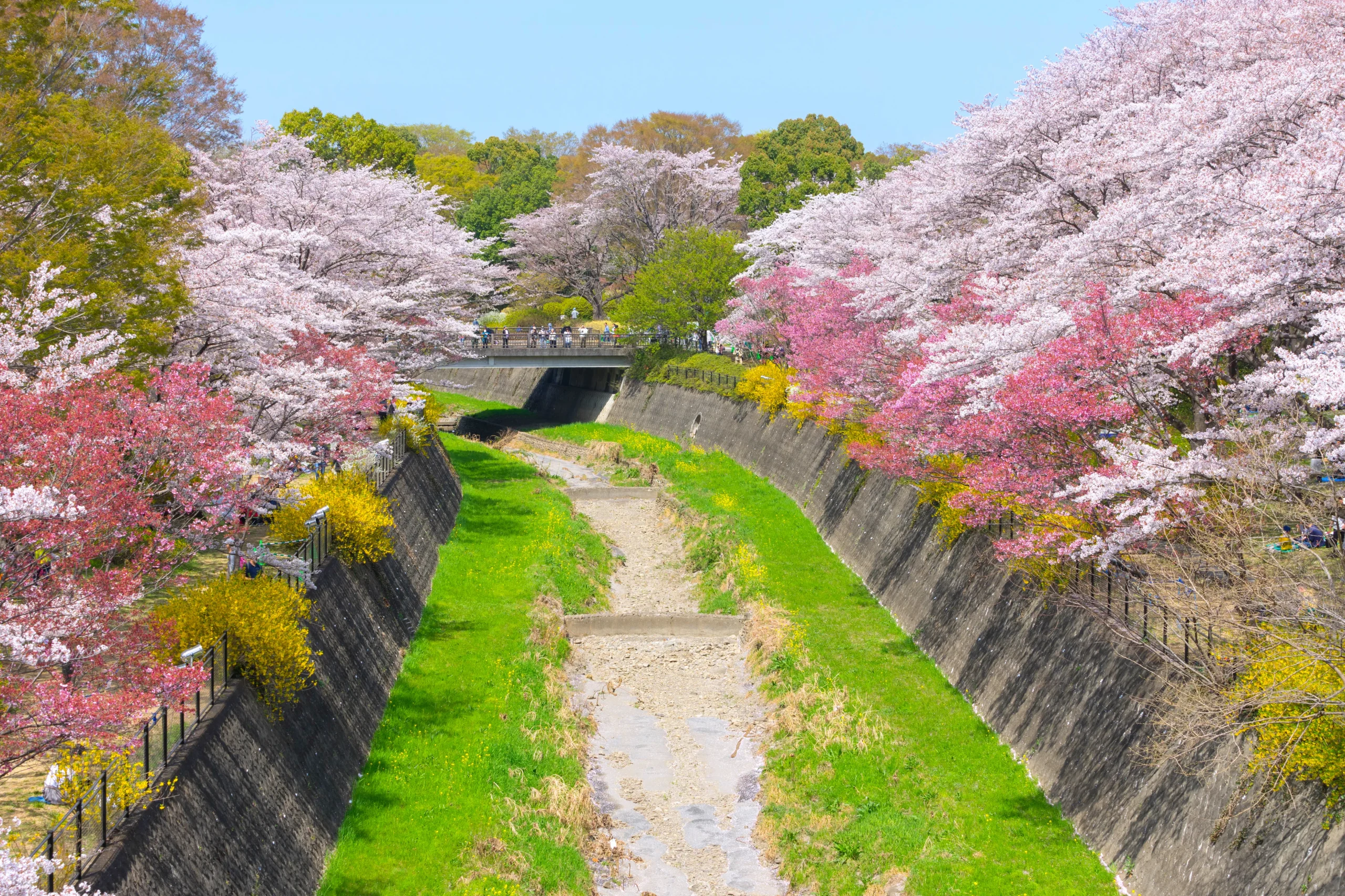
Looking to escape the crowds and enjoy cherry blossoms at a slower pace? Located in the suburbs of Tokyo, Showa Kinen Park is a spacious oasis with over 1,500 cherry trees spread across its vast grounds, making it one of the region’s top hanami spots.
Among its highlights is the Cherry Blossom Garden, where you’ll find majestic trees over 50 years old. Many of their branches gracefully droop to eye level, creating an intimate and immersive experience beneath the blossoms. Families often spread picnic mats here to enjoy a full day of springtime leisure.
Another must-see area is the Former Cherry Blossom Garden within the Hanamokuen (Flower Tree Garden). From the Fureai Bridge, you can admire the soft pink of Somei Yoshino, the vivid pink of Yokou cherry trees, and the golden yellow of forsythia lining the Zamborigawa River—a stunning tapestry of seasonal color.
With wide lawns, seasonal flower displays, and plenty of space for kids to run around, Showa Kinen Park is perfect for a relaxed, family-friendly hanami day outside the city center.
3 Cherry Blossoms Festival in Tokyo, 2026
Sumida Park Cherry Blossom Festival
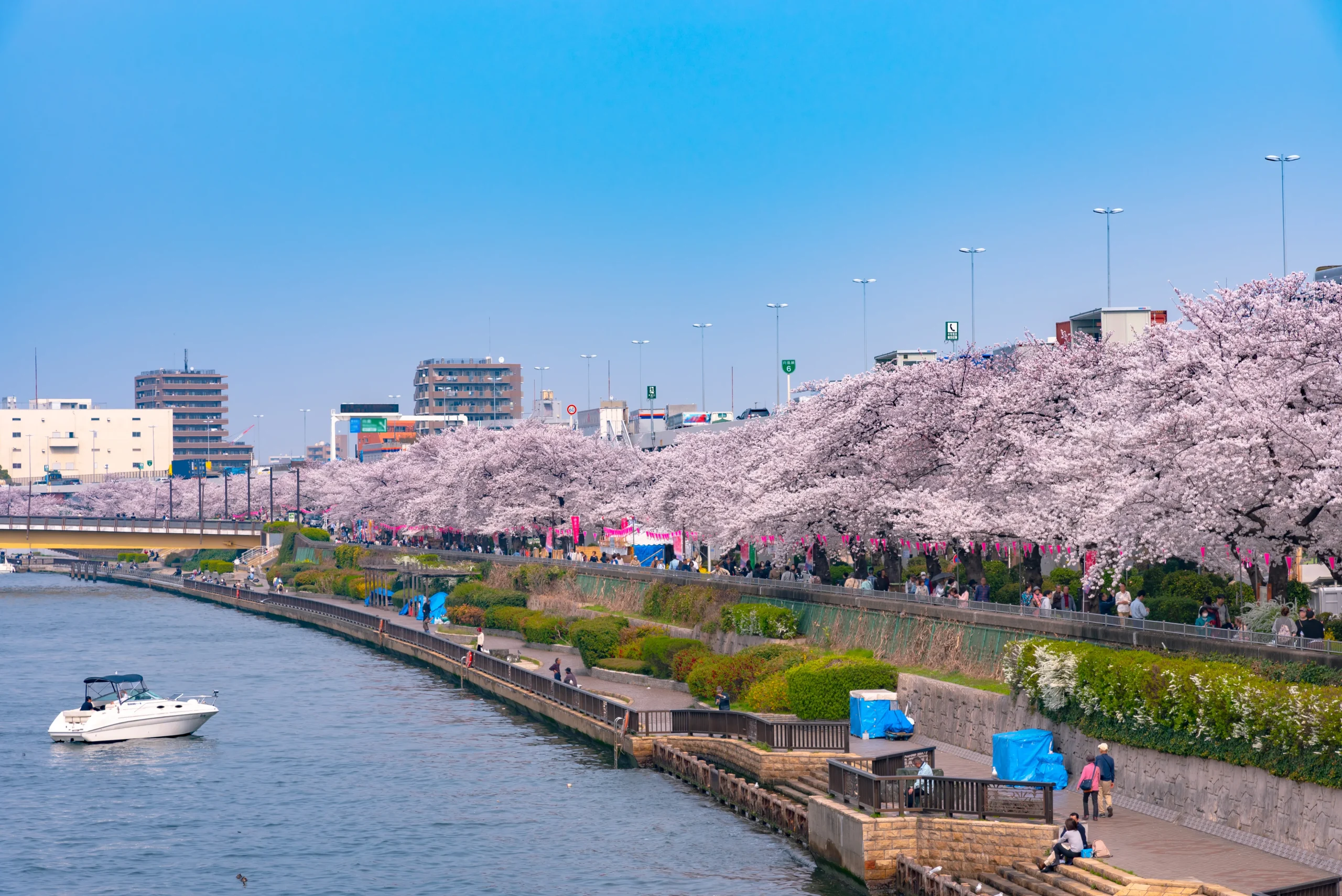
Sumida Park transforms into a riverside celebration of cherry blossoms, history, and local tradition in spring. Located along both banks of the Sumida River, this beloved hanami spot features around 700 cherry trees stretching over a kilometer—some originally planted during the time of Shogun Yoshimune Tokugawa, lending the park a sense of timeless charm.
From mid-March to early April, the Sumida Park Cherry Blossom Festival brings the area to life with lantern-lit evenings, lively crowds, and festive events like the Bokutei Sakura Festival and scenic water parades. After sunset, the soft illumination of the blossoms creates a magical contrast to the bustling city around you—a moment of beauty that feels both grand and intimate.
Whether you’re strolling beneath blooming branches or admiring the river’s gentle reflections, Sumida Park offers a deeply rooted and unforgettable way to experience Tokyo in spring.
Nakameguro Cherry Blossom Festival
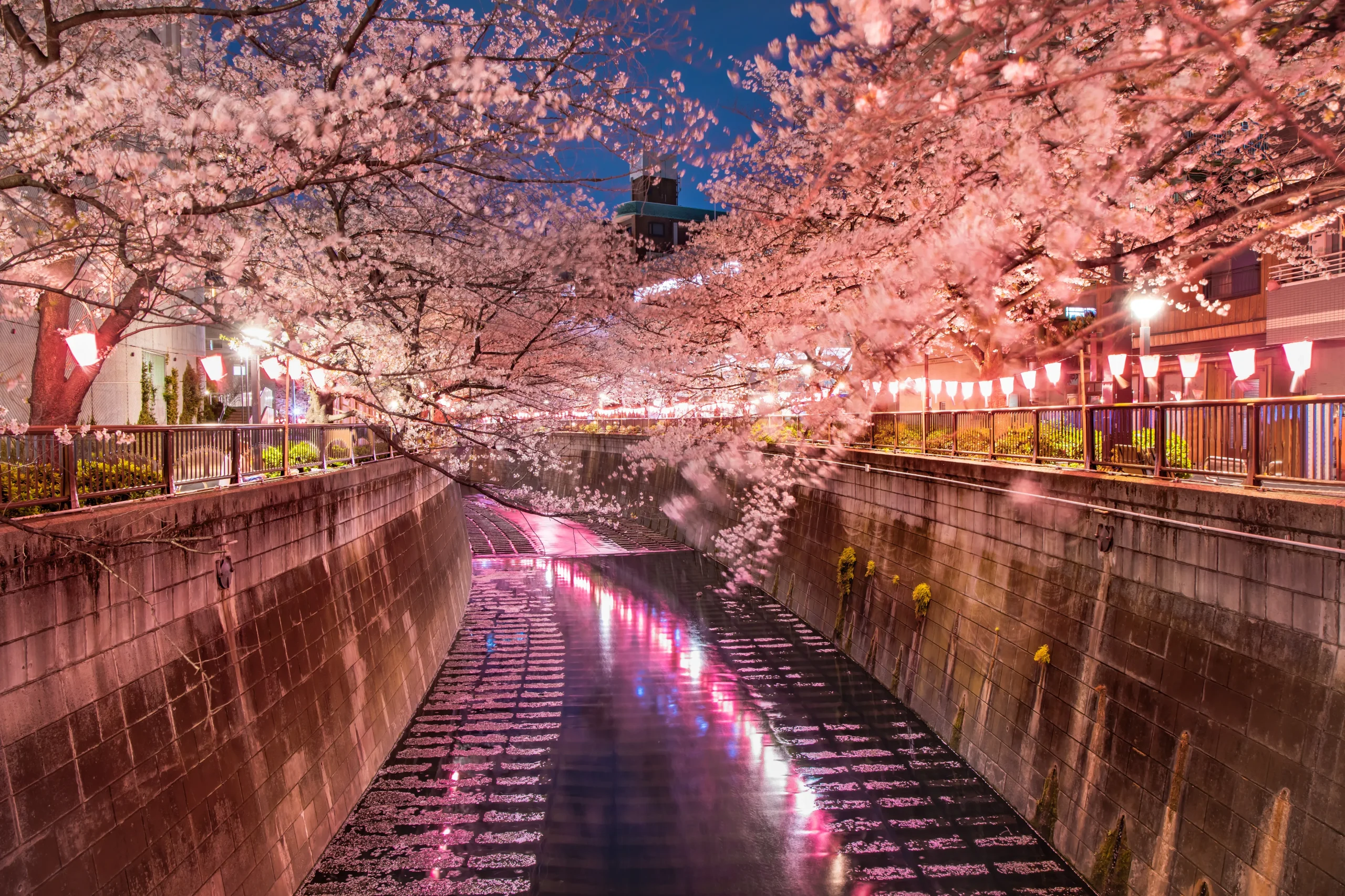
Each spring, Nakameguro comes alive with soft pink petals and the gentle flow of the Meguro River. Lined with approximately 800 cherry trees over a 4-kilometer stretch, the riverside transforms into one of Tokyo’s most iconic hanami destinations. From classic Somei Yoshino to elegant weeping cherry trees, a variety of blossoms bloom together in a breathtaking spring display.
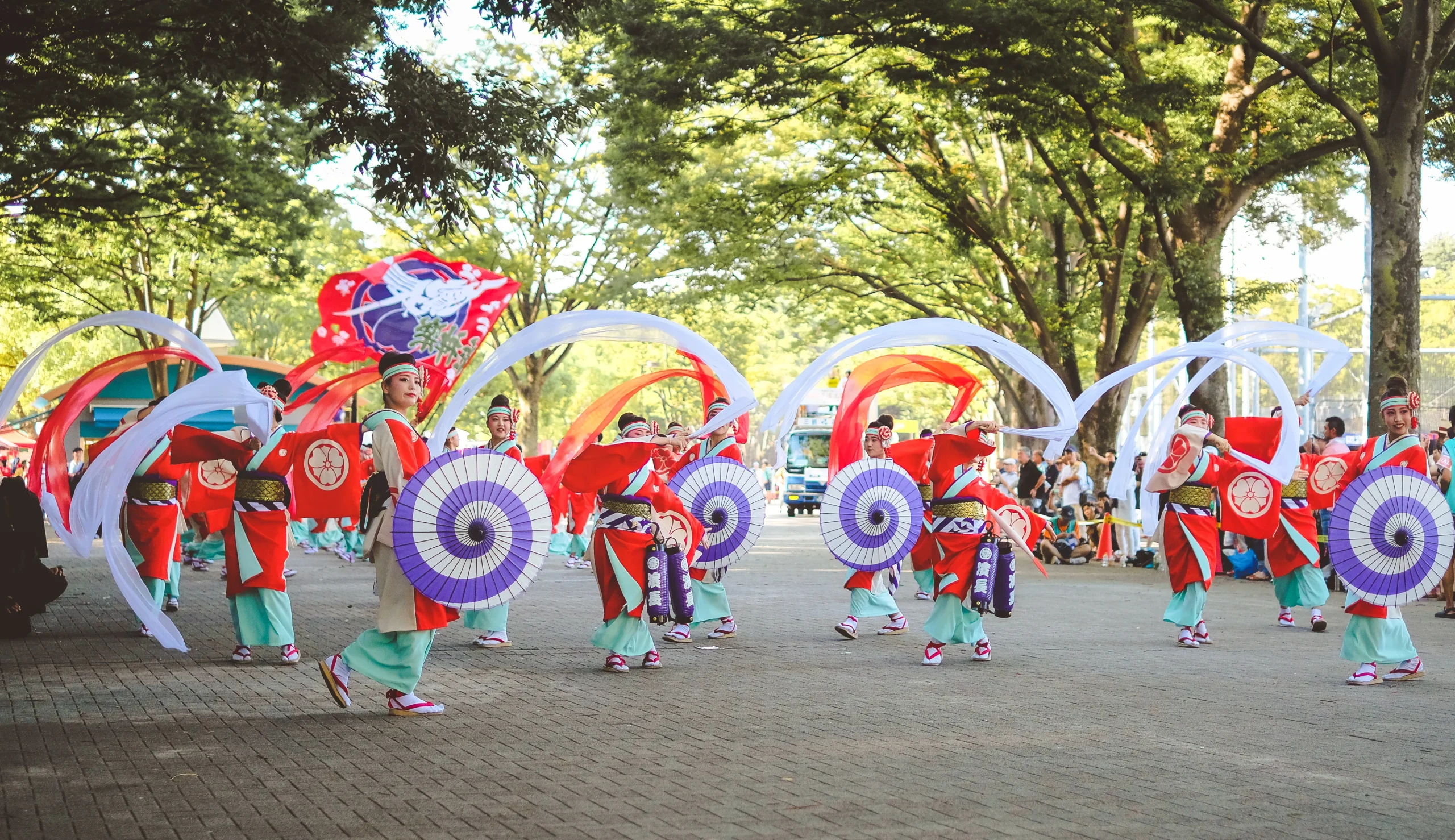
During the Nakameguro Cherry Blossom Festival, held in late March, the area buzzes with festive energy. Lantern-lit paths invite evening strolls, while live music and dance performances add a joyful rhythm to the scene. It’s a celebration that draws both locals and visitors to experience the magic of spring in the heart of the city.
For a truly memorable view, consider taking an open-top boat ride along the river. From the water, you’ll see cherry blossoms reflected on the surface and enjoy a quiet escape from the crowds—an intimate way to soak in the beauty of the season.
What began as a flood control project decades ago—building embankments and planting cherry trees along the newly widened river—has since grown into one of Tokyo’s most beloved spring traditions. Today, Meguro River is not just a place to see cherry blossoms, but a symbol of how nature, community, and celebration can come together.
Ueno Cherry Blossom Festival
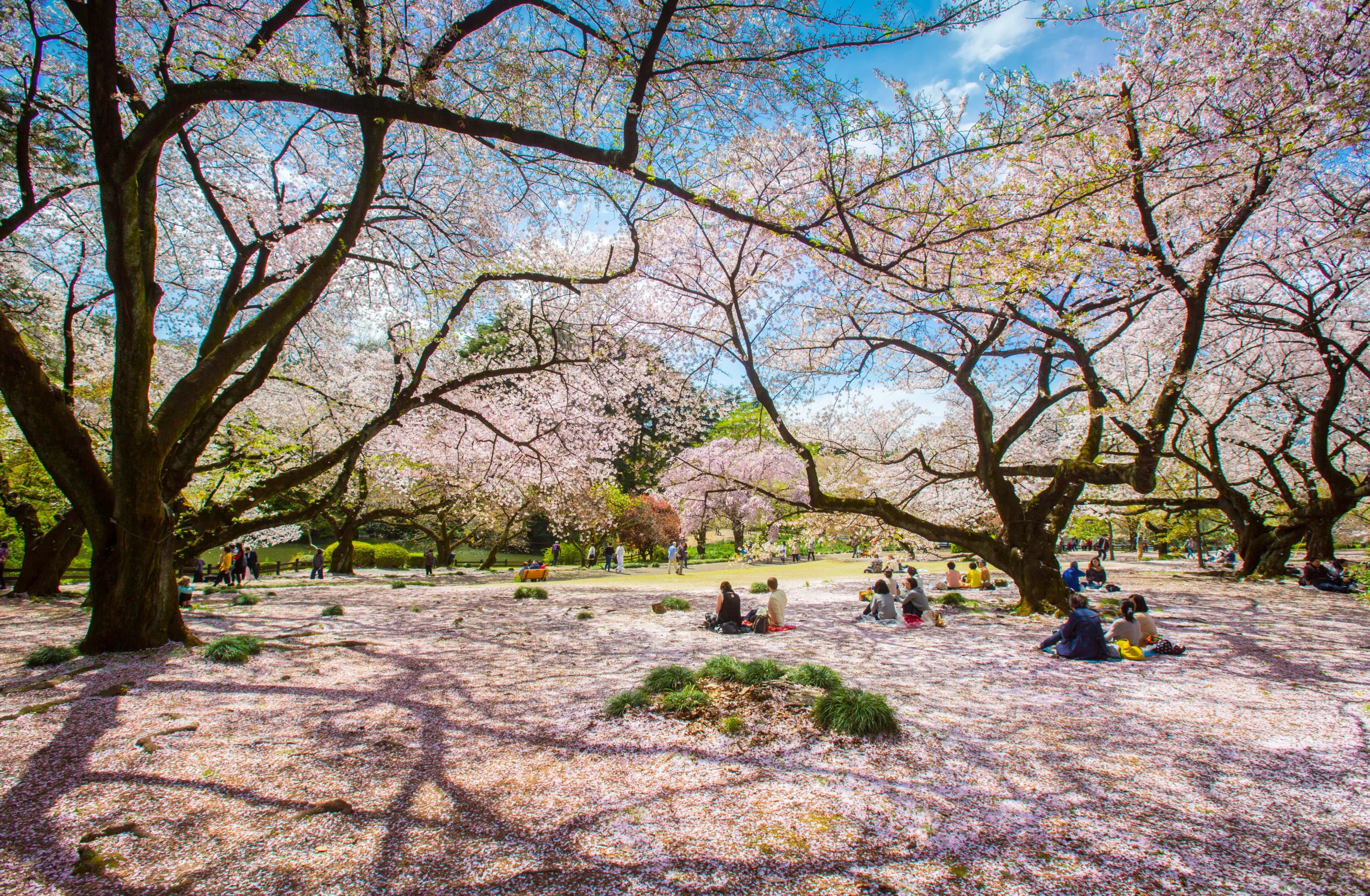
Ueno Park is one of Tokyo’s most iconic cherry blossom spots, with a history that traces back to trees transplanted from Mount Yoshino in Nara. Each year from late March to early April, the Ueno Cherry Blossom Festival brings this beloved park to life with vibrant blooms and traditional festivities.
Designated as one of the 100 Best Cherry Blossom Spots in Japan, the park features a wide range of varieties including Kanzakura, Somei Yoshino, and rare blossoms like Komatsu Otome and Ueno Shirayuki Shidare, which were developed right here in Ueno.
During the festival, designated hanami (flower viewing) spaces fill with locals and visitors enjoying picnics under the blossoms. At night, bonbori lanterns illuminate the tree-lined paths, and the cherry trees along Shinobazu Pond are also lit up for magical evening strolls.
Whether you’re here for the blossoms or the lively festival atmosphere, Ueno Park offers a chance to experience hanami as locals have for generations.
The Different Varieties of Cherry Blossoms in Tokyo
Somei Yoshino
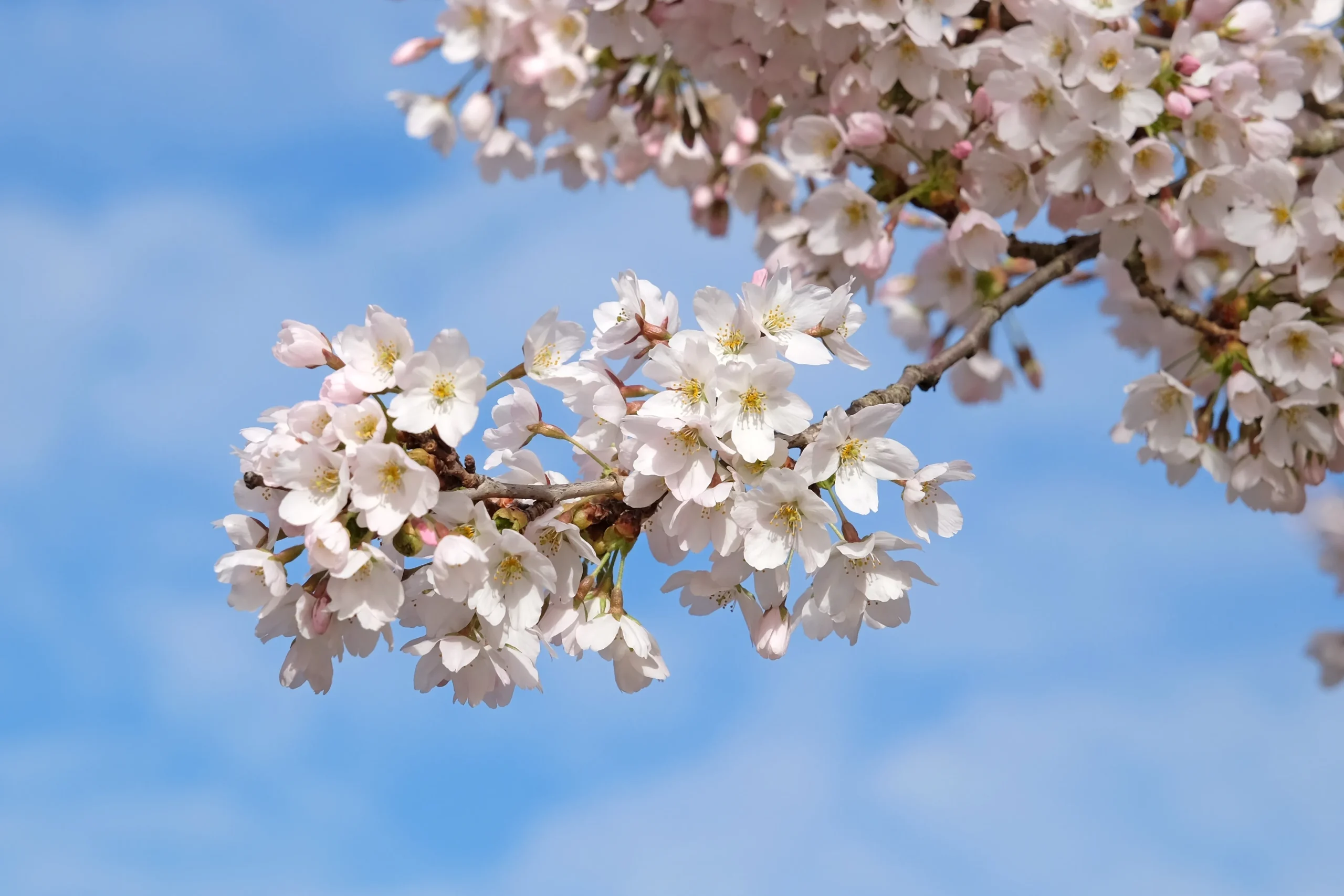
Somei Yoshino is Japan’s most iconic and widely planted cherry blossom variety. First cultivated during the Edo period, this beloved species has become a national symbol of spring. It is propagated through grafting, which means each tree is genetically identical—preserving its delicate beauty for generations. However, with a relatively short lifespan of around 70 years, replanting efforts are ongoing to sustain its presence in parks and gardens.
These blossoms feature five single-layered petals and bloom in soft clusters of three to five. When they first open, the petals are a gentle pale pink, gradually fading to almost white at full bloom. This subtle transformation reflects the fleeting nature of beauty—a core theme in Japanese aesthetics—and cements Somei Yoshino as a timeless emblem of spring.
In Tokyo, Somei Yoshino typically begins to bloom around March 25, reaching full bloom in early April. It is also the official benchmark used in cherry blossom forecasts across Japan.
In the language of flowers, Somei Yoshino symbolizes purity, elegance, and nobility—qualities echoed in its graceful simplicity and serene charm.
Where to See Somei Yoshino in Tokyo
- Yoyogi Park
- Shinjuku Gyoen National Garden
- Chidorigafuchi Green Way
- Zojoji Temple
Shidarezakura
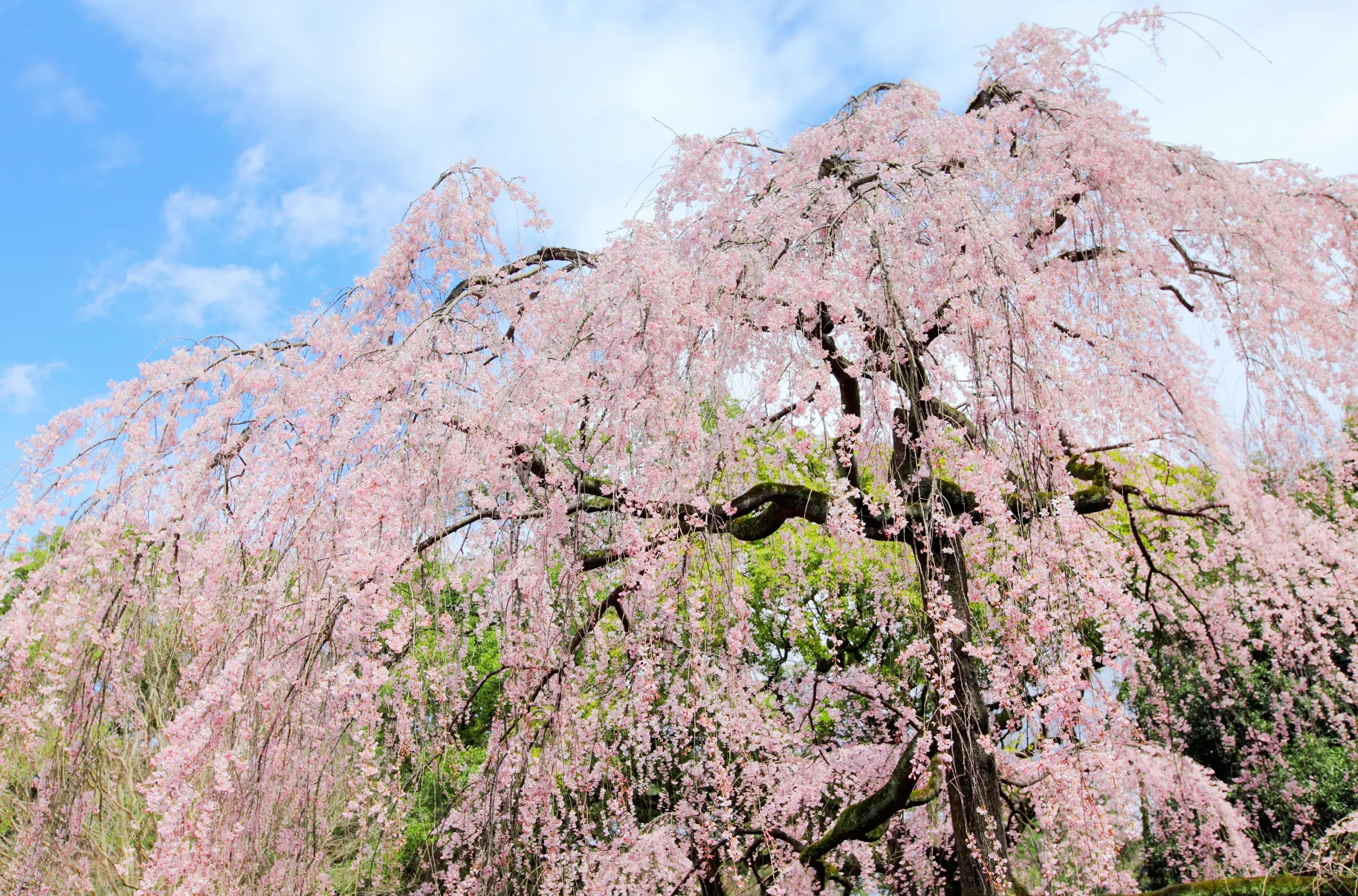
Shidarezakura, or “weeping cherry,” refers to a type of cherry tree with long, slender branches that gently cascade downward. Most varieties are derived from the native Edohigan species and have been cultivated for their flowing shape and delicate appearance. The blossoms open in pale pink and gradually lighten to near white, creating a soft, ethereal effect. Each tree has subtle differences in color and form, giving every viewing experience a sense of uniqueness and quiet surprise.
Shidarezakura usually blooms about a week earlier than Somei Yoshino. For travelers hoping to catch these blossoms at their peak, an early spring visit is ideal. Their early bloom is often seen as the harbinger of spring in many gardens and temples across Japan.
In flower symbolism, Shidarezakura carries contrasting meanings: grace and mature beauty, but also deception, due to its drooping form that seems to conceal something beneath. Yet this complexity only adds to its poetic charm.
Where to See Shidarezakura in Tokyo
- Rikugien
- Nishi-Arai Daishi Temple
- Koishikawa Korakuen Gardens
- Ogugunohara Park
Yaezakura
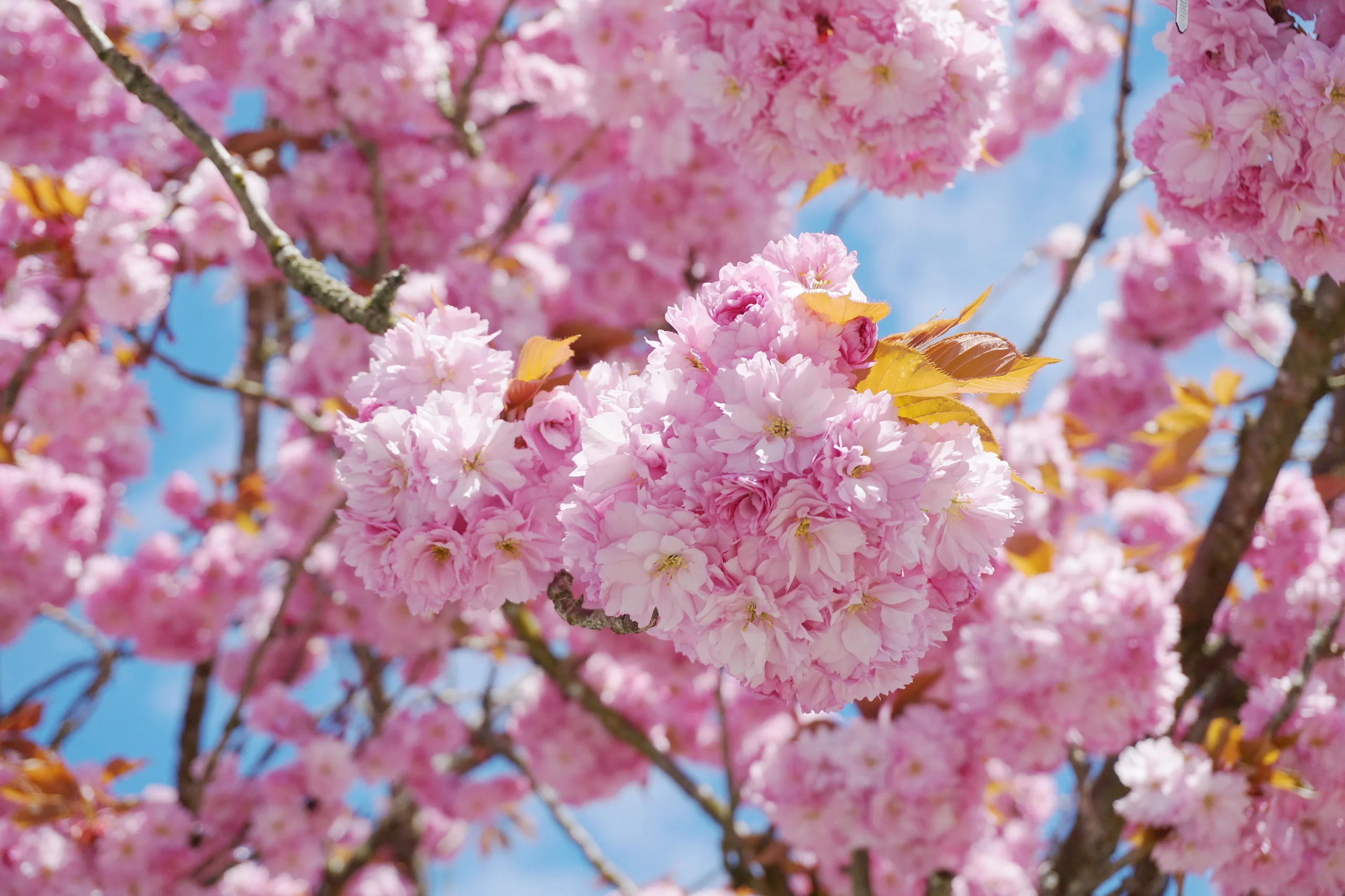
Yaezakura refers to cherry blossoms with six or more petals per flower, as opposed to the five petals of most standard varieties. Some cultivars boast over 300 petals per bloom, resulting in a lush, ruffled appearance and rich, vibrant colors. These late-blooming cherries typically open one to two weeks after Somei Yoshino—extending the cherry blossom season and offering a second chance for hanami after the earlier petals have fallen. Their dramatic presence brings a fresh wave of beauty to spring landscapes.
Yaezakura has been cherished for centuries, even appearing in the Manyoshu, Japan’s oldest collection of poetry. Today, it is still closely associated with cultural and artistic traditions. In hanakotoba (the language of flowers), Yaezakura represents refinement and grace. With its layered beauty and dignified presence, it stands as a symbol of enduring elegance and a deeper connection to Japan’s seasonal heritage.
Where to See Yaezakura in Tokyo
- Hama-rikyu Gardens
- Shinjuku Gyoen National Garden
- Ueno Park
- East Garden of the Imperial Palace
Want to Experience Cherry Blossoms in Japan?
Cherry blossoms bloom across Japan from late March to early April, reaching major cities like Tokyo, Kyoto, and Osaka during this narrow window of beauty. But because this season is so brief—and so beloved—travel demand is incredibly high. Hotels, experiences, and guides book up fast.
If you want to make the most of spring in Japan without the hassle of planning every detail, consider joining the Authentic Sakura Trail Private Tour.
Why Join Our Spring Private Tour?
- Visit over 6 iconic destinations in just two weeks, efficiently planned to match peak bloom
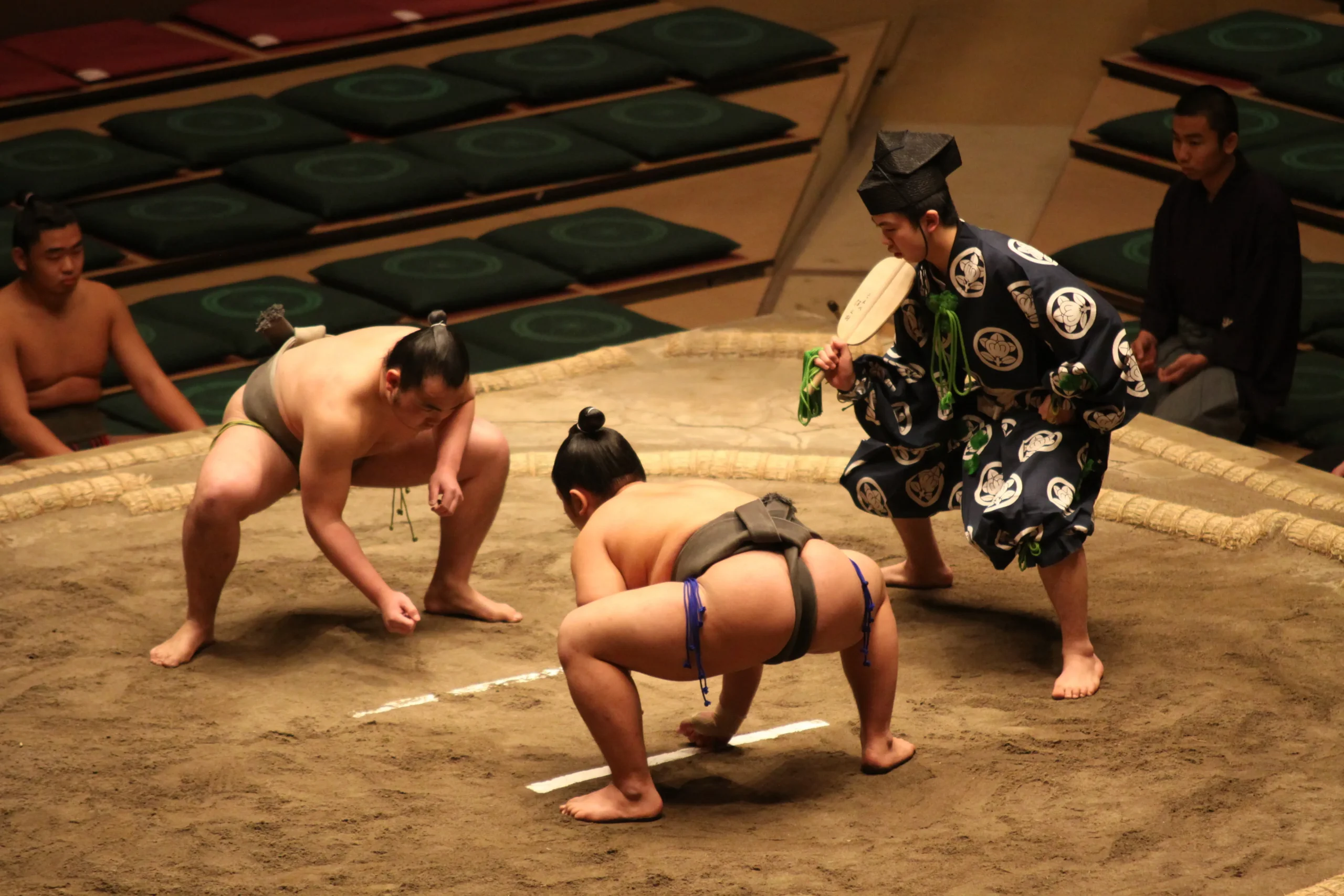
- Enjoy exclusive cultural experiences that are often difficult to book independently—such as a sumo show, tea ceremony and more.
- Travel comfortably with an English-speaking guide, so you can relax and take in the beauty around you
Make your cherry blossom dream come true—secure your spot now.