Japanese gardens are admired both in Japan and around the world for their harmonious blend of natural beauty and tranquility. Deeply rooted in Japanese culture, these gardens showcase the beauty of the changing seasons, making them endlessly captivating. Every element- stones, plants, and water- is carefully arranged to create a serene, immersive experience for visitors.
In this article, we explore the defining features of Japanese gardens, highlight key elements that shape their beauty—from water basins to water bamboo—and guide you to the real gardens across Japan where these elements come to life. By understanding the timeless appeal of Japanese gardens, you can fully appreciate their ability to inspire peace and harmony with nature, and start planning where to experience it for yourself.
Defining Features of Japanese Gardens

Japanese gardens are designed to reflect the beauty of nature while capturing the essence of the changing seasons. Their origins date back to before the Heian period, when early designs were influenced by Chinese gardens. Over time, especially during the Heian period, Japanese gardens developed their own distinct style, incorporating Zen principles and traditional aesthetics to gradually evolve into the designs we see today.
A key principle in Japanese garden design is “eliminating excess and using negative space.” These gardens skillfully condense vast landscapes- mountains, rivers, and forests- into smaller, meticulously arranged spaces. Elements like stones, water, and plants aren’t just decorative; they embody Zen philosophy and Japan’s deep respect for harmony with nature.
Another defining feature of Japanese gardens is the use of “shakkei” or “borrowed scenery”. This technique incorporates natural surroundings, such as distant mountains or nearby landscapes, into the garden’s design, creating a sense of expansiveness beyond its physical boundaries. By incorporating shakkei, even compact gardens can feel endless and majestic, conveying the grandeur of nature.
The Charm of Japanese Gardens

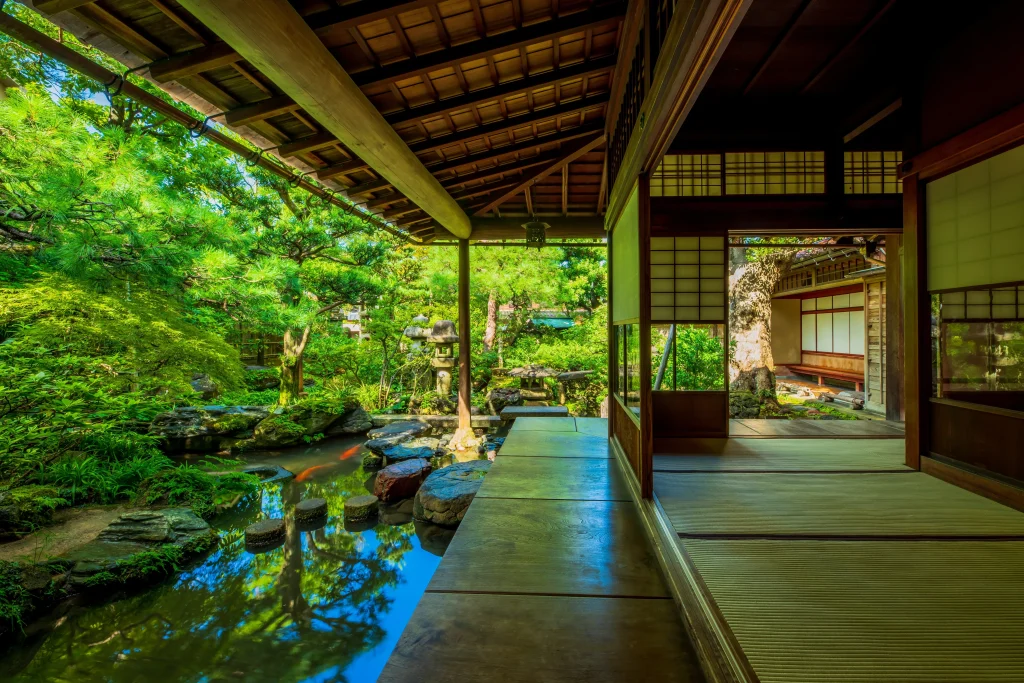
The true allure of Japanese gardens lies in their tranquility and deep connection with nature. Stepping into one feels like time slows down, offering a peaceful retreat from the rush of daily life. Stones, water, and plants are thoughtfully arranged to create a sense of balance and harmony- a signature of Japanese garden design.
The beauty of Japanese gardens is also reflected in the changing seasons. In spring, cherry blossoms and plum trees paint the landscape in soft pinks; summer brings lush, vibrant greenery; autumn sets the garden ablaze with red and gold; and winter covers it in quiet snow, creating a sense of stillness. These seasonal transitions make each visit a unique experience, revealing new details and moments of awe.
Another defining feature of Japanese gardens is their emphasis on “ma,” the concept of space and stillness. This sense of openness invites visitors to slow down, reflect, and connect with nature. It offers a chance to step away from life’s clamor and appreciate “wabi-sabi,” the Japanese philosophy of finding beauty in imperfection and impermanence. More than just places to admire, Japanese gardens are sanctuaries for quiet contemplation and a deeper communion with nature.
Key Elements of Japanese Gardens
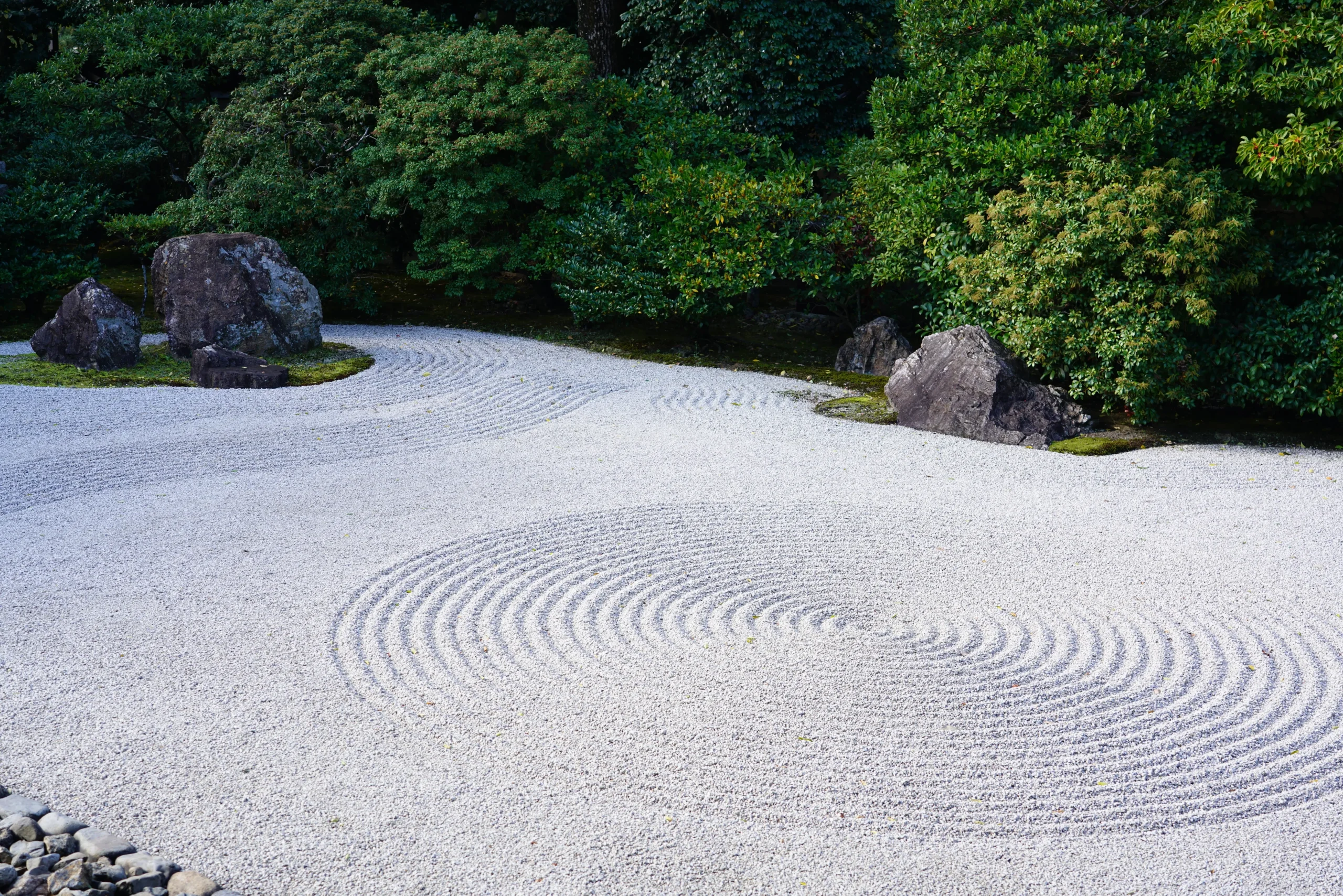
Japanese gardens are carefully designed with essential elements that come together to create a sense of harmony and tranquility. Let’s explore each element in detail.
Water Basins
Water basins, an essential feature of Japanese gardens, provide a space to display bonsai and flowers, while adding to the garden’s peaceful atmosphere. More than just decorative structures, they allow visitors to admire the gentle movement of water and its reflections, which bring a sense of stillness and embody harmony and tranquility.
The water in these basins is often kept still, mirroring the peaceful, slow-moving rhythm of the natural surroundings. A passing breeze may create subtle ripples, or sunlight may shimmer on the surface, offering brief yet beautiful moments that capture the essence of Japanese gardens. Additionally, the bonsai and flowers displayed reflect the changing seasons, inviting visitors to notice and appreciate nature’s quiet transformations.
Sand, Gravel, and Stones
Sand, gravel, and stones are fundamental elements of Japanese gardens, carefully arranged to create a sense of balance and harmony . Karesansui, or dry landscape gardens, stand out as a well known example, using sand and stones to represent flowing water without the presence of actual water. This style is not only visually striking but also deeply tied to Zen philosophy.
Raked patterns in the sand, such as waves or ripples, depict ocean currents, reflecting the flow of life within stillness. These designs symbolize the impermanence of existence and the cyclical nature of life- both central themes in Zen teachings. Swirls and waves depict rivers or seas, while the pure white sand represents purity and the fleeting nature of life. By integrating these symbolic elements, the garden becomes more than a decorative space- it transforms into a place for contemplation and mindfulness.
In karesansui, sand and stones take on a deeper meaning, symbolizing tranquility and harmony. Their arrangement and intricate patterns invite quiet contemplation, calming the mind and fostering a connection with nature’s rhythm. The beauty of these gardens lies not just in their appearance, but also in the serene, meditative philosophy they embody.
Ponds, Waterfalls and Stream
Ponds, waterfalls, and streams are essential features of Japanese gardens that bring movement and life while maintaining a sense of tranquility. Water creates a natural balance, adding both visual beauty and soothing sounds to the space.
Ponds often serve as the heart of the garden, reflecting the surrounding landscape like a pristine mirror. The water’s still surface captures the sky, trees, and other natural elements, adding depth and a sense of connection to nature. Lotus flowers, gracefully swimming koi fish, small islands, and arched bridges enhance the scene, creating a peaceful space for quiet reflection.
Waterfalls, on the other hand, bring dynamic energy and contrast. The sound of cascading water adds a rhythmic serenity that balances the garden’s stillness. Beyond their beauty, waterfalls often symbolize purification. In Zen and religious gardens, they are designed to cleanse the mind and spirit, giving them a deeper meaning.
Streams introduce subtle motion, weaving through the garden with a soft, flowing presence. Their quiet murmur and delicate ripples create a calming atmosphere, inviting visitors to slow down and feel at peace. More than just decorative elements, these water features symbolize harmony, renewal, and a deep connection with nature.
Bridges and Islands
In Japanese gardens, bridges play a key role in connecting different pathways and guiding visitors through the landscape. Their designs vary widely, ranging from arched wooden bridges to straight stone structures, depending on the garden’s theme and style. Beyond their practical function, bridges add visual interest and a gentle sense of movement, contributing to the garden’s natural rhythm. By blending into their surroundings, they enhance the tranquil atmosphere and create moments of transition and discovery.
Islands within ponds also add depth and dimension to the garden’s scenery. Known as “dejima,” these islands are thoughtfully placed to enhance perspective and create a sense of space. They draw the eye outward, inviting quiet reflection. “Nakajima,” or central islands, often carry symbolic meanings, representing longevity and prosperity. For example, “Tsurushima” (crane island) and “Kamijima” (turtle island) symbolize long life and happiness, embodying the deep cultural traditions of Japan.
The Role of Water Bamboo in Japanese Gardens

Water bamboo embodies the harmony and beauty of water in Japanese gardens, serving both practical and aesthetic purposes. Its natural curves and textures enhance the garden’s scenery, while the soft sound of water flowing through bamboo adds to the serene atmosphere. By blending sights and sounds, water bamboo creates a fully immersive experience that engages all the senses.
On a practical level, bamboo helps regulate water flow in ponds and basins, supporting the garden’s ecological balance and reflecting the philosophy of living in harmony with nature. Two common uses of water bamboo in Japanese gardens are shishi-odoshi and kakei.
A shishi-odoshi is a simple bamboo device where water fills a hollow pipe, causing it to pivot and strike a stone with a gentle, rhythmic sound as it empties. Originally, it was used to scare away animals from crops and gardens, but today it acts as an acoustic feature, adding a soothing rhythm to the peaceful garden.
A kakei, on the other hand, channels water to a temizu-bachi (water basin), often found in temple and shrine gardens. Visitors use these basins for ritual purification, washing their hands and mouths before prayer. The sound of water flowing through the bamboo creates a sense of harmony with nature, promoting inner peace, and spiritual reflection.
Together, shishi-odoshi and kakei show how Japanese garden design connects nature, function, and beauty, offering visitors a tranquil and deeply immersive experience.
Tea Gardens

Tea gardens are peaceful spaces designed to reflect the spirit of the Japanese tea ceremony and the aesthetic principles of wabi. These gardens were first envisioned by Sen no Rikyū, a renowned tea master and advisor to Toyotomi Hideyoshi. He introduced wabi culture through small, intimate tea gatherings in modest tea rooms. This vision helped shape the simple, quiet beauty of tea gardens, offering a tranquil place to calm the mind and spirit before entering the tea room.
The concept of wabi finds beauty in imperfection, transience, and the natural world. Guided by this philosophy, tea gardens avoid elaborate decorations, instead focusing on simplicity and harmony with nature. They are meant to provide a quiet, reflective space away from the distractions of everyday life. Tea gardens also symbolize purification, giving visitors a chance to pause and find calm before the tea ceremony.
Key features of tea gardens include tsukubai (stone water basins), tobiishi (stepping stones), and shikishi (paving stones). Tsukubai are used for ritual purification, where guests wash their hands and mouths before entering the tea room as a gesture of respect and humility. Tobiishi and shikishi guide visitors along the garden path, encouraging them to move slowly and appreciate the natural elements beneath their feet.
Other elements, like stone lanterns, moss, and carefully arranged trees and shrubs, add to the garden’s peaceful atmosphere, creating a serene and balanced environment. By focusing on these subtle details, visitors can fully experience the simple beauty and contemplative spirit of tea gardens.
Where to Experience Japan’s Most Celebrated Gardens
Reading about these design principles is one thing; walking through them is another. Japan is home to thousands of gardens, but a handful stand out as essential experiences for any visitor drawn to this tradition.
The Three Great Gardens of Japan
Known as Nihon Sanmeien, these three gardens are considered the pinnacle of Japanese landscape design, each built by a feudal lord during the Edo period and later opened to the public.
Kenrokuen | Kanazawa
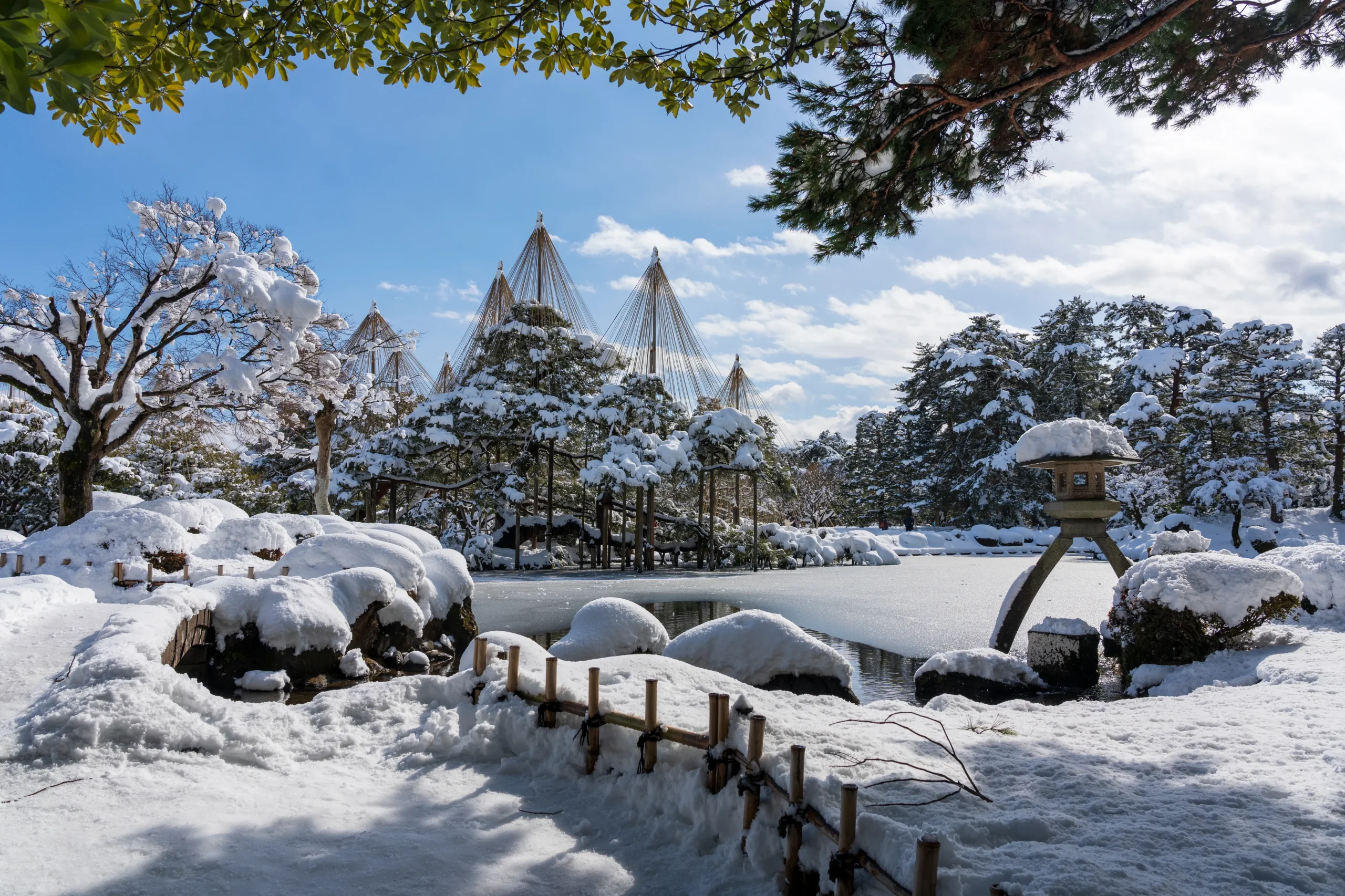
Kenrokuen (Kanazawa) earns its name, “Garden of the Six Sublimities,” by achieving all six qualities that classical Chinese garden theory holds as ideal: spaciousness, seclusion, artifice, antiquity, abundant water, and broad views. The garden is open daily from 7:00 to 18:00 (March to mid-October) or 8:00 to 17:00 (mid-October to February), with early admission from as early as 4:00 in summer, and adult entry costs 320 yen. It is a short bus ride from Kanazawa Station.
Kairakuen | Ibaraki
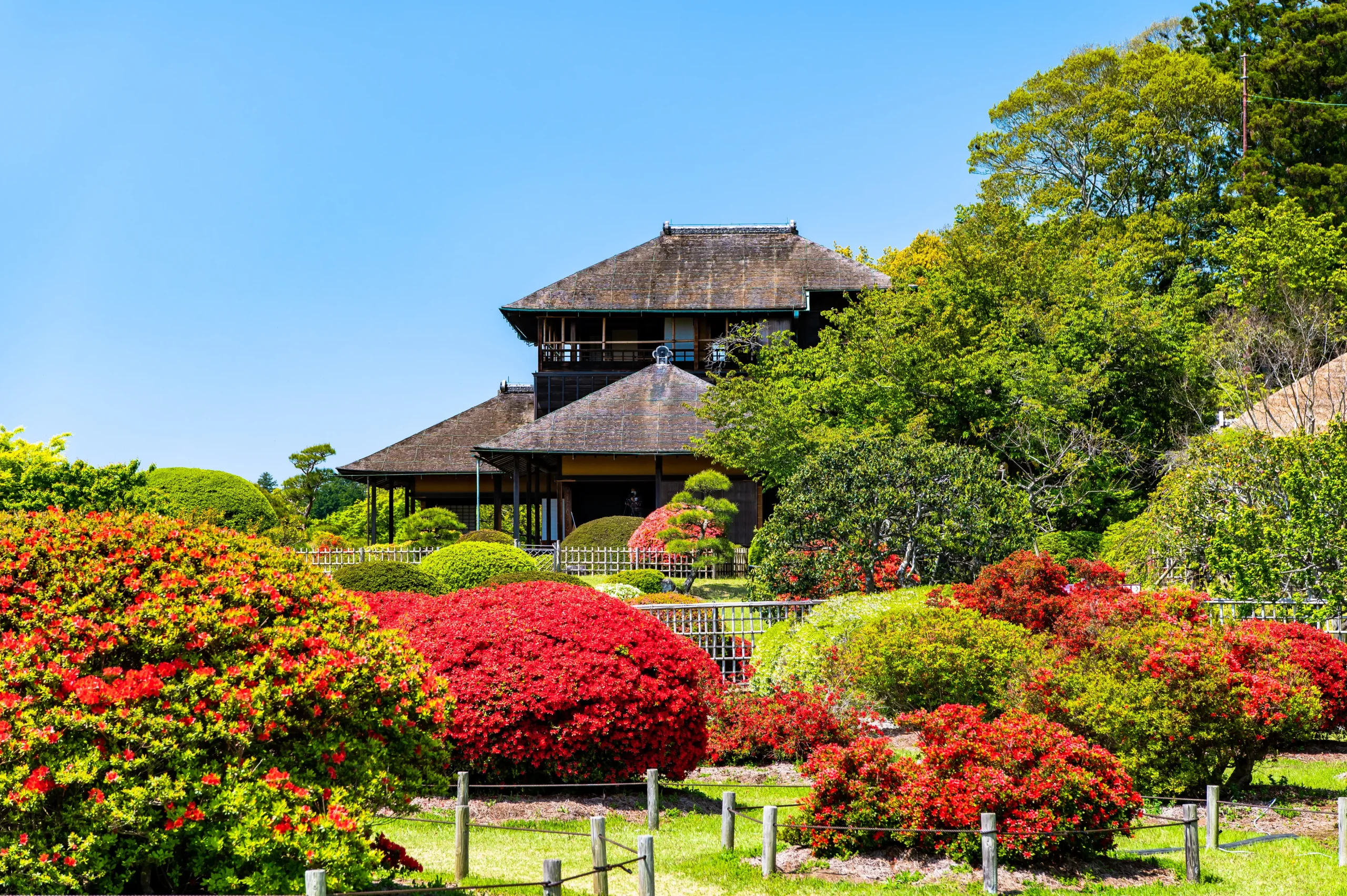
Kairakuen (Mito) was, unusually for its time, open to the public from the day it was built in 1841, its name meaning “a park to be enjoyed together.” The main garden is open from 6:00 to 19:00 (mid-February to September) or 7:00 to 18:00 (October to mid-February), with adult admission at 320 yen. It is best known for its roughly 3,000 plum trees, which draw crowds during the late-February to March plum festival.
Korakuen | Okayama
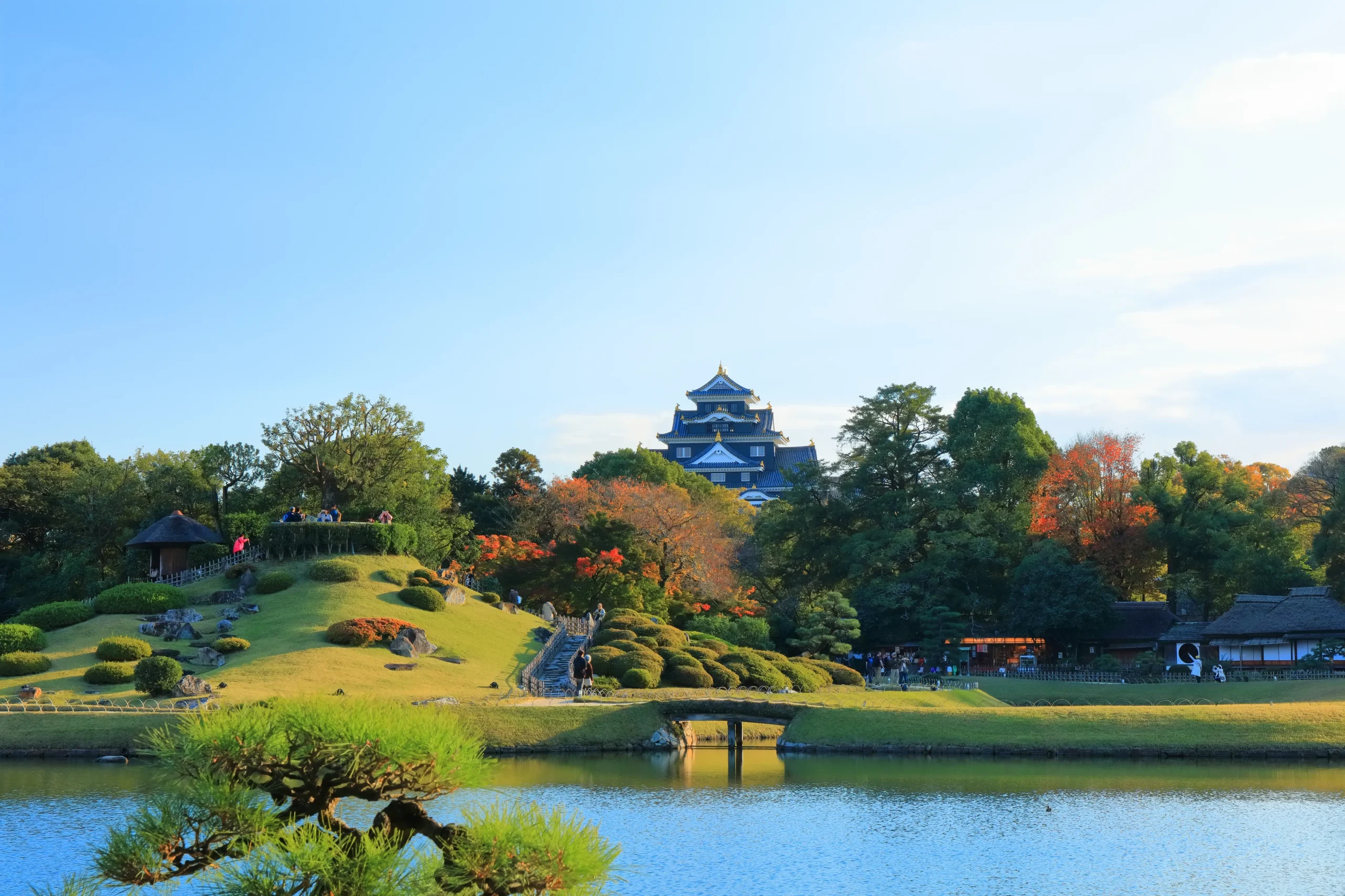
Korakuen (Okayama) is prized for its expansive lawns and views of Okayama Castle across the Asahi River. The garden opens 7:30 to 18:00 from March 20 to September, and 8:00 to 17:00 from October to March 19, with adult admission at 500 yen (or 720 yen combined with Okayama Castle).
Kyoto’s Garden Masterpieces
No city concentrates more garden variety than Kyoto, though two of its finest require planning ahead.
Katsura Imperial Villa
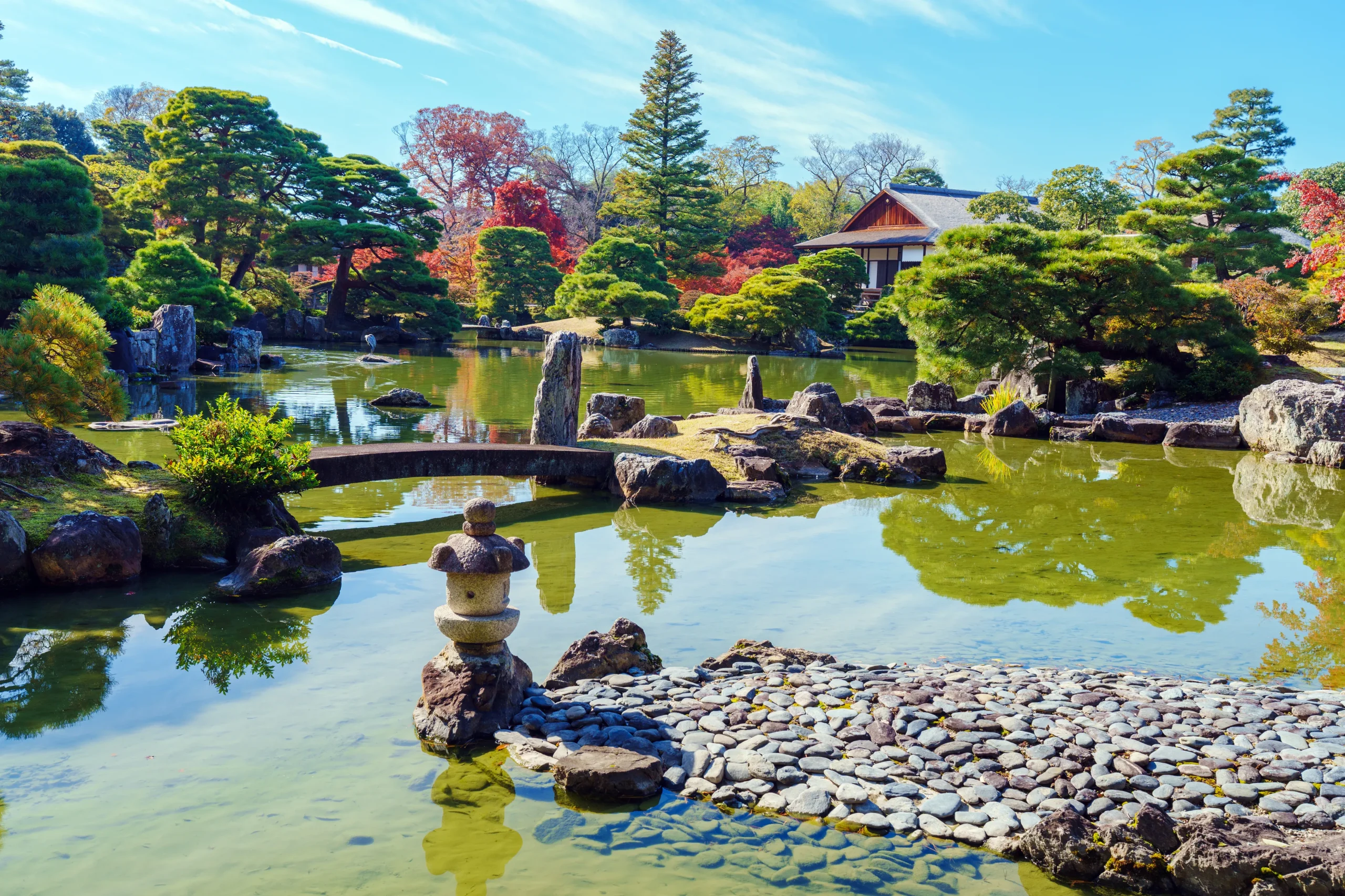
Katsura Imperial Villa, an early Edo-period estate built for the imperial Katsura family, is widely regarded as one of the finest examples of Japanese garden design anywhere in the country. Visiting requires joining a scheduled tour, which costs 1,000 yen, and reservations can be made online through the Imperial Household Agency starting three months in advance, or in person at their Kyoto office. Same-day tickets are occasionally available but not guaranteed.
Saihoji
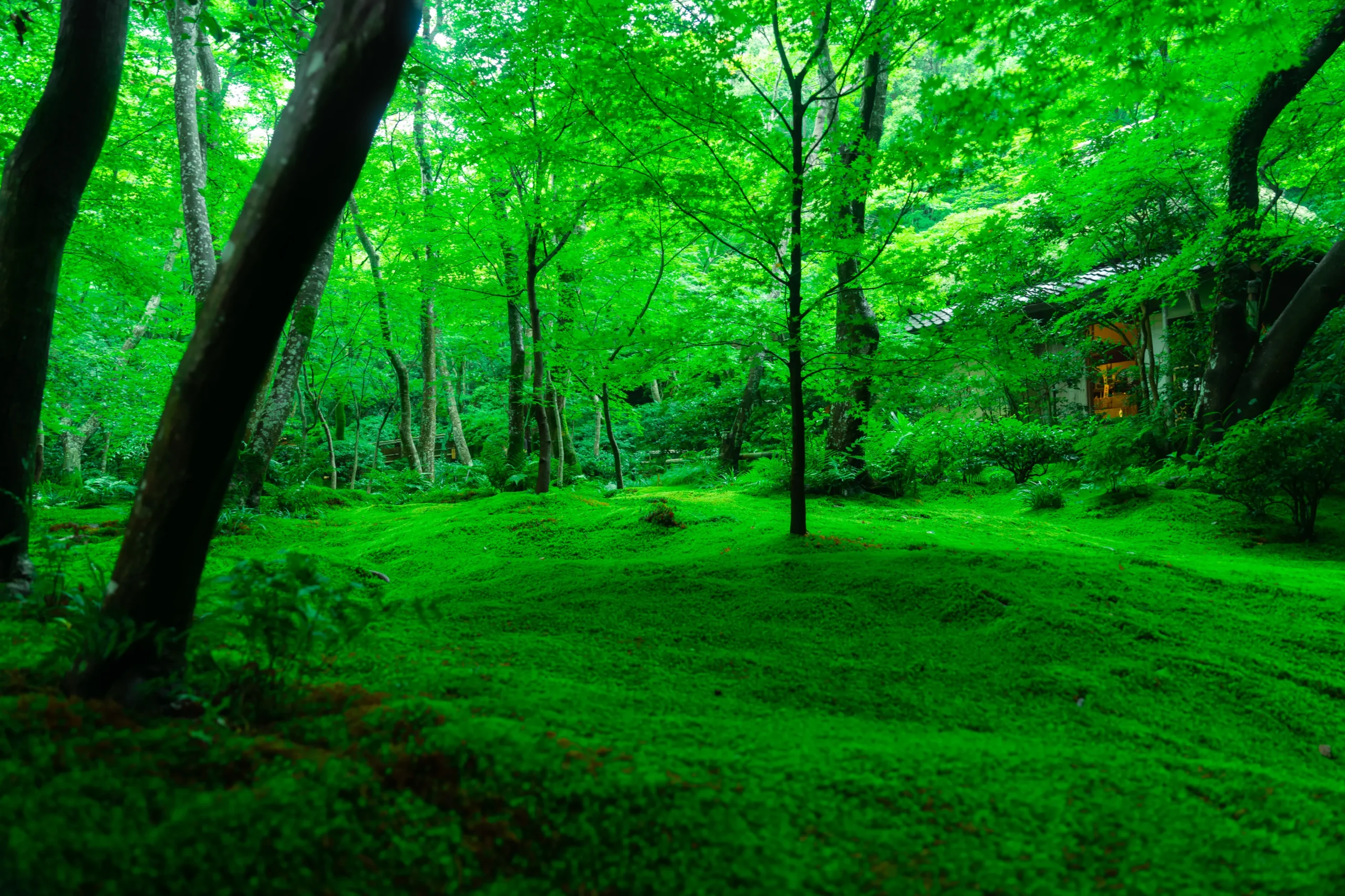
Saihoji (Kokedera), the “Moss Temple,” is famous for over 120 species of moss blanketing its grounds and is credited with inspiring the design of Kinkakuji’s garden. Advance online reservation is required, admission runs about 4,000 yen per person, and the visit begins with copying a Buddhist sutra before the moss garden itself opens to visitors. This ritual isn’t a formality to rush through — it’s designed to quiet the mind before viewing the garden, much like the tea garden philosophy discussed above.
For visitors who prefer no-reservation access, Kyoto also offers Ryoanji (its famous rock garden), Daitokuji’s sub-temple gardens, and Tenryuji in Arashiyama, all built around the same principles of shakkei and karesansui explored earlier in this article.
Japan’s Highest-Ranked Garden: Adachi Museum of Art
Tucked away in Yasugi, Shimane Prefecture, the garden at the Adachi Museum of Art has been ranked the best in Japan every year since 2003 by Sukiya Living Magazine (The Journal of Japanese Gardening), which evaluates roughly 1,000 gardens nationwide, including well-known names in Kyoto and Tokyo. Its founder, businessman Zenko Adachi, believed “the garden is also a painting,” and the entire 165,000-square-meter grounds—spanning a dry landscape garden, a moss garden, a pond garden, and a white gravel and pine garden—are designed to be viewed through the museum’s windows rather than walked through, framing each section like a living hanging scroll.
Because visitors cannot enter the garden itself, a visit here is closer to viewing a masterpiece than strolling one, and pairs naturally with the museum’s collection of Yokoyama Taikan paintings. The museum is open daily from 9:00 to 17:30 (April to September) or 9:00 to 17:00 (October to March), with adult admission at 2,300 yen. It’s most easily reached by the free shuttle bus from JR Yasugi Station, about a 20-minute ride, making it a feasible—if remote—addition to a Chugoku region itinerary that might also include Kurashiki or Okayama.
Best Time to Visit Japanese Garden
Timing changes each garden’s character considerably. Kenrokuen and Kairakuen are at their most photographed in late winter and early spring, when plum and cherry blossoms bloom in sequence; Kairakuen’s plum grove peaks from late February through March, while Kenrokuen’s cherry blossoms generally arrive in early April, with evening illuminations during that period. Korakuen’s cherry trees also bloom in late March to early April, but its wide lawns make it a rewarding visit in early autumn as well, when moon-viewing traditions are still observed. Saihoji’s moss is at its most vivid after rain, making the June rainy season an unexpectedly good time to visit despite the humidity. Across all of these gardens, arriving at opening time avoids both crowds and the harsher midday light for photography.
Choosing the Right Garden for Your Trip
With so many options, the right garden often depends on what’s already on the itinerary. Travelers based in Kansai will find Kyoto’s temple gardens—Saihoji, Ryoanji, Daitokuji—easiest to combine with sightseeing already planned around the city, though the reservation-only sites reward booking weeks ahead. Those heading toward the Sea of Japan coast or Kanazawa should build time for Kenrokuen, which pairs naturally with Kanazawa Castle and the Higashi Chaya geisha district. A Kanto itinerary that includes Tokyo can extend north to Kairakuen in Mito, particularly rewarding during the February–March plum season, or combine with a Chugoku region trip through Okayama’s Korakuen and onward to the Adachi Museum in Shimane for travelers willing to go further off the well-trodden route.
For visitors with limited time who want to sample garden design without traveling far, Tokyo itself holds smaller but genuine examples—Rikugien and Koishikawa Korakuen among them—built on the same strolling-garden principles as their more famous counterparts, without requiring a multi-city detour.
Garden Etiquette for Visitors
A few points of etiquette will help visitors move through these spaces respectfully. Not every stone basin in a garden is meant for public use — a tsukubai is strongly tied to tea-garden practice and shouldn’t be used unless a site specifically invites visitors to do so; some, like the famous inscribed tsukubai at Ryoanji, are meant to be viewed rather than touched. Where a basin is provided for purification, the customary sequence is to scoop water with the ladle in the right hand and pour it over the left hand, switch the ladle to the left hand to rinse the right, then pour water into the left palm to rinse the mouth before cleaning the ladle handle itself — never drinking directly from it. Beyond water features, visitors should stay on designated stepping stones and paths rather than crossing moss or gravel beds, since both are easily damaged and slow to recover. Speaking quietly, especially near tea houses and meditation gardens, preserves the sense of man this article describes — the stillness that these spaces are designed to create.
Photography etiquette also varies by site: most gardens welcome photos freely, but reservation-based experiences like Saihoji restrict photography to the outdoor garden and prohibit it during the sutra-copying ceremony itself, while some temple interiors and tea houses disallow photography altogether. Footwear is another detail worth planning for—several tea houses and temple buildings along garden paths require visitors to remove their shoes before entering, so slip-on footwear makes the experience considerably smoother.
Practical Tips Before You Go
A few small preparations make these visits noticeably smoother. Reservation-based sites like Saihoji and Katsura Imperial Villa typically require payment in cash on arrival, even when the booking itself was made online, so it’s worth carrying enough yen rather than relying on cards. Weather is also worth checking in advance: Saihoji’s moss looks strikingly different after rain than on a dry day, so travelers chasing that vivid green shouldn’t necessarily avoid a rainy forecast, while those photographing Kenrokuen or Korakuen’s reflecting ponds will get calmer water and clearer reflections on still mornings.
Because several of these gardens—especially Kenrokuen and Adachi Museum—offer free or discounted early admission before regular opening hours, arriving early rewards visitors with both lighter crowds and softer morning light, though it also means checking each garden’s specific early-entry rules and gate locations in advance, since they aren’t the same as the main ticketed entrance. Finally, most of these gardens involve a fair amount of walking on gravel paths and uneven stone steps, so comfortable, closed-toe shoes are a better choice than sandals, particularly for anyone planning to cover more than one garden in a day.
Experience Japanese Garden Features for Yourself
Reading about these gardens is one thing; standing in one—hearing a shishi-odoshi strike its stone, watching koi glide beneath an arched bridge, or catching the scent of a tea garden after rain—is another. Each of the gardens described above rewards a different kind of visit: the Three Great Gardens for their scale and seasonal drama, Katsura Imperial Villa and Saihoji for their quiet, reservation-only intimacy, and Kyoto’s Zen temple gardens for contemplation on a smaller scale.
Fitting these into a Japan itinerary takes some coordination—Saihoji and Katsura both require advance booking, and the best blossom or moss timing shifts slightly each year. If you’d like help building a trip around Japan’s finest gardens, including securing entry to the harder-to-reach ones, [ENJYU JAPAN can put together a tailor-made itinerary around your travel dates.