What “Japanese Meditation” Really Means on a Japan Trip
Search for meditation experiences in Japan and you will quickly come across Zen, especially zazen. That makes sense, but the actual choices are broader than one type of sitting practice. You might spend less than an hour trying zazen during a sightseeing day, join a guided session that explains the temple and philosophy behind it, or stay overnight somewhere where meditation is part of a slower daily routine.
The difference matters more than choosing the most famous temple. Someone who wants a calm hour in Kyoto or Hakone is looking for something very different from a traveler who wants to spend a night around Koyasan or deliberately build part of the trip around Zen practice.
Before looking at individual temples, it helps to ask yourself how much time, structure and silence do you actually want from the experience?
Zen and Zazen, Explained Without the Mystery
Zazen can sound more intimidating than it is. In basic terms, you sit in a stable position, settle your breathing and bring your attention back when your mind wanders.
And it will wander. That does not mean you are doing it badly.
You do not need to study the history of Zen or understand the differences between its schools before trying a beginner session. The aim is not to force your thoughts to disappear. You notice when your attention has moved somewhere else, then return to your breathing, posture or the act of sitting.
That simplicity is part of what makes zazen interesting during a trip. Travel normally keeps your attention moving forward: checking maps, finding the next train, taking photographs, deciding where to eat. Sitting quietly for a while interrupts that pattern.
It does not have to become a profound spiritual moment. Sometimes you simply notice your breathing and your surroundings more clearly afterward.
Reference: How to Do Zazen – Soto Zen Buddhism International Center
What Happens in a First Zazen Session
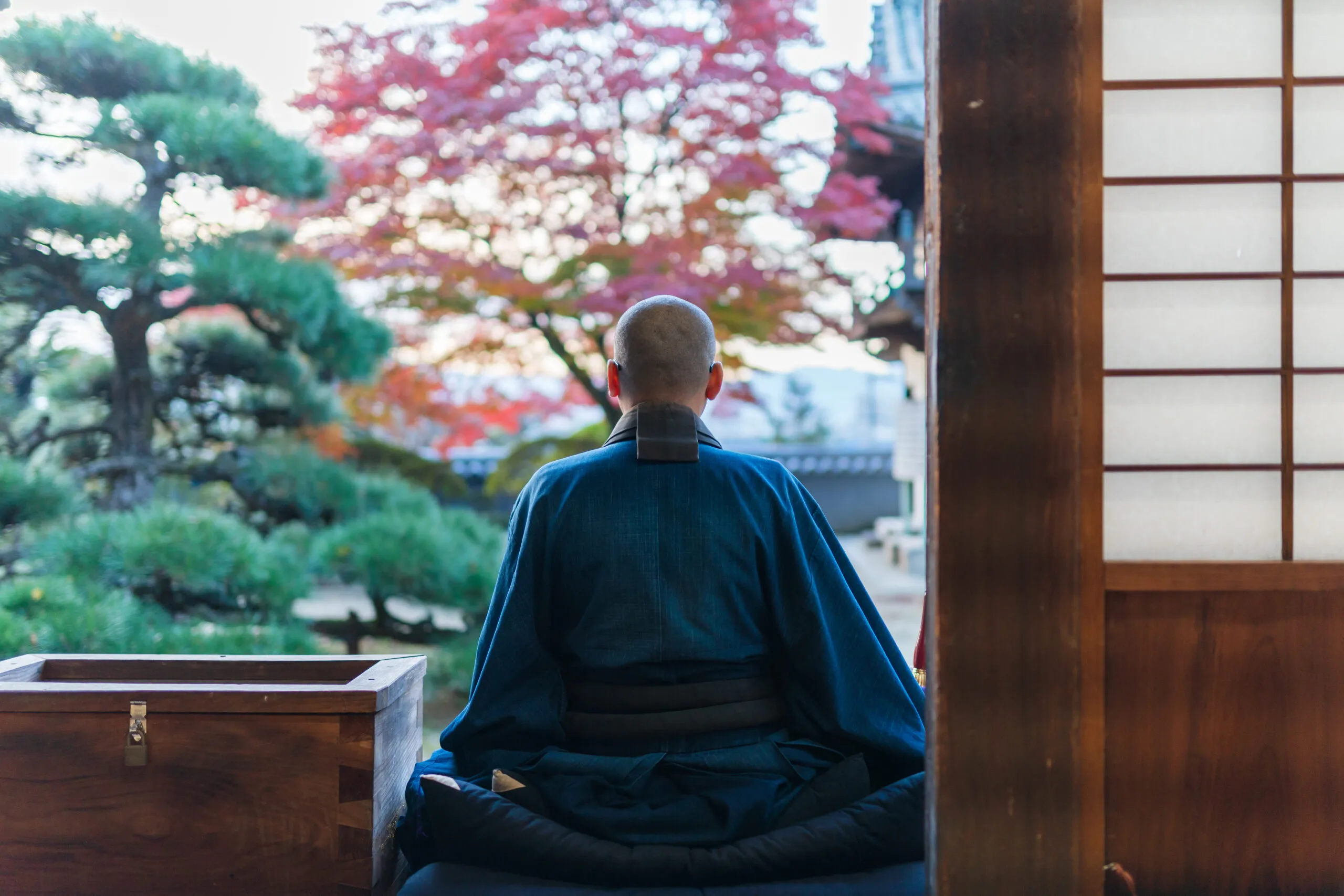
For beginners, the biggest questions are usually practical. Where do I sit? What do I do with my hands? What happens if my legs become uncomfortable? Will everyone else know what they are doing?
At a visitor-friendly session, someone will normally explain the basics before the meditation begins. Depending on the program, you may sit once or complete more than one period of zazen with a short walking break in between. Some sessions also include explanations or time for questions.
The atmosphere changes with the setting. A program designed for overseas visitors may include more guidance and cultural explanation. A regular temple sitting can be much plainer, with less English and less explanation.
Neither is automatically a better experience. They simply expect different things from the participant.
Comparing the Main Experience Types
Thinking about the format first makes it much easier to choose a meditation experience that suits your trip.
Short Introductory Sessions
A short introductory session is the easiest option to fit into a regular itinerary. It works well if you are curious but do not want meditation to take over a large part of the day.
Hakone is a good example. Jyosen-ji in Miyanoshita offers a short zazen experience by advance reservation. The meditation itself is brief, so it can fit naturally into a sightseeing or onsen day rather than becoming the focus of the whole trip.
Reference: Zazen Meditation – Hakone Japan
Culture-Forward Experiences
Some programs combine zazen with explanations about Zen, temple culture, tea or the history of the setting.
This can suit first-time visitors who want to understand what they are doing rather than simply being told where to sit. Shunkoin at Myoshin-ji in Kyoto is one example. Its reservation-based English and Japanese programs combine meditation with broader Zen and temple context.
The trade-off is that meditation is only one part of the experience. If your main goal is extended silence, a simpler sitting session may suit you better.
Regular Sitting Groups
A regular temple sitting can feel less like a visitor program and more like joining an existing practice.
There may be fewer explanations, less English support and less attention given to making every step easy for a first-time tourist. For some travelers, that is exactly the appeal.
Daijoji in Kanazawa is an active Zen temple where public zazen is held regularly alongside continuing temple practice. This option makes more sense if you are comfortable following along without expecting a fully guided English-language experience.
Training-Oriented Programs
At the deeper end are programs connected to active Zen training.
Eiheiji in Fukui is the clearest example in this article. Its formal programs can include repeated periods of zazen, temple meals, morning services and rules participants are expected to follow.
This is quite different from trying meditation for an hour between sightseeing stops. It requires more time and more willingness to adapt to the temple’s routine.
Programs for international participants are offered only when circumstances allow and may be suspended for extended periods. If Eiheiji is important to your trip, check its current practice information before planning around a formal program.
Reference: Practice – Daihonzan Eiheiji
Temple Stays
A temple stay is less about increasing the difficulty of meditation and more about changing the pace of the trip.
Spending the night means you are not rushing immediately back to a station or hotel afterward. Depending on the temple, the stay may include morning prayers, Buddhist meals, meditation or other practices.
Read more: Inside Japan’s Temple Stays: What to Expect from a Shukubo Experience
Koyasan is particularly relevant here, even though its main tradition is Shingon Buddhism rather than Zen. The meditation practiced there, Ajikan, is different from zazen.
At Ekoin, for example, overnight guests can take part in Ajikan meditation as part of a wider temple stay. For a traveler whose real interest is contemplative time in a Buddhist setting rather than Zen specifically, this may be a better fit than choosing a temple simply because the word “Zen” appears in the description.
Reference: Experience Ajikan – Koyasan Shingon Sect Main Temple Kongobu-ji
Where to Try Zen Meditation in Japan
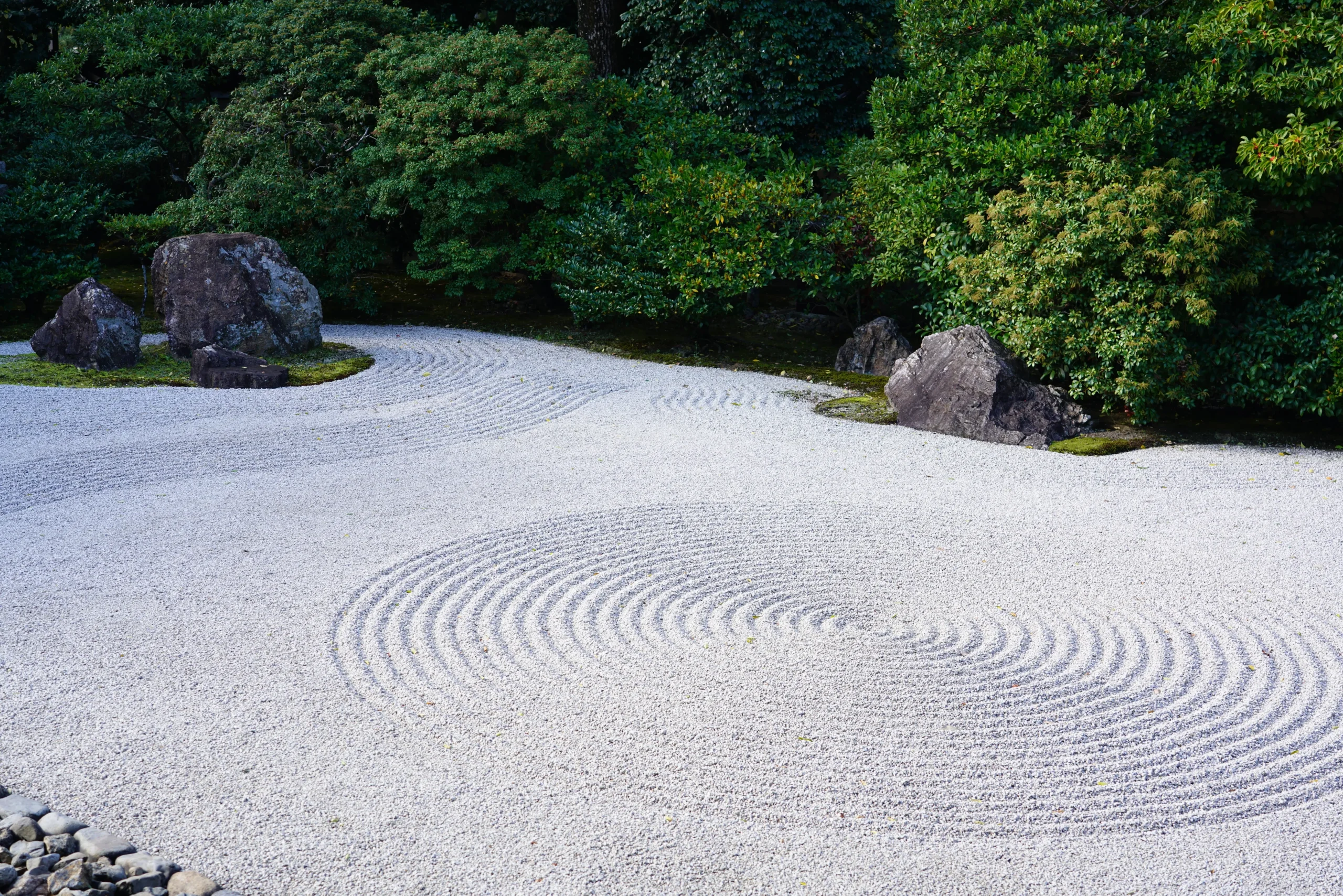
Kyoto: A Beginner-Friendly Starting Point
Kyoto is one of the easiest places to include meditation in a first Japan itinerary because there are several types of programs and relatively good English-language information.
Shunkoin at Myoshin-ji is particularly useful for travelers who want explanation along with the meditation. Its English-language experiences combine zazen with broader discussion of Zen and temple culture, so you are not expected to arrive already knowing how everything works.
That makes Kyoto a good choice if meditation is one part of a larger cultural trip rather than the main reason for traveling.
Tokyo and Kamakura: Zen Without Going Far from the City
If you are staying in Tokyo, Kamakura gives you access to a substantial Zen temple setting without requiring an overnight detour.
Kencho-ji is one concrete option. Official Kanagawa tourism information lists a zazen visitor experience with explanations available in English. Because individual sessions and language support can vary, check the current program before making the trip specifically for meditation.
Kamakura works especially well when you already want to spend part of a day visiting its temples and historic areas.
Hakone: A Calm Pause on the Golden Route
Hakone is useful when you want meditation to remain a small part of an otherwise conventional itinerary.
At Jyosen-ji in Miyanoshita, visitors can reserve a short zazen experience. The session is brief, which is precisely why it belongs on this list: you do not always need a retreat or a full afternoon to find out whether zazen interests you.
It can sit naturally alongside an onsen stay or a trip through the Fuji-Hakone area.
Ishikawa: Closer to Regular Temple Practice
Kanazawa offers a different option from the more guided visitor programs in Kyoto.
Daijoji is still an active Zen temple and regularly opens zazen practice to the public. That makes it interesting for travelers who would rather join something closer to an existing temple routine than book a polished cultural experience.
The important limitation is language. Regular practice should not be assumed to include English instruction, so this choice makes more sense if you are comfortable observing and following along.
Fukui and Eiheiji: When You Want More Zen in the Trip
Eiheiji moves the experience much closer to formal Zen practice. It is an active monastery rather than simply a historic temple offering meditation to tourists.
That makes it compelling, but also less straightforward. Formal programs for international visitors are limited and may not be running during your travel dates. Check Eiheiji’s current official information before making one of these programs a fixed part of your itinerary.
For travelers who want to spend time near Eiheiji without depending on the monastery’s overnight Sanzen schedule, Hakujukan is a more flexible alternative. This Zen-oriented inn near the temple has a Zen Concierge, and staying guests may be able to participate in Eiheiji activities when schedules allow. If a temple zazen experience is cancelled, Hakujukan may also hold a session at the inn.
It gives you more exposure to the setting and rhythm around Eiheiji without pretending that staying nearby is the same as training inside the monastery.
A Quick Match Guide: Which Experience Fits Which Traveler?
If you have very little time, start with a short session. Hakone is easy to understand in this role.
If you want English explanation and cultural context, a guided experience such as Shunkoin in Kyoto is a safer choice.
If you want something closer to regular temple practice, look at a place such as Daijoji, but be prepared for less English support.
If you want meditation to shape an entire evening and morning, choose a temple stay. Koyasan is especially relevant, even though its Ajikan meditation belongs to Shingon Buddhism rather than Zen.
If you are attracted to discipline and formal practice, investigate Eiheiji, but check current participation conditions before planning around it.
And if you are mainly nervous about whether you will “do meditation correctly,” prioritize clear beginner guidance over the fame of the temple.
Planning, Booking, and Etiquette
Check the Practical Details First
Once you know what kind of experience you want, check the exact program rather than the temple name alone.
Look for the duration, reservation requirements, language support and whether the session is designed for visitors or regular practitioners.
An English website does not automatically mean every meditation session is conducted in English.
Physical accommodations also vary. Some visitor-oriented sessions may offer different ways of sitting, while stricter training settings may not. If floor sitting could be difficult for you, ask the temple or organizer before booking.
What to Wear and How to Behave
Wear quiet, comfortable clothes that let you sit without constantly adjusting them.
You do not need ceremonial clothing, but tight trousers, noisy fabrics or very casual beachwear can make the experience less comfortable.
Photography rules also vary. A temple may allow photographs in the garden or halls but not during meditation. If taking photographs matters to you, check first rather than assuming the whole experience can be recorded.
Understanding the Costs
Costs vary widely because the experiences themselves are different.
A regular public sitting may cost very little, while a privately guided cultural session or overnight temple stay can become a meaningful part of the travel budget.
Price alone is not a useful way to compare them. A short inexpensive sitting and a temple stay are solving different travel needs.
Check the Schedule Again Before You Go
Temple schedules can change around ceremonies, seasons and other religious activities. They are not always as predictable as museum opening hours.
If meditation is an important part of your itinerary, check the official information once when planning and again shortly before the visit.
This matters especially for places such as Eiheiji, where formal international programs are not continuously available.
Reference: Zazen Sessions, Seated Meditation – Kyoto Tourist Information Center
Summary
A meditation experience in Japan does not have to be difficult or intense to be meaningful.
For some travelers, a short period of sitting is enough. Others will get more from a guided explanation in Kyoto, a regular temple practice in Kanazawa, or an overnight stay where meditation becomes part of a slower routine.
The useful question is not which temple is the most impressive. It is how much space you want to give meditation in the trip.
If you want to add a session without reorganizing the rest of your journey, ENJYU JAPAN’s Tailor-Made Tour can help fit it naturally around your route and pace.
If meditation itself is one of the main reasons you are traveling, ENJYU also offers a 4-Day Japanese Meditation Tour centered on Koyasan and its Buddhist practices.