The easiest way to begin exploring sake is to start with flavors you already enjoy. Like something fruity and sweet? A chilled sparkling sake might appeal to you. Prefer crisp, less-sweet drinks? Ask for something light and dry. You don’t need to understand every type of sake, or memorize how much the rice was polished, before ordering your first glass.
Where to Start: Find a Sake That Suits Your Taste
When drinking sake for the first time, think about what you already like to drink. Use this as a starting point so you can become familiar with the taste of sake and from there try other types as well. You can use this as reference at a restaurant or sake bar.
| If you usually enjoy… | A sake style to try | Where to start |
|---|---|---|
| Sweet white wine or fruity cocktails | Sparkling sake with a fruit-forward character | Chilled; check how sweet it is |
| Aromatic white wine | Ginjo or junmai ginjo | Often enjoyable chilled |
| Crisp drinks without much sweetness | Ask for a light, dry-leaning sake (karakuchi) | Chilled or at room temperature |
| Richer, savory flavors | A fuller-bodied junmai | Try it at room temperature or gently warmed |
| Not sure yet | Two or three contrasting small pours | Ask what the bar has available |
If the menu offers just a few bottles, describe the flavors you enjoy and ask which comes closest.
What Does Sake Taste Like, and How Strong Is It?
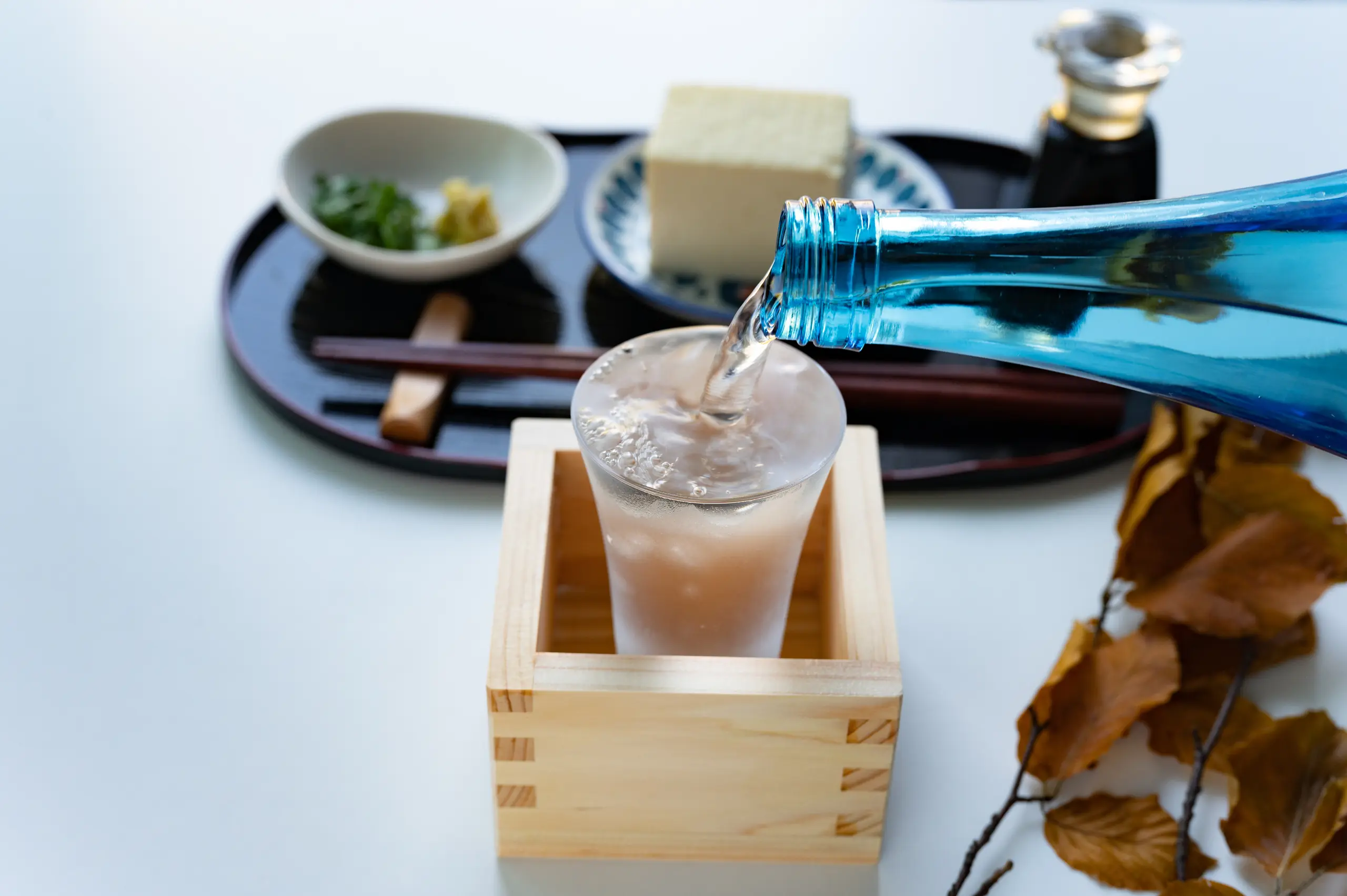
Sake, often called nihonshu (日本酒) in Japan, is brewed from rice, water and koji, rice on which a beneficial mold is cultivated. Koji helps convert rice starch into sugar, while yeast turns that sugar into alcohol. The two processes take place together during brewing. It’s sometimes called rice wine in English, although its brewing process is different from winemaking.
Its flavors are far more varied than the ingredients might suggest. You might notice aromas resembling apple, pear or melon; another sake may seem mellow and rice-like, with a fuller, savory character. Sweetness alone doesn’t define the experience; acidity, umami and aroma matter too. A fruity smell does not necessarily mean that the sake will taste sweet.
Most ordinary bottled sake is around 15% alcohol by volume, though the strength varies. Some sparkling styles are much lighter, while undiluted genshu can be stronger. Check the label or menu for the alcohol content.
Read more: How Japanese Sake Is Made Along With Its Unique Flavors
If You Think You Don’t Like Sake
A first glass of sake may not make much of an impression, especially when the flavor is unfamiliar to you. But one disappointing experience says little about the range of flavors available. Instead of ruling sake out altogether, think about what didn’t appeal: was it too sweet, too dry, too strong or simply not to your taste?
For someone who enjoys sweet sparkling wine, there are recent sparkling sake varieties that are worth trying. The fruity, sweet sparkling sake flavor may feel more familiar than a dry, still sake. It won’t suit everyone, particularly anyone who dislikes sweetness, but it illustrates why starting with familiar flavors can work better than choosing by price or label.
Trying local sake with a meal can offer a different introduction. Yamagata, for example, has a strong sake-making tradition and a range of local bottles to explore. At an izakaya, asking which sake the staff would pair with your meal can be more useful than choosing a famous name without knowing how it tastes.
Ginjo and daiginjo may appeal to people who enjoy fragrant drinks, while others prefer something less aromatic or more savory. Neither the price nor the classification guarantees that a sake will suit you. And if you try a few styles and still don’t enjoy it, there’s no need to force it.
How to Choose and Order Sake in Japan
An izakaya menu can be intimidating when it lists brewery and product names entirely in kanji. The helpful shortcut is to describe the taste you want instead of trying to decode every bottle. These terms help:
- Junmai (純米): sake made without added brewer’s alcohol. It can be delicate or full-bodied, depending on the bottle.
- Ginjo (吟醸) / daiginjo (大吟醸): styles made with specially polished rice and brewing methods, often associated with fragrant aromas. They aren’t automatically sweeter or better.
- Amakuchi (甘口) / karakuchi (辛口): sweet / dry, useful for expressing your preference.
- Nigori (にごり): cloudy sake. It can have different textures and sweetness levels; cloudiness alone won’t tell you how sweet it is.
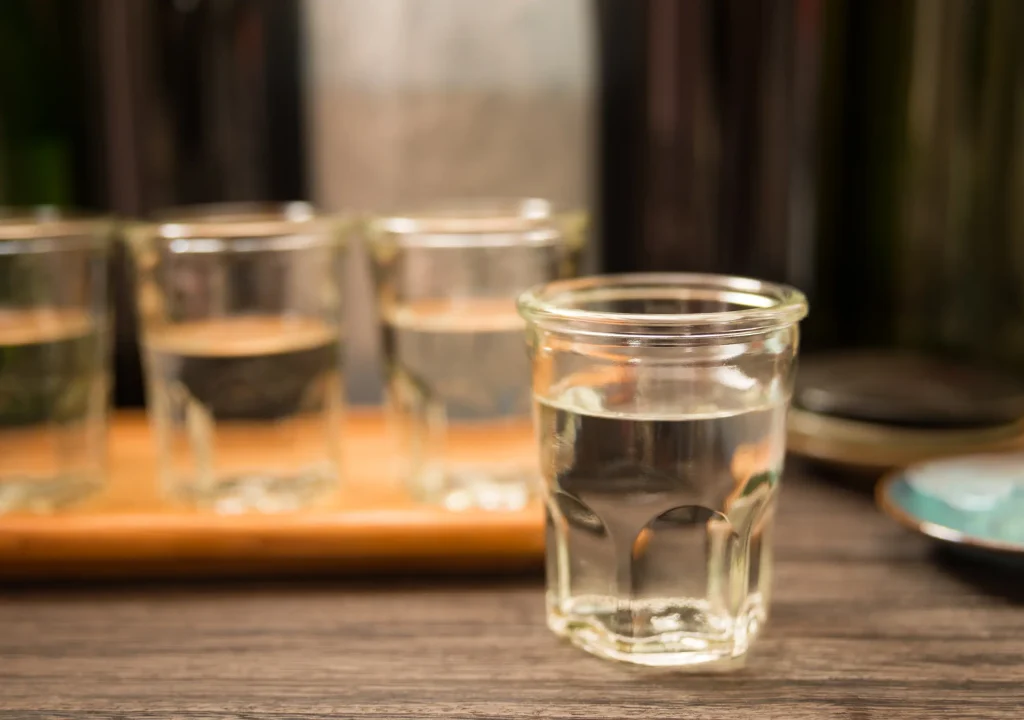
If there’s a tasting set (nomikurabe), you can compare small amounts without committing to a whole bottle. Take a sip of each, notice which seems more aromatic or dry, then taste them again with food. You don’t need a special vocabulary to decide which you prefer. You may also see the measure go (合), approximately 180 ml. That’s more than a small tasting pour, even if served in a ceramic flask called a tokkuri. Ask about the quantity; serving sizes vary.
Reference: How to Read Sake Bottle Labels — Japan Sake and Shochu Makers Association
Cold, Room Temperature or Warm?
One of sake’s pleasures is that temperature can change its flavor. Fragrant ginjo styles are often served chilled to preserve their delicate aromas, while some fuller-bodied sakes become softer or more savory when gently warmed. Warm sake isn’t just an inexpensive substitute for better bottles.
As a simple guide, chilled sake is often served around 8–15°C, room-temperature sake around 15–25°C, and warmed sake around 40–50°C. Sparkling sake is generally enjoyed chilled, not warmed.
You don’t have to master drinking etiquette, either. In a group, people may pour for one another and say “kanpai” before taking a sip, but casual settings are usually relaxed. You needn’t finish your cup at once or accept another serving if you’ve had enough. Ask for water alongside your sake and drink at your own pace. The legal drinking age in Japan is 20, and driving after drinking is strictly forbidden.
Reference: How to Serve Sake — Japan Sake and Shochu Makers Association
Enjoying Sake With Food
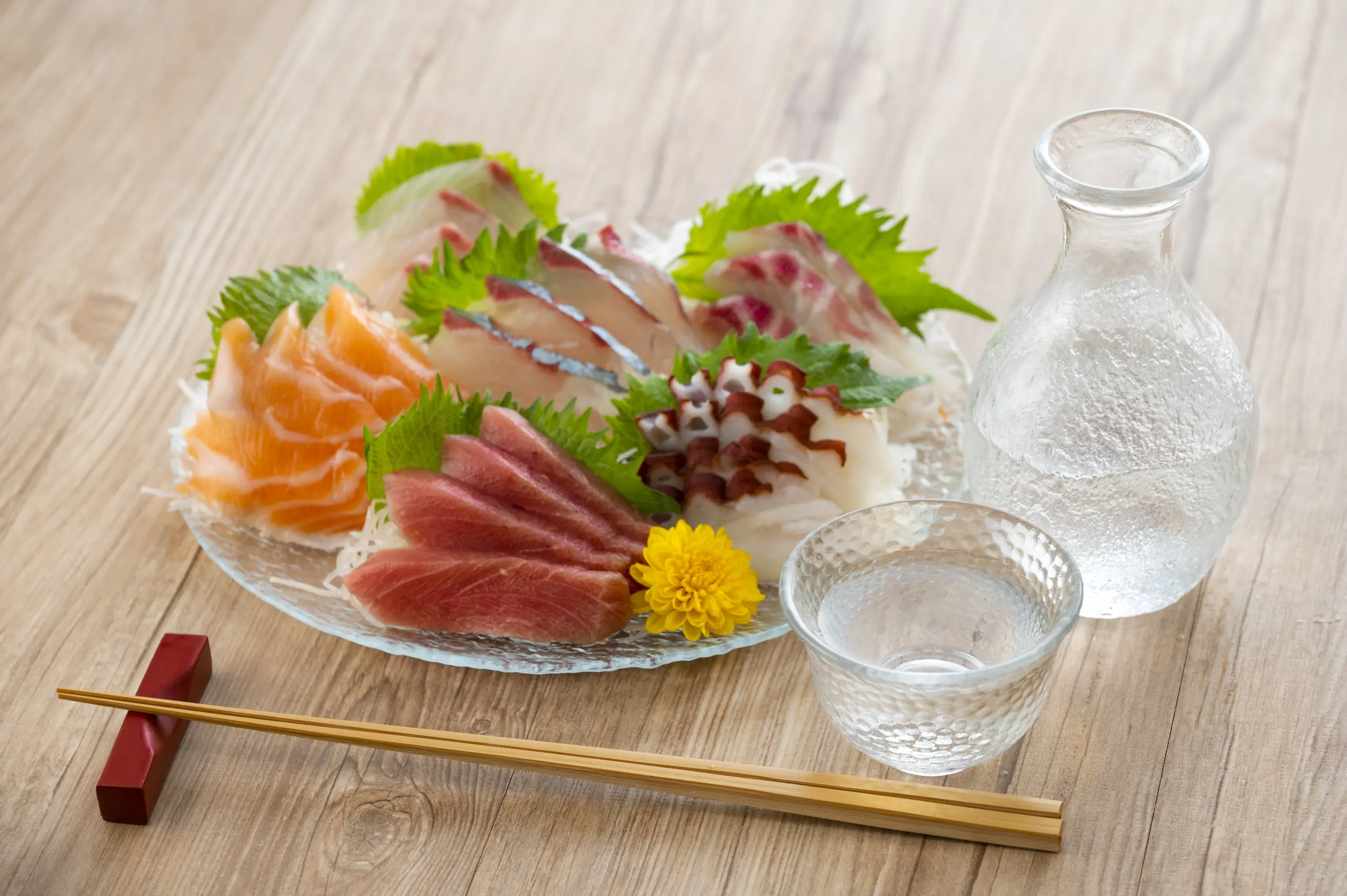
Food offers an easy way to explore the differences between sakes. A light, relatively dry bottle may suit sushi or sashimi, while a fuller-bodied style can stand up to grilled fish, mushrooms or other savory dishes. Think about the food and your own preferences rather than following a strict pairing rule.
Sweeter sparkling sake can make an interesting contrast with Japanese fruit, such as Shine Muscat grapes, or small plates of cheese, nuts and ham. A delicate white fish might work too, depending on the sake. Try a little of each together and see whether the pairing appeals to you.
There is no need to limit the experiment to Japanese cuisine. The Japan Sake and Shochu Makers Association also discusses pairings with cheese and charcuterie. As you compare combinations, notice whether the sake complements the food or overwhelms its flavor.
Reference: Sake Food Pairings — Japan Sake and Shochu Makers Association
Discovering Sake Beyond the First Glass
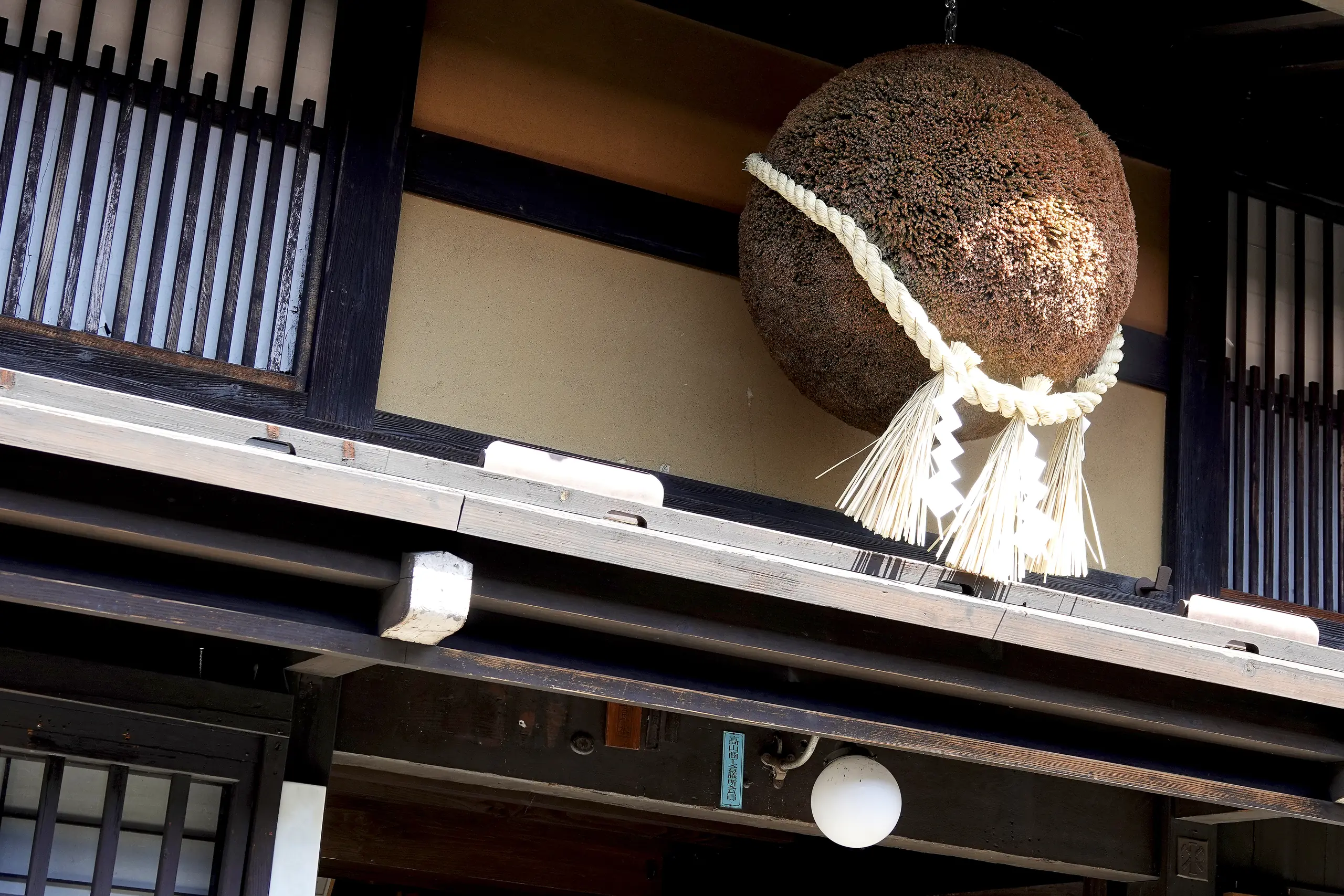
Where you try sake can also shape the experience. A small bar in Tokyo’s Golden Gai offers a different setting from a formal tasting. Depending on the bar, ordering sake may lead to a conversation with the bartender or other guests, making the evening as memorable as the drink.
For a more focused introduction, look for a tasting where you can compare several small pours. Takayama is one place to explore that option, although what’s offered varies from place to place. Trying two or three contrasting styles can help you notice differences in aroma, sweetness and body that a single glass might not reveal.
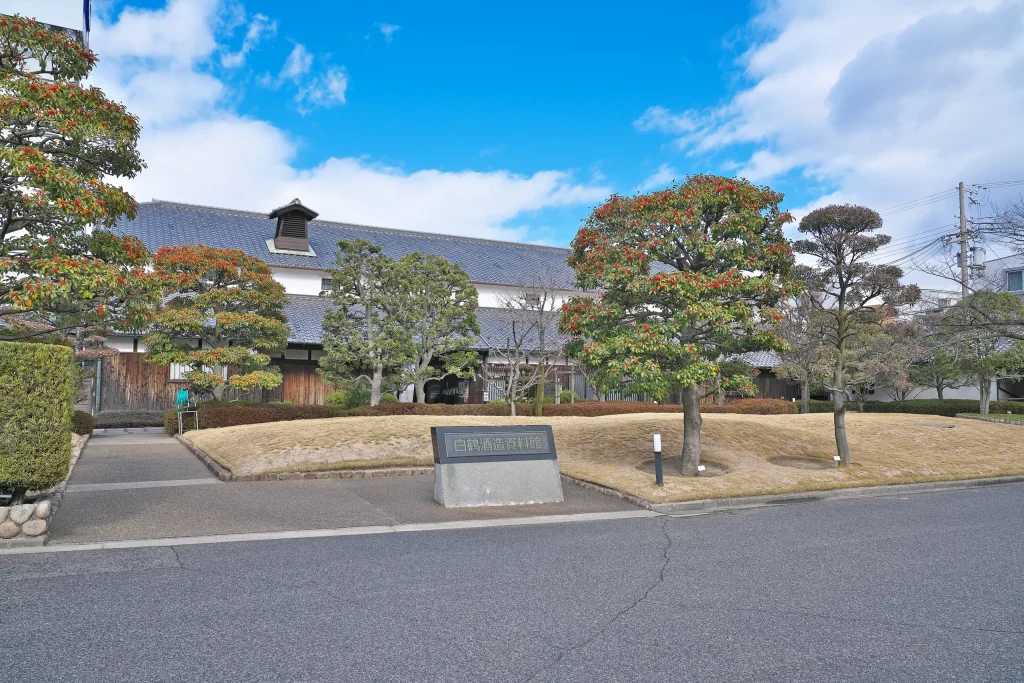
A brewery visit offers another way to experience sake. Sawanoi in Ome, western Tokyo, is an example of a brewery where the surroundings and local history can be part of the visit, not just the drink. Travelers who prefer not to taste may still enjoy learning about the craft or exploring the area, depending on the facilities and activities available.
Before planning a visit, check whether it includes a production tour, a museum or only a tasting; those are different experiences. Access, booking and language support vary by brewery. And if anyone in your group will be tasting alcohol, arrange transport that doesn’t involve driving.
Read more: Brewery Experiences in Japan
Find Your Own Way to Enjoy Sake
Start with a small glass of something you think you will enjoy, and see how it tastes. You might discover a sparkling sake you love, a dry local variety that surprises you, or that the brewery visit was more interesting than the drink.
If you’d like to weave a sake tasting or a brewery visit into a wider journey, ENJYU JAPAN can help explore suitable options as part of a Tailor-Made Tour, taking your route, interests and any non-drinking companions into account. Actual visit and language arrangements depend on the facilities and dates.