Japan’s scenic trains offer something uncommon in modern travel: the chance to let the journey itself become the most memorable part of your trip. Rather than simply connecting destinations, these trains turn movement into an immersive experience shaped by landscape, tradition, and atmosphere.
This idea reflects a long-rooted aspect of Japanese travel culture. Historically, travelers along the Tōkaidō and Nakasendō highways recorded changing scenery as part of the journey’s meaning. Scenic railways continue this tradition in a contemporary, comfortable form. As the train curves past rice fields, small fishing towns, or forested mountains, you’re offered a continuous, cinematic view of everyday Japan—places you would never see from highways or airports. Many routes pass through satoyama (quaint, countryside landscapes), where rural life and nature coexist, offering glimpses into a quieter side of the country.
There is also a psychological benefit to this slower mode of travel. The steady rhythm of the train, the openness of trolley-style cars, and the way scenery unfolds gradually encourage a shift away from the fast pace of urban life. Instead of rushing to check off sightseeing spots, scenic train travel creates space to observe, breathe, and reset. Even short journeys can feel restorative, revealing details such as a sudden coastline view, a river sparkling through cedar forests, that invite you to be fully present.
Ultimately, Japan’s scenic trains combine cultural depth, seasonal beauty, and emotional ease. They transform travel from a logistical task into a meaningful experience, one that stays with you long after the train ride ends.
Seasonal Highlights|When to Ride Japan’s Best Scenic Trains
Japan’s scenic trains offer some of the country’s most memorable seasonal travel experiences. Because landscapes shift dramatically between spring, summer, autumn, and winter, choosing the right moment to ride can transform a journey from a simple commute into the highlight of a trip. Below are four iconic routes, each tied to a specific season, along with practical tips on how to ride them stress-free.
Spring|Sagano Romantic Train (Kyoto) – Cherry Blossoms at Peak Beauty
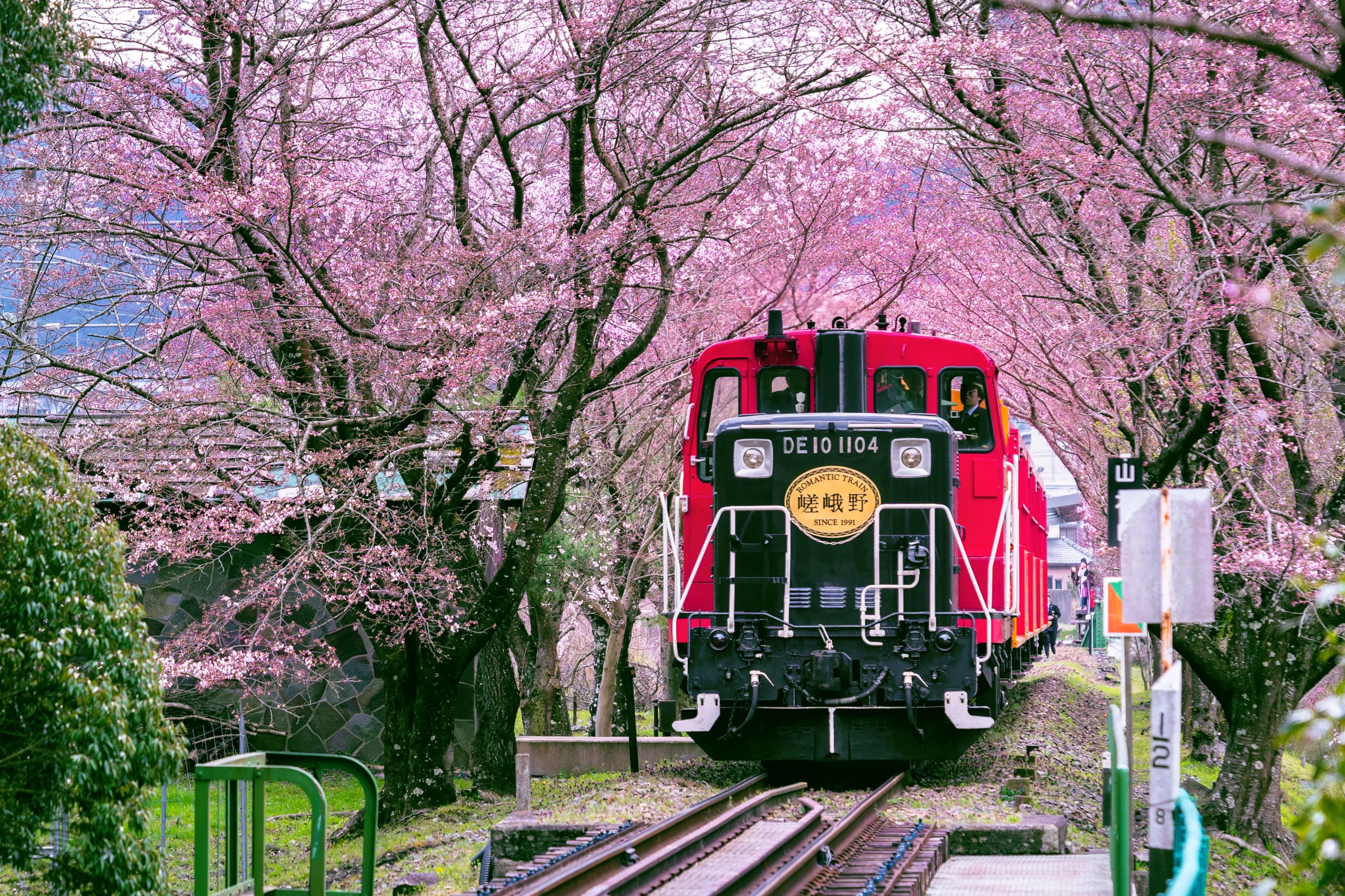
The Sagano Romantic Train runs along the Hozugawa Gorge, one of Kyoto’s most celebrated spring landscapes. During late March to early April, the tracks are surrounded by blooming cherry trees that create soft pink tunnels. This fleeting beauty aligns with Japan’s cultural appreciation of impermanence. If you want to extend your adventure, consider returning to Kyoto via the Hozugawa River Boat Ride, a traditional sightseeing cruise that departs near Torokko Kameoka Station. The ride offers a completely different perspective on the gorge—calm and scenic in spring, yet surprisingly thrilling in early April when snowmelt quickens the currents, or in June when seasonal high water turns the ride into an exciting, dynamic experience.
Access: From Kyoto Station → Saga-Arashiyama Station
Reservations: Online booking is available from 1 month in advance via the official website.
Notes: Car No.5 (“Rich Car”) is open-air and offers unmatched views, but you may get wet on rainy days.
Summer|Kurobe Gorge Railway (Toyama) – Deep Green Valleys & Cool Mountain Air
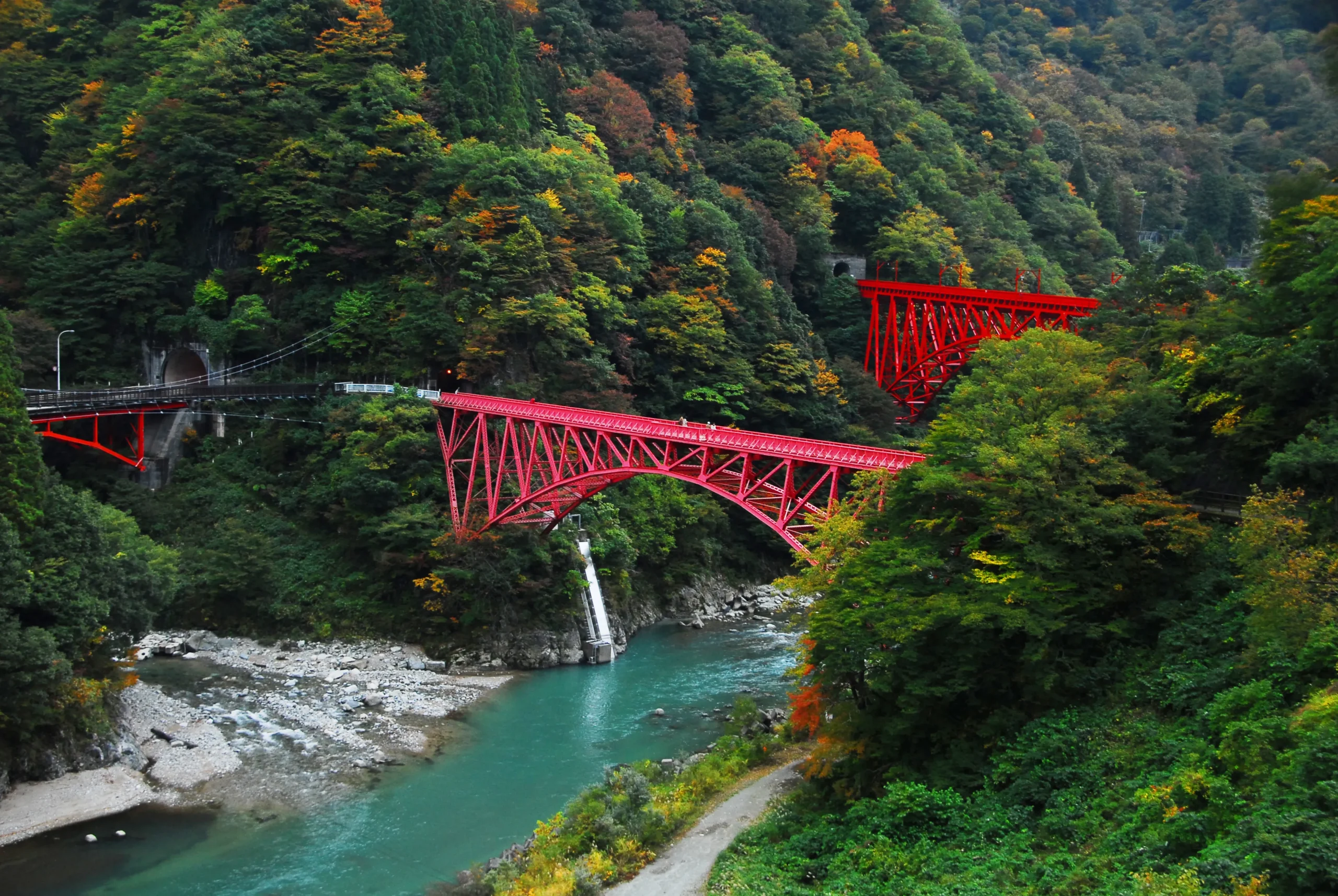
The Kurobe Gorge Railway is one of Japan’s most dramatic scenic train journeys, crossing towering bridges and winding along cliffs above the turquoise Kurobe River. In summer, the gorge is wrapped in bright green foliage, and the cool alpine air offers a welcome escape from Japan’s humid cities.
The starting point, Unazuki Onsen Station, is located in a historic hot spring town known for its clear, soft waters. Many travelers choose to stay overnight in Unazuki Onsen to enjoy a slower pace and relax in the traditional baths of the area. Right outside the station, you’ll also find a free footbath with excellent water quality—perfect for a quick soak before or after your train ride.
Access: From Tokyo → Toyama (bullet train) → Unazuki Onsen Station
Reservations: Use the official Web Ticket system. Peak-season weekends often sell out quickly.
Autumn|Panorama Train “KIRARA” (Kyoto) – A Moving Autumn Viewpoint
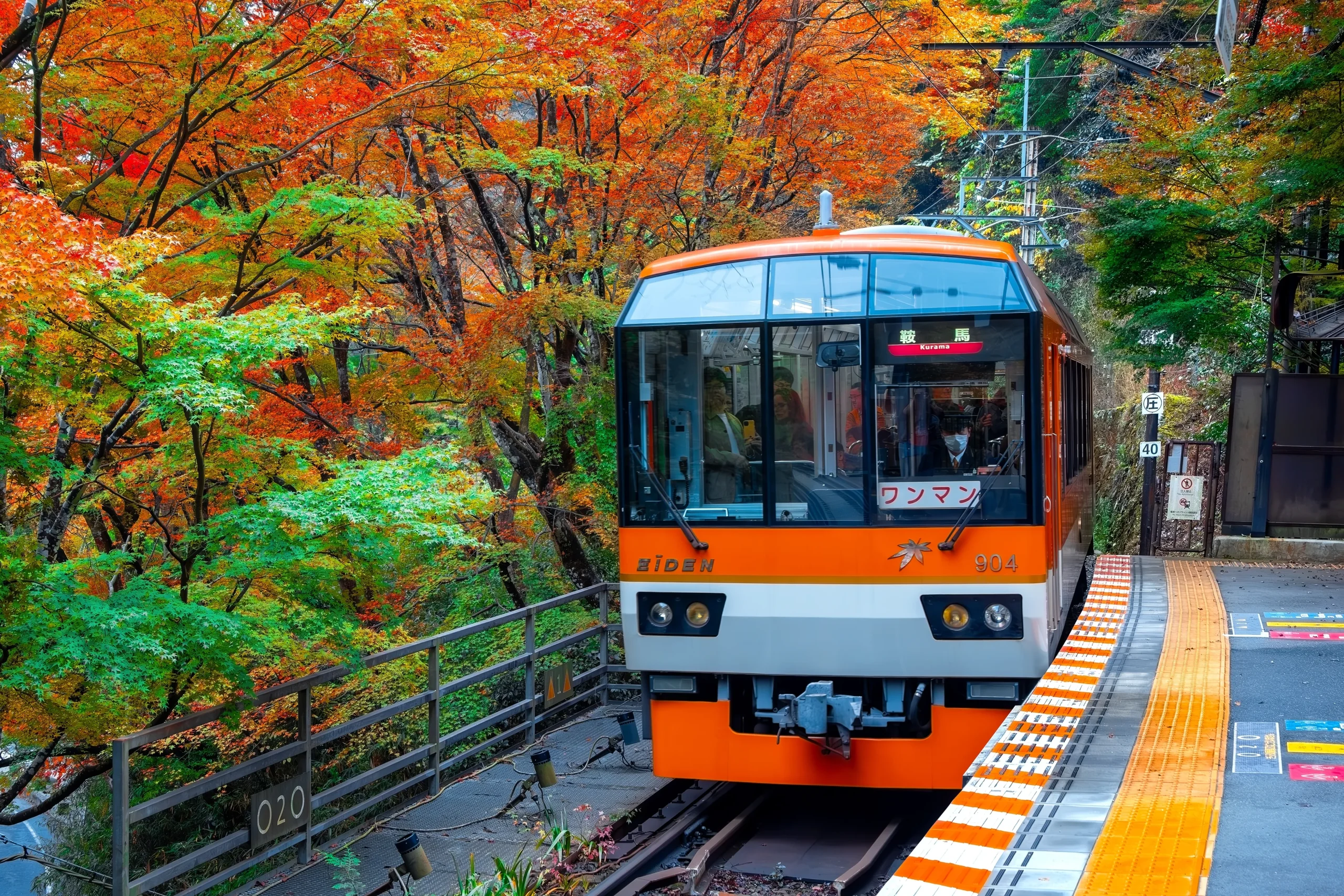
Eizan Railway’s Kirara train is purpose-built for autumn foliage viewing, featuring panoramic windows that stretch up toward the ceiling for an immersive, almost cinematic view. The name “Kirara” refers to something that shines brightly—similar to mica, the mineral—an idea reflected in the train’s design. Its exterior glitters like crystal glass, catching the autumn light as it moves through the mountains of northern Kyoto.
From late November, the surrounding hills blaze in vivid reds and golds, forming one of the region’s most colorful seasonal corridors. During evening hours, sections of the route are specially illuminated, transforming the leaves into a soft golden glow and offering an atmosphere completely different from daytime.
Access: From central Kyoto → Demachiyanagi Station
Reservations: No extra fee or reservation required. However, the line becomes extremely crowded on weekends—arrive early if you want a seat.
Winter|Tsugaru Railway “Stove Train” (Aomori) – A Nostalgic Snow Country Experience
Operating from December to March, the Stove Train is known for its coal stoves that warm passengers as snow-covered landscapes glide by, offering a nostalgic glimpse of rural Japan. During the season, you can reserve a limited-edition Stove Bento—a packed lunch in a bamboo basket with local ingredients styled to resemble coal and falling snow. Reservations for Stove Bento must be made at least three days in advance, with station pickup available.
Although a winter icon, the train also runs on select summer days, creating a quirky contrast for travelers seeking a unique stove-heated ride in midsummer.
Access: From Tokyo → Shin-Aomori (bullet train) → Goshogawara Station
Reservations: No advance booking. Purchase tickets at Goshogawara Station and line up 20–30 minutes before departure (earlier if you want a seat near the stove).
Three Distinctive Journeys|Culture, Cuisine, and Coastal Views
Japan’s scenic trains can be grouped into two major styles: immersive cultural journeys that highlight regional traditions, and landscape-focused routes designed to showcase dramatic scenery.
Below are three of the most distinctive trains. Each offering a deeply sensory experience.
Immersive Experience Trains|Unique Cultural Journeys
Koshino Shu*Kura (Niigata)|The Sake Train

Running along Niigata’s coastline and rural rice plains, Koshino Shu*Kura celebrates the region’s proud sake culture. Passengers are welcomed with curated tastings from local breweries, live jazz performances, and panoramic windows framing rice fields, distant mountains, and the Sea of Japan.
The name Shu*Kura blends “sake” (shu) and “storehouse” (kura), reflecting the deep connection between Niigata’s snowy climate, snowmelt-fed water, and the craftsmanship behind its premium sake.
Why it’s special:
You’re not just drinking sake—you’re traveling through the landscape that shapes it. As the train glides between sea and mountains, the scenery mirrors the terroir that makes Niigata’s sake world-renowned.
Seibu “52 Seats of Happiness” (Saitama)|A Traveling Restaurant
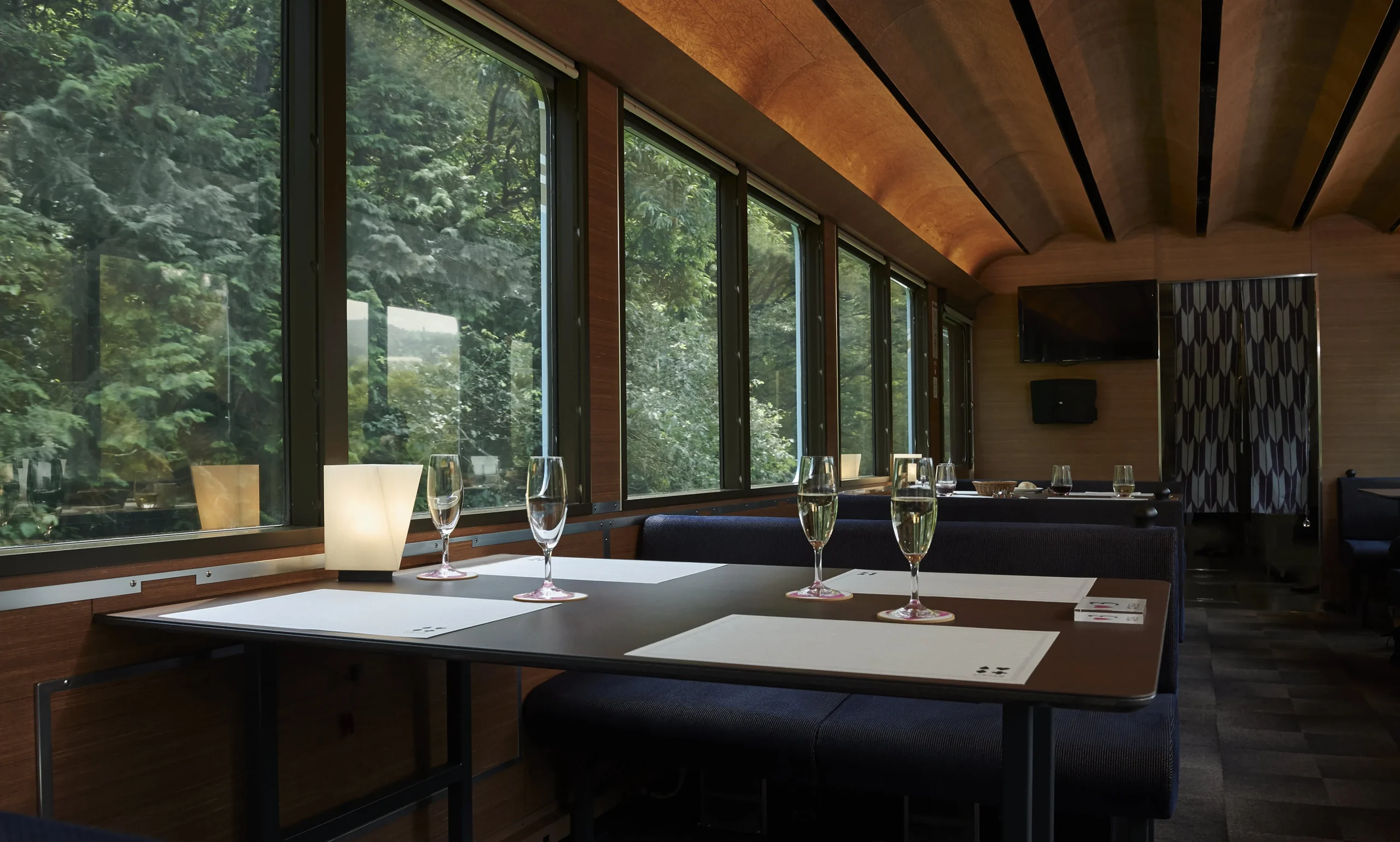
Fifty Two Seats of Happiness, luxury restaurant train transforms onboard dining into a refined multi-course journey. Traveling through Saitama and the Chichibu region, it showcases local ingredients prepared by guest chefs, plated with the elegance of a boutique restaurant.
Large windows, stylish interiors, and an intentionally slow pace allow guests to savor both the cuisine and the unfolding scenery: river valleys, rural farmland, and small towns that reveal a quieter side of Japan.
Why it’s special:
The train offers seasonally changing menus, collaborations with local farms, and dishes plated onboard. Dining feels immersive and unhurried, enhanced by attentive service and curated regional tableware.
Landscape-Focused Trains|For the Best Views
Iyo-nada Monogatari (Ehime)|Sunset Coastline Train
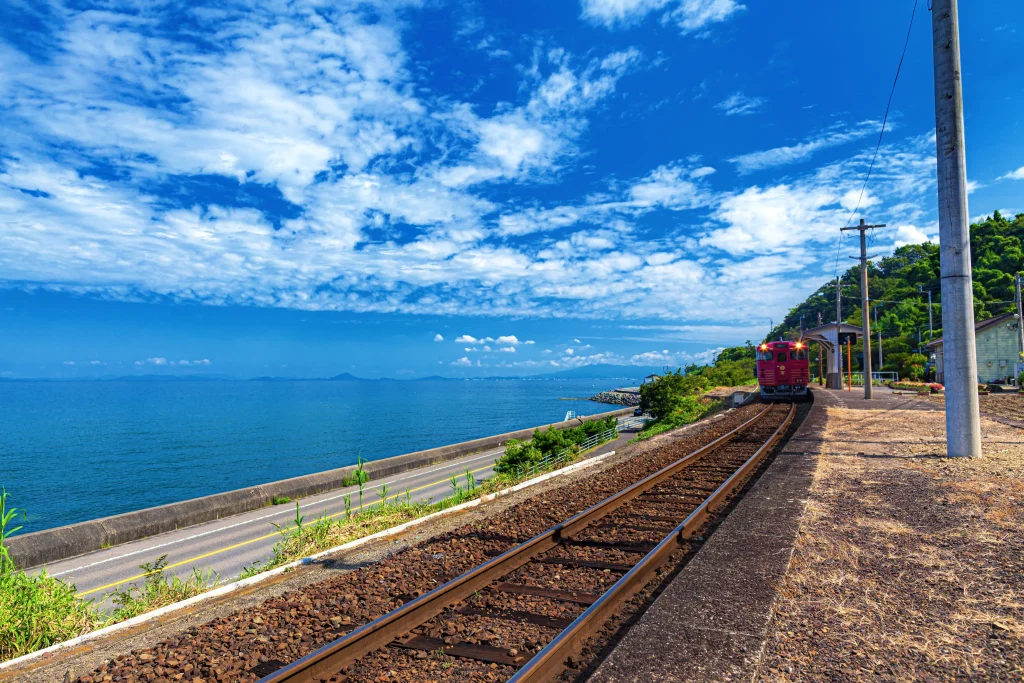
Perhaps one of Japan’s most photogenic scenic trains, Iyo-nada Monogatari traces the western coastline of Shikoku along the Seto Inland Sea. Ocean views open wide beside the tracks, revealing fishing harbors, quiet villages, and dramatic golden-hour colors. Each carriage features its own theme—classic wood interiors, retro fabrics, and wide coastal windows that immerse travelers in the slow rhythm of seaside life.
Beautifully presented meals made with local seafood, citrus, and vegetables further connect the dining experience with the surrounding landscape.
Why it’s special:
The route is famous for its sunsets. As the sun dips toward the horizon, the entire carriage glows in warm orange light—a moment that many travelers remember long after their visit.
Connecting Culture and Scenery
Whether you’re seeking cultural immersion, a luxury culinary journey, or the best coastal views in Japan, these scenic trains offer experiences that add depth and atmosphere to your itinerary. Blending them into your itinerary adds depth, atmosphere, and a glimpse into the landscapes that shape regional Japanese culture.
Find Your Perfect Scenic Train Journey
Scenic trains offer a way to slow down and connect with Japan’s landscapes and regional culture. Whether you prefer a sake-themed journey, a coastline sunset ride, or a panoramic mountain route, each train reveals a different side of the country that most travelers never see.
Instead of rushing between major cities, let one of these routes become a highlight of your itinerary. Choose a season, pick a theme, and build a moment of stillness into your journey.
Some routes still use Japanese-only booking pages, and navigating them can be part of the adventure—or something you’d rather leave to someone familiar with the process. However you choose to travel, Japan’s scenic trains reward anyone willing to slow down and follow the landscape’s pace.