Every summer, Japan bursts into color, rhythm and celebration. Streets fill with the scent of yakisoba (stir-fried noodle) and Mini-Kasutera (small ball-shaped Castella), the echo of taiko drums, and the shimmer of paper lanterns swaying in the night breeze. These are the “Matsuri”. Japan’s summer festivals where tradition, community and joy come together. Whether you stroll through Kyoto’s ancient lanes or discover a quiet seaside town in Mie, each Matsuri tells its own story. Let me show you how to experience them like a local.
What are Summer Festivals (Matsuri) in Japan?
In Japanese, Matsuri simply means “festival,” but its meaning runs far deeper than celebration alone. Rooted in Shinto belief, Matsuri were once held to honour the gods, praying for good harvests, protection from natural disasters and harmony within the community. Villagers gathered at shrines to offer dances, songs and food to the deities. Over time, these rituals evolved into the lively festivals that fill Japan’s summer calendar today.
A Matsuri is not just an event; it’s a symbol of connection between people, nature and the divine. The sound of drums and flutes, the sight of participants carrying a sacred mikoshi shrine (a portable shrine) through the streets, and the scent of warm summer air all come together to create an atmosphere unlike anywhere else in the world. From spiritual ceremonies to fireworks spectacle, Matsuri have adapted to modern life while keeping their soul intact. They remain a powerful expression of Japanese identity and a rare chance for travellers to step directly into living tradition.
Famous & Must-See Summer Festivals for First-Time Visitors
If this is your first time visiting Japan during summer, you’ll be spoiled for choice. Some Matsuri attract millions of visitors each year and showcase Japan at its most spectacular.
Gion Matsuri | Kyoto
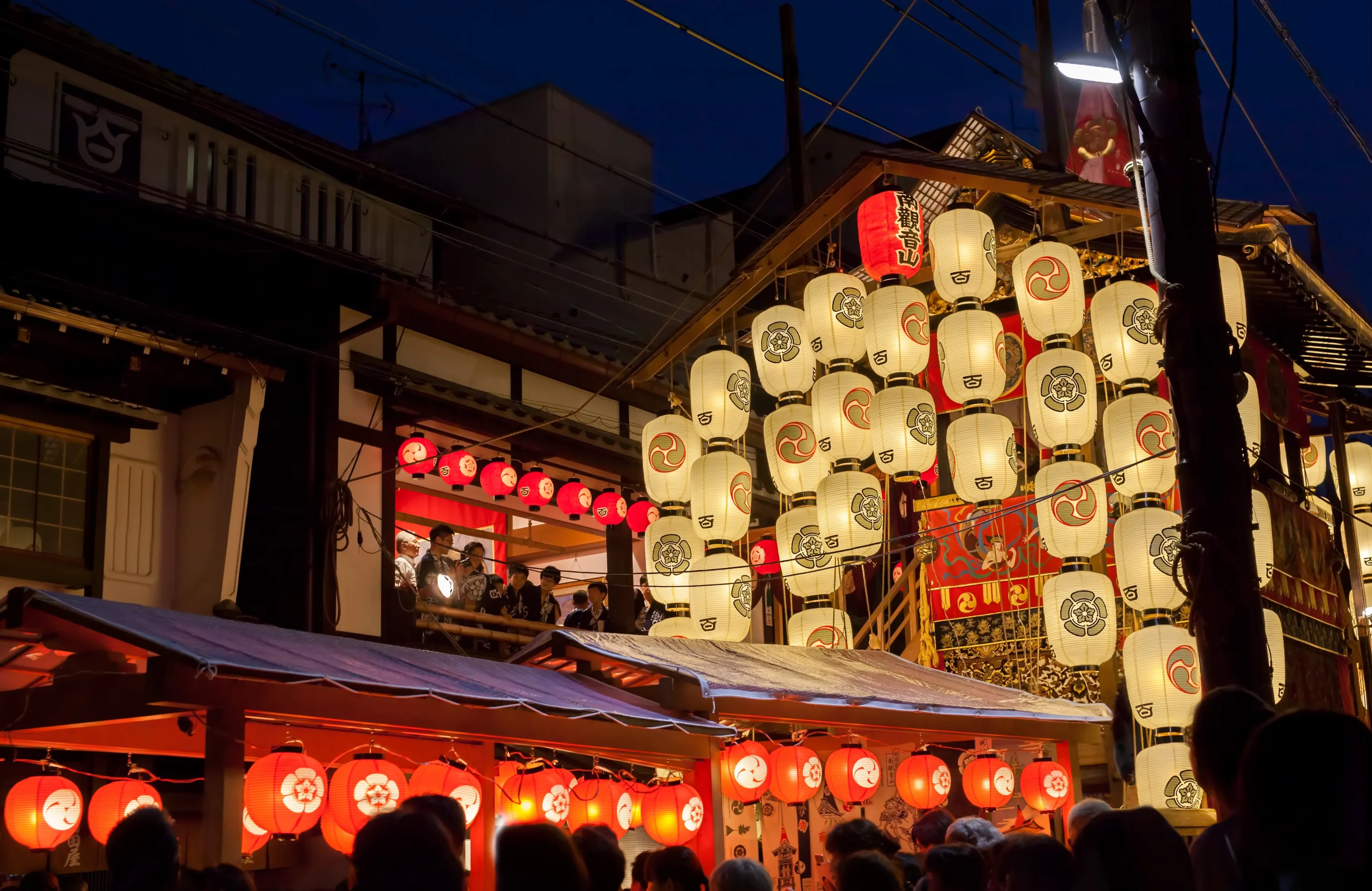
Held throughout July, the Gion Matsuri is one of Japan’s most famous and historic festivals, dating back over a thousand years. Towering wooden floats called Yamahoko roll through Kyoto’s streets, decorated with intricate tapestries and lanterns. Locals wear yukata (a light cotton kimono) and line the streets to watch the procession. In the evenings, the city glows with lanterns, traditional music and food stalls. It’s a true celebration of elegance and tradition.
Nebuta Matsuri | Aomori
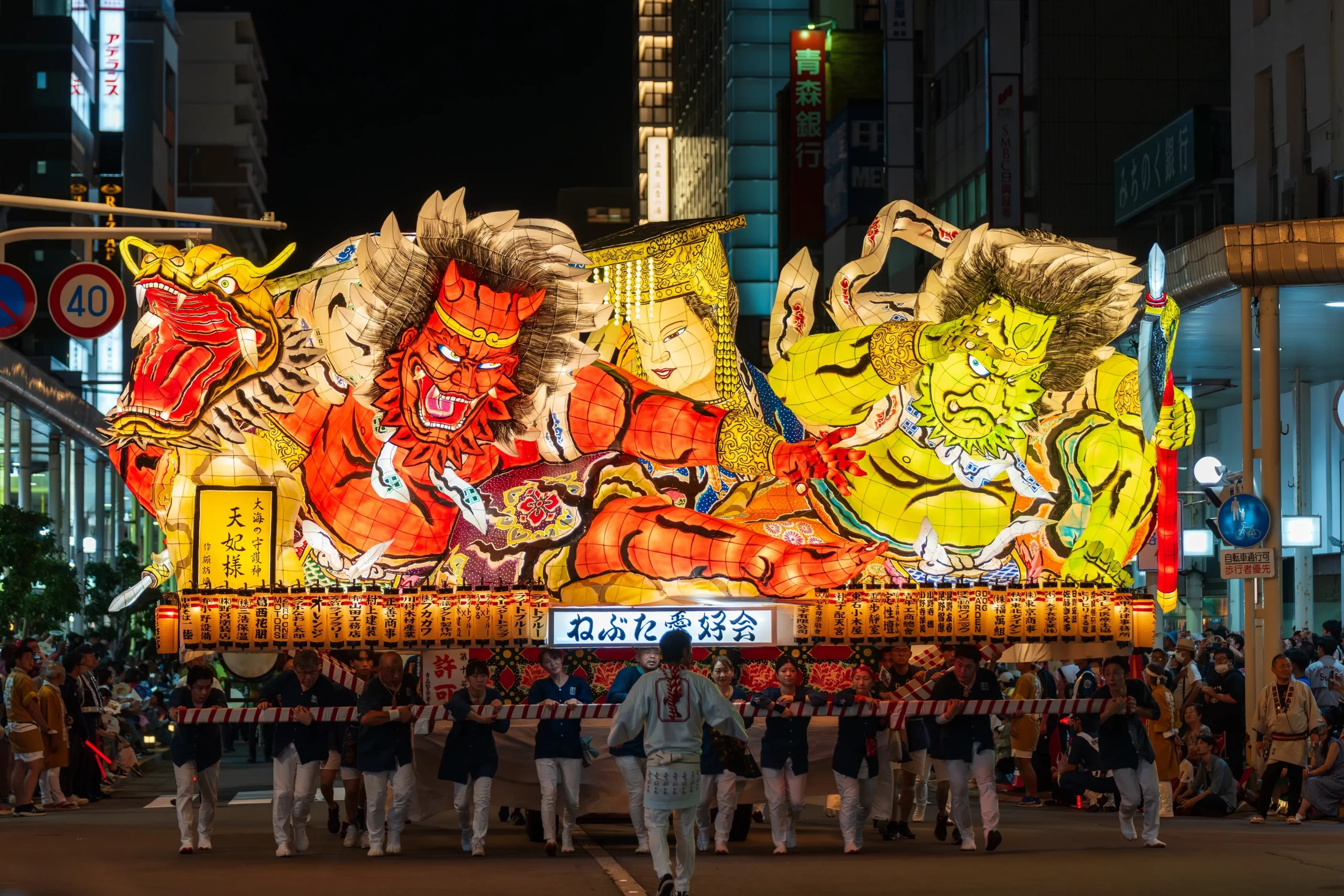
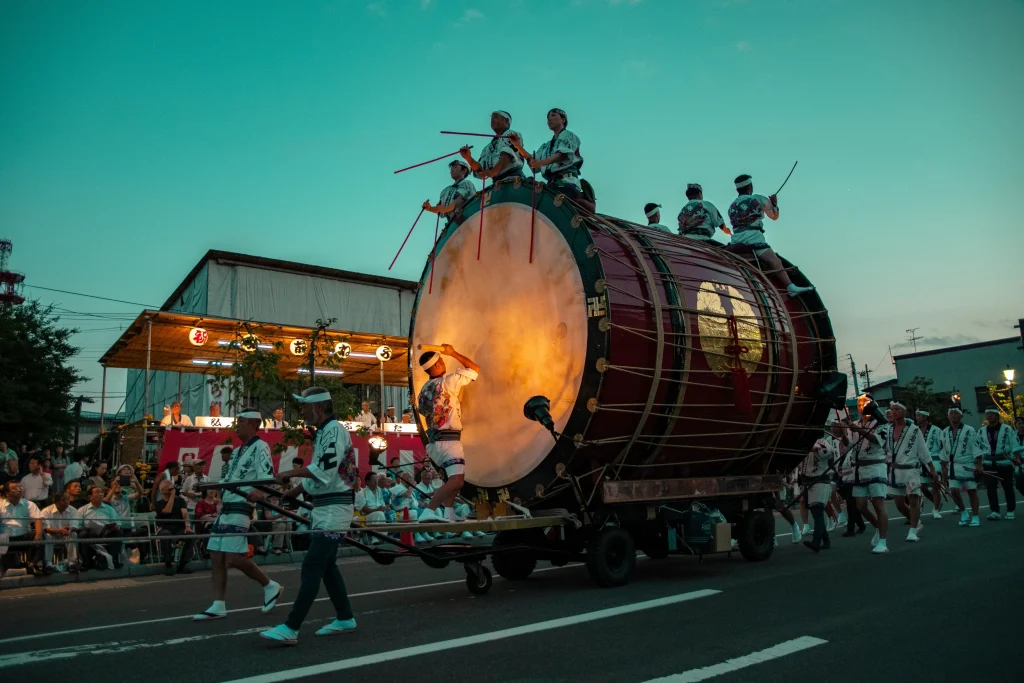
In early August, Aomori City transforms into a glowing dreamscape during the Nebuta Matsuri. Enormous illuminated floats shaped like samurai and mythical creatures’ parade through the streets, accompanied by dancers shouting “Rassera! Rassera!” The energy is electric — part art, part athletic performance and seeing the floats light up the night sky is something you’ll never forget.
Tenjin Matsuri | Osaka
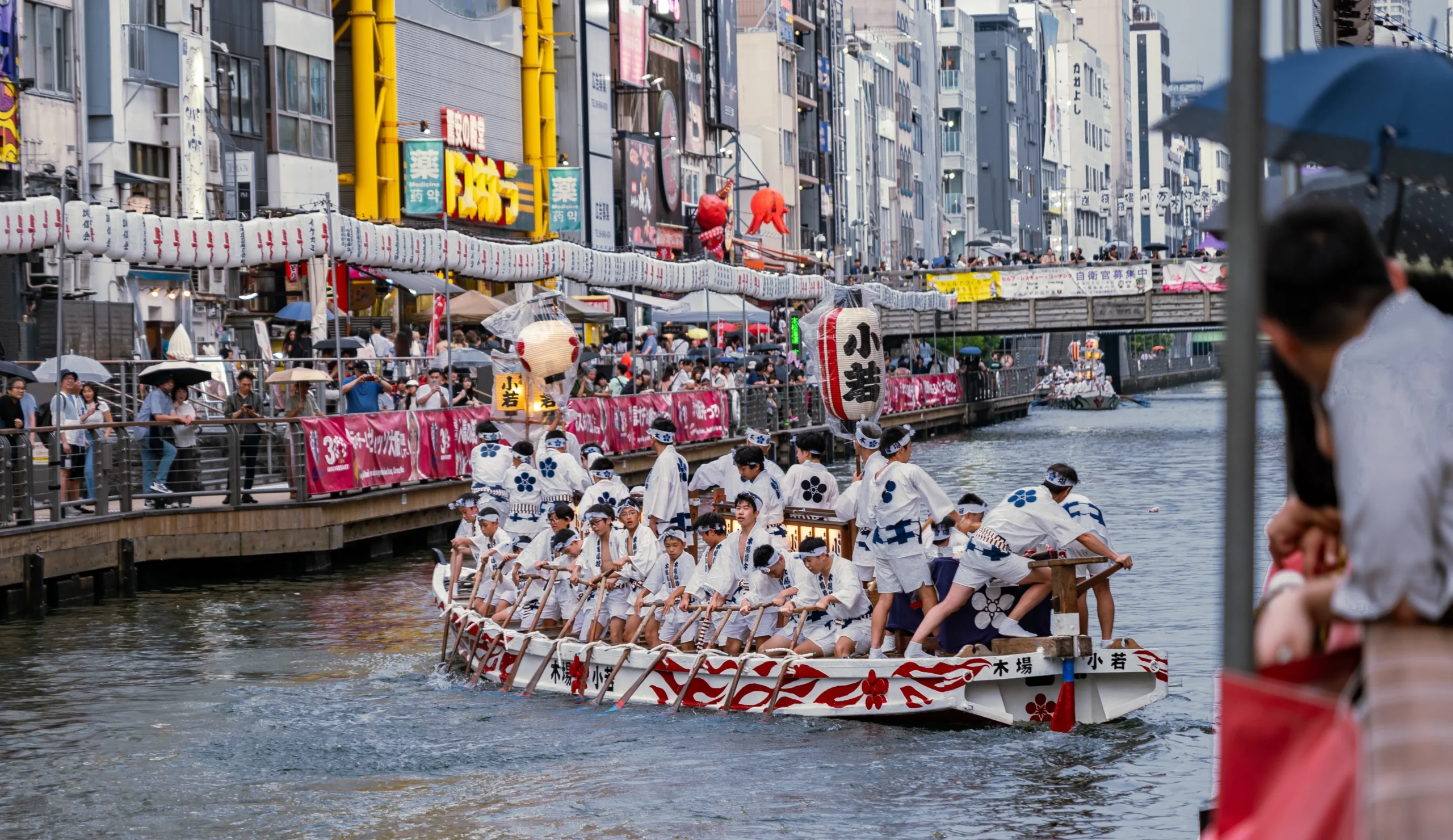
Osaka’s Tenjin Matsuri in late July combines ritual and revelry like no other. It begins with a Shinto ceremony and ends with a massive river procession featuring boats lit with hundreds of lanterns. Fireworks burst over the water while locals cheer and enjoy festival food along the banks. It’s one of Japan’s liveliest festivals and a perfect showcase of Osaka’s famously friendly spirit.
Each of these festivals captures a different side of Japan, refined elegance, vibrant artistry, open-hearted fun. If your trip overlaps with one, it’s worth planning your schedule around it.
Hidden & Local Matsuri You Probably Don’t Know Yet
While the big-name Matsuri are breathtaking, Japan’s smaller local festivals offer something equally special, authentic community warmth and a chance to mingle with locals. Every region, from Hokkaido to Okinawa, has its own traditions passed down through generations. In Mie Prefecture where sacred nature and ancient shrines abound. Several unique Matsuri light up the summer nights:
Sekijuku Gion Summer Festival | Kameyama, Mie
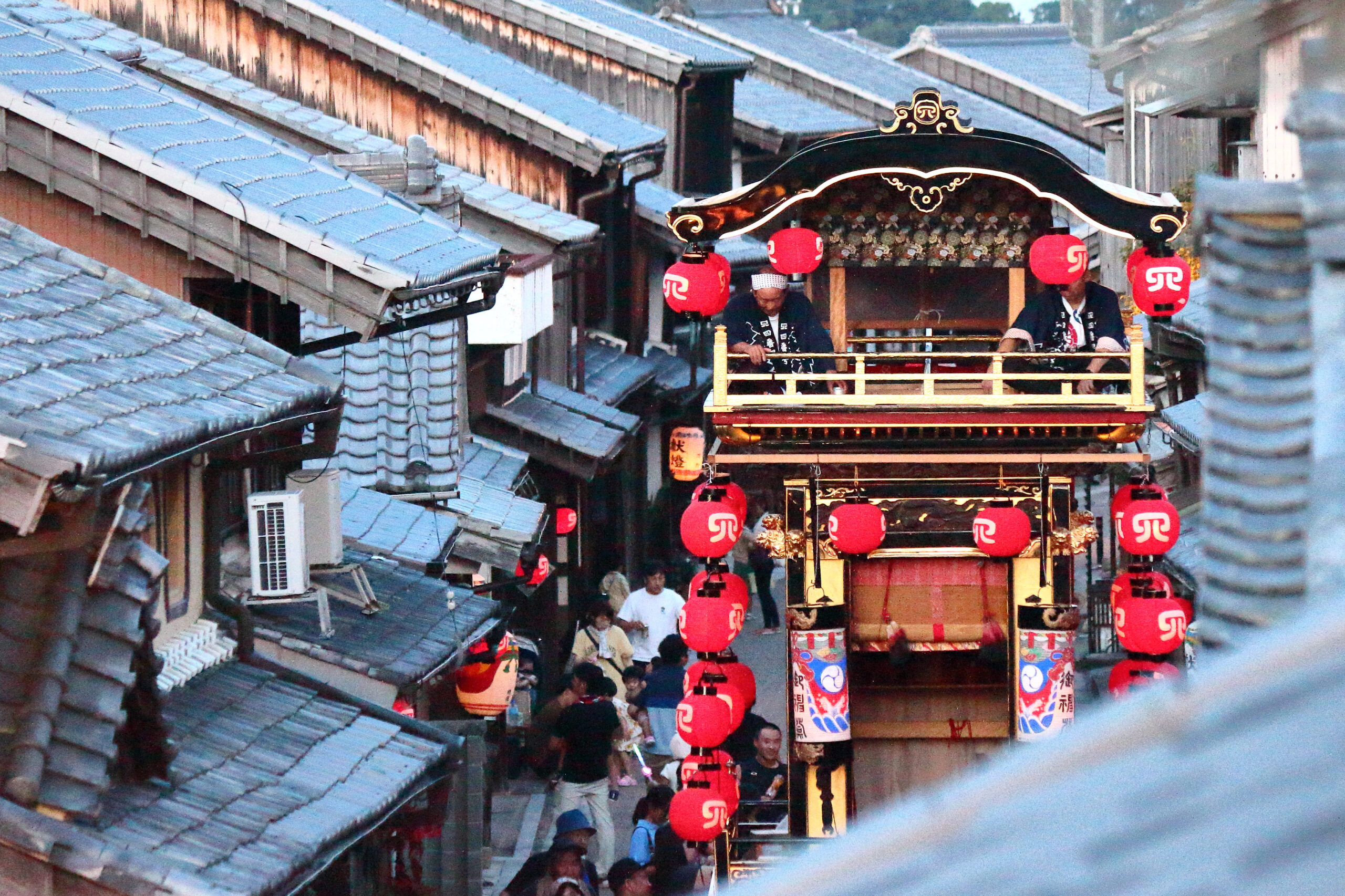
The Sekijuku Gion Summer Festival, held in Kameyama City, Mie Prefecture is known for its illuminated floats that parade through the historic streets of the Sekijuku area, a former post town on the Tōkaidō road. Visitors can enjoy the lively rhythm of taiko drums, join local dances, and experience the community spirit that makes this festival a unique glimpse into traditional Japanese summer celebrations.
Kumano Fireworks Festival | Kumano, Mie
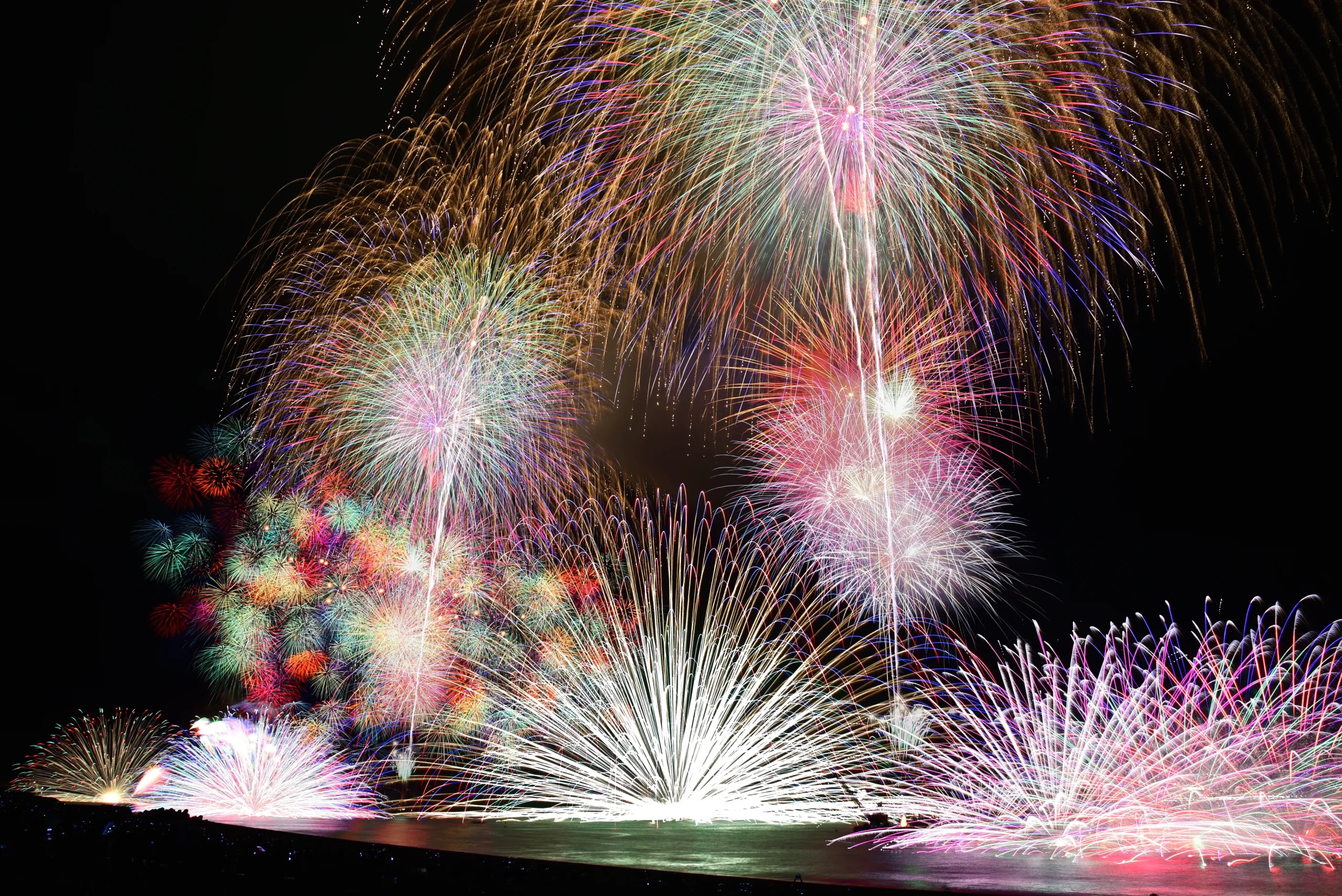
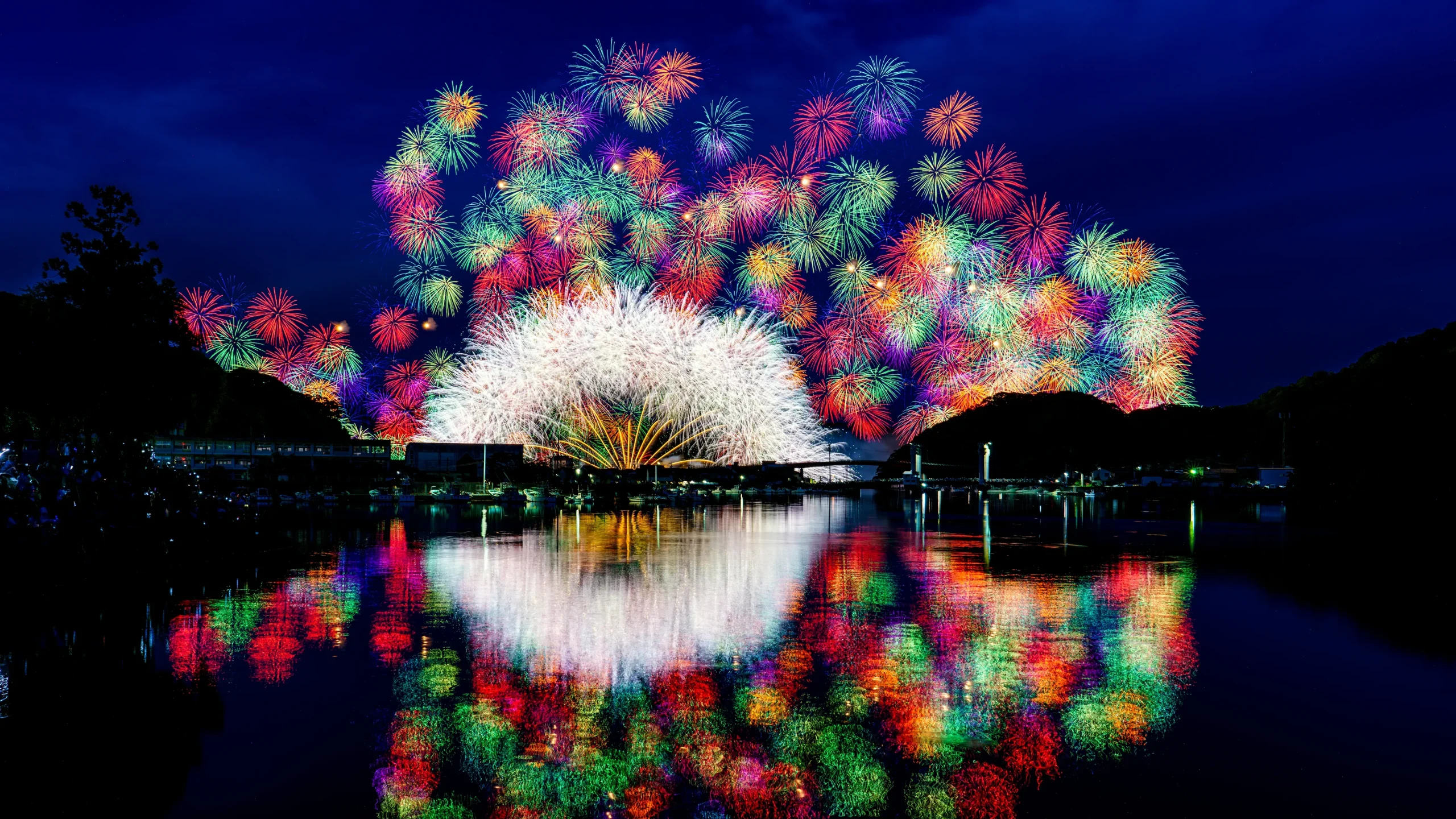
One of Japan’s grandest fireworks displays, held along the Kumano River. Thousands of fireworks explode over the water and mountains, reflecting off the waves like falling stars. Locals spread picnic mats on the sand, enjoying a night of awe and camaraderie.
Kihoku Lantern Festival | Kihoku, Mie
A charming local event where hundreds of lanterns float into the dark sky, illuminating the town’s coastal scenery. You’ll find no crowds here. Just families, food stalls and the gentle hum of festival music.
These smaller Matsuri reveal Japan at its most genuine, warm smiles, friendly greetings and traditions still alive in the hearts of the people. Attending one feels like being welcomed into a hometown you never knew you had.
How to Enjoy Matsuri Like a Local (Manners & Tips)
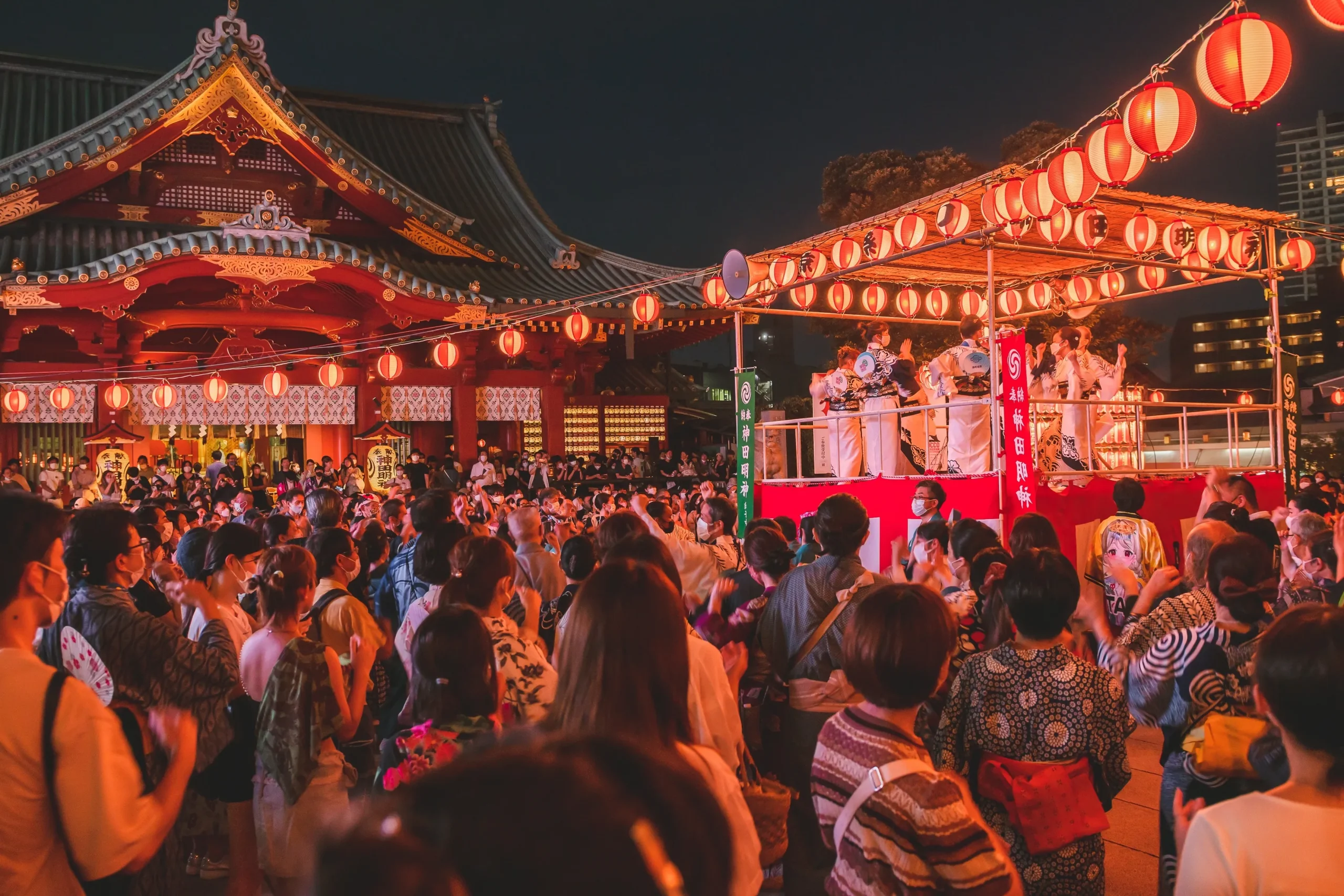
To truly experience a Matsuri, don’t just watch, join in. Here’s how to make the most of your festival visit while respecting local customs.
Dress the Part
Wearing a yukata instantly helps you blend in and enjoy the atmosphere. Many cities, especially Kyoto and Tokyo, have rental shops that include dressing services. A simple hand fan called uchiwa completes the look and helps you stay cool.
Join the Bon Odori Dance
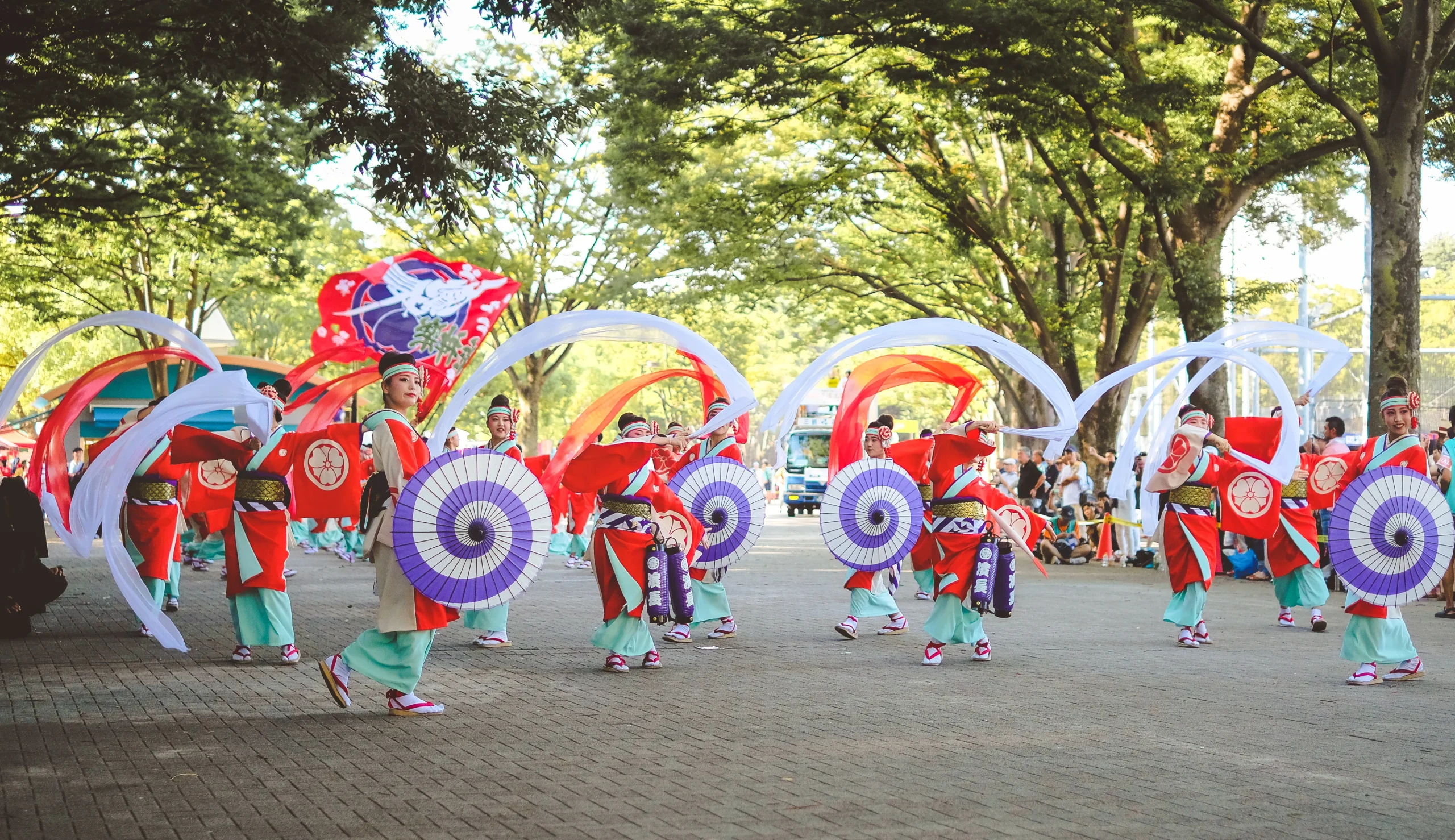
At many summer festivals, people gather in circles to perform Bon Odori, a traditional dance that welcomes ancestral spirits. Don’t worry about knowing the exact steps, just follow the locals. It’s about community, not perfection. You’ll feel the joy of being part of something timeless.
Try Festival Food
Rows of food stalls line every festival street, offering everything from takoyaki (octopus balls) to kakigori (shaved ice). Grab a few dishes and enjoy them while watching fireworks or a parade. Each region has its own specialties, another reason to explore local Matsuri.
Show Respect at Shrines
If the festival takes place near a shrine, remember basic etiquette: bow lightly before entering the torii gate, wash your hands at the basin, and make a small offering or prayer. These gestures show appreciation for the spiritual roots of Matsuri.
By following these simple customs, you’ll feel part of the festival, not just a visitor, but a participant in a centuries-old celebration.
How to Find a Matsuri That Fits Your Trip
One of the best things about travelling in Japan during summer is that festivals happen almost every night somewhere in the country. From major cities to small fishing towns, each has its own rhythm and local charm. However, smaller Matsuri can be harder to find in English. The best way to discover them is by checking local tourism websites or visitor centres once you arrive. Hotel staff and friendly locals are often happy to share recommendations.
If you’d like a more personalised touch, our team specialises in finding local Matsuri that match your travel dates, interests and location. Whether you want to witness grand parades or join intimate neighbourhood celebrations, we’ll guide you to the perfect one. If you’d like us to recommend the best festival for your trip, feel free to get in touch here— we’ll be happy to assist.
Feel the Summer Spirit of Japan
A Matsuri is more than an event, it’s an emotion. The laughter of children with cotton candy, the scent of incense rising from shrine grounds, the rhythm of taiko echoing through warm summer air. You can read about it, or even watch it online, but nothing compares to standing there yourself surrounded by the glow of lanterns and the heartbeat of the crowd.
Come see it for yourself. Let the sounds, sights and smiles of Japan’s summer festivals fill your heart. Because once you experience a Matsuri firsthand, you’ll understand: this isn’t just Japan’s celebration of summer — it’s a celebration of life itself.