Tokyo is not only home to world-famous tourist destinations but also features historical landmarks cherished by locals and places that many visitors overlook. Stepping away from the city’s busiest sightseeing areas to explore places that reveal Tokyo’s culture and history offers a different way to experience the city.
Not every place in this guide is a secret. Some are well known among Tokyo residents and repeat visitors. What they have in common is that they offer something different from the city’s headline attractions, from historical gardens and museums to local shopping streets and neighborhoods worth exploring on foot.
5 Hidden Spots to Experience History and Tradition
Akagi Shrine

Located in the lively Kagurazaka district, Akagi Shrine boasts over 700 years of history. What sets this shrine apart is its contemporary architectural design, combining modern elements with traditional aesthetics. The current shrine was redesigned by architect Kengo Kuma, and visitors can also relax at the café located within the shrine grounds.
Combining a visit to Akagi Shrine with a stroll through Kagurazaka is especially worthwhile. The surrounding neighborhood has narrow lanes, traditional restaurants, small shops, and cafés that make it easy to spend more time exploring after visiting the shrine.
Gotokuji Temple

Gotokuji Temple is widely associated with the legend of the maneki-neko, or beckoning cat. Thousands of ceramic maneki-neko figurines line part of the temple grounds, creating one of the temple’s most distinctive sights.
Visitors can purchase maneki-neko of various sizes and dedicate them at the temple. Although Gotokuji sits in a quiet residential part of Setagaya, the rows of cats have become increasingly popular with visitors, so an earlier visit may offer a calmer experience.
Beyond the famous figurines, Gotokuji is still an active Buddhist temple, and taking time to explore the grounds gives the visit more meaning than treating it only as a photo stop.
Nezu Museum

The Nezu Museum houses more than 7,600 works of Japanese and East Asian art, including seven National Treasures and 93 Important Cultural Properties. Its collection includes paintings, calligraphy, ceramics, tea utensils, and other works. The museum building itself is a highlight, designed by renowned Japanese architect Kengo Kuma.
Surrounding the museum is a vast Japanese garden, where visitors can enjoy seasonal scenery alongside the galleries. Exploring the art and then walking through the garden makes the museum particularly rewarding for travelers interested in both traditional art and contemporary architecture.
The museum generally uses online timed-entry tickets and also closes during exhibition changeovers in addition to its regular closing days. If the museum is an important part of your itinerary, check the current exhibition schedule before visiting.
Rikugien Garden

Rikugien Garden was created in 1702 by Yanagisawa Yoshiyasu, a high-ranking official of the Tokugawa shogunate. It is a valuable example of an Edo-period daimyo garden, preserving its historical landscape.
What makes Rikugien particularly interesting is its design, which recreates 88 landscapes inspired by classical Japanese poetry. As visitors walk among the carefully arranged hills, ponds, and trees, different views evoke places and scenes associated with traditional waka poetry.
During spring, cherry blossoms bring soft color to the garden, while autumn foliage becomes the focus later in the year. Special nighttime viewing events are also sometimes held during the spring blossom and autumn foliage seasons. These are separately ticketed seasonal events rather than ordinary nighttime opening, so check the current schedule if you hope to visit after dark.
Edo-Tokyo Open Air Architectural Museum

The Edo-Tokyo Open Air Architectural Museum in Koganei City is an outdoor museum offering a rare opportunity to experience Japan’s architectural and lifestyle history firsthand. Spanning approximately seven hectares, the museum preserves and reconstructs around 30 historical buildings from the Edo period to the mid-Showa period.
The museum features traditional farmhouses, merchant homes, public bathhouses, and residences from different periods. Inside, visitors can explore period furnishings and household items, providing a tangible glimpse into historical daily life.
Because the museum is in western Tokyo rather than the city center, it requires more time than most of the other places in this article. It is better suited to a few relaxed hours than to being squeezed between central-Tokyo attractions.
5 Must-Visit Destinations in Tokyo
Tokyo Skytree Town

Tokyo Skytree Town is a large entertainment complex centered around the 634-meter Tokyo Skytree. Its observation decks offer panoramic views across the city.
The complex also features Tokyo Solamachi, a shopping and dining area with more than 300 stores where visitors can browse souvenirs, restaurants, and specialty shops. Sumida Aquarium and a planetarium provide additional indoor options, making it easy to spend several hours in the area.
Daikanyama T-SITE

Daikanyama T-SITE is a cultural and retail complex centered around Tsutaya Books, with an extensive collection covering areas such as art, design, architecture, travel, music, and film.
The site also includes specialty shops and cafés, while the surrounding greenery creates a calmer atmosphere than Tokyo’s larger commercial districts. Daikanyama itself is worth walking around, particularly for travelers interested in contemporary Tokyo design, fashion, and quieter streets.
Harmonica Yokocho

Harmonica Yokocho near Kichijoji Station developed in the postwar period and retains a maze of narrow passages lined with small eateries and bars, including izakaya, yakitori shops, and ramen restaurants.
During the day, the area can feel relatively subdued, but its character changes as restaurants and bars begin opening in the evening. Red lanterns and tiny counters give the alleys a different atmosphere from Tokyo’s larger nightlife districts.
Azabu Juban Shopping Street

Located around the Azabu Juban and Motoazabu neighborhoods, this long-established shopping street brings together Japanese confectionery shops, soba restaurants, modern cafés, bakeries, and specialty food stores.
The annual summer festival is one of its best-known events, but the neighborhood is worth visiting throughout the year, particularly when combined with other sights in central Tokyo.
Sunamachi Ginza Shopping Street

Sunamachi Ginza Shopping Street preserves the atmosphere of a traditional local shopping street and remains closely connected to everyday life in the surrounding neighborhood.
Its shops include greengrocers, fishmongers, butchers, prepared-food stores, and small family-run businesses. The street is also known for inexpensive foods such as handmade croquettes, tempura, and yakitori.
Compared with shopping streets in better-known tourist areas, Sunamachi Ginza is less about major sightseeing landmarks and more about seeing how a neighborhood shopping street functions from day to day.
More Hidden Gems to Explore in Tokyo
Yanaka Ginza and Yanaka
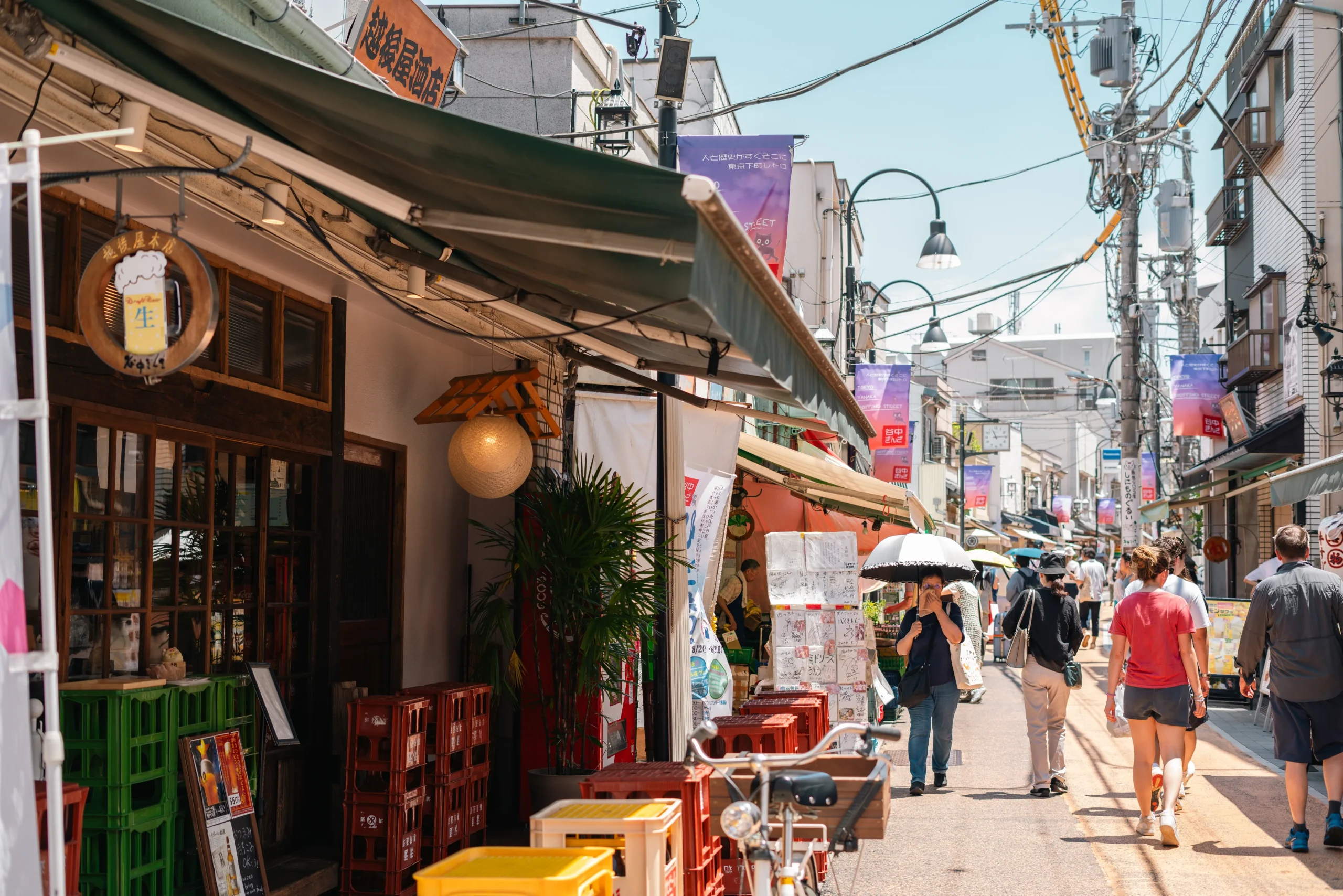
Yanaka is a good choice for travelers who prefer exploring a neighborhood rather than moving from one attraction to the next.
Yanaka Ginza is a traditional shopping street lined with small independent shops selling everyday goods, prepared foods, sweets, and other local specialties. The street itself is fairly short, so it works best as part of a wider walk through Yanaka and neighboring Nezu.
One option is to start around Nippori Station, walk through Yanaka Ginza, and continue through the residential streets toward Nezu. Along the way, you can pass through Hebimichi, a narrow winding lane whose shape follows the course of a former stream.
Hebimichi is primarily residential rather than a sightseeing attraction, so the appeal is simply in noticing how older layers of Tokyo still shape today’s streets. If you have more time, nearby Nezu Shrine can also be added to the same walk.
Shibamata and Taishakuten-Sando
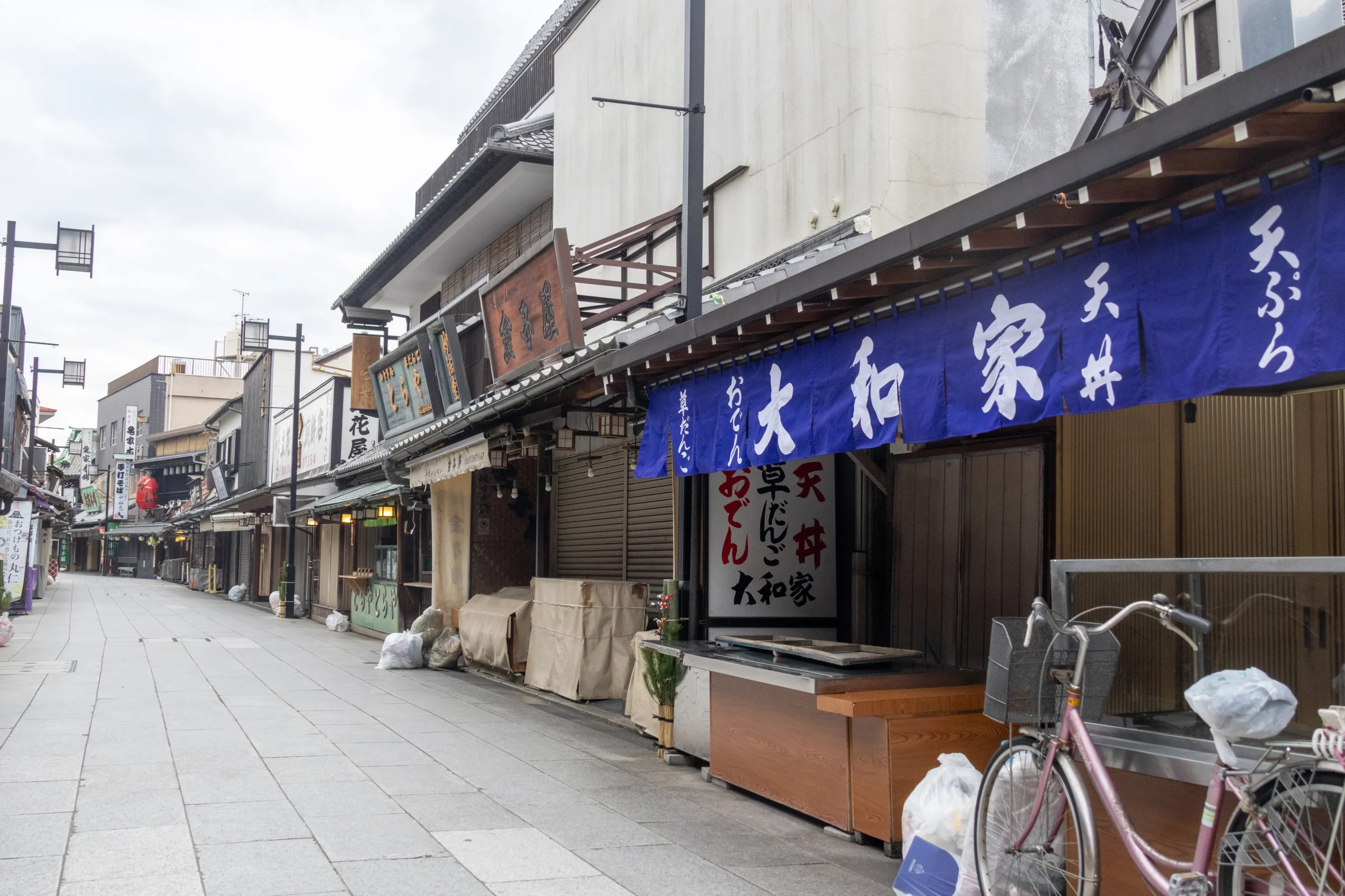
Shibamata in northeastern Tokyo offers a distinctly retro side of the city. The traditional approach street between Shibamata Station and Taishakuten Temple is lined with old-style shops, restaurants, and stores selling local sweets and rice crackers.
Taishakuten was established in the 17th century, while its later temple buildings include detailed wooden carvings that are one of the area’s highlights. Shibamata is also closely associated with the long-running Japanese film series Otoko wa Tsurai yo.
Unlike most places in this article, Shibamata requires a little more commitment to reach. Travel takes around 50 minutes from Tokyo Station and roughly an hour from Shinjuku, so it is better treated as a relaxed half-day outing than as a quick stop between central-Tokyo attractions.
Kagurazaka Backstreets
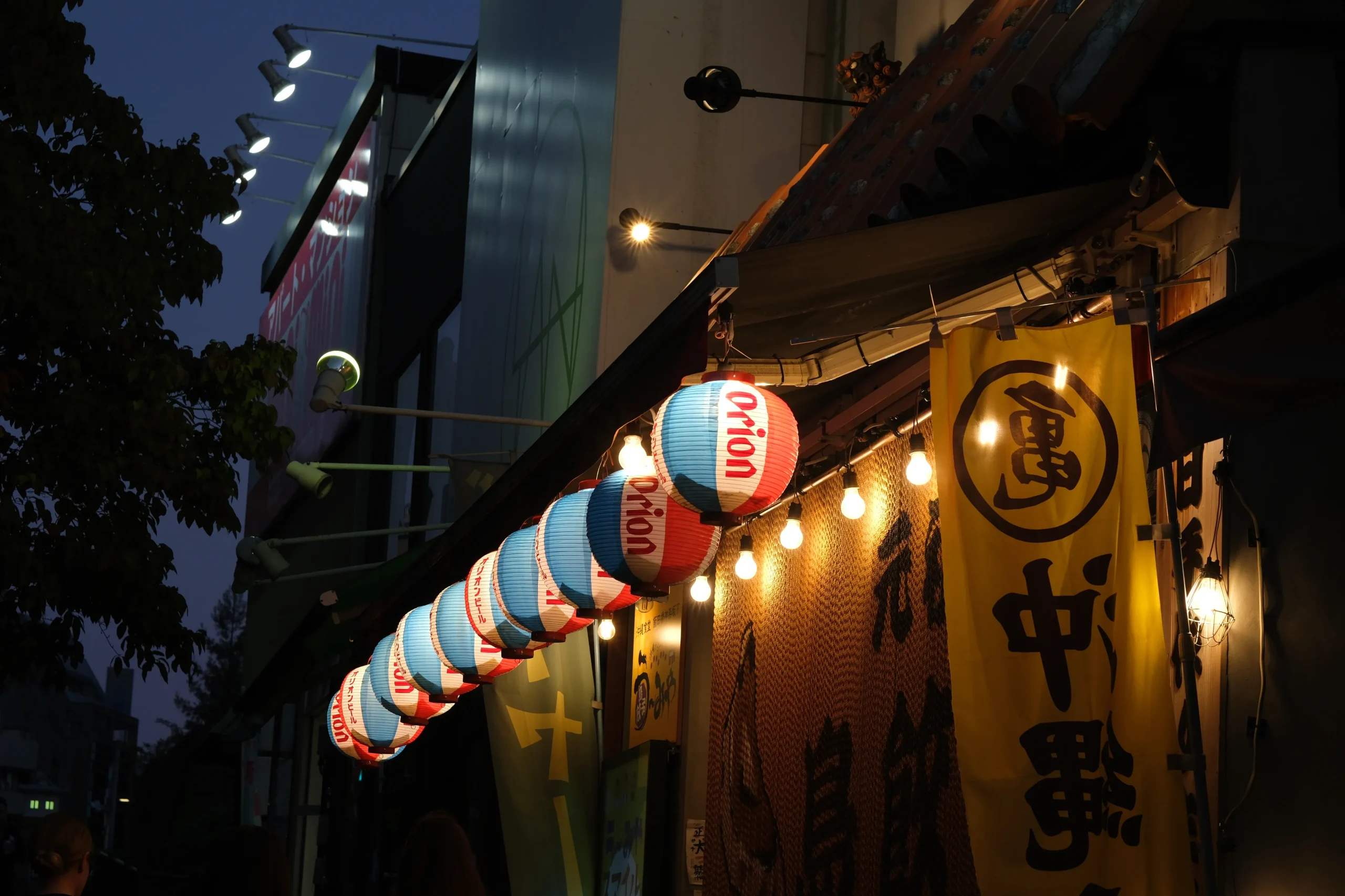
The article already introduces Akagi Shrine, but the surrounding Kagurazaka neighborhood is worth exploring in its own right.
Kagurazaka was historically a prominent geisha entertainment district. Today it is a contemporary neighborhood of restaurants, shops, cafés, and residences, but several of its narrow side streets still reflect that older history.
Kakurenbo Yokocho and Hyogo Yokocho are among the lanes worth exploring, with cobbled streets, traditional restaurants, and newer businesses mixed together.
The easiest way to include Kagurazaka is to combine it with Akagi Shrine. Rather than visiting the shrine and immediately returning to the station, allow some extra time to wander through the surrounding backstreets.
Kuramae
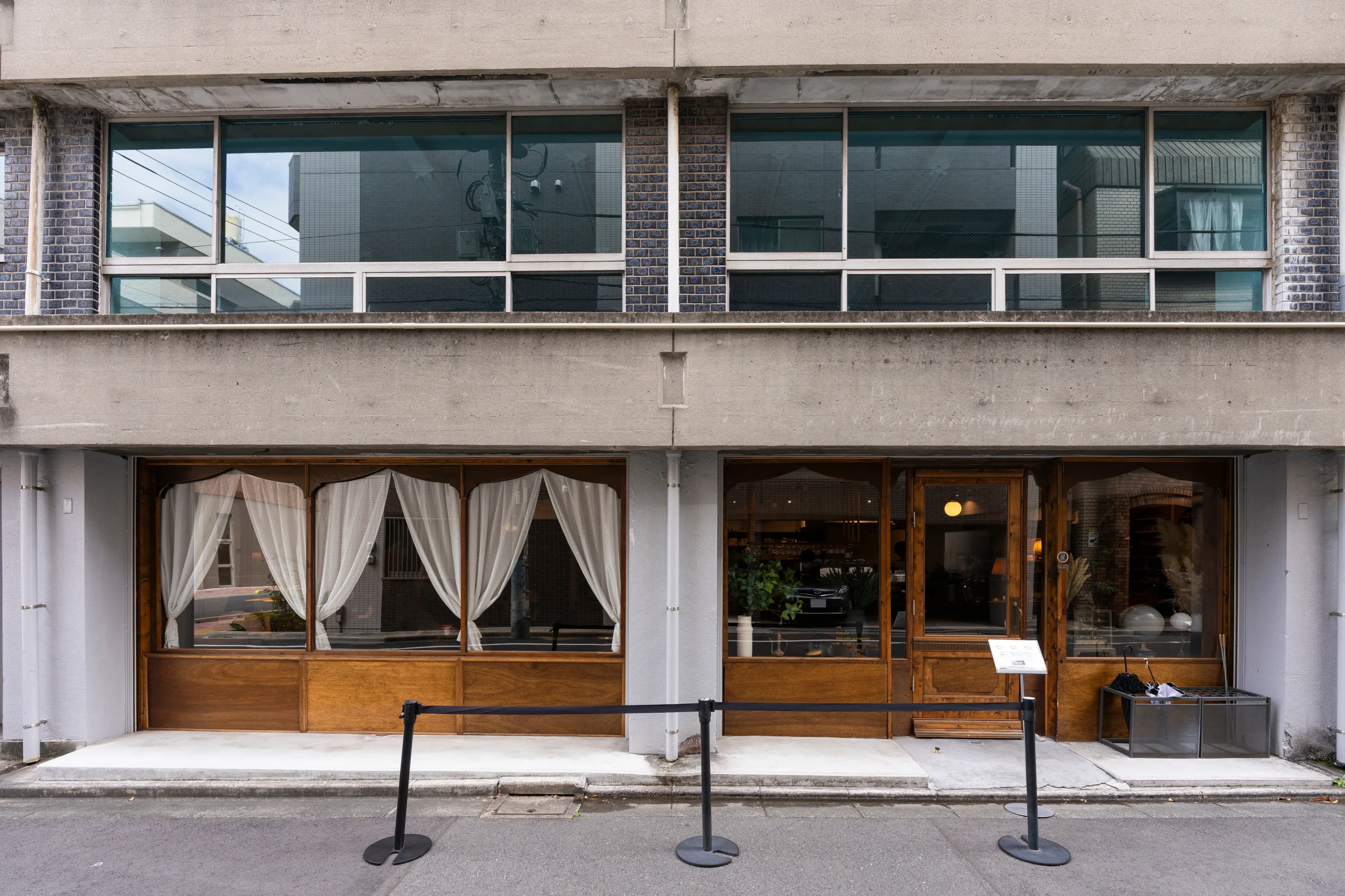
Kuramae offers a different kind of lesser-known Tokyo. The area’s history is connected with Edo-period rice warehouses and later with wholesalers and craftspeople. Today, small makers, specialist shops, stationery stores, cafés, galleries, and design businesses are mixed into the older commercial neighborhood.
There is no single landmark that defines Kuramae. Its appeal comes from walking between small stores and workshops and seeing how the area’s long connection with making and trade continues in a contemporary form.
Kuramae is also easy to combine with Asakusa. Travelers already visiting Sensoji and the surrounding streets can add Kuramae without crossing to another side of Tokyo.
Read more: Off the Beaten Path in Japan
Summary
Tokyo is home to world-famous attractions, but its smaller neighborhoods, historical sites, gardens, and local shopping streets can show a very different side of the city.
Yanaka works well for a relaxed old-town walk, Kagurazaka pairs naturally with Akagi Shrine, and Kuramae is easy to combine with Asakusa. Shibamata takes more time to reach but is worth considering if you want to spend part of a day exploring a slower, retro corner of eastern Tokyo.
The challenge is often not finding interesting places but fitting them together sensibly. Tokyo is enormous, and an itinerary can quickly turn into a day spent crossing the city.
If you would like to combine lesser-known neighborhoods with Tokyo’s major sights without overloading your schedule, ENJYU JAPAN’s tailor-made tours can help shape an itinerary around your interests, pace, and travel dates.