Many trips to Japan focus on famous destinations such as Tokyo, Kyoto and Osaka. There is nothing wrong with that, but adding one or two less conventional stops can show you a very different side of the country, from mountain trails and remote islands to small communities and unusual engineering sites.
The places below are not all “secret.” Some are well known in Japan, and a few attract plenty of visitors in their peak season. What they have in common is that they sit outside the standard first-time tourist route and give you a reason to explore another region.
Here are 14 off-the-beaten-path places to consider for your next trip to Japan.
Daisetsuzan Asahidake | Hokkaido
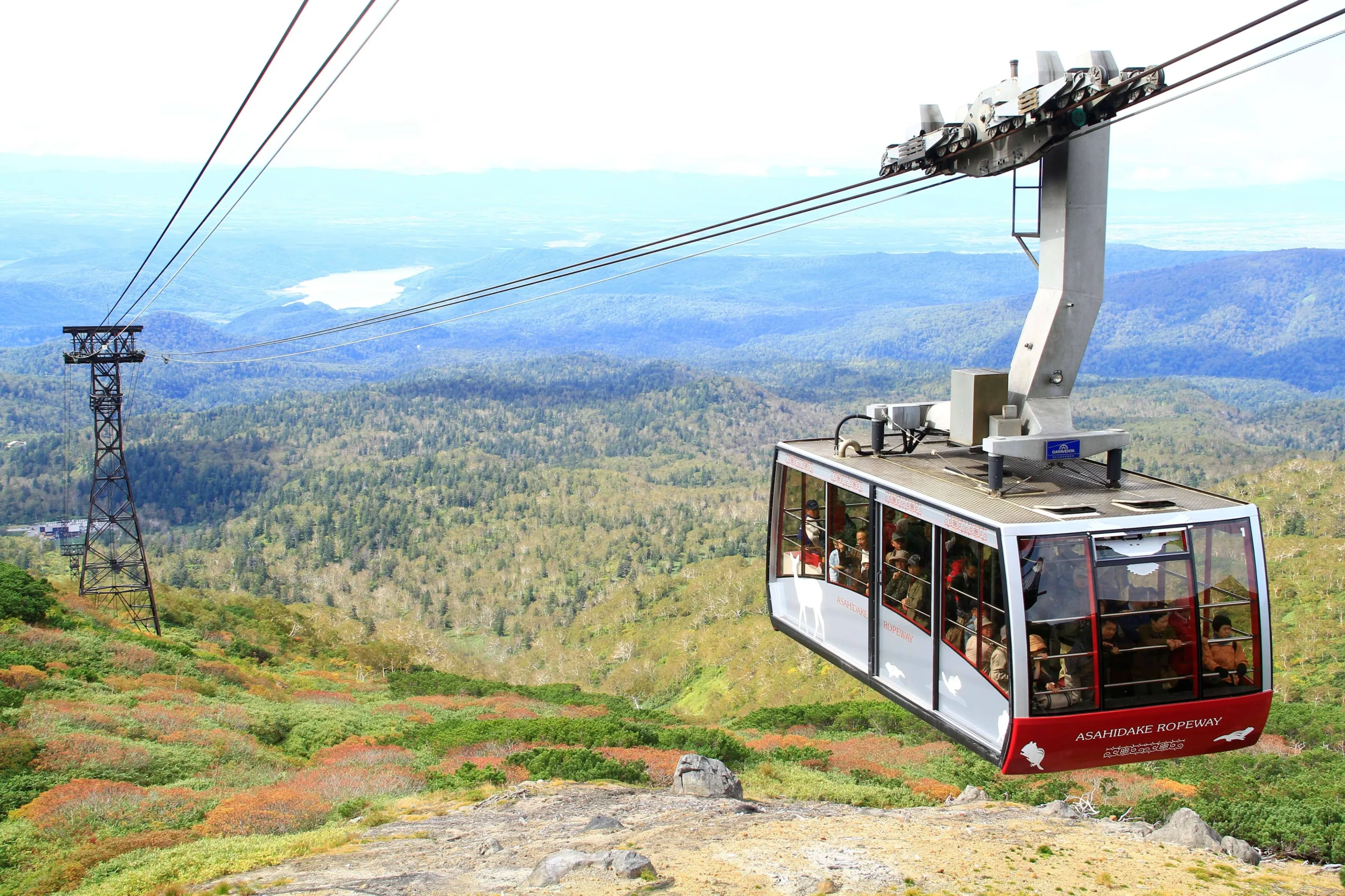
Daisetsuzan Asahidake is the highest mountain in Hokkaido at 2,291 meters and an excellent place to experience the region’s dramatic mountain scenery. While the main hiking season from June to mid-October is relatively short, there are walking paths surrounded by alpine plants during the warmer months.
Autumn colors can begin appearing from late August, much earlier than in most parts of Japan. The Daisetsuzan Asahidake Ropeway takes visitors partway up the mountain, making the highland scenery accessible even if you are not planning a full climb.
Naruse Dam | Akita
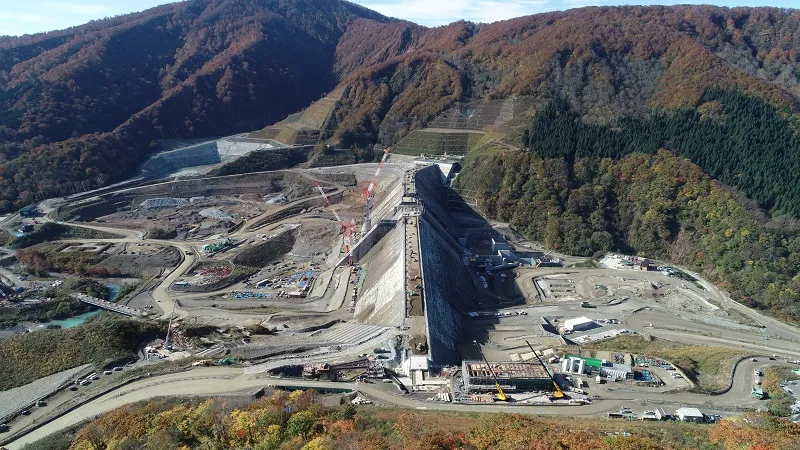
Naruse Dam, located in Higashinaruse Village in Akita Prefecture, is a multipurpose dam surrounded by the mountains and rivers of inland Akita.
What makes Naruse particularly unusual at the moment is that it is still under construction, with completion scheduled for fiscal year 2027. Observation opportunities and special tours have allowed visitors to see a major civil-engineering project taking shape on a scale that is difficult to appreciate from photographs alone.
Because construction is progressing, available viewpoints and tours can change. Check the latest official information before making the journey, especially if seeing the construction work itself is the reason for your visit.
Shirakami Sanchi | Aomori and Akita
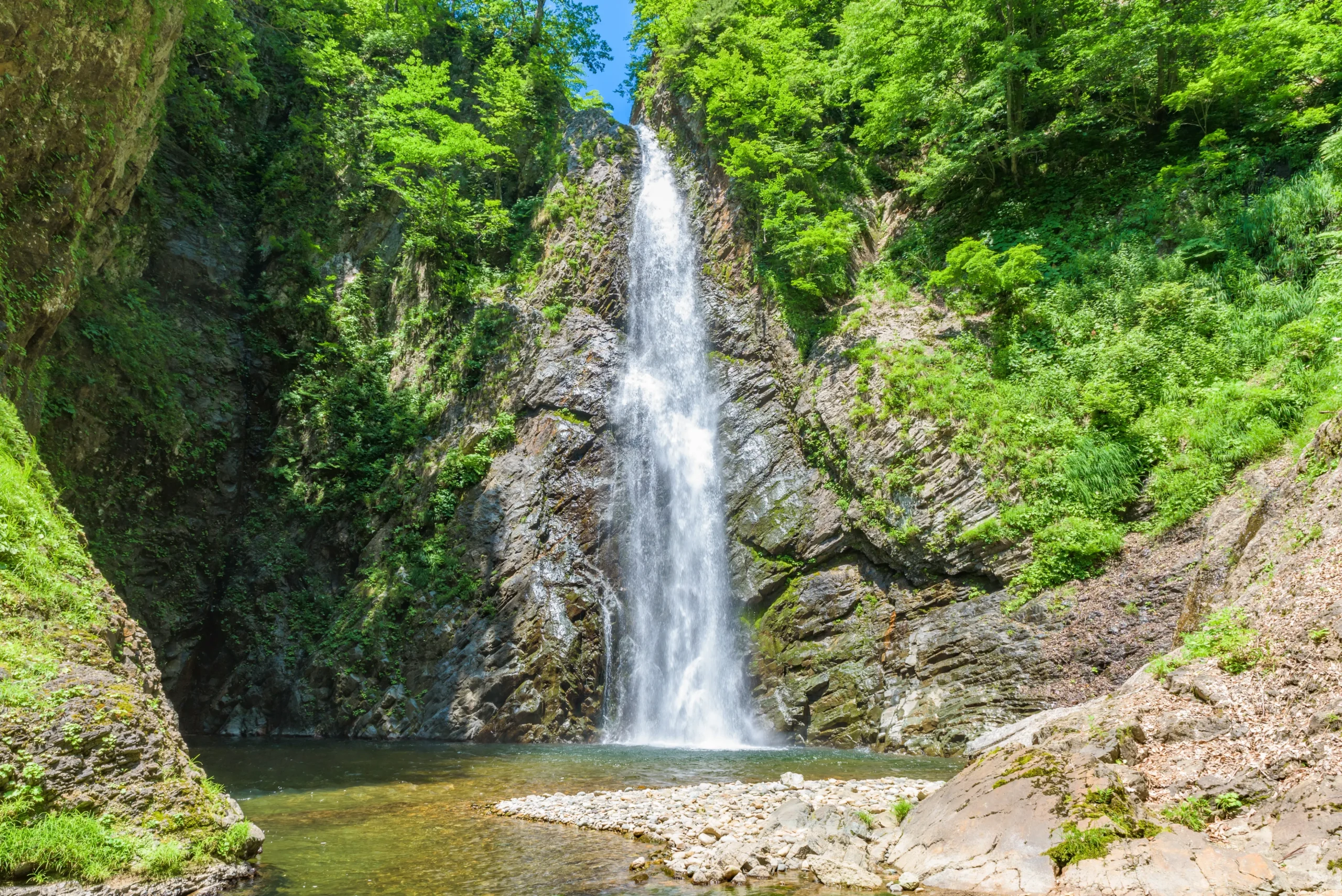
Straddling Aomori and Akita prefectures, Shirakami Sanchi is a vast mountain area covered by primeval beech forest. Part of the region is protected as a UNESCO World Heritage Site.
Visitors do not simply wander through the most strictly protected core area. Easier ways to experience Shirakami include established hiking routes and accessible areas such as the Juniko lakes, where forest trails lead between ponds surrounded by dense greenery.
Shirakami is particularly appealing if nature is one of the main reasons you are traveling in Japan. Some access points can be reached by public transport, but exploring the wider region is easier with a car, so it works better as a deliberate regional stop than as a quick side trip.
Read more: Japan Nature Travel
Metropolitan Area Outer Underground Discharge Channel | Saitama
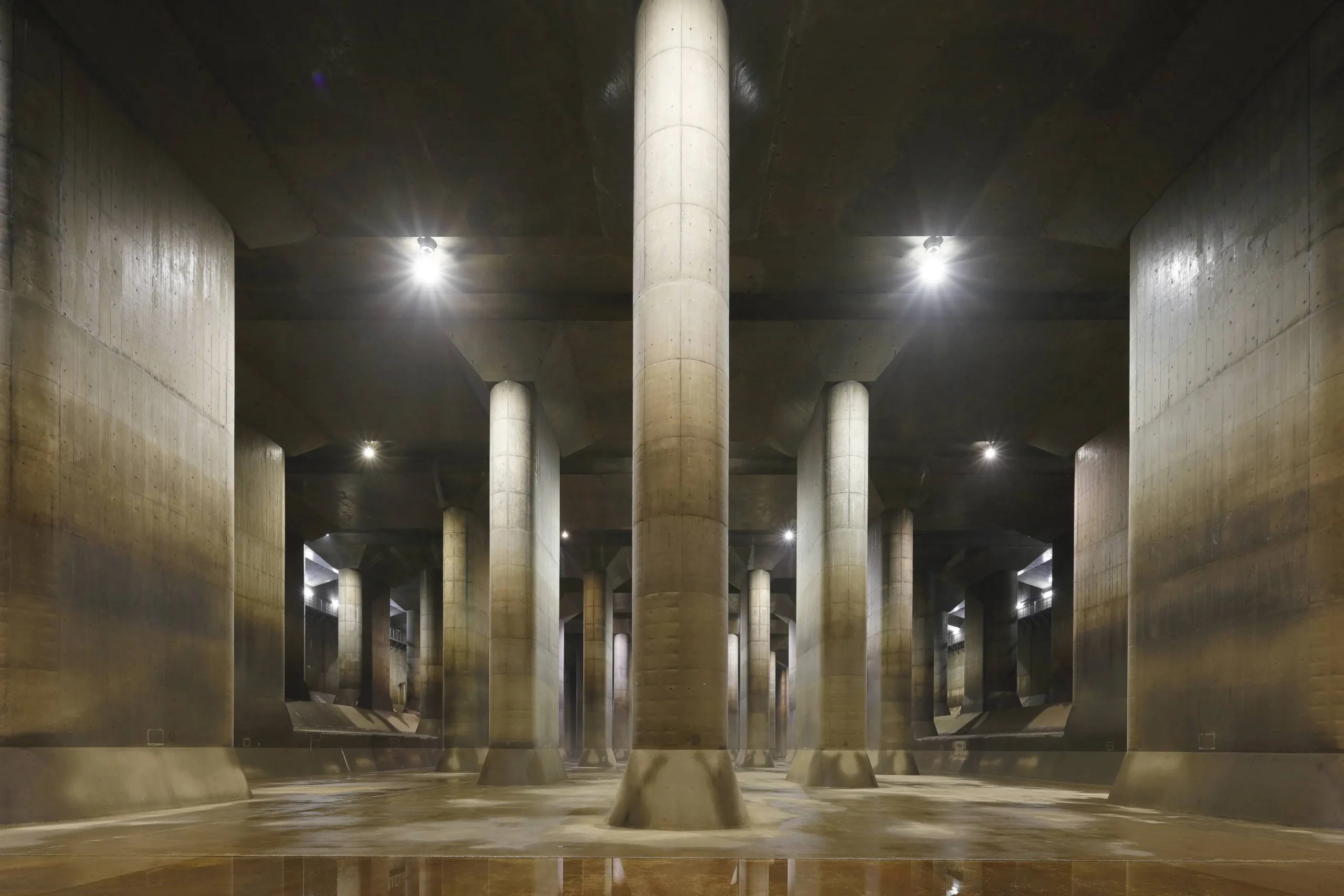
The Metropolitan Area Outer Underground Discharge Channel, located about 50 meters beneath Kasukabe City in Saitama Prefecture, is one of the world’s largest underground flood-control systems. Its immense pressure-adjusting water tank is lined with towering columns, giving the space its nickname, the “Underground Temple.”
The facility has an important practical role in protecting the surrounding area from flooding, but guided tours also allow visitors to see parts of the infrastructure that are normally restricted.
Advance booking is required. All tour courses involve roughly 100 stairs, with no elevator or escalator, and explanations and safety instructions are given in Japanese. Since this is an active flood-control facility, access can also change after heavy rain. Check the latest participation requirements and tour status before booking.
Nakasendo | Nagano and Gifu
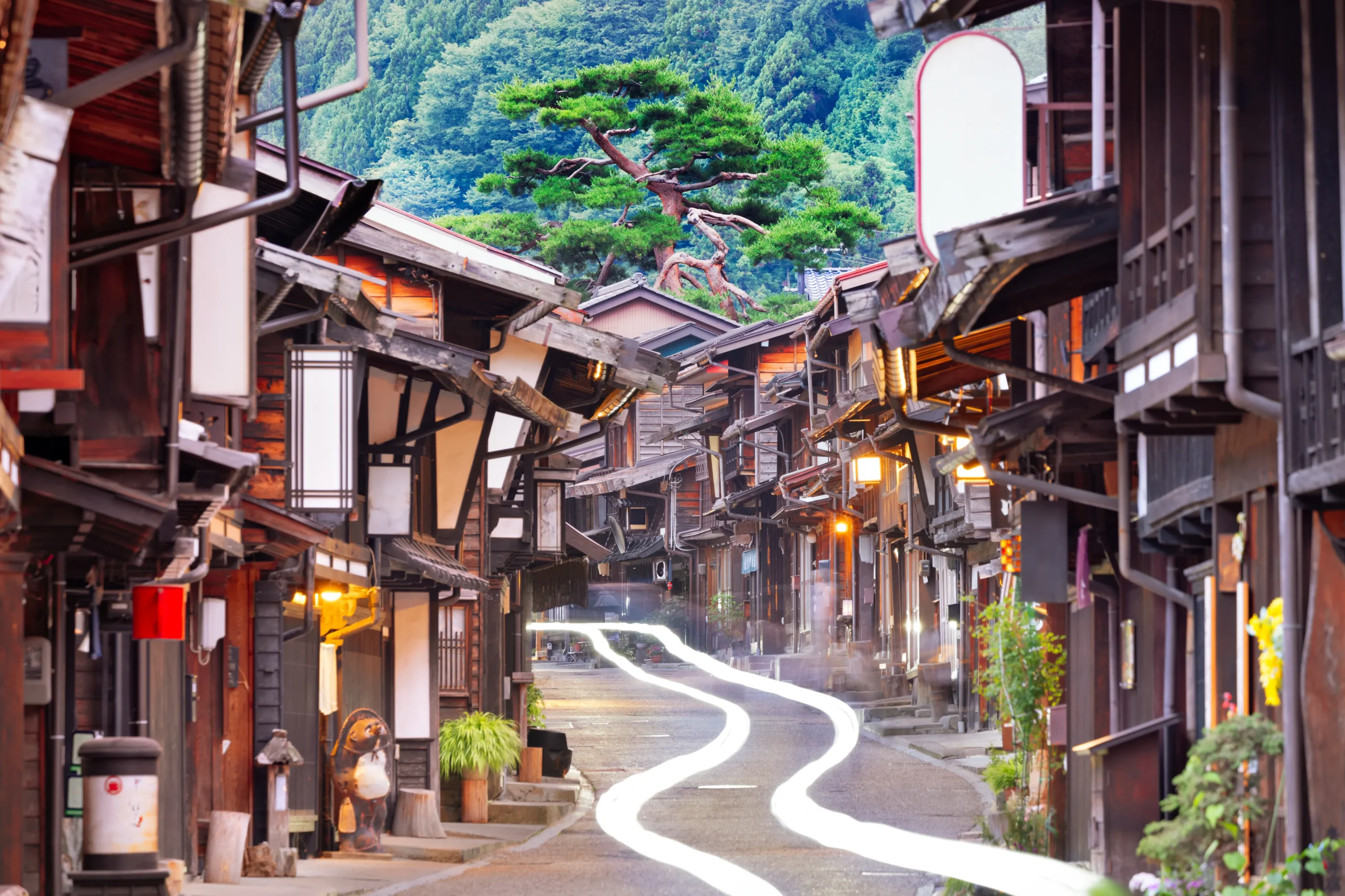
Nakasendo was one of the five major highways established during the Edo period, connecting Nihonbashi in Tokyo with Sanjo Ohashi in Kyoto. Sixty-nine post towns once served travelers along the route, including 26 in present-day Nagano Prefecture.
Several sections still retain historic streetscapes, making Nakasendo a rewarding choice for travelers who want to combine walking, mountain scenery and old towns. One of the best-known sections runs between Magome-juku in Gifu Prefecture and Tsumago-juku in Nagano Prefecture.
The Magome–Tsumago walk takes around 2.5 to 3 hours, so it can be a good introduction to Japan’s historic walking routes without committing to a multi-day trek. Other parts of the Kiso Valley make it possible to slow the trip down with traditional accommodation and longer walks through the surrounding mountains.
Sumatakyo Gorge: Yume no Tsuribashi | Shizuoka
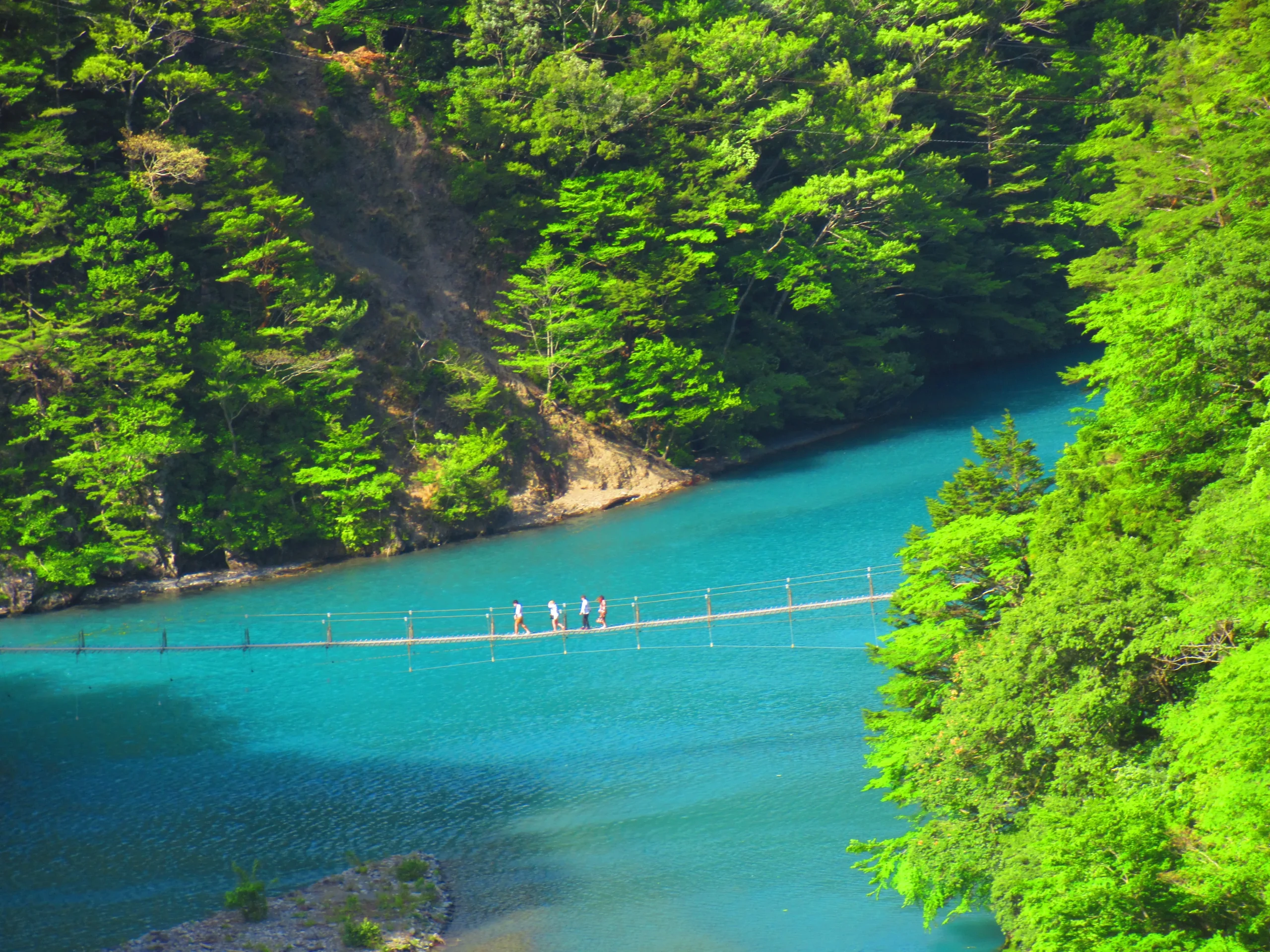
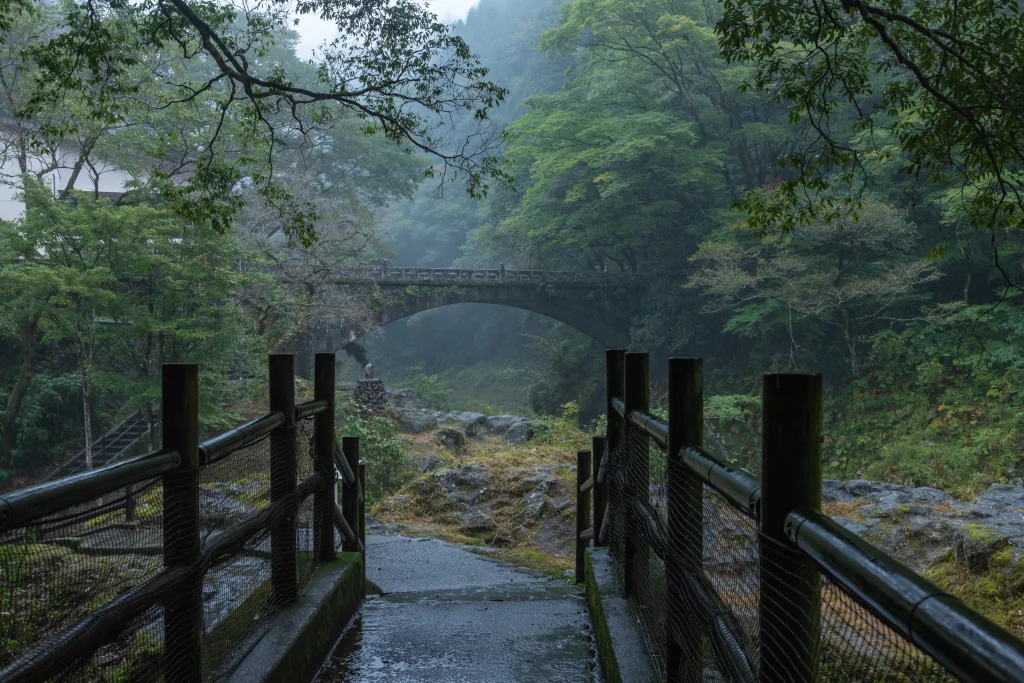
Yume no Tsuribashi in Sumatakyo Gorge, located in Kawanehon, Shizuoka Prefecture, is a suspension bridge stretching across the blue-green waters of Ooma Dam Lake.
The area has a circular walking route that includes the bridge, with different scenery depending on the season, including spring blossoms and autumn leaves. Reaching the bridge involves steep walking sections and many stairs, so comfortable shoes and enough time are important.
Its mountain location also means reaching Sumatakyo takes more time than many of Shizuoka’s better-known attractions, which is part of why it still feels separate from the usual tourist route.
Monet’s Pond | Gifu
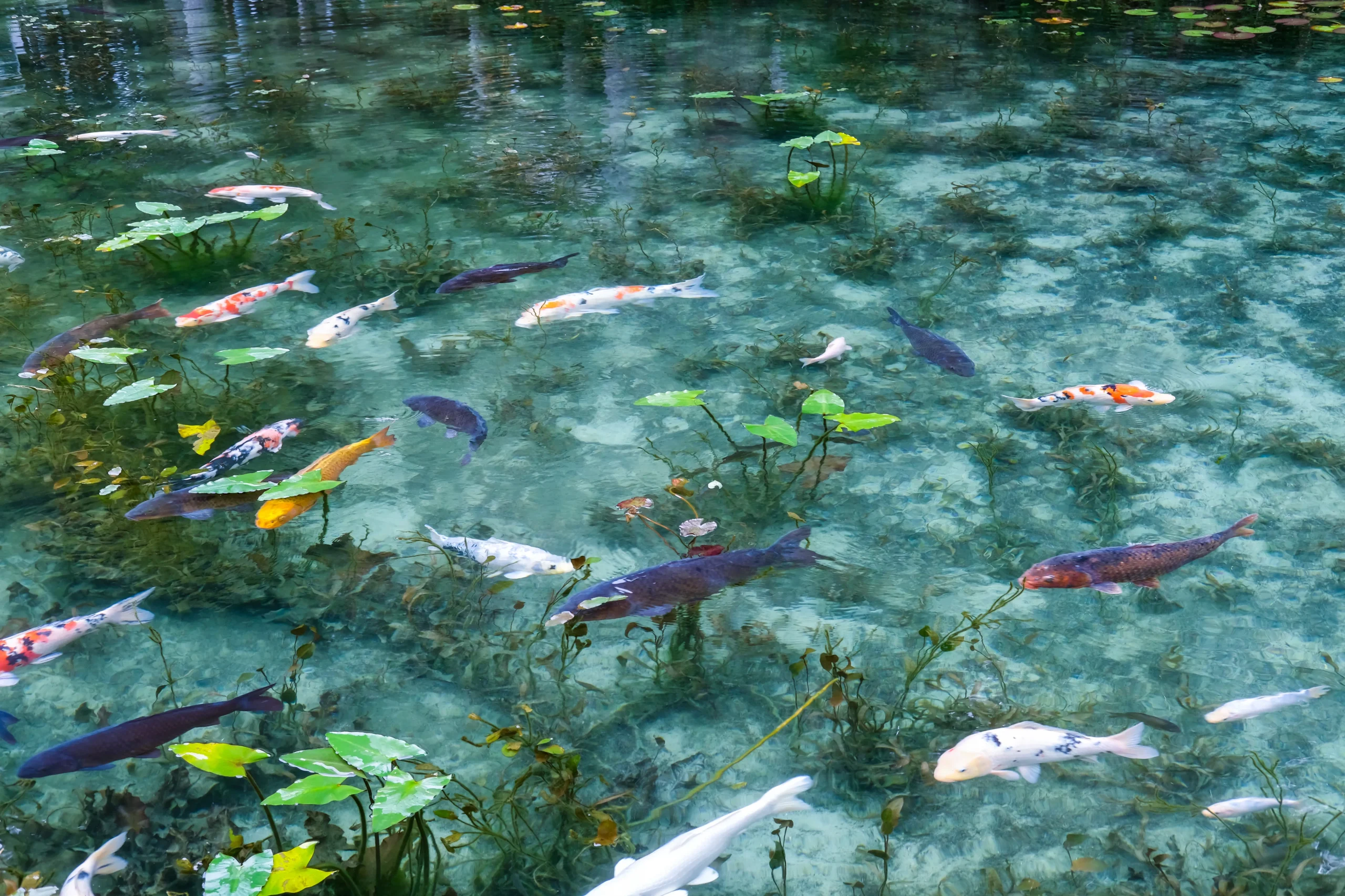
Monet’s Pond is a small pond beside Nemichi Shrine in Itadori, Seki City, Gifu Prefecture. Water lilies float on its clear surface while colorful koi swim beneath, creating a scene that reminded visitors of Claude Monet’s Water Lilies paintings. Social media brought the pond much wider attention from around 2015.
The appearance changes with the season. Water lilies and surrounding plants add color during the warmer months, while autumn foliage can reflect across the water later in the year.
The pond itself is small, so it makes the most sense as part of a wider trip through rural Gifu rather than the sole reason for a long journey. Access is much easier by car than by public transport.
Sakushima Island | Aichi
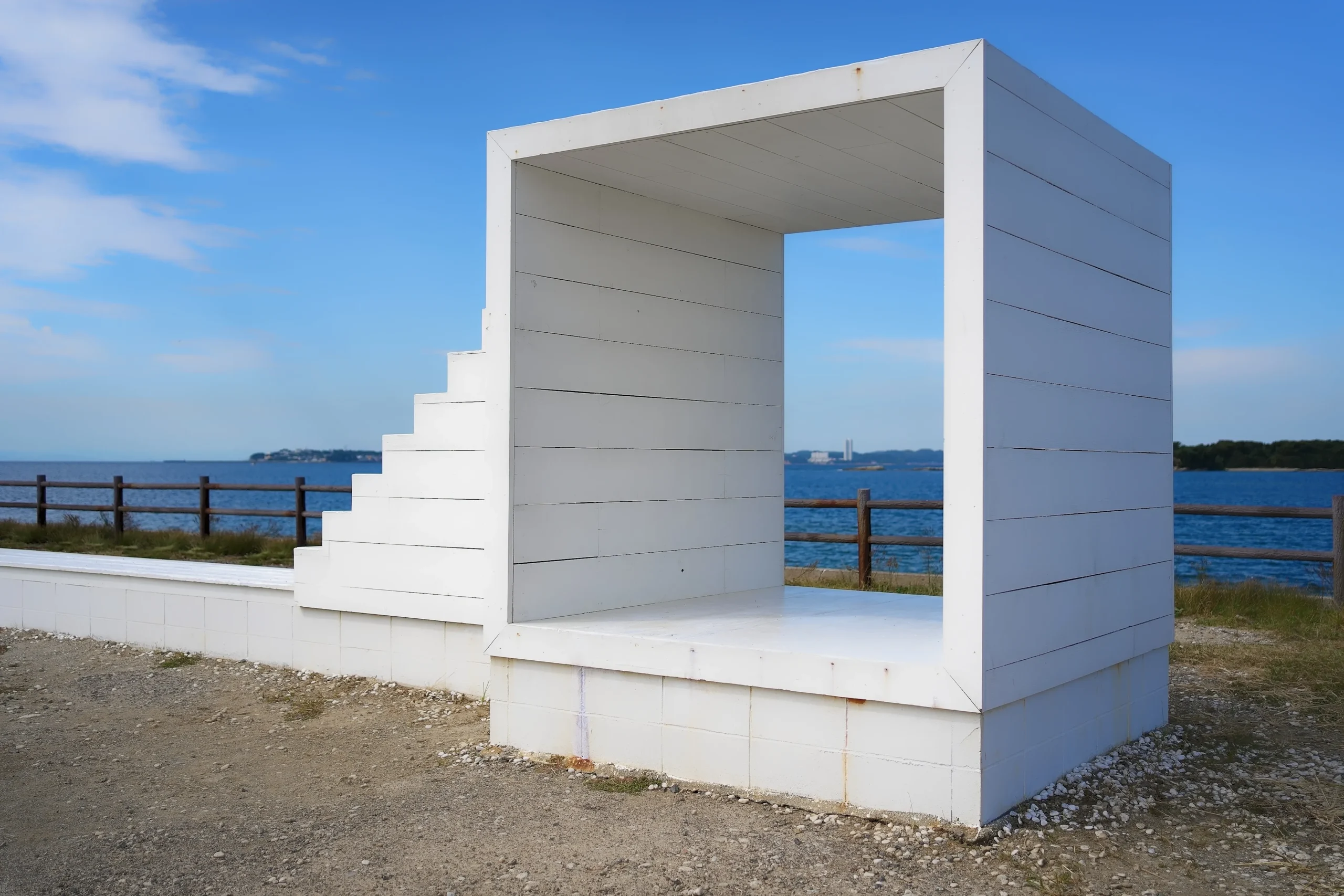
Sakushima is a small island in Mikawa Bay, reached by ferry from Isshiki Port in Nishio. Although it is often introduced as an “art island,” the appeal is not limited to its outdoor installations. Traditional black-walled houses, quiet lanes, beaches and satoyama scenery give it a very different atmosphere from Japan’s larger art destinations.
The ferry crossing takes around 25 minutes. Once on the island, walking or renting a bicycle is an easy way to explore the villages and artwork at your own pace.
Sakushima is a useful choice for travelers who want somewhere genuinely slower without traveling to a very remote part of Japan. Ferry schedules still matter, and bad weather can affect sailings, so check your return options before setting off.
Read more: Things to Do in Aichi
Kumano Kodo | Wakayama
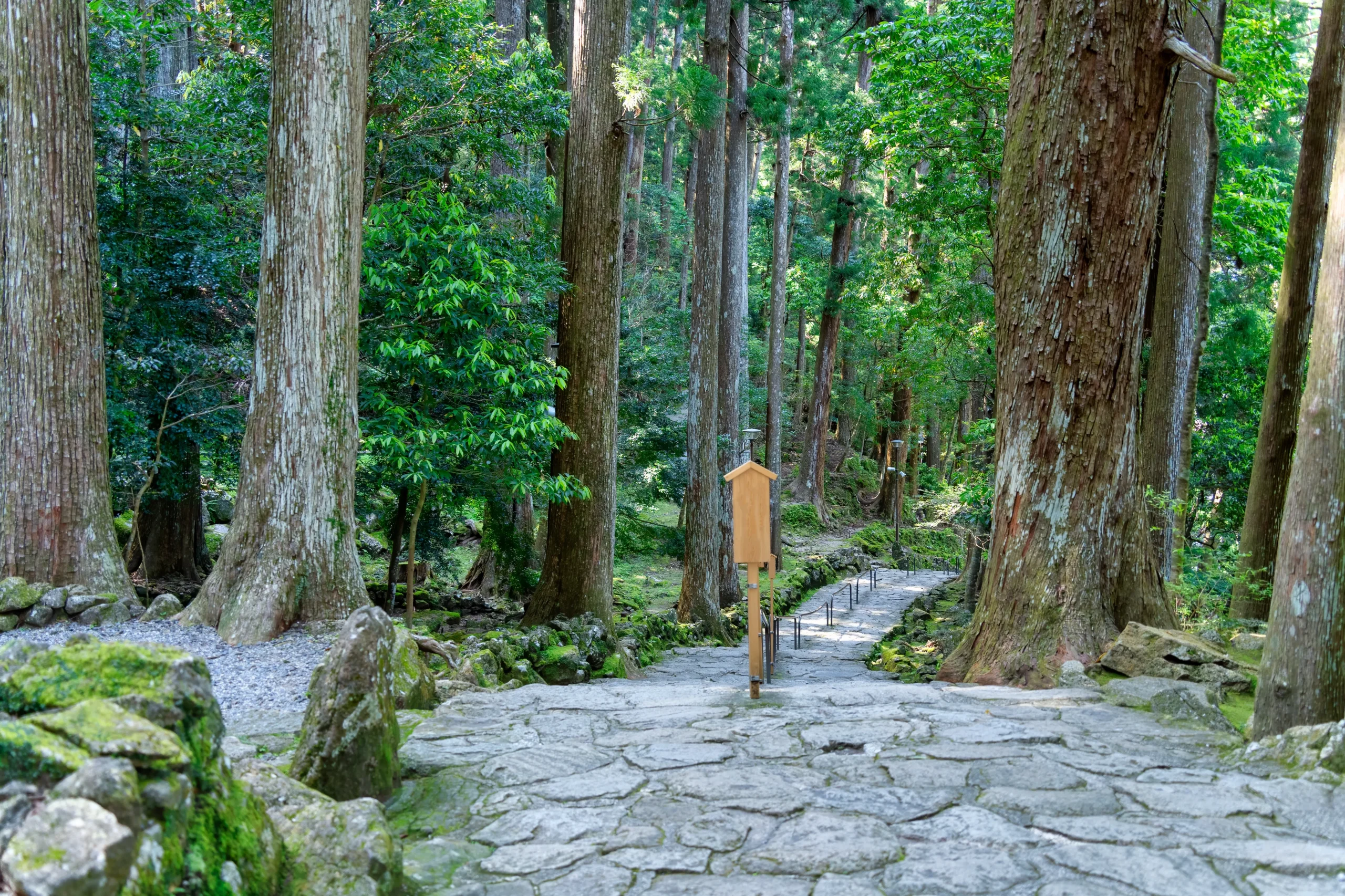
Kumano Kodo is a network of pilgrimage routes with more than 1,000 years of history. Parts of the routes and the sacred sites of the Kii Peninsula are recognized as UNESCO World Heritage.
Walking the Kumano Kodo takes you through forested mountains, old stone paths and small communities connected to the pilgrimage tradition. Some travelers dedicate several days to the route, while others choose a shorter section that fits into a wider Wakayama itinerary.
Rather than treating Kumano Kodo as one single trail, it is better to choose a section that matches your available time and walking experience. For travelers interested in combining history and nature, it can easily become one of the main anchors of a regional trip.
Read more: Walking the Kumano Kodo
Angel Road | Kagawa
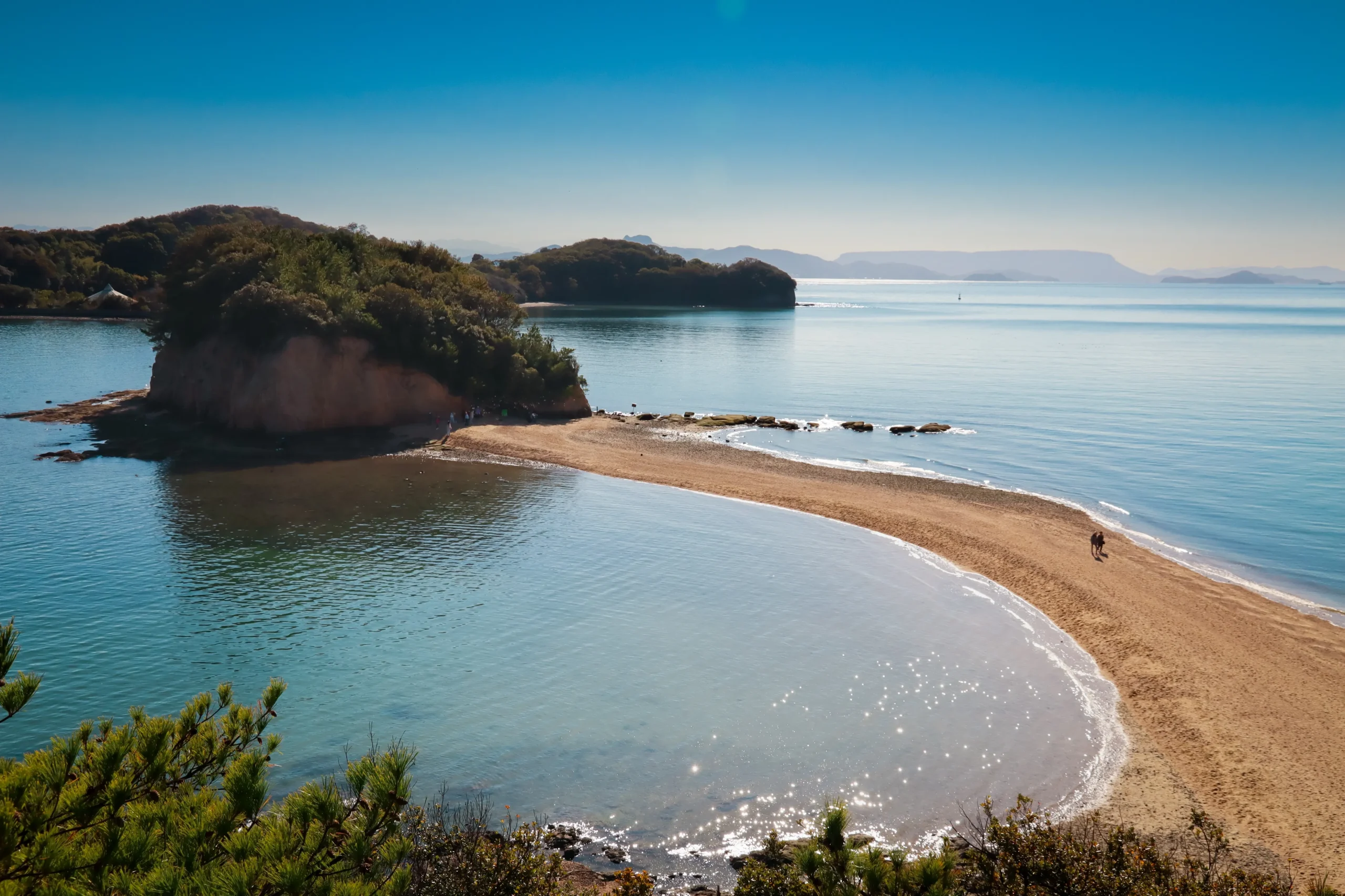
Angel Road is a sandbar on Shodoshima that appears and disappears with the movement of the tide. A local belief says that walking across it hand-in-hand with someone special will help wishes come true, which has made it particularly popular with couples.
From the nearby observatory, you can look across the sandbar and the surrounding Seto Inland Sea.
Because the path is only exposed around low tide, timing matters more here than at most sightseeing spots. Check the tide schedule before traveling to this part of the island rather than arriving and hoping the path will be open.
Iya Valley | Tokushima
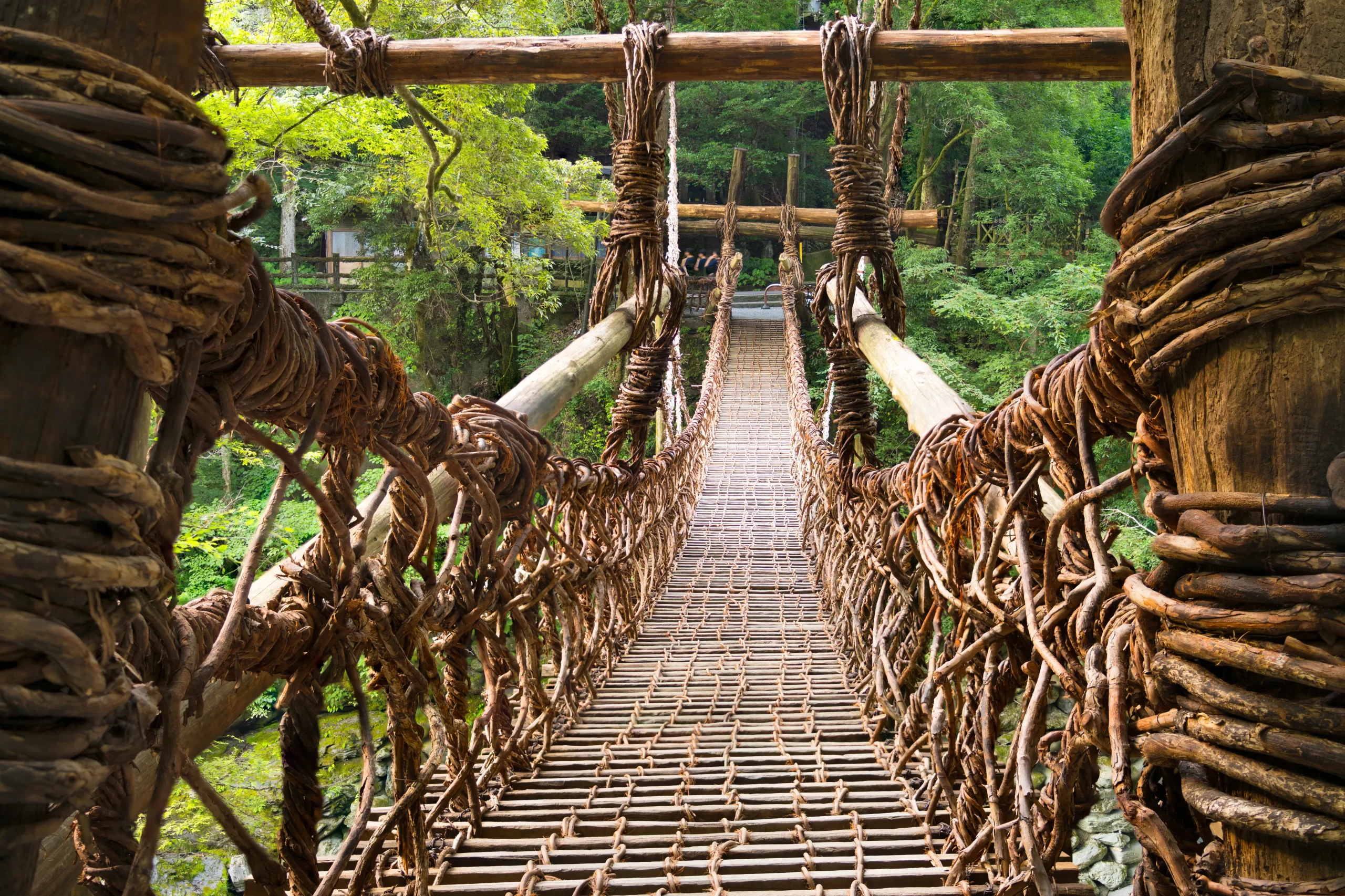
Deep in the mountains of Tokushima, Iya Valley is one of the clearest examples of a destination that remains outside Japan’s standard sightseeing route partly because it takes time to reach.
The area is known for steep forested valleys, traditional vine bridges, hot springs and settlements built along the mountainsides. Places such as the historic Ochiai settlement show that the attraction is not only the scenery but also the way people have lived in this isolated landscape.
Iya is spread across a wide rural area, so it works better as a dedicated Shikoku stop than as a quick excursion squeezed between major cities. Travelers willing to give it the time get a combination of nature and rural culture that is difficult to find on the Golden Route.
Tottori Sand Dunes | Tottori
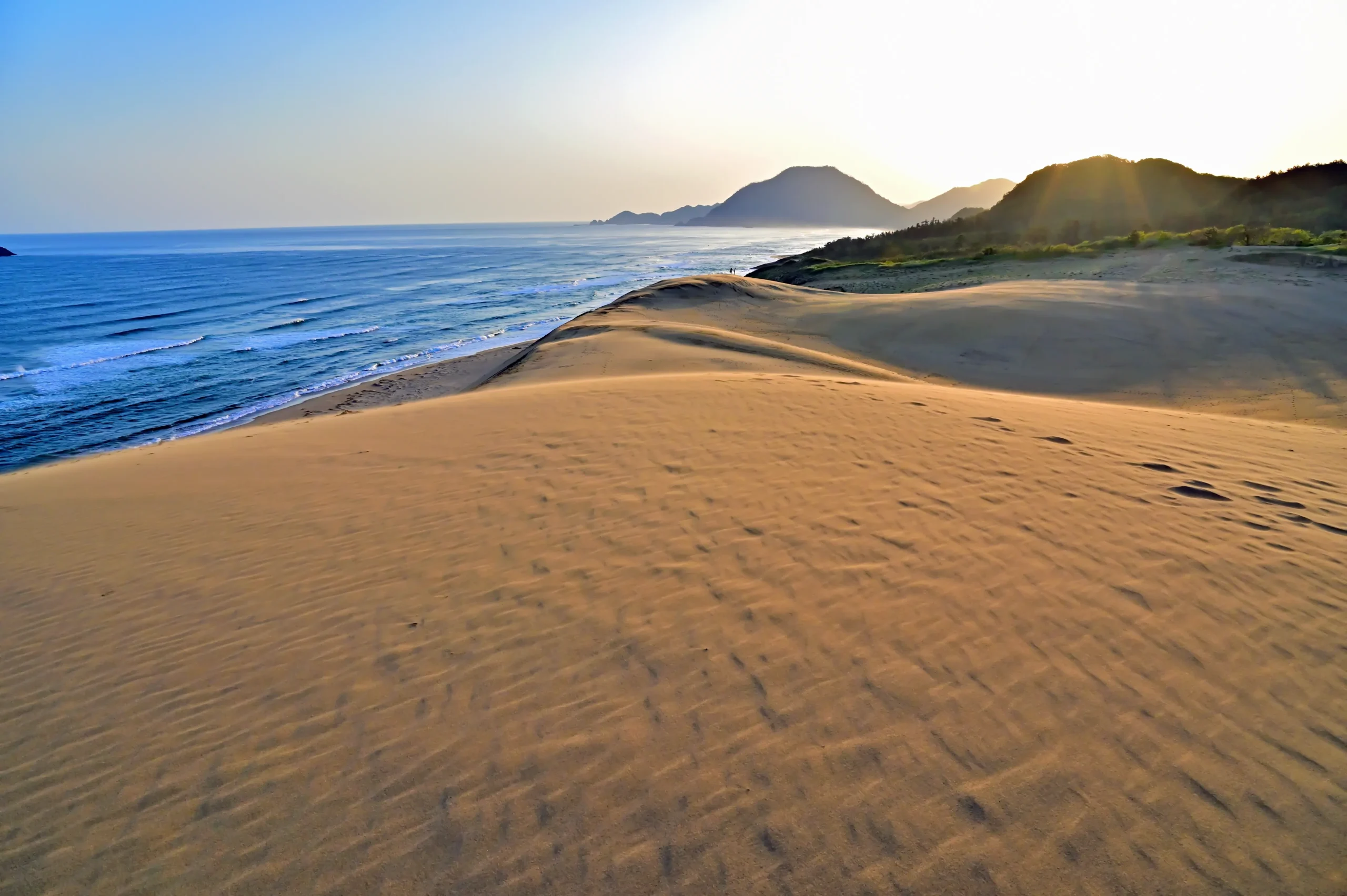
The Tottori Sand Dunes are Japan’s largest sand dunes, creating a broad landscape of sand between the countryside and the Sea of Japan. Wind continually reshapes the surface, so the view changes with the conditions and season.
Visitors can walk across the dunes toward the coast, while activities such as camel rides and paragliding are also available at certain times.
Tottori Sand Dunes are not an unknown attraction, but relatively few international itineraries include Tottori Prefecture. That makes them a good example of a place that is famous within its region without being part of most first-time Japan routes.
Oki Islands | Shimane
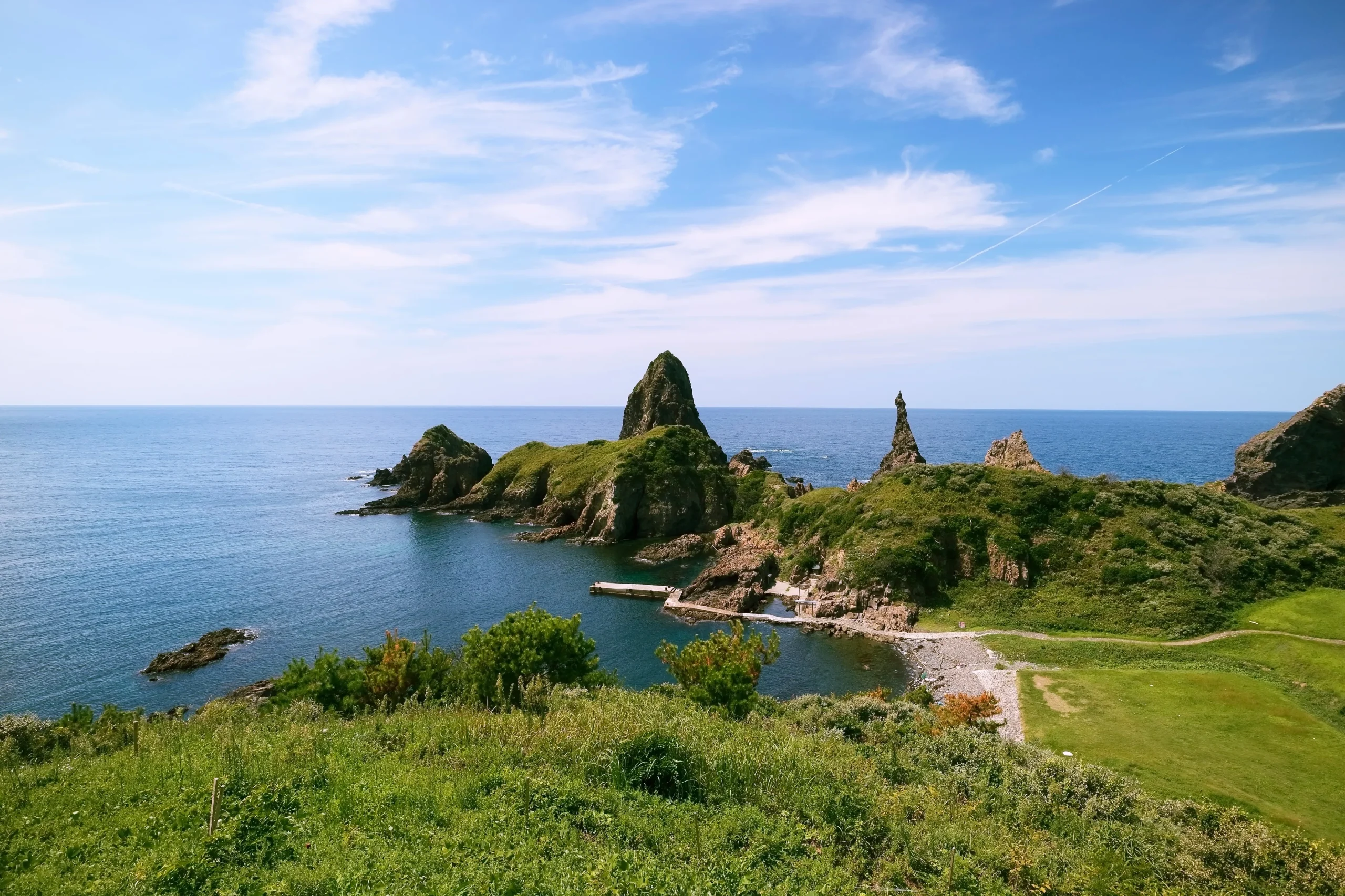
The Oki Islands lie off the coast of Shimane Prefecture in the Sea of Japan. The archipelago forms part of a UNESCO Global Geopark and is known for dramatic coastal cliffs, open grasslands, old forests and small island communities.
One of the most striking landscapes is Kuniga Coast on Nishinoshima, where high sea cliffs and unusual rock formations overlook the water. Hiking, cycling and exploring the islands at a slower pace are a large part of the experience.
Oki requires much more planning than a typical day trip. Access is by ferry or air, and getting around once you arrive also needs some thought. For that reason, it is better treated as an important part of a regional San’in itinerary rather than a spontaneous detour. The extra effort is also a large part of why it remains well outside Japan’s standard tourist route.
Takachiho Gorge | Miyazaki
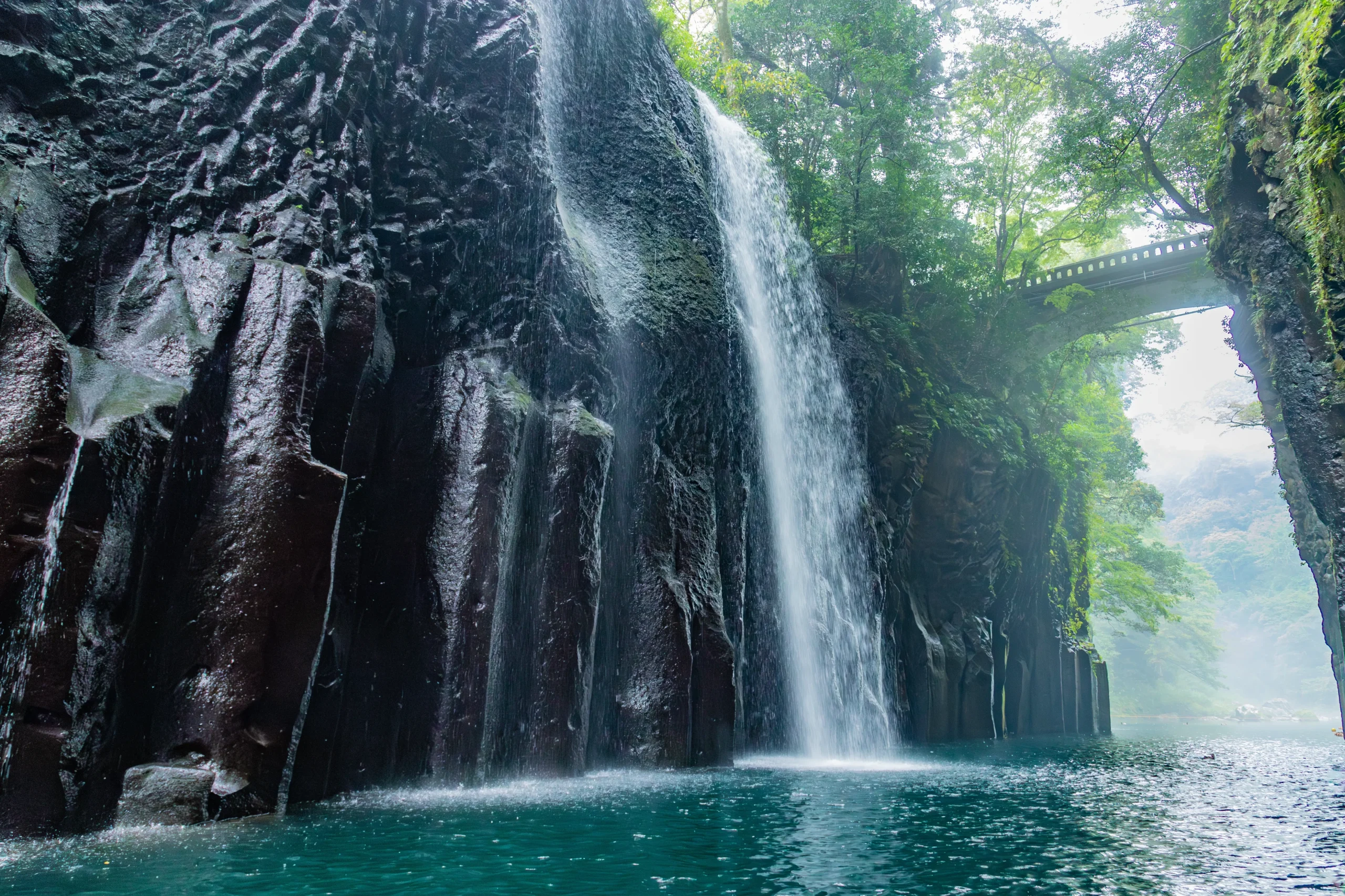
Takachiho Gorge is a dramatic canyon in Miyazaki Prefecture, formed as the Gokase River eroded volcanic rock created by eruptions of Mount Aso. The area is also closely connected to stories from Japanese mythology.
Walking paths provide views down into the gorge, while the well-known rental boats offer a different perspective from the river below when conditions allow.
Takachiho is beautiful, but it is not particularly easy to reach compared with major Kyushu cities. If boating is important to you, book ahead where possible and check the latest operating status before your visit, as availability and river conditions can affect operations.
Summary
These 14 destinations show several different ways to travel beyond Japan’s standard tourist route:
- Daisetsuzan Asahidake: Hokkaido’s highest mountain and one of the country’s earliest places for autumn color.
- Naruse Dam: A rare chance to see a major dam project while construction is still underway.
- Shirakami Sanchi: Extensive primeval beech forest across Aomori and Akita.
- Metropolitan Area Outer Underground Discharge Channel: Massive underground flood-control infrastructure beneath Saitama.
- Nakasendo: A historic Edo-period highway with preserved post towns and walking routes.
- Yume no Tsuribashi in Sumatakyo: A suspension bridge deep in the mountains of Shizuoka.
- Monet’s Pond: A small rural Gifu pond known for clear water, koi and water lilies.
- Sakushima Island: A slow-paced Aichi island combining outdoor art, village scenery and the coast.
- Kumano Kodo: Historic pilgrimage routes through the mountains of the Kii Peninsula.
- Angel Road: A tidal sandbar in the Seto Inland Sea.
- Iya Valley: Remote Shikoku mountain scenery, vine bridges and hillside settlements.
- Tottori Sand Dunes: Japan’s largest dune landscape on the Sea of Japan.
- Oki Islands: Remote geopark islands with dramatic coastal scenery.
- Takachiho Gorge: A volcanic gorge combining striking scenery with local mythology.
Some are fairly easy to add to a wider itinerary, while others require a ferry, a car, an overnight stay or a significant detour. That difference is worth considering before simply choosing the place that looks best in a photograph.
If you would like to include one of these regional destinations in a larger Japan trip, ENJYU JAPAN can help you work out which option fits your route, pace and available time.