Aichi is often treated as a brief stop between Japan’s more famous cities, with many travelers seeing little beyond Nagoya. Yet its central location makes Nagoya a comfortable base for day trips. From Ghibli Park and Inuyama Castle to pottery towns, Toyota museums, an art island, matcha fields, and mountain valleys, Aichi offers a calmer, more local side of Japan.
Is Aichi Prefecture Worth Visiting?
Yes, especially if you want a trip that is not built only around Japan’s most famous tourist cities. Aichi sits along the Tokyo, Kyoto, and Osaka route followed by many first-time visitors, but it is frequently skipped because Nagoya looks practical rather than glamorous and the countryside is not well known overseas.
That practical quality is part of the appeal. Much of Aichi feels like a working region rather than an area shaped mainly around sightseeing. Nagoya has the rhythm of a business city, while nearby pottery towns, fishing communities, tea-growing areas, and mountain villages continue at their own pace. After the crowds of Tokyo or Kyoto, it can be refreshing to spend a day somewhere that does not feel designed around visitors.
Nagoya, Inuyama, Tokoname, Seto, Ghibli Park, and the main museums are generally manageable by public transport. Rice terraces, mountain onsen areas, and smaller river experiences are much easier with a car or driver.
Start in Nagoya, But Don’t Stop There
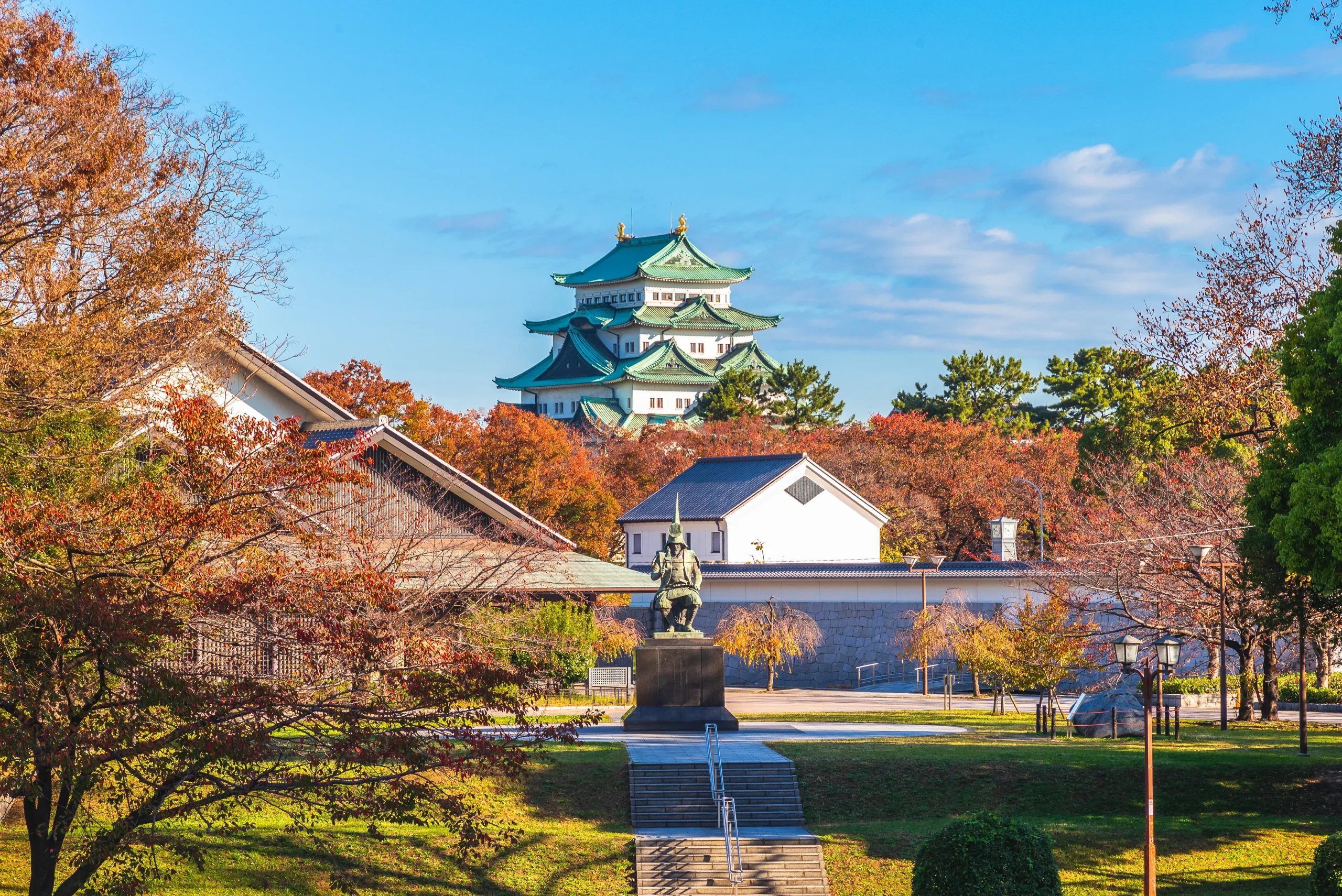
Nagoya deserves at least a day. At Nagoya Castle, the main tower keep is currently closed, but the reconstructed Hommaru Palace gives the visit real substance through painted screens, pale cypress woodwork, and rooms designed to express early Edo-period authority.
Reference: Nagoya Castle Official Website – Nagoya City
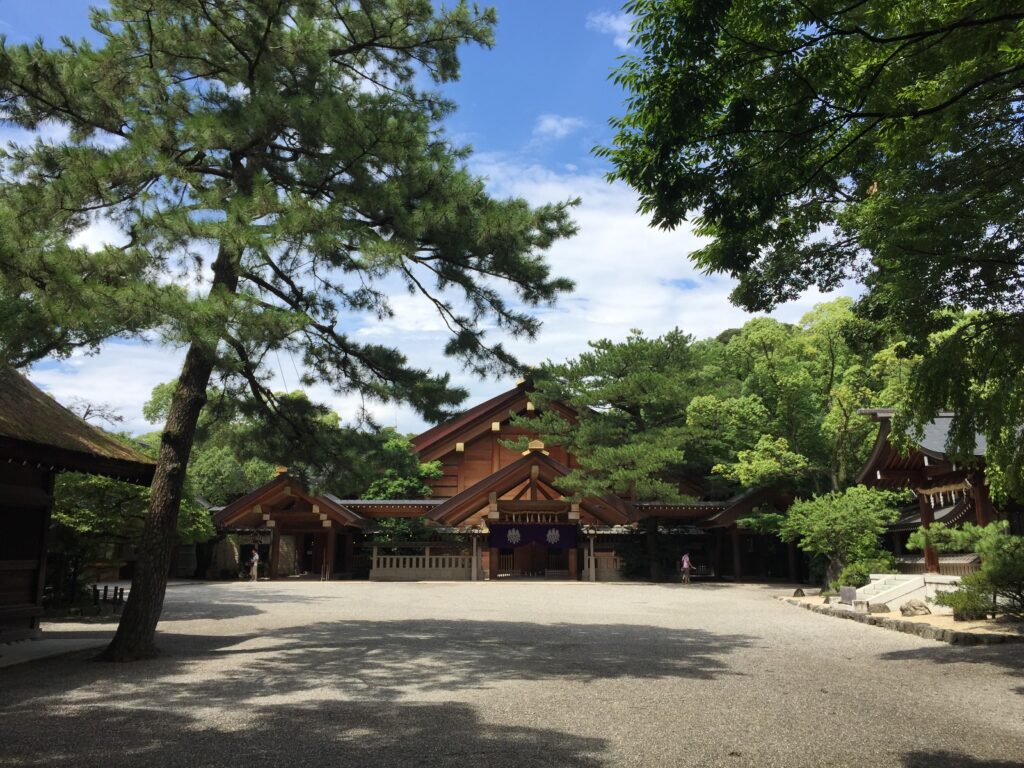
Atsuta Jingu changes the pace. It is traditionally associated with Kusanagi-no-Tsurugi, the sacred sword counted among the Imperial Regalia, although the sword is not displayed. The forested grounds make a quiet contrast with the surrounding city.
Add Osu’s covered shopping streets, then try Nagoya meshi such as miso-katsu, hitsumabushi, miso-nikomi udon, tebasaki chicken wings, or kishimen noodles. The food is filling, direct, and often built around the deep flavor of local red miso.
Ghibli Park: A Modern Reason to Stay
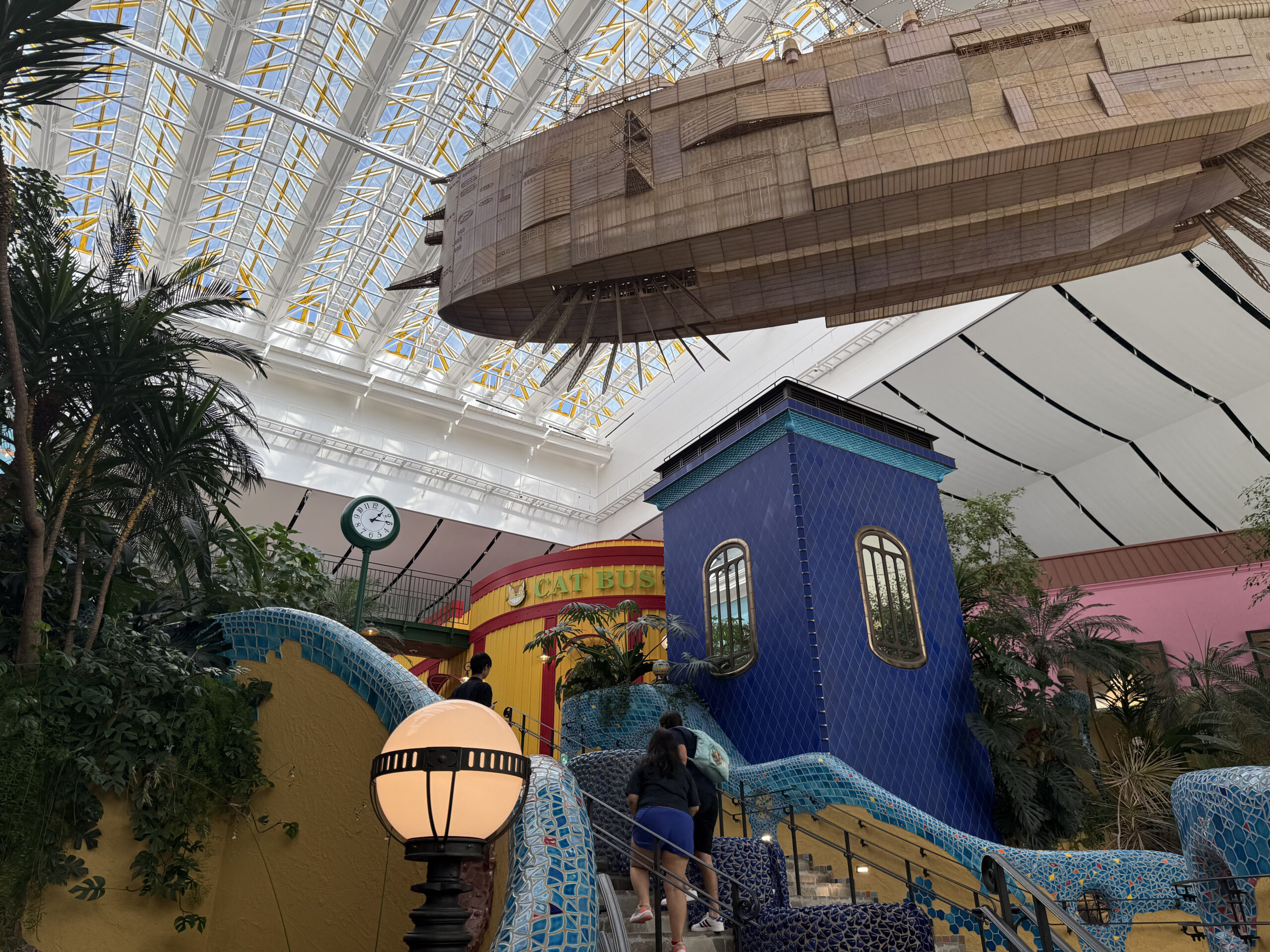
Ghibli Park sits inside Expo 2005 Aichi Commemorative Park east of Nagoya. Its five areas are spread across a large public park, and advance reservations are required.
This is not a conventional thrill-ride park. You walk between recreated buildings, film settings, displays, and outdoor spaces, noticing small details that are easy to miss when rushing. Give it most of the day. Even people who are not devoted Ghibli fans can enjoy how carefully the environments have been made.
Reference: Ghibli Park – Official Website
Castle Towns and Open-Air History
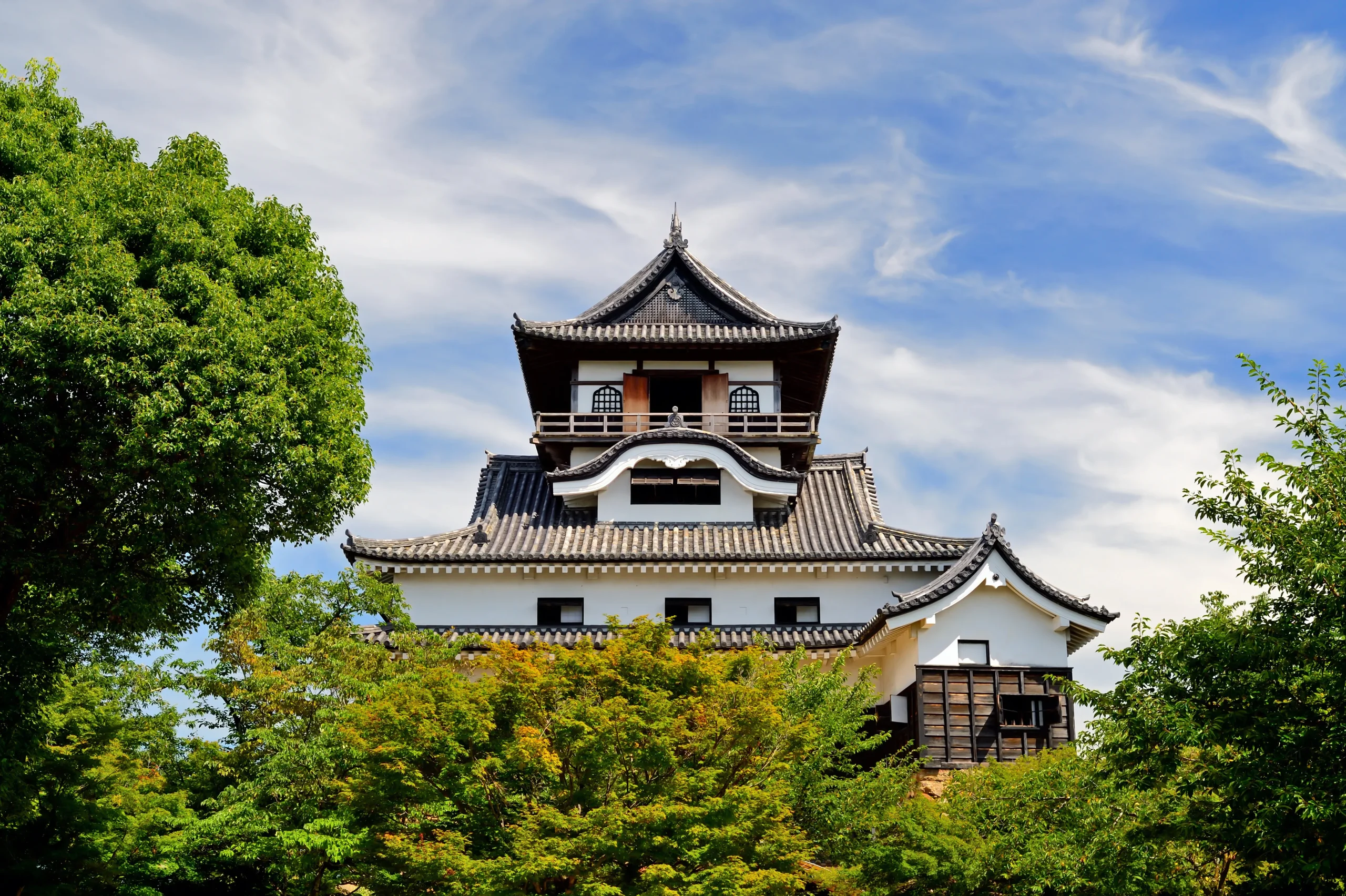
Inuyama has a rare surviving wooden castle keep, now designated a National Treasure, above the Kiso River. The castle town below is compact enough to wander without a strict plan, perhaps stopping for a snack before climbing the steep wooden stairs inside the keep.
Reference: Inuyama Castle – Official Website
Nearby, Meiji-Mura is a large open-air museum filled with relocated buildings from Japan’s modernizing years. Walking from an old school or church to part of Frank Lloyd Wright’s Imperial Hotel makes the Meiji period feel physical rather than abstract. The site is large, so allow time to walk.
South of Nagoya, Okazaki is associated with Tokugawa Ieyasu, founder of the Edo shogunate, and with Hatcho miso, a dense soybean miso traditionally aged in large wooden barrels.
Reference: Hatcho Miso – Ministry of Agriculture, Forestry and Fisheries of Japan
Pottery Towns: Tokoname and Seto
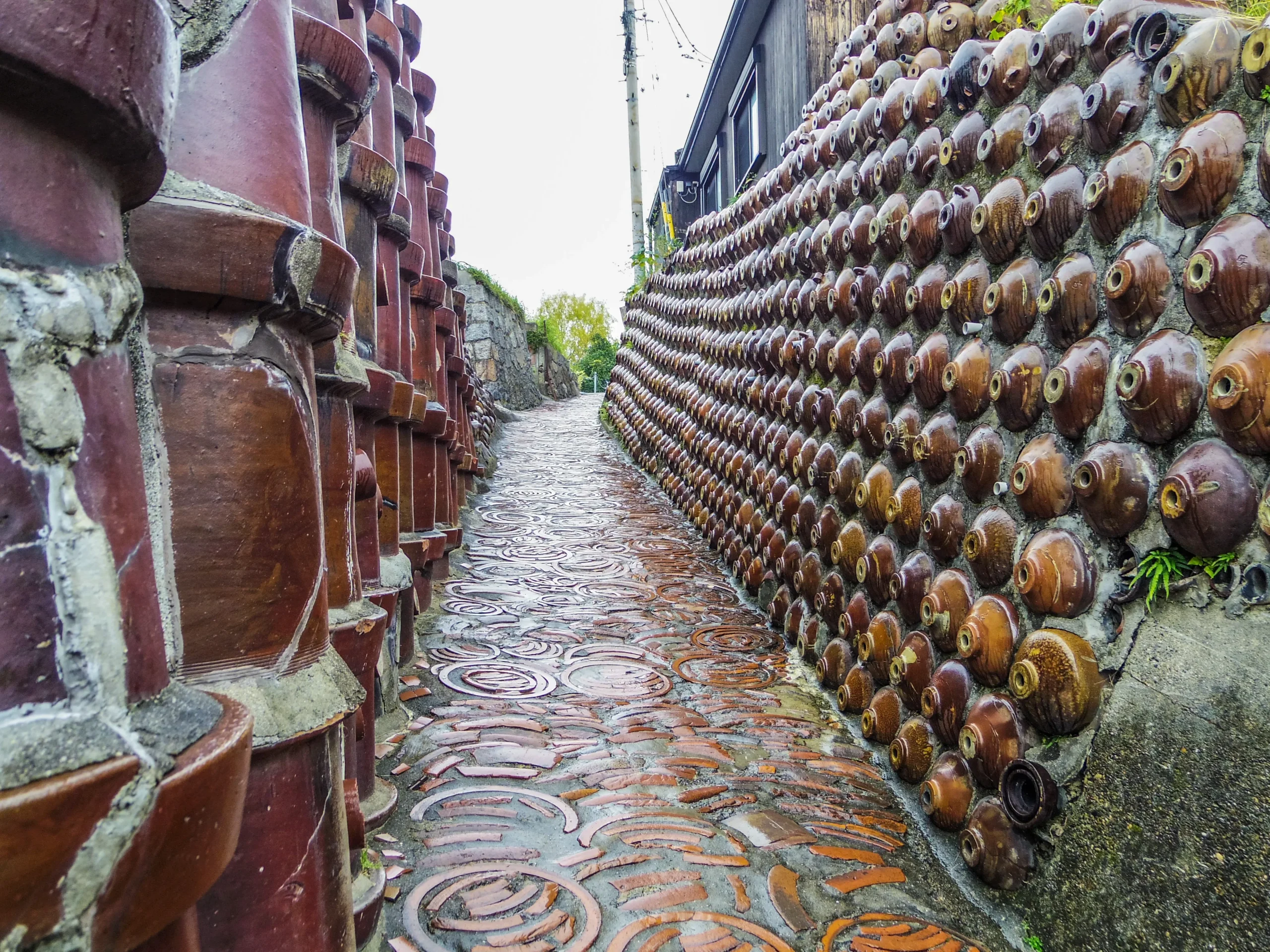
Tokoname, on the Chita Peninsula, belongs to Japan’s Six Ancient Kilns. Its Pottery Footpath passes brick chimneys, old climbing kilns, clay pipes, and shochu bottles reused in walls. The pleasure is not one grand sight but following a working town’s industrial traces through narrow streets.
Seto, northeast of Nagoya, is another major ceramics town and the source of “setomono,” a word used broadly for ceramic ware. Tokoname feels coastal and weathered, while Seto fits naturally into the northeastern side of an Aichi trip.
Toyota, Trains, and Aichi’s Manufacturing Culture
The Toyota Commemorative Museum of Industry and Technology in Nagoya explains how Toyota developed from textile machinery into automobiles. Working looms and mechanical demonstrations make the transition easier to understand than a wall of dates would.
The Toyota Automobile Museum in Nagakute traces car culture through vehicles from Japan and abroad. Rail fans may prefer the SCMAGLEV and Railway Park near Nagoya Port, where Shinkansen, conventional trains, and maglev-related rolling stock are displayed at full scale.
Top day trips: Sakushima and Korankei
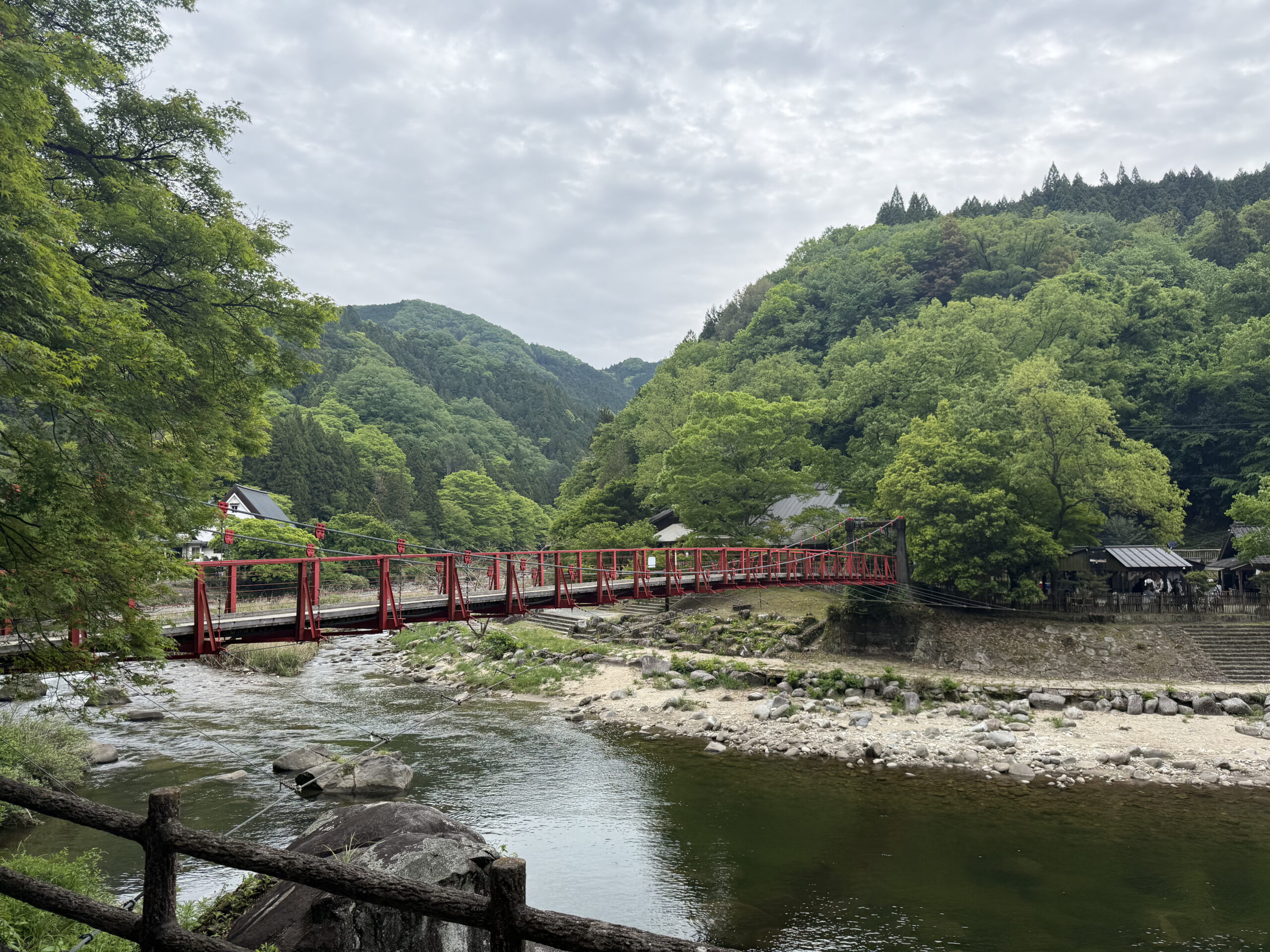
If you want to experience the rural and nature of Japan, Sakushima and Asuke are two places to consider.
Sakushima is a small island in Mikawa Bay, reached by ferry from Nishio. Contemporary artworks appear along coastal paths and between villages with black-painted walls. You may turn a corner and find a geometric artwork facing the sea, then continue past vegetable gardens, fishing equipment, and quiet houses. The ferry timetable controls the day, which is exactly why it is better enjoyed slowly.
Asuke and Korankei offer a different landscape in the hills east of Toyota City. Korankei is best known for November maples, but late spring brings fresh green leaves, and summer evenings can fill Asuke’s old streets with handmade tankororin lanterns. Add the river, narrow lanes, and a warm grilled gohei mochi rice cake, and the area still feels worth the journey outside peak autumn.
Seasonal Aichi: Experiences That Depend on Timing
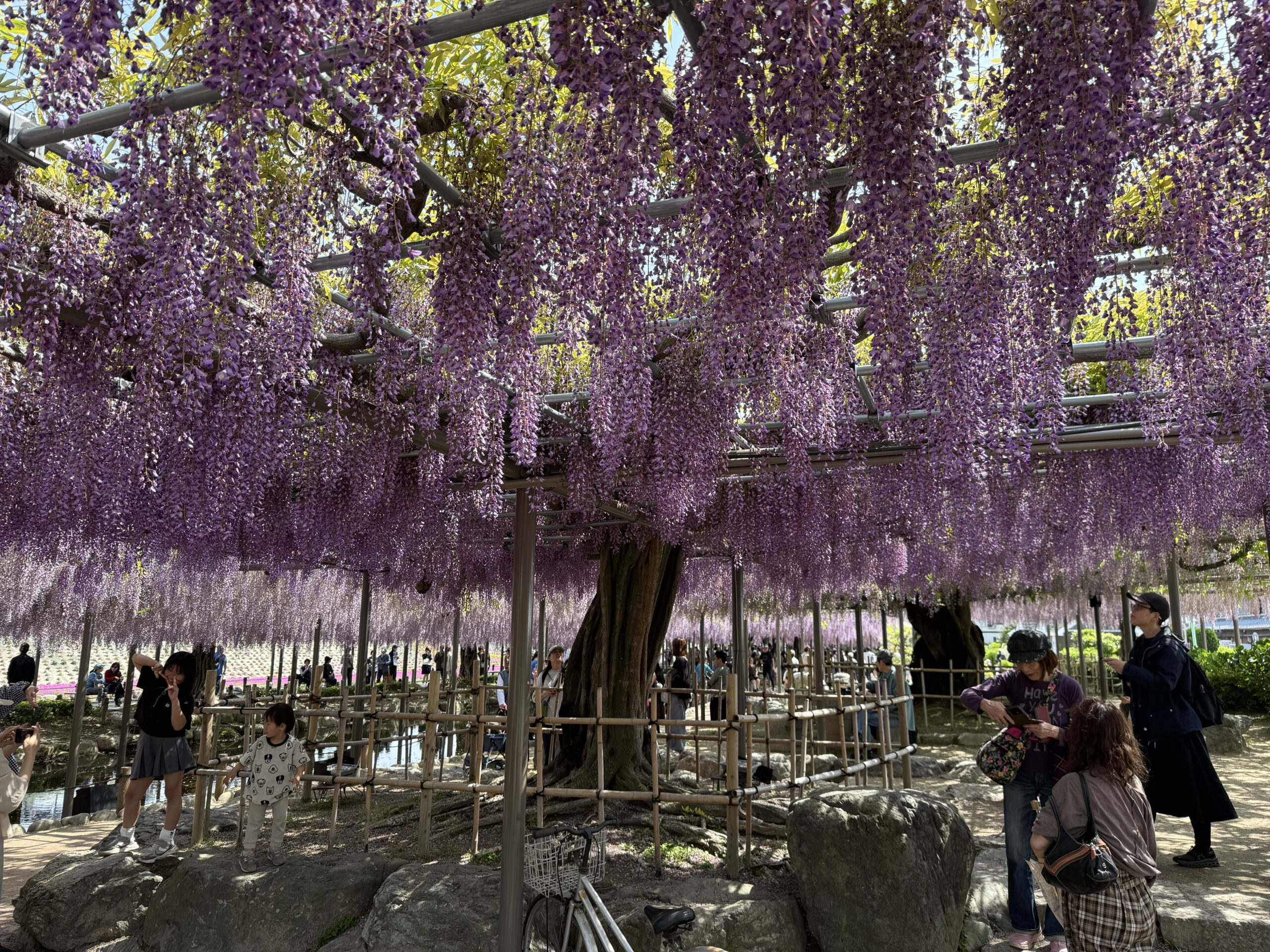
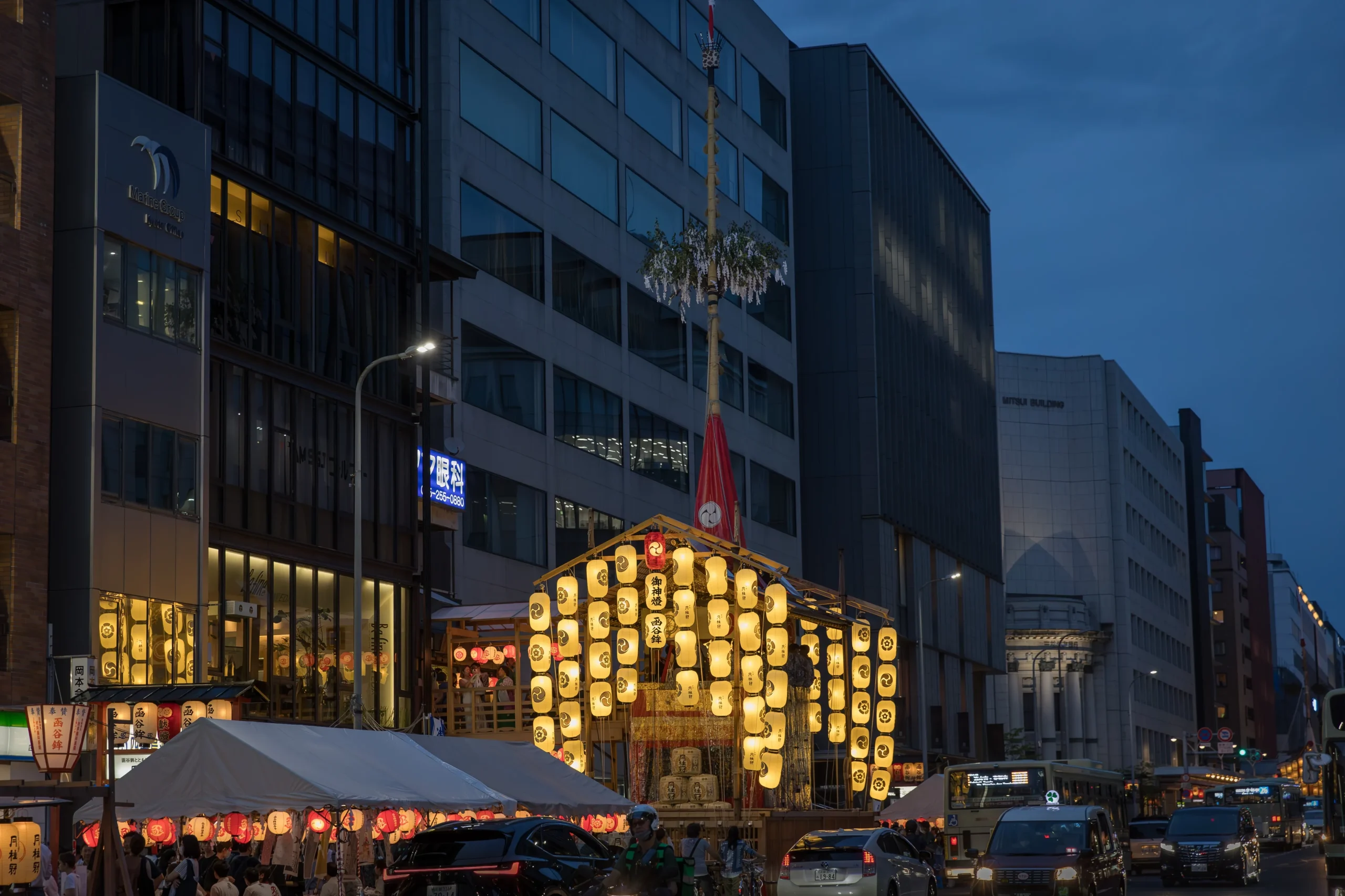
In spring, the Owari Tsushima Wisteria Festival fills Tennogawa Park with huge trellises of hanging purple and white flowers. Temporary stalls bring the smell of festival food and sweets, while long flower clusters hang above the canal and glow under evening lights.
Late spring brings first-harvest tea-picking in Nishio. You enter covered tea fields, learn which soft new leaves to choose, pick them by hand, and take a bag home to cook or make into tea. It is a more memorable introduction to matcha than simply ordering a green dessert.
Summer moves toward rivers. At some yana fishing weirs in Toyota’s mountain areas, you step onto a bamboo platform and try to catch slippery ayu sweetfish with your bare hands. The fish can then be prepared for you, often salt-grilled or served with rice. It is simple, physical, slightly chaotic, and especially fun with family or friends.
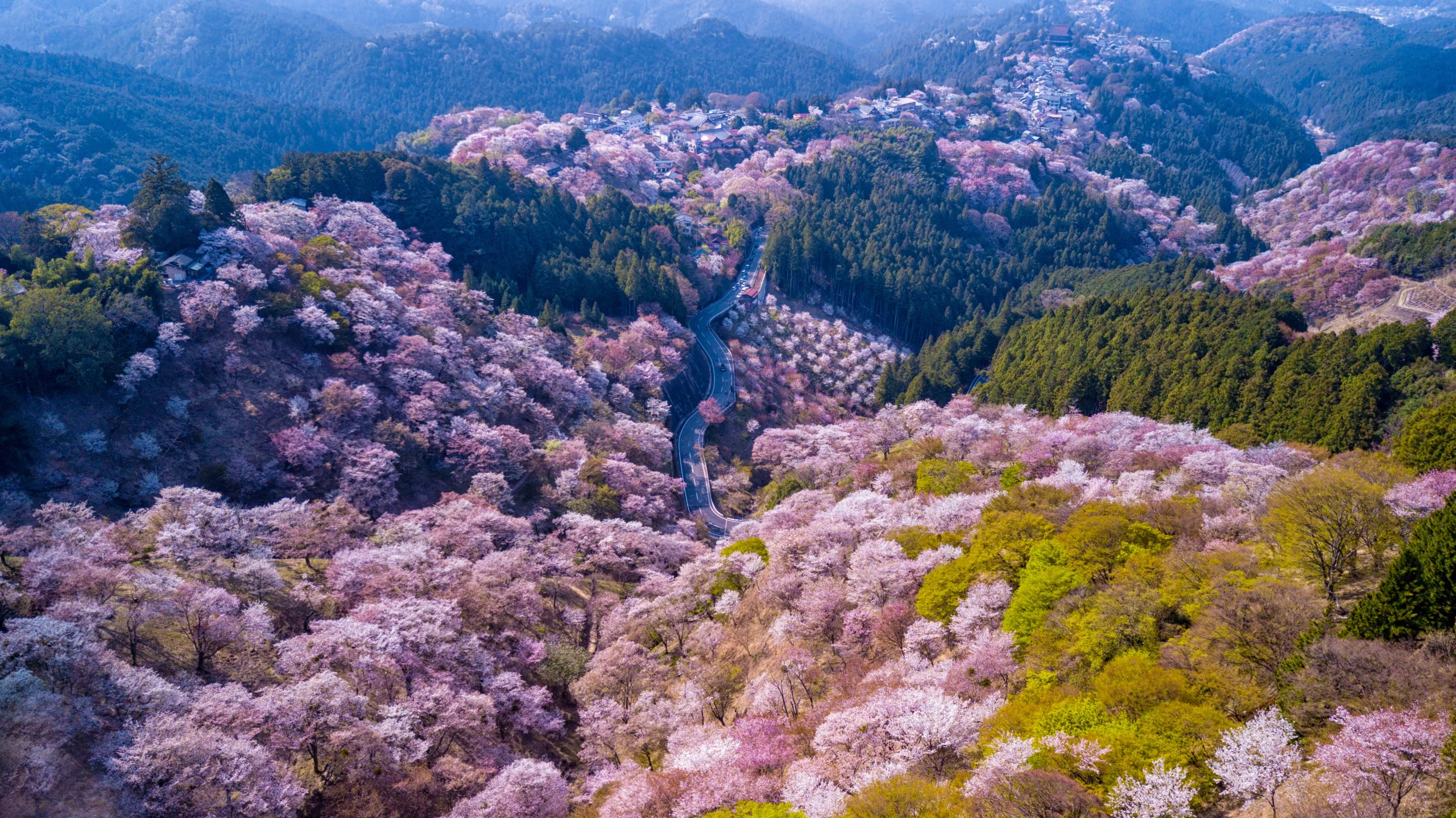
Autumn is strongest in the eastern mountains. Korankei brings red and gold maples, while Obara offers shikizakura cherry blossoms flowering beside autumn leaves. Winter shifts the focus to hot springs, warming miso dishes, and indoor museums. The Konomiya Hadaka Matsuri also brings thousands of men in traditional loincloths into the winter cold for one of Aichi’s most intense festivals. Flowering periods and event dates change, so check official information before planning around them.
Aichi by Area and Reachability
| Region | Key Highlights | Logistics & Tips |
|---|---|---|
| Nagoya & Port | Nagoya Castle, Atsuta Jingu, Osu, Toyota museums, SCMAGLEV | Best via public transport. Allow 1–2 days. |
| Northern Aichi | Inuyama, Meiji-Mura | History-focused. Meiji-Mura requires a bus. |
| East Nagoya & Nagakute | Ghibli Park, Seto, Toyota Auto Museum | Ghibli Park warrants a full day. |
| Chita & Mikawa Coast | Tokoname, Nishio, Sakushima, Gamagori | Coastal route. Sakushima requires ferry timing. |
| Toyota & Mountains | Asuke, Korankei, Obara, Yana fishing | Rural focus. Public transport is limited; car recommended. |
How to Plan Aichi Without Over-Scheduling It
Choose one part of the prefecture for each day instead of crossing Aichi repeatedly. Nagoya and the port combine easily. Inuyama and Meiji-Mura form a northern history route. Ghibli Park belongs to its own day, while Seto or the Toyota Automobile Museum can anchor another trip east.
For the south, choose between Tokoname, a seaside day in Gamagori, or the longer journey to Sakushima. The mountain side needs the most restraint. Korankei and Asuke already make a satisfying day, while Obara, Yotsuya no Senmaida, and smaller river locations are easier with a car or driver.
Final Thoughts: Aichi Rewards Curious Travelers
Aichi is less touristy than Tokyo, Osaka, or Kyoto, and that is one of its greatest strengths. Its castles, museums, pottery towns, fishing communities, festivals, and mountain villages are active parts of local life rather than places shaped mainly around visitors. You can see major attractions here, but you also have more space to notice how people in the region work, eat, travel, and spend an ordinary weekend.
Its location is another advantage. Nagoya sits between Tokyo and Kyoto and works as a gateway toward the Kiso Valley, Gifu, Takayama, Hokuriku, and other parts of central Japan. Aichi can be a short stop, a base for several day trips, or a quieter pause between more heavily visited destinations.
If you are deciding which parts of Aichi fit naturally into your journey, ENJYU JAPAN can shape a Tailor-Made Tour around your season, pace, and interests.