For centuries, geisha have fascinated global audiences with their peerless elegance, razor-sharp wit, and profound mastery of traditional Japanese artistry.
While long imagined as an exclusive world, today this living heritage is more accessible than ever for curious travelers.This comprehensive guide takes you step-by-step through the world of the geisha—from their history, daily training, and the distinction between maiko and geisha, to regional districts, authentic banquets, booking tips, and essential etiquette. Look past the distant clichés to discover geisha as dynamic artists preserving the soul of Japanese tradition.
Immerse yourself in this heritage, and your trip to Japan will gain a memory that is both authentic and unforgettable.
What is Geisha and What Do They Do
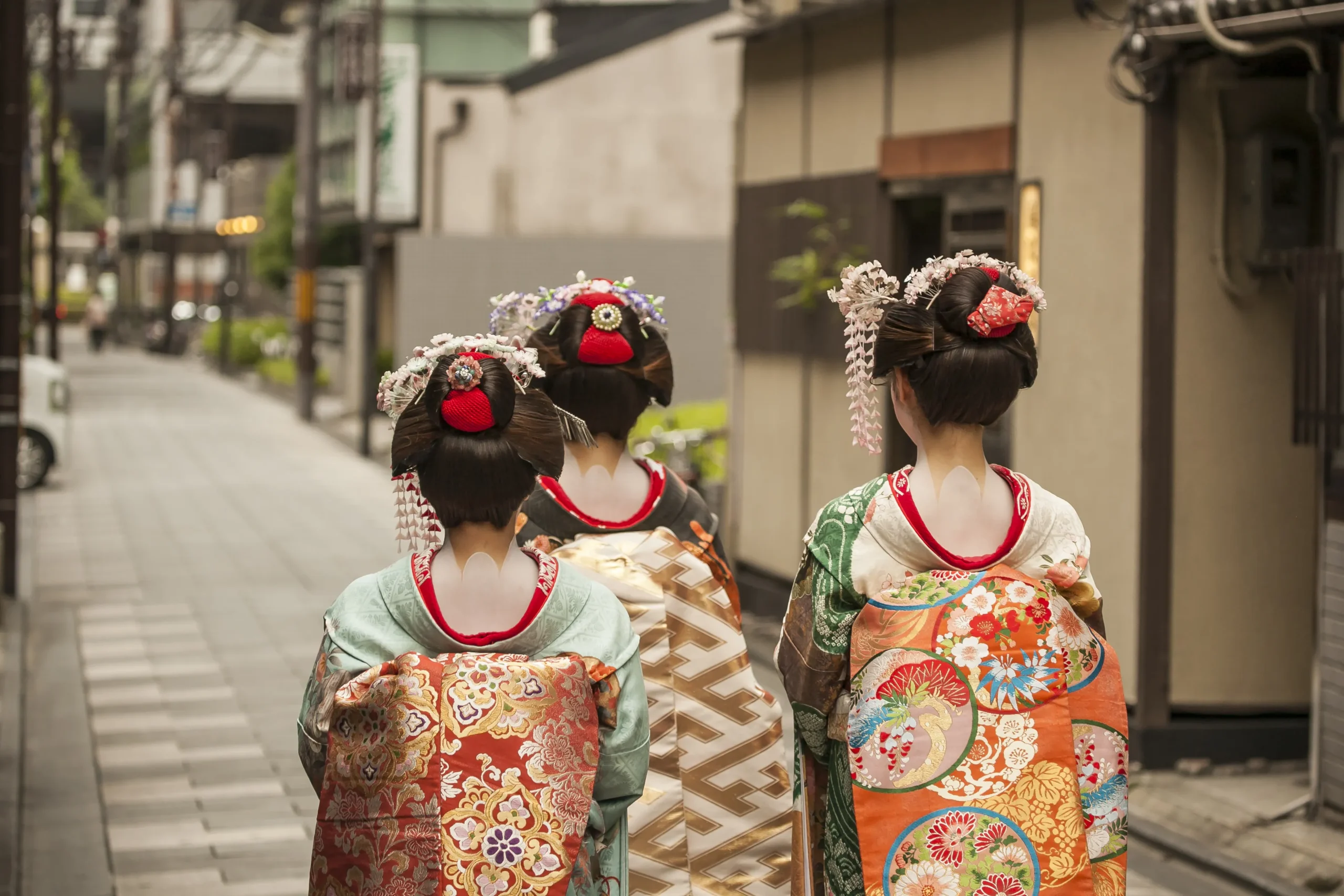
At its core, a geisha is a professional female entertainer who dedicates years of intensive training to classical Japanese performing arts—including dance, traditional musical instruments, singing, flower arranging, and the formal tea ceremony—and then applies those refined skills to host guests at exclusive banquets known as ozashiki.
The terminology varies depending on geography. In Kyoto, the historic capital of high culture, they are formally called geiko (meaning “child of art”). In Tokyo and the Kanto region, they are referred to as geisha or geigi. For clarity and global familiarity, the term “geisha” is most commonly used internationally.
Professionally, geisha are divided into two primary disciplines: Tachikata and Jikata.
Tachikata (The Dancers)
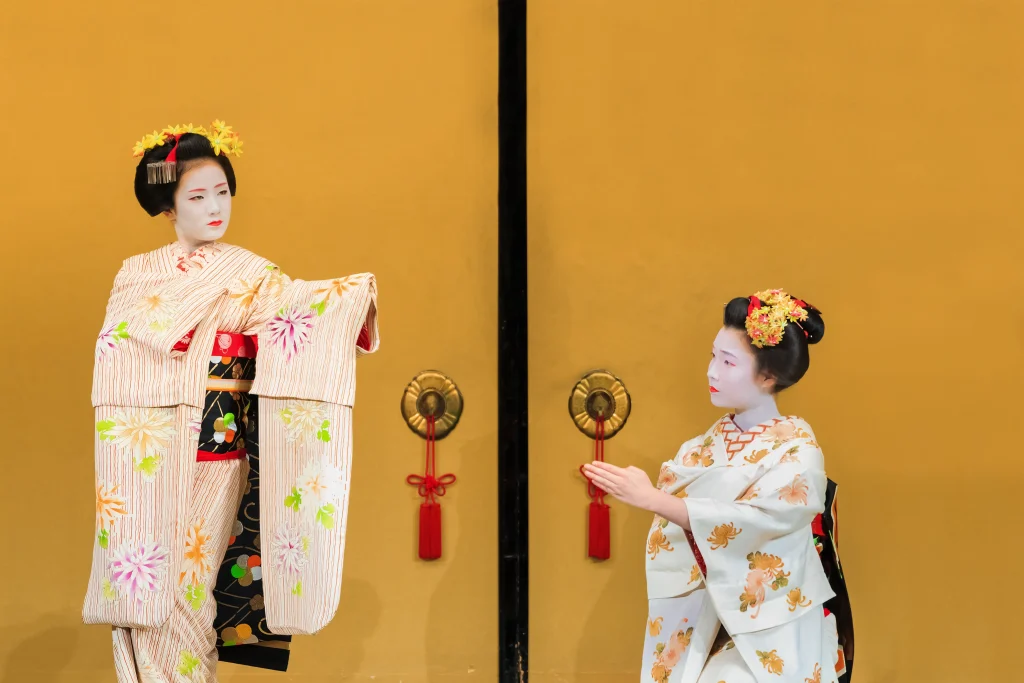
Tachikata perform the dances. This is the image most people picture when they hear the word “geisha”: a figure in white makeup and a brilliant kimono, moving gracefully to traditional choreography. Each hanamachi (geisha district) follows a different school of Japanese dance, and these variations give every performance its own unique character, adding to the charm of geisha culture.
The Artistic Lineage of Dance Schools
The nuance of a tachikata performance depends heavily on the specific school (ryūha) her district aligns with. For example, Kyoto’s Gion Kobu famously trains under the Inoue School, characterized by its restrained, highly formal movements that mirror traditional Kyoto court dance and the understated aesthetic of kyō-mai. In contrast, Tokyo schools like the Hanayagi or Fujima traditions often incorporate wider, more theatrical spatial movements tailored to the dynamic urban entertainment history of Edo. Mastering these distinct styles requires thousands of hours of posture correction, fan handling, and spatial awareness.
Jikata (The Musicians)
Jikata provide the music—shamisen, drums, and songs—that guide the dance, and their role is essential to every performance. They do not wear the elaborate makeup and costumes of the dancers, but their artistry shapes the atmosphere. Years of discipline and rare musical talent are required to reach this role, making it one of the most demanding paths in geisha training.
The Unsung Musical Masters
While dancers capture immediate visual attention, jikata are the bedrock of the entire banquet experience. A jikata must possess an exceptional vocal range, absolute precision with the heavy plectrum (bachi) of the three-stringed shamisen, and flawless timing with rapid traditional percussion (taiko and tsuzumi). Their training routine begins early in the morning and extends late into the evening, balancing physical endurance with mental concentration. Without their resonant musical accompaniment, the delicate emotional resonance of a geisha district would completely dissolve.
The History of Geisha in Japan
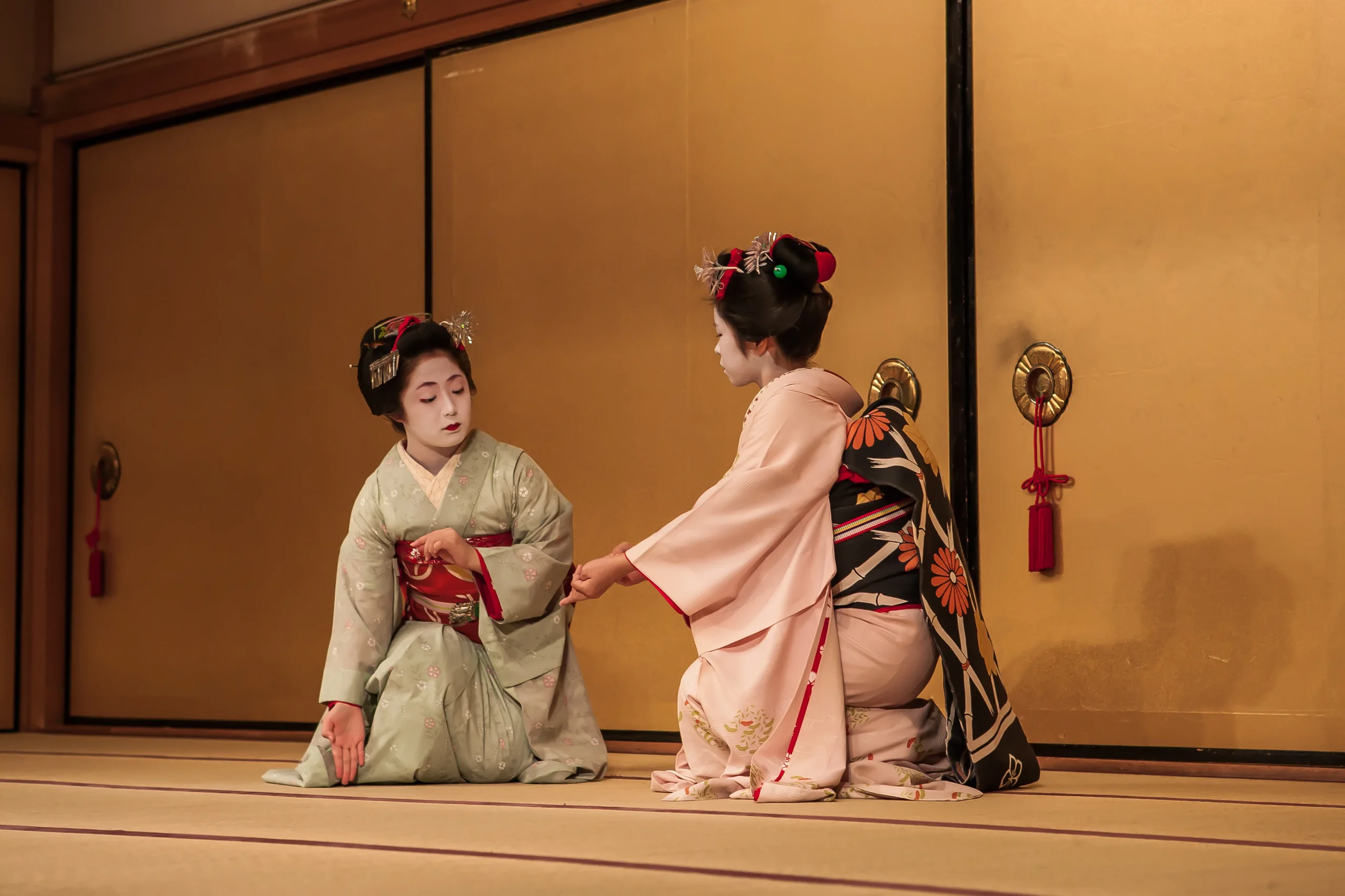
The tradition began in the Edo period (1603–1868). At first, both men and women worked as geisha, but by the Meiji era (1868–1912), women came to dominate the role and shaped the image that continues today. In earlier times, wealthy patrons called danna supported geisha, covering their expenses so they could focus entirely on art. Training once included rituals that caused controversy, but in the modern world, it centers only on mastery of performance and cultural etiquette.
Step by step, a geisha learns to transform herself—first as a young apprentice, then as a professional artist. Through this long path, she preserves Japan’s cultural heritage and keeps alive the elegance of centuries past.
Historical Evolution & The Danna System
Interestingly, the earliest precursors to modern geisha in the mid-18th century were actually male entertainers known as taikomochi or hōkan (joksters who entertained feudal lords). When women eventually entered the profession, they bridged the gap between street dancing troupes and elite teahouse hospitality.
Throughout pre-modern and mid-20th-century Japan, the danna (patron) system was crucial. Wealthy industrialists, politicians, or merchants would sponsor a specific geisha, absorbing the immense costs of her silk kimonos, housing, and ongoing arts instruction. In return, the geisha offered unwavering loyalty and artistic companionship. Today, while the traditional danna system has largely faded, geisha operate with modern financial independence, managing their own careers through professional unions and traditional okiya management.
The Difference Between Geisha and Maiko
Every geisha begins as a maiko. A maiko is an apprentice, usually between the ages of 15 and 20, who spends five to six years training in dance, music, etiquette, and performance. Once her training is complete, she becomes a geisha—a professional artist, typically over 20 years old, recognized for her refined skills and ability to host guests at banquets , called ozashiki.
Key Differences in Appearance
Hair & Accessories
A geisha uses wigs and wears understated hair ornaments, creating a polished and mature look. A maiko styles her own natural hair, decorating it with elaborate accessories. Her hairstyle changes as she advances:
- Ware-shinobu – the rounded bun with a red band worn by first-year maiko, a sign of youth.
- Ofuku – the sleeker style of senior maiko, marking her approach to geisha status.
Kimono & Obi
A geisha dresses in muted colors—black, gray, or subdued tones—paired with a short, structured Otaiko-Obi(a box-shaped sash tied high at the back). A maiko, by contrast, wears brilliant, colorful kimonos with a long Darari-Obi (a heavy sash that hangs down almost to the floor). This heavy sash, unique to maiko, announces her youth and ongoing training.
Footwear
A geisha wears traditional, low flat-soled zori sandals, symbolizing her maturity and independence. A maiko wears tall, wooden okobo (or pokkuri) clogs with colorful straps; their height keeps her long kimono hem clean from the ground and represents her status as an apprentice learning to walk with grace.
Makeup
A geisha favors balance and subtlety, applying lipstick to both lips and drawing sharp eyeliner. A maiko highlights her inexperience: only the lower lip is painted, and soft red or pink accents around the eyes add a touch of girlish charm.
Lifestyle & Training
Geisha live independently, free to manage their work. Maiko live in okiya (boarding houses) under the care of senior geisha, who guide their progress. Where maiko display exuberance and youthful grace, geisha embody refinement and mastery. Together, they carry forward the traditions of Japan’s performing arts, each stage reflecting a transformation in skill, appearance, and life.
Behind the Scenes – The Rigorous Daily Life of an Apprentice
The effortless grace and poised demeanor displayed by a geisha during an evening banquet are the result of years of relentless physical and mental discipline. Life inside an okiya (boarding house) for a young maiko is far removed from the glamorous surface image often portrayed in the media.
A typical day for an apprentice begins early in the morning and is packed tightly with back-to-back professional lessons. Unlike standard modern education, training in the hanamachi is holistic and immersive. Mornings are frequently dedicated to practicing classical Japanese dance (nihonbuyo), where instructors scrutinize every subtle tilt of the head, foot placement, and fan angle. Following dance, maiko attended grueling music practice sessions, mastering the intricate, heavy strings of the shamisen and traditional rhythmic drumming.
Afternoons shift toward cultural refinement: learning the complex choreography of the tea ceremony (sadō), flower arrangement (ikebana), calligraphy, and the nuances of polite conversation suited for elite guests. Evenings involve preparing their elaborate attire, dressing in heavy multi-layered silk kimonos, painting their faces, and traveling to teahouses to host banquets. Only late at night do they return to the okiya to remove their heavy makeup, unpack their instruments, and rest before repeating the exact same demanding schedule the next morning. This uncompromising routine builds the extraordinary inner strength and resilience that defines true professional mastery.
Where to See Geisha in Japan (And How to Plan Your Visit)Geisha work in special districts known as hanamachi. In Tokyo, the six traditional hanamachi are Shinbashi, Akasaka, Kagurazaka, Yoshicho, Mukojima, and Asakusa. In Kyoto, the five most famous hanamachi are Kamishichiken, Gion Kobu, Gion Higashi, Pontocho, and Miyagawa-cho. Beyond these cities, visitors can also encounter geisha culture in Kanazawa’s historic teahouse quarters—Higashi Chaya, Nishi Chaya, and Kazue-machi—as well as in regions such as Niigata, Hyogo, Fukuoka, and Ehime.
Most teahouses follow the custom called”ichigensan okotowari,” meaning first-time visitors cannot enter without an introduction. However, some venues now host ozashiki experiences for the public, where guests can share matcha or kaiseki meals with geisha, enjoy dance and music performances, and learn about their traditions and there are seasonal events and stage performances that also offer opportunities to see geisha and maiko up close.
Where to see Geisha in Kyoto and Annual Events
Gion Kobu
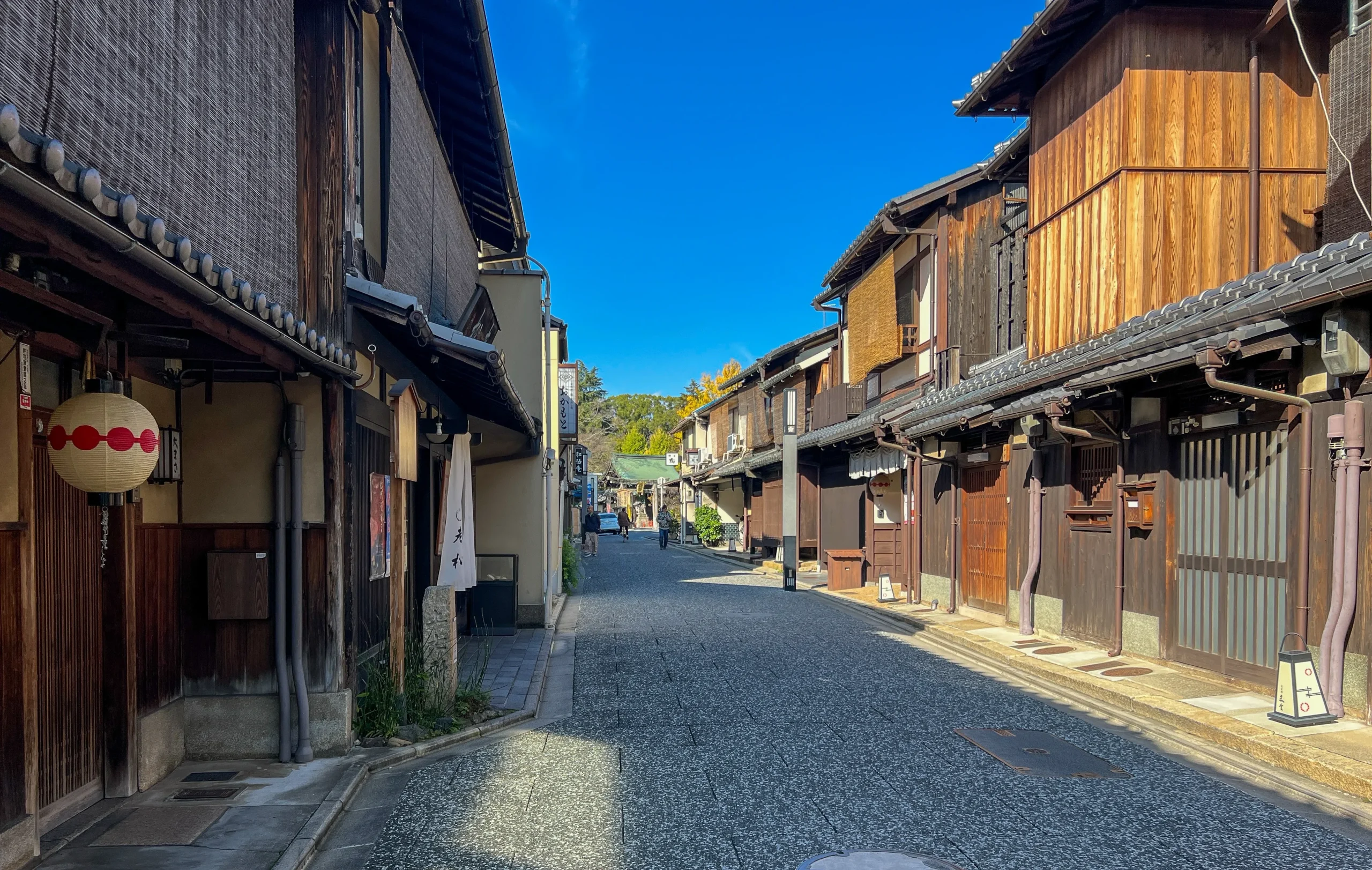
The largest hanamachi in Kyoto. Hanami Lane, with its stone-paved streets and teahouses, creates a timeless scene. Every April, the Miyako Odori is performed at Gion Kobu Kaburenjo Theater. Around 50 geiko and maiko appear in this one-hour stage show, dressed in opulent kimonos of Kyo-yuzen and Nishijin textiles.
Miyagawa-cho
Located east of the Kamo River near Kennin-ji Temple, this hanamachi is especially atmospheric at night. In spring, it hosts the Kyo Odori, while in autumn the Mizuekai takes place, both featuring impressive finales with the full troupe of geiko and maiko.
Pontocho
A narrow lane between the Kamo River and Kiyamachi Street. At Pontocho Kaburenjo, the Kamogawa Odori is staged each spring—the most frequently performed of Kyoto’s odori productions. The autumn program, Suimeikai, adds further seasonal flair.
Kamishichiken
Near Kitano Tenmangu Shrine, this historic quarter hosts the Kitano Odori in spring and the Kotobukikai in autumn. In summer, a lively beer garden allows guests to spend evenings with geiko and maiko in yukata.
Gion Higashi
Situated near Kankame Shrine and its striking red torii gate. Each November, the Gion Odori is performed, presenting elegant dances by the geiko and maiko of the district.
Booking Channels & Budget Realities
Because traditional teahouses (ochaya) protect their privacy through strict referral-only policies, independent travelers must access geisha experiences through certified channels:
- Luxury Hotel Concierges: Premium international hotels and traditional ryokan often have established corporate partnerships with local kenban (geisha registry offices) to secure private bookings.
- Specialized Cultural Tour Agencies: Licensed tour operators curate legal, transparent access to cultural dinners.
- Public Cultural Events & Partner Restaurants: Establishing dining plans through historic partner restaurants (such as traditional machiya ryori venues like Gion Manjiro or Gion Hayakawa that facilitate maiko/geiko banquets) offers a more accessible entry point.
The Real Cost of an Ozashiki
Private banquets are high-end, labor-intensive luxury services. Total costs typically include hana-dai (hourly fees per geisha), teahouse or private room charges, high-end kaiseki multi-course dining, and professional translation. Drawing from public listings of traditional Kyoto restaurants offering maiko dining experiences, shared or group-oriented public plans generally range from $100 to $280+ USD (approx. 15,000 to 45,000+ JPY) per person, whereas fully private, customized teahouse or high-end ryotei banquets can easily range from $1,260 to over $3,150 USD (approx. 200,000 to 500,000+ JPY) depending on the number of guests and performing artists requested.
The Flow of a Traditional Geisha Banquet
An ozashiki is a traditional banquet hosted by geisha. For most guests, it is a once-in-a-lifetime chance to step into Japan’s world of refined hospitality. The evening follows three stages, each designed to move guests from formality into intimacy and delight.
1. Welcoming and Sake Banquet
The geisha enter the room and greet the guests, instantly softening the mood. Conversation begins, and the first drinks are poured. Pouring sake is never one-sided: geisha serve the guests, and the guests return the gesture. This ritual creates a bond, turning strangers into companions at the table.
2. Dance and Music Performances
The atmosphere then shifts from lively talk to focused attention. Geisha and maiko step forward in seasonal kimono and perform classical Japanese dances. Their movements are precise yet fluid, the result of years of training. Music fills the room—shamisen strings, drum beats, and flute melodies. In that moment, the banquet becomes a small stage, and the audience enters the rhythm of old Japan.
3. Ozashiki Games
Finally, the mood lightens again with ozashiki asobi—parlor games that geisha play with their guests.
Some popular games include:
- Tora Tora – a playful contest of hand gestures, where tiger, samurai, and old woman face off like rock-paper-scissors.
- Konpira Fune Fune – a fast clapping game, played to a folk tune, where breaking the rhythm means defeat.
- Karuta – a traditional card game that rewards sharp eyes and quick hands.
The rules are simple, so even first-time visitors can join without worry. By the end of the evening, laughter replaces formality, and guests leave with not only memories of refined artistry but also the joy of shared play.
6 Essential Etiquette for the Ozashiki Experience
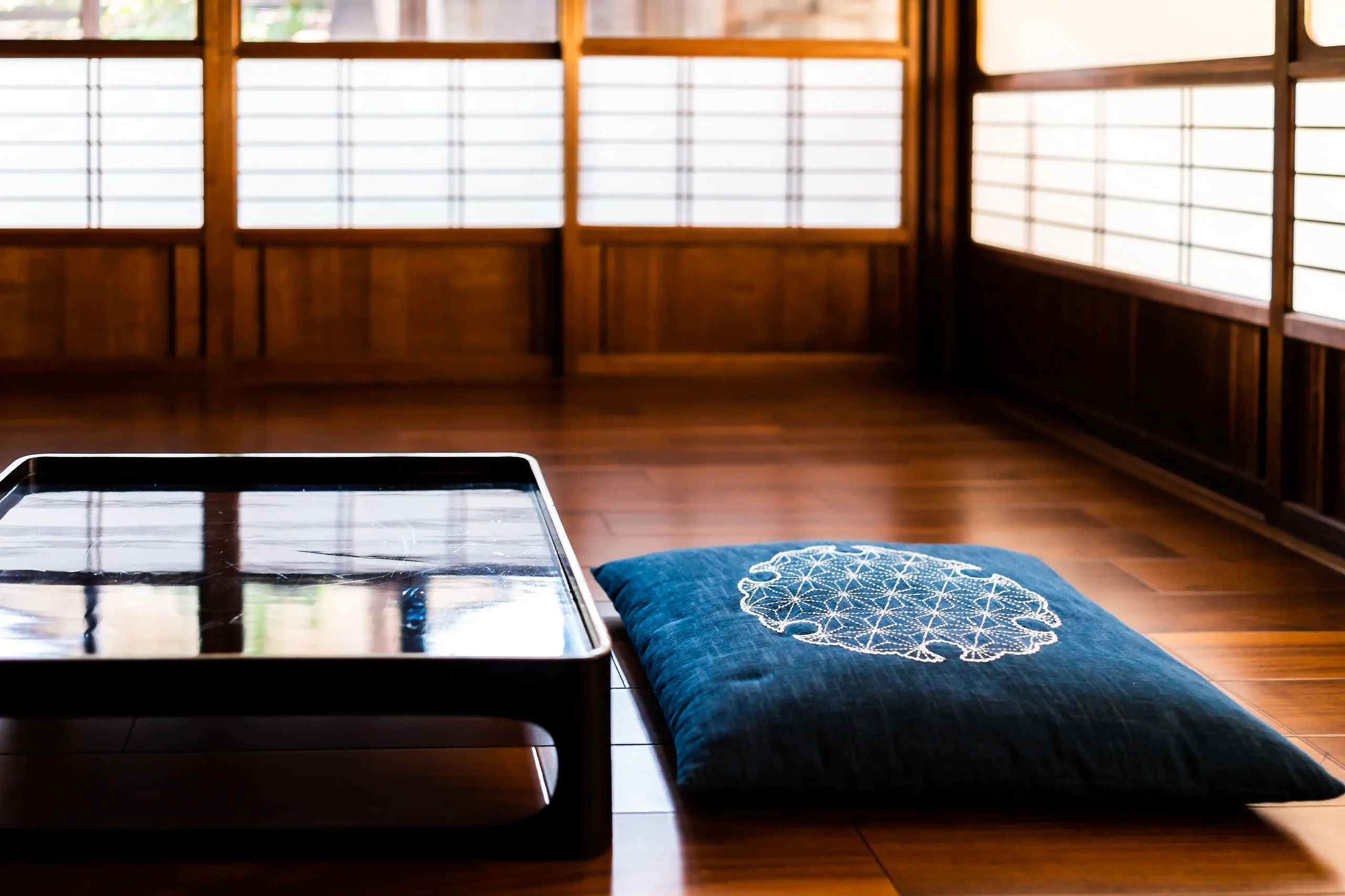
An ozashiki is more than a banquet—it is a cultural exchange. To enjoy the evening fully and respectfully, guests are expected to follow these six points of etiquette:
1. Dress appropriately
Choose formal or semi-formal attire. Your appearance sets the tone for the refined atmosphere.
2. Pause eating and drinking during performances
When geisha dance or play music, give them your full attention. Setting aside your glass or chopsticks shows respect.
3. Be polite and keep boundaries
Geisha are professional entertainers. Overfamiliarity or improper behavior breaks the elegance of the evening.
4. Do not touch the geisha
Physical contact is forbidden. Their role is artistic and cultural, not personal.
5. Ask before taking photos
Rules on photography differ by venue. Always seek permission first.
6. Offer a gratuity (shūgi)
A small tip, wrapped neatly in an envelope, honors a tradition that dates back to the Edo period.
By observing these manners, you not only enjoy graceful performances but also step into a tradition that has shaped Japanese hospitality for centuries. Respect deepens the experience, turning the banquet from entertainment into a moment of genuine cultural connection.
Preserving Living Traditions in the Modern Era: Overcoming Overtourism
As the world accelerates into a hyper-digital, fast-paced future, the survival of geisha culture faces unique modern challenges that go beyond mere economics. Preserving this 400-year-old heritage requires a delicate balancing act between maintaining strict traditional authenticity and adapting to contemporary societal shifts.
In recent years, explosive global tourism has generated severe cultural friction in historic districts like Kyoto’s Gion. Intrusive tourist behaviors—such as aggressively chasing moving maiko down narrow alleys for selfies, physically touching their delicate silk kimonos, or trespassing onto private teahouse doorsteps—have created acute privacy crises and neighborhood stress for local residents.
Municipal Regulations and Protective Frameworks
To combat these challenges, local ward committees, geisha district associations (kenban), and municipal governments in cities like Kyoto and Tokyo have pioneered strict new frameworks to protect these artists. Stringent municipal regulations have been enacted, including closing private residential alleyways in Gion to unauthorized visitors, deploying patrol guards, and enforcing warnings or fines for unauthorized street photography.
Balancing Digital Outreach with Ethical Tourism
Simultaneously, geisha associations are utilizing modern digital platforms and carefully curated cultural programs to educate the public. By offering structured, transparent pathways for travelers to experience ozashiki culture respectfully, they ensure that international visitors understand the profound artistic depth of the profession.
Your Role as an Ethical Traveler
Geisha and maiko are working professionals and neighborhood residents, not public tourist attractions. Never corner, chase, or harass them on public streets. Respecting these boundaries safeguards their professional dignity, protects their safety, and ensures this fragile living heritage survives to inspire future generations without losing its soul.
Frequently Asked Questions (FAQ) about Geisha
To provide even deeper clarity, here are answers to some of the most frequently asked questions about the world of geisha:
1. What exactly does a geisha girl do?
Beyond performing classical dances and playing traditional instruments like the shamisen, a geisha’s primary professional duty is to act as a master hostess at exclusive banquets (ozashiki). She facilitates conversation, pours sake, leads interactive parlor games (ozashiki asobi), and ensures that every guest feels welcomed, relaxed, and engaged. Their role is to curate an atmosphere of timeless refinement, wit, and cultural elegance.
2. Can geisha have boyfriends?
Traditionally and culturally, a geisha’s primary devotion is to her craft—often described as being “married to the art” (gei ni mi o hiku). For apprentices (maiko), romantic relationships and boyfriends are strictly forbidden to maintain absolute focus on their intensive training and protect the investment made by their okiya (boarding house). For fully fledged, independent geisha, personal lives are more flexible; however, formal marriage usually requires retirement from the profession, as the demanding schedule and traditional obligations make balancing a conventional family life extremely difficult.
3. Why do geishas have white faces?
The iconic stark white makeup (oshiroi) is rooted in history. In pre-modern Japan before electricity, teahouses and indoor spaces were lit exclusively by candlelight or paper lanterns. The white face paint acted as a reflective canvas that made their faces, facial expressions, and delicate dance choreography clearly visible and dramatic even in dim, flickering light. Over time, this evolved from a practical lighting solution into a powerful symbol of artistic status and traditional identity, distinguishing professional entertainers from ordinary citizens. While historical white powders contained lead, modern geisha use safe, plant-based, non-toxic ingredients.
4. What is so special about geisha?
Geisha are exceptionally special because they are living repositories of Japan’s intangible cultural heritage. They do not merely perform historical arts; they actively preserve endangered classical dance schools, traditional music, kimono craftsmanship, tea ceremony protocols, and centuries-old standards of elite hospitality. In a fast-paced modern world, geisha represent a rare, living bridge to Japan’s aristocratic aesthetic past, embodying patience, discipline, and uncompromising grace.
5. Why is it so rare to see a geisha?
Encountering a geisha or maiko out on the street or inside an authentic teahouse has become increasingly rare due to several factors. First, the profession demands a grueling multi-year apprenticeship and a lifelong dedication to traditional arts that few modern individuals pursue, causing overall population numbers to drop significantly from their historical peaks. Second, strict cultural gatekeeping mechanisms—such as the ichigensan okotowari rule and private residential living arrangements—keep their daily movements secluded away from casual public view. Finally, modern regulatory protections and local measures implemented in historic districts to combat overtourism have intentionally restricted public access, ensuring that geisha can commute to appointments safely without being swarmed by crowds.
Planning Your Ultimate Geisha Experience in Japan
Geisha culture is a one-of-a-kind heritage that blends artistry and hospitality. Now that you understand the flow and etiquette of an ozashiki, why not seize the opportunity to experience the enchanting world of geisha firsthand on your next trip?
If you are planning a trip to Japan, we can help you arrange the perfect setting for this experience. Through our tailor-made tours, we select accommodations and events that fit your interests, so your journey becomes not only memorable but truly your own. Contact us here to start planning.