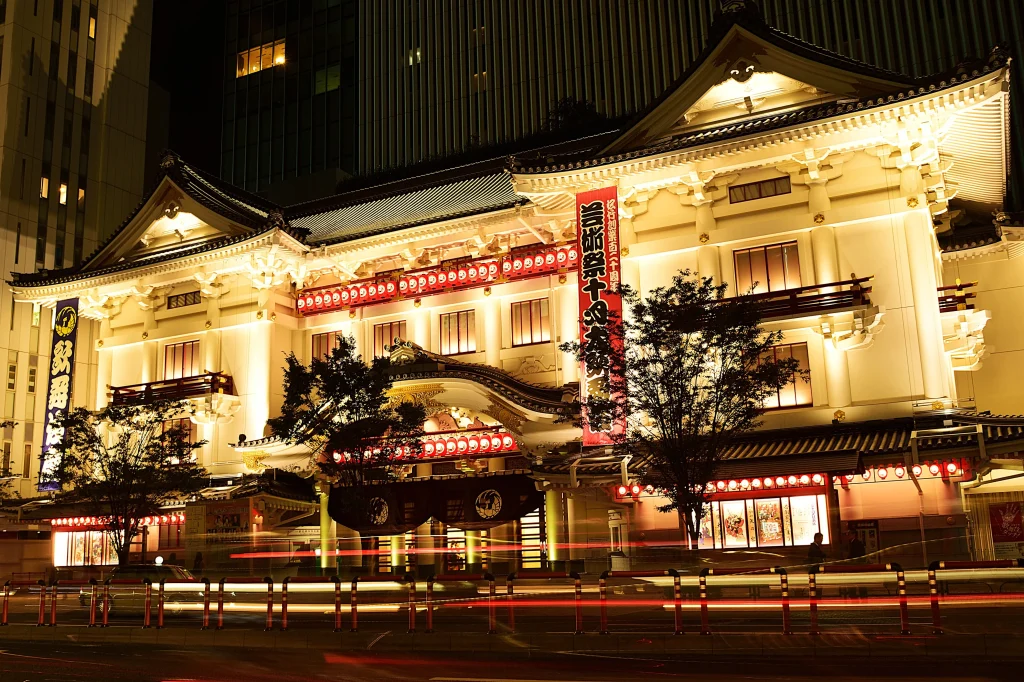
The classic Golden Route linking Tokyo, Nagoya, Kyoto, and Osaka is popular for good reason. But if you want to see a different side of Japan, Niigata is worth considering. It is known for excellent rice and sake, but there is much more to the prefecture, including deep snow, mountain scenery, traditional crafts, hot springs and Sado Island.
Niigata is also a large prefecture. Niigata City, the mountain areas around Echigo-Yuzawa and Tokamachi, Itoigawa in the west, and Sado Island are separate destinations rather than places to squeeze into one day. It is better to choose the part of Niigata that fits your interests and route.
Distinctive Features of Niigata
Located on the Sea of Japan side of Honshu, many parts of Niigata receive heavy snowfall each winter. Surrounded by mountains such as the Echigo range, the prefecture benefits from abundant snowmelt in spring. This fresh water nourishes the fields and supports the rice that Niigata is famous for.
Rice, water and generations of brewing knowledge have also made Niigata one of Japan’s major sake regions.
Niigata’s geography is interesting in another way. The prefecture crosses the Fossa Magna, a large geological zone connected to the formation of the Japanese archipelago. Around Itoigawa, visitors can see the Itoigawa-Shizuoka Tectonic Line, which forms the western boundary of the Fossa Magna.
Although Niigata lies outside the usual Golden Route, parts of the prefecture are surprisingly easy to reach. Niigata City and Echigo-Yuzawa are served by the Joetsu Shinkansen from Tokyo, while western Niigata, including Itoigawa, is reached by the Hokuriku Shinkansen.
Things to Do in Niigata
Niigata is rich in scenery, regional food and local culture. A simple way to start exploring it is through three things: eating, drinking and exploring.
Eat
When it comes to food in Niigata, rice takes center stage. Uonuma Koshihikari is especially well known for its flavor and texture, but Niigata’s food culture does not stop there.
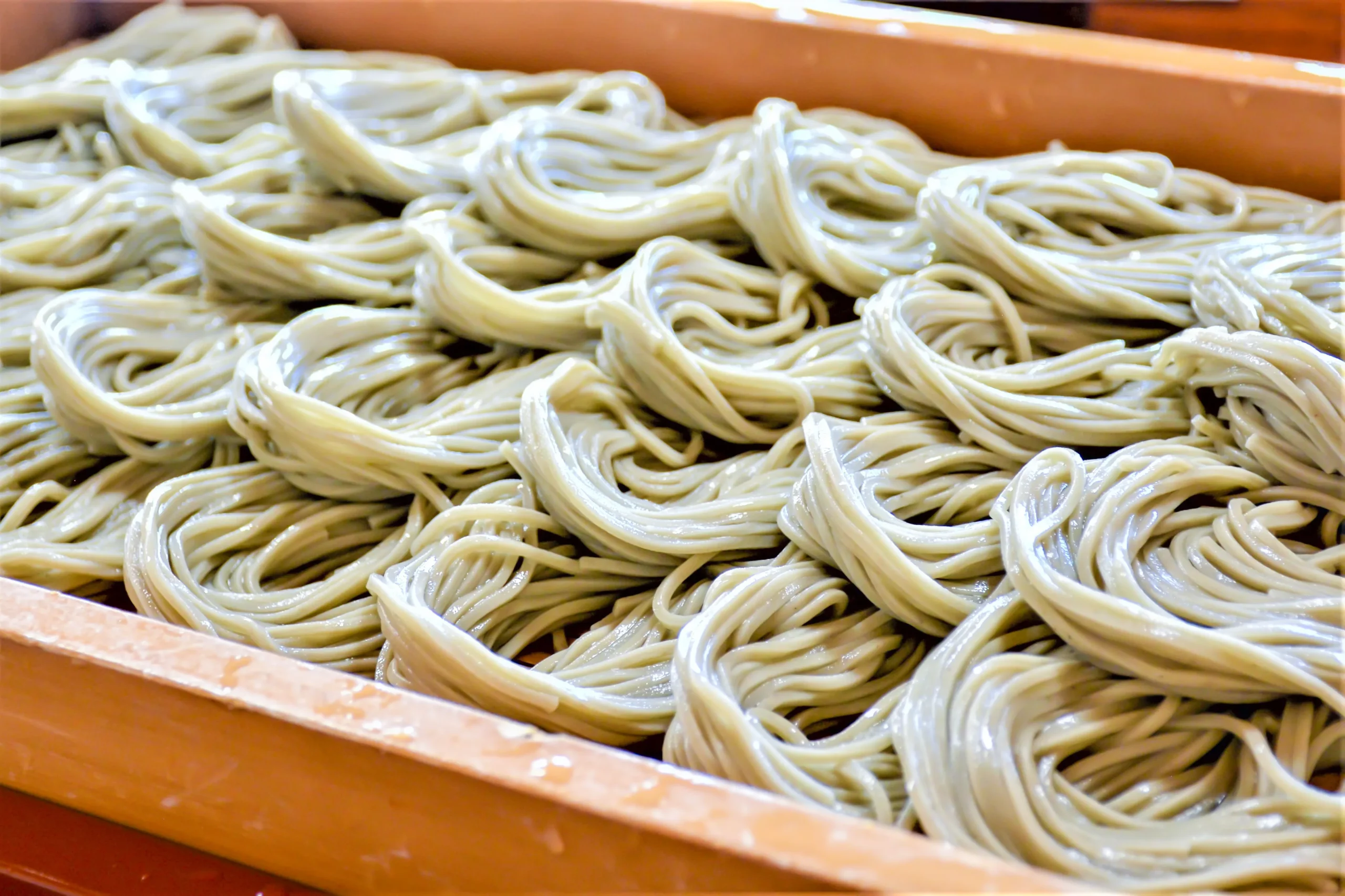
Another regional specialty is hegi soba, buckwheat noodles made with funori seaweed and arranged in neat bundles on a wooden tray. You will also find fresh seafood from the Sea of Japan, sushi, ramen and dishes built around local seasonal ingredients.
A convenient place to try some of Niigata’s regional flavors is Benten-dori Shopping Street, a short walk from JR Niigata Station. The area has casual restaurants and local shops, making it an easy first stop after arriving in the city.
Drink
Niigata is also a paradise for sake lovers. The prefecture has more sake breweries than any other in Japan. Over generations, local brewers have developed a style often described as tanrei karakuchi: clean, crisp and relatively dry.
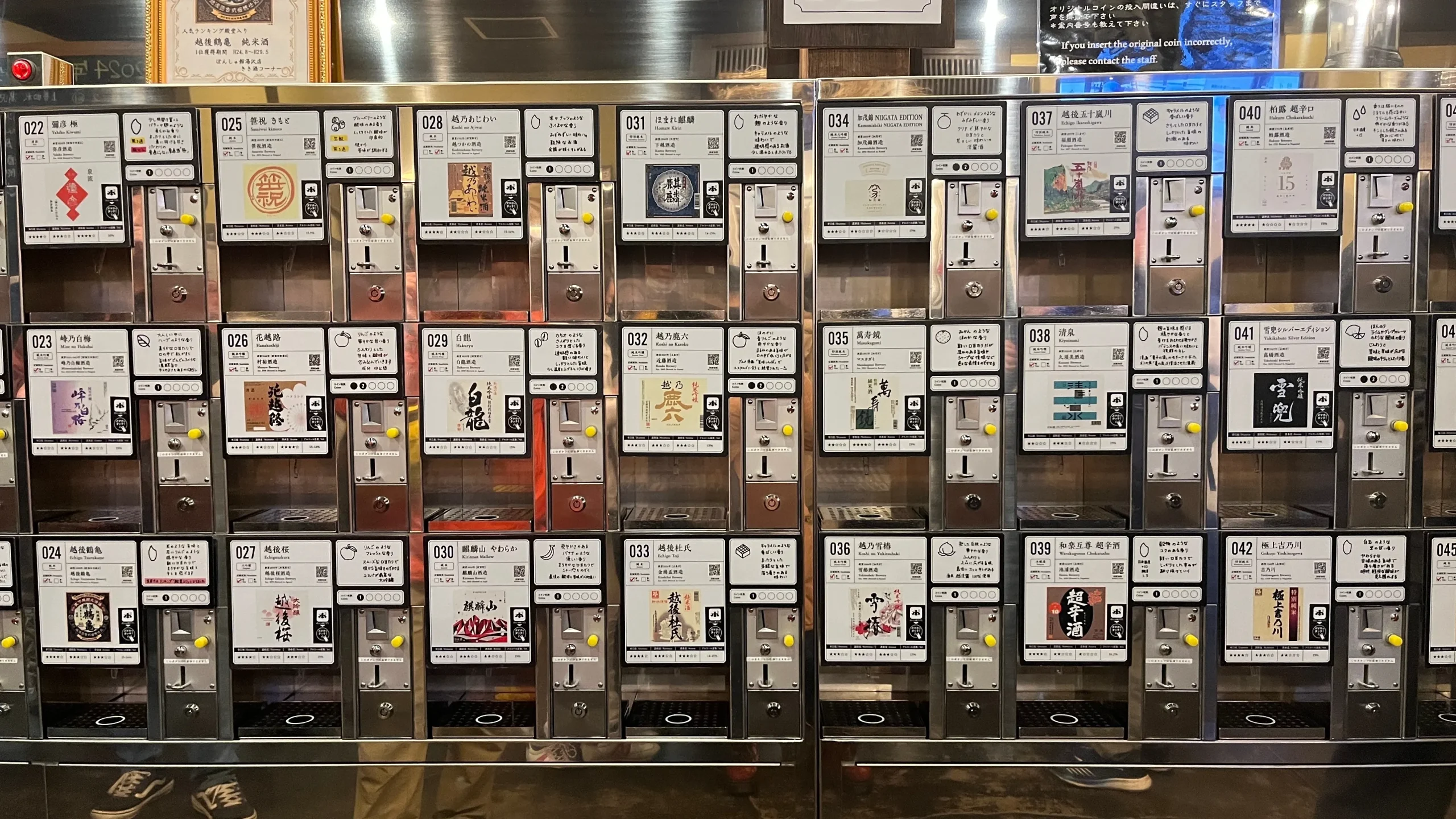
For a casual tasting experience, head to Ponshukan inside JR Niigata Station. Rows of tasting machines let you sample sake from breweries around the prefecture. At the time of writing, ¥1,000 gets you a tasting cup and five coins, with some premium sake requiring more than one coin.
If you would rather see where sake is made, Imayo Tsukasa Sake Brewery is about a 15-minute walk from Niigata Station. Brewery tours are available, including an English-guided option on weekdays by reservation. It is an easy way to add a little more depth to a food-and-sake stay in Niigata City.
Read more: Niigata Sake
Explore
Niigata’s attractions are spread across the prefecture, so think of the places below as options rather than a checklist for one trip.
Fossa Magna Park
Fossa Magna Park in Itoigawa is an unusual stop for travelers interested in geology. The park centers on an exposed section of the Itoigawa-Shizuoka Tectonic Line, the western boundary of the much larger Fossa Magna.
Walking paths and explanatory displays let visitors see the fault zone up close and learn how geological forces helped shape the Japanese archipelago. It offers something quite different from Niigata’s better-known food and mountain scenery.
Kiyotsu Gorge – Tunnel of Light
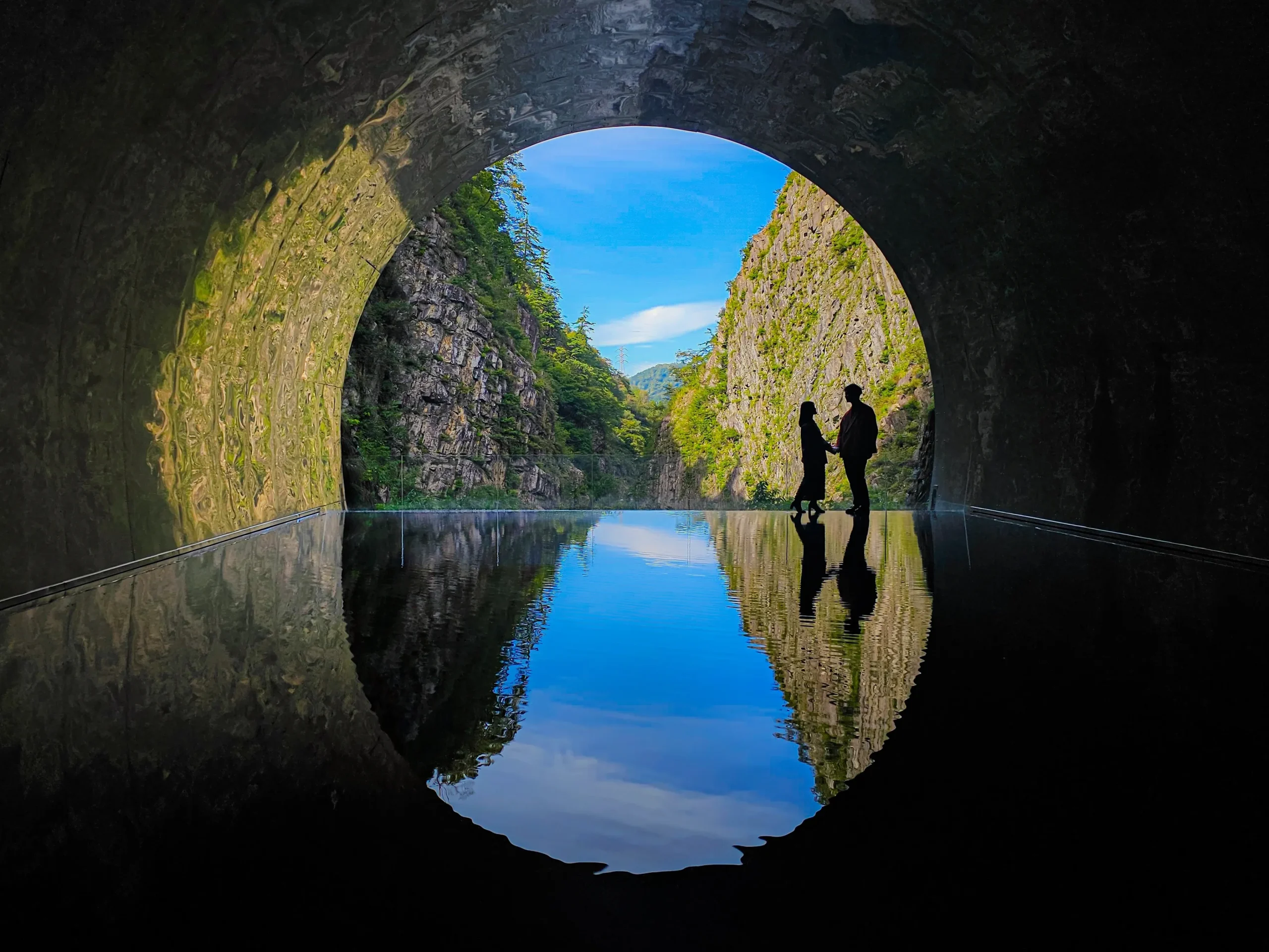
The Tunnel of Light runs through Kiyotsu Gorge, one of Japan’s best-known gorge landscapes. The old viewing tunnel has been transformed through art and architecture, with several installations framing the cliffs and river outside.
Its most photographed viewpoint uses a shallow pool to reflect the gorge at the end of the tunnel. The project is also connected to the wider Echigo-Tsumari art landscape around Tokamachi, where contemporary works are scattered through rural communities.
Advance reservations may be required on particularly busy dates, so it is worth checking the official site before visiting.
Hoshitoge Rice Terraces
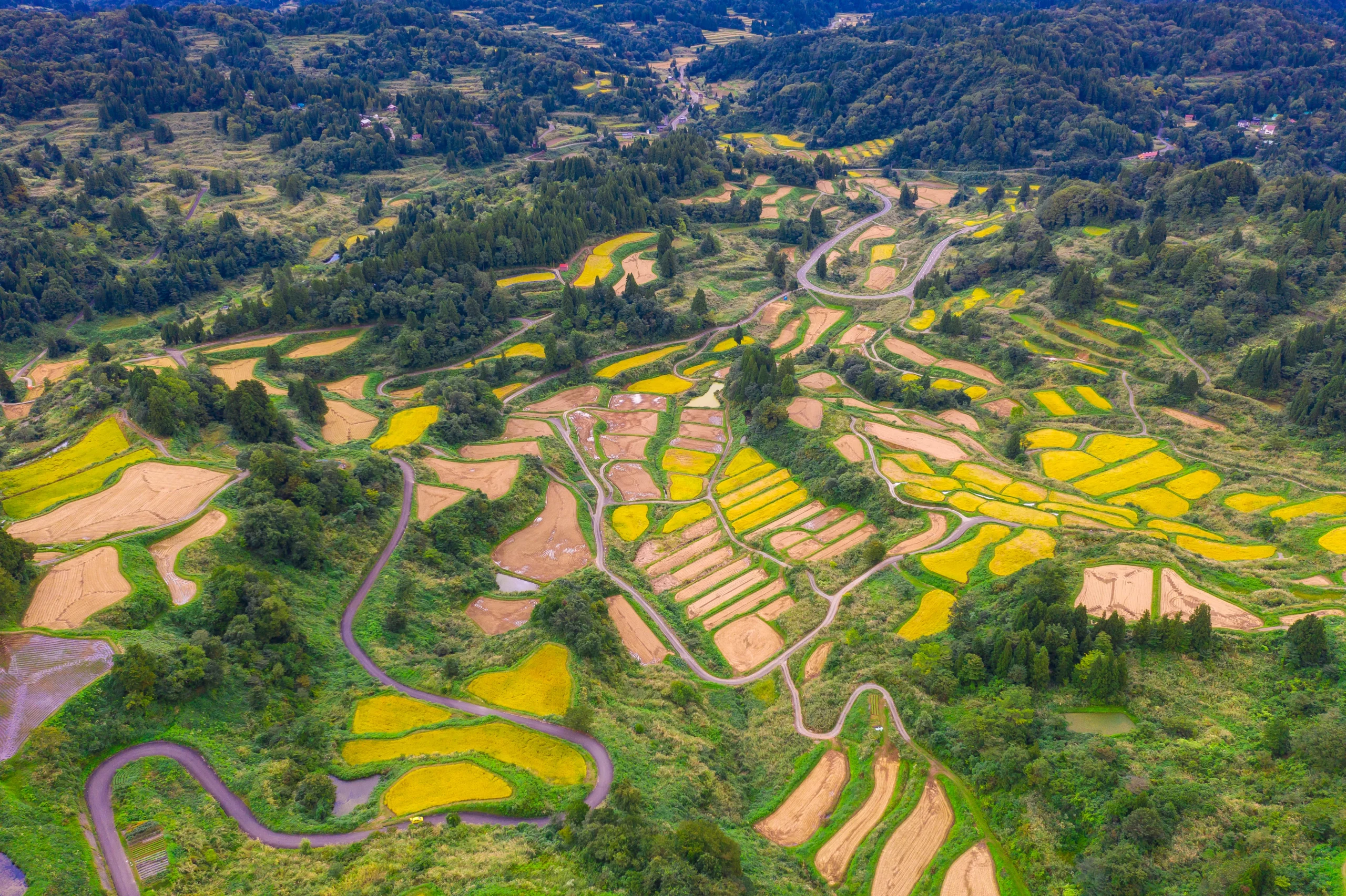
Hoshitoge is one of Niigata’s best-known rice terrace landscapes, with around 200 paddies spread across the hillside.
The view changes with the agricultural season. The famous mirror-like reflections appear after the snow melts in spring and again in late autumn before the first snowfall, when water fills the paddies.
Hoshitoge is not an easy drop-in stop without a car. From Matsudai Station, a taxi is generally the practical option. Roads around the viewing area are not cleared for normal winter access, and the terraces themselves are working farmland, so visitors should remain in designated viewing areas.
Sado Island
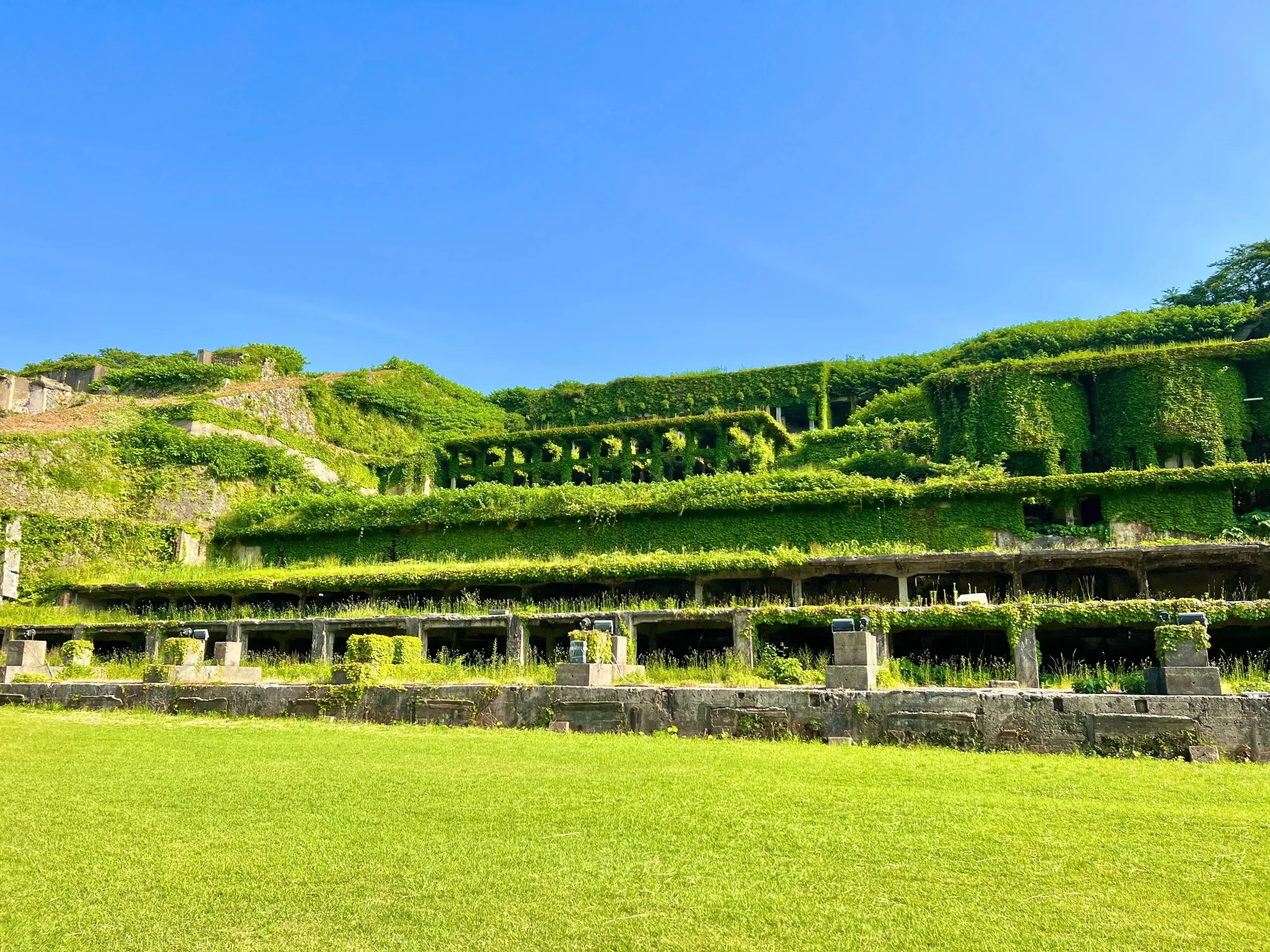
Just off the coast of Niigata, Sado Island combines rugged nature with a history very different from mainland Niigata.
Its most important historical attraction is the Sado Island Gold Mines, inscribed on the UNESCO World Heritage List in 2024. Visitors can explore former mining tunnels and learn how gold production changed from the Edo period into the modern era.
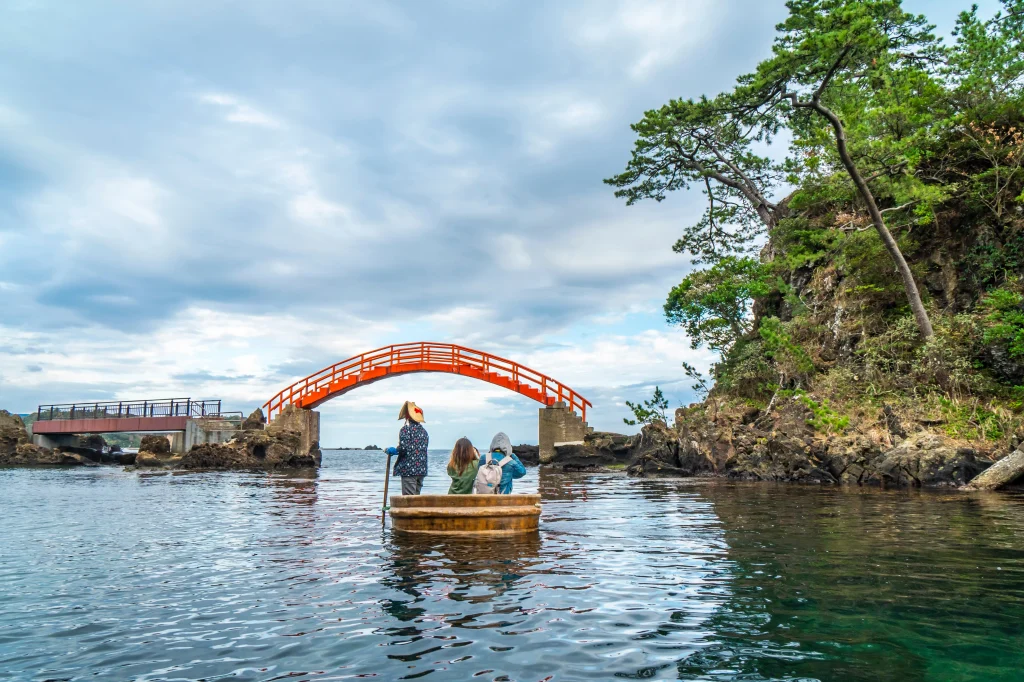
Sado also has traditional tub boats, coastal scenery and seasonal outdoor activities, including night SUP offered by local operators.
A day trip is possible, but it limits you to a small part of this large island. If Sado is one of the main reasons for your Niigata trip, staying at least one or two nights gives you much more freedom to explore.
Yahiko Shrine & Mt. Yahiko
Yahiko Shrine offers something the current list otherwise lacks: a traditional cultural stop that pairs naturally with mountain scenery.
The shrine sits in a wooded area at the foot of Mt. Yahiko and has long been one of the important shrines of the Echigo region. From the shrine, you can continue toward the Mt. Yahiko Ropeway and ride up the mountain for views across the Echigo Plain and, in clear weather, toward the Sea of Japan and Sado Island.
Yahiko works better as a half-day outing than a quick stop. It is around a 15-minute walk from Yahiko Station, and checking train connections in advance is useful because local services are less frequent than in the major cities.
Try Blacksmithing in Sanjo
The Tsubame-Sanjo area is famous in Japan for metalworking, particularly tools, kitchenware and knives. At Sanjo Blacksmith Dojo, visitors can experience some of that craft themselves instead of only shopping for the finished products.
Regular activities include making Japanese-style nails or a small paper knife and learning how to sharpen a kitchen knife. The dojo has also begun offering more in-depth trial knife-making experiences aimed mainly at international visitors, although availability is limited.
This is a good choice if you want a hands-on experience that feels specific to the region rather than another sightseeing stop.
Read more: Japanese Knife-Making Culture
Experience Snow Country in Echigo-Yuzawa
Niigata’s heavy snow is not just something to work around. In winter, it becomes one of the main reasons to visit.
Echigo-Yuzawa is particularly convenient because the Joetsu Shinkansen reaches it from Tokyo in about 80 minutes. The surrounding area has numerous ski fields as well as hot springs, so you do not need to plan a long ski holiday to get a taste of Niigata’s snow country.
For travelers with limited time, Echigo-Yuzawa is one of the easiest ways to add Niigata to a Tokyo-based itinerary. Winter opening periods depend on snow conditions and the individual resort, so check the current season before planning around a specific activity.
Slow Down at Tsukioka Onsen
Tsukioka Onsen in Shibata offers a slower way to experience Niigata. Its sulfur-rich hot-spring water is known for its distinctive emerald-green appearance, and the compact onsen town has ryokan, restaurants and small shops.
It can be reached by public transport from the Niigata City side of the prefecture, but services are limited enough that it works better as an overnight stay than as a rushed afternoon detour.
For travelers already spending time around Niigata City, it can be a comfortable way to combine sightseeing with a traditional hot-spring stay.
Summary
Niigata offers much more than rice and sake. Depending on where you go, you can explore a geological fault line, walk through contemporary art in a mountain gorge, see working rice terraces, learn blacksmithing, spend a winter day in snow country, relax in an onsen town or make Sado Island a separate part of the trip.
The important thing is not to try to fit everything into one itinerary. Niigata is large, and its best experiences are spread across several different areas.
If you are coming from Tokyo with limited time, Echigo-Yuzawa is one of the easiest additions. Niigata City works well for food and sake, while Tokamachi is better for Kiyotsu Gorge and rice-terrace scenery. Sado deserves considerably more time of its own.
Let’s Plan a Special Holiday Just for You
Niigata can be rewarding precisely because its best places are spread out, but that also makes the route more difficult to plan. If you would like to include Niigata in a longer Japan trip, ENJYU JAPAN can help you choose the right area and fit it naturally around the rest of your itinerary.
Speak to one of our travel specialists through the ENJYU JAPAN inquiry page.