Kawaguchiko is one of the easiest places to see Mt. Fuji from a lakeside setting. It brings together wide mountain views, boat rides, museums, hot springs and Yamanashi food within a manageable area. From Shinjuku, the direct Fuji Excursion train makes Kawaguchiko possible as a day trip, but staying one night gives you more time to adjust your plans to the weather.
That extra time matters because Mt. Fuji is never guaranteed. Cloud and haze can hide the summit, even when the lakeshore looks bright. Plan more than one viewpoint, check the weather before leaving your hotel, and keep your most important Fuji view for early morning. Flexibility is the practical key to seeing Mt. Fuji in Kawaguchiko.
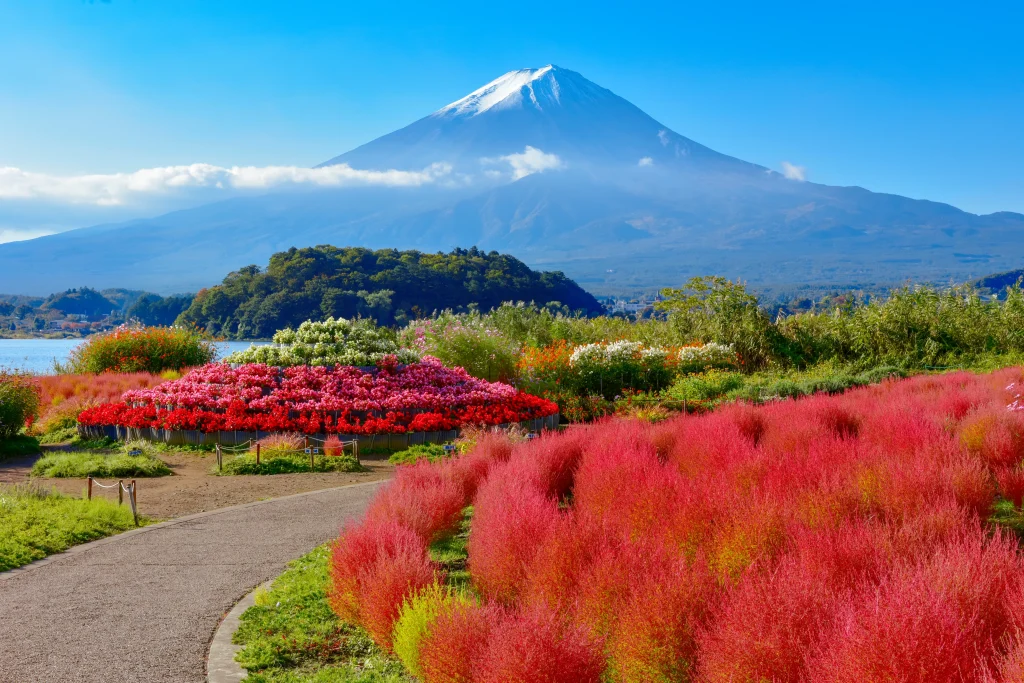
[IMAGE: Mt. Fuji reflected in the still morning water of Lake Kawaguchi, with Oishi Park flowers in the foreground]
Kawaguchiko at a Glance
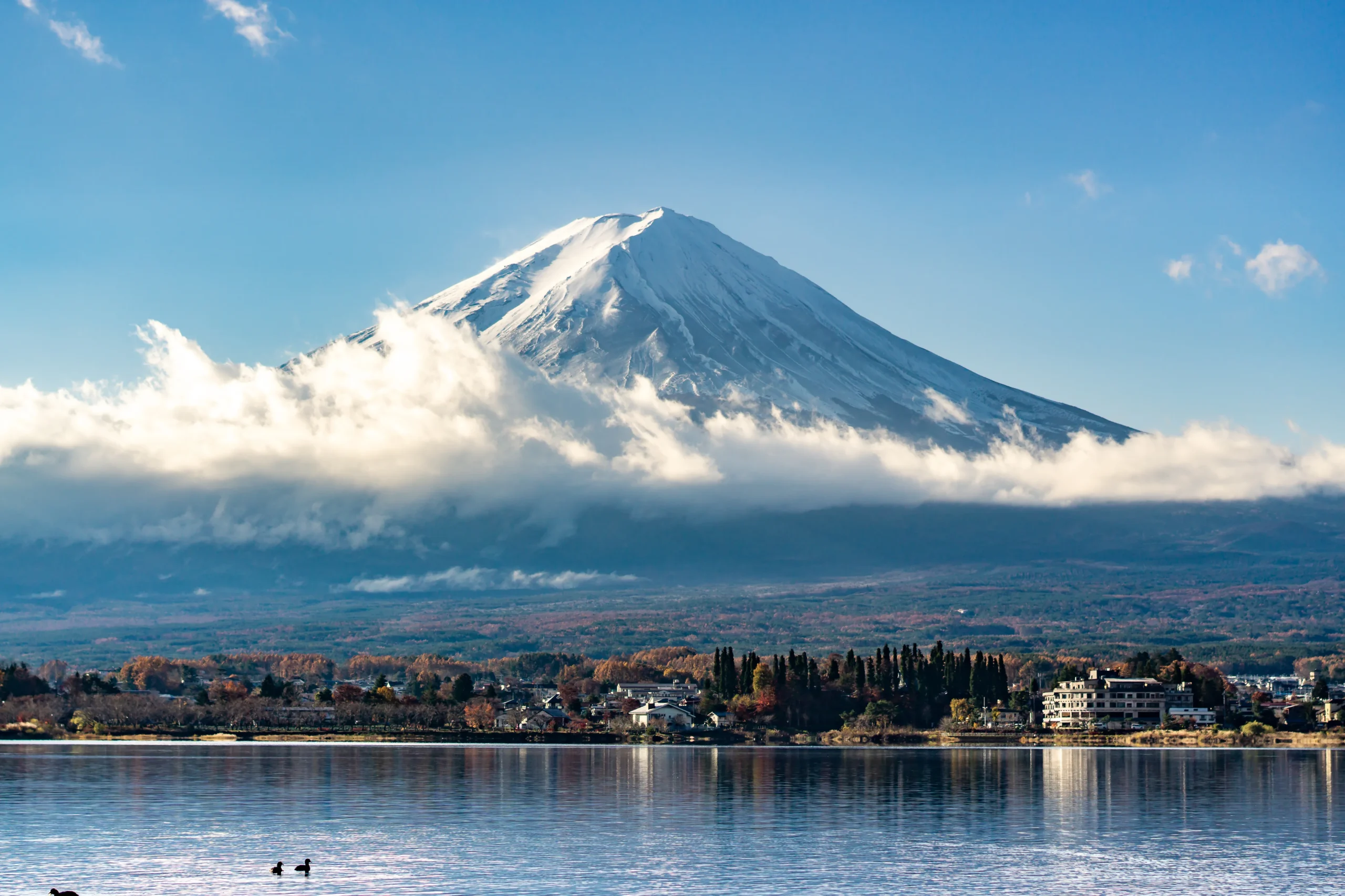
Kawaguchiko means Lake Kawaguchi; ko is the Japanese word for lake. It is one of the Fuji Five Lakes in Yamanashi Prefecture, on Mt. Fuji’s northern side. The wider Fuji landscape is recognised by UNESCO as Fujisan, sacred place and source of artistic inspiration, reflecting the mountain’s long connections with faith, pilgrimage and art.
Kawaguchiko works best as a compact base: combine a high viewpoint, a lakeside experience, a cultural stop and a warm meal in one day.
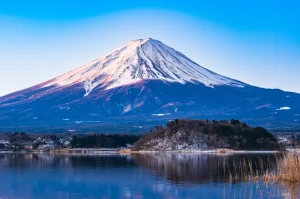
Best Things to Do Around Lake Kawaguchiko
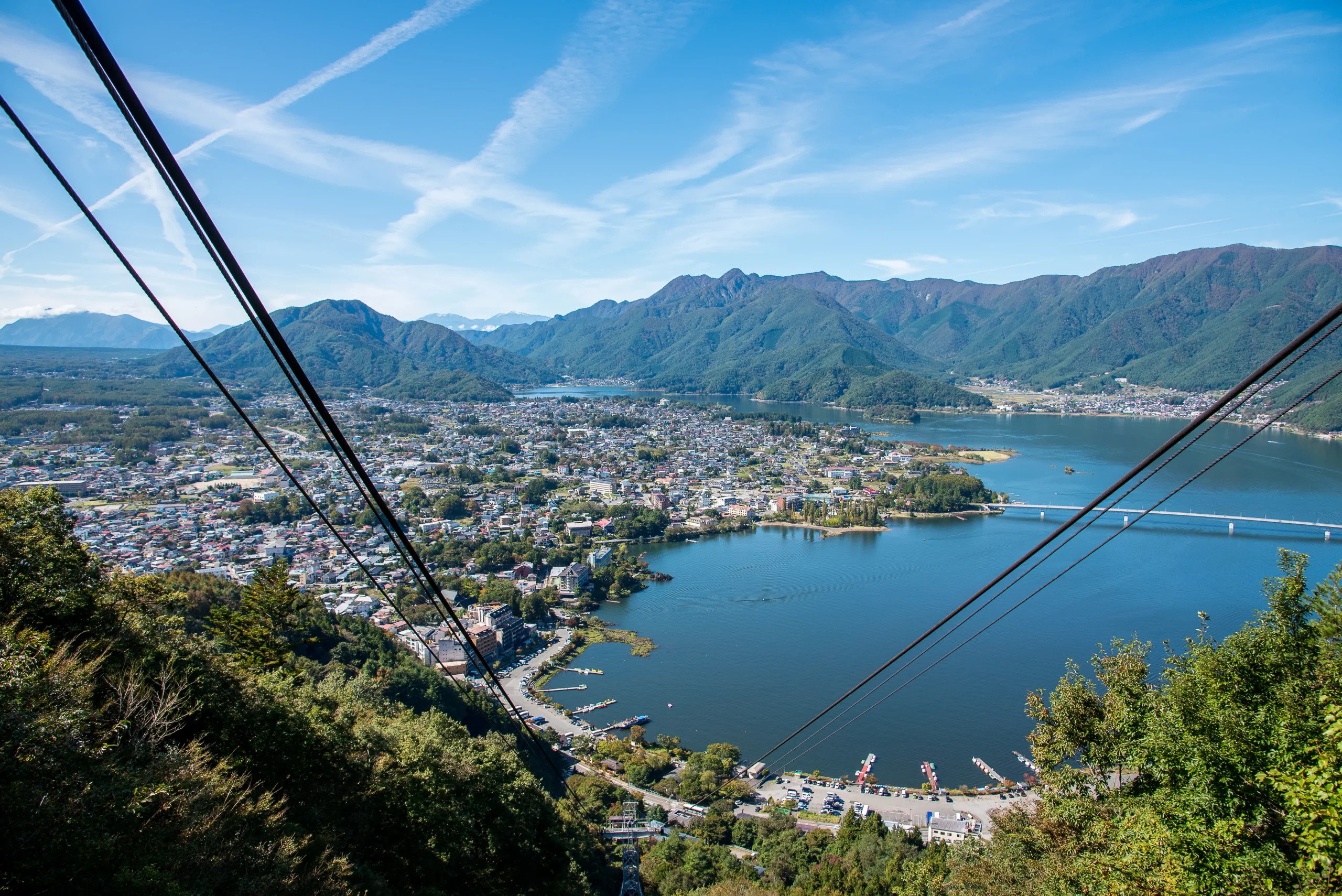
If you have only a few hours, start near Kawaguchiko Station. The ropeway, sightseeing buses, local restaurants and small shops are easy to reach from this area. Then choose two or three experiences that match the weather rather than attempting every attraction.
Ride the Mt. Fuji Panoramic Ropeway
The Mt. Fuji Panoramic Ropeway reaches the observation area on Mt. Tenjo in about three minutes. From the upper station, Lake Kawaguchi lies below and Mt. Fuji appears beyond it when conditions are clear. Go near opening time where possible; queues are usually easier to manage and you have time for another viewpoint later. Check operating information on the day, because weather and seasonal schedules can affect service.
Visit Oishi Park
Oishi Park on the north-western shore gives you a clear view across Lake Kawaguchi towards Mt. Fuji. Its lakeside path changes with the year, from lavender in summer to red kochia, or summer cypress, in autumn. The organised Kawaguchiko Herb Festival ended after the 2025 season, but the planting at Oishi Park and Yagizaki Park remains. Visit for the flowers themselves, not for a festival programme that no longer operates.
Take a Cruise or the Oishi Park Water Shuttle
The Appare sightseeing boat gives you a different view of the shoreline from the water. It is most rewarding when Mt. Fuji is visible, so check the weather and the live Mt. Fuji camera before deciding when to take the cruise.
The Ensoleillé Oishi Park Line can provide a water connection between the Funatsu-hama area and Oishi Park. It offers an alternative to road travel between two busy lakeside points when it is operating. Check current routes, timetables, fares and weather-related cancellations before travel.
Walk or Cycle the North Shore
The north shore suits a short walk or bicycle ride. A rental bicycle lets you stop when cloud clears, while sightseeing buses are better if you do not want to cycle. Choose one section of shore rather than trying to circle the lake in one afternoon.
Choose One Museum
Rain does not need to end the day. The Kawaguchiko Music Forest Museum displays antique music boxes and automated instruments, with concerts and shows included in admission. It provides an indoor change of pace when the mountain disappears behind cloud.
The Itchiku Kubota Art Museum offers a different kind of craft experience. It displays kimono by textile artist Itchiku Kubota, who created Itchiku Tsujigahana, his own modern interpretation of a historic dyeing tradition. The work shows how silk, colour and pattern can express seasonal landscapes.
Make Chureito Pagoda or Fuji-Q a Side Trip
Chureito Pagoda and Fuji-Q Highland are near Kawaguchiko, but neither is in Fujikawaguchiko town. Plan them as separate side trips in neighbouring Fujiyoshida rather than quick stops between lakeside attractions.
Chureito Pagoda stands in Arakurayama Sengen Park, with a view of the five-storey pagoda and Mt. Fuji. Fuji-Q Highland suits families and roller-coaster fans. Both can take several hours, so plan them separately from a full lakeside itinerary.
For Fuji-Q Highland, the Fujikyu Railway takes about 2–4 minutes from Kawaguchiko Station to Fuji-Q Highland Station, beside the park entrance. Allow 15–20 minutes in total for waiting and walking; buses take about six minutes but depend on traffic, while the four-kilometre walk is best avoided with luggage or in summer heat.
For Chureito Pagoda, take the Fujikyu Railway to Shimoyoshida Station in around ten minutes, then walk for about ten minutes to Arakurayama Sengen Park.
Eat Hōtō and Visit an Onsen
Hōtō is Yamanashi’s best-known local dish. Thick, flat wheat noodles cook in a miso-based broth with vegetables, often including pumpkin. It is a practical lunch after a cold lakeside walk and a satisfying early dinner before an evening in an onsen.
An onsen is a Japanese hot-spring bath. Several facilities accept day visitors, so you do not need to stay at a ryokan, or traditional inn, to enjoy one. At shared baths, wash before entering the tub and follow the facility’s rules. A quiet soak is a fitting end to an active day.
Things to Do in Kawaguchiko at Night
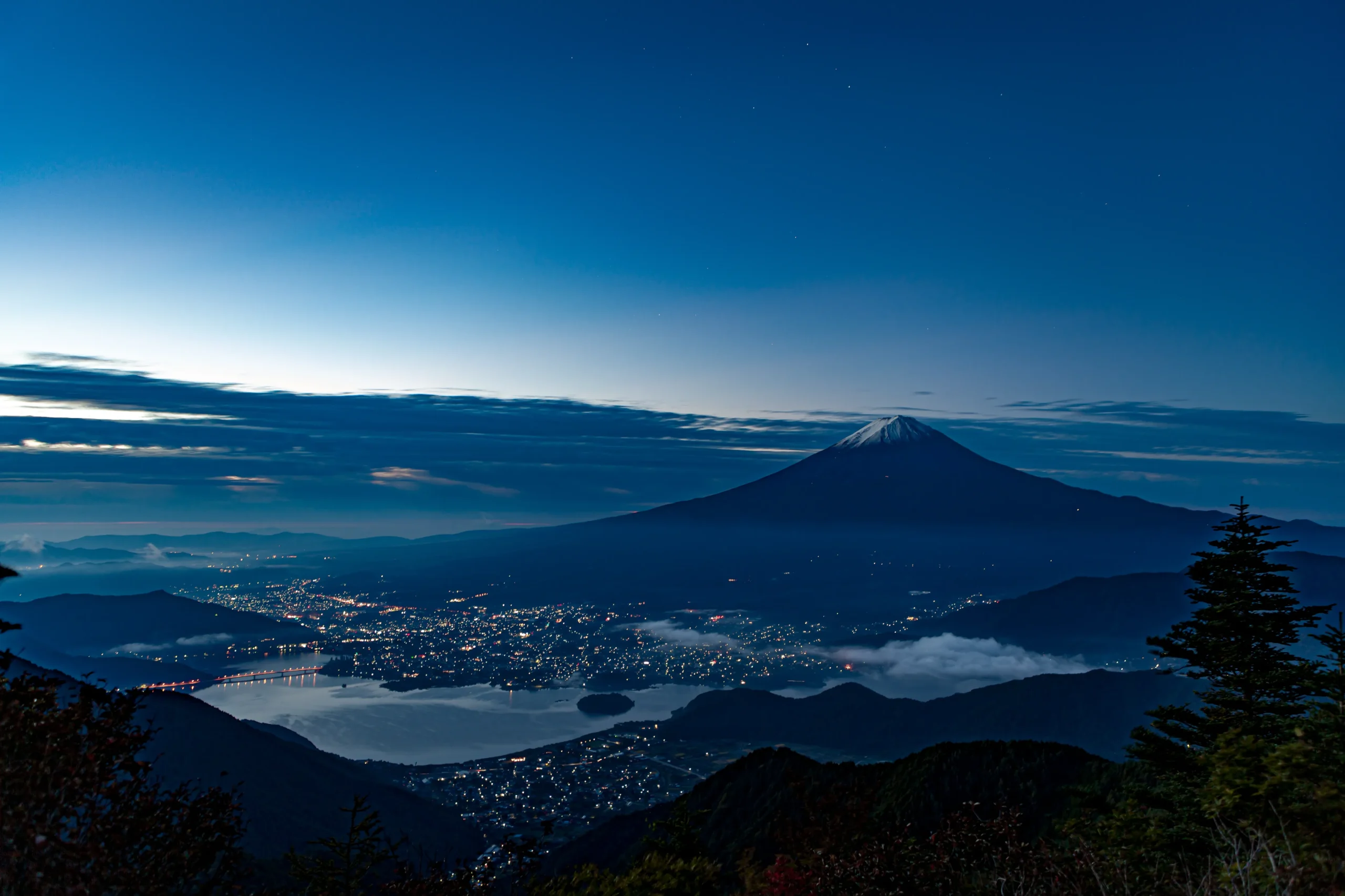
Kawaguchiko is not a late-night entertainment district. Its best evenings are simple: an early dinner, a hot-spring bath, and a short lakeside walk before an early start the following day.
For a seasonal night experience, the Fujikawaguchiko Autumn Leaves Festival is scheduled for 7–29 November 2026. The Momiji Corridor, or Maple Corridor, is illuminated from sunset until 21:00. This makes it easy to add an evening walk to a day itinerary, but confirm the latest information before booking.
Fireworks are date-specific, so check the official calendar shortly before travelling.
Best Time to Visit Kawaguchiko
Every season gives Kawaguchiko a different character. Choose your dates around your priority—clear Mt. Fuji views, flowers, autumn colour, or a quieter lakeside stay—and keep one early morning free for the mountain.
Spring: Cherry Blossoms and Mild Walks
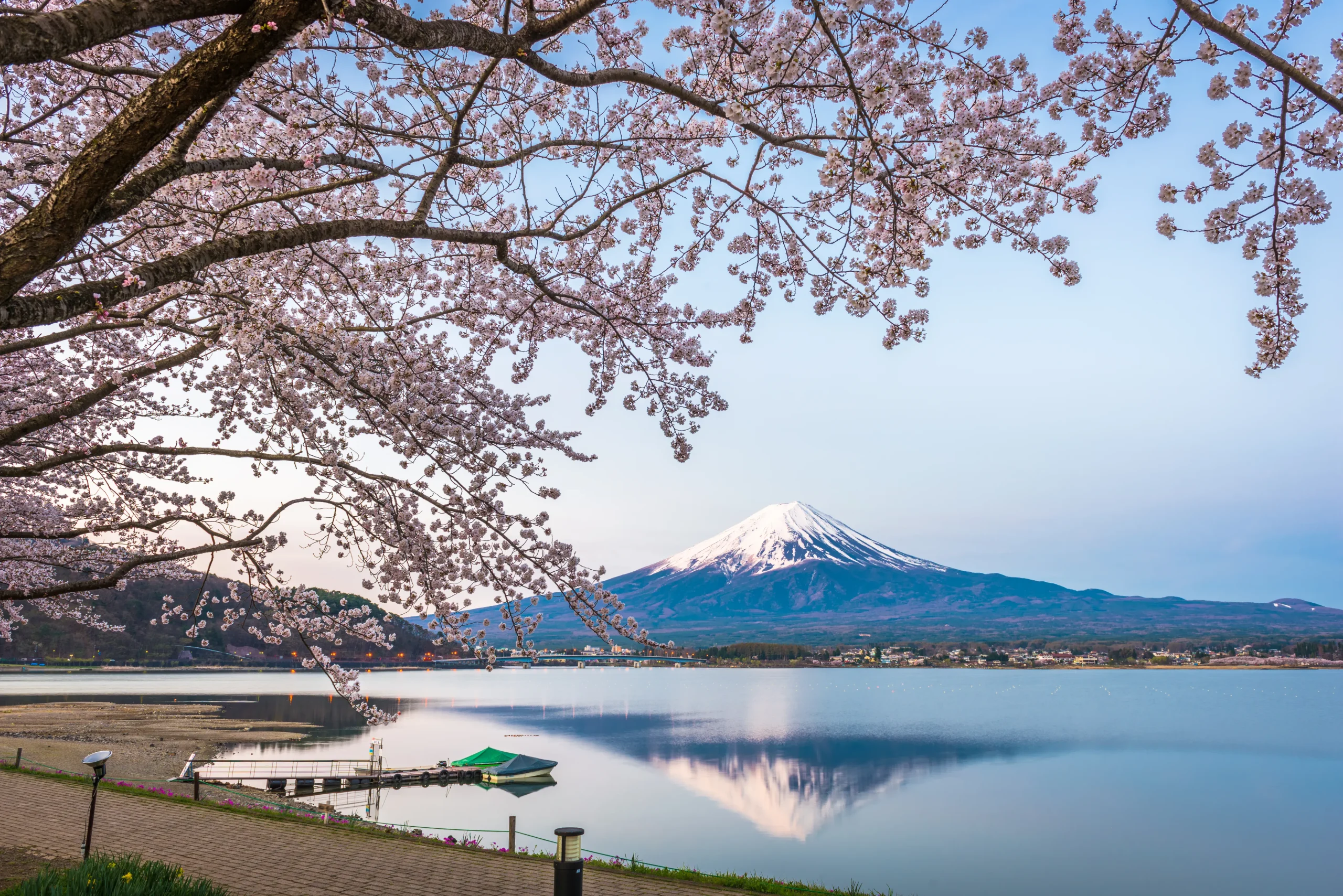
Spring brings cherry blossoms to the lakeshore and nearby Fuji towns. Days are often comfortable for walking, cycling and visiting gardens, although popular blossom areas can become busy.
Plan an early start if you hope to photograph blossoms with Mt. Fuji. Spring colour is memorable, but cloud can still cover the summit.
Summer: Flowers, Water and Green Shores
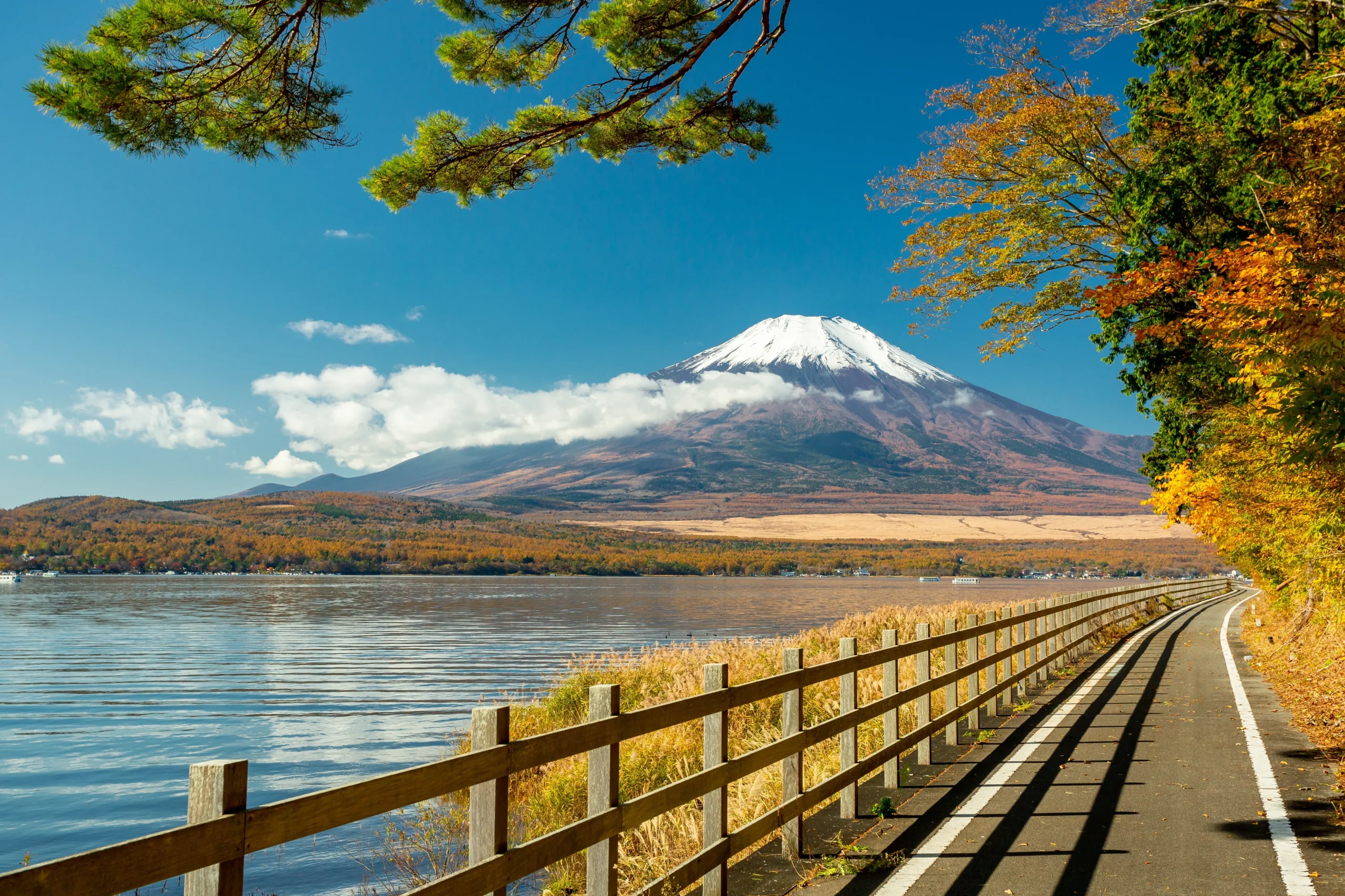
Summer is the season for boating, cycling and lakeside flowers. Oishi Park’s lavender and other seasonal planting add colour to the north shore, while the lake offers a cooler setting than central Tokyo.
However, cloud and haze can make Mt. Fuji harder to see. Build an indoor museum or an onsen visit into your plan as a useful alternative.
Autumn: Maple Colour and Evening Light
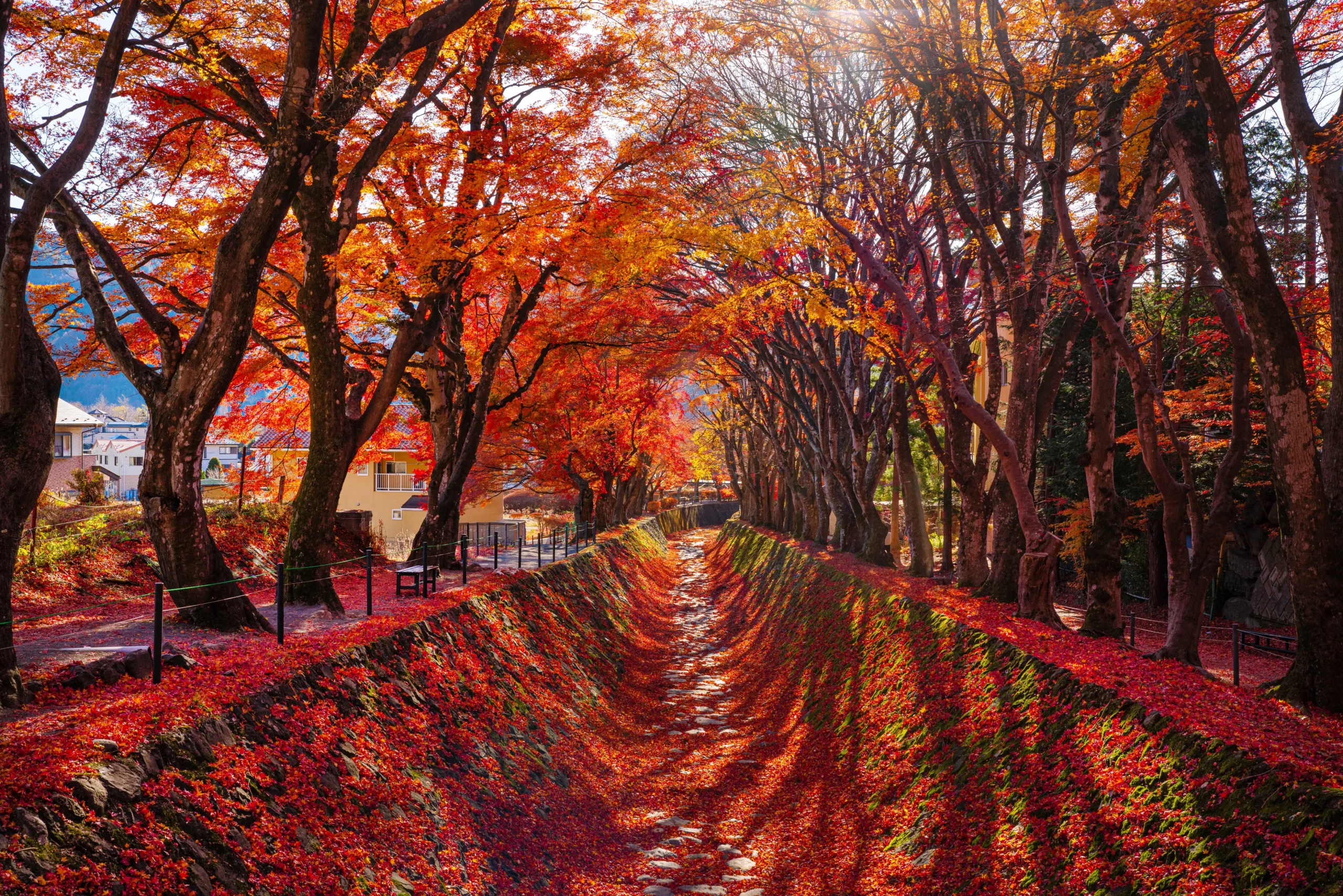
Autumn brings cooler air and red maple leaves around the Momiji Corridor, or Maple Corridor. It is one of the most atmospheric periods for combining Mt. Fuji views with a lakeside walk.
This is also a busy season, especially during the autumn illumination period. Reserve transport and accommodation early, then visit popular viewpoints in the morning.
Winter: Clearer Mornings and Hot Springs
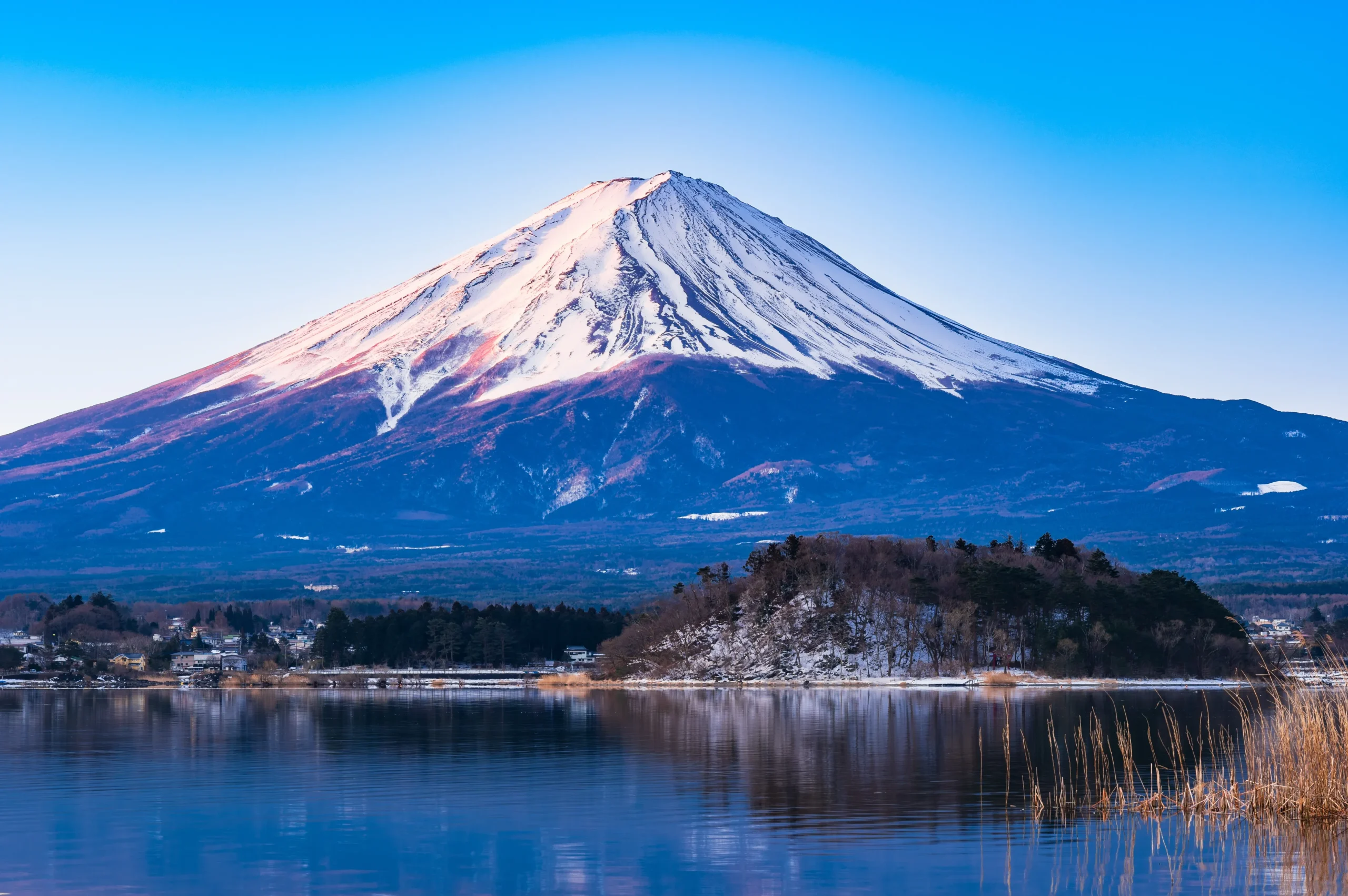
Winter often offers the best chance of seeing Mt. Fuji clearly. Cold mornings can bring cleaner air, snow on the upper slopes and still water along the lake. After time outdoors, the warmth of an onsen offers a measured pause before the next clear morning.
Pack warm layers, particularly for sunrise and evening walks. Snow and icy roads can delay highway buses, so check transport updates and allow extra time if snow is forecast. Winter improves your chances of a clear view, but it never guarantees that the mountain will appear.
How to Get to Kawaguchiko from Tokyo
Take the Fuji Excursion Train from Shinjuku
The Fuji Excursion limited express is the simplest rail option from Shinjuku to Kawaguchiko. From 14 March 2026, the regular timetable includes four daily round trips, with additional services on selected dates. A one-way adult journey between Shinjuku and Kawaguchiko currently costs ¥4,200.
Reserve your seat once your travel date is fixed, especially for weekends, school holidays and the autumn-colour season. The direct train avoids a change at Ōtsuki and brings you straight to Kawaguchiko Station.
Take a Direct Highway Bus from Tokyo
Direct highway buses are another practical choice, particularly for travellers carrying large luggage. Services from Shinjuku and other Tokyo terminals reach Kawaguchiko Station without a rail transfer, although journey times depend on road traffic.
Book ahead for busy travel dates and allow extra time during weekends and holiday periods. The bus can be an easy alternative when train seats are unavailable.
Get Around Kawaguchiko by Sightseeing Bus
Once you arrive at Kawaguchiko Station, sightseeing buses connect the station with major lakeside areas and the wider Fuji Five Lakes region. Different routes serve different destinations, including the ropeway area, Oishi Park and routes towards Lake Saiko and Lake Motosuko.
Check the route map before boarding rather than assuming that every bus follows the lake in the same direction. Choosing the correct line at the station saves time and keeps your itinerary relaxed.
Day Trip or Overnight?
A day trip works well if you choose two or three priorities: for example, the ropeway, Oishi Park, hōtō for lunch and one museum. This can work well for travellers continuing to Hakone, Kyoto or Osaka.
Stay overnight if Mt. Fuji is the main reason for your visit. You can enjoy the lake after day visitors leave, eat without watching the return timetable, and try again early the next morning. An overnight stay gives you more opportunities, not a guarantee.
Frequently Asked Questions
Why is Kawaguchiko so closely linked with Mt. Fuji?
Kawaguchiko is more than a lake with a famous view. It sits on Mt. Fuji’s northern side, where the mountain has long shaped pilgrimage, religious practice and Japanese art. UNESCO recognises the wider Fuji landscape as Fujisan, sacred place and source of artistic inspiration. Looking across the water therefore means seeing both a natural landmark and a cultural landscape.
What should I do if Mt. Fuji is hidden by cloud?
Do not spend the whole day waiting at one viewpoint. Check the live Mt. Fuji camera and weather forecast, then switch to an indoor plan such as the Kawaguchiko Music Forest Museum or the Itchiku Kubota Art Museum. You can also have lunch, visit an onsen, or return to the lake later. A flexible plan turns cloud into a change of pace rather than a wasted day.
Is Chureito Pagoda actually in Kawaguchiko?
No. Chureito Pagoda stands in Arakurayama Sengen Park in neighbouring Fujiyoshida City, not in Fujikawaguchiko Town. It is a worthwhile side trip, but it needs separate travel time and should not be treated as a quick stop between Oishi Park and the ropeway. Planning it separately makes the day calmer and more realistic.
Should I use a sightseeing bus, bicycle or boat?
Choose transport according to your route and the weather. Sightseeing buses are useful for reaching major lakeside stops without driving, while a bicycle suits a short north-shore route when conditions are dry. If it is operating on your travel date, the Ensoleillé Oishi Park Line offers a water connection between the Funatsu-hama area and Oishi Park. Each option works best when it supports a small, well-paced itinerary.
What should I know before visiting an onsen?
An onsen is a shared Japanese hot-spring bath, and the key rule is to wash before entering the tub. Use the shower area first, keep towels out of the bathwater, and follow each facility’s instructions on tattoos, photography and quiet behaviour. These small courtesies help visitors share the space comfortably.
Is Kawaguchiko better for first-time visitors or repeat travellers?
It works well for both. First-time visitors can combine the ropeway, Oishi Park, local hōtō noodles and an onsen in one stay. Repeat visitors can travel for a particular season, choose a museum in more depth, or explore the lake at a slower pace. Kawaguchiko changes with weather and light, so a return visit can feel genuinely different.
How early should I start my day?
Start as early as your itinerary allows, particularly if Mt. Fuji is your priority. Morning gives you time to visit a first viewpoint before crowds build and to change plans if cloud arrives. It also makes an overnight stay more valuable: you can see the lake before day-trip buses reach the shore.
Plan Your Kawaguchiko Escape
Plan Kawaguchiko around the season, not a single perfect photograph. Reserve your journey and chosen stay once your dates are set, then keep an early morning free for Mt. Fuji and check the forecast before you set out.
An unhurried night by the lake gives the landscape time to reveal a different mood: maple leaves glowing under autumn lights, or a still winter shore beneath a snow-capped peak. Let your itinerary remain flexible, and experience Kawaguchiko at the measured pace this remarkable landscape deserves.