If Kyoto’s traditional arts interest you, the first useful question is not how much you can see, but what you hope to understand.
Gion Corner brings several Japanese arts together in a seated show lasting about 50 minutes. Dance by maiko—apprentices training to become Kyoto’s professional female performing artists—shares the programme with tea preparation, flower arrangement, music and theatre. It offers an introduction to different traditions, rather than a private dinner or personal meeting with a performer.
For a well-planned evening, start with your date, choose a ticket that suits your interests, and leave room for dinner. The aim is not to understand everything at once, but to discover what deserves a closer look.
Practical information checked: 11 October 2026.
| At a glance | What to know |
| Format | A short introduction to several Japanese traditional arts |
| Duration | About 50 minutes |
| Start times | 18:00 and 19:00, subject to seasonal schedules and closures |
| Standard adult admission | ¥5,500 |
| Venue | Gion Kobu Kaburenjo Annex Theatre (small theatre) |
| Booking | Reserved-seat tickets through the theatre’s website; same-day tickets subject to availability |
These details follow the theatre’s current published guidance. Confirm your chosen date and ticket conditions before purchasing.
What Is Gion Corner, and Who Is It For?
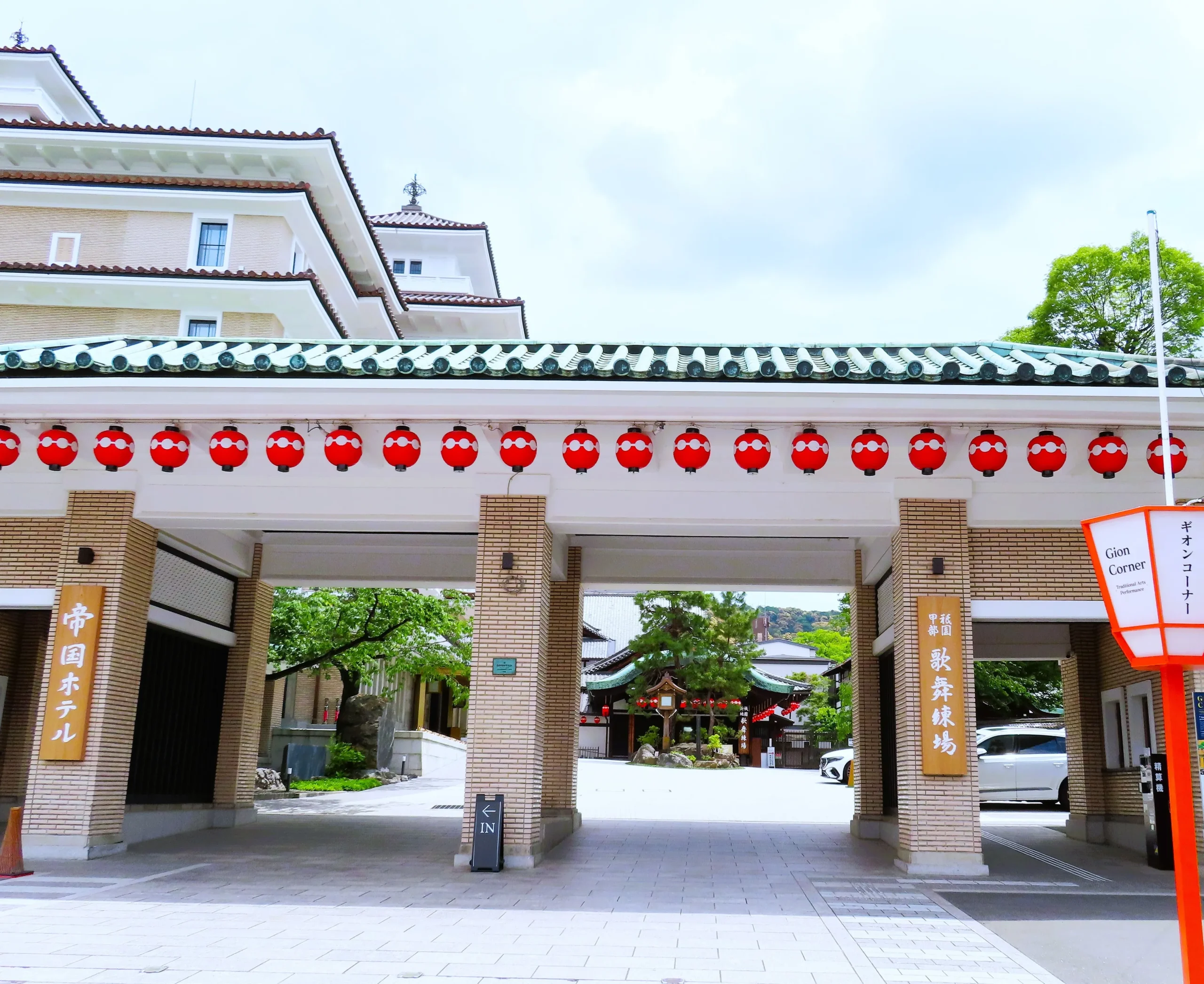
This programme offers breadth within a short visit. Its appeal depends on whether you want to discover several traditions or spend longer with one.
A Short Introduction to Several Japanese Arts
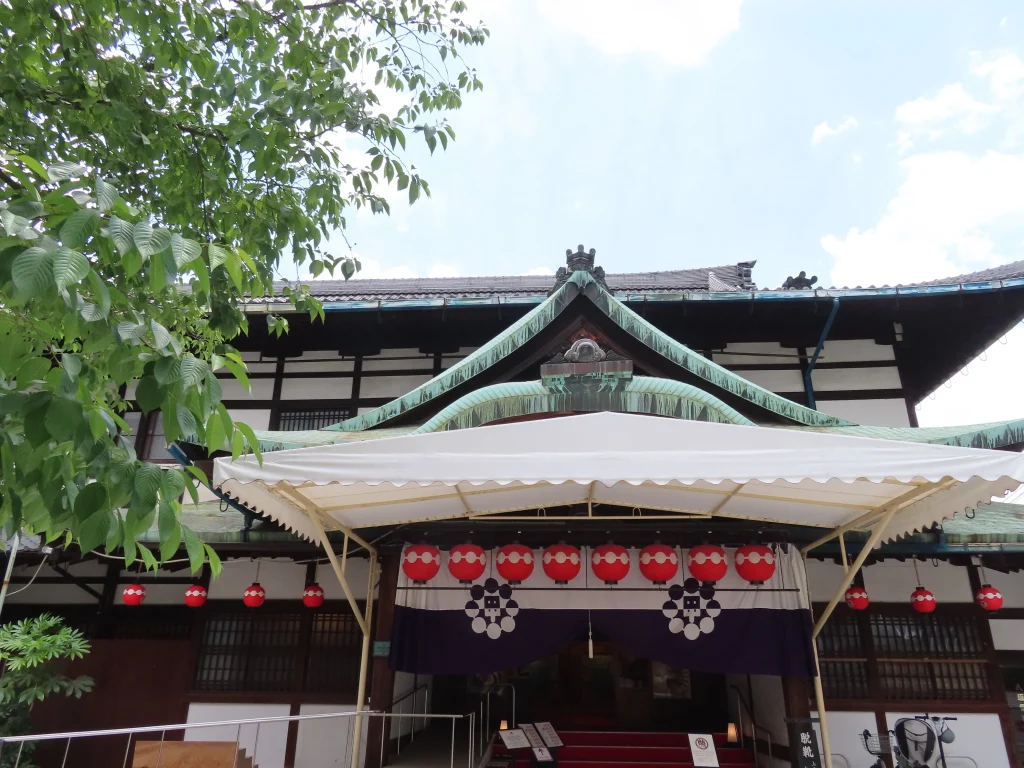
The show takes place at the Gion Kobu Kaburenjo Annex Theatre, the smaller theatre associated with Gion Kobu’s performing-arts complex. Gion Kobu is one of Kyoto’s traditional entertainment districts, where artists maintain traditions of dance, music and hospitality.
In Kyoto, these professional female artists are called geiko; elsewhere in Japan, they are generally known as geisha. Maiko train to become geiko. The Kyomai programme features maiko from Gion Kobu, alongside practitioners of other arts.
Established in 1962, the theatre moved its performances into a new venue in spring 2023. Its longstanding purpose is to introduce several traditional arts within one programme. This format can suit a short Kyoto stay, particularly when your interests are still taking shape.
When a More Focused Experience May Suit You Better
If one art already interests you strongly, a dedicated performance or class may be the better choice. A tea demonstration introduces a practice; a hands-on lesson offers a different kind of participation. Neither is automatically better—the useful distinction is what you want to do.
Likewise, watching maiko dance from a theatre seat differs from sharing a meal or conversation with a performer. Our guide to geisha experiences in Japan explains these formats. Choose according to your interests, rather than assuming the longest or most expensive option will suit you best.
What You Will See—and What to Look For
You need not learn every art’s history before attending. A few practical points can help you recognise how the performers use movement, materials and teamwork.
Kyomai: Dance Rooted in Kyoto’s Teahouse Culture
Kyomai is a Kyoto dance tradition shaped by performances in relatively small teahouse rooms. It draws on the controlled movements of noh theatre and court dance. The published programme describes maiko performances that generally include a seasonal dance and Gion Kouta, “A Song for Gion”.
Watch the performer’s posture and use of the folding fan, rather than expecting large movements throughout. Try following one gesture from beginning to end. This provides a point of focus without requiring you to interpret every cultural reference.
Kyomai’s connection with Gion is only one part of the evening. The other arts have their own histories, settings and practitioners; they are not all traditions that originated in the entertainment districts.
Tea, Flowers and Koto Music
Chanoyu is the formal preparation and serving of matcha, powdered green tea. A practitioner of the Urasenke tradition demonstrates the process using ryurei, a style with chairs and a table. Follow the sequence of handling utensils, preparing tea and serving the guest.
Ikebana, Japanese flower arrangement, considers season, form and space. Branches, buds and leaves contribute to the composition alongside flowers. Notice the relationship between the stems and the empty areas around them, rather than looking only for a full display of blooms.
The koto is a long wooden instrument with 13 strings, played using small picks worn on the fingers. Flower arrangement and koto music are presented together, so the arts do not necessarily appear as seven separate scenes. Their combination offers a way to observe how materials, tools and trained movement work together.
Court Dance, Comedy and Seasonal Theatre
Bugaku is stylised court dance performed to gagaku, Japan’s court-music tradition. Elaborate costume and deliberate movement distinguish it from the more intimate setting associated with Kyomai. The theatre describes an abridged presentation of Ranryo’o, a dance associated with a masked prince.
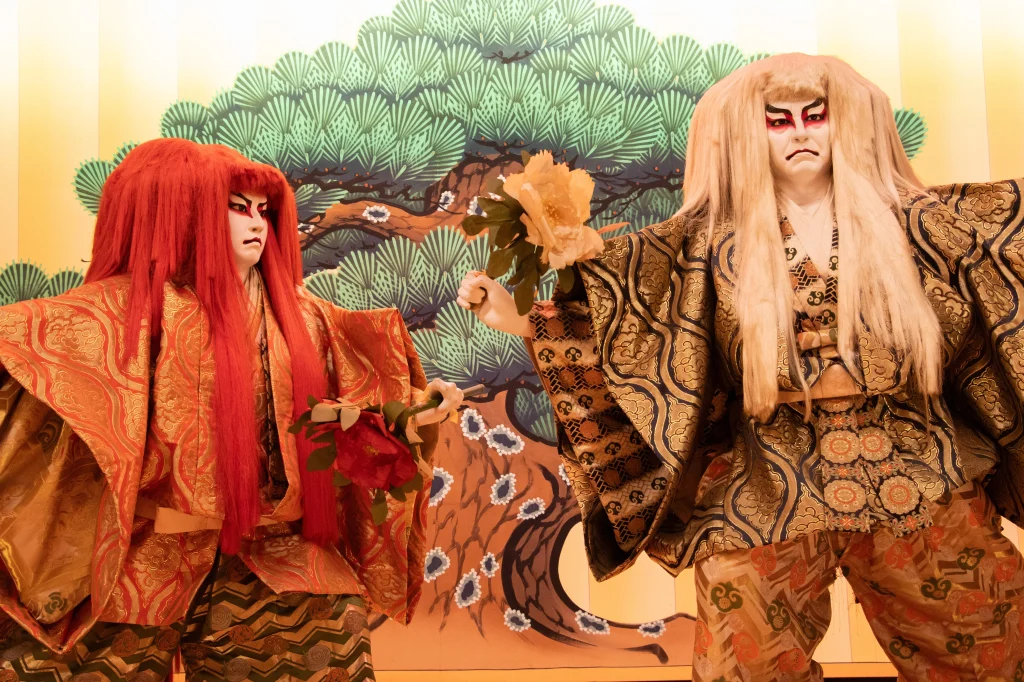
Kyogen is comic theatre, often built around everyday characters and troublesome situations. Physical action can help you follow relationships, although language contributes to the humour. The programme describes Bo Shibari, a story involving servants attempting to drink despite their master’s precautions.
Depending on the month, the regular show includes bunraku or noh. Bunraku combines puppetry, narration and music played on the shamisen, a three-stringed instrument. Three puppeteers coordinate each large puppet. Noh combines chanting, music and dance, with masks as a distinctive feature. These are alternative components, not two guaranteed additions.
Check Your Date: Regular and Winter Performances
The seasonal schedule affects both availability and content. Confirm it before arranging the rest of your evening, especially for a winter visit.
The Regular Programme
Regular shows start at 18:00 and 19:00 and last about 50 minutes. They include Kyomai, tea preparation, flower arrangement, koto music, bugaku and kyogen, plus either bunraku or noh according to the month. This is the basis of the “seven arts” description.
The published schedule describes regular performances as daily, with fixed closures and a separate winter arrangement. Use the booking calendar to confirm the evening you want, rather than relying on the general schedule alone.
Winter Performances and Closure Dates
| Schedule detail | Current published arrangement |
| Winter period | 1 December–11 March |
| Winter performance days | Tuesday–Friday, excluding Japanese public holidays |
| Winter programme | Six arts; bunraku and noh are omitted |
| Listed closure dates | 16 July, 16 August and 26 December–4 January |
Winter start times remain 18:00 and 19:00. During this period, the programme also advertises a photograph with a maiko after the show. This is a winter arrangement, not a year-round premium-seat benefit or permission to photograph the performance.
For a short stay, confirm availability before reserving dinner around the show. During winter, the weekday alone does not establish that a performance will run: Japanese public holidays also matter.
Tickets and Seats: Choose the Details That Matter to You
Choose a ticket by the additional content you value. The price difference is most useful when you understand what each option includes.
| Ticket | Listed price | Details |
| Standard adult | ¥5,500 | General admission |
| Seat with Japanese tea and sweets | ¥6,050 | Includes Japanese tea and sweets |
| Premium seat | ¥6,600 | Includes a digital tablet with explanations and translations throughout the show |
| Ages 16–22 | ¥3,850 | Age-based general-admission rate |
| Ages 7–15 | ¥3,300 | Age-based general-admission rate |
| Ages 0–6, without a separate seat | Free | A separate seat requires a paid child ticket |
A child aged six or younger who needs a separate seat requires the ¥3,300 child ticket. Premium and tea-and-sweets tickets have fixed prices without age discounts. For discounted tickets, read the eligibility and identification requirements before paying.
The theatre has 165 seats, including 30 premium seats with digital tablets providing explanations and translations. If background information matters to you, consider this option and confirm the available languages. Ask separately about support accompanying standard tickets.
For the tea-and-sweets option, read the description for the precise arrangements. Do not assume that every ticket includes tea, or that this category provides hands-on instruction.
Book Through the Official Website
Start with the facility page and follow “Buy the Ticket” to its booking service. Review the performance name, date, start time, number of people and ticket category. Then read the final charge, collection or entry method, and change, cancellation and refund conditions before paying.
Tickets are for reserved seats. Same-day purchases may be possible at the theatre when seats remain. The theatre accepts credit cards and electronic payments. If your travel dates are fixed, advance booking avoids making the evening depend on availability at the door.
If considering another seller, confirm that the product includes theatre admission. A Gion walking tour, a dinner experience and a Gion Corner ticket are different purchases. Compare their contents and conditions, not just their names.
Getting There and Leaving Time for Dinner
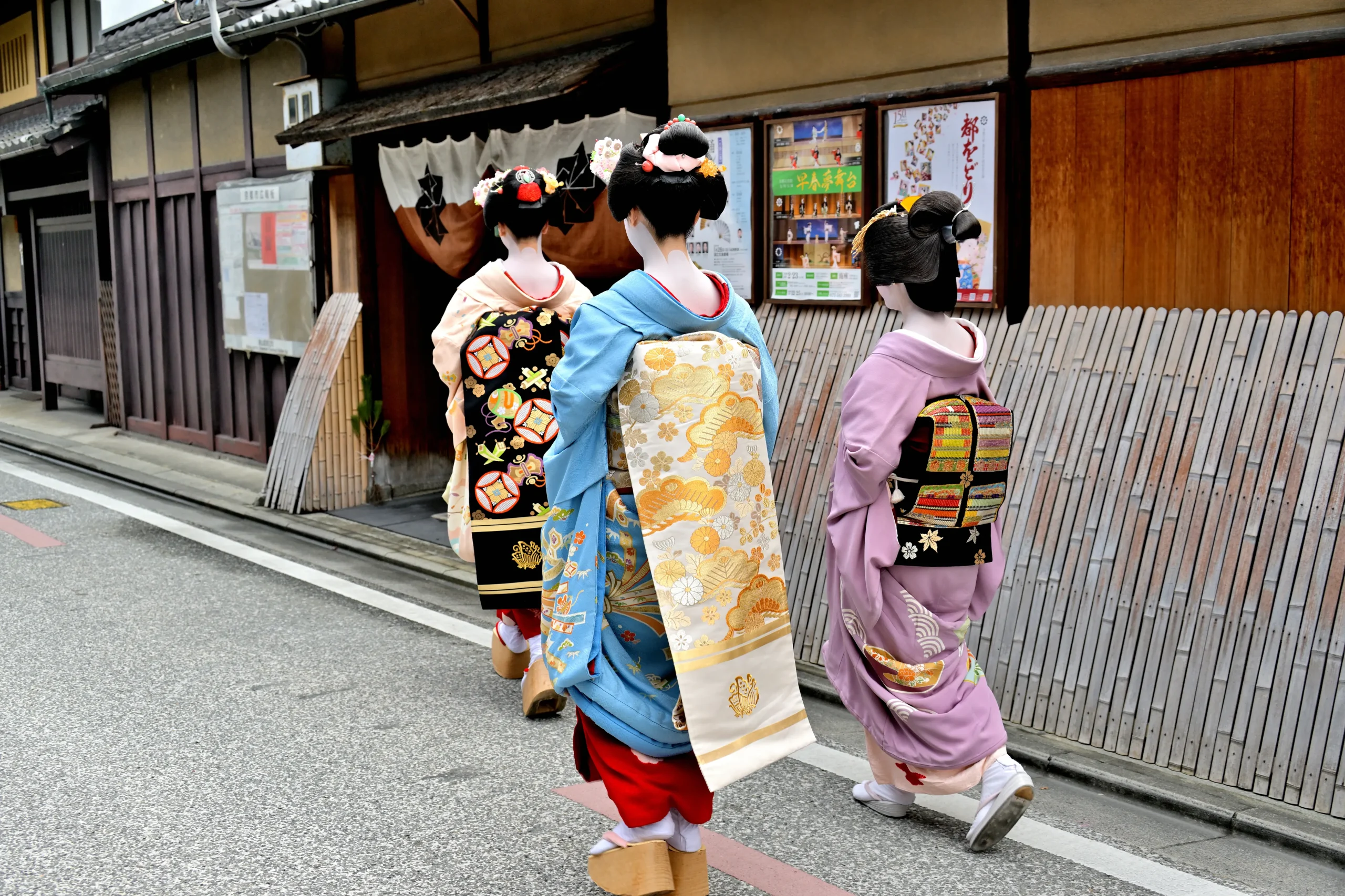
Plan backwards from the start time, including the final walk and time to locate the correct entrance. A modest buffer is more useful than a rushed arrival.
Arriving from Gion-Shijo or Kyoto-Kawaramachi
| Details to Save | Information |
| Venue | Gion Kobu Kaburenjo Annex Theatre (small theatre) |
| Address | 570-2 Gionmachi Minamigawa, Higashiyama-ku, Kyoto |
| From Gion-Shijo Station, Keihan Railway | About 5 minutes on foot |
| From Kyoto-Kawaramachi Station, Hankyu Railway | About 10 minutes on foot |
| From Kyoto Station | City Bus 206 to Gion, then about 5 minutes on foot |
| Entrance | Use the map on the theatre’s website to locate the small theatre |
| Suggested arrival | Reach the area 20–30 minutes before the show; follow your ticket’s admission instructions |
Save the venue name, address and map before setting out. The small theatre is your destination, so do not assume that the main theatre or museum entrance is the correct one.
The walking times above are the theatre’s published estimates. Allow extra time for crowds, rain or unfamiliar streets. Arriving in the area 20–30 minutes early is a planning suggestion, not an official opening time; your ticket’s instructions determine when and how to enter.
Choosing the 18:00 or 19:00 Performance
The 18:00 performance allows you to put dinner afterwards. Add time to leave the theatre and reach your restaurant, rather than booking precisely around the approximately 50-minute running time.
The 19:00 performance may suit an early dinner. Tell the restaurant when you need to leave, particularly for a multi-course meal. If dinner is an important experience in its own right, give it enough time; choosing the other show can be more comfortable than hurrying either part.
Three Ways to Plan Your Gion Visit
Weather, energy and ticket availability call for different adjustments. These routes are planning suggestions you can adapt to your accommodation and interests.
Plan A: A Short Walk, the Show and Dinner
In comfortable weather, take a short walk along public streets before attending the 18:00 performance. Keep the route modest, arrive with time to spare, then continue to dinner.
Do not build the walk around finding maiko in the street. The theatre provides a scheduled opportunity to watch their art, while the neighbourhood remains a place where people live and work. If the day has already involved considerable walking, go directly to the venue.
Plan B: Keep the Show and Reduce Outdoor Time
In ordinary rain, or after a tiring sightseeing day, rest indoors before the performance and remove the extra walk. Travel to the theatre, watch the show, then have dinner near the venue or your accommodation.
A taxi can reduce walking, but allow time for the journey and final approach. In severe weather, confirm the show’s status and consult transport notices before setting out. An indoor destination still requires a workable journey.
Plan C: Change to a Daytime Dance in Advance
If the evening show is unavailable, consider a daytime visit to Gion Kagai Art Museum. Its displays introduce clothing, hair ornaments, obi sashes and other objects associated with geiko and maiko. You can also book a short Kyomai presentation separately, making this an alternative for visitors particularly interested in dance.
Arrange this option in advance rather than treating it as a last-minute evening substitute. The museum may already be closed when you discover that the theatre is full. Consult its monthly opening notice, dance availability and access conditions before changing your plans.
| Details to Know | Information |
| Adult admission | ¥1,500 |
| Optional Kyomai presentation | Two dances by a geiko or maiko, lasting approximately 15 minutes |
| Additional dance ticket | ¥1,600; current adult admission-and-dance total: ¥3,100 |
| Arrival for dance | Enter the museum at least 15 minutes before the dance begins |
| Photography during dance | Photography and video are not permitted |
| Usual opening hours | 11:00–18:30; last admission at 17:30 |
| Published closures | Mid-March to early May, the year-end and New Year holidays, and irregular dates |
| Access to the dance room | Upstairs without a lift; not wheelchair accessible |
| Wheelchairs and pushchairs | Visitors’ own wheelchairs and pushchairs cannot be used inside |
| Museum wheelchairs | Limited availability, with restrictions on the areas they can reach |
If the museum is closed or its access conditions do not suit your needs, another available date at Gion Corner may be the more practical choice.
Etiquette and Questions to Check Before You Go
Preparation helps you enjoy the show while respecting the people who work and live nearby. Keep theatre arrangements separate from street etiquette.
Respect the Performance and the Neighbourhood
In Gion, do not stop, touch, follow or photograph geiko and maiko without permission. Keep roads and pavements clear, respect private-property signs, and follow local photography notices. These requests come from the neighbourhood itself.
Inside the theatre, silence your phone and follow staff instructions about photography and recording. The advertised winter photograph is a separate arrangement; it does not establish permission to record the show.
For wheelchair seating, step-free access, pushchairs, large luggage or another specific requirement, contact the venue before purchasing. Ask about the facilities and route you need rather than relying on a general accessibility description.
Four Questions Before Booking
Is Gion Corner a geisha show?
Maiko dance is one part of a programme introducing several arts. It is a public performance, not a private dinner or conversation experience.
Do I need to understand Japanese?
Movement, materials and instruments provide visual points of interest. Premium tickets include a translation tablet; confirm its languages and ask about support for your chosen ticket.
Should I book in advance?
Advance booking is sensible when your date is fixed. Same-day admission depends on remaining seats.
Can I take photos?
Follow the current instructions for your show. Do not treat the winter photograph opportunity as permission to photograph or record the performance.
Allow Kyoto to Hold Your Attention a Little Longer
Gion Corner offers an introduction to arts you may want to explore further. A dancer’s fan, the arrangement of seasonal plants or three puppeteers coordinating one figure can give that curiosity a starting point.
Choose the programme and seat that fit your interests, then leave enough room for dinner and the journey. If cultural evenings form part of a wider itinerary, ENJYU JAPAN can help bring your interests, transport and preferred pace into one considered plan.
Let each discovery lead to another question; Kyoto has a delightful habit of giving you reasons to return.
References
- Gion Corner – Official Guide: Performances, Seasonal Schedules, Ticket Prices, Booking and Access
- Ookini Zaidan – Gion Corner Programme: Traditional Arts and the Seated Tea Demonstration
- Ookini Zaidan – Ticket Booking Terms: Changes, Cancellations and Event Refunds
- Japan Tourism Agency – Gion Corner: Traditional Arts Performance, History and Theatre Background
- Gion Kagai Art Museum – Visitor Information: Admission, Opening Hours and Closure Periods
- Gion Kagai Art Museum – Contents: Exhibitions, Kyomai Dance Times and Additional Ticket Fees
- Gion Kagai Art Museum – FAQ: Entry Requirements, Photography and Wheelchair Access Restrictions
- Kyoto City Official Travel Guide – Gion Manners: A Message from Southern Gionmachi