Camping is gaining popularity as an activity that lets you refresh yourself in nature while escaping from everyday life. In Japan, a wide variety of camping styles can be enjoyed amid the country’s beautiful seasonal landscapes, allowing everyone—from beginners to experienced campers, families to solo adventurers—to find a style that suits them.
This article introduces the main types of camping available in Japan, the best seasons to go, essential gear, important tips, and a carefully selected list of recommended campsites from around the country. If you’re planning a trip to Japan and want to enjoy an outdoor experience, be sure to check this out.
Why Camping in Japan is a Must-Try Experience
Japan is uniquely positioned as an outdoor destination because of its seamless blend of pristine wilderness and world-class convenience. Unlike vast wilderness areas in other countries where emergency services or supplies are hours away, Japanese campsites are often located within a short drive or train ride from convenience stores (konbini), local supermarkets, and hot springs (onsen).
Furthermore, the country’s exceptional safety standards, low crime rates, and polite campground communities make it one of the safest destinations in the world for solo travelers, female campers, and families with young children. Whether you want to gaze at the snow-capped peak of Mt. Fuji or listening to the soothing waves of Tokyo Bay, camping in Japan offers an authentic, culturally rich connection with nature.
What Kinds of Camping Can You Do in Japan?
In Japan, you can enjoy various styles of camping, ranging from casual day trips to full-on overnight stays and luxurious, comfort-focused options. Each style has its own appeal, so you can choose based on your goals and budget.
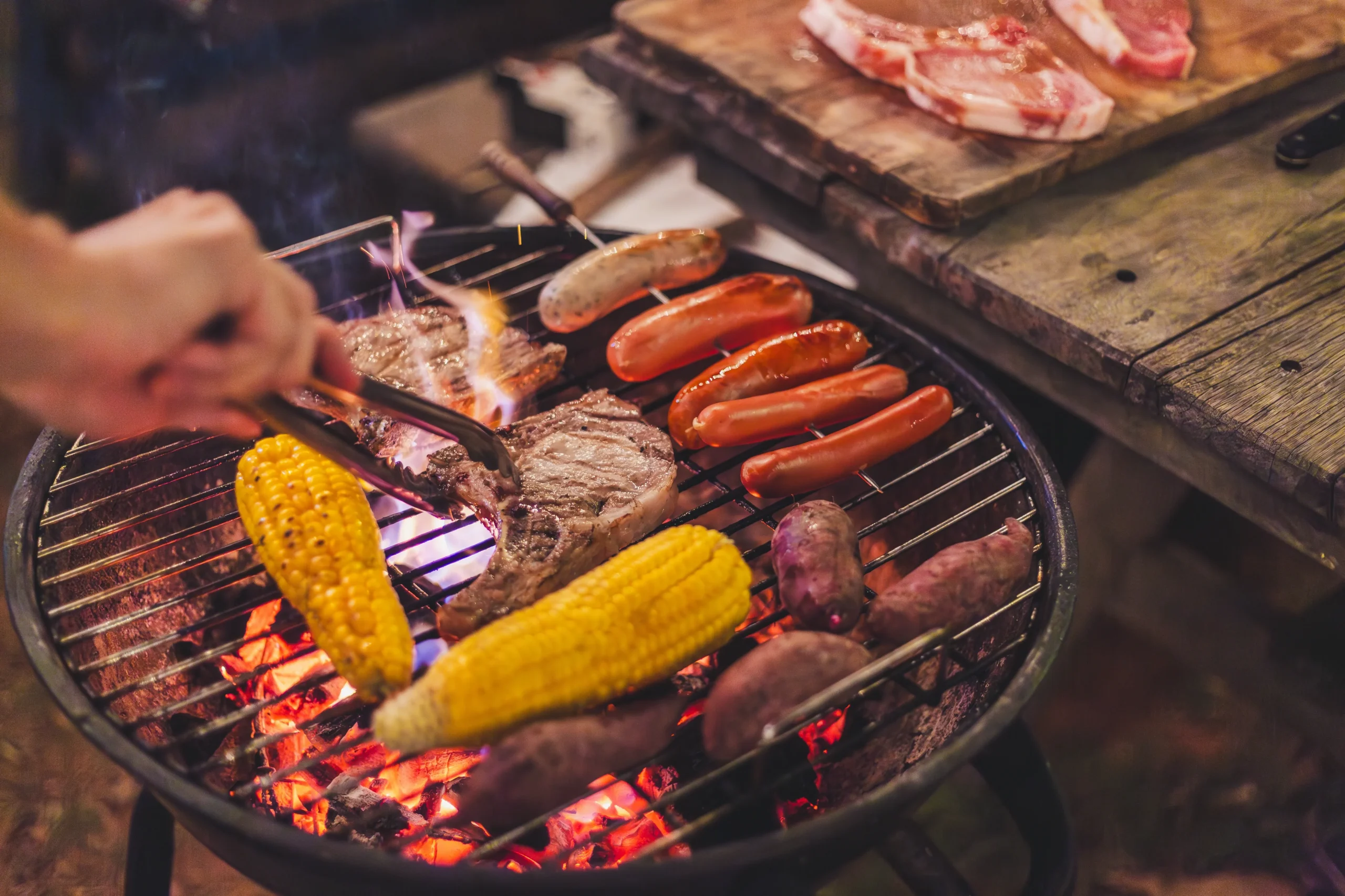
Let’s start with day camping, a style that can be enjoyed without staying overnight. It’s a daytime activity where you can enjoy barbecuing, river play, or hiking without an overnight stay, and you only need minimal gear. It’s easy for beginners to try, with costs ranging from around ¥500 to ¥5,000 per person.Barbecue equipment and food need to be prepared separately.
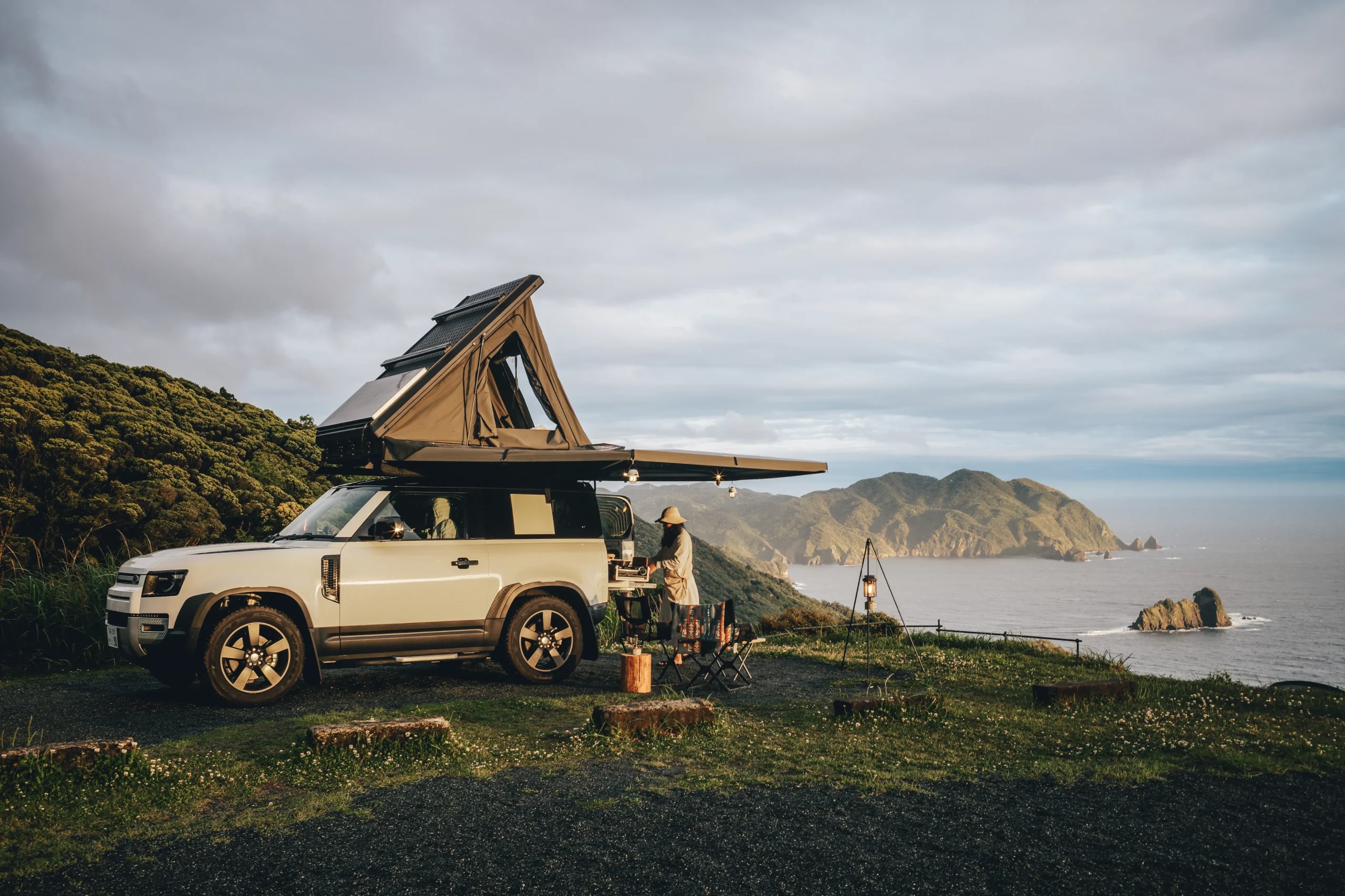
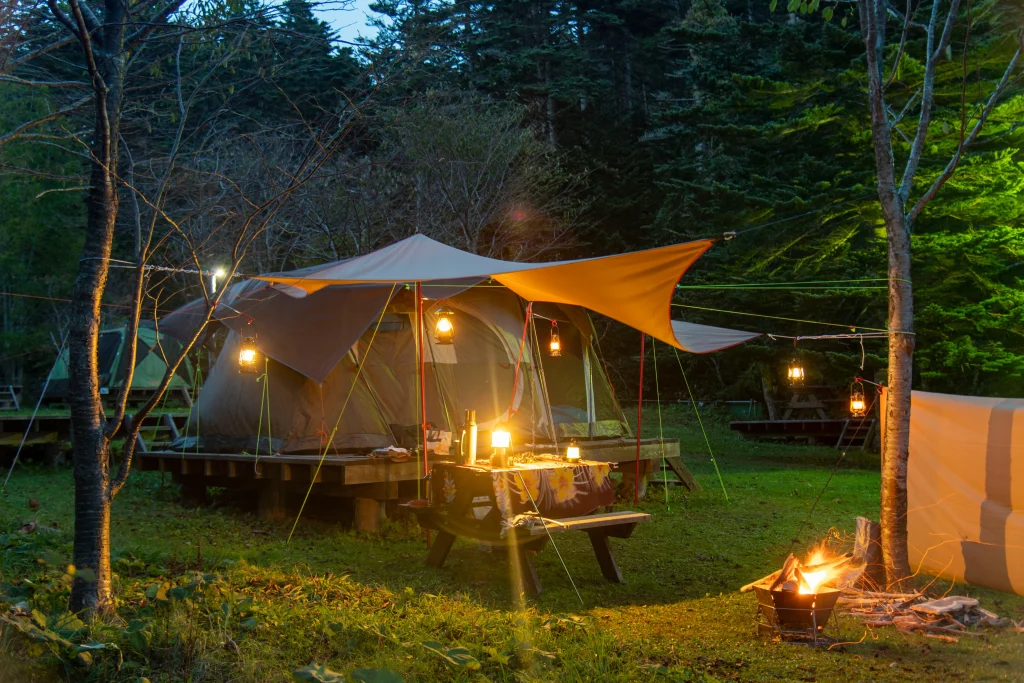
Next is auto camping, where you can enjoy a comfortable camping experience by car. You can pitch your tent right next to your car, making gear transport easy—this style is especially popular with beginners and families.Staying in a camper van also falls under this category.You don’t need to worry about packing light, and the typical cost is around ¥5,000 to ¥10,000 per night.
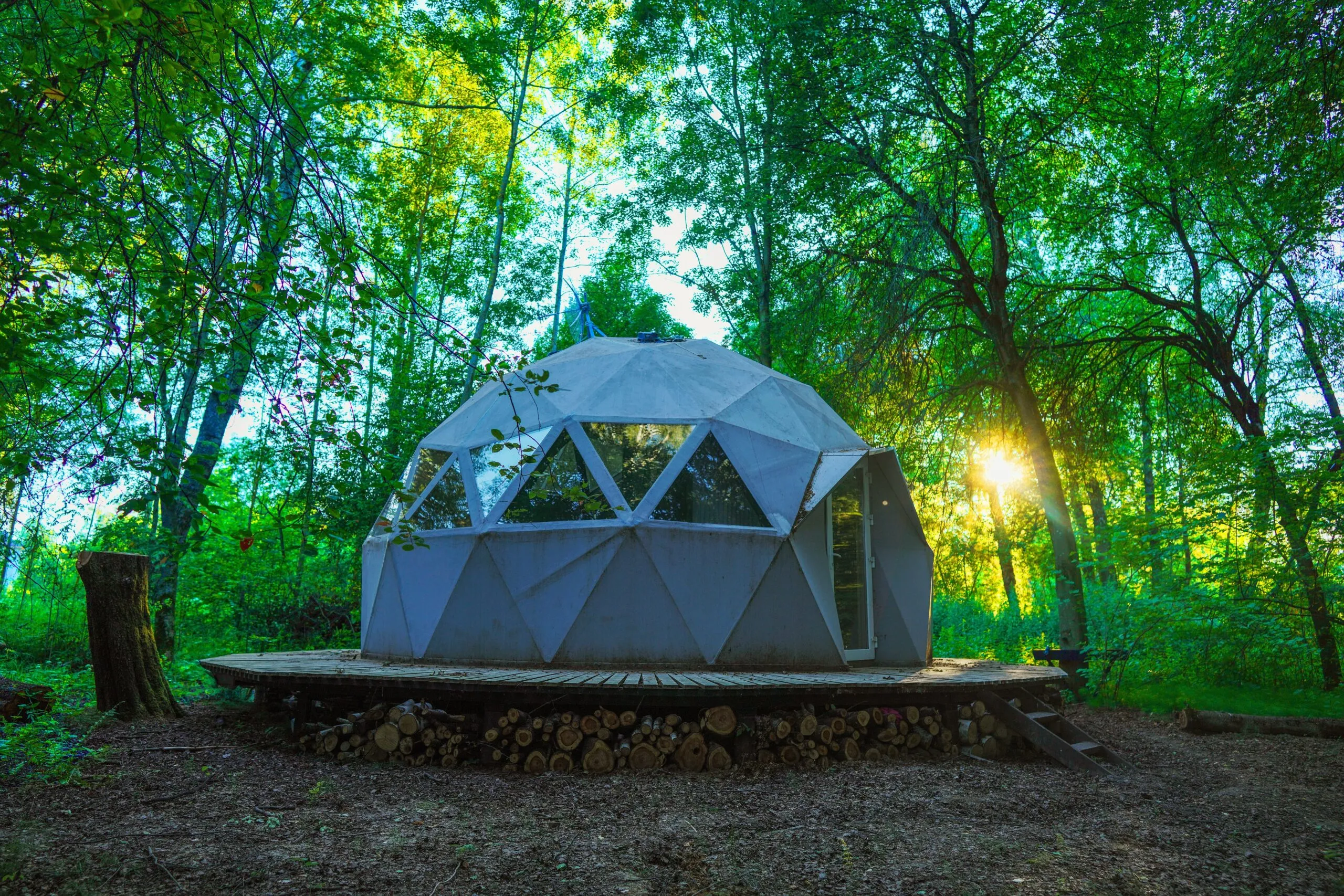
Lastly, there’s glamping (a portmanteau of “glamorous” and “camping,” referring to luxurious camping with amenities like beds and meals), which combines comfort with the feeling of being away from everyday life.Tents or cottages are fully equipped with things like air conditioning and beds, eliminating the hassle of setup so even first-timers can relax.Many plans include meals, making it great for those unfamiliar with the outdoors.Prices are higher, typically ¥15,000 to ¥50,000 per person per night, but it offers a unique and memorable experience.
Comparison of Japanese Camping Styles
To help you choose the best fit for your Japanese adventure, review the quick comparison table below:
| Camping Style | Target Audience | Typical Cost (per person/night) | Gear Requirements | Main Appeal |
| Day Camping | Beginners, casual groups, budget travelers | ¥500 – ¥5,000 (day use) | Minimal (chairs, BBQ tools) | Quick nature escape, no overnight stress |
| Auto Camping | Families, groups, road-trippers | ¥5,000 – ¥10,000 | Moderate to High (tent, sleeping bags, car) | Freedom to pack heavy, great for car camping lovers |
| Glamping | Luxury seekers, couples, international tourists | ¥15,000 – ¥50,000 | None (fully furnished) | Zero-hassle, gourmet meals, hotel-like comfort in nature |
| Solo Camping (Solo-kyan) | Solo travelers, peace seekers | ¥1,000 – ¥5,000 | Compact/Lightweight | Complete solitude, self-reflection, custom pace |
Best Seasons for Camping in Japan
Spring and fall are the most comfortable times for camping in Japan.Temperatures are mild, humidity is low, and there are fewer insects, making these seasons easy even for beginners. In contrast, winter sees a big drop in temperatures, so proper cold-weather gear is essential.It can be a tough environment for those unfamiliar with winter camping.Summer brings high heat and humidity, along with lots of insects, so heatstroke and bug bites are key concerns.For these reasons, summer and winter may be better suited for experienced campers. For these reasons, summer and winter may be better suited for experienced campers.In Japan, large numbers of people go camping during Golden Week (late April to early May) and Obon (mid-August).These periods tend to be crowded, so if you’re seeking a quiet time in nature, it’s better to avoid holidays and choose an off-peak schedule.
What to Bring for Camping
The items you’ll need vary depending on your camping style and length of stay, but here’s a basic checklist:
- Tent
- Sleeping bag
- Sleeping mat
- Table and chairs
- Charcoal/firewood/fire pit
- Cooking gear (burner, pan, stove, etc.)
- Tableware
- Lantern or flashlight
- Food and beverages
- Toiletries
- Cold-weather gear (if needed)
Many glamping facilities come fully equipped, and some offer “hands-free” plans where you don’t need to bring any gear at all. With setup and meal prep handled for you, even those unfamiliar with the outdoors can relax and enjoy the experience. When choosing a campsite, be sure to check in advance what amenities are provided and whether you’ll need to bring anything yourself. Doing a little prep ahead of time can help avoid any unexpected issues and ensure a smoother, more enjoyable camping experience.
Where to Buy or Rent Gear in Japan
If you arrive in Japan without gear and decide against glamping, you don’t need to panic, as the country boasts a fantastic retail and rental infrastructure. For high-end gear, major outdoor retailers like Snow Peak, Mont-bell, and Wild-1 are readily available, while budget-friendly essentials can be found at Decathlon or large home centers like Komeri and Cainz. Additionally, 100-yen shops like Daiso and Seria offer convenient items such as wet wipes, mini flashlights, trash bags, and simple cooking utensils, and local convenience stores provide instant food, lighters, and ice. Beyond shopping, most established campgrounds in Japan also offer complete rental sets—including tents, sleeping bags, and stoves—if reserved a few days in advance. It is always a good idea to check their English websites or contact them via email beforehand to secure your equipment.
Things to Keep in Mind When Camping in Japan
To ensure a safe and comfortable experience while camping in Japan, it’s important to be aware of some basic rules. First, always follow each campground’s specific rules for handling trash, charcoal, and campfires. Open fires may be prohibited, and proper waste sorting is often required. Being considerate of other campers is also essential. Avoid loud voices or playing music late at night—aim to keep the campsite peaceful. Keep shared facilities like kitchens and restrooms clean for the next person. When spending time in nature, environmental care is crucial. Take care not to damage or pollute the natural surroundings. Some campsites may also have unique rules or restrictions. For peace of mind, check the official website or on-site instructions before your visit or during check-in.
Camping in Japan for Foreigners: Essential Tips for a Smooth Experience
While camping in Japan is an unforgettable adventure, international visitors often encounter unique challenges that domestic campers rarely face. Understanding these key factors in advance will ensure your outdoor trip goes as smoothly as possible.
Navigating Campsite Reservations (The Language Barrier)
Many traditional Japanese campgrounds still use reservation systems written entirely in Japanese or require phone bookings, which can pose a hurdle for international travelers. If an online booking form is only available in Japanese, you can use browser translation tools like Google Chrome’s built-in translator or send a polite email inquiry in English, as many campsites are increasingly welcoming to international guests and will gladly assist. Alternatively, you can look for modern campsites featuring English-friendly booking systems or utilize specialized outdoor reservation sites that cater specifically to inbound travelers.
Transportation: Public Transit vs. Car Rental
Getting to your chosen campsite in Japan depends heavily on your travel style and itinerary. Some campgrounds, such as Hikawa Campground in Tokyo, are easily accessible via the JR train network followed by a short walk or local bus ride, making it an ideal choice for travelers who prefer not to drive. However, for iconic nature destinations like the areas around Mt. Fuji or in Hokkaido, renting a car is highly recommended because it makes transporting bulky gear much easier and provides convenient access to remote locations, provided you remember to apply for your International Driving Permit (IDP) in your home country before arriving.
Cash Is Still King in Rural Areas
While major Japanese cities are rapidly adopting cashless payments, many remote campsites, local hot springs (onsen), and rural convenience stores still only accept cash in Japanese yen. It is essential to always carry a sufficient amount of physical cash to cover everyday expenses such as entrance fees, firewood purchases, vending machines, and local bath tickets.
Wild Camping & Free Camping in Japan: Is It Legal and Safe?
For many outdoor enthusiasts, the concept of wild camping in Japan (often referred to as stealth camping) or free camping in Japan sounds like the ultimate budget-friendly adventure. However, the legal and practical realities in Japan are very different from countries with “Right to Roam” laws like Scotland or the Nordic nations.
The Legal Reality: Is Wild Camping Allowed?
In short, no, random wild camping is generally not legal in Japan. Almost all forests, riverbanks, and mountains are either privately owned or strictly managed by government entities (such as the Forestry Agency or national park offices), meaning that pitching a tent outside of designated areas without permission is considered trespassing. Furthermore, while national parks are stunning, unauthorized camping outside official campgrounds is strictly prohibited to protect fragile ecosystems and prevent environmental degradation.
The Truth About Free Campsites (Muryo Kyanpu-jo)
While true wild camping by randomly setting up anywhere is restricted, Japan does feature official free campsites or ultra-low-cost municipal grounds known as muryo kyanpujo. These are legally designated areas managed by local town offices, particularly common in rural prefectures like Hokkaido. However, there is a catch, as free campsites usually offer minimal amenities—often just an open grass field and a basic public toilet. They rarely have running water, electricity, or trash disposal, meaning you must pack out all your garbage and be completely self-sufficient.
Risks of Illegal Camping (Roadside & Urban Spots)
Attempting to camp illegally in unauthorized public spaces—such as road stations (michi-no-eki), riverbeds near cities, or public parks—carries significant risks. Local authorities and police regularly patrol public spots, and being woken up in the middle of the night and told to evacuate can ruin your trip. Additionally, unauthorized spots lack safety measures, exposing you to risks from wildlife like wild boars, bears, or venomous snakes. Japan’s rural communities value order and cleanliness, so illegal camping and trash dumping frustrate locals and create a negative impression of international visitors.
Recommendation:
To enjoy a safe, stress-free holiday, always book a designated campsite or utilize officially approved free municipal sites rather than attempting random wild camping.
Combining Hiking and Camping in Japan: The Ultimate Trail-to-Tent Adventure
For outdoor enthusiasts looking to experience Japan’s pristine wilderness, combining hiking with camping offers the ultimate immersion into the country’s breathtaking landscapes. From the rugged alpine ridges of the Japanese Alps to the lush, volcanic trails of Kyushu, Japan’s diverse terrain provides world-class opportunities for multi-day trekking and backcountry camping.
Why Combine Hiking and Camping?
Unlike day hikes, multi-day trekking allows you to venture deep into remote areas where public transportation cannot reach. Setting up your tent beneath a blanket of stars after a rewarding day of climbing creates an unforgettable connection with nature. Moreover, while many mountain routes feature traditional mountain huts (yamagoya), pitching your own tent offers greater flexibility, lower costs, and a more authentic wilderness experience.
Popular Trails for Hikers and Campers
When planning a trek, several iconic regions stand out for hikers and campers alike. The Northern Japanese Alps, stretching from Kamikochi to Tateyama, are renowned as Japan’s premier hiking paradise, featuring dramatic granite peaks, crystal-clear glacial rivers, and well-maintained campsites with majestic mountain views. For travelers seeking a blend of spiritual heritage and nature, the ancient pilgrimage trails of the Kumano Kodo in Wakayama Prefecture offer designated camping spots along historic paths steeped in over a thousand years of cultural history. Meanwhile, Daisetsuzan National Park in Hokkaido, often called the roof of Hokkaido, provides vast, untamed wilderness areas and experiences Japan’s earliest autumn foliage, making it ideal for experienced backpackers looking for a remote escape.
Essential Tips for Trail Camping
Successfully combining hiking and camping requires careful preparation and adherence to local guidelines. First, it is crucial to check permit regulations, as many high-altitude trails require advance reservations for designated campsites to protect fragile alpine flora. Additionally, you must pack for rapid weather changes, since mountain weather in Japan can shift dramatically within hours, making waterproof gear and thermal layers essential regardless of the season. Finally, practicing the “Leave No Trace” principle is non-negotiable; because backcountry trails lack trash disposal facilities, campers must pack out every piece of their garbage to preserve Japan’s pristine natural heritage.
7 Must-Visit Campsites in Japan
To help you choose the best spot for your itinerary, we have handpicked 7 exceptional campsites across Japan, ranging from convenient urban escapes and lakefront paradises to majestic wilderness parks in Hokkaido and Kyushu. Each location offers a unique way to experience Japan’s diverse natural beauty.
Jonanjima Seaside Park | Tokyo
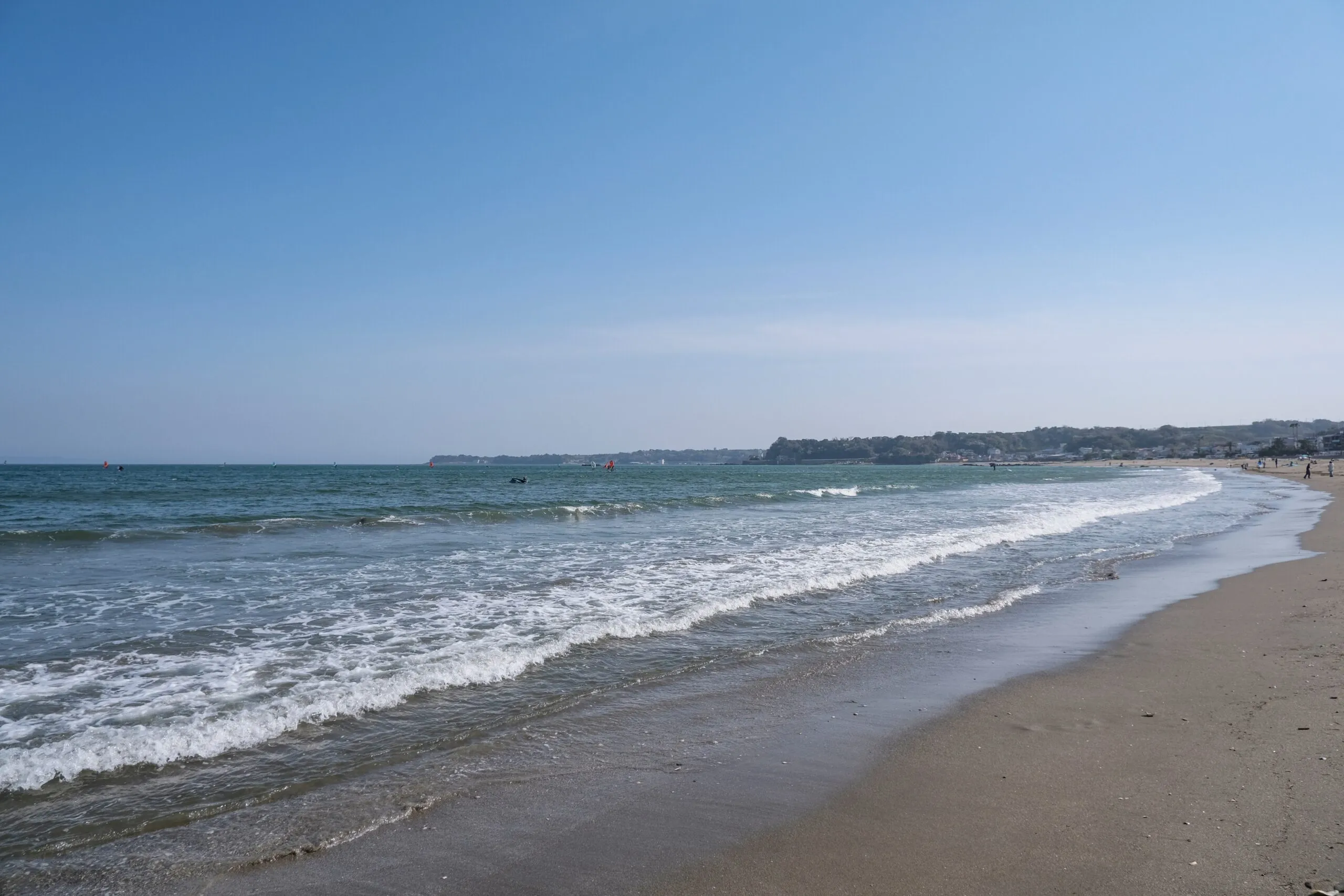
Jonanjima Seaside Park is one of the rare spots where you can enjoy camping right within Tokyo’s city limits. Just a 15-minute drive from Haneda Airport and 25 minutes from Tokyo Station, it’s incredibly easy to reach. It’s a popular choice for those looking for a quick nature escape without leaving the city. Overlooking Tokyo Bay, it offers scenic ocean views—an unexpected treat in such an urban setting.The sea breeze and coastal atmosphere provide a relaxing getaway from everyday life. You can enjoy both day camping and auto camping here, with the convenience of parking right next to your tent.BBQ gear rentals are available, making it easy for beginners to enjoy outdoor cooking without hassle.
Hikawa Campground | Tokyo
Hikawa Campground, located in Tokyo’s Nishitama District, is nestled in the lush nature of Okutama and is a favorite among city dwellers seeking tranquility. It’s just a 6-minute walk from JR Okutama Station, making it one of the most train-accessible camping destinations near Tokyo. With its dense greenery and crystal-clear streams, it’s the ideal place to disconnect from the hustle and bustle and reconnect with nature. The campground offers rentals for essentials like firewood and cookware, and even features well-furnished glamping options for a hassle-free stay. Suitable for everyone from first-timers to seasoned campers, it lets you enjoy the ever-changing beauty of Okutama through the seasons while experiencing authentic outdoor living in comfort.
Brilliant Village Nikko | Tochigi (Nikko)
Brilliant Village Nikko is a luxurious glamping facility nestled in the lush forests of Nikko, Tochigi Prefecture, offering an immersive nature experience without sacrificing modern comfort. Surrounded by towering trees and a soothing local stream, it provides a tranquil escape where guests can unwind in fully equipped dome tents. The facility is easily accessible from Tokyo, making it an ideal destination for international travelers looking to combine sightseeing at Nikko’s world heritage shrines with a relaxing outdoor stay. With gourmet barbecue dinner plans, comfortable beds, private fire pits for evening campfires, and welcoming service, Brilliant Village Nikko delivers a seamless, stress-free outdoor adventure in one of Japan’s most historic regions.
Kōan Campground | Yamanashi
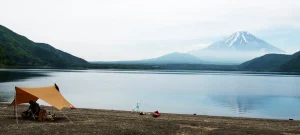
Kōan Campground is located on the shores of Lake Motosu in Minamikoma District, Yamanashi Prefecture, and is known for its breathtaking views of Mt. Fuji. On clear days, you can witness the striking beauty of Sakasa-Fuji, the mountain’s perfect reflection on the lake’s surface. A shuttle service is available from the nearby Motosuko Bus Stop, making it easily accessible by public transport. Guests can choose between traditional tent camping and more comfortable cabin stays. Full rental sets for tents and gear are available through partnered vendors, allowing even first-time campers to enjoy a worry-free experience. In addition to camping, the site offers activities like diving and canoeing—perfect for those who want to immerse themselves in nature through physical adventure. With stunning scenery and plenty of ways to enjoy the outdoors, this campsite offers a truly satisfying experience.
Snow Peak Tokachi Poroshiri Campfield | Hokkaido
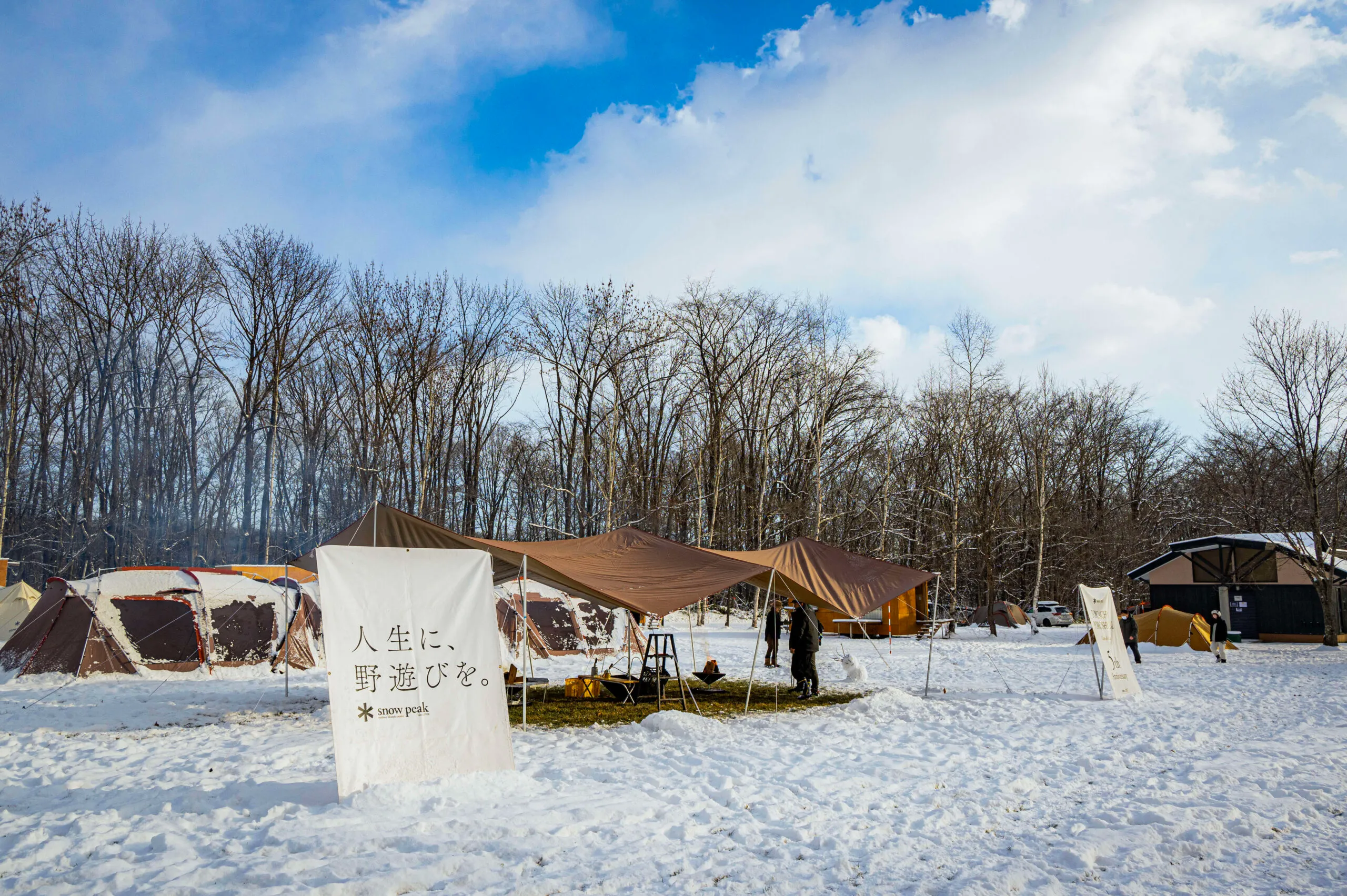
Located in Obihiro City, Hokkaido, Snow Peak Tokachi Poroshiri Campfield is a premium campsite operated by the outdoor brand Snow Peak. Enveloped by expansive grounds and Hokkaido’s majestic natural surroundings, it offers a serene setting where you can completely unwind and leave your everyday worries behind. Hands-free camping plans are available for those without tents or gear, making it ideal for beginners. For an additional fee, you can also experience an outdoor sauna, allowing you to enjoy a truly relaxing time in nature. Even if you’re new to camping, friendly staff are available to give kind and detailed guidance, tent setup, and takedown—so you can join in with confidence. This is a one-of-a-kind camping experience unique to Hokkaido, where comfort meets the great outdoors.
Montbell Gokayama Base Camp | Fukuoka
Montbell Gokayama Base Camp is a premier outdoor facility operated by the renowned Japanese outdoor brand mont-bell, nestled in the lush nature of Nakagawa City, Fukuoka Prefecture. Situated near the scenic Minamihata Dam and surrounded by the majestic Sefuri mountain range, it offers a tranquil retreat while remaining within a convenient 40-to-50-minute drive from downtown Fukuoka. The campground features well-maintained auto-camping sites, fully equipped lodge units, and clean facilities, making it ideal for families and beginners. Furthermore, it boasts an extensive mont-bell shop where campers can check out and purchase gear, as well as comprehensive rental options. Whether you are looking to explore local hiking trails or simply relax by the water, Gokayama Base Camp provides an authentic yet comfortable wilderness experience in Kyushu.
Kirishima Kogen National Recreation Area | Kagoshima
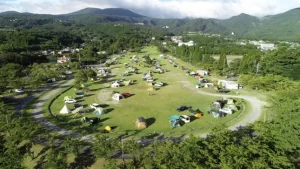
Kirishima Kogen National Recreation Area is a multi-purpose campsite in Kirishima City, Kagoshima Prefecture, surrounded by the abundant natural beauty of Kyushu. The expansive site offers more than just camping—it’s also equipped with a pool, tennis courts, and other activities, making it a great choice for those who want to stay active. You can choose to pitch your tent freely in the open-site area or stay in a comfortable cottage. A natural onsen (hot spring) within the site adds to the appeal, giving you a soothing way to unwind after an active day. This campsite is perfect for families or groups looking to spend time freely in nature or for those who want to fully take in the charm of Kyushu at a relaxed pace.
Summary
Japan offers a wide range of camping styles—from quick and easy day trips to car-based auto camping and luxurious glamping experiences.If you’re unsure where to go, consider places that suit your needs—whether they’re close to the city or located in scenic areas with Mt. Fuji views, lakes, or hot springs.Many sites offer beginner-friendly services and gear rentals, so even first-timers can enjoy camping without owning any equipment.Take your time in nature and enjoy a journey where you can truly feel Japan’s four seasons and breathtaking landscapes.
Plan Your Dream Camping Trip in Japan with Us!
Planning a camping trip in a foreign country can feel overwhelming—from figuring out reservation systems written only in Japanese, to arranging gear rentals and coordinating transportation schedules.
Let us take the stress out of your Japanese outdoor adventure!
Whether you need a custom-tailored camping itinerary, assistance with campsite bookings across Honshu or Hokkaido, or recommendations on the best equipment rental shops, our travel experts are here to help.
Send us your Inquiry below to turn your dream Japanese nature getaway into a seamless reality. Let’s start crafting your unforgettable outdoor journey together!