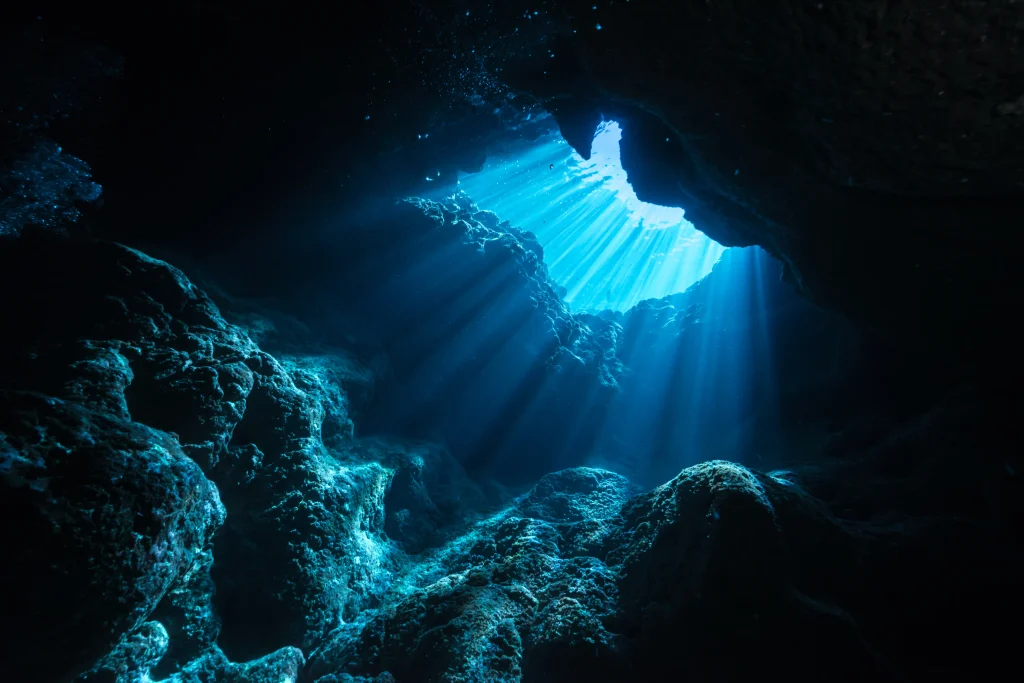
Japan rarely tops anyone’s diving bucket list — and that’s exactly why it should be on yours. Stretching roughly 3,000 km from the subtropical reefs of Okinawa to the frozen seas of Hokkaido, the archipelago packs an extraordinary range of underwater worlds into a single country. In one trip you can hover over coral gardens with circling manta rays, drift past a World War II wreck, swim through a glowing sea cave, and — if you time it right — descend beneath floating drift ice.
This guide covers the best places to dive in Japan, what you’ll see at each, the best time to go, and what first-timers and visiting divers need to know before they get in the water.
Why Japan is one of the world’s most underrated dive destinations
Most divers heading to Asia look to the Philippines, Indonesia, or Thailand. Japan quietly offers something none of them can: genuine diversity within one country. Because the islands span subtropical to subarctic waters, you get warm-water coral reefs in the south and cold-water kelp, ice, and unusual volcanic topography in the north — often within the same trip.
A few things make Japanese diving distinct:
- Range of marine life. Manta rays, sea turtles, hammerhead sharks, reef sharks, dolphins and humpback whales, plus a famously rich macro scene — nudibranchs, pygmy seahorses, cuttlefish and more.
- Year-round options. Okinawa’s warm waters allow diving in every season, while northern regions open up unique cold-water and ice diving in winter.
- Unusual underwater terrain. A long history of volcanic activity has carved caves, arches, swim-throughs and dramatic walls found in few other places.
The trade-off: Japan is a higher-budget destination, dive operations tend to be guide-led and well-organized, and outside Okinawa, English-speaking dive shops are less common — all things this guide will help you plan around.
Best diving spots in Japan at a glance
Use this table to narrow down where to go based on what you most want to see and your experience level.
| Dive area | Region | Best for | Highlight marine life | Level | Best season |
| Ishigaki Island | Okinawa | Manta rays, coral | Mantas, turtles, tropical fish | Beginner–Advanced | Late June–Oct |
| Kerama Islands | Okinawa | Clear water, turtles | Sea turtles, coral | Beginner–Advanced | Spring–Autumn |
| Okinawa Main Is. | Okinawa | Easy access, caves | Reef fish, macro, wrecks | Beginner–Advanced | Spring–Autumn |
| Miyako Island | Okinawa | Caves & topography | Reef fish, terrain | Intermediate–Advanced | Spring–Autumn |
| Yonaguni | Okinawa | Hammerheads, the Monument | Hammerhead sharks | Advanced | Dec–Mar (sharks); Monument year-round |
| Ogasawara Islands | Tokyo | Remote, pelagics | Dolphins, whales, sharks | Beginner–Advanced | Spring–Autumn |
| Izu Peninsula / Osezaki | Shizuoka | Tokyo day-trip, macro | Seasonal macro, mantas (spots) | Beginner–Advanced | Year-round |
| Lake Shikotsu | Hokkaido | Freshwater clarity | Freshwater scenery | Beginner–Advanced | Apr–Nov |
| Shiretoko | Hokkaido | Drift-ice diving | Clione, ice scenery | Advanced | Feb–Mar |
The 9 best places to dive in Japan
1. Ishigaki Island — manta rays & coral | Okinawa
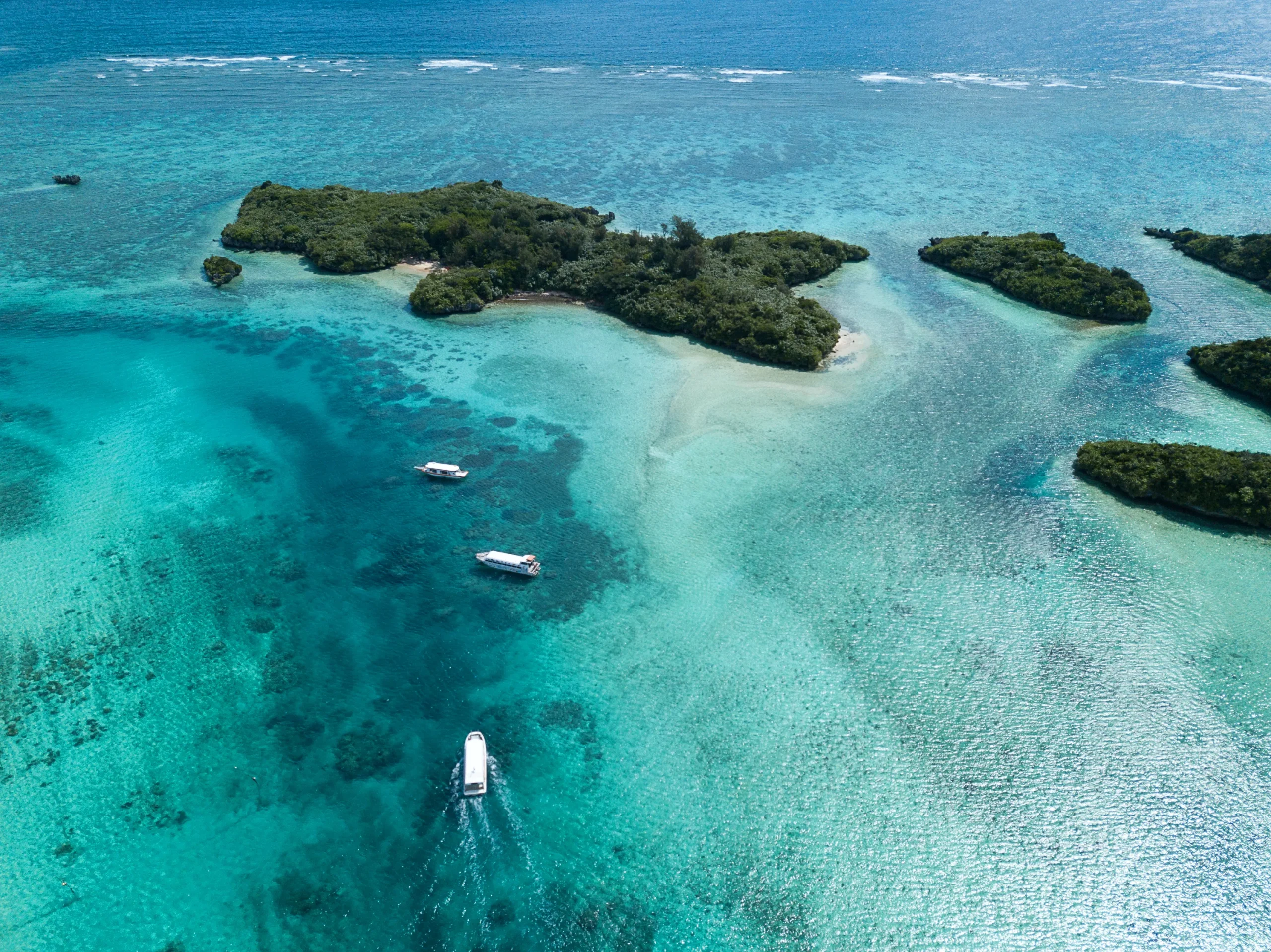
About 400 km southwest of Okinawa’s main island, Ishigaki is one of the best places on Earth to dive with wild manta rays. At the famous Kabira-area manta sites, the rays often cruise at just 6–7 meters, making them visible even to newer divers. The waters are warm enough to dive year-round, and the reefs here are remarkably rich — a large share of the world’s known coral species can be found in Okinawan waters.
You’ll also have strong chances of encountering sea turtles (especially spring and summer), big migratory fish on the western side, and easy hotel- and airport-adjacent sites in the south. For most travelers, the window after the rainy season — late June through autumn — offers the best conditions, with manta sightings peaking in late summer and early autumn.
2. Kerama Islands — “Kerama Blue” & sea turtles | Okinawa
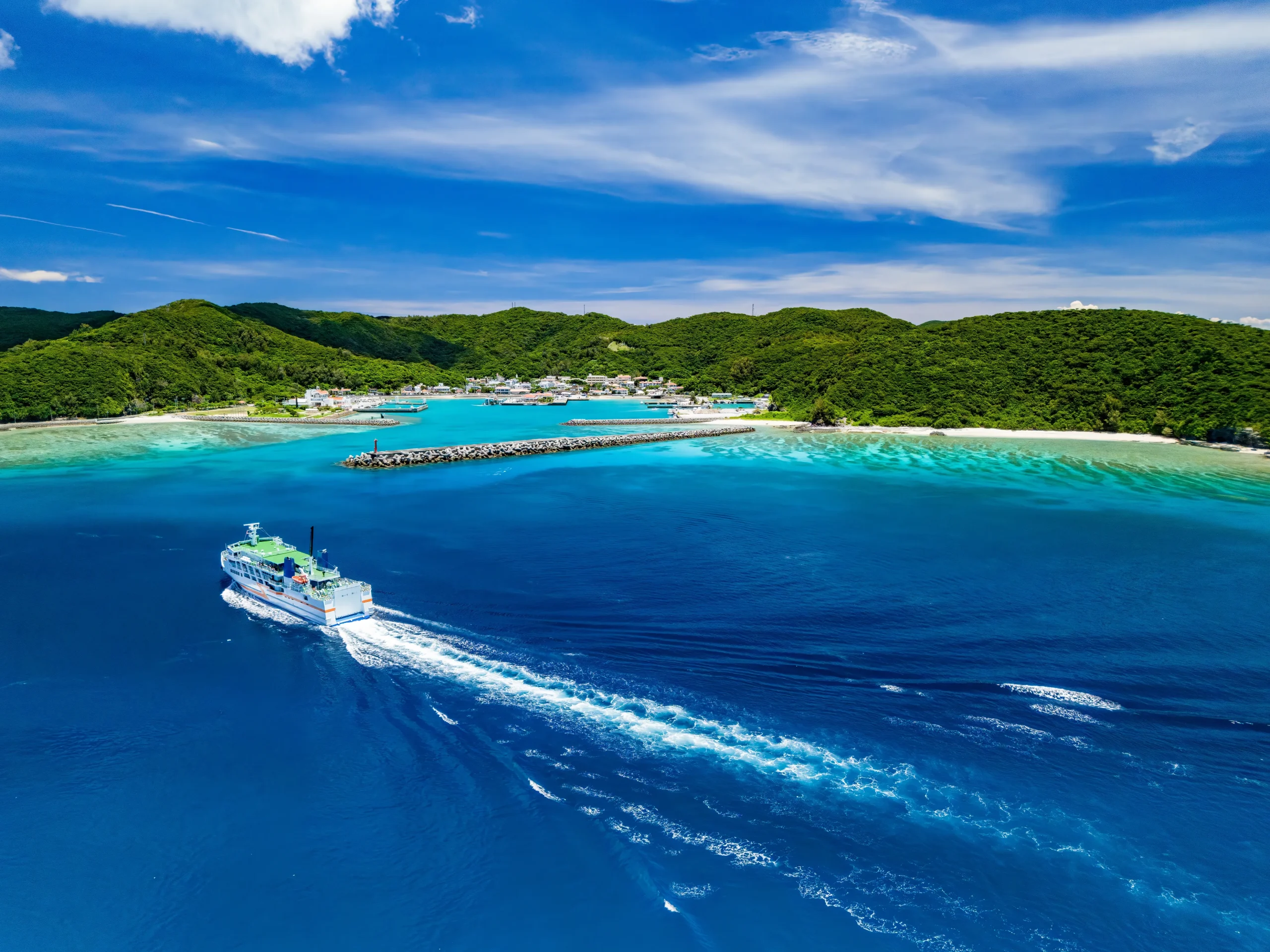
Just about an hour by ferry from Naha, the Kerama Islands deliver some of the most accessible world-class diving in the country. The water clarity here is so distinctive it has its own name — “Kerama Blue” — and the islands are known for healthy hard coral, white-sand beaches, and reliable sea turtle encounters. The short hop from the main island makes the Keramas ideal if you’re based in Okinawa and want a standout day or two of diving without a long journey.
3. Okinawa Main Island & the Blue Cave | Okinawa
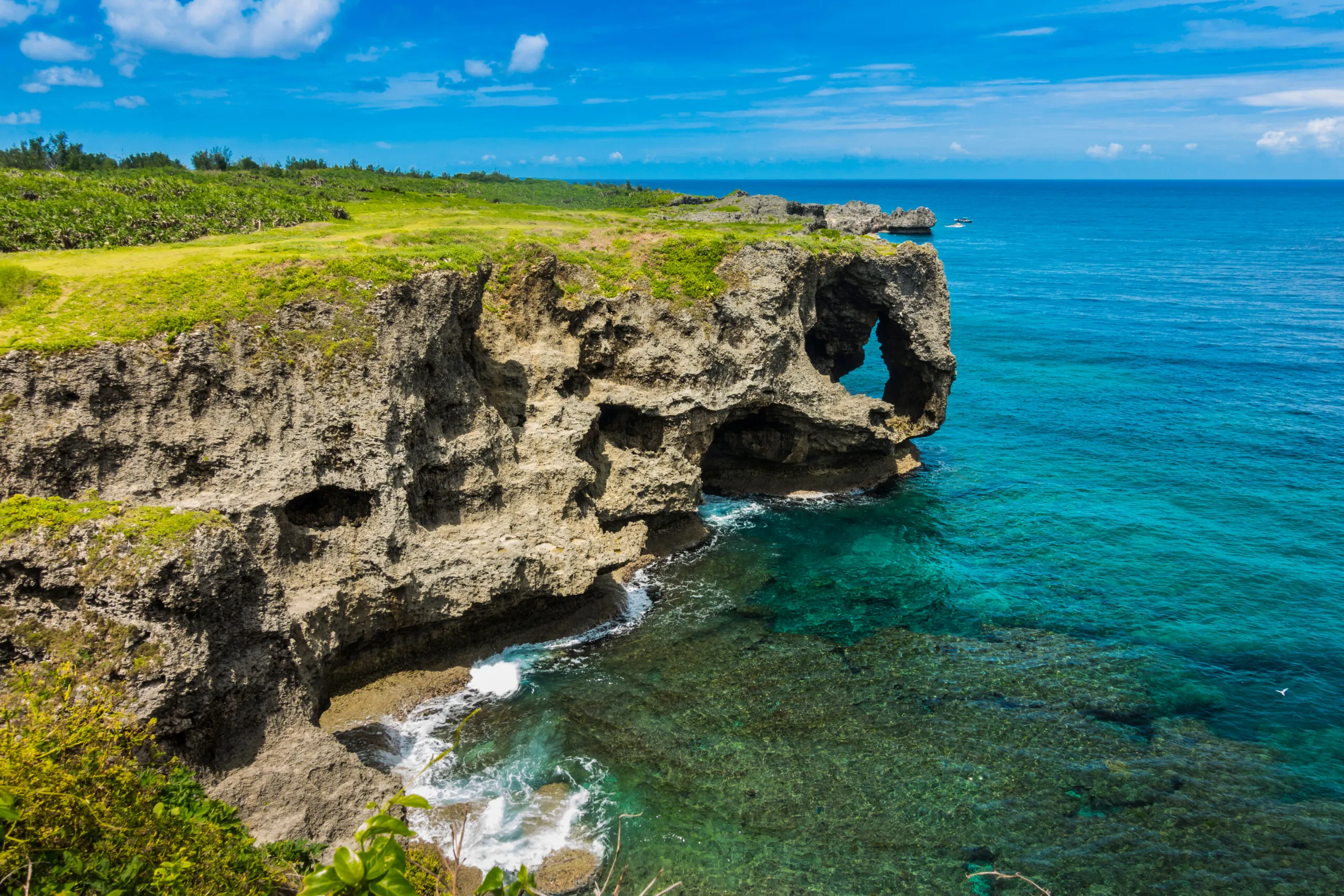
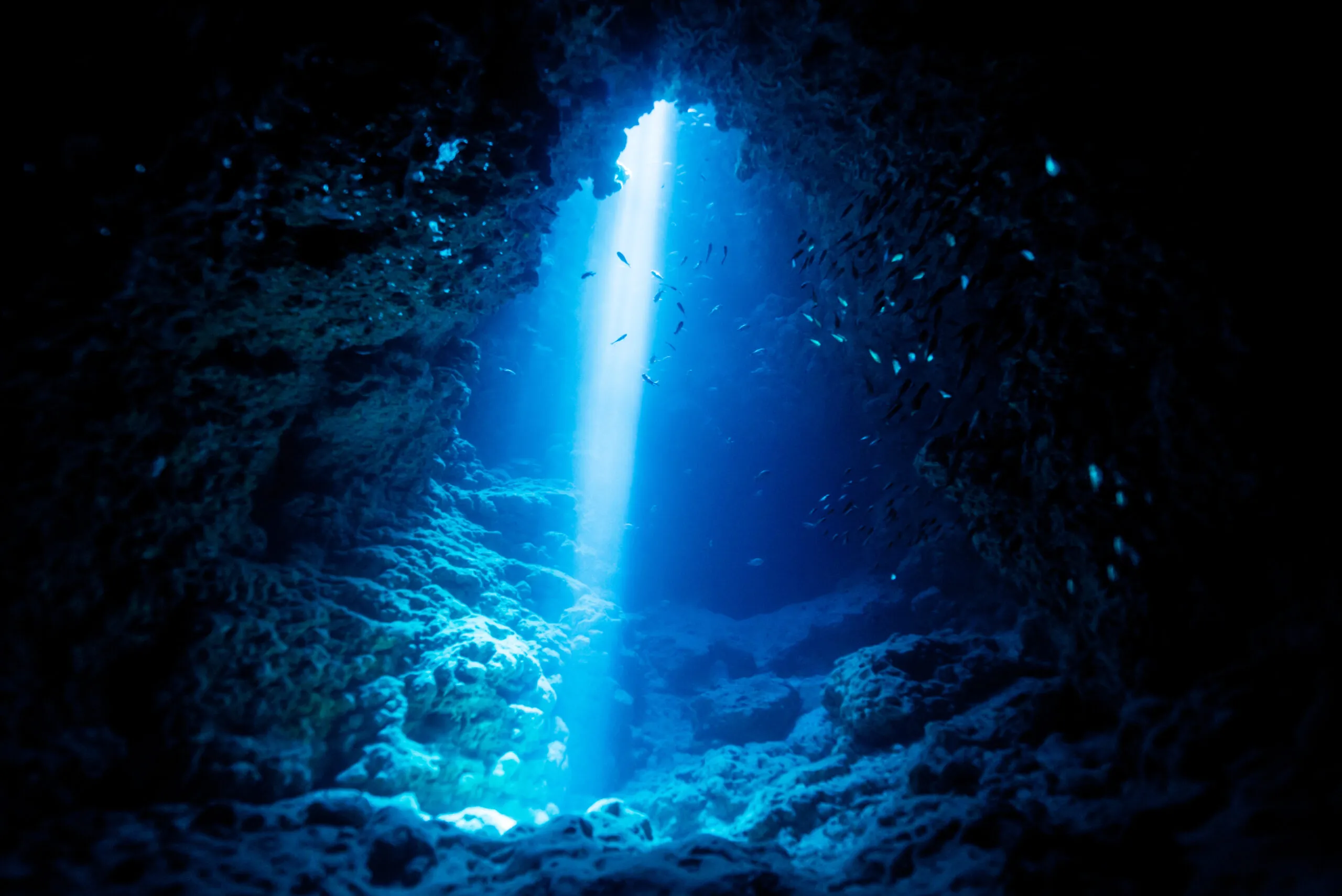
Okinawa’s main island is the country’s diving hub, with hundreds of sites and the easiest logistics for international visitors. The headline experience is the Blue Cave near Cape Maeda, where sunlight refracts through the water to fill the cavern with an ethereal blue glow — accessible to snorkelers and beginner divers alike. Beyond it, the island offers cave, drift and beach diving; soft-coral walls at spots like Cape Zampa and Manza; and even wreck diving, including the WWII US Navy destroyer USS Emmons for qualified divers.
The southern coast is sheltered from north winds and reliable year-round; the east coast actually clears up in winter. Diving is possible all year, with spring through autumn the prime window — just watch for the May–June rainy season and the August–September typhoon period.
4. Miyako Island — caves & dramatic topography | Okinawa
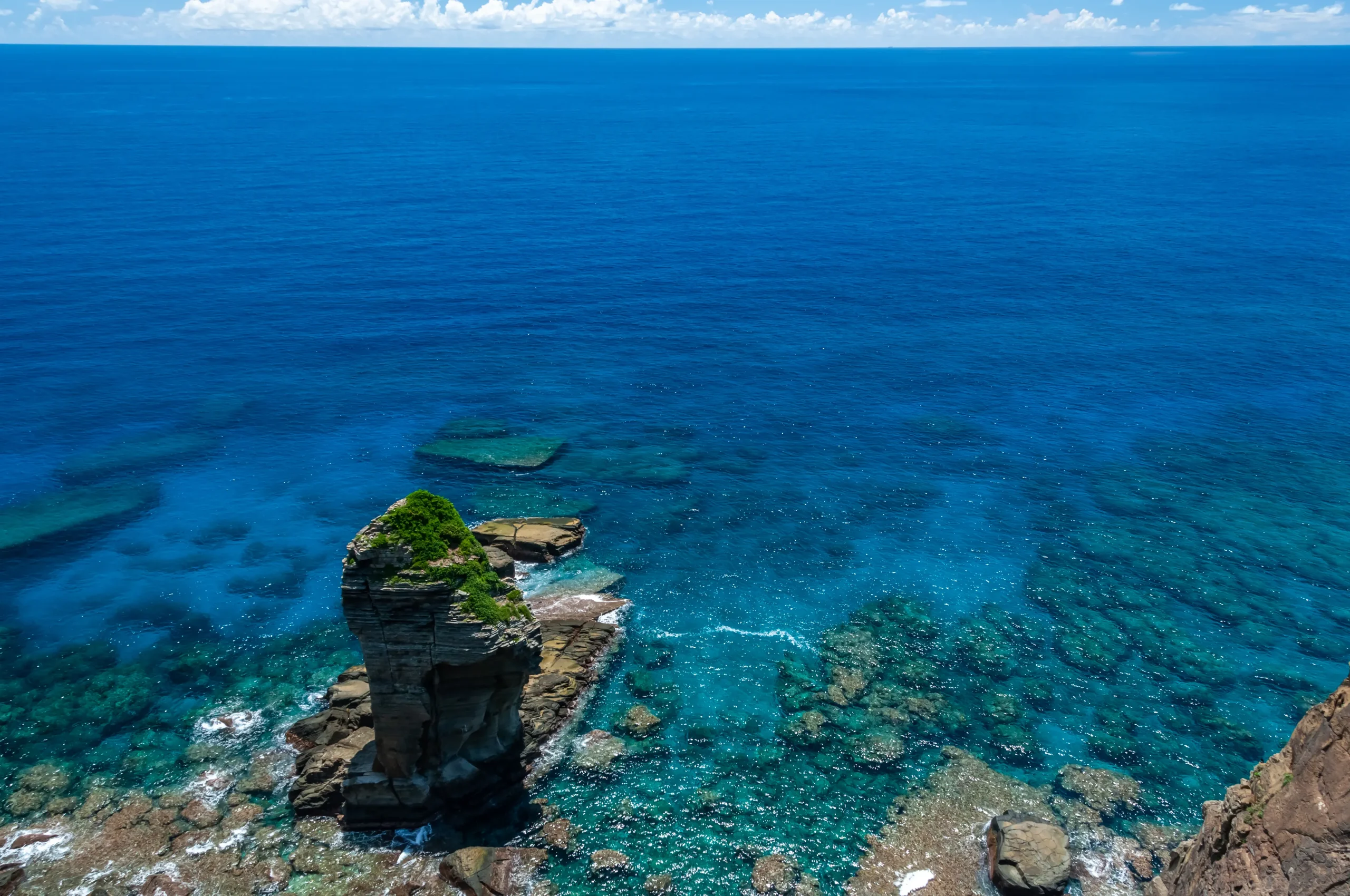
Around 290 km from Okinawa’s main island, Miyako and its connected neighbors are a playground of underwater terrain. The island is famous for three iconic, cave-and-arch sites — Devil’s Palace, Toori-ike, and Antonio Gaudí — where the appeal is the architecture of the seafloor as much as the marine life. Water clarity is exceptional through much of the year. The areas around Irabu and Shimoji islands hold the widest variety of sites. Spring to autumn is best, with autumn bringing peak visibility; January and February can feel chilly for diving.
5. Yonaguni — hammerheads & the underwater Monument | Okinawa
Japan’s westernmost inhabited island is for divers chasing the dramatic. In winter, schools of hammerhead sharks migrate through these waters — a genuine bucket-list dive. Yonaguni is also home to the mysterious Yonaguni Monument, a massive submerged rock formation whose origins are still debated. Strong currents and depth make this an advanced destination, but few dives in Japan are as memorable.
6. Ogasawara Islands — the “Galápagos of Japan” | Tokyo
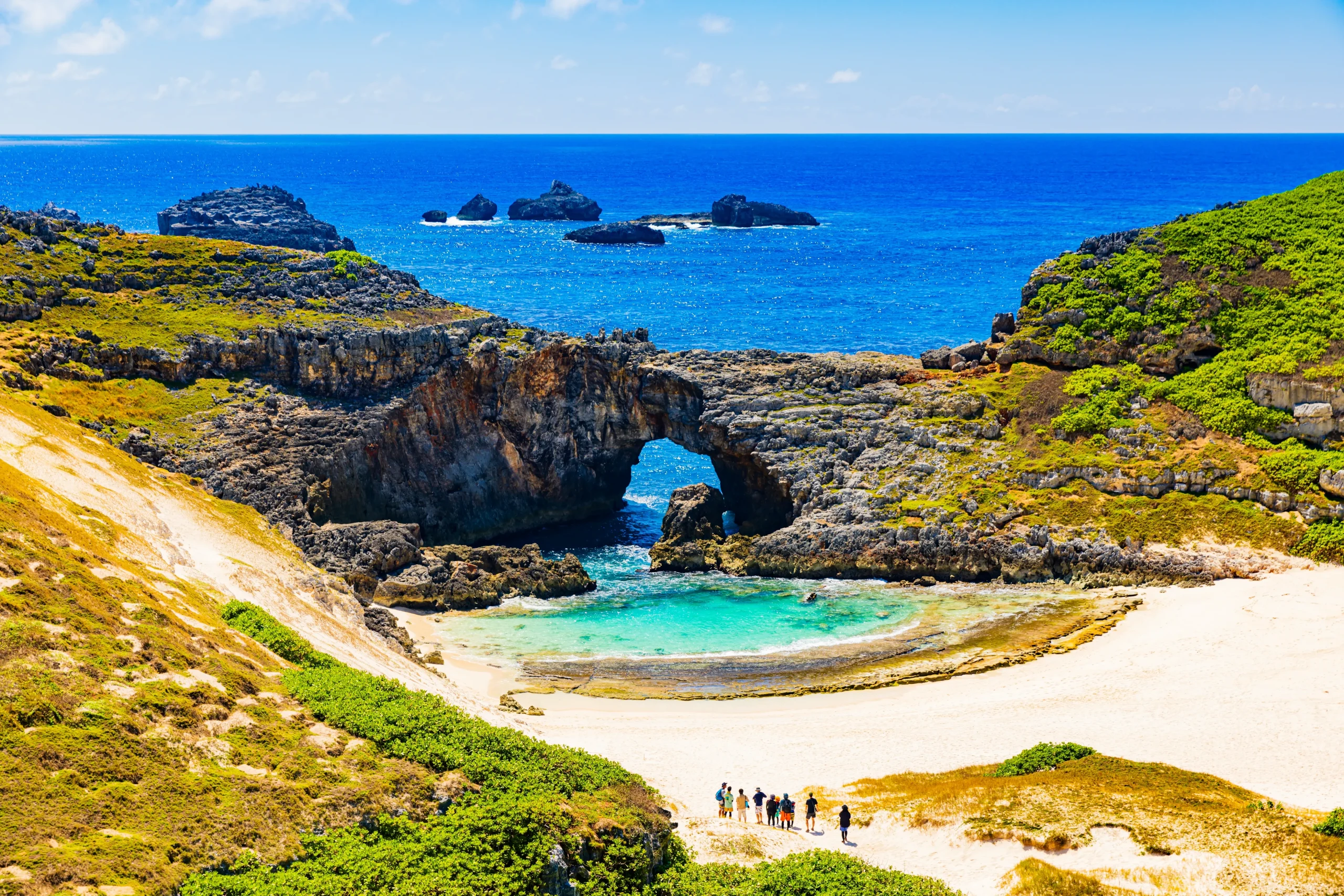
The Ogasawara (Bonin) Islands sit roughly 1,000 km south of Tokyo and, thanks to their isolation, harbor a unique ecosystem that earned UNESCO World Natural Heritage status in 2011. Reachable only by a long ferry, the reward is the deep “Bonin Blue,” drift diving, dogtooth tuna at the Tuna Hole, sand tiger sharks, dolphins, and — around Hahajima — a real chance of humpback whales. Calmer waters near Chichijima suit beginners; the more exposed sites are for experienced divers. Autumn brings the warmest water and best visibility.
7. Izu Peninsula & Osezaki — the Tokyo-area classic | Shizuoka
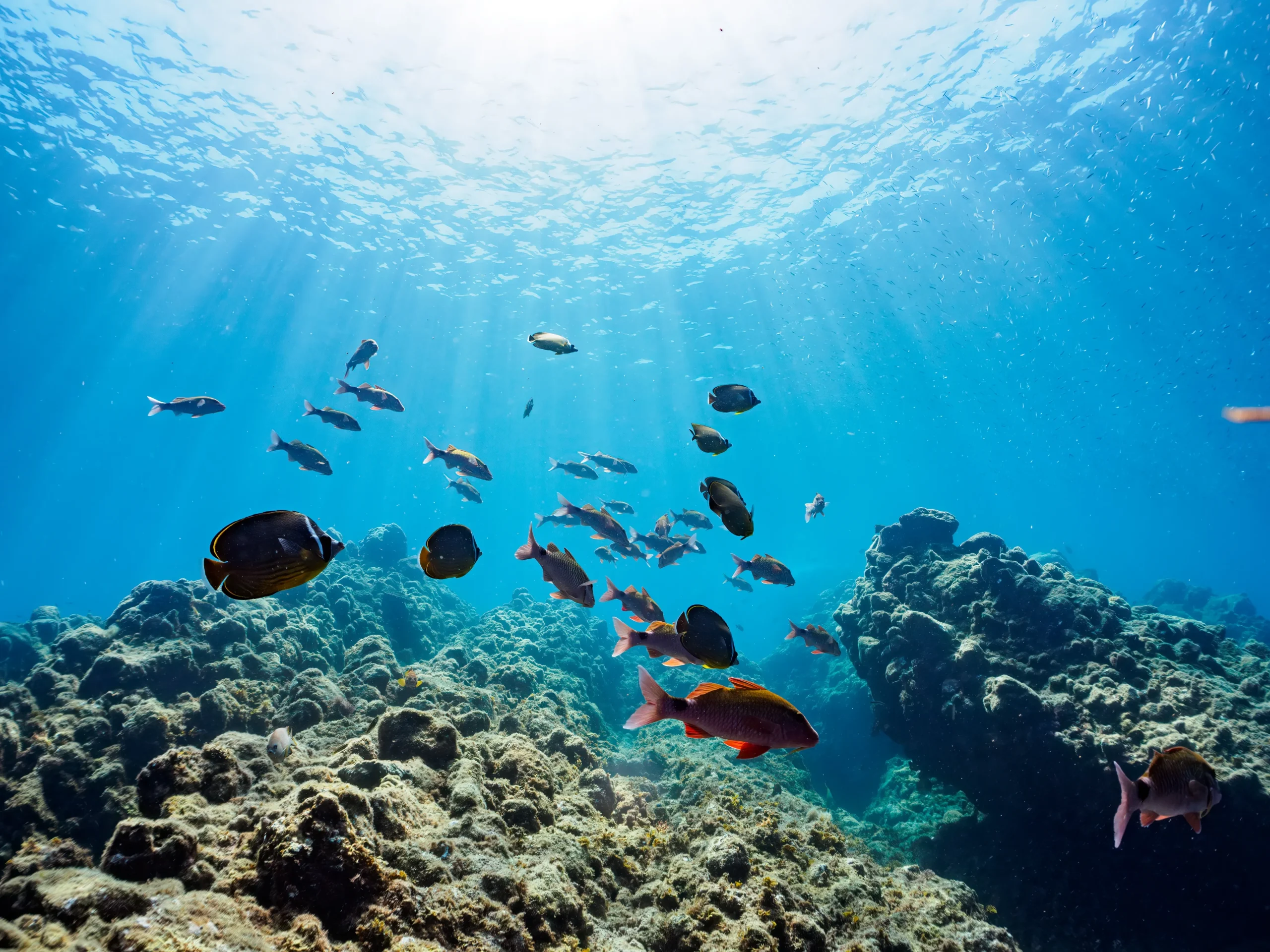
If you’re short on time or based near Tokyo, the Izu Peninsula is the answer — reachable in around two hours. Within Suruga Bay, Osezaki is so beloved it’s nicknamed the “Holy Land of Diving” for the Kanto region. Sheltered inside the bay, it’s diveable year-round (typhoons aside), with three distinct points — Inner Bay, Outer Bay, and The Tip — that suit everyone from beginners to advanced divers. The scenery shifts dramatically with the seasons, night diving is available, and the macro life is a draw for underwater photographers.
8. Lake Shikotsu — Japan’s clearest freshwater diving | Hokkaido
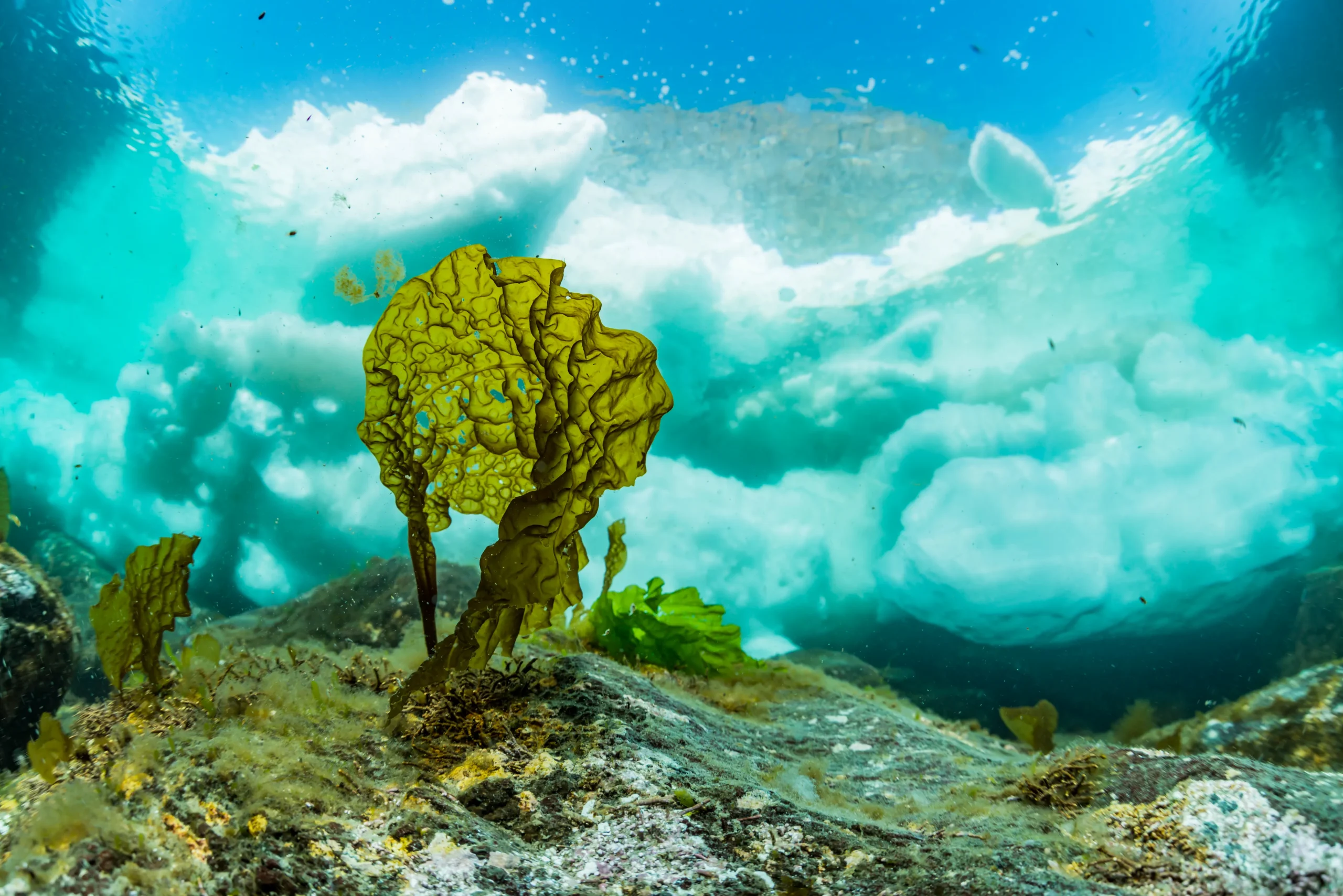
Not all of Japan’s best diving is in the ocean. Lake Shikotsu in Hokkaido is renowned for some of the clearest freshwater in the country — a serene, otherworldly environment that’s a complete change of pace from the reefs of the south. It’s a distinctive add-on for divers who want to experience something most visitors never even consider.
9. Shiretoko — drift-ice diving | Hokkaido
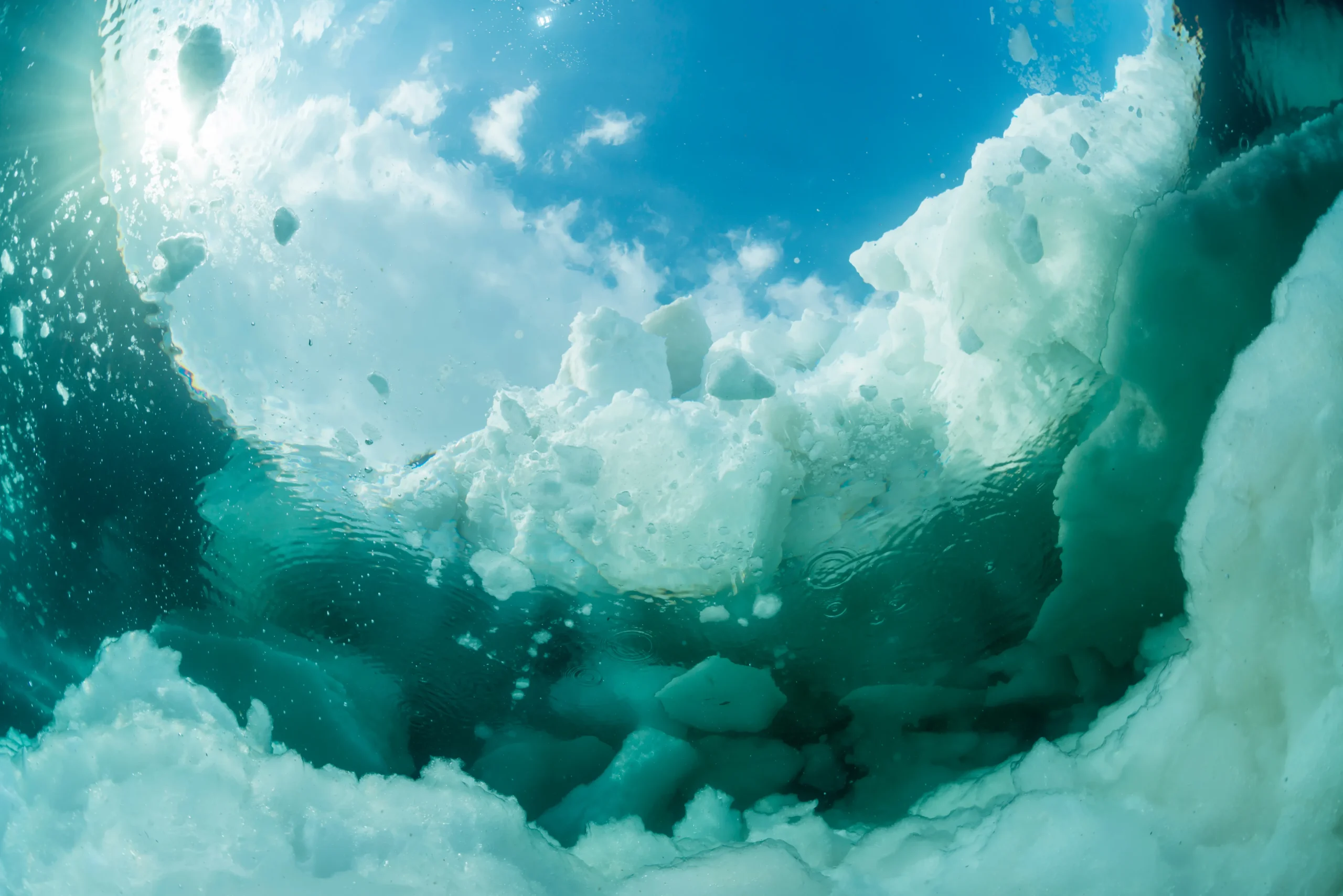
For the boldest divers, Shiretoko — itself a UNESCO World Heritage Site — offers one of the most extraordinary dives on the planet: drift-ice diving beneath the frozen surface of the sea in February and March. Below the ice, lucky divers may spot the clione, the tiny “sea angel” that has become a symbol of these waters. This is a serious cold-water, advanced experience requiring proper gear and preparation — and an unforgettable one.
Best time to dive in Japan by Region
Japan doesn’t have a single dive season — it has several, depending on how far south or north you go.
- Okinawa & the southern islands: Diveable year-round thanks to warm water. Prime conditions run late spring through autumn; manta sightings around Ishigaki peak in late summer and early autumn. Winter water still sits in the low 20s °C — chilly but doable, and a welcome escape from the cold mainland.
- Honshu (Izu Peninsula, central Japan): Best roughly June through September, though sheltered spots like Osezaki dive year-round with seasonal highlights.
- Hokkaido & the north: Summer for cold-water diving and lake diving; February–March is the only window for drift-ice diving in Shiretoko.
- Yonaguni hammerheads: A winter phenomenon — plan around the colder months for the migration.
Diving in Japan as a beginner or first-timer
You don’t need to be a certified diver to get in the water in Japan. There are three main ways to dive, depending on your experience.
Introductory diving (no license needed)
Perfect for first-timers, introductory (“discover”) diving requires no certification. After a short briefing, you dive with an instructor for about 20–30 minutes, to a maximum depth of around 12 meters. Expect to pay roughly ¥8,000–¥15,000 per dive. It’s the easiest way to find out whether diving is for you.
Getting certified (C-card) in Japan
A certification course earns you a “C-card,” which lets you dive independently worldwide. Most courses take 3–4 days (sometimes as few as 2–3), covering the knowledge and skills to dive safely. Budget around ¥60,000–¥100,000, and check what’s included — some lower-priced centers charge extra for equipment rental.
Fun diving with your existing certification
If you’re already certified, “fun diving” opens up the full underwater world. A standard open-water certification allows dives to 18 meters with a dive leader; advanced certifications extend that toward 40 meters. Beach dives typically run ¥10,000–¥25,000, with boat dives costing more. Multi-dive packages over a few days are usually better value than booking single dives.
Practical tips for diving in Japan
A few things worth knowing before you book:
- Certifications are recognized. Internationally recognized cards (PADI, SSI, NAUI and others) are accepted. Bring your card and logbook — operators may ask about recent dive experience.
- Water temperature & wetsuits. A 5 mm wetsuit is common for much of Japan; Okinawa is warmer in summer, while northern and winter diving requires thicker suits or drysuits.
- Dives can be guided and shorter. Outside Okinawa especially, diving tends to be guide-led, with shorter dive times than some divers are used to. Okinawa is generally the most relaxed and shore-diving-friendly region.
- Language. English-speaking shops are easiest to find in Okinawa and major tourist areas; elsewhere, booking through an English-language operator or guide service smooths the experience.
- Getting there. Naha (Okinawa) is the main dive hub, with onward flights and ferries to the outer islands; Tokyo and Osaka airports connect to mainland sites like Izu.
Frequently asked questions
Where is the best diving in Japan?
Okinawa is widely considered the best diving in Japan, thanks to warm year-round water, healthy coral, and marquee experiences like Ishigaki’s manta rays, the Kerama Islands, and the Blue Cave. For something different, Hokkaido offers drift-ice and freshwater diving.
Is Japan good for diving?
Yes — Japan is one of Asia’s most underrated dive destinations, offering everything from tropical coral reefs and shark dives to wrecks, caves, and ice diving, often within a single trip.
When is the best time to dive in Japan?
It depends on the region: Okinawa is diveable year-round (prime: late spring–autumn), central Japan is best June–September, and Hokkaido’s drift-ice diving is only possible in February–March.
Can beginners dive in Japan?
Absolutely. Introductory dives require no certification, and many sites — including the Blue Cave and parts of Ishigaki and the Keramas — are beginner-friendly.
Do I need my own certification to dive in Japan?
Not for introductory dives. For independent “fun diving” you’ll need a recognized C-card (PADI, SSI, etc.), or you can get certified in Japan in 3–4 days.
Plan your dive trip
From Okinawa’s manta rays to the drift ice of Hokkaido, Japan offers a breadth of underwater experiences few countries can match. Whether you’re trying diving for the first time or planning a serious dive itinerary, there’s a perfect underwater world waiting.