Japan’s most memorable moments are not always in front of a landmark. Sometimes they happen behind a safety window, watching raw materials, machinery and people move through a process where dozens of small decisions affect the finished product.
Factory tours turn “made in Japan” from a label into something you can actually see. This guide focuses on experiences that fit reasonably well into a trip through Tokyo, Nagoya, Kyoto and Osaka, from working production lines to company museums, breweries and traditional crafts.
8-Day Monozukuri Factory Tour
Why Factory Tours in Japan Feel Different from Ordinary Sightseeing
The Japanese concept of monozukuri, roughly “the making of things,” is often associated with continuous improvement and responsibility for quality throughout the production process. On a factory tour, that becomes visible in small things: how tools are arranged, how workers move, how materials are handled, how waste is reduced and how the finished product is checked.
It helps to think of the experiences below as four types: working production lines, company museums, hands-on workshops and live craft demonstrations. Some combine several. The distinction matters because visiting a company museum is very different from standing beside an operating assembly line, and production is not guaranteed to be running every day.
Tokyo, Yokohama and Nearby: An Easy Start
CUPNOODLES MUSEUM Yokohama
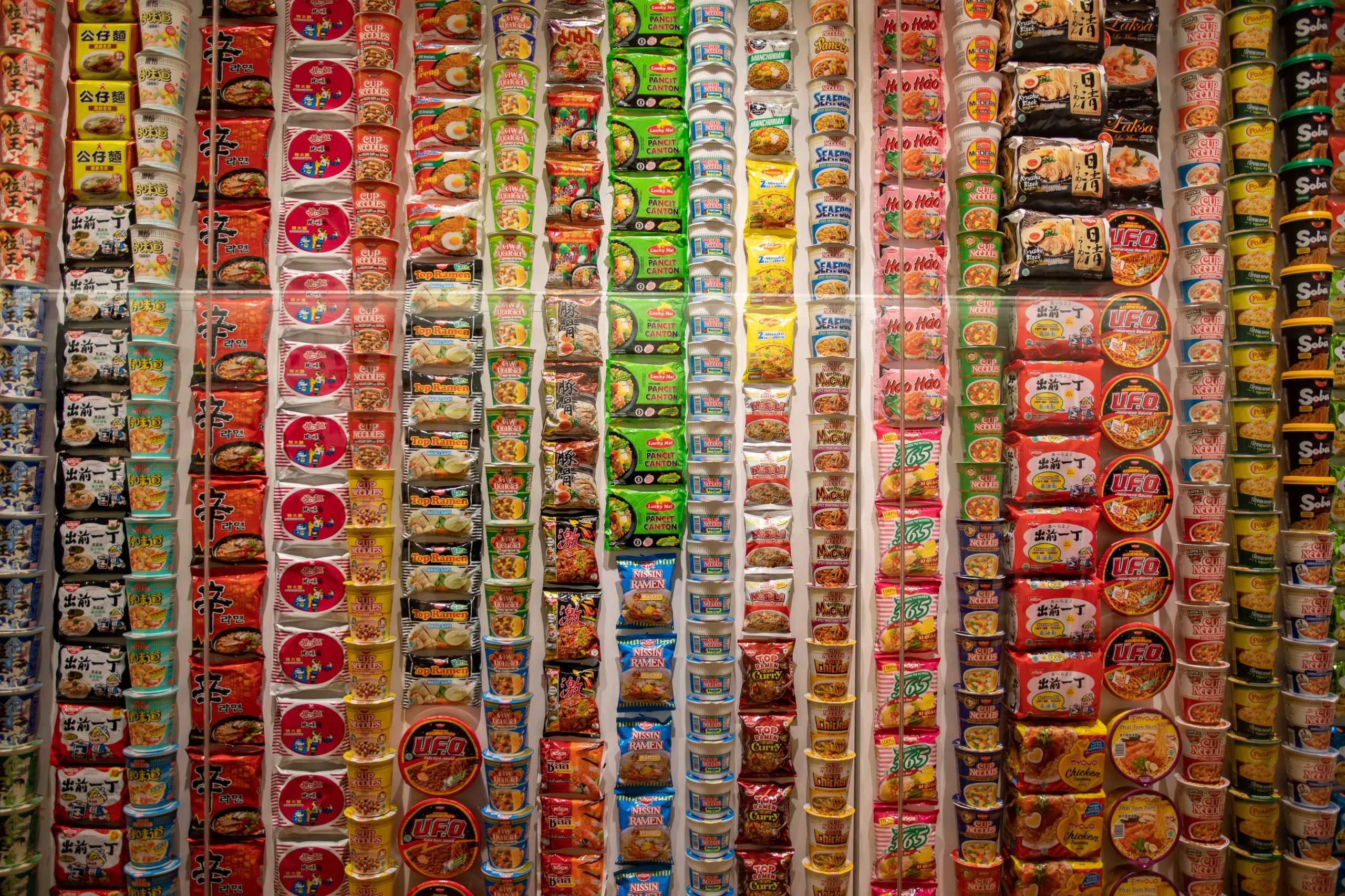
The CUPNOODLES MUSEUM Yokohama is one of the easiest industrial experiences to add to a normal sightseeing trip. The exhibition traces the development of instant noodles from Momofuku Ando’s experiments in a small shed to a product sold around the world.
The My CUPNOODLES Factory lets you design your own cup and choose the soup and toppings, while the Chicken Ramen Factory is a more involved hands-on experience where participants make noodles from flour.
Booking methods differ between activities and have changed over time, so check the museum’s current ticket and reservation page before visiting. From central Tokyo, Yokohama takes roughly 30 minutes by train, making this a realistic half-day addition.
Reference: CUPNOODLES MUSEUM Yokohama
Nissan Oppama Plant
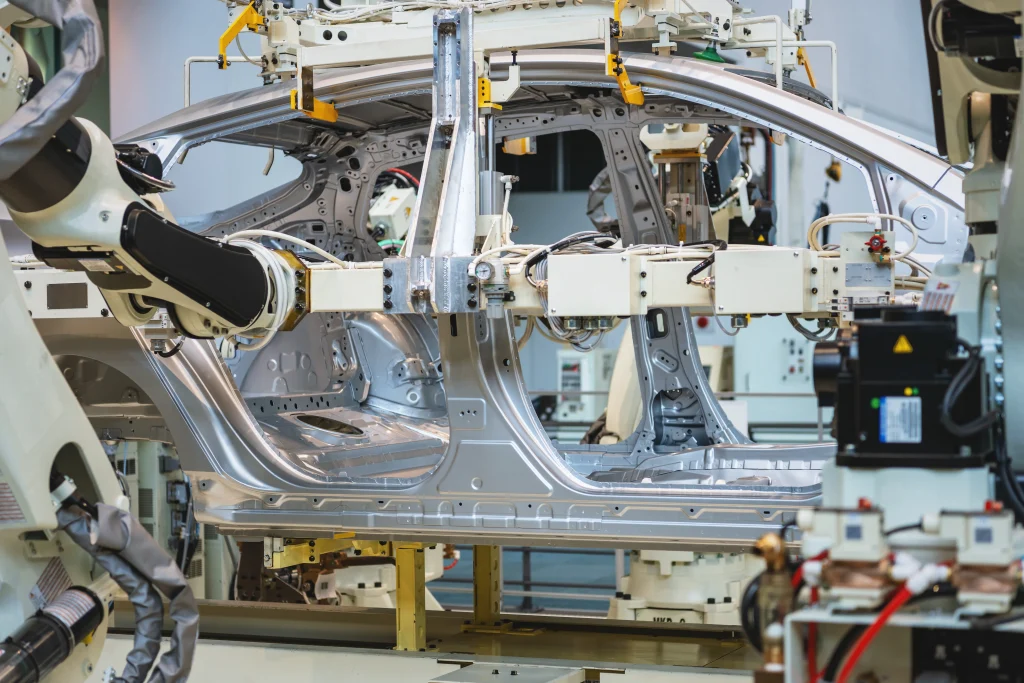
If your idea of a factory tour is watching cars move through an actual assembly line, Nissan’s Oppama Plant in Yokosuka is one of the strongest options on this list.
The plant produces electrified vehicles including the Note and Note Aura, and visitors can see the assembly process at close range. Rather than only seeing finished cars or videos, you can watch workers beside the production line and see how human skill and machinery fit together.
General public tours are operating again, but applications are in Japanese and production may occasionally be stopped. This is therefore a better choice for someone specifically interested in manufacturing than for a traveler looking for an effortless drop-in attraction.
Reference: Nissan Oppama Plant
Kikkoman Soy Sauce Museum, Noda
Kikkoman’s Noda factory shows a completely different side of manufacturing. Instead of robots and assembly lines, the focus is fermentation.
Visitors follow the main stages of soy sauce production and can see how its color, aroma and taste change as fermentation develops. It is a good reminder that careful manufacturing is not necessarily fast or highly automated. Sometimes quality depends on controlling a process that simply needs time.
Tours require reservations and are generally held on weekdays. The factory is only a few minutes on foot from Nodashi Station, although Noda itself is outside central Tokyo.
Read more: A Beginner’s Guide to Japanese Fermented Foods
Reference: Kikkoman Soy Sauce Museum
Suntory Musashino Brewery
For an actual factory inside Tokyo, Suntory’s Musashino Brewery in Fuchu is a useful option.
The visit follows beer production through the manufacturing process before finishing with a tasting. What makes it fit particularly well here is that the quality-control story does not end once the beer has been brewed. Filling and packaging are part of the process too.
Tours are conducted in Japanese, but visitors can use an automatic translation service on their own smartphone or tablet. Advance booking is recommended.
Reference: Suntory Musashino Brewery
Glicopia CHIBA
Glicopia CHIBA, run by confectionery company Ezaki Glico, offers a guided tour of its working factory that includes cold-storage areas and sections of the production line. The experience has a more industrial atmosphere than many company museums.
Glico is also unusually clear about the limitations. The location is easiest to reach by car, taxis can be difficult to find, and arriving late may mean missing the tour. If production is stopped on the day of your visit, parts of the experience may be replaced by video.
Those constraints make it less convenient than CUPNOODLES or Kikkoman, but it remains a useful option for someone who wants to see a working food factory rather than only an exhibition.
Reference: Glicopia CHIBA (Official Website, Japanese)
Aichi and Nagoya: The Monozukuri Heartland
Around Nagoya you can see everything from automatic looms and automobile technology to porcelain, fermentation and electronics recycling.
Toyota Commemorative Museum of Industry and Technology
For most travelers staying in Nagoya, the Toyota Commemorative Museum of Industry and Technology is the easiest place to understand where Toyota’s manufacturing culture came from.
The museum occupies an early Toyota Group factory site and covers both textile machinery and automobile production. Many of the machines are demonstrated rather than simply displayed, so you can follow the development from hand-operated textile work to automatic looms before moving into automobile manufacturing.
That makes the museum useful even if you are not particularly interested in cars. It shows how Toyota’s manufacturing story began with textile machinery and how ideas about improving machines and processes later carried into other industries.
English guided tours are available with same-day sign-up, and multilingual audio information is also available.
Reference: Toyota Commemorative Museum of Industry and Technology
Noritake Garden Craft Center
Noritake Garden is easy to mistake for another ceramics museum, but its Craft Center is still a production facility for bone china.
Visitors can follow the process from preparing the clay and forming pieces through glazing and decoration. Craftspeople also demonstrate decoration techniques such as hand painting. Seeing the stages together makes the attraction more interesting than simply looking at finished porcelain in a display case.
Noritake Garden is within walking distance of Nagoya Station and sits close to the Toyota Commemorative Museum, making the two easy to combine.
Reference: Noritake Garden Craft Center
MIM MIZKAN MUSEUM
MIM MIZKAN MUSEUM in Handa, about 40 minutes from Nagoya by train, tells the story of Mizkan’s rice vinegar production through guided courses with set times, capacities and booking requirements.
The museum connects fermentation with the history of Handa and the Chita Peninsula rather than treating vinegar as an isolated product. It is a good choice if you enjoyed the fermentation story at Kikkoman or Hatcho miso and want to see how another everyday Japanese ingredient developed around a particular region.
Reference: MIM MIZKAN MUSEUM
Hatcho Miso no Sato
Hatcho Miso no Sato in Okazaki is one of the more unexpected stops on a Golden Route itinerary.
Hatcho miso is a dense soybean miso traditionally aged for at least two years in large wooden barrels weighted with river stones. The process looks almost deliberately low-tech beside Toyota or Nissan, but the underlying idea is similar: control each stage carefully and do not rush what determines the final quality.
Individual visitors can normally join factory tours without advance reservation, which makes this one of the easier production-related stops to add around Aichi. A tasting is included.
Reference: Hatcho Miso no Sato Factory Tour – Kakukyu (Official Website, Japanese)
Green Cycle Corporation (SONY)
Green Cycle Corporation, part of the Sony group, runs factory tours at its Nagoya recycling plant. The route follows used electronics from manual dismantling through crushing and automated material sorting, with viewing areas explaining what happens at each stage.
Instead of asking how products are assembled, this tour shows what happens when electronics reach the end of their useful life and how materials can be recovered.
This one is particularly worth considering if your group is less interested in food and drink experiences.
Reference: Recycling Plant Tours – SONY (Official Website, Japanese)
Toyota Kaikan Museum
Toyota Kaikan in Toyota City is still useful, but it should not be confused with an operating plant tour. Toyota’s tours of the Motomachi, Takaoka and Tsutsumi plants have been suspended since 2021 with no announced restart date.
The museum itself remains open, and a new TOYOTA’s Creative Carmaking exhibition opened in June 2026. It follows carmaking from planning and development through procurement, production and delivery, using real vehicles, parts, robots and large-scale production visuals.
If you are already visiting Toyota City, it remains worthwhile. If your main goal is to see machinery operating, the Toyota Commemorative Museum in Nagoya or Nissan Oppama will better match that expectation.
Reference: Toyota Kaikan Museum
Kyoto and Osaka: End Strong
Kansai shifts the emphasis toward brewing, distilling and traditional craft.
Asahi Beer Museum
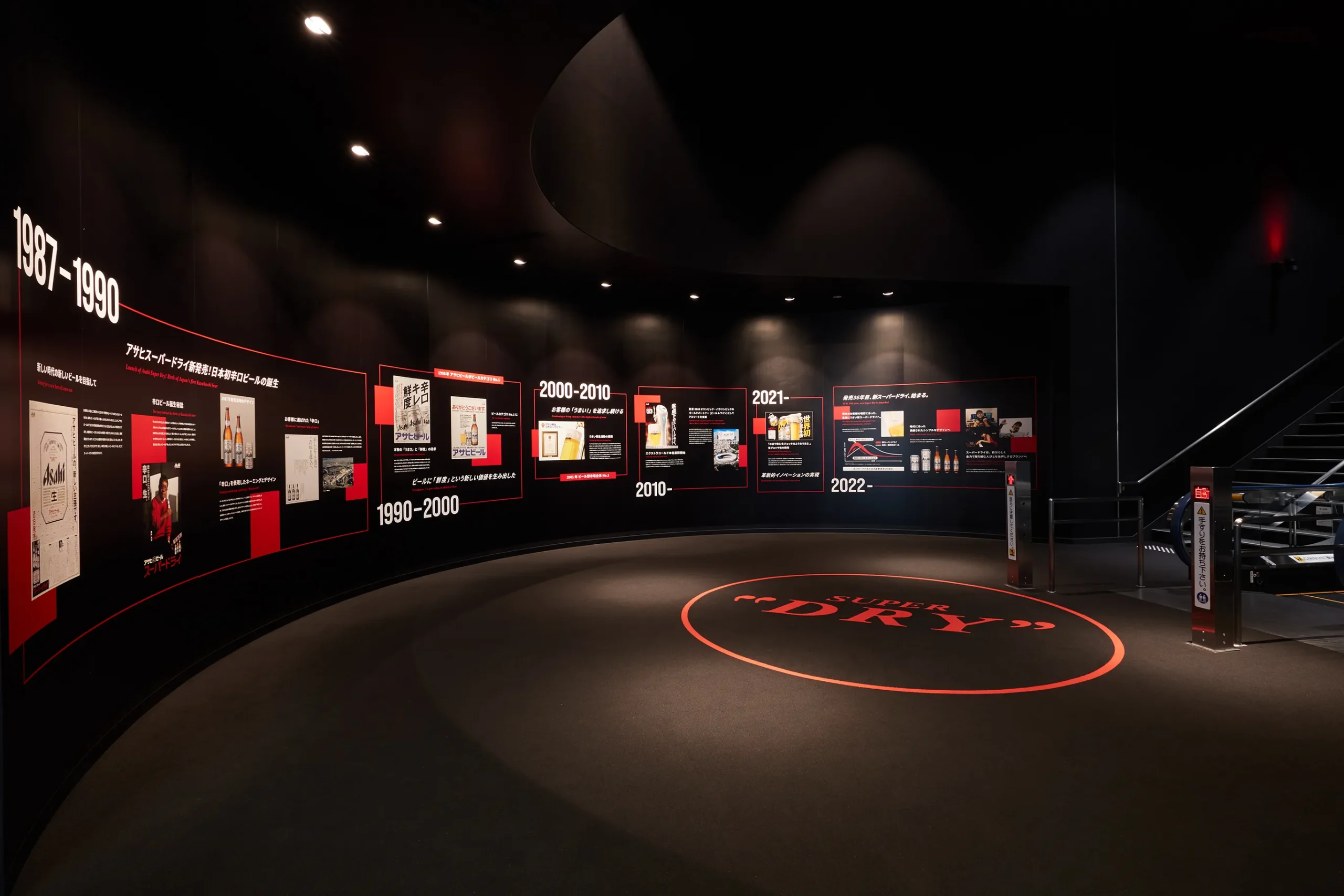
Asahi Beer Museum at the Suita Plant in Osaka runs guided tours through the brewing facility before finishing with a tasting.
The progression works well: seeing how the beer is produced gives the tasting at the end more context. Reservations are required.
Reference: Asahi Beer Museum (Official Website, Japanese)
Suntory Yamazaki Distillery
Suntory Yamazaki Distillery, between Kyoto and Osaka, is one of Japan’s best-known whisky distilleries. The main difficulty is getting in. Some tour reservations use a lottery system, so this is not an experience to build your itinerary around until you have confirmed a place.
If Yamazaki does not work out, Gekkeikan Okura Sake Museum in Fushimi is a much easier Kyoto-based alternative. The museum is self-guided, covers the history and techniques of sake brewing, and finishes with tasting. Reservations give priority entry, but walk-ins may be accepted when capacity allows.
Reference: Suntory Yamazaki Distillery and Gekkeikan Okura Sake Museum
8-Day Monozukuri Factory Tour
Craft Alternatives for Non-Food Itineraries
For travelers who want less food and drink and more traditional craft, two Kansai stops are particularly useful.
Sakai Traditional Crafts Museum
Sakai Dentoshokan in Sakai City presents several crafts associated with the area, including its famous kitchen knives. Knife-sharpening demonstrations by local craftspeople are held on scheduled dates.
Watching a blade worked carefully on a whetstone is not a factory line, but it makes the same point on a smaller scale: quality often comes from repeating a specialised process until tiny adjustments become second nature.
Read more: From Samurai Swords to Kitchen Knives: Japan’s Knife-Making Culture
Nishijin Textile Center
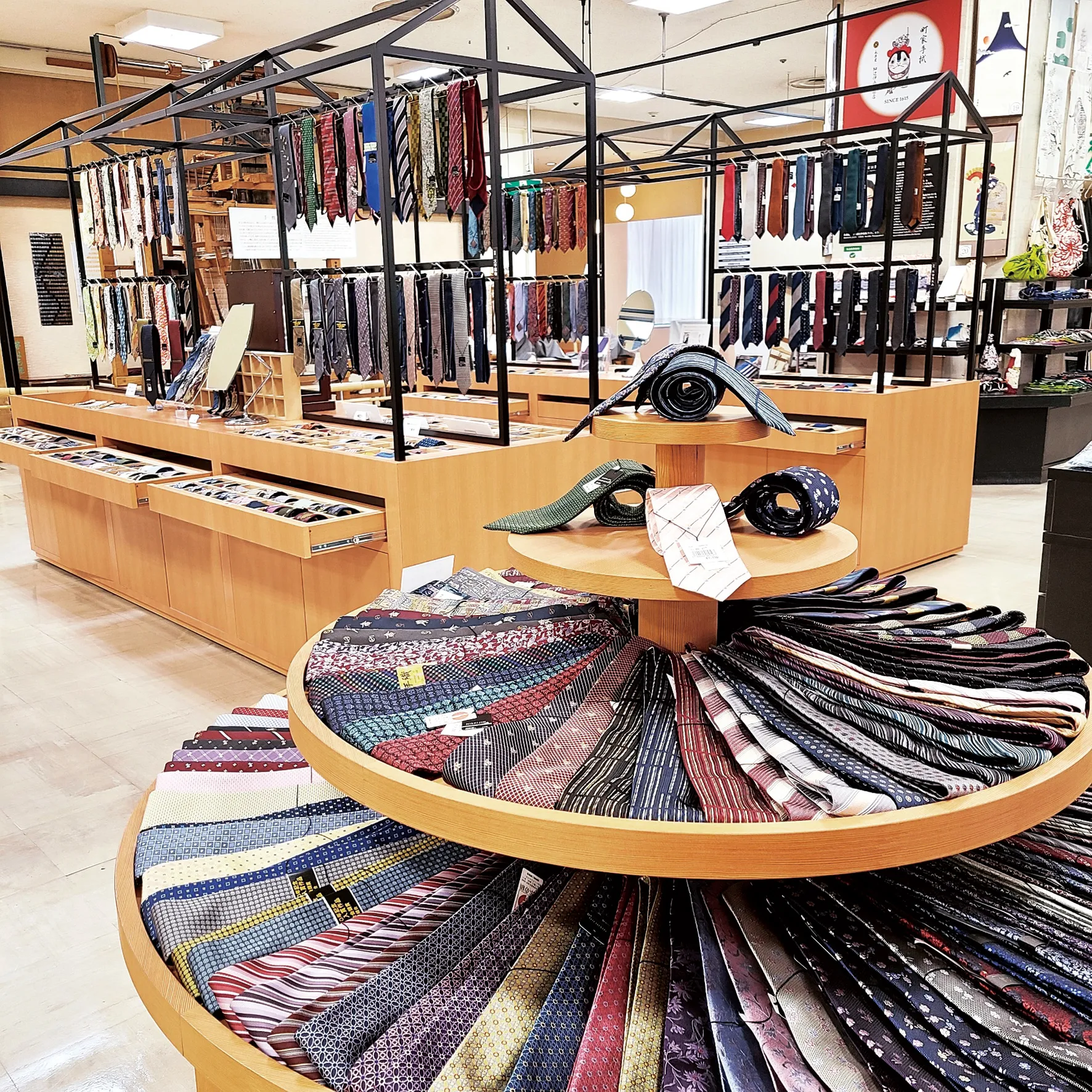
Nishijin Textile Center in Kyoto introduces Nishijin-ori, the elaborate weaving tradition long associated with high-quality kimono textiles.
Demonstrations and some weaving experiences make it easier to understand how much work can sit behind a finished piece of fabric. For visitors who have seen expensive kimono in Kyoto and wondered what makes the textiles different, this is a useful place to see part of the answer.
Read more: Nishijin-ori: A Beginner’s Guide to Kyoto’s Most Beautiful Weaving Tradition
Booking, Language, and Etiquette: A Practical Checklist
Factory visits are usually straightforward once you are inside. Getting there at the right time, with the right reservation, is where things become less consistent.
Check What You Are Actually Booking
A “factory tour” might mean an operating production line, a company museum, a guided visitor center or a hands-on workshop. Production can also stop unexpectedly. If seeing machinery in operation is important to you, check the current tour description before making a special journey.
Reservations Vary Widely
Some experiences are comparatively easy to arrange. Others use limited booking periods, lotteries or Japanese-language reservation systems.
CUPNOODLES has changed its booking system over time, so check the museum’s current ticket page rather than relying on older advice. Kikkoman requires advance reservations, while Yamazaki can require considerably more planning.
Arrive Early
Factories often run tours in fixed groups. Glico, for example, warns that arriving significantly late may mean you cannot join.
Give yourself more transport buffer than you would for an ordinary museum ticket, particularly when the facility is outside a major city center.
Language Is Not Always a Deal-Breaker
Some facilities have strong English support; others conduct tours mainly in Japanese.
Visual experiences such as production lines, machinery demonstrations, tasting and hands-on workshops are generally easier to enjoy with limited Japanese than explanation-heavy guided tours. Check the official site before booking if English guidance is important to you.
Photography rules also vary. Working production areas often have stricter restrictions than museums or visitor centers.
8-Day Monozukuri Factory Tour
A Ready-Made Way to See Several of These Stops in One Trip
Connecting several factory visits yourself can become more complicated than the map suggests. Reservation systems differ, some facilities sit outside the usual sightseeing areas, and language support varies.
ENJYU JAPAN’s 8-Day Monozukuri Factory Tour connects Tokyo, Yokohama, Nagoya and Kyoto with several experiences discussed above. The itinerary includes the CUPNOODLES MUSEUM, Hatcho miso, the Toyota Commemorative Museum of Industry and Technology, Noritake Garden, Nishijin weaving and the Asahi Beer Museum.
A dedicated English-speaking guide and planned transport make it a simpler way to experience different forms of Japanese manufacturing without making every day solely about factories.
If you would rather add only one or two factory or craft experiences to a wider Japan trip, ENJYU JAPAN can also build them into a Tailor-Made Tour around your interests and pace.
See the full 8-Day Monozukuri Factory Tour for current pricing and itinerary details.