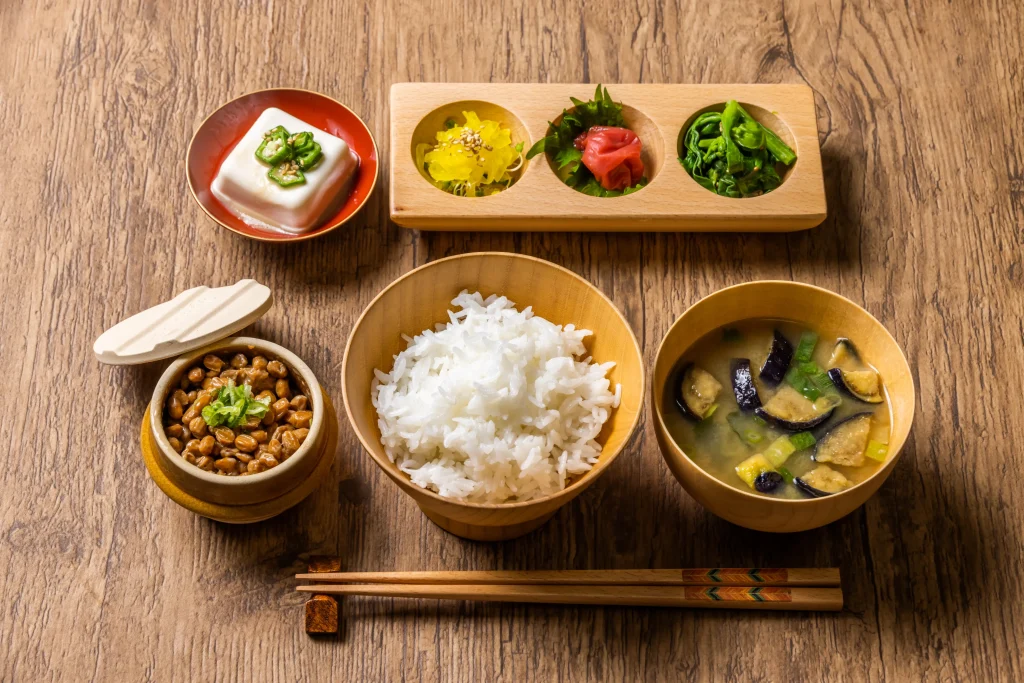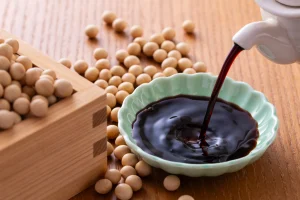
You have probably eaten Japanese fermented food without realizing it: the miso soup before a meal, the soy sauce at the table, the pickles beside the rice, the sake at dinner. This guide covers the ferments Japan is known for, what they taste like, what the health claims really mean, and how to start.
Fermentation Sits at the Base of Japanese Cooking
Fermented food in Japan is not a special health category in a separate aisle. It is closer to the base layer of how a lot of Japanese cooking tastes. Four ideas cover most of it: preservation for hot, humid summers; the deep savory taste called umami; everyday home cooking; and regional identity, since each area built its food around what it could make and store. You meet most of it without having to put effort in it, in soup, sauce, and the small dishes that come with a set meal. Instead of diving into all kinds of fermented food from the start, it may be better to start with the most common ones first.
Koji: The Mold Behind Miso, Soy Sauce, and Sake
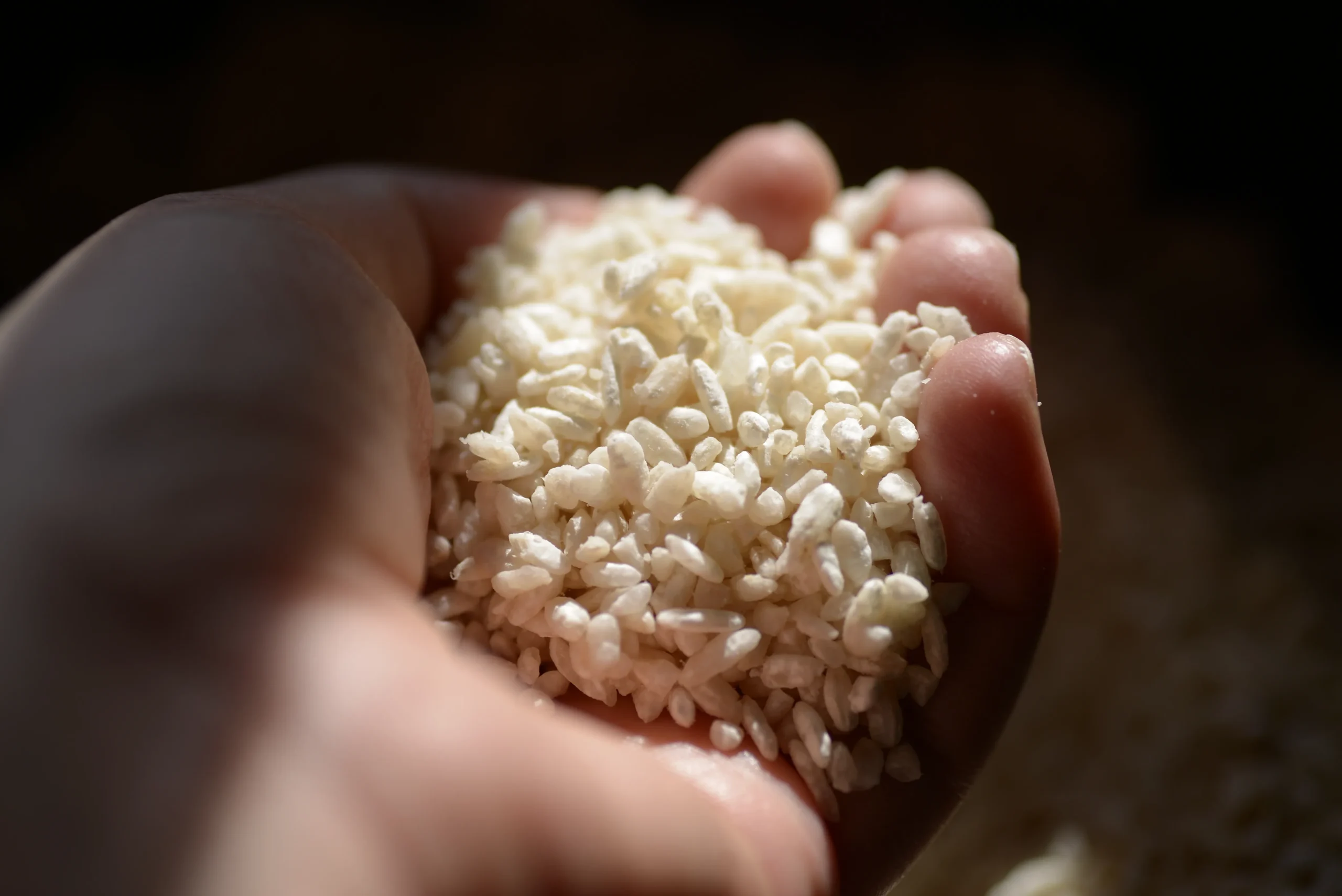
If one thing ties Japanese fermented foods together, it is koji: a grain, usually steamed rice but sometimes soybeans or barley, grown with a friendly mold called kōji-kin. As the mold grows, it makes enzymes that break starch into sugar and protein into amino acids. That single process is why so many staples taste as they do, the sugars giving sweetness and the amino acids giving umami.
Once you know that, foods that look unrelated line up. Miso, soy sauce, mirin, sake, sweet amazake, and shio-koji all start from the same cultured grain. Amazake is a drink made of cooked rice fermented with koji. It tastes sweet because koji has turned rice starch into sugar. Shio-koji is koji blended with salt and water into a paste, and works very well as a marinade that makes meat and fish more tender and gives a savory and slightly sweeter taste than normal salt.
The tradition runs deep: in 2024 UNESCO added the skills of sake-making with koji mold to its list of intangible cultural heritage.
Reference: Sake-making with koji mold – UNESCO
Read more:How Japanese Sake Is Made Along With Its Unique Flavors
The Everyday Fermented Foods You Already Know
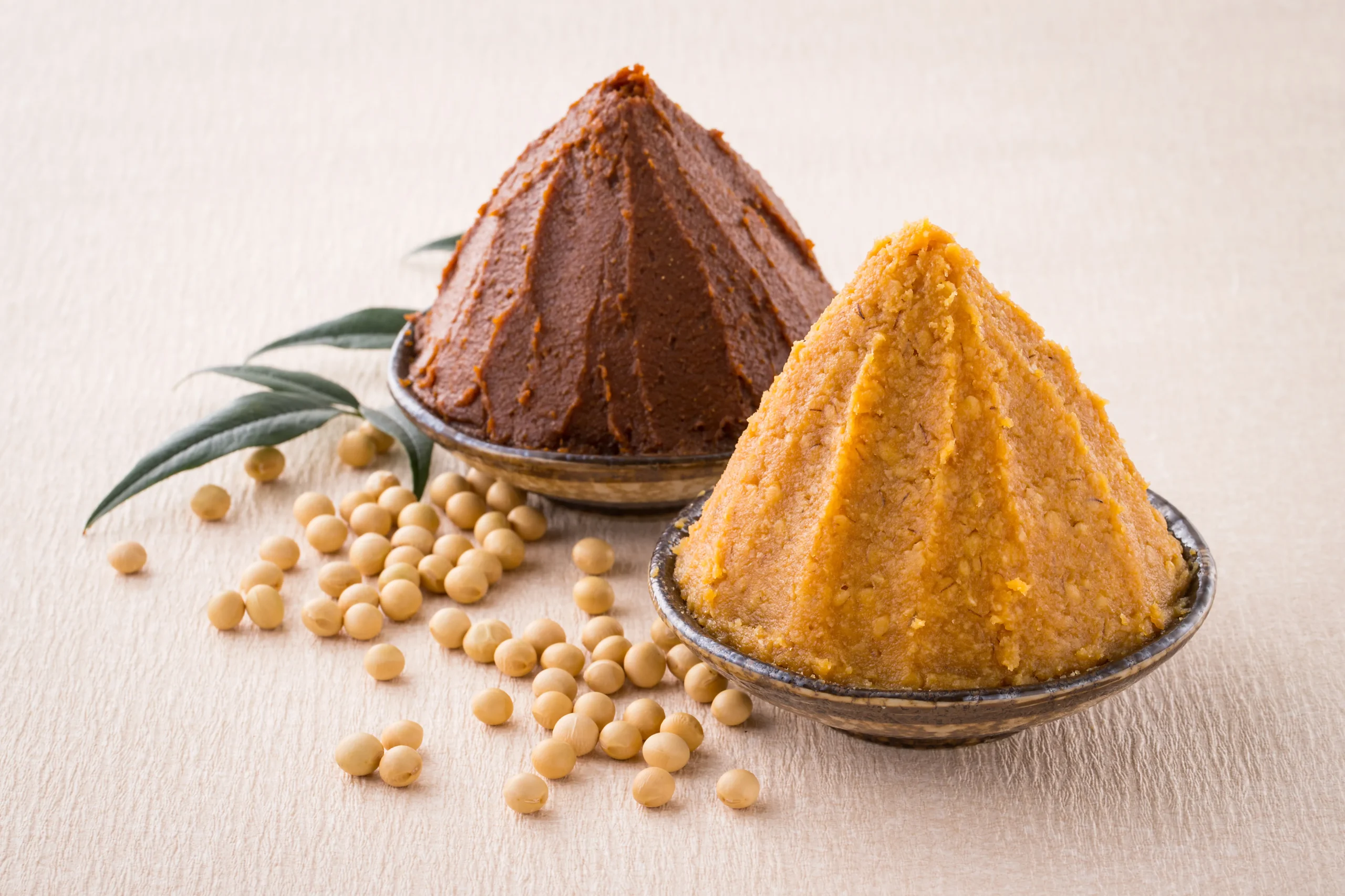
The easiest place to begin is the ferments you may already half-know. Miso, a paste of fermented soybeans and koji, shows up as soup, as a glaze on grilled fish or vegetables, and in marinades. White miso is milder and slightly sweet, red miso stronger and saltier, a difference you notice at the table.
Soy sauce is the other constant. It reads as salty at first, but fermentation gives it an aroma and depth plain salt never has, which is why it sits beside sushi, grilled dishes, and simmered ones almost everywhere. Mirin is in the same family: a sweet fermented seasoning that gives simmered food its gloss and a rounded flavor rather than a sharp sugar hit.
Then there is katsuobushi, dried and often smoked bonito fish shaved into thin flakes. The traditional form is cultured with mold in stages, which is part of why dashi, the essential savory soup base used in almost all Japanese cooking, tastes so deep.
Reference: Soy sauce, miso, and seasonings – MAFF
Tsukemono: Japanese Pickles, Fermented and Not
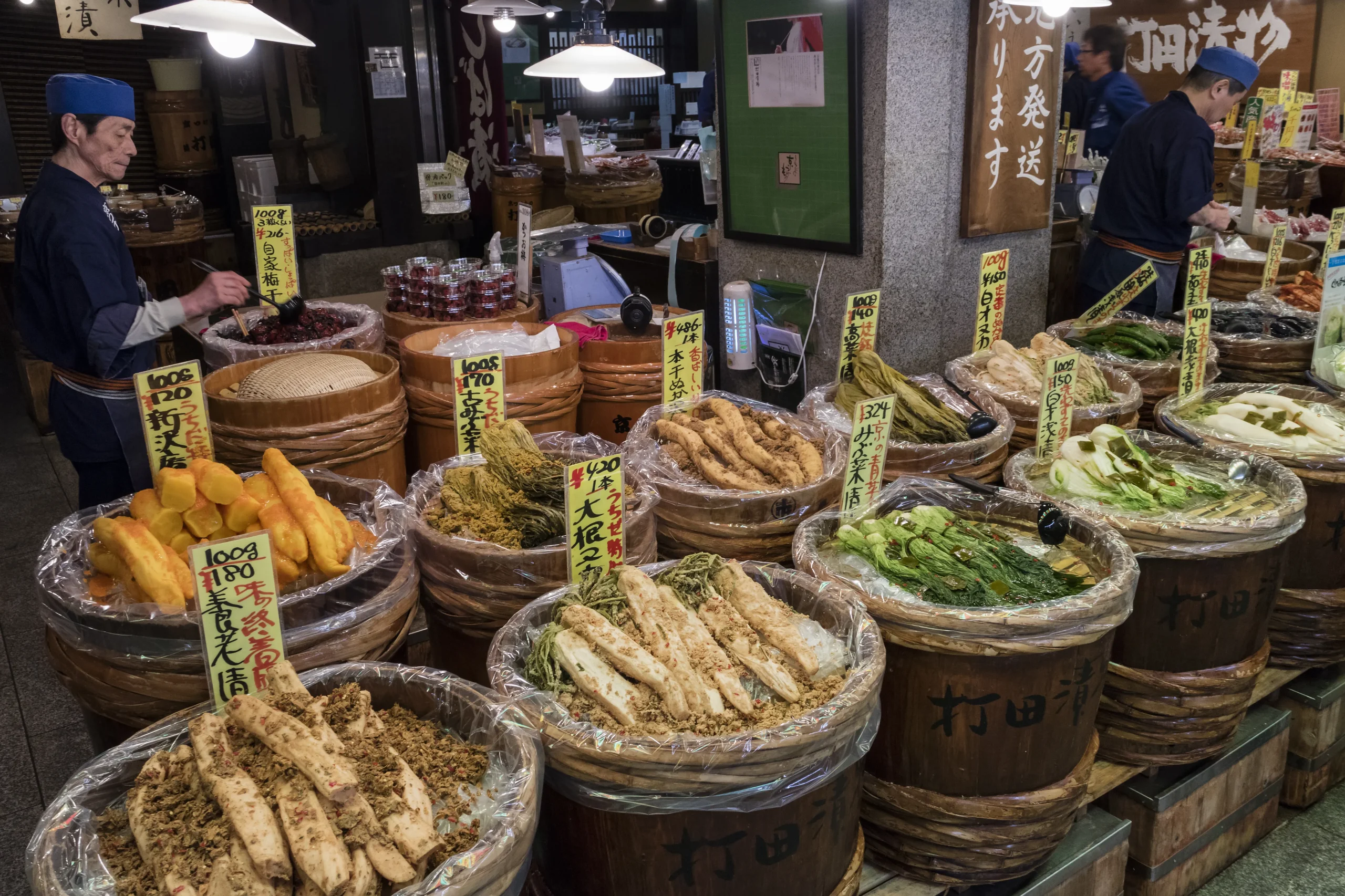
Tsukemono, Japanese pickles, are the small plates that hold a meal together. Not all of them are fermented. Some are simply salted or vinegared; others rely on living microbes or on fermented ingredients like rice bran, sake lees, or miso.
The clearest fermented example is nukazuke, vegetables buried in a bed of fermented rice bran. Cucumber, daikon radish, carrot, and eggplant come out sour, salty, and a little earthy, surprising at first but good with rice. Narazuke, a Nara specialty, goes the other way: gourd, cucumber, and daikon are pickled in sake lees, the soft solids left from brewing, then re-pickled in fresh lees until the flavor turns rich and faintly boozy. Beyond these, you will find a vast array of regional pickles across Japan. From the smoky iburigakko of the snowy north to the mountain sunki pickles of Nagano. Trying these local specialties rewards curiosity more than caution.
Reference: Pickled – MAFF
Natto: Strong at First, Easy to Love Later
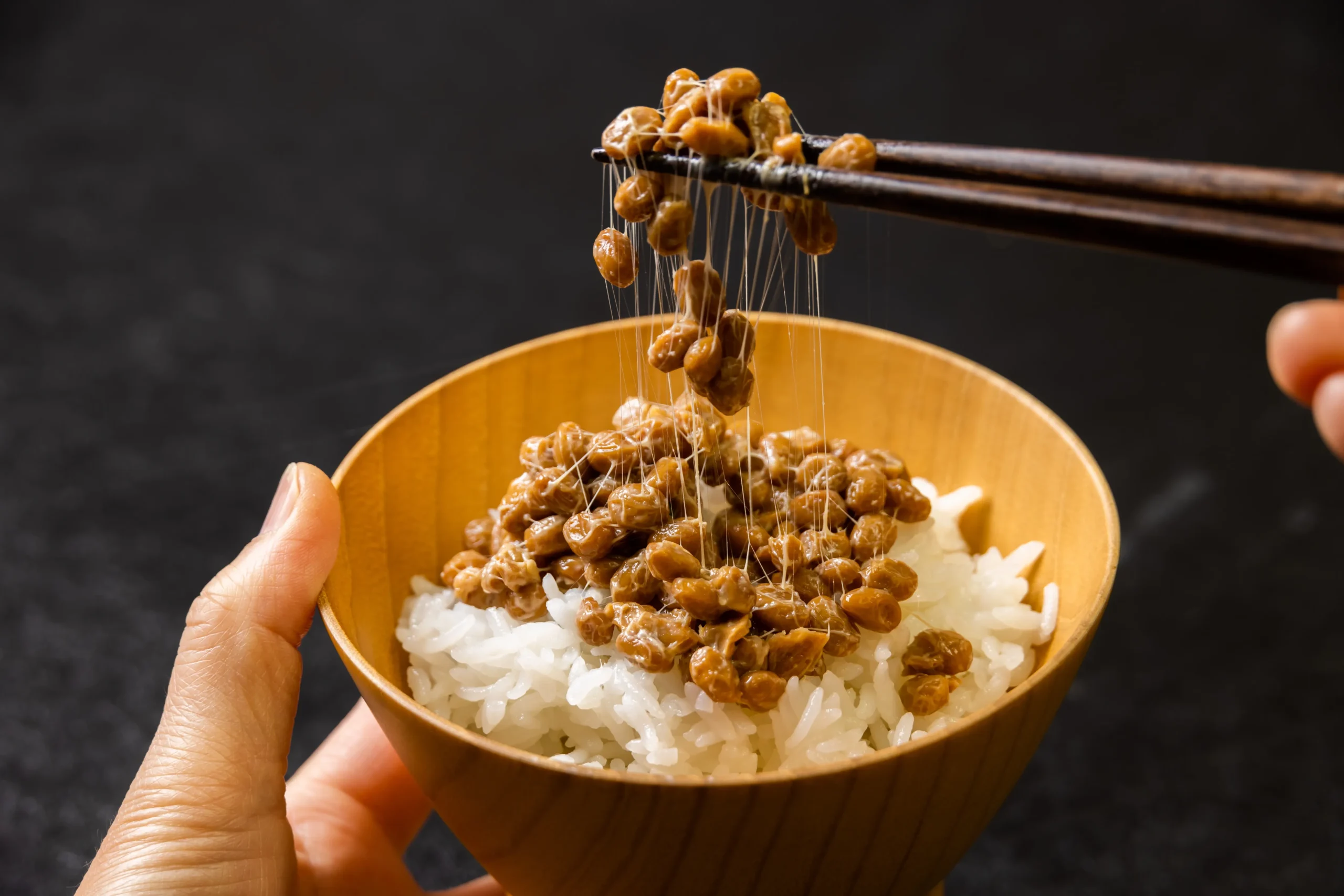
Natto deserves its own section, partly because it is the ferment most likely to test a newcomer. It is fermented soybeans, sticky and stringy, with a strong smell and a deep, beany flavor. Plenty of people bounce off it the first time and come around later.
For a fair try, start small: a little natto over warm rice with chopped green onion, a dab of mustard or wasabi, and the soy-based sauce that comes with it in the pack. A raw egg stirred in softens everything. Kuromame natto, natto made from black soybeans, tastes rounder and fuller, and many find it easier with rice.
In recent years natto is gaining traction because of nattokinase, an enzyme made during fermentation. Some studies look at its effect on blood pressure and other heart markers, but the evidence is still limited. Make sure to always consult your health professional first before taking supplements.
Reference: Nattokinase – Memorial Sloan Kettering Cancer Center
Bolder Ferments: Fish and the Roots of Sushi
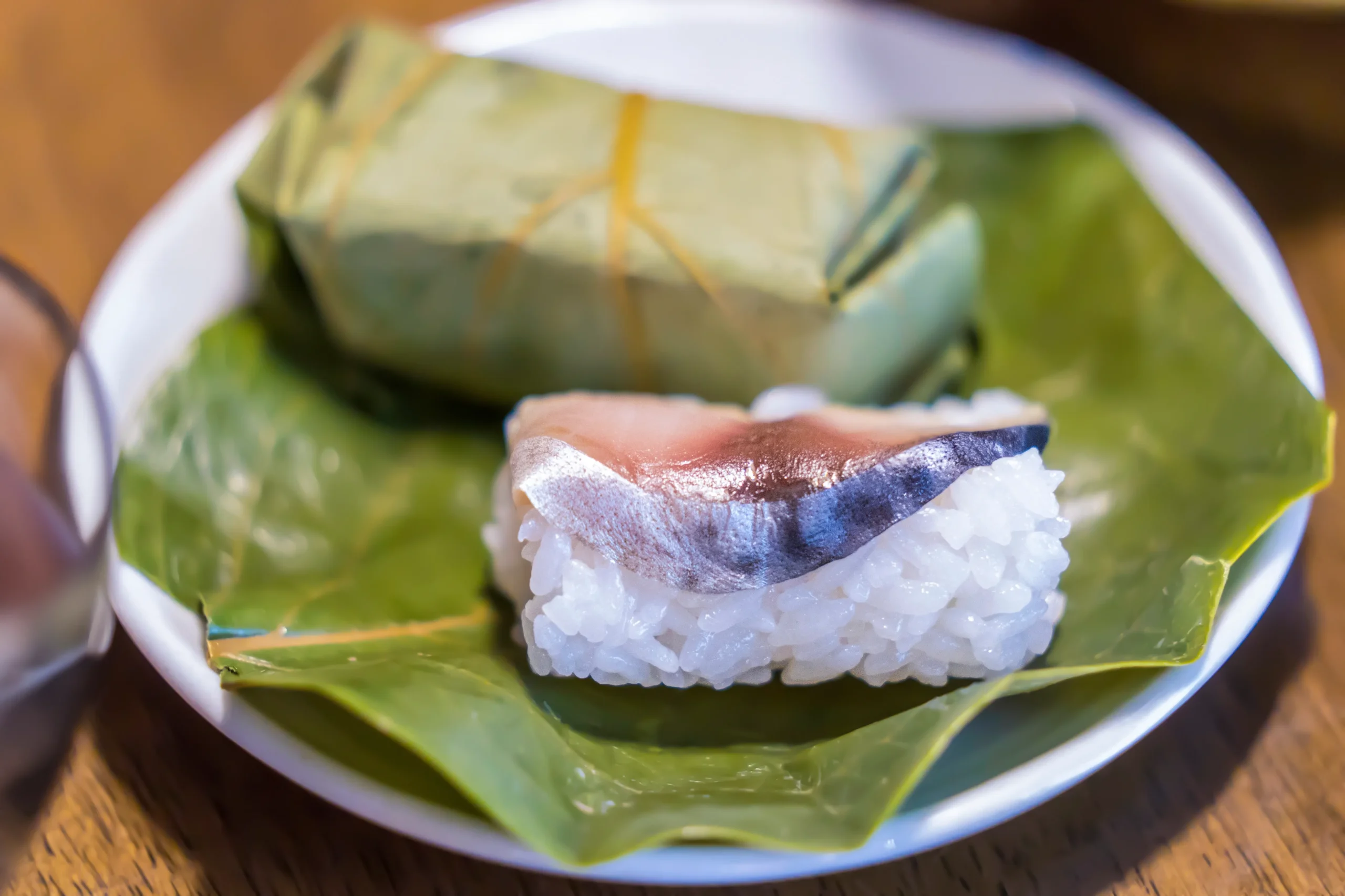
Japan also has bolder ferments, which is worth trying if you are into rare fermented foods. Salted, fermented seafood like shiokara, the pungent dried fish of kusaya, and old-style fermented sushi such as funazushi and narezushi sit at the intense end. Narezushi is worth knowing because it is a distant ancestor of today’s sushi, from a time when fermenting fish with rice was mainly a way to preserve it.
One dish that is not exactly fermented but is a good start to prepare your palette for fermented fish is kakinoha-zushi, salted fish (mostly mackerel) and vinegared rice wrapped in a persimmon leaf. It belongs to Japan’s preserved-food tradition and is widely available at stations and roadside stops, an easy, sour-savory bite on a long trip.
Reference: Narezushi – MAFF
Read more:Sushi in Japan: Guide: Complete Guide on Types of Sushi and History
Health Benefits: Helpful, but Not Magic
Search “Japanese fermented foods” and you will find plenty of health promises. The grounded version is more useful. One large Japanese cohort study followed 92,915 adults aged 45 to 74 for about 14.8 years and found that higher intake of fermented soy products, including natto and miso, was associated with lower all-cause mortality. Natto intake was also inversely associated with cardiovascular disease mortality. Still, this was observational research, so it currently cannot prove that natto or miso directly prevents disease.
Reference: Association of Soy and Fermented Soy Product Intake with Mortality – The BMJ / PubMed
Researchers are also interested in how fermented foods affect the gut, but findings vary by food. Not every ferment carries live cultures into your body. Miso soup is usually heated, many products are pasteurized, and bacteria do not always survive processing or storage.
Salt and alcohol matter too. Miso, soy sauce, and many pickles are high in salt. Amazake is sweet without added sugar, but still brings carbohydrates. Sake is fermented, but it is alcohol, not a tonic. Natto is nutritious, yet the claims around nattokinase are far from settled. At the end of the day, Japanese fermented foods are an invitation to elevate your cooking and experience. They aren’t a cure-all, but they are a meaningful, time-honored way to bring both health and depth to your table.
Reference: Fermented Foods, Health and the Gut Microbiome – Nutrients / NIH-PMC
Where to See Fermentation Being Made in Japan
Tasting is one thing; seeing how these foods are made adds another, and several places fold easily into a trip. Nagoya, leans hard into fermentation: miso, soy sauce, mirin, vinegar, sake, and pickles are all made nearby, and Aichi prefecture runs a portal pulling them together. Okazaki is home to Hatcho miso, a dark soybean miso aged in wooden vats, made by long-running producers beside the old castle town.
Reference: Aichi – Prefecture of Umami Fermented Foods Portal
Read more:Factory Tours in Japan: Where Monozukuri Becomes Visible
Soy sauce has its own destinations. The Kikkoman Soy Sauce Museum in Noda, near Tokyo, walks visitors through the brewing stages by reservation, and on Shodoshima island the Marukin Soy Sauce Museum brings you close to the moromi, the fermenting mash. Sake regions are just as visitable: Fushimi in Kyoto, with its brewery streets and canals, and the Nada district in Kobe both keep brewery museums open to the public.
Some areas run miso-making and other fermentation workshops, though language support and season vary, so check official tourism and facility pages before planning around one.
Read more:Niigata: One of Japan’s Top Sake Regions – 4 Local Brews You Shouldn’t Miss
How to Bring Fermented Foods Into Daily Life
You do not need to become a fermentation hobbyist to enjoy any of this; the simplest path is to buy what is already made. Miso becomes soup, dressing, or a marinade in minutes. A small splash of soy sauce or mirin lifts stir-fries, simmered vegetables, and glazes. Tsukemono works with plain rice or as a snack. Natto is a quick rice bowl with green onion and mustard. Amazake makes a warm drink on its own, or can become a chai-like cup with tea and cinnamon, or a sweet base when stirred into yogurt.
Shio-koji, sold in supermarkets, is the gentlest way into cooking with koji: spread a little on meat, fish, tofu, or vegetables before cooking. To go further, dried rice koji lets you make your own amazake or shio-koji. But make sure to be cautious since home fermenting needs care with cleanliness, temperature, and storage. Outside Japan, Asian grocers and online shops are the usual sources.
Let Fermentation Change How You Taste Japan
Following that thread through a region, perhaps by tasting a village’s distinct miso or visiting a centuries-old brewery, is a completely different way to experience the country. It transforms the trip from sightseeing into a personal discovery of craft and culture. It is this kind of immersive, flavor-led experience that defines an ENJYU JAPAN Tailor-Made Tour. If food is part of why you travel, let fermentation be the guide for your next journey.