Nagano is often searched as if it were one destination, but its best experiences are spread across the whole prefecture: Matsumoto’s castle town, Azumino’s wasabi fields, Karuizawa’s highland streets, Kamikochi’s alpine scenery, and winter villages known for skiing and onsen. This guide focuses on the best places in Nagano Prefecture, helping you choose what is worth your time and how to fit it into a realistic Japan itinerary.
First, Think of Nagano as a Prefecture, Not Just a City
Nagano City has value, especially around Zenkoji Temple, but many of the strongest things to do in Nagano are outside the city. Matsumoto and Azumino sit toward the west, Karuizawa lies to the east, Kamikochi reaches into the Northern Alps, and Hakuba, Nozawa Onsen, and Jigokudani each pull the route in a different direction.
Getting from Tokyo to Nagano or Karuizawa by shinkansen is fairly straightforward. Moving between prefecture-wide highlights takes more thought, because mountains, basins, seasonal buses, and limited transfers shape the route. A better question than “What should I see in Nagano?” is “Which Nagano area fits this trip?”
Walk Through Matsumoto: Castle, Streets and Mountain Views
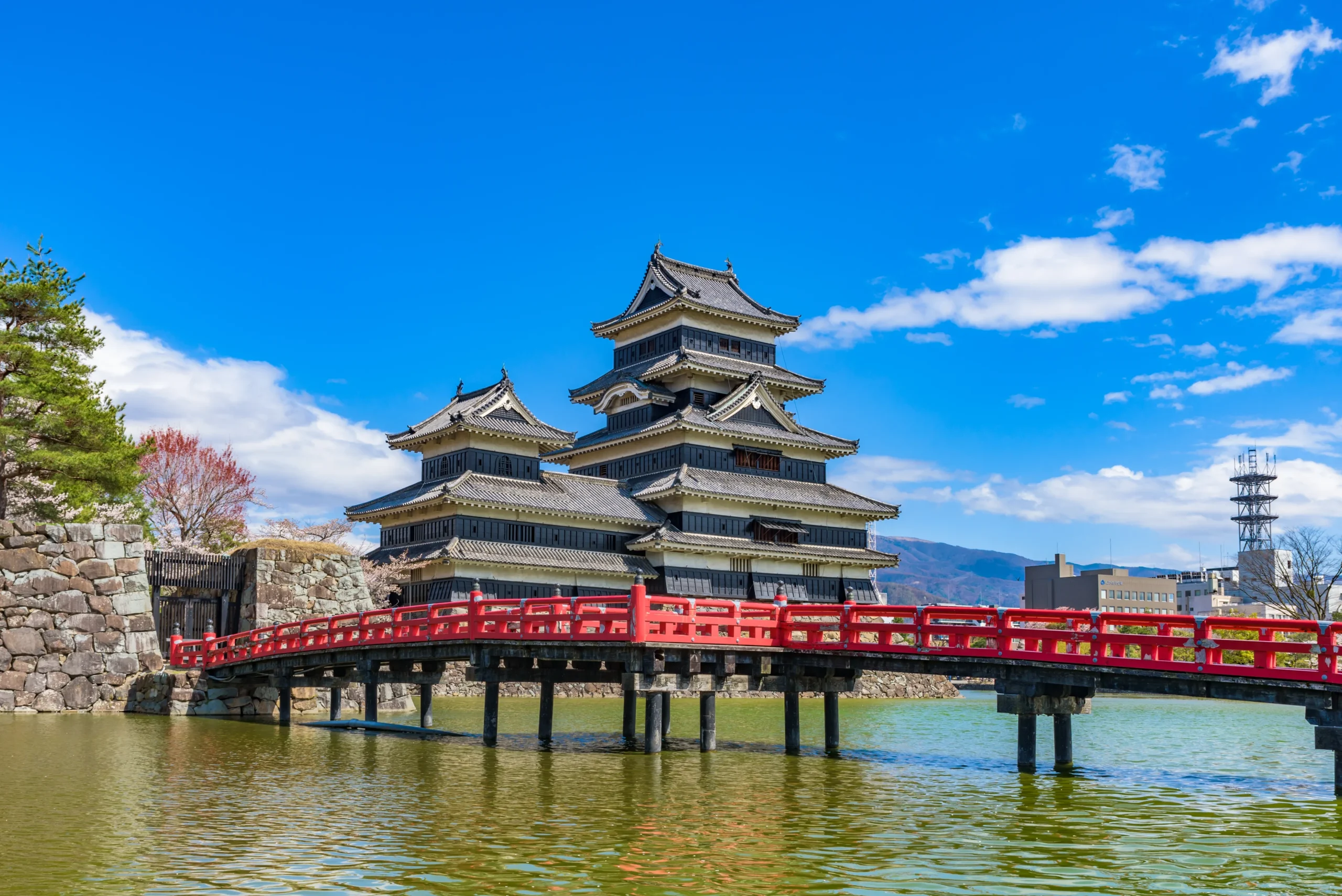
Matsumoto is one of the easiest places to recommend for a first Nagano trip. The center is walkable, the station is convenient, and Matsumoto Castle gives the area a strong visual anchor. Officially designated a National Treasure, the dark wooden keep looks especially sharp when the Northern Alps are visible in the distance.
Entering the keep means climbing steep wooden stairs, so it may not suit every traveler equally. Matsumoto also works well as a base: spend half a day around the castle, then continue toward Azumino or Kamikochi.
Slow Down in Azumino: Wasabi Fields, Rice Paddies and Art Museums
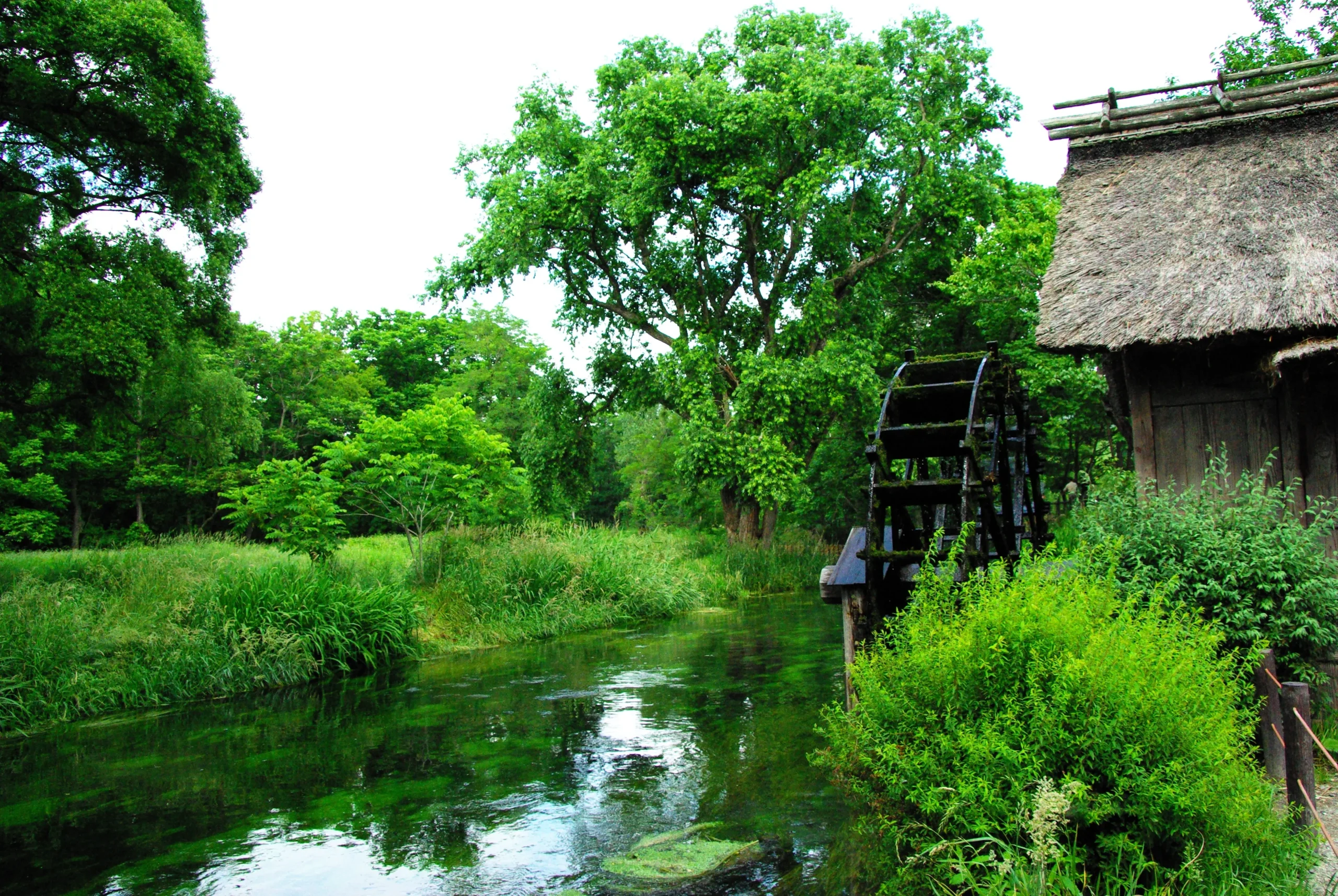
Azumino is quieter than Matsumoto, and that is exactly why it works. The area sits at the foot of the Northern Japan Alps, with water flowing down from the mountains into fields, streams, and wasabi farms. The official travel guide describes Azumino as Japan’s largest wasabi town, supported by abundant spring water and cool temperatures.
Daio Wasabi Farm is the most natural place to start for many visitors. Its appeal changes with the season, so it is better approached as a landscape and working farm than as a fixed “must-see” attraction. On the right day, the green leaves, clear water, and black sunshades make wasabi feel like a living crop rather than the green paste on a plate.
Azumino also has a gentle art-and-countryside side. Museums, galleries, rice fields, mountain views, bakeries, and small cafés give the region a lived-in pace. A car helps here, though cycling can be pleasant in good weather if you plan distances carefully.
Karuizawa: A Cool Highland Resort with a Mixed Cultural Texture
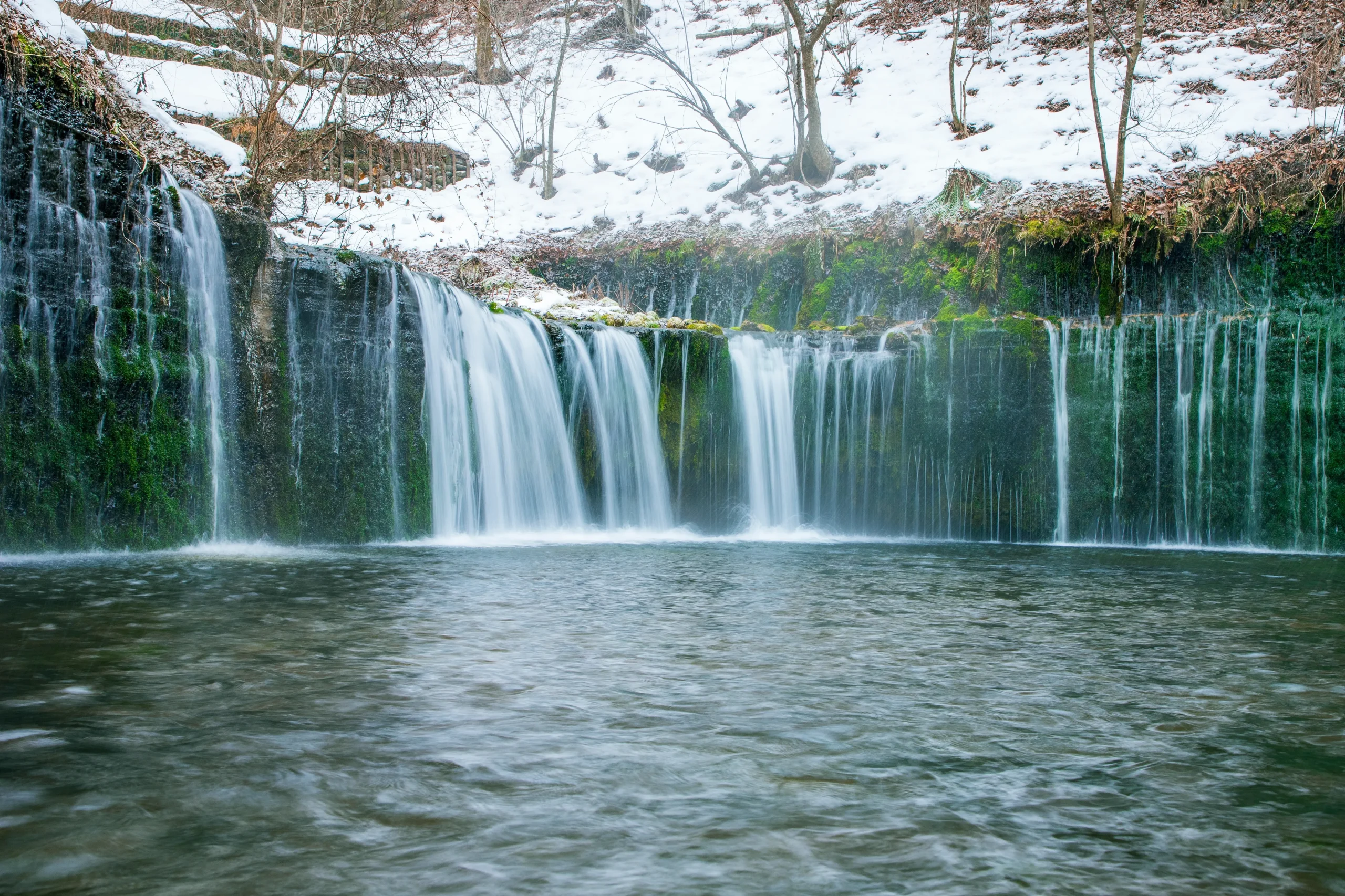
Karuizawa is one of Nagano’s most accessible escapes from Tokyo, and its identity is different from the mountain villages farther west. It became known as a summer resort after the Canadian-born missionary Alexander Croft Shaw visited in 1886 and later built a villa there. That early villa culture helped create Karuizawa’s layered mix of churches, trees, highland houses, cycling paths, and Japanese resort culture.
Karuizawa is especially appealing in summer, when travelers want relief from the heat without going deep into the mountains. It can be polished and busy around the station area, but the older resort history still gives it a distinct texture. With one extra day from Tokyo, it is easier to add than Kamikochi or Azumino.
Kamikochi: The Alpine Landscape Worth Planning Around
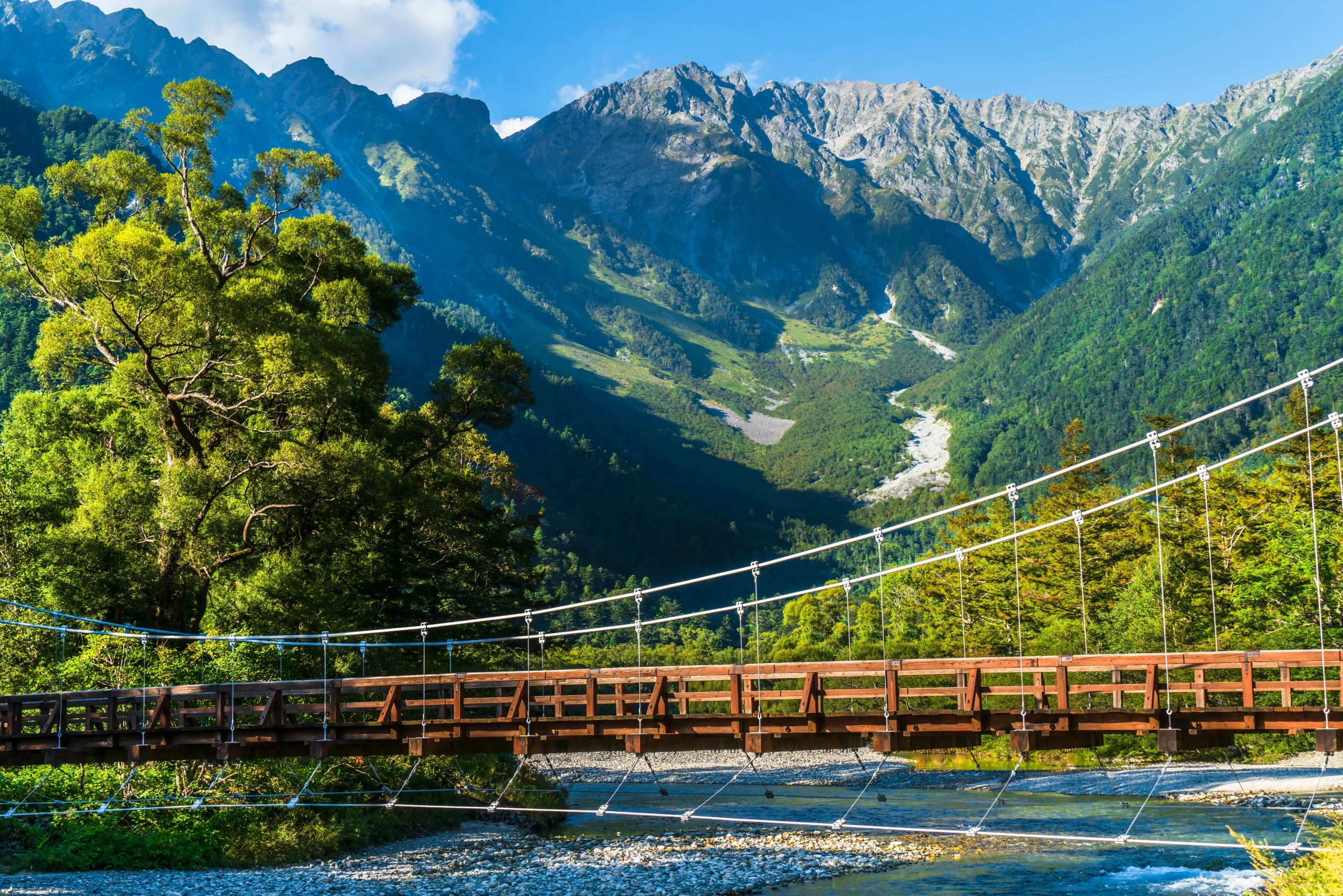
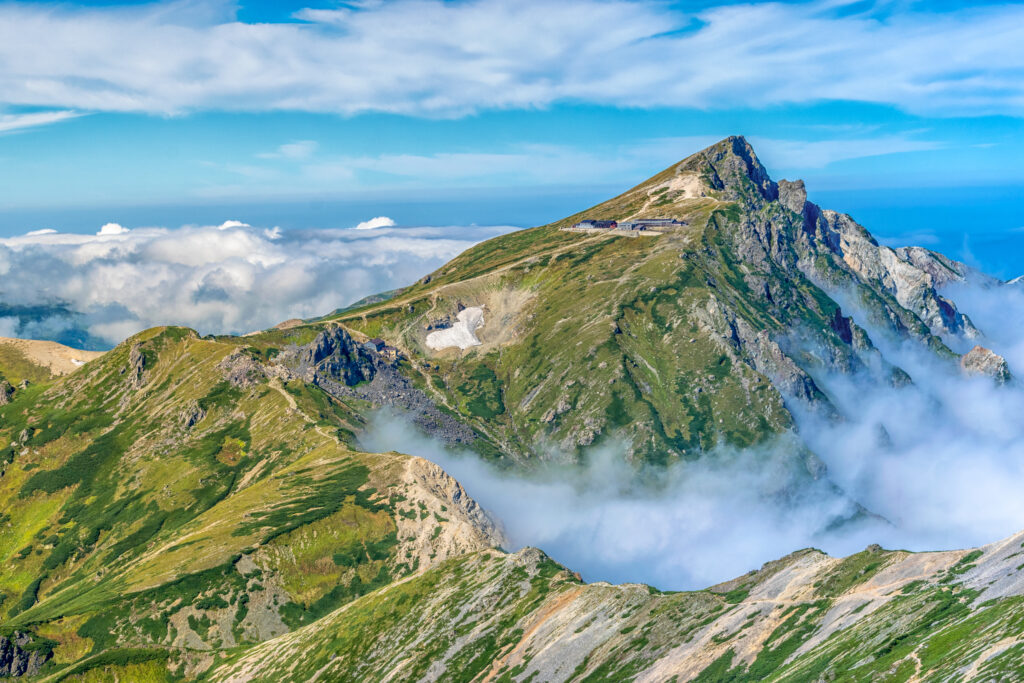
Kamikochi is the alpine landscape many travelers imagine when they think of Nagano’s mountains: the Azusa River, forested walking paths, and views toward the Hotaka range. It is beautiful, but it is not a place to squeeze casually between unrelated sights.
Access is the first thing to understand. The official Kamikochi site describes it as a “car-less” resort: private cars and motorcycles are restricted beyond the Kama Tunnel, so visitors transfer to shuttle buses or taxis. Even if you rent a car, you cannot drive all the way in.
A day trip is possible from Matsumoto, but it can feel long if you want to walk slowly. For many travelers, Kamikochi is better treated as the reason for the day, not a side stop.
Winter Nagano: Skiing, Snow Monkeys and Onsen Villages
Winter is the version of Nagano many people already know. Hakuba, Nozawa Onsen, and Shiga Kogen are major names for skiing, while onsen villages add a slower snow-country rhythm for travelers who do not ski every day. Hakuba feels large and alpine; Nozawa Onsen has a stronger hot-spring village atmosphere.
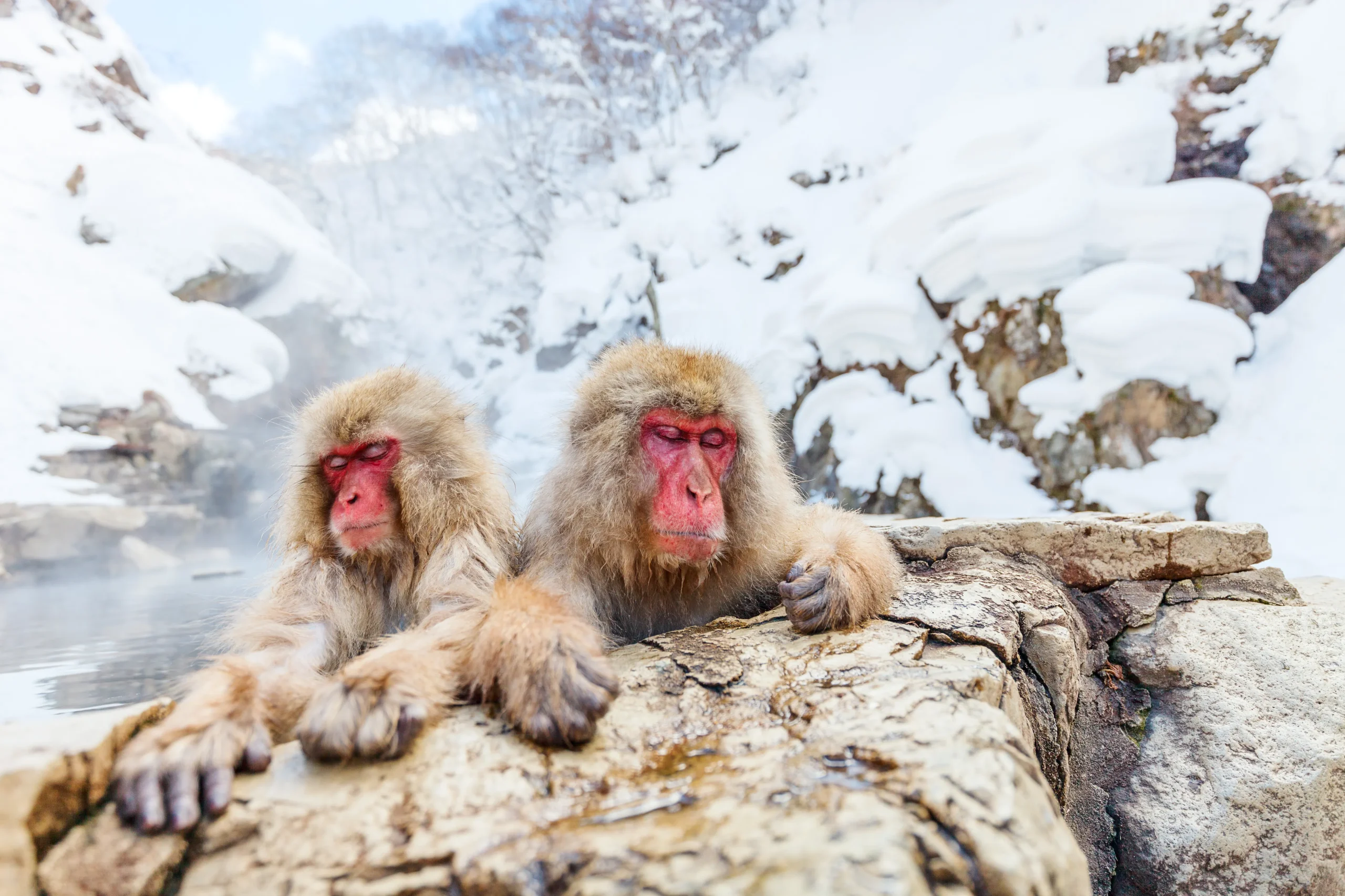
Jigokudani Yaen-Koen, often called the Snow Monkey Park, is another winter icon, but it should not be treated as a guaranteed postcard. The park’s official site notes that the wild Japanese macaques may not visit on certain days. Check before going, dress for snow or mud, and expect a walk to the park entrance.
Nagano City, Zenkoji and Togakushi: Best as a Northern Nagano Base
Nagano City is best understood as a gateway to northern Nagano rather than the only destination. Zenkoji Temple gives the city a meaningful historic center, and its official history traces its founding to 642.
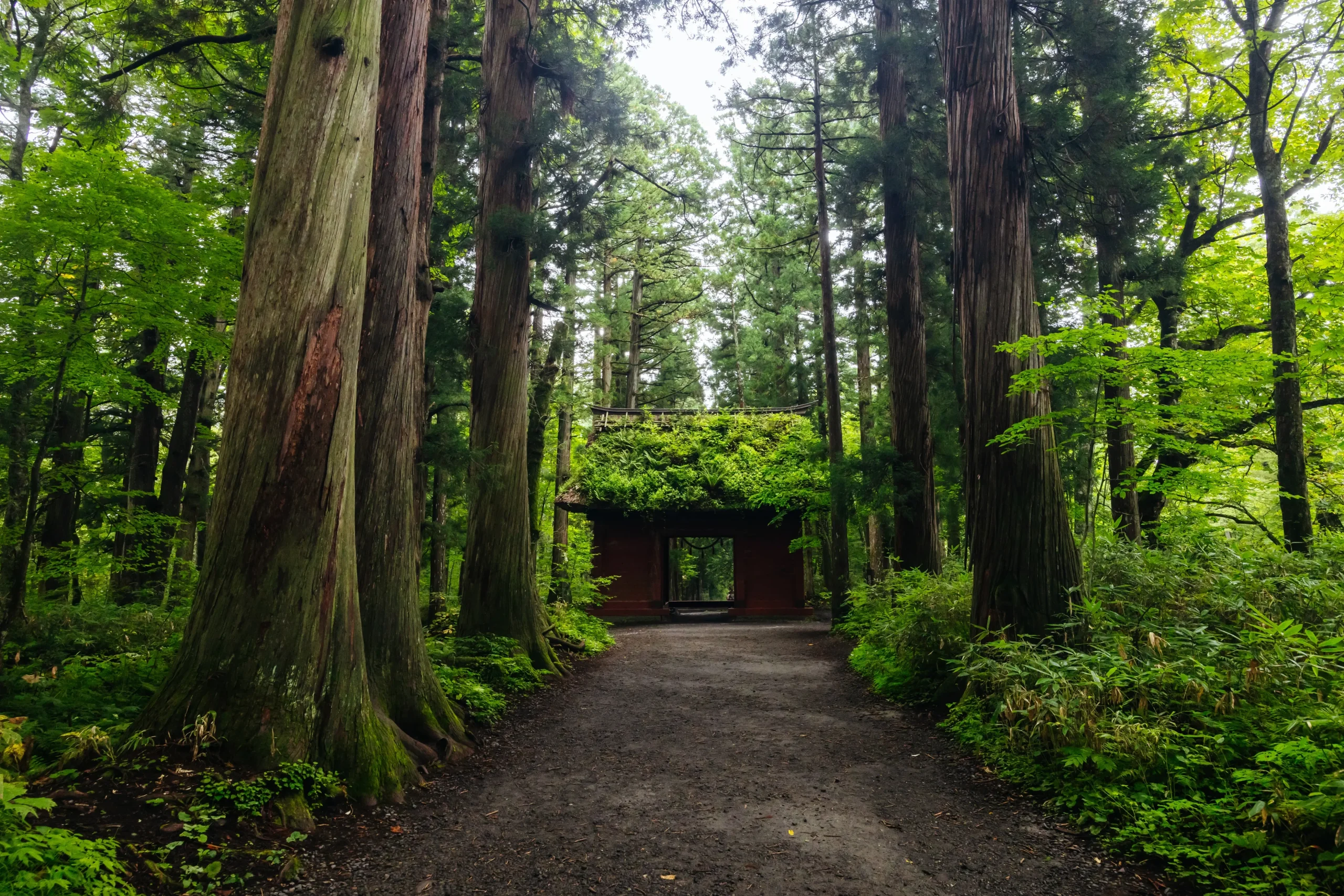
From Nagano City, Togakushi adds a different mood. Togakushi Shrine consists of five shrines connected with Mt. Togakushi and the Ama-no-Iwato myth, and the cedar-lined approach to Okusha is one of the area’s strongest walks. Buses, weather, winter access changes, and walking time all matter, so plan it as a proper day.
Reference: History of Togakushi Shrine – Togakushi Shrine
Which Base Should You Choose in Nagano?
Choosing a base is often more useful than ranking attractions.
| Base | Best for | Good fit for |
| Matsumoto | Castle, Azumino, Kamikochi access | First Nagano trip, culture + mountains |
| Nagano City | Zenkoji, Togakushi, Jigokudani | Northern Nagano route |
| Karuizawa | Summer retreat, cycling, easy Tokyo access | Short add-on or relaxed overnight |
| Hakuba / Nozawa Onsen | Skiing, snow scenery, onsen | Winter-focused travel |
The Kiso Valley is worth noting for slower trips. Post towns such as Narai and Tsumago sit along the old Nakasendo, the inland Edo-period route between Edo and Kyoto, and fit Matsumoto, Nagoya, or a wider central Japan route better than a quick stay in Nagano City.
How Many Days Do You Need in Nagano?
One day is enough for one clear highlight, not for the prefecture. Karuizawa or Matsumoto can work from Tokyo, while Zenkoji plus one nearby area may work from Nagano City. For a fuller trip, plan at least two or three days.
For a balanced first visit, consider Matsumoto, Azumino, and Kamikochi together, or Nagano City, Togakushi, and Jigokudani together. Mixing too many clusters usually creates too much transport time.
Getting Around Nagano Without Overpacking Your Itinerary
Nagano is not impossible without a car, but it asks for patience. Trains connect main cities and some resort areas, while buses handle mountain access and shrine areas. Schedules may be seasonal, and transfers can be limited.
A car helps in Azumino, around galleries, countryside viewpoints, and flexible food stops. In winter, mountain roads and snow conditions change the calculation. In bear country, especially near forests, Nagano Prefecture advises carrying a bell, radio, or whistle, avoiding early morning and evening activity, and turning back if you see bear signs.
Best Season to Visit Nagano Prefecture
Nagano is not only a winter destination. Spring suits castle towns and fresh green landscapes. Summer is strong for Karuizawa, Kamikochi, Hakuba’s green season, and escaping city heat. Autumn brings foliage, fruit, soba, and cooler walks. Winter is best for skiing, snow scenes, onsen villages, and the classic Snow Monkey Park image.
The season matters because Nagano is mountainous. A comfortable city day can still mean chilly mornings in the Alps, and a winter route that looks simple on a map may need more time because of snow. This is part of the region’s appeal, but it rewards planning.
What to Eat and Drink in Nagano
Nagano’s food makes sense once you think about altitude, water, cold winters, and mountain agriculture. Look for soba, oyaki (stuffed dumplings), wasabi, apples and other fruit, local vegetables, sake, and wine. Local specialities are part of the experience, but even normal vegetables and fruit taste fuller thanks to its climate and natural water reserves. In Azumino, clear mountain water connects naturally to wasabi, while produce and wine are part of the wider regional landscape.
Final Thoughts: Let Nagano Fit Your Trip, Not the Other Way Around
Nagano is at its best when you choose a route, not a pile of attractions. A Matsumoto–Azumino–Kamikochi trip feels completely different from a Karuizawa retreat, a Hakuba ski stay, or a northern route through Zenkoji, Togakushi, and Jigokudani. That variety is the point, but it also means planning matters more here than in Japan’s big cities.
Because Nagano’s best places are spread across valleys, highlands, mountain roads, and seasonal transport routes, this is exactly the kind of region where thoughtful planning makes the trip calmer. ENJYU JAPAN can shape Nagano into a Tailor-Made Tour that fits your wider Japan itinerary, your pace, your transport style, and the season you are traveling in.