Japan’s most memorable moments are not always in front of a landmark. Sometimes they happen behind a safety window, watching a production process run with quiet, utmost precision.Factory tours turn “made in Japan” from a label into something you can actually feel: the clean lines, the choreography, the small decisions that accumulate into quality.
This guide covers Golden Route-friendly tours that are genuinely bookable and explains what to expect before you go. They also offer something that ordinary sightseeing often cannot: a clear look at how everyday products, regional identity, and Japanese ideas about craft come together in visible, physical form.
Why factory tours in Japan feel different from ordinary sightseeing
The Japanese concept of monozukuri (roughly translated as “the art of making things”) goes beyond efficiency. It refers to a mindset: continuous improvement, pride in craft, and a strong sense of responsibility toward quality at every step. A factory tour in Japan is one of the clearest ways to see that mindset in practice rather than read about it. You notice it in small things: the rhythm of movement on a line, the way tools are arranged, the care taken with packaging, or the patience behind a process that cannot be rushed.
It helps to think of these experiences as four types: working production lines, company museums, hands-on workshops, and live craft demonstrations. Some facilities offer only one; others combine several. The distinction matters because production lines do not always run. Knowing which type you are booking shapes your expectations before you arrive. Some of the most rewarding visits are not the biggest or most famous, but the ones where the process is easiest to follow and the result feels connected to place.
Facilities that include tasting, drinking, or making something tend to leave the strongest impressions. When a process ends with something you can eat or hold, the visit becomes a memory rather than a field trip. The tours below were selected with that in mind.
Tokyo and Yokohama: An Easy Start
CUPNOODLES MUSEUM Yokohama
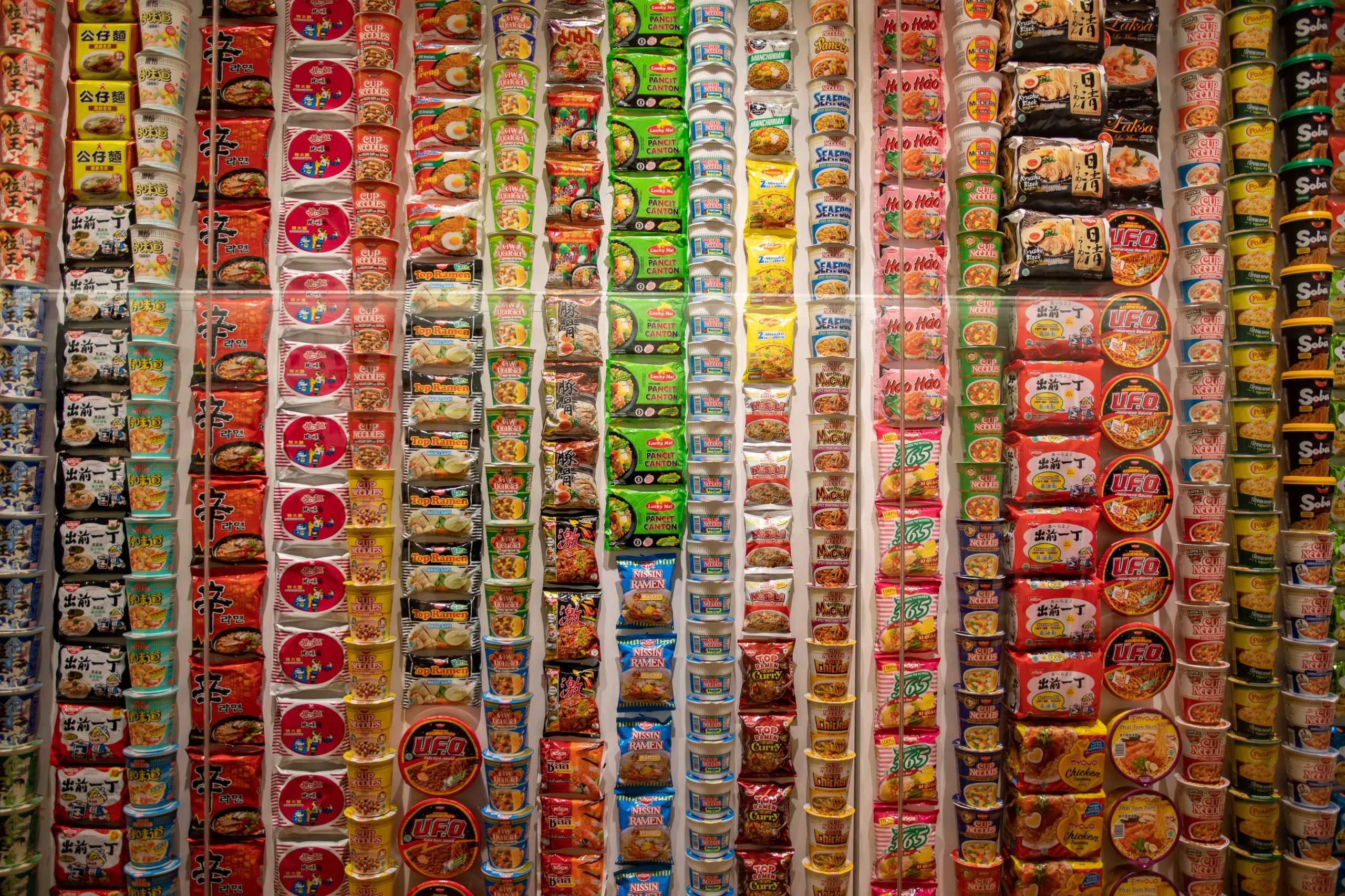
The CUPNOODLES MUSEUM Yokohama is one of the most visitor-friendly industrial experiences in Japan. The permanent exhibition traces the invention of instant noodles from a single backyard shed in 1958 to a global product, and the My CUPNOODLES Factory lets you design and fill your own cup noodle in about 45 minutes for 500 yen.
The Chicken Ramen Factory, where participants hand-make noodles from flour, requires advance booking and tends to fill quickly.
From central Tokyo, Yokohama takes roughly 30 minutes by train, making this a realistic half-day addition to the start of a Golden Route trip.
Reference: CUPNOODLES MUSEUM Yokohama
Glicopia CHIBA
Glicopia CHIBA, run by the confectionery company Ezaki Glico, offers a guided 70-minute tour of its working factory that includes a low-temperature storage room and production line sections. The experience has a real industrial atmosphere, which not every tour museum can claim.
That said, Glico is upfront about its limitations: the facility is car-recommended, taxis are scarce, and arriving 15 minutes late may result in the tour being cancelled. If the line is not running on your visit day, the tour shifts to video content instead. These are honest constraints, and knowing them in advance prevents disappointment.
Reference: Glicopia CHIBA (Official Website, Japanese)
Aichi and Nagoya: The Monozukuri Heartland
The Nagoya area sits at the geographic and industrial center of Japan’s manufacturing identity. Three very different experiences are within reach here. That range is part of what makes Aichi so compelling. In the same region, you can move from large-scale industrial thinking to slower traditions of fermentation and preservation, and see how both belong to the same broader culture of making.
MIM MIZKAN MUSEUM
MIM MIZKAN MUSEUM in Handa, about 40 minutes from Nagoya by train, tells the story of Mizkan’s rice vinegar production through guided courses with set times, capacities, and booking requirements. The museum connects fermentation, trade history, and the Chita Peninsula in a way that feels genuinely local rather than generically educational.
Reference: MIM MIZKAN MUSEUM
Hatcho Miso no Sato
Hatcho Miso no Sato in Okazaki is one of the more unexpected stops on any Golden Route itinerary. Hatcho miso is a dense, deeply fermented soybean paste aged for at least two years in large wooden barrels stacked with river stones, a method largely unchanged for centuries. Individual visitors can join a tour on a walk-in basis without prior reservation, which makes it unusually easy to slot into a flexible itinerary. The tasting at the end is included.
Reference: Hatcho Miso no Sato Factory Tour – Kakukyu (Official Website, Japanese)
Green Cycle Corporation (SONY)
Green Cycle Corporation, part of the Sony group, runs free factory tours at its Nagoya recycling plant on weekdays. The tour follows used electronics from manual disassembly through crushing and automated material sorting, with viewing decks and monitors explaining each stage. It is one of the few factory tours in Japan that frames industrial processes through the lens of resource recovery, which gives it a distinct texture compared to food and beverage visits. This one is worth looking up if your group includes people less interested in tasting experiences.
Reference: Recycling Plant Tours – SONY (Official Website, Japanese)
Toyota Kaikan Museum
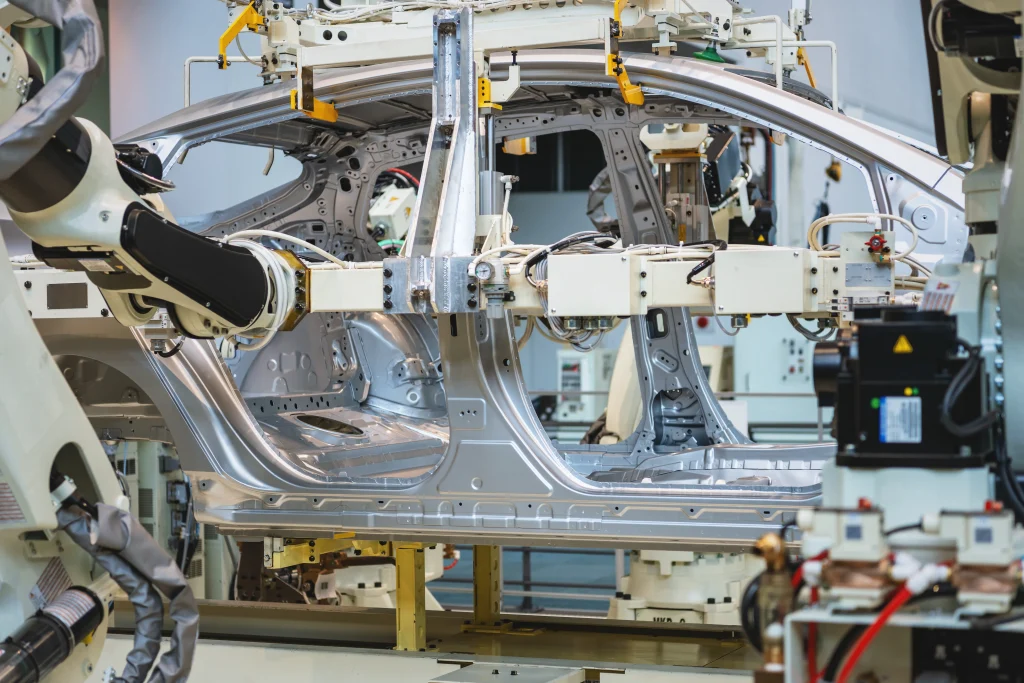
The Toyota Kaikan Museum is one of the most famous factory tours in the region. Currently the factory tours of the main Toyota City plant are suspended, but the museum itself remains open and covers Toyota’s production philosophy, vehicle development history, and includes a virtual factory tour component. It is not the same as watching a production line move, but the overview of the Toyota Production System (TPS), the lean manufacturing framework that influenced factories worldwide, provides insights that most car museums do not bother explaining.
Reference: Toyota Kaikan Museum
Kyoto and Osaka: End Strong
If Aichi shows manufacturing in its broadest sense, Kansai brings the article to a more sensory finish through brewing, distilling, and long-established craft traditions.
Asahi Beer Museum
Asahi Beer Museum at the Suita Plant in Osaka runs guided tours of about 90 minutes, moving from a video introduction through the brewing facility to a tasting session at the end. The structure is common to brewery visits, but the progression works: understanding the process makes the final glass feel earned rather than incidental. Reservations are required.
Reference: Asahi Beer Museum (Official Website, Japanese)
Suntory Yamazaki Distillery
Suntory Yamazaki Distillery, operated by Suntory and located between Kyoto and Osaka, is one of Japan’s oldest and most respected whisky distilleries. The honest word of warning is that demand far exceeds capacity. Tour reservations open through a lottery system, and getting a slot requires planning months in advance and some luck. A sake alternative worth knowing: Sawanoi Brewery in Okutama, west of Tokyo, offers reservation-based tours with tasting in a river valley setting, a different mood entirely, and more reliably bookable.
Reference: Suntory Yamazaki Distillery
Craft Alternatives for Non-Food Itineraries
For travelers who want less food and drink and more craft, two Osaka-area stops are worth adding.
Sakai Traditional Crafts Museum
Sakai Dentoshokan (Sakai Traditional Crafts Museum), in Sakai City, hosts free knife-sharpening demonstrations by local craftspeople on scheduled dates with no reservation required. Sakai has produced kitchen knives used by professional chefs across Japan for over 600 years, and watching a blade worked on a wet stone is a short but genuinely absorbing experience.
Read More: From Samurai Swords to Kitchen Knives: Japan’s Knife-Making Culture
Nishijin Textile Center
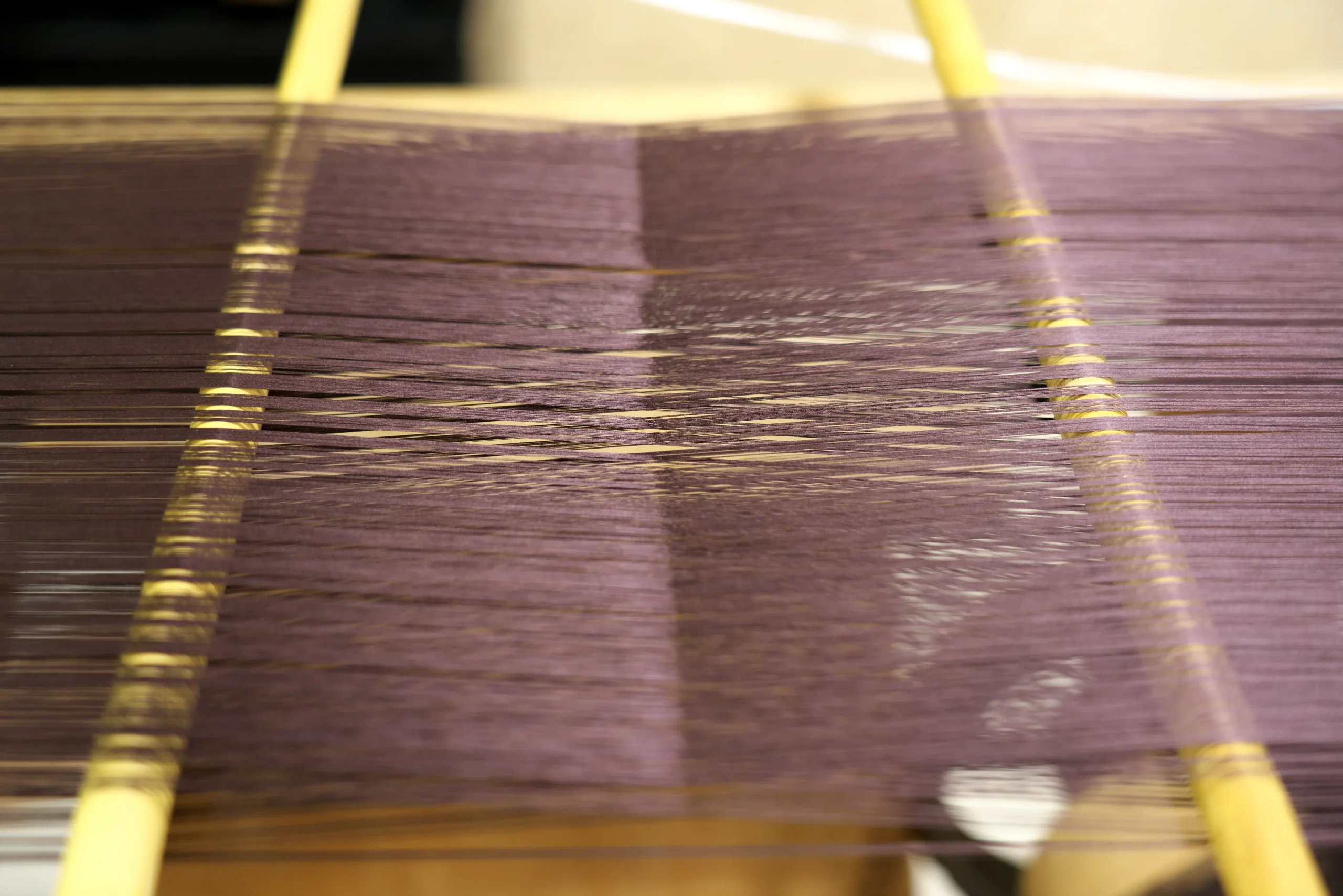
Nishijin Textile Center in Kyoto shows Nishijin-ori, a silk weaving tradition that has supplied fabric for kimonos since the 15th century. Demonstrations run regularly, and some weaving experience classes are available. For visitors who want to understand why some kimonos can cost as much as a car, this is the clearest possible answer.
Read More: Nishijin-ori: A Beginner’s Guide to Kyoto’s Most Beautiful Weaving Tradition
Booking, language, and etiquette: a practical checklist
Factory tours in Japan are often easy once booked, but they can be surprisingly strict before that. The three things that matter most are reservation method, punctuality, and how much the experience depends on language.
Booking Systems
Booking systems vary a lot. CUPNOODLES mixes advance reservations for some attractions with same-day numbered tickets for My CUPNOODLES Factory. Mizkan takes online reservations and may accept same-day visitors only if slots remain. Glicopia is fully reservation-based. Yamazaki may involve a lottery. These details determine whether a tour works as a spontaneous half day or needs to be planned well in advance.
Punctuality
Punctuality matters more than many travelers expect. Glico states that visitors more than 15 minutes late may not be able to join, and Suntory asks participants to arrive 15 minutes before reservation time. Here, “almost on time” can mean too late.
Language
Language matters, but often less than people fear. If your Japanese is limited, choose places centered on seeing, making, tasting, or smelling rather than explanation-heavy tours. The CUPNOODLES museum is especially forgiving, and offers multilingual audio support.
Additional Notes
A few additional notes for families: brewery and distillery tours that include alcohol tastings typically offer non-alcoholic alternatives for minors, though this varies and is worth confirming when booking. Photography policies differ by facility. Toyota Kaikan, for instance, permits photography in the museum, while production line areas at other facilities may restrict it.
Plan the Visit, Then Let the Process Speak
Factory tours reward the slight extra effort they take to arrange. The best factory tours in Japan do not simply show how products are made. They show how attention is organized. Sometimes that appears as a production line. Sometimes it sits in a vinegar canal, a miso storehouse, a recycling deck, or a knife artisan’s hands. Either way, you come away understanding something about Japan that landmarks alone rarely explain.
If you are building a Golden Route trip and want to weave in this kind of stop, ENJYU JAPAN can help shape a Tailor-Made Tour that balances factory visits with the cultural and regional context around them.