For centuries, Japanese lacquerware has captivated collectors and connoisseurs around the world. Adored by European royalty since the 16th century, these exquisite pieces are now housed in prestigious institutions like the British Museum and the Louvre. But what makes Japanese lacquerware so special? The secret lies in its deep, elegant luster, created through layers of natural lacquer, and the intricate gold and silver designs that adorn its surface. Unlike mass-produced tableware, lacquerware develops a unique patina over time, growing even more beautiful with use. The blend of artistry and durability has made it a cherished part of daily life and a highly sought-after collectible.
In this guide, we’ll take a closer look at the fascinating world of Japanese lacquerware—from its rich history and masterful craftsmanship to practical tips on selecting the perfect piece. Discover its unique beauty and time-honored techniques, and find the ideal lacquerware to match your style and needs.
What is Japanese Lacquerware?
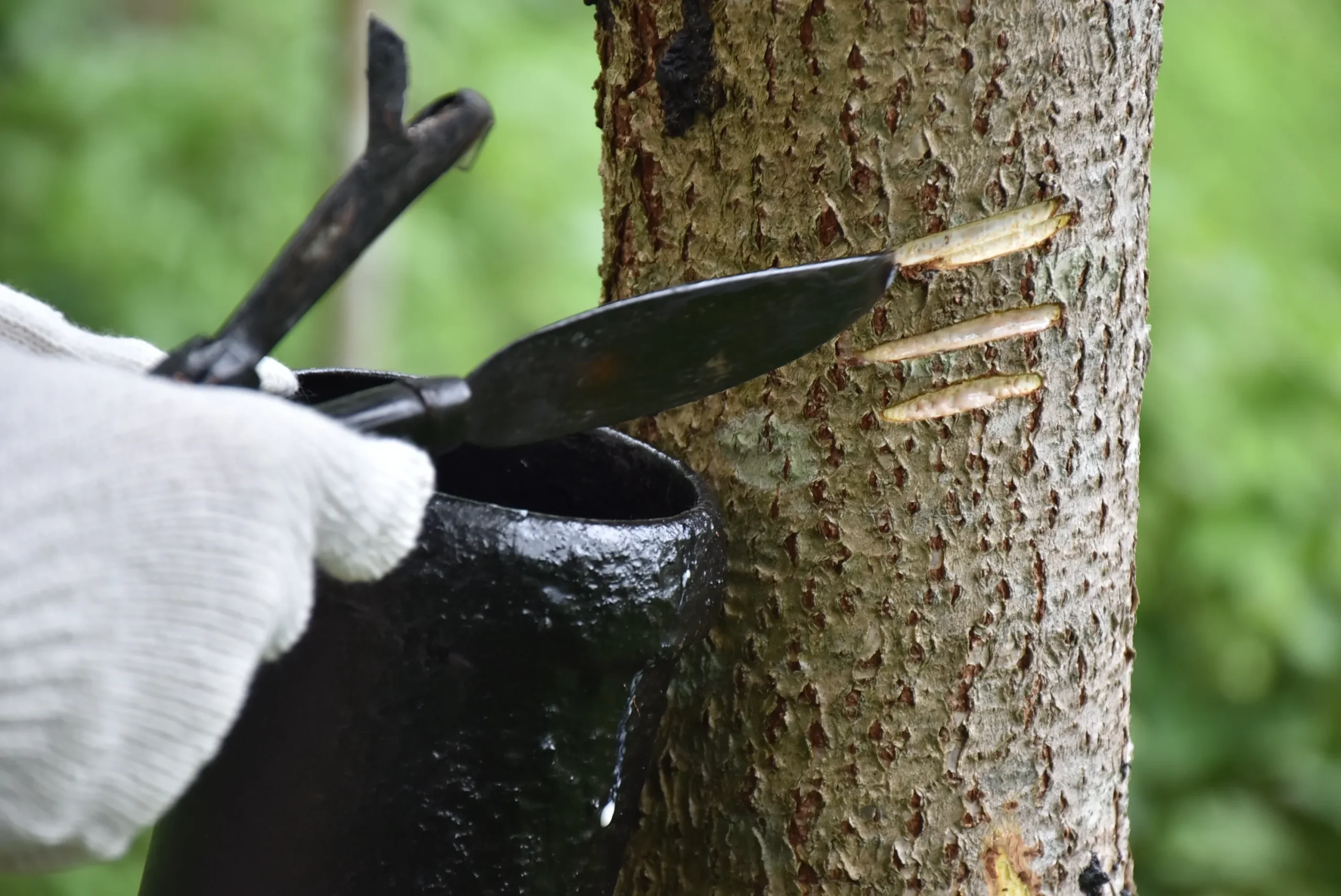
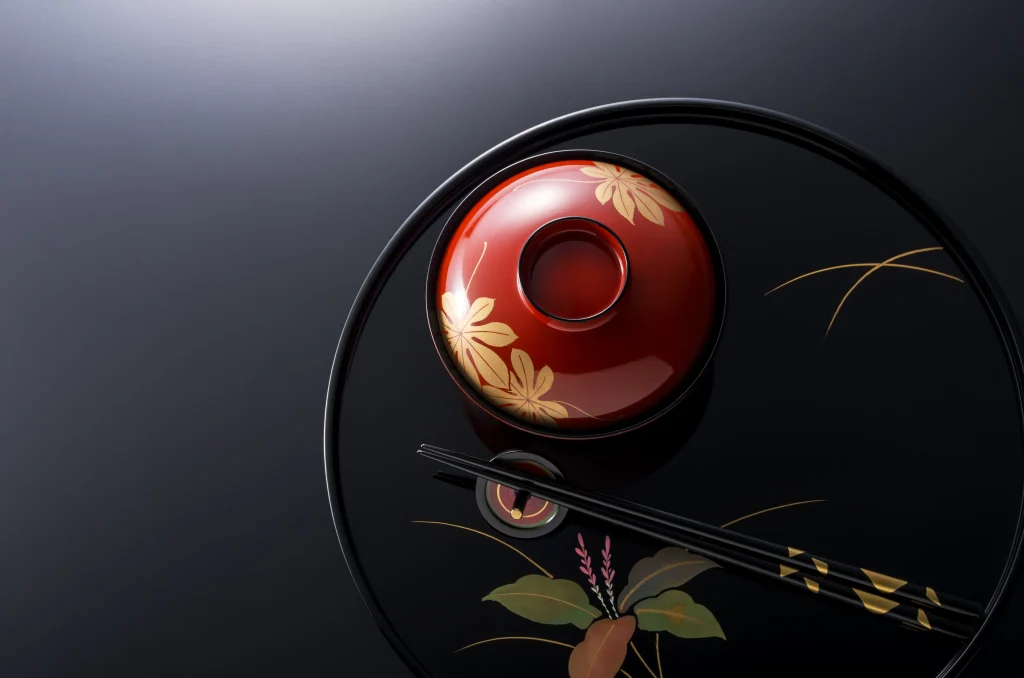
Japanese lacquerware is a traditional craft that has been refined over centuries. It’s made by applying multiple layers of natural lacquer onto a wooden or bamboo base, creating a finish that’s both visually stunning and incredibly durable. This lacquer, sourced from the sap of the urushi tree, strengthens the piece, making it highly resistant to heat, water, and wear. With proper care, lacquerware can last for over a thousand years, serving as both a prized cultural artifact and a practical everyday item.
One of its most distinctive features is its rich, glossy finish, which deepens over time, further enhancing its beauty. Valued as both functional tableware and fine art, lacquerware also has natural antibacterial properties, making it a safe and reliable choice for daily use. In the West, it’s sometimes referred to as “Japan”, a reflection of its deep cultural significance and global recognition.
The Alchemy of Urushi: A Deep Dive into the Crafting Process
To truly appreciate the value of Japanese lacquerware, one must understand the Herculean labor behind every piece. Unlike mass-manufactured goods, the creation of high-quality lacquerware is a test of patience, often spanning months or even years.
The material itself, urushi (natural lacquer), is a precious sap harvested from the Toxicodendron vernicifluum tree. Harvesting is a delicate task; a single tree yields only a small amount of sap, which must be collected by hand during the summer months. This sap is highly potent—it contains urushiol, an allergen that causes the infamous “urushi rash” in those who touch it raw. Thus, the lacquer craftsman is not only an artist but a resilient professional who builds immunity to this formidable substance
The crafting process begins with the base, usually wood. The artisan primes the surface with a mixture of lacquer and earth or clay, meticulously filling the wood grain to create a perfectly smooth canvas. This is the foundation of the piece’s longevity. Once the base is prepared, the painting and coating begin. Each layer of lacquer is applied, dried, and then sanded.
Critically, lacquer does not “dry” by evaporation. Instead, it “cures” through a chemical reaction that requires specific levels of humidity and temperature. Artisans use a furo (a specialized humidity cabinet) to ensure the lacquer polymerizes properly. This cycle of coating, curing, and polishing is repeated tens—sometimes hundreds—of times. It is this painstaking layering that gives the finished product its legendary depth, strength, and that unique, slightly soft warmth to the touch that synthetic alternatives can never mimic.
The History of Lacquerware and Japanning
Japanese lacquerware is renowned for its rich, glossy finish and intricate decorations. But its beauty didn’t just captivate Japan. Centuries ago, Europeans were mesmerized by its elegance, sparking a fascination that spread across the world. In this section, we’ll explore how Japanese lacquerware made its way overseas and even inspired the development of new techniques.
The Arrival of Japanese Lacquerware in Europe
By the 16th century, Japanese lacquerware had become a prized luxury in Europe, admired for its deep luster and intricate designs. Nobles and royalty eagerly collected these exquisite pieces, which were unlike anything produced in the West. Over time, Japanese lacquerware made such a lasting impression that “Japan” became a general term for lacquerware in English.
This fascination began during the Age of Exploration, when Portuguese and Spanish merchants arrived in Japan and were struck by the craftsmanship of local artisans. They had never seen anything like the deep, glossy finish, the delicate maki-e (gold and silver powder designs), or raden (mother-of-pearl inlay) . Beyond its beauty, they were amazed by its durability— resistant to scratches, water, and heat— making it both a work of art and a practical luxury.
By the late 16th century, lacquerware decorated with elaborate gold and silver motifs was being exported to Europe through Portuguese and Dutch traders. These pieces, later known as “Nanban lacquer”, became highly sought-after treasures in aristocratic estates and royal palaces.
During the Edo period, Japan restricted foreign trade to Dutch merchants in Nagasaki, leading to the export of “Kōmō lacquer,” which featured black lacquer backgrounds with gold maki-e. This exclusivity only made it more desirable in Europe, further cementing its status as a luxury item.
The Birth of Japanning
The beauty of Japanese lacquerware was so captivating that, in the 17th century, European artisans tried to recreate its signature gloss and smooth finish. However, natural lacquer could only be sourced from Japan and China, and applying it required highly specialized techniques. This made it nearly impossible for European craftsmen to replicate the traditional process. To work around this, they developed their own method using resins and varnishes instead of natural lacquer. This technique, known as “Japanning,” involved coating wood or metal surfaces with layers of resin and polishing them to achieve a glossy, lacquer-like finish. Japanning quickly became popular in Britain and France, where lacquered furniture and decorative items became fashionable among the aristocracy. Over time, this technique evolved and even inspired the high-gloss black finish seen on modern pianos. Japanese lacquerware was one of the first “Made in Japan” crafts to gain international recognition. Its refined aesthetic didn’t just fascinate Europe-it sparked new artistic traditions that continue to shape decorative arts today.
Japan’s Three or Four Great Lacquerware Traditions
Japan is home to several famous lacquerware traditions, each with its own distinct craftsmanship and history. The Three Great Lacquerware Traditions include Yamanaka-nuri or Wajima-nuri, Aizu-nuri, and Kishu lacquerware. When Echizen lacquerware is added to the group, they are known as the Four Great Lacquerware Traditions. Let’s take a closer look at what makes each of them special.
| Tradition & Region | Key Characteristic | Best Used For |
| Wajima-nuri (Ishikawa) | 100+ meticulous steps; extreme durability | Lifetime heirlooms & formal sets |
| Yamanaka-nuri (Ishikawa) | “Tategi-dori” wood turning; sturdy grain | Functional daily bowls & art |
| Aizu-nuri (Fukushima) | Layered colored lacquer (Aizu-e) & Chinkin | Gifts and decorative pieces |
| Kishu-nuri (Wakayama) | Negoro-nuri (red/black aged rustic look) | Timeless, rustic dinnerware |
| Echizen-nuri (Fukui) | 1,500-year history, subtle luster, versatile | Ceremonial & daily essentials |
Yamanaka-nuri & Wajima-nuri | Ishikawa
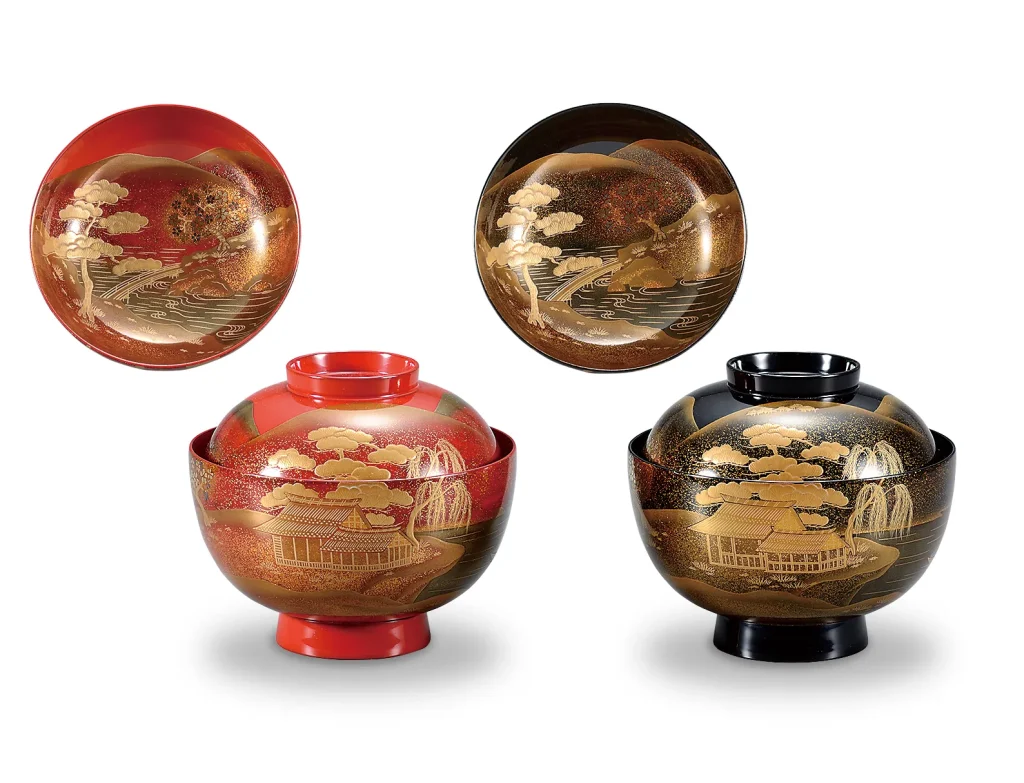
Ishikawa Prefecture is known for two renowned lacquerware styles, each with its own distinct characteristics. Yamanaka-nuri is celebrated for its beautiful wood grain, earning it the nickname “Yamanaka, Master of Woodwork.” Artisans use a technique called “tategi-dori,” where wood is carved along its natural growth lines, making the pieces exceptionally sturdy and resistant to warping over time.
In contrast, Wajima-nuri, known as “Wajima, Master of Lacquer,” is prized for its incredible durability. Crafted through more than 100 meticulous steps, it boasts a deep, glossy finish and exquisite decorative details. With proper care, these pieces can last for generations, becoming treasured heirlooms.
Aizu-nuri | Fukushima
Aizu-nuri from Fukushima Prefecture is known for its durable lacquer finish and delicate gold and silver embellishments. One of its signature techniques is Aizu-e, where colored lacquer is layered and accented with gold and silver powder. Another is Chinkin, a method in which intricate patterns are carved into the lacquer and filled with gold. These time-honored techniques showcase the craftsmanship and artistry of Aizu lacquerware. While it stays true to its roots, Aizu-nuri has also embraced modern designs, making it suitable for both ceremonial traditions and everyday life.
Kishu Lacquerware | Wakayama
Kishu lacquerware has been a thriving craft in the Kuroe district of Kainan City since the Edo period. It is best known for its signature Negoro-nuri technique, a distinctive style where a black lacquer base is layered with red lacquer on top. Over time, as the red lacquer gradually wears away, the black underneath emerges, creating a beautifully aged look with rustic charm.
During the Meiji era, Kishu artisans began incorporating Chinkin and Maki-e techniques, adding even more depth to their craftsmanship. Today, Kishu lacquerware includes everything from traditional wooden wares to modern resin-based designs, offering a perfect balance of durability, simplicity, and practicality.
Since the Showa period, artisans have continued to innovate with techniques like Tenryu-nuri and Silk-nuri, further expanding the craft. In 1978, Kishu lacquerware was officially recognized as a Traditional Craft by Japan’s Ministry of Economy, Trade, and Industry, cementing its reputation as one of Japan’s most respected lacquer traditions.
Echizen Lacquerware | Fukui
With a history of over 1,500 years, Echizen lacquerware dates back to the Kofun period. Known for its subtle luster and refined elegance, it has been recognized as a Traditional Craft in Japan. Some pieces have simple, understated designs, while others are adorned with intricate gold-and-silver Maki-e decorations. Echizen lacquerware’s versatility makes it suitable for a wide range of settings, from ceremonial furnishings to everyday essentials like bowls and chopsticks, allowing it to be enjoyed in both daily life and special occasions.
Traditional Lacquerware Recognized as National Crafts
Beyond the Four Great Lacquerware Traditions, Japan has many other exquisite lacquerware styles, some of which have been officially designated as Traditional Crafts by the Minister of Economy, Trade, and Industry. These pieces reflect centuries of craftsmanship and artistry. Here, we introduce two remarkable styles, each celebrated for its unique beauty and heritage.
Kyo Lacquerware | Kyoto
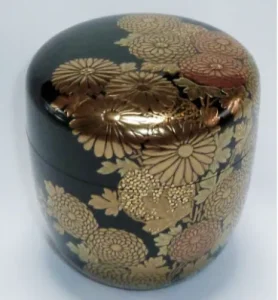
Though not part of the Three or Four Great Lacquerware Traditions, Kyo lacquerware holds a prestigious place in Japan’s craft heritage. Developed in Kyoto’s refined court culture, it is known for its graceful elegance and delicate designs. Rooted in the Japanese aesthetic of “wabi-sabi”, which finds beauty in simplicity and imperfection, Kyo lacquerware exudes a quiet sophistication. Recognized both in Japan and abroad, it remains a symbol of Kyoto’s rich artistic tradition.
Tsugaru Lacquerware | Aomori
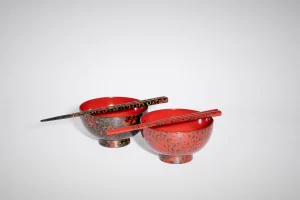
Tsugaru lacquerware, from Aomori Prefecture, is prized for its exceptional durability and luminous depth, achieved through dozens of layers of lacquer and meticulous polishing. This labor-intensive process gives it a brilliant, glass-like finish, while making it highly-resistant to wear.
Tsugaru lacquerware comes in four distinct styles.
- Karanuri – The most iconic design, featuring deep layers of rich lacquer with a unique mottled pattern.
- Nanakonuri – A style characterized by intricate circular patterns created using rapeseed grains, giving the surface a delicate texture.
- Monshanuri – A technique that incorporates charcoal powder to add subtle depth and dimension.
- Nishikinuri – A more elaborate variation of Nanakonuri, featuring complex patterns for a luxurious finish.
With its intricate layering and fine craftsmanship, Tsugaru lacquerware continues to captivate collectors and enthusiasts. Officially recognized as a Traditional Craft in 1975, it has since evolved through collaborations with international brands, bringing Japanese lacquer artistry to a global audience.
Mastery of Detail: Decoding the Decorative Techniques
The visual appeal of lacquerware lies in the sophisticated decorative techniques employed by artisans. While the glossy finish alone is beautiful, the addition of intricate designs elevates lacquerware into the realm of fine art.
- Maki-e (Sprinkled Picture): Perhaps the most iconic Japanese technique, Maki-e involves painting designs with wet lacquer and sprinkling gold or silver powder onto the surface before it dries. There are three primary variations:
- Hira Maki-e: A flat design where the powder is simply sprinkled onto the lacquer.
- Taka Maki-e: A relief technique where the design is built up with layers of lacquer or charcoal to create a three-dimensional effect.
- Togidashi Maki-e: The most labor-intensive form, where the design is buried under multiple layers of lacquer and then polished down until the gold pattern is revealed, creating a seamless, glass-like surface.
- Chinkin (Sunken Gold): In this technique, the artisan carves fine, detailed patterns into the hardened lacquer surface using a chisel. Gold leaf or gold powder is then pressed into these grooves. The result is a sharp, crisp line that offers a striking contrast against the dark background, highlighting the steady hand of the master craftsman.
- Raden (Mother-of-Pearl Inlay): This technique incorporates thin slices of iridescent abalone or turban shells into the lacquer. The natural, rainbow-like shimmer of the shells contrasts beautifully with the deep black or red lacquer, often used to depict floral or geometric motifs.
- Urushi-e (Painted Lacquer): This method uses colored lacquer (pigmented with mineral powders) to paint pictures directly onto the piece. It is a testament to the artisan’s skill, as the colors must be balanced precisely to ensure they cure correctly alongside the base lacquer.
Hands-On Lacquerware Workshops Across Japan: Where to Try Making Your Own
For travelers eager to move beyond passive sightseeing, nothing beats the satisfaction of creating your own traditional craft. Japan’s premier lacquerware (urushi) regions offer immersive workshops where you can learn time-honored techniques directly from skilled artisans.
Whether you are looking to paint a delicate souvenir or witness master wood-turning, here are the top workshops to add to your itinerary:
1. Master Wood-Turning and Maki-E in Ishikawa: Yamanaka Urushiza
Located in the historic hot spring town of Kaga, Yamanaka Urushiza serves as an ideal gateway to the world of Yamanaka Lacquerware. Famed for its exquisite kiji-hiki (wood-turning) techniques, this facility allows visitors to appreciate intricate grain patterns while trying their hand at traditional decoration.
- The Experience: Try your hand at painting original patterns using black or red lacquer on items like chopstick rests or small tableware.
- Highlight: Completed pieces are dried on-site so you can take home a personalized, authentic souvenir the very same day.
2. Centuries of Tradition in Fukushima: Suzuzen Lacquerware Store
In the historic castle town of Aizuwakamatsu, Suzuzen Lacquerware Store brings over 180 years of heritage to life. Operated by a long-standing wholesale merchant family, this venue bridges the gap between deep historical tradition and accessible hands-on learning.
- The Experience: Participate in guided maki-e painting classes where instructors teach you how to apply gold powder and color lacquers onto genuine lacquerware.
- Highlight: Set within an atmospheric workshop space surrounded by artisan masterpieces, making it a culturally rich stop during your exploration of the Tohoku region.
3. Nostalgic Crafting in Wakayama: Urushiwashi-kan (Kishu Lacquerware Exhibition Hall)
Situated in the nostalgic lacquerware district of Kuroe in Kainan City, Urushiwashi-kan celebrates one of Japan’s top three lacquerware traditions. The facility offers a welcoming environment for visitors to explore the roots of Kishu’s renowned Negoro-nuri style.
- The Experience: Choose from a variety of practical wooden bases—such as small round trays, bento boxes, or platters—and decorate them with floral or geometric motifs.
- Highlight: The studio uses skin-safe substitute lacquers, making the workshop approachable and safe for international visitors of all ages and skill levels.
4. Comprehensive Craft Exploration in Fukui: Urushi-no-Sato Kaikan
Known famously as the “City of Glasses,” Sabae in Fukui Prefecture is also home to Echizen Lacquerware, a thriving region boasting a 1,500-year history. At Urushi-no-Sato Kaikan, visitors can experience the scale and depth of Japan’s largest commercial lacquerware production area.
- The Experience: Choose from three distinct traditional techniques: painting (e-tsuke), chinkin (sunken gold engraving), or fuki-urushi (wiped lacquer).
- Highlight: Alongside your hands-on session, you can observe master craftsmen working in adjacent open workshops and browse high-end local pieces at the on-site museum shop.
5. Refined Kyoto Aesthetics: Zohiko
Founded during the Edo period, Zohiko is a venerable establishment that epitomizes the refined court culture of Kyoto. This historic venue serves as an intimate gateway to the sophisticated world of traditional Japanese crafts and maki-e artistry.
- The Experience: Browse an elegant showroom brimming with warmth and fine craftsmanship, showcasing an exquisite collection of hand-lacquered tableware, decorative boxes, and trays crafted by master artisans.
- Highlight: Frequent praise from visitors highlights the staff’s profound expertise and the breathtaking, minute detail of the traditional lacquerware on display.
6. Bold Artistry in Aomori: Tsugaru Densho Kogei-kan
Located in Kuroishi, Aomori Prefecture, Tsugaru Densho Kogei-kan is a dedicated cultural hub that invites travelers to dive into the warm, bold artistry of northern Japan. It serves as a premier destination for those wanting to experience the regional heritage of multi-layered Tsugaru-nuri lacquerware.
- The Experience: Participate in immersive, hands-on workshops where you can experience the intricate polishing techniques required to create these signature textured patterns.
- Highlight: Situated right next to the Tsugaru Kokeshi Museum, it provides a comprehensive exploration of Aomori’s folk arts and an outstanding selection of authentic local souvenirs.
Urushi in the Modern Era: Sustainability and Contemporary Evolution
In an age of disposability and plastic pollution, Japanese lacquerware offers a compelling alternative rooted in sustainability. Urushi is a 100% natural, biodegradable material derived from trees. When we choose lacquerware, we are choosing an object that, if maintained, can be passed down for generations, effectively reducing the need for constant replacement.
Furthermore, lacquerware is inherently functional. Its natural antibacterial properties make it a safe, hygienic vessel for hot foods and soups. Unlike plastic, which can degrade or leach chemicals when heated, high-quality lacquerware remains stable and inert.
The industry is also evolving. While traditional shapes remain popular, contemporary designers are collaborating with lacquerware studios to create pieces that fit modern lifestyles. You will now find lacquer-finished tumblers, modern minimalist serving trays, and even jewelry incorporating urushi techniques. These innovators are proving that lacquerware is not merely a historical relic; it is a versatile, living art form that adapts to modern needs while maintaining its core commitment to quality and nature.
By investing in lacquerware, you are participating in a cycle of consumption that respects craftsmanship, supports regional economies in Japan, and prioritizes long-term utility over short-term trends.
Choosing the Best Lacquerware for Your Needs
Finding the right lacquerware is easy when you know what to look for. Here, we’ll guide you on how to select the best piece for your intended use and purpose.
For the Finest Quality
If you’re looking for the highest-quality lacquerware, Kyoto lacquerware is an excellent choice. Crafted by master artisans, these pieces are prized as tea utensils and fine art, featuring delicate maki-e designs and refined aesthetics. Steeped in Kyoto’s imperial court tradition, they represent the pinnacle of timeless elegance.
For Everyday Use
For practical, durable lacquerware, Wajima lacquerware is a top choice. Known for its exceptional strength and longevity, it’s perfect for daily use. Its multiple layers of lacquer ensure a chip-resistant, long-lasting finish with a deep, lustrous shine.
For Gifts and Special Occasions
If you’re looking for a thoughtful gift or keepsake, Aizu lacquerware is a great choice. With its elegant maki-e decorations and affordable price, it offers a perfect blend of beauty and practicality. Whether for weddings, anniversaries, or milestone celebrations, Aizu lacquerware makes for a meaningful and timeless gift.
Lacquerware Options by Budget
Under ¥50,000
This range includes modern lacquerware items such as soup bowls, chopsticks, small plates, and bento boxes— great for everyday use.
¥50,000 – ¥200,000
For those looking for traditional craftsmanship, this price range offers high-quality pieces with ornate maki-e and intricate designs, including lacquer trays and decorative plates.
Over ¥200,000
At this level, you’ll find tea ceremony utensils, jewelry boxes, and art pieces of exceptional quality. These exquisite works of lacquer artistry also hold significant value as collectibles.
Caring for Lacquerware: Maintenance, Storage, and Restoration
Lacquerware is one of Japan’s most treasured traditional crafts, admired for its durability and timeless beauty. With proper care, it can last for generations. By following a few simple maintenance steps, you can keep it looking its best for years to come. Here’s how to care for lacquerware and preserve its elegance.
Proper Care for Lacquerware
To keep your lacquerware in good condition, proper washing and storage are important. Gently wash each piece with water or a mild detergent using a soft sponge. Avoid dishwashers and soaking for long periods, as too much heat and moisture can damage the lacquer. Direct sunlight and heat sources can also cause drying and cracking over time, so store lacquerware in a cool, shaded place.
Best Storage Practices
To keep lacquerware in good condition, store it at a stable temperature and humidity level. A temperature range of 18–28°C is ideal, as it’s comfortable for people too. However, if humidity drops below 20–30%, the lacquer can dry out and crack. Since upper shelves tend to be drier, it’s best to keep lacquerware in a lower area, where conditions are more stable. Regular use also helps by improving air circulation and preventing dryness.
Restoring Lacquerware with Kintsugi
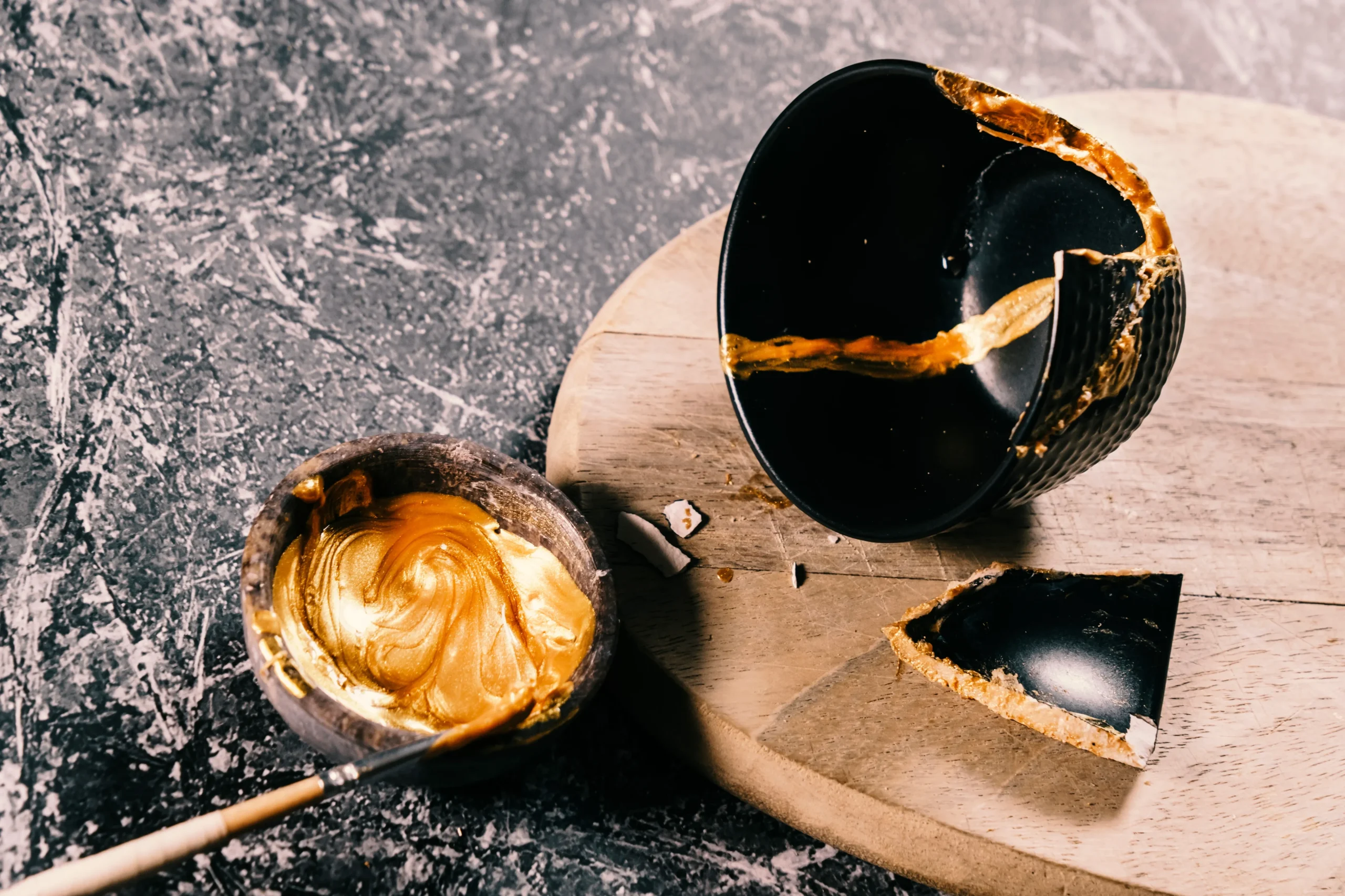
If lacquerware gets scratched or chipped, it can be sent for a full refinishing. But for cracks or missing pieces, Japan’s traditional kintsugi technique is a beautiful and meaningful way to restore them. Kintsugi repairs broken areas with lacquer and highlights them with gold powder, turning imperfections into part of the piece’s beauty rather than simply hiding them. Many specialized workshops across Japan offer kintsugi repair services, tailoring their approach to the extent of the damage. With proper maintenance and restoration, lacquerware can be cherished for a lifetime. Using it with care and appreciation in daily life lets you fully experience its craftsmanship and timeless beauty.
Read More: Kintsugi Philosophy: Embracing Imperfection and Finding Strength in Brokenness
The Aesthetic Philosophy: Wabi-Sabi and the Passage of Time
To live with lacquerware is to embrace a distinct aesthetic philosophy: Wabi-Sabi. This Japanese worldview finds beauty in the imperfect, the impermanent, and the incomplete.
Western notions of luxury often focus on pristine, unchanging surfaces—a product that looks exactly as it did the day it left the factory. Japanese lacquerware challenges this. It encourages the owner to appreciate the “life” of the object. Over years of use, the lacquer surface subtly changes. The sharp contrast of gold Maki-e may soften, and the color may shift ever so slightly. This is not “damage”; it is the accumulation of memory and experience.
The Japanese term Kanshin describes the appreciation for this aging process. As the lacquer grows more transparent with age, the design beneath often becomes more vivid, a phenomenon known as “the lacquer awakening.” When you use your lacquer bowl daily, you are not just eating a meal; you are slowly polishing the piece, contributing to its final aesthetic. This relationship between the object and the user is deeply personal, transforming a static item into a companion.
Whether you are a collector of museum-grade artifacts or a daily user of simple bowls, remember that every scratch and every subtle change in luster tells the story of your life alongside the object. This is the true soul of Japanese lacquerware—an art form that doesn’t just sit on a shelf, but grows and breathes with you.
Summary
Japanese lacquerware embodies the distinct character of each region, shaped by centuries of tradition and the skill of dedicated artisans. More than just exquisite works of art, these pieces are cultural treasures, cherished and passed down through generations. Experiencing lacquerware offers a special connection to Japan’s heritage. Holding a piece in your hands lets you feel its texture, warmth, and the craftsmanship behind it. By making Japanese lacquerware part of your daily life, you can engage with Japan’s culture in a truly tangible and meaningful way.
Discover the Soul of Japan with ENJYU JAPAN
Reading about Japanese lacquerware is only the beginning. To truly understand the beauty of Urushi, you must step inside the quiet workshops of the masters, breathe in the scent of the wood, and witness the steady hand of the artisan as they create pieces that will last for generations.
Are you ready to go beyond the guidebooks?
At Enjyu Japan, we specialize in crafting bespoke travel itineraries for discerning travelers who seek authentic cultural experiences. We connect you with the hidden gems of Japan—private artisan studios, exclusive workshops, and local experts who bring Japanese tradition to life.
Whether you want to commission a custom lacquerware set, participate in a private masterclass, or explore the deep traditions of Japan’s most celebrated craft regions, we handle every detail of your journey.
To schedule a consultation with our travel designers, please contact us via INQUIRY below. Let us turn your interest in Japanese art into a journey of a lifetime.