Why Onsen Towns Are Essential to Add to Your Japan Trip
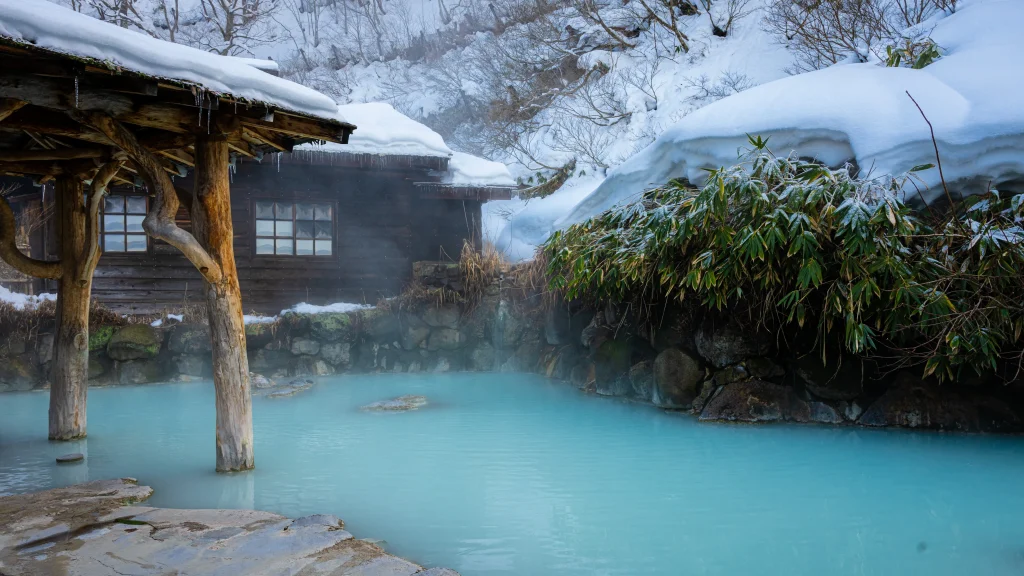
Onsen towns offer something that large Japanese cities do not: a built-in pause. While destinations like Tokyo and Kyoto reward constant movement, onsen towns are designed for staying in place. Streets are short, activities are limited, and the day follows a predictable flow centered on bathing, meals, and rest.
For many travelers, this contrast becomes noticeable after several days in urban Japan. Train stations are efficient but large, walking distances are longer than expected, and daily schedules tend to fill quickly. Onsen towns reduce these pressures by scale alone. Most can be explored on foot, often within fifteen minutes from end to end, and require little decision-making once you arrive.
Onsen Towns as a Change of Pace
Location is another reason onsen towns fit naturally into Japan itineraries. Many developed near major routes and now sit between key destinations, such as Tokyo and Kyoto, or close to metropolitan areas like Tokyo and Osaka. Rather than adding complexity, an overnight stay in an onsen town often simplifies long travel days and creates a clear break between regions.
Why Slower Time Matters in Japan Travel
What distinguishes onsen towns is not a list of attractions, but how time is spent there. Evenings are quiet, shops close early, and the pace encourages travelers to stop moving and settle in. This change happens without effort or planning, making onsen towns an effective counterbalance to busy sightseeing-focused travel.
In practical terms, an onsen town does not replace major destinations—it supports them. By lowering the pace at the right moment, it helps the rest of the journey feel more focused and less compressed.
What Is an Onsen in Japan?
In Japan, an onsen is defined not only by water temperature, but by how people use and share that water.
The term refers to naturally heated groundwater that meets specific mineral and temperature standards, distinguishing onsen from ordinary baths or artificially heated facilities. This definition explains why onsen are tied to place: a spring cannot be relocated, and its presence shapes everything around it.
What developed around these springs was not a single building, but a pattern of staying. People came to bathe repeatedly, rest between baths, eat simply, and sleep early. Over time, inns, communal bathhouses, and small shops clustered near the source, forming settlements where daily life followed the rhythm of bathing. This is why onsen are rarely isolated experiences; they are embedded in towns.
Onsen as a Shared System, Not a Facility
Bathing etiquette reflects this communal foundation. Guests wash thoroughly before entering the bath and soak quietly, sharing the space without conversation or movement that would disturb others. Nudity, often a concern for visitors, carries no special meaning in this context. Entering the bath without clothing places everyone on equal footing and keeps the focus on cleanliness rather than appearance.
Because hot springs are shared resources, many towns developed public bathhouses alongside private inn baths. These communal baths reinforce the idea that onsen culture is collective rather than exclusive. In some towns, residents and visitors use the same facilities, following the same rules, which blurs the boundary between daily life and travel experience.
Why Onsen Stays Feel Different Over Time
The result is a bathing culture that emphasizes repetition rather than novelty. Bathing once is relaxing; bathing several times across a short stay changes how the day is structured. Meals are timed around soaking, evenings slow naturally, and mornings begin quietly. This pattern explains why onsen towns feel different from hotels with spa facilities, even when the water itself is similar.
Understanding an onsen in this way—less as an attraction and more as a shared system—helps clarify why onsen towns vary so widely. Their differences come not from branding, but from how each community organizes life around its spring. This understanding becomes essential when comparing famous onsen towns and smaller villages in the next section.
From Famous to Local: Best Onsen Towns in Japan
The best onsen towns in Japan are distinguished not by luxury, but by how clearly the town itself is organized around hot springs.
Some places developed as nationally trusted destinations, while others remain villages where bathing is still part of everyday life. Understanding this spectrum helps travelers choose an onsen town that matches their route, time frame, and interest in local culture.
Kusatsu Onsen | Gunma
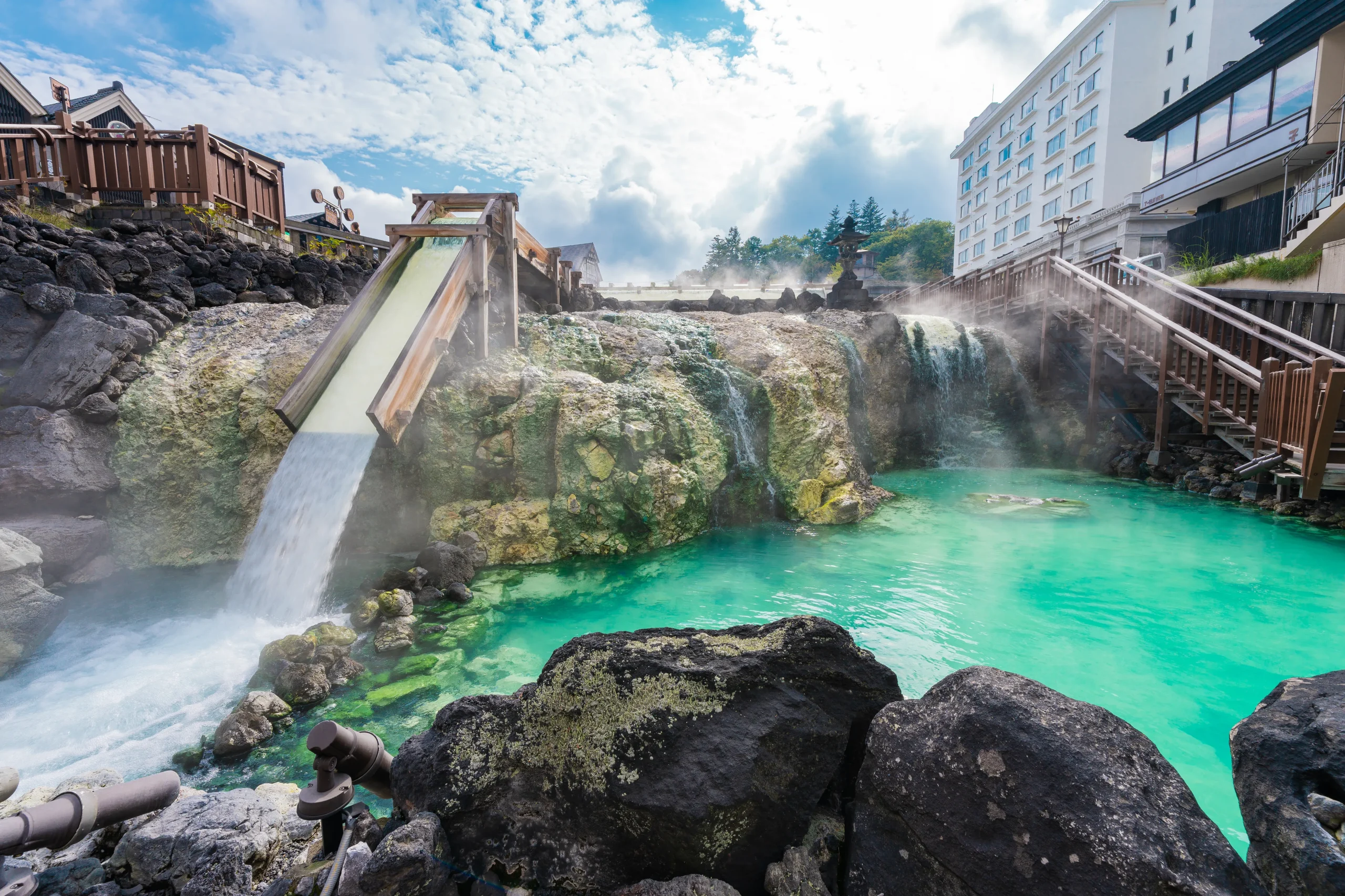
Kusatsu Onsen is widely regarded as one of the most reliable hot spring towns in Japan due to its exceptionally high natural output—over 32,000 liters per minute. At the center of town lies the Yubatake (hot water field), where hot spring water flows openly through wooden channels. This is not a decorative feature; it is part of the cooling process before the water is distributed to bathhouses.
The town is compact and clearly structured around this central source. Streets, ryokan (Japanese style hotel), and public baths radiate outward, making Kusatsu easy to navigate on foot. Located about 2.5 hours from Tokyo, it is often chosen as an onsen town near Tokyo for travelers seeking a classic atmosphere with strong visual identity and minimal planning.
Hakone-Yumoto Onsen | Kanagawa
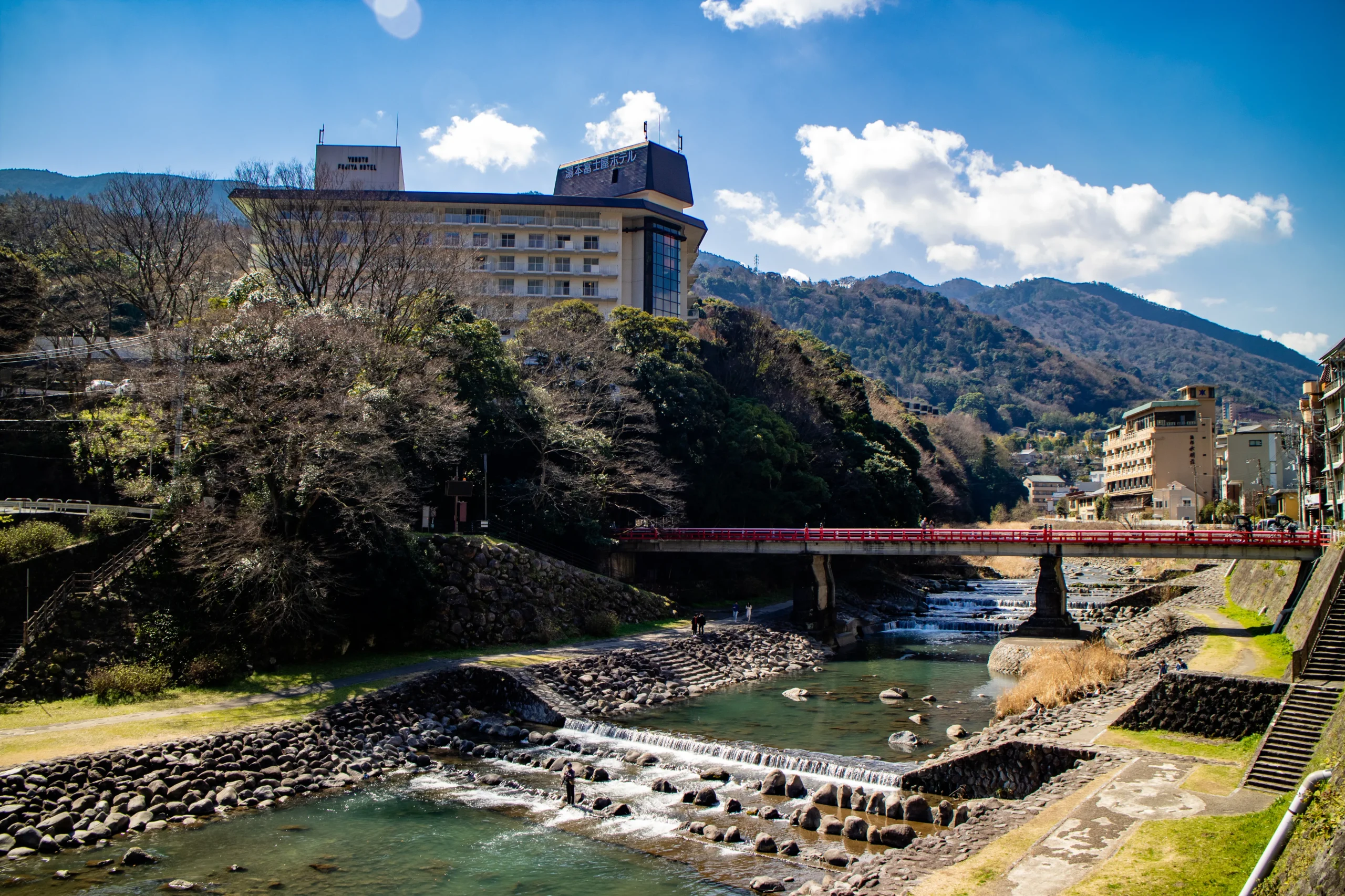
Hakone-Yumoto functions primarily as a gateway. Located within the Tokyo metropolitan area, it offers one of the most accessible onsen town experiences near Tokyo. While larger and more commercial than village-based onsen, it retains a recognizable town structure with ryokan-lined streets and river views.
For travelers with limited time, Hakone-Yumoto provides a practical introduction to onsen towns without requiring long detours from major routes.
Arima Onsen | Hyogo
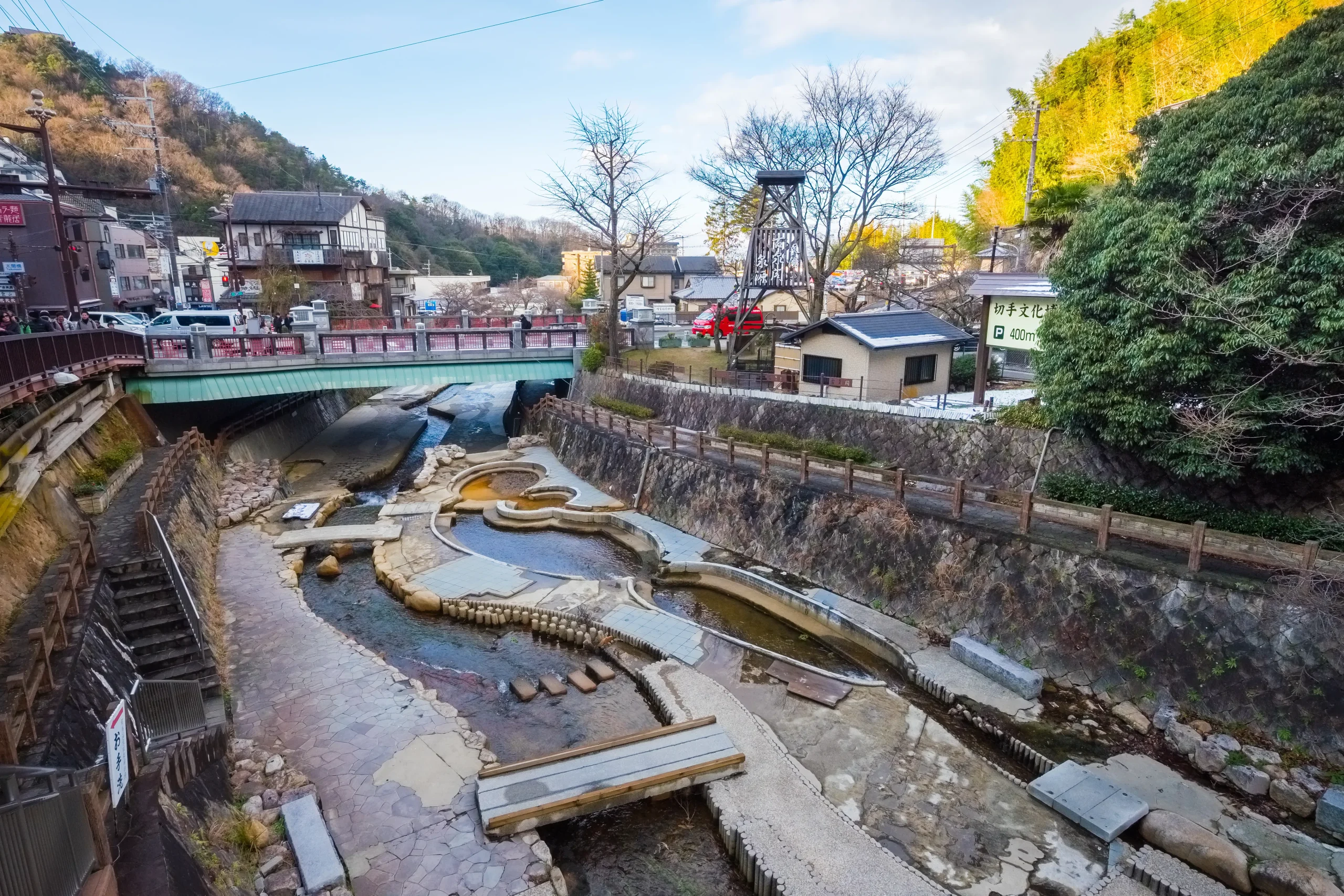
Arima Onsen is one of Japan’s oldest recorded hot spring towns, with references dating back more than 1,300 years. Its defining feature is the presence of two distinct spring types: Kinsen, an iron-rich reddish-brown water, and Ginsen, a clear spring containing radium and carbonate.
Historically visited by samurai and Buddhist monks, Arima developed as a place of retreat rather than spectacle. Its narrow slopes and traditional ryokan give the town a layered, vertical layout. Located less than one hour from Osaka and Kyoto, Arima is a well-positioned onsen town near Osaka, often included as a short stay within Kansai itineraries.
Gero Onsen | Gifu
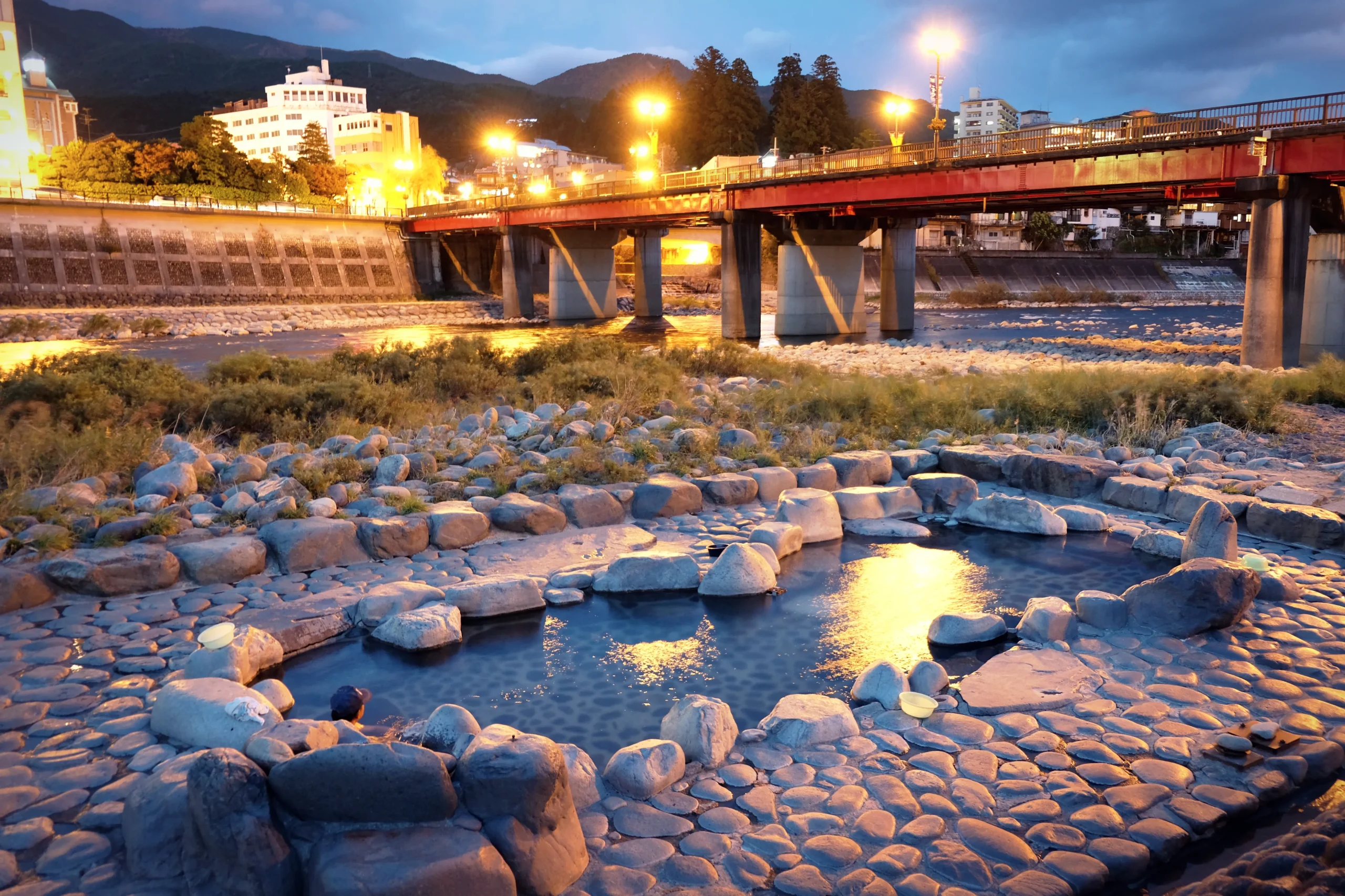
Gero Onsen is known for its balance between town life and river landscape. Built along the Hida River, the town integrates open-air footbaths, ryokan, and pedestrian paths into a single walkable zone. Its alkaline spring water is often associated with smooth skin and gentle bathing.
Gero’s location makes it a natural onsen town between Tokyo and Kyoto when traveling via Nagoya. Rather than functioning as a resort enclave, it maintains a lived-in atmosphere, where visitors and residents share the same streets and bathhouses.
Nozawa Onsen Village | Nagano
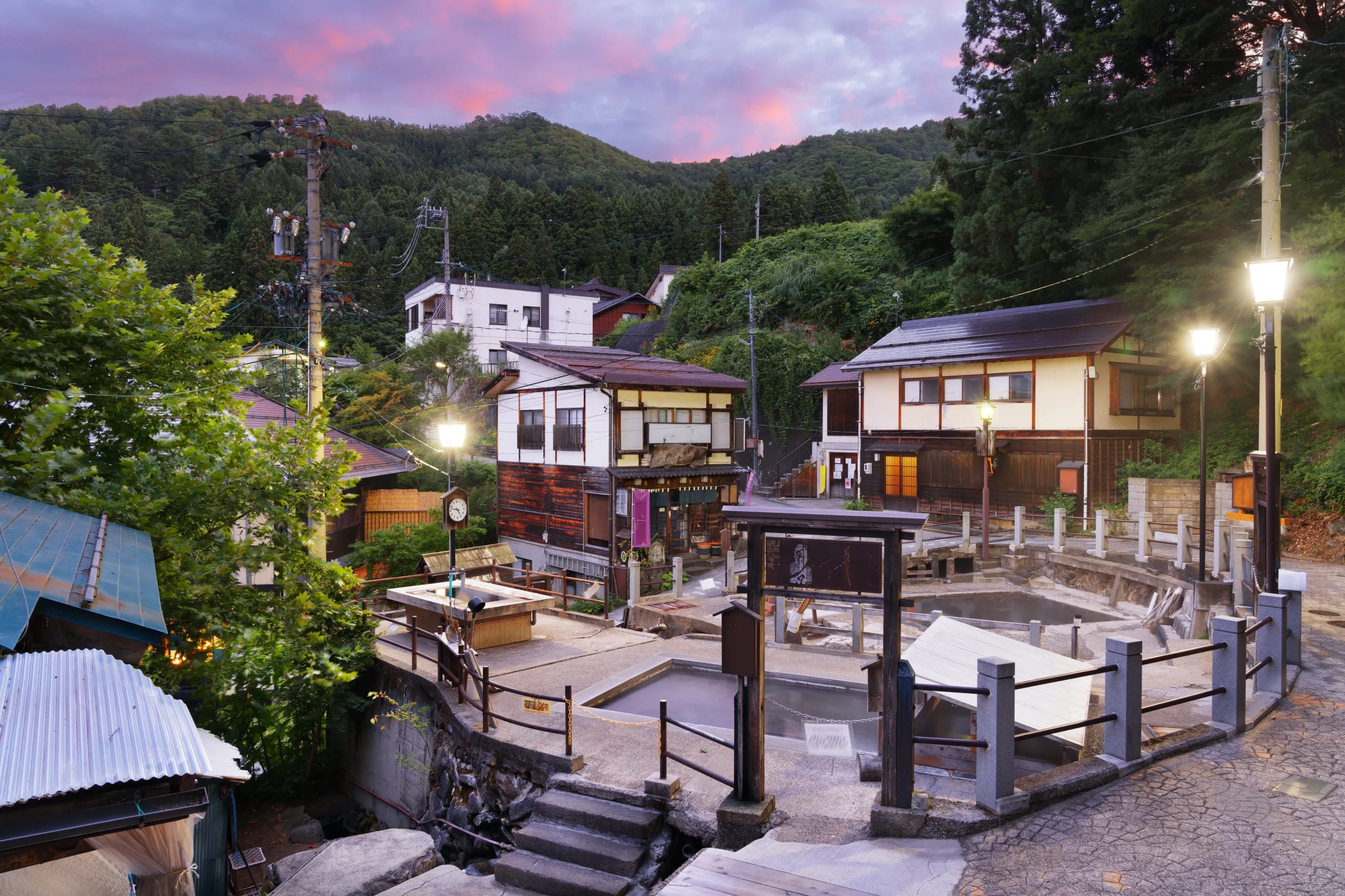
Nozawa Onsen Village represents a different model of onsen culture. Instead of private baths attached to inns, the village maintains 13 communal bathhouses (sotoyu) managed by local residents. These baths are generally free to use, though visitors are expected to leave a small voluntary contribution—typically around 100 to 300 yen—in the offering boxes at each entrance to support maintenance, reflecting a system where hot springs are considered shared infrastructure.
The village layout remains dense and residential, with narrow lanes, wooden houses, and small shrines woven into daily life. While Nozawa is internationally known for winter sports, its onsen culture has resisted large-scale redevelopment. This makes it one of the clearest examples of an onsen village in Japan where bathing remains part of routine life rather than a packaged experience.
Beppu Onsen | Oita
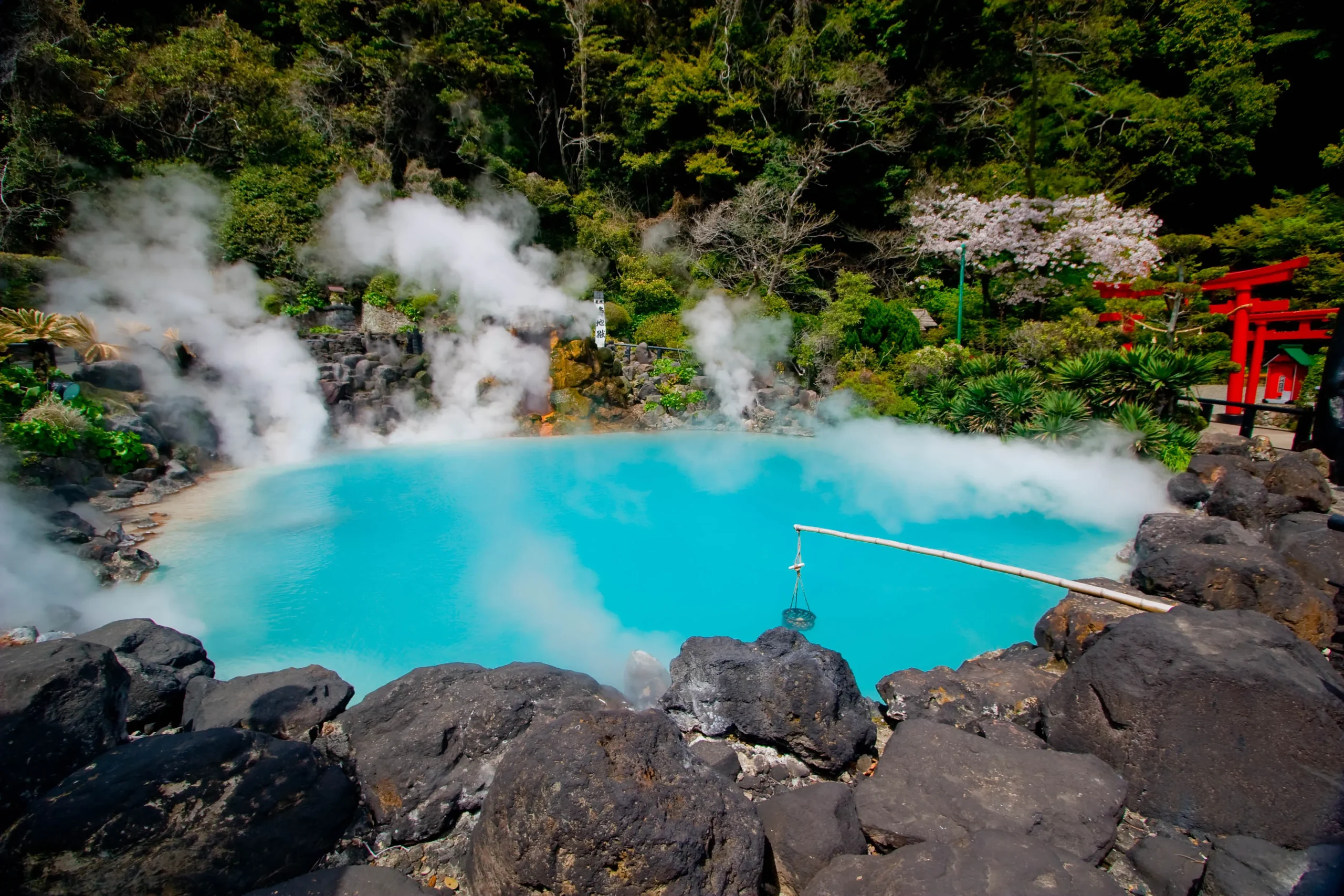
Beppu Onsen operates on a different scale altogether. It produces the largest volume of hot spring water in Japan, supporting a wide range of uses beyond bathing. These include steam baths, sand baths, and the well-known Jigoku Meguri (“Hell Tour”), where vividly colored hot springs are observed rather than entered.
Beppu demonstrates how onsen culture adapts to geography. Rather than forming a single walkable town center, the city consists of multiple hot spring districts, each with distinct characteristics. It is often chosen by travelers interested in understanding the diversity of onsen usage rather than a single townscape.
Choosing the Right Onsen Town
Selecting an onsen town is less about finding the “best” place and more about understanding what each town emphasizes. Some are shaped by historical trust and accessibility, while others reflect communal ownership or regional character. Recognizing how geography, water sources, and settlement patterns differ helps travelers choose a town that fits their journey through Japan.
Why an Onsen Town Stay Changes the Way You Experience Japan
An onsen town stay changes a Japan trip not by adding experiences, but by adjusting its pace. In fast-moving itineraries shaped by transportation schedules and sightseeing priorities, onsen towns introduce a different structure—earlier evenings, fixed mealtimes, and repeated routines—that slow movement without requiring conscious effort.
Bathing eases physical fatigue from walking and standing, while quiet streets and predictable rhythms reduce mental strain. Many travelers naturally sleep earlier and wake more rested, improving engagement with the destinations that follow.
Onsen towns also function as natural transitions within a journey. Often located between major cities or near regional hubs, they divide travel into clear stages, helping each region feel distinct rather than blending into a single continuous flow. By removing urgency and constant decision-making, onsen towns bring coherence to the overall journey. This is why they continue to serve as meaningful pauses in Japanese travel, even as travel styles evolve.