Traditional Japanese culture can mean very different things depending on what interests you. You might want to wear a kimono in Kyoto, make a piece of cut glass in Tokyo, sit down for a tea ceremony, watch Kabuki or sumo, join a summer festival, or simply spend an hour walking through a Japanese garden.
You do not need to understand every tradition before your trip.
A better starting point is to decide how you want to experience Japanese culture: wear it, make it, eat it, watch it, join it or visit the places where it has developed.
This guide is designed to be skimmed. Start with the table and jump to the sections that interest you.
Traditional Japanese Culture at a Glance
| If you’re interested in… | Try | How you experience it | Typical time | Planning |
|---|---|---|---|---|
| Clothing & design | Kimono, textiles | Wear, observe | A few hours | Easy to moderate |
| Traditional crafts | Glass, paper, ceramics, dyeing | Make | Around 1–2 hours | Often worth reserving |
| Food & tea | Washoku, tea ceremony | Eat, participate | Around 1–2 hours | Usually easy |
| Festivals | Matsuri and seasonal traditions | Watch, sometimes join | Several hours or more | Dates matter |
| Theatre | Kabuki, Noh | Watch | About an hour or longer | Check performances |
| Historic spaces | Shrines, castles, gardens | Visit | Flexible | Usually easy |
| Traditional sport | Sumo, martial arts | Watch, learn | Several hours for sumo | Major events need planning |
There is no reason to fit everything into one trip. One hands-on activity combined with a performance, festival or historic place can already give you several very different views of Japanese culture.
Wear: Kimono
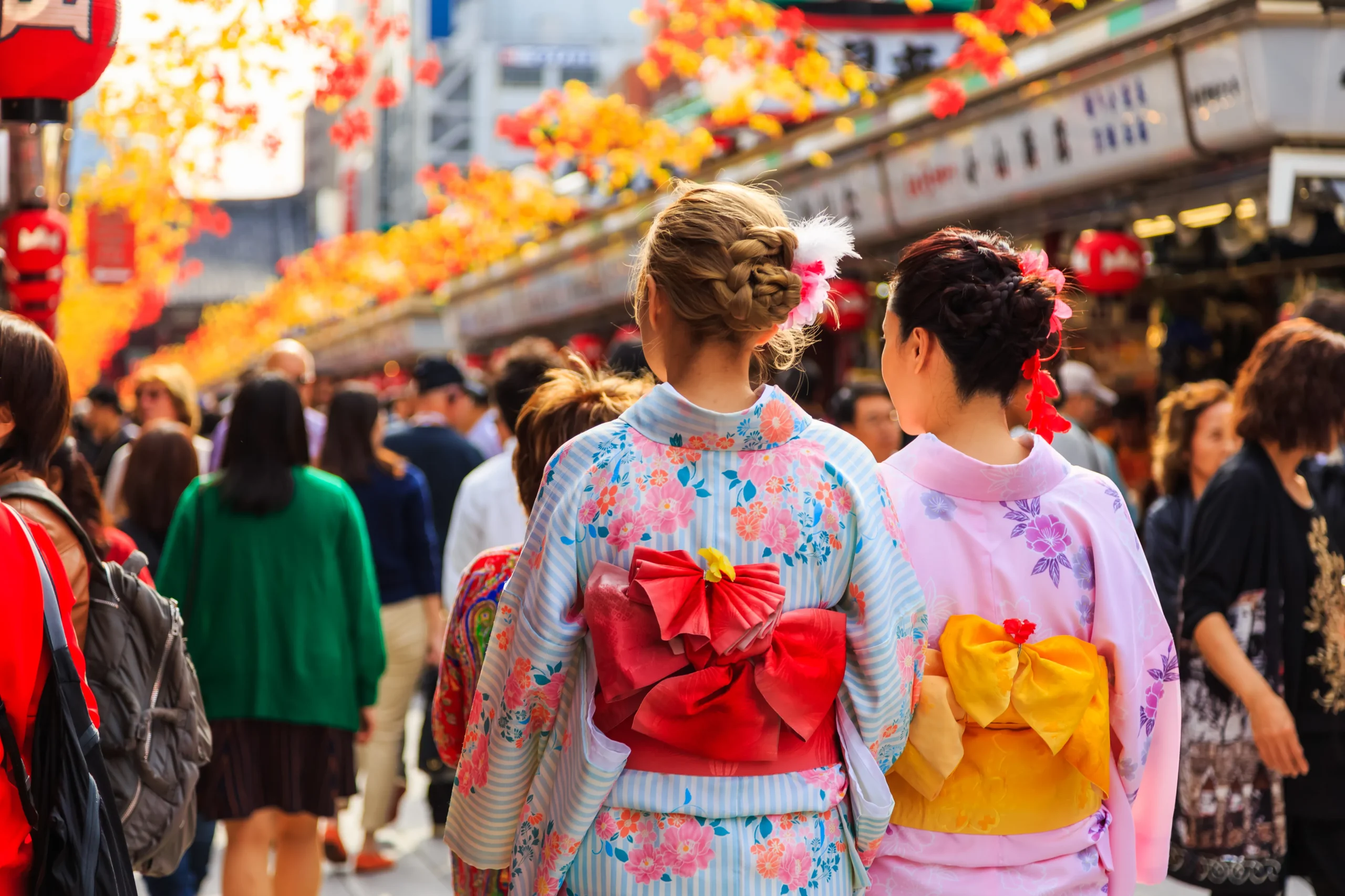
The recognizable form of kimono developed over many centuries, with important changes during the Heian period (794–1185) and Edo period (1603–1867). Different styles are still worn for different seasons and occasions, but travelers do not need to learn the full classification system before trying one.
Kimono rental is widely available in sightseeing areas such as Kyoto and Asakusa in Tokyo. Staff help with dressing, and some stores also offer hair styling.
The more useful question is what you want to do while wearing it. Combining a rental with a historic neighborhood, garden or temple district generally makes more sense than treating the dressing itself as the main event.
Also check the return time before making evening plans. Some rental shops require garments back by late afternoon unless you arrange a later or next-day return.
Make: Traditional Japanese Crafts
Japan has a large number of regional craft traditions, including ceramics, textiles, lacquerware, handmade paper and cut glass.
For travelers, a workshop is often a better introduction than trying to memorize the differences between dozens of regional styles.
Edo Kiriko Cut Glass
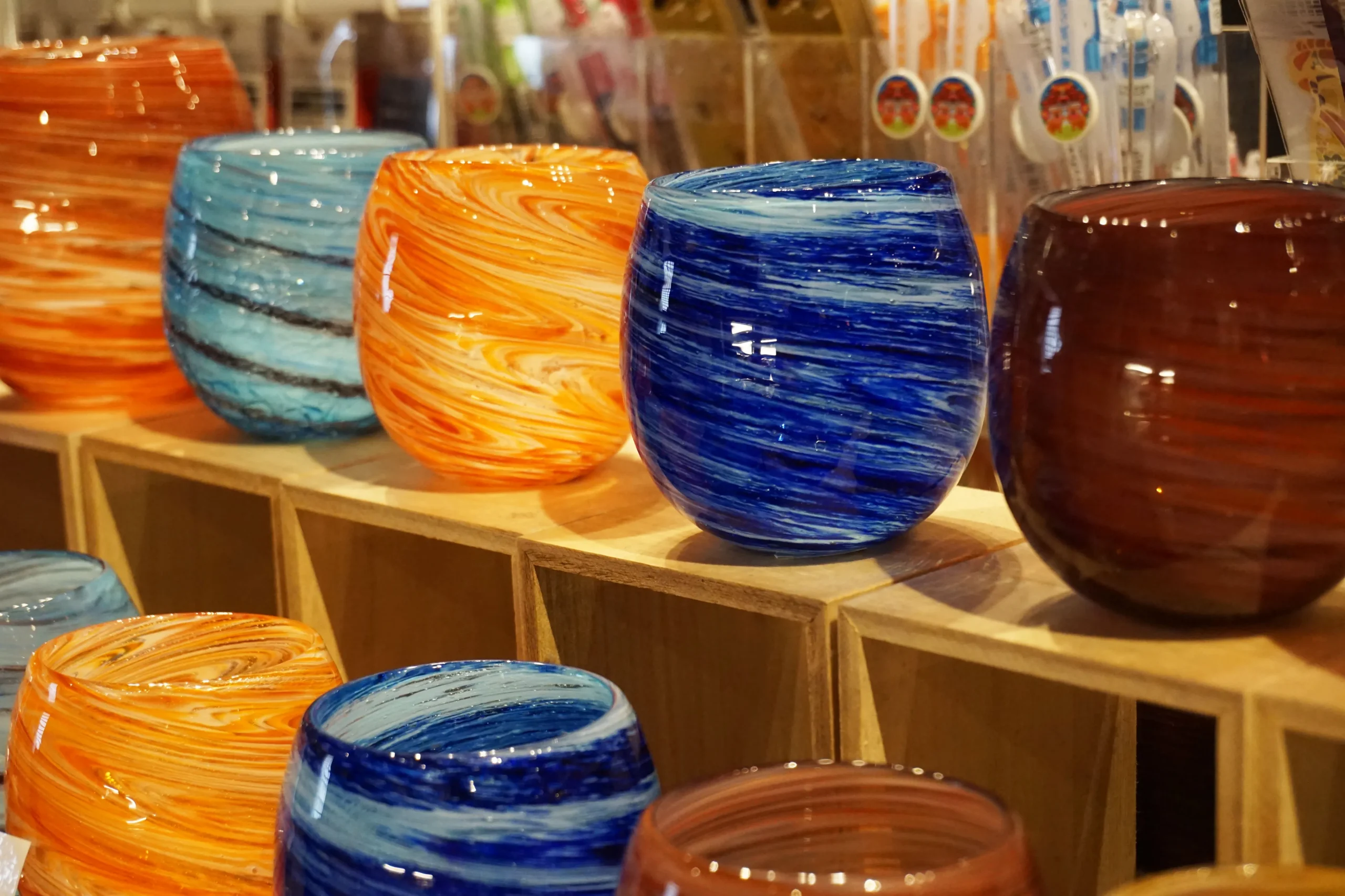
Edo Kiriko is a style of cut glass associated with Tokyo. Geometric patterns are cut into the surface of the glass, creating the sharp reflections that make the finished pieces immediately recognizable.
Workshops in Tokyo let visitors try the cutting process themselves and take the finished piece home.
Read more: Edo Kiriko: Japan’s Exquisite Glass Art
Washi Papermaking
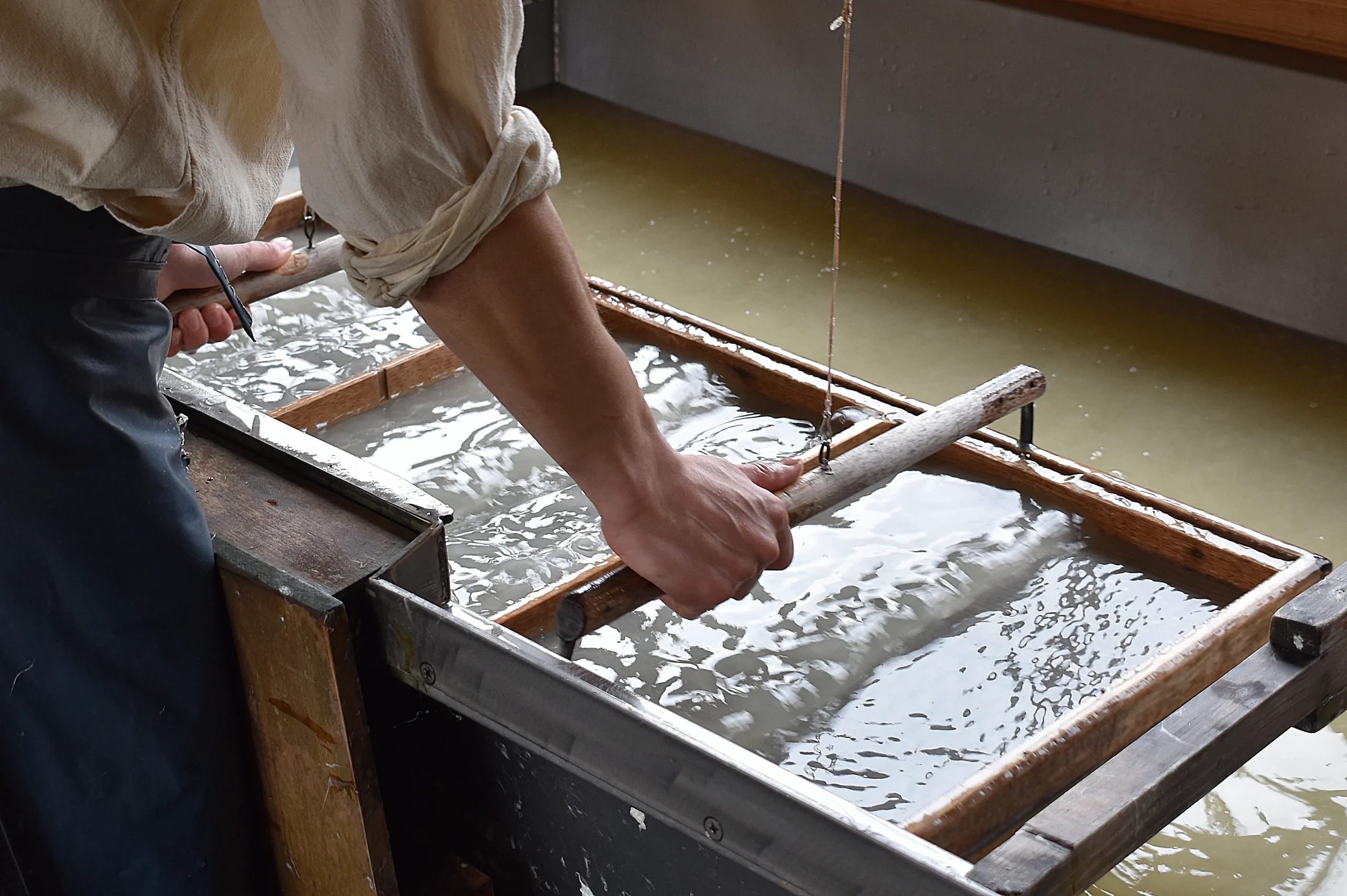
Traditional handmade Japanese paper, or washi, is another craft with strong regional traditions. UNESCO’s Intangible Cultural Heritage inscription covers specific forms of traditional handmade-paper craftsmanship rather than every type of Japanese paper.
Travelers particularly interested in craft production can visit specialist regions and museums, but this is where route planning starts to matter.
Mino in Gifu is relatively workable if you are already traveling through Nagoya or Central Japan. Echizen in Fukui fits more naturally into a Hokuriku route involving places such as Kanazawa. Ino in Kochi makes more sense as part of a Shikoku trip.
If crafts are only a secondary interest, there is little reason to cross the country just for a paper museum. A city workshop or good craft shop may fit your trip much better.
Eat: Washoku and Tea Culture
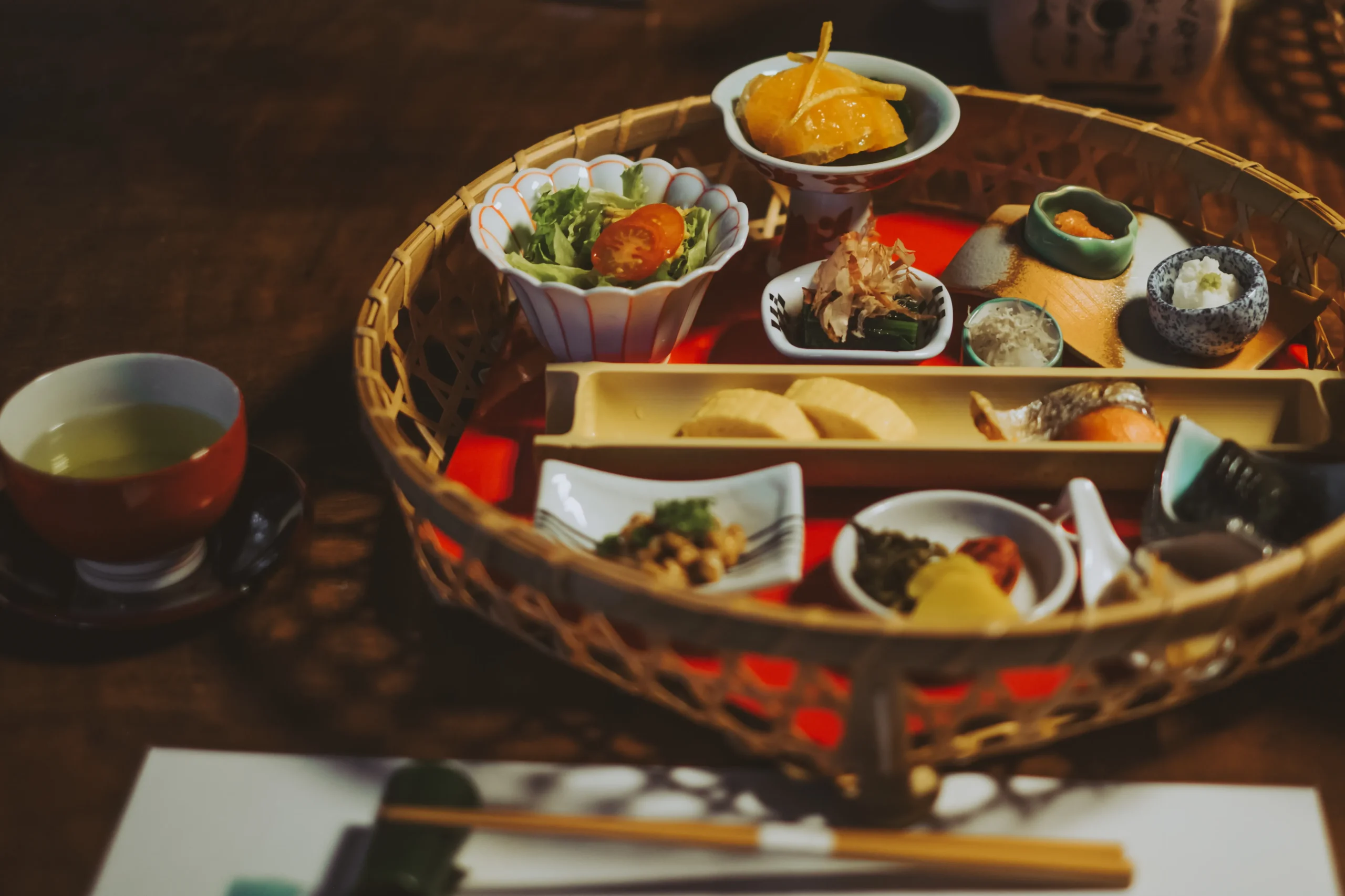
Food is one of the easiest ways to experience culture in Japan because it is already part of every travel day.
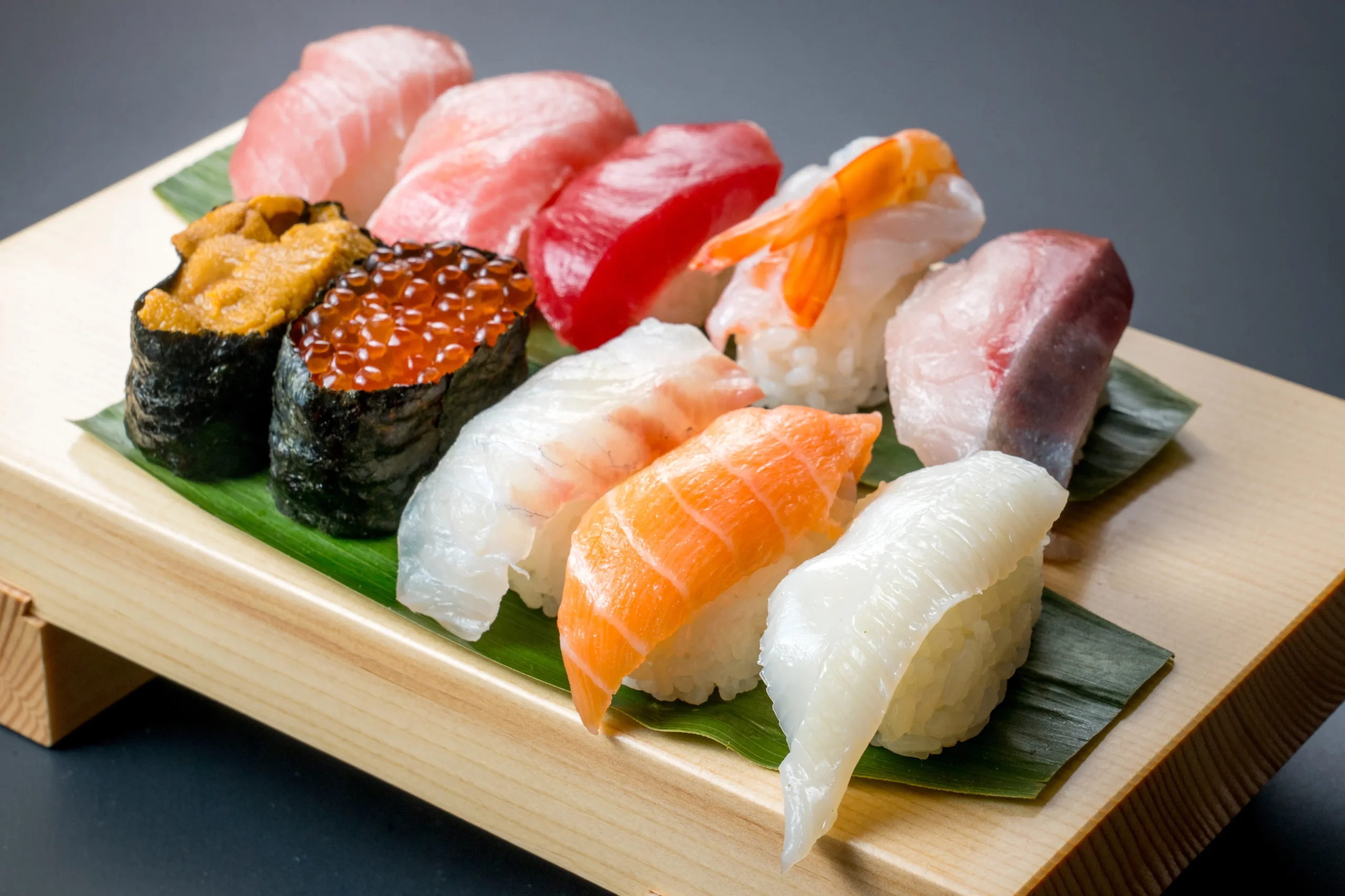
Washoku refers to traditional Japanese dietary culture, including knowledge and customs surrounding ingredients, preparation, eating and seasonal celebrations. UNESCO added washoku to its Intangible Cultural Heritage list in 2013.
For a traveler, that does not mean you need an expensive formal meal. Regional dishes, small restaurants, markets and foods connected to the season can be equally interesting.
Tea Ceremony
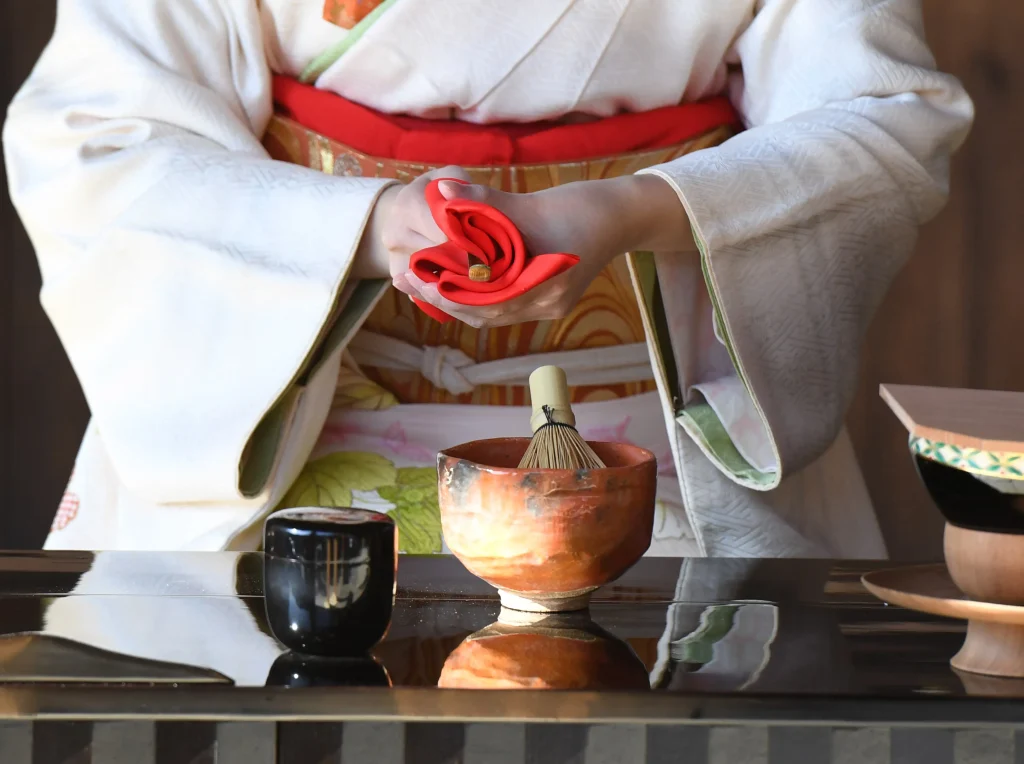
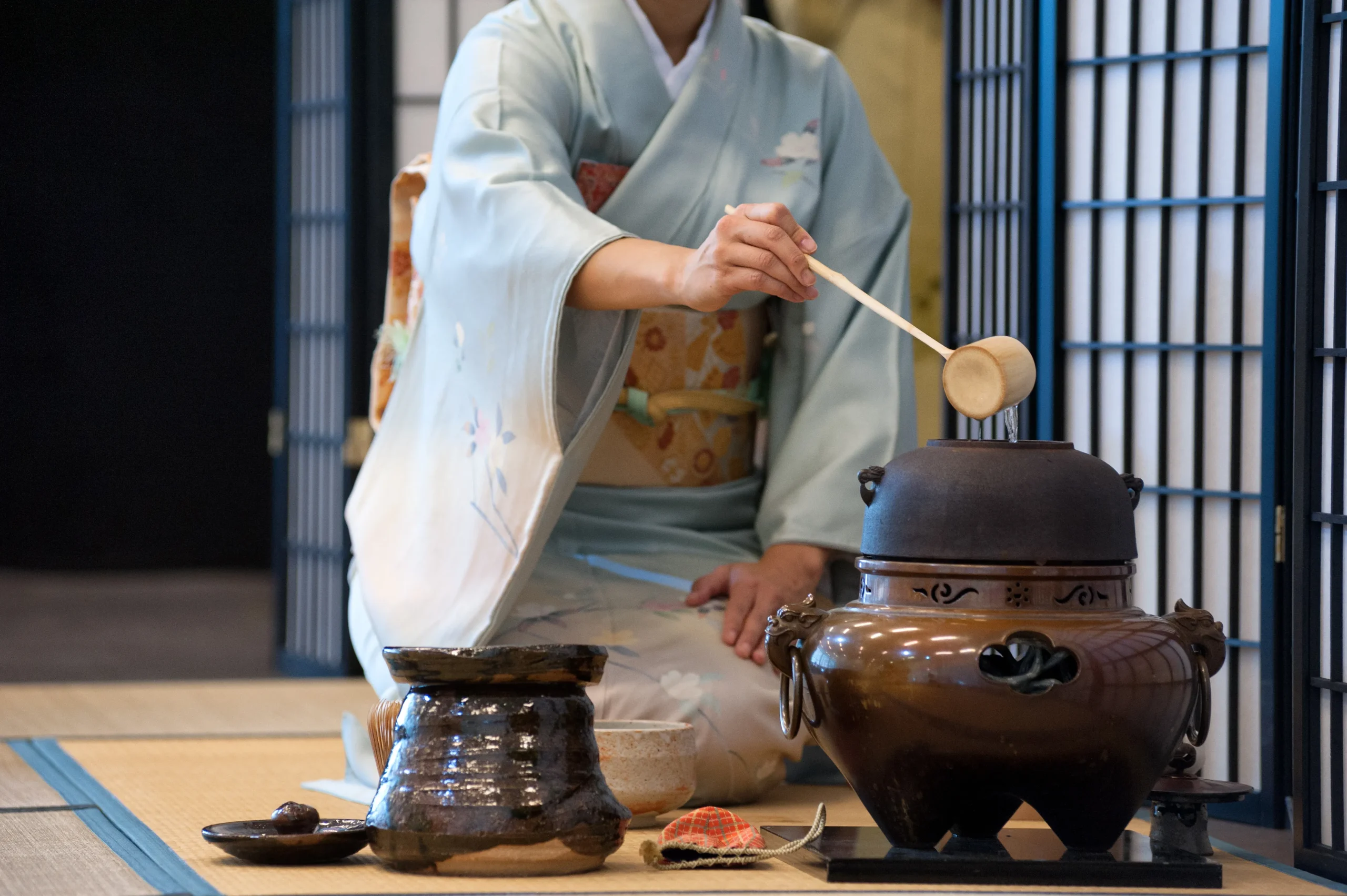
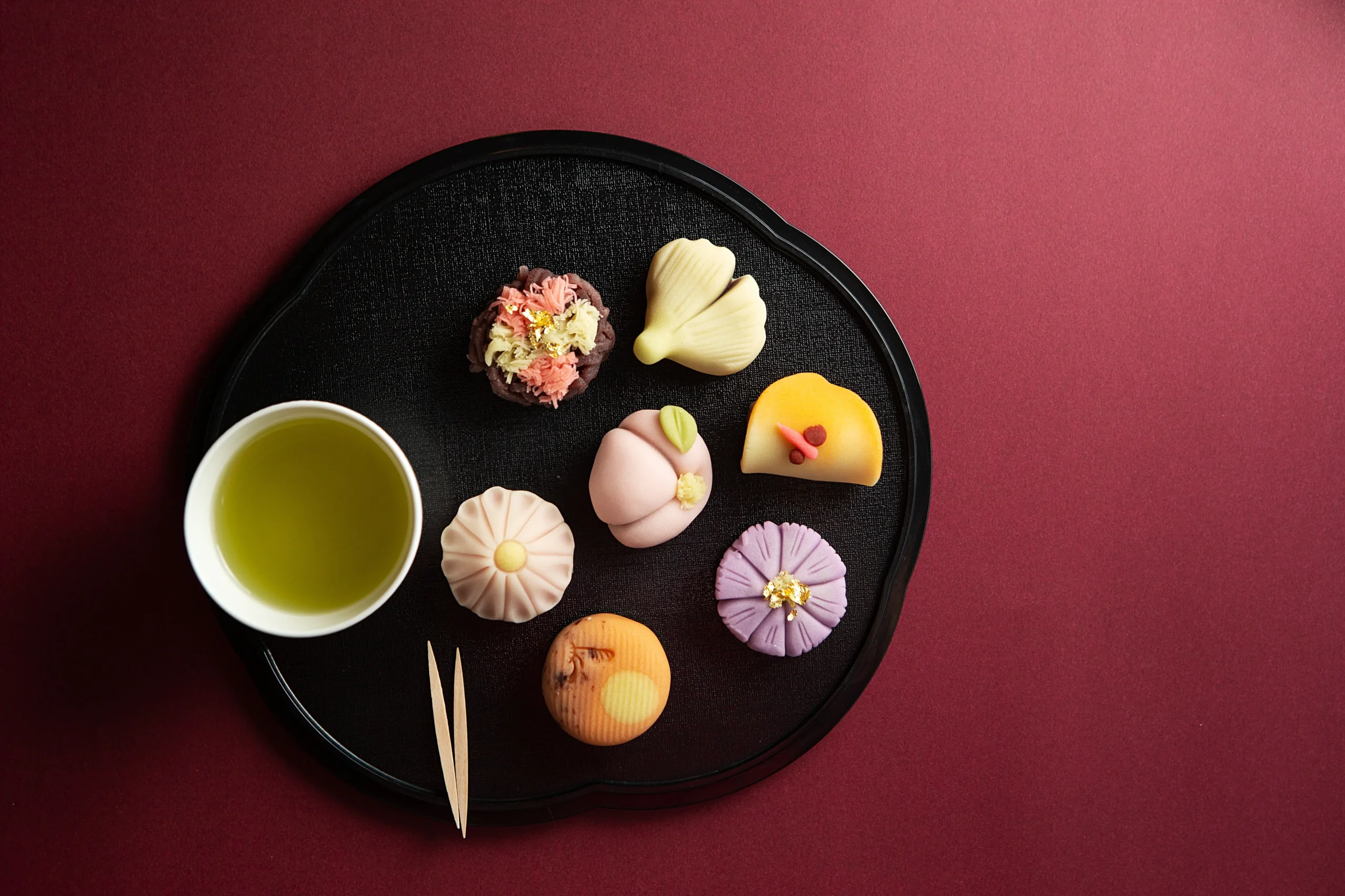
A tea ceremony is different from simply ordering matcha at a café. The preparation, serving, utensils and interaction between host and guest follow an established sequence.
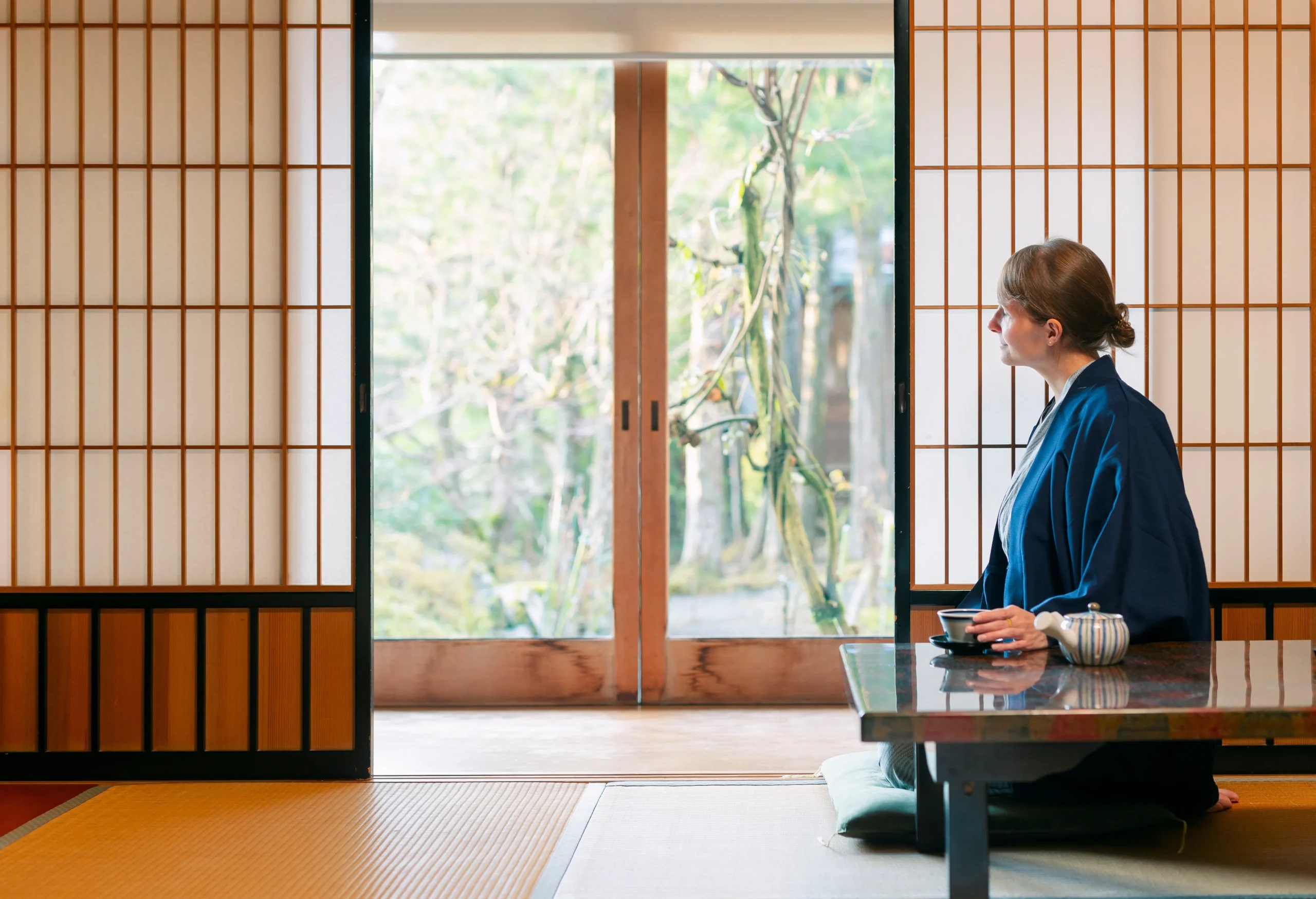
Visitor-oriented tea ceremonies are available in places such as Kyoto and Tokyo, including experiences designed for people with no previous knowledge. Some venues offer chair seating for guests who find sitting on the floor uncomfortable.
A short introductory ceremony is enough for many first-time visitors. If tea, ceramics or traditional aesthetics are a major interest, you can look for a more in-depth experience.
Read more: Tea Ceremony in Japan
Join: Festivals and Seasonal Traditions
Matsuri: Japan’s Living Festivals of Gratitude and Celebration
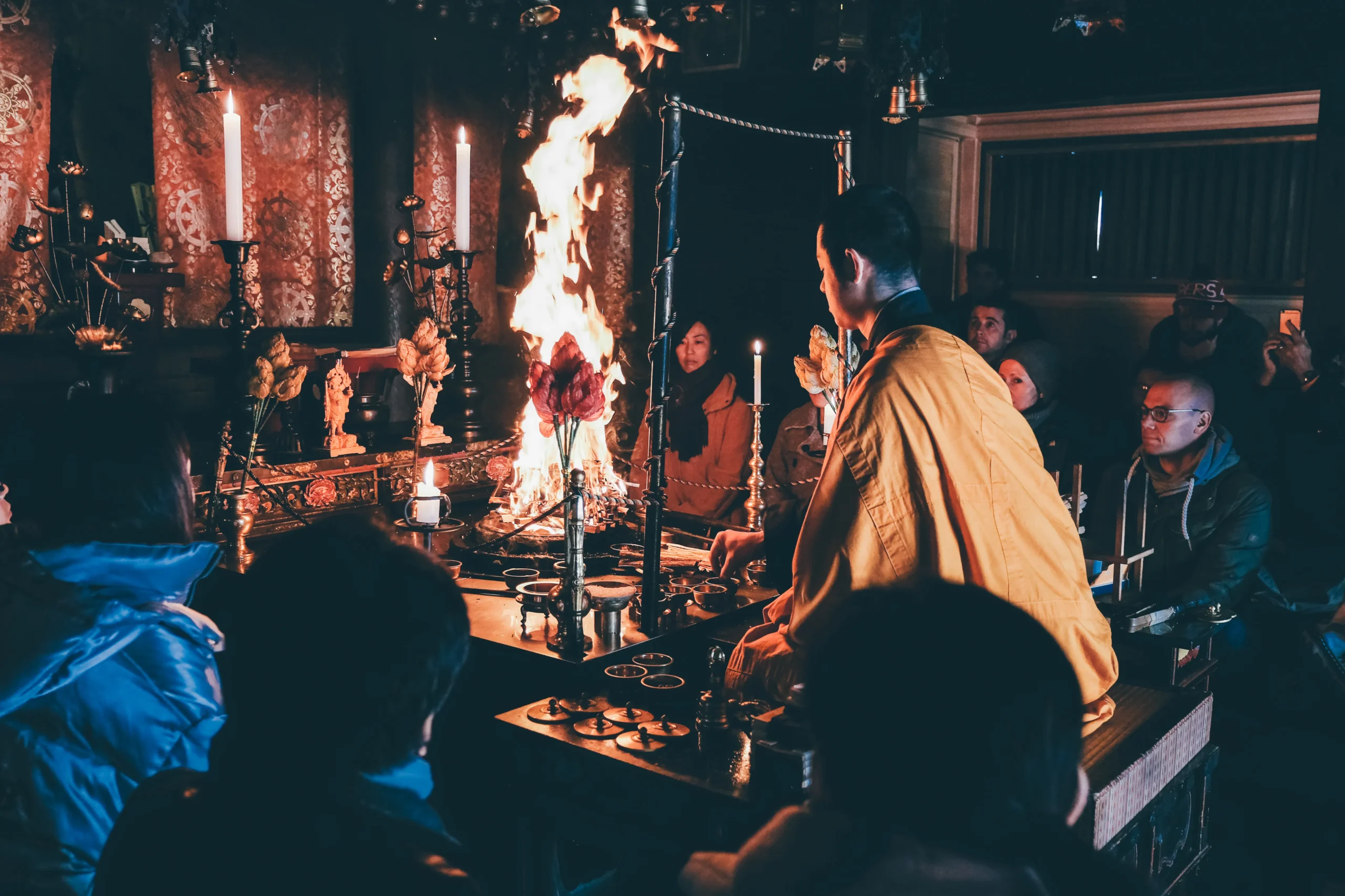
Japanese festivals are often grouped together under the word matsuri, but their origins and meaning vary. Some are connected with Shinto shrines or Buddhist traditions, while others center on seasons, historical events or local community celebrations.
Well-known examples include Kyoto’s Gion Matsuri, Aomori’s Nebuta Festival and Awa Odori in Tokushima. Each feels completely different.
Aomori Nebuta Matsuri
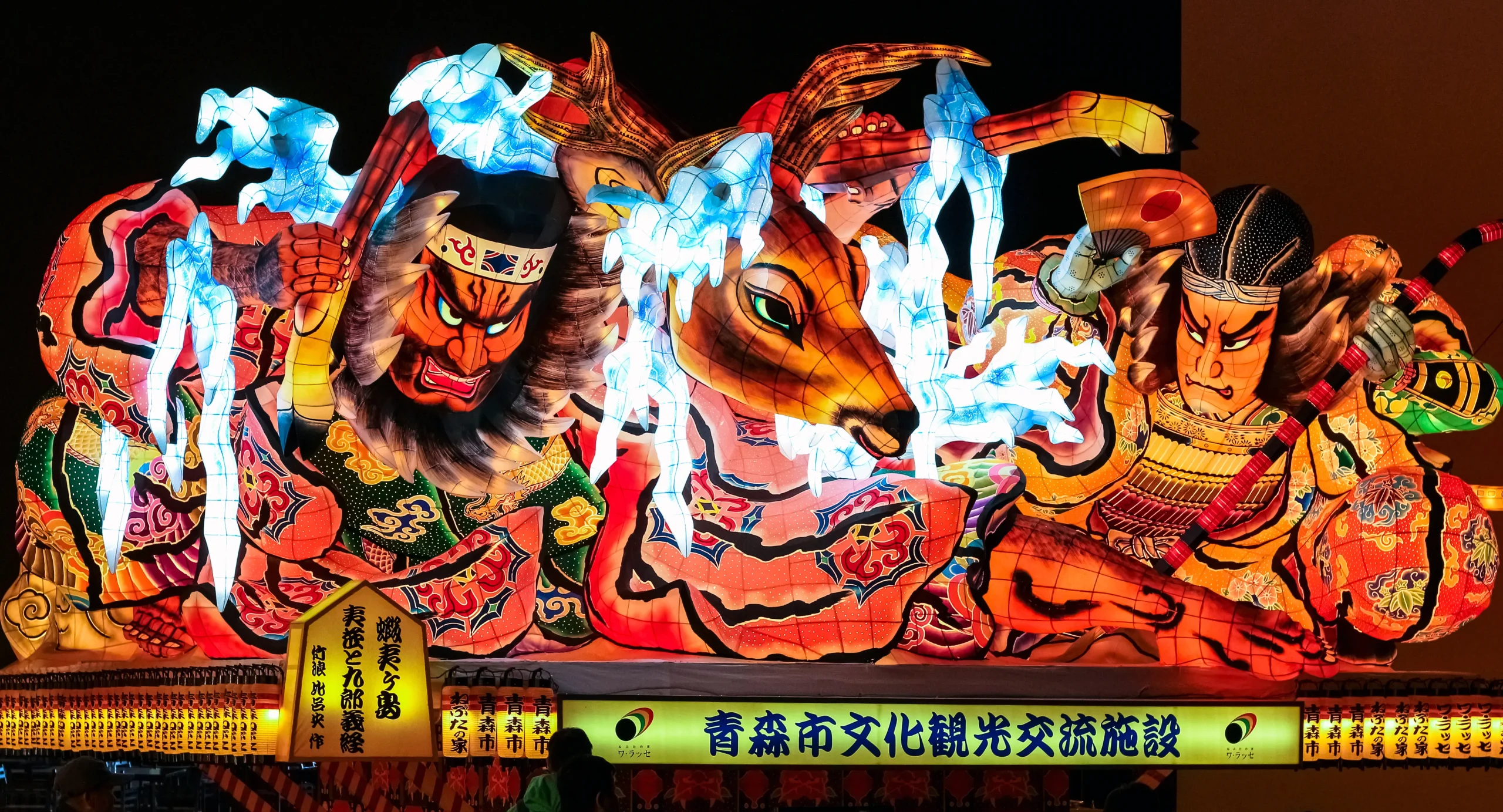
Held in the northern Tohoku region every August, this spectacular summer festival is famous for its towering illuminated floats. Shaped like fierce warriors or mythical creatures, the nebuta glide through the streets at night, accompanied by dancers and traditional music in a bold, high-energy celebration.
Tokushima Awa Odori
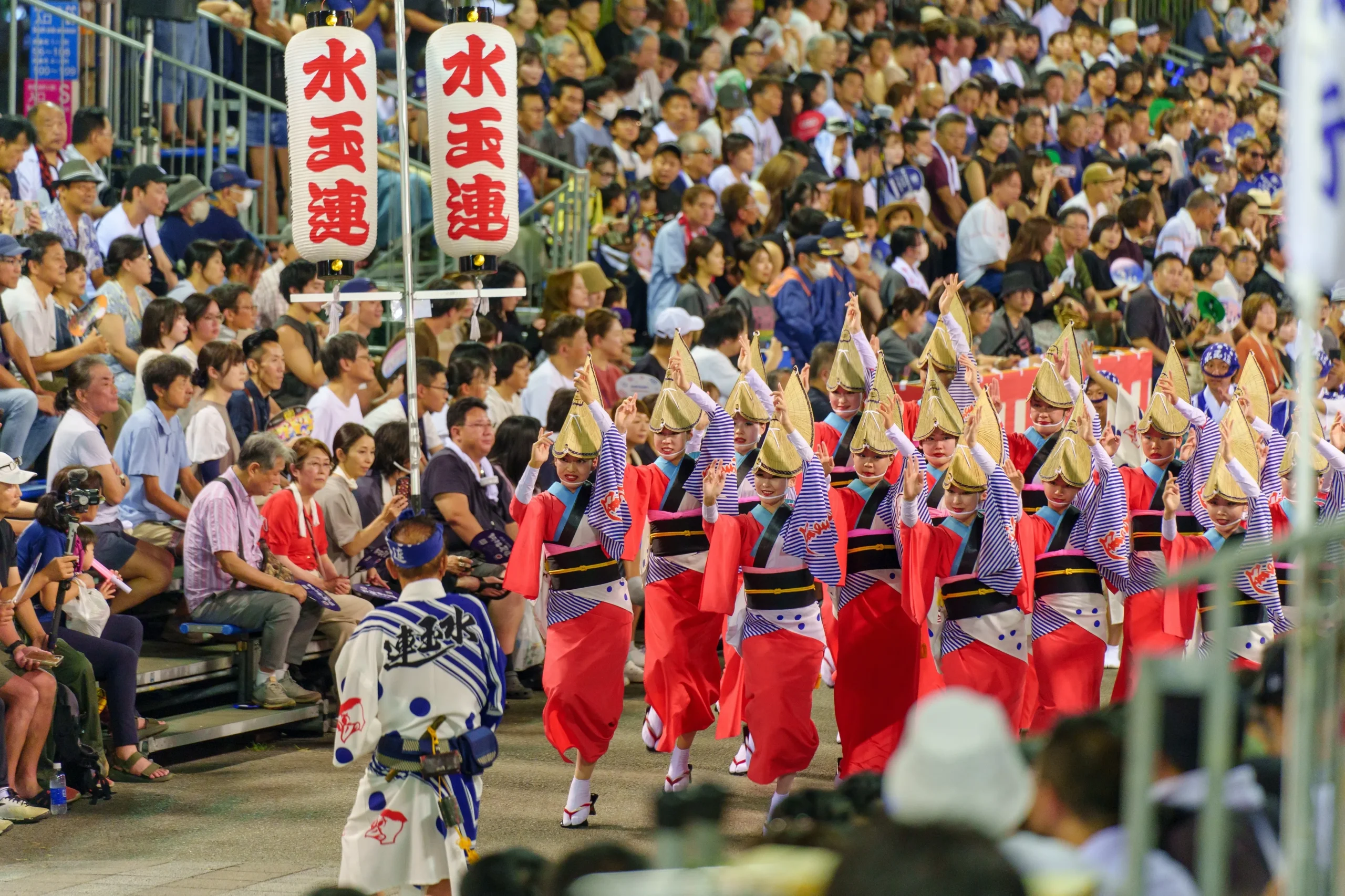
Japan’s largest Bon Odori (Bon festival dance), Awa Odori invites everyone to join in. With over 400 years of history, the festival features groups of dancers performing rhythmic, flowing movements to festive music. The spirit is joyful and welcoming—even first-timers are encouraged to jump in and dance.
Kyoto Gion Matsuri
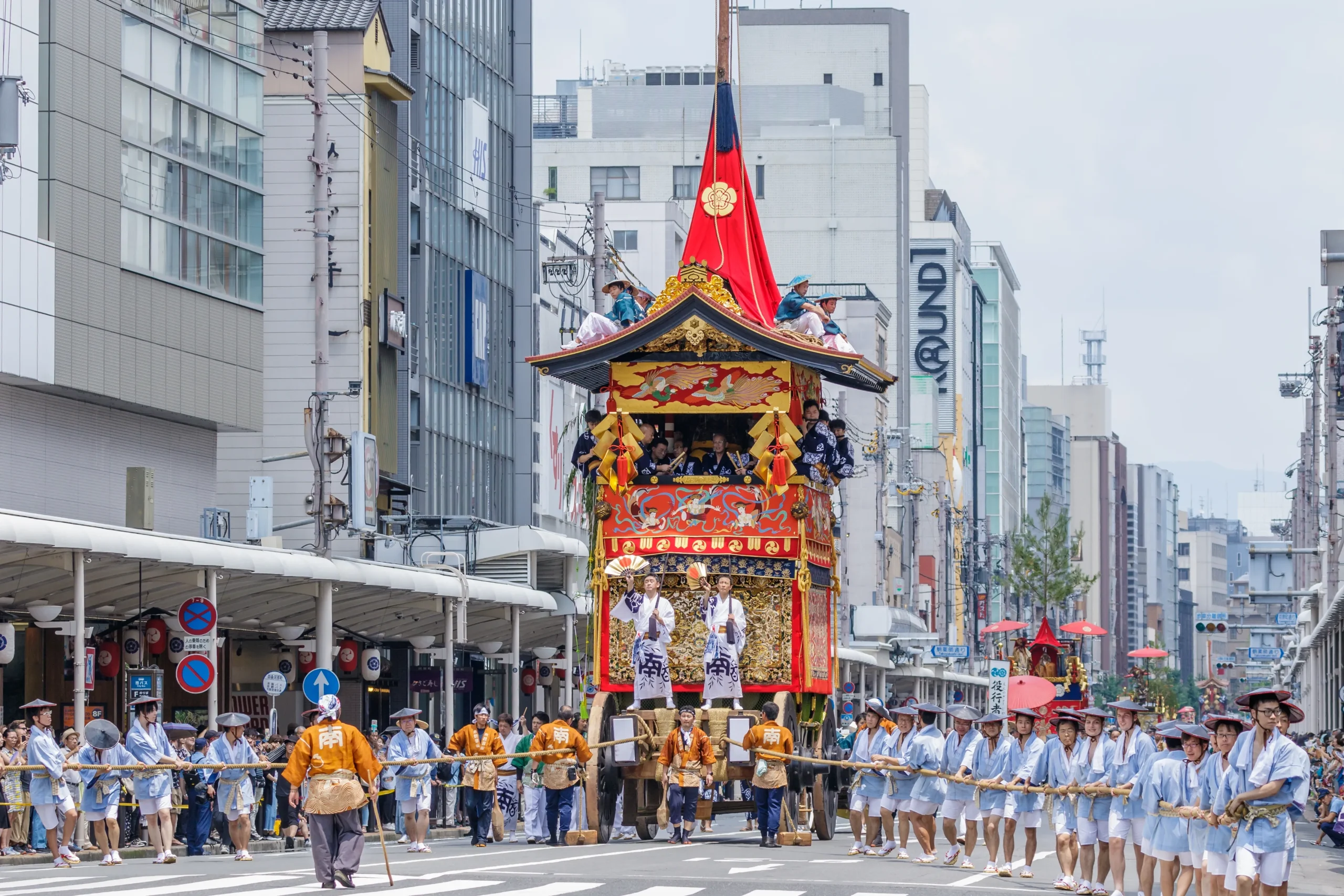
Dating back over a thousand years, Gion Matsuri is one of Japan’s three great festivals. Its highlight is the Yamahoko Junko, a grand procession of intricately decorated floats that make their way through the streets of Kyoto. Originally held to ward off epidemics, today it’s a dazzling showcase of Kyoto’s craftsmanship, tradition, and devotion.
Festivals also require more planning than most of the experiences in this guide.
A kimono rental or tea ceremony can usually be fitted around your itinerary. A major festival happens on specific dates, and the destination may be far from your existing route. Accommodation and transport can also become busier around major events.
If attending a particular festival is one of the main reasons for your trip, it is usually better to choose the travel dates first and build the rest of the itinerary around them.
Read more: Summer Festivals in Japan
Watch: Kabuki, Noh and Sumo
Some traditional culture makes more sense as a performance than as something visitors participate in themselves.
Kabuki or Noh?
Kabuki and Noh are both traditional forms of Japanese theatre, but they offer very different experiences.
Kabuki is visually dramatic, combining acting, music and dance with elaborate costumes, makeup and stage presentation.
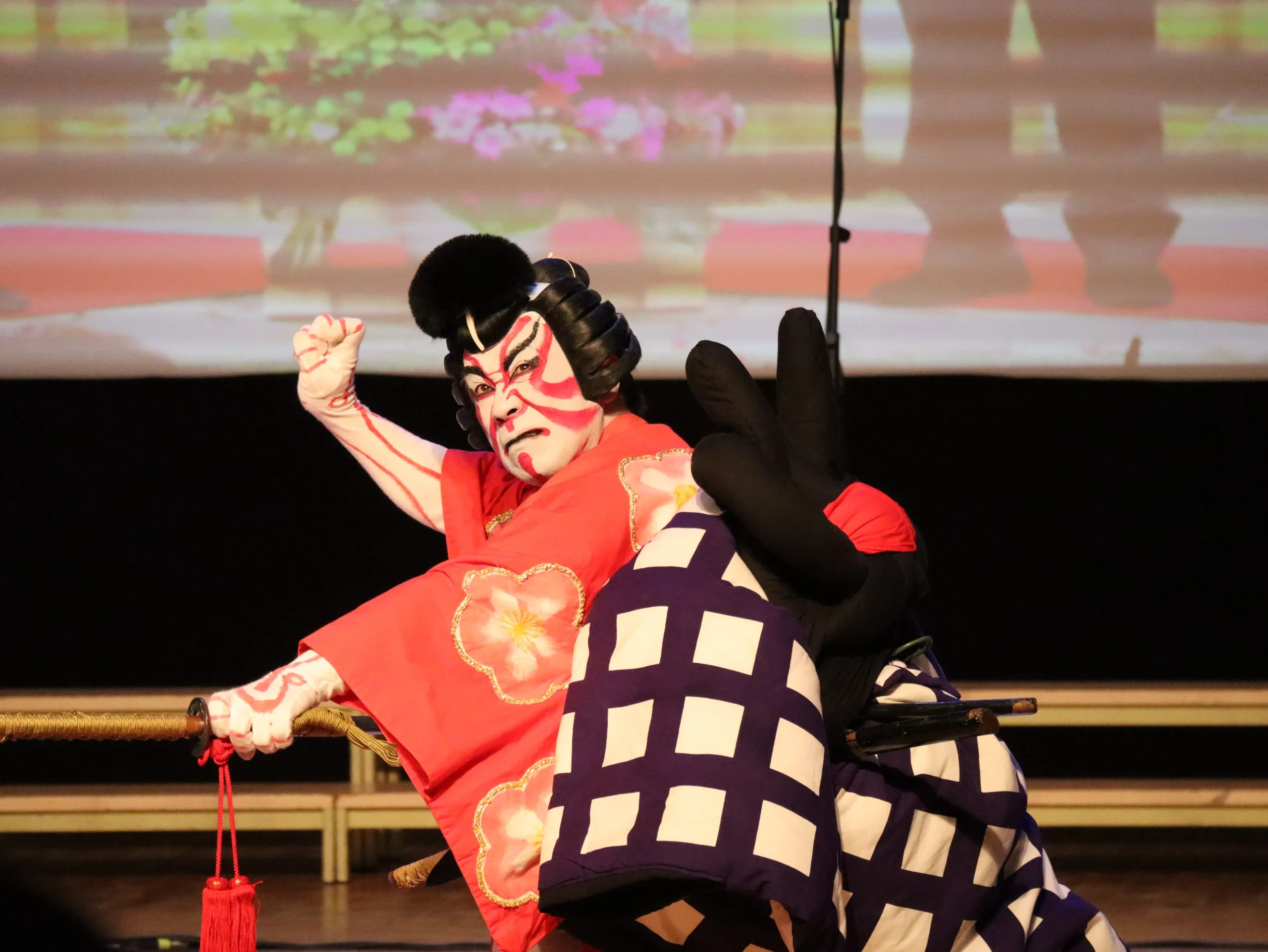
Noh is quieter and more restrained, using stylized movement, chanting, music and masks.
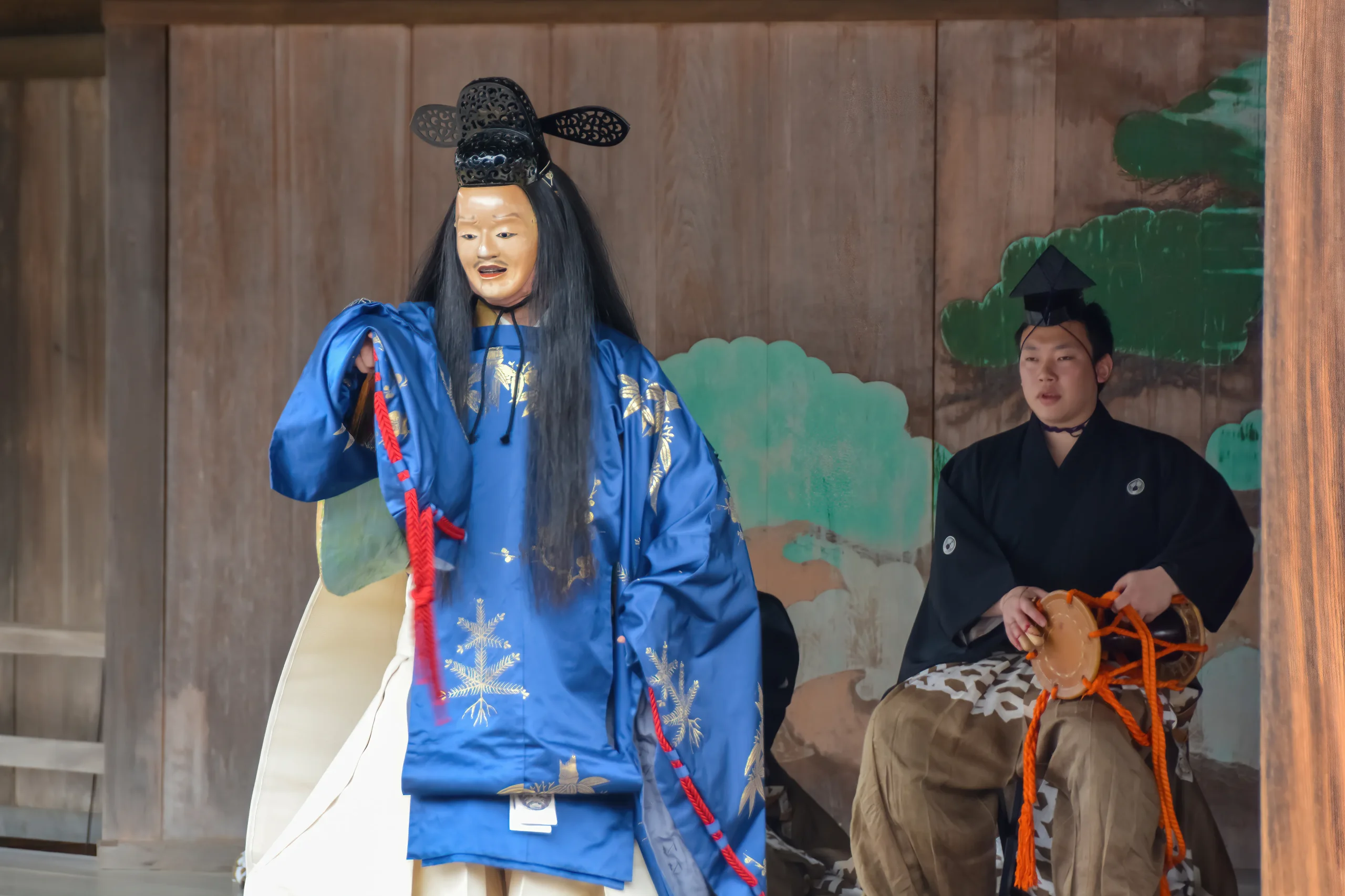
For most travelers, understanding that difference is more useful than learning the many technical categories of plays and masks.
If you are curious about Kabuki but unsure about committing to a long performance, look for a single-act option at Kabukiza in Tokyo. It can provide a much shorter introduction than attending a complete program. Availability and ticket arrangements change, so check the current official program before visiting.
Noh may appeal more to travelers already interested in minimalist theatre, traditional music or the slow, highly controlled style of performance.
English support varies by venue and production for both forms.
Read more: Noh and Kabuki
Sumo
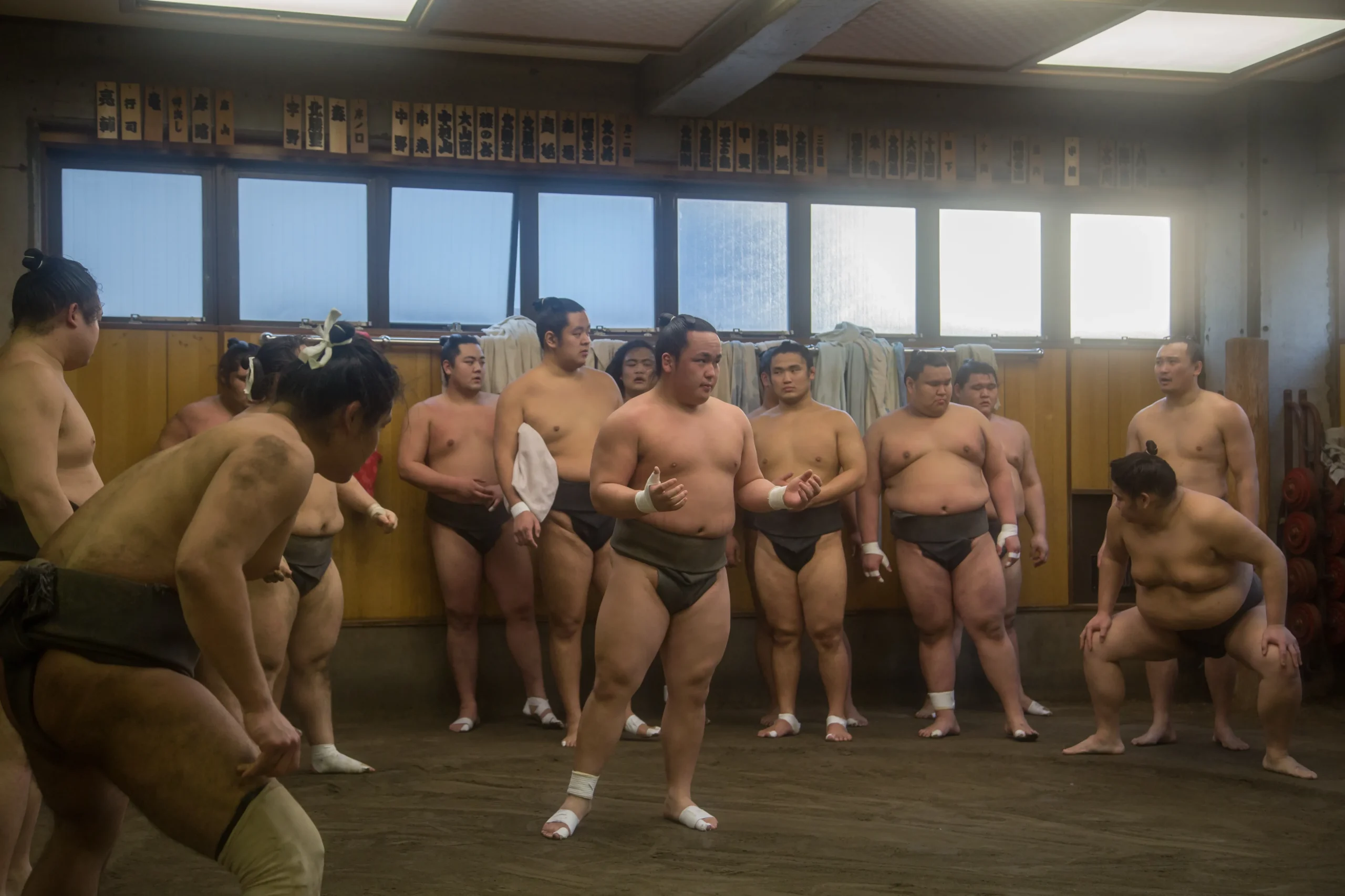
Sumo developed from early ritual practices into the professional spectator sport seen in Japan today.
The basic result of a bout is easy to follow: a wrestler loses by being forced out of the ring or touching the ground with something other than the soles of the feet.
Watching Grand Sumo can be one of the easiest traditional sports for an international visitor to enjoy without previous knowledge. The challenge is scheduling rather than understanding it.
Major tournaments take place only at certain times of the year, and popular sessions can sell quickly. If sumo is important to you, check the tournament schedule before finalizing your route.
Read more: Sumo Season in Japan
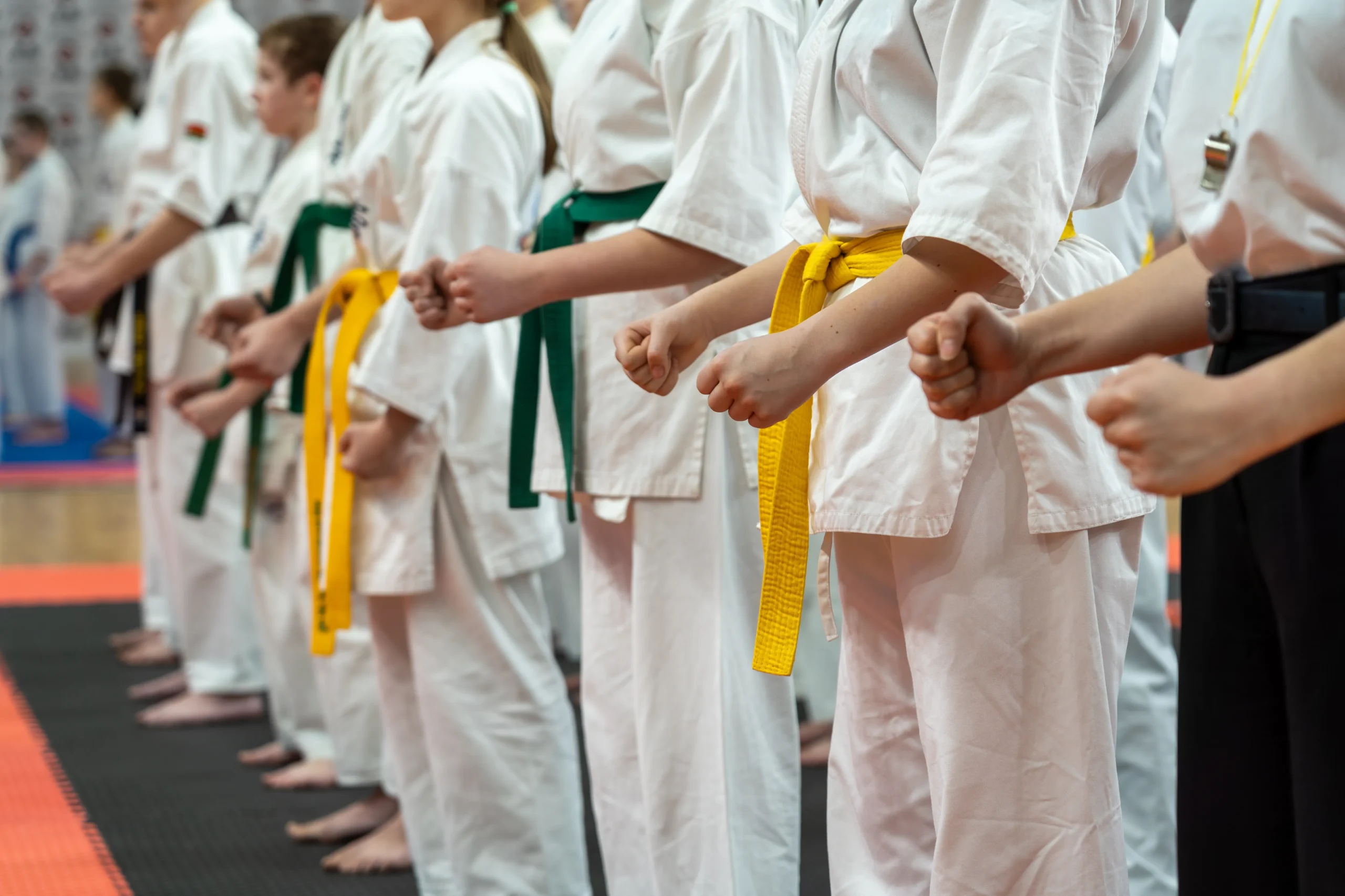
Judo, karate and other Japanese martial arts remain important living traditions, but they are more relevant to travelers with a specific interest in training, demonstrations or martial-arts history than to someone simply looking for a spectator experience.
Visit: Shrines, Castles and Japanese Gardens
Not every cultural experience requires a booking.
Shrines, temples, historic castles and Japanese gardens let you encounter architecture, religious traditions, landscape design and history at your own pace.
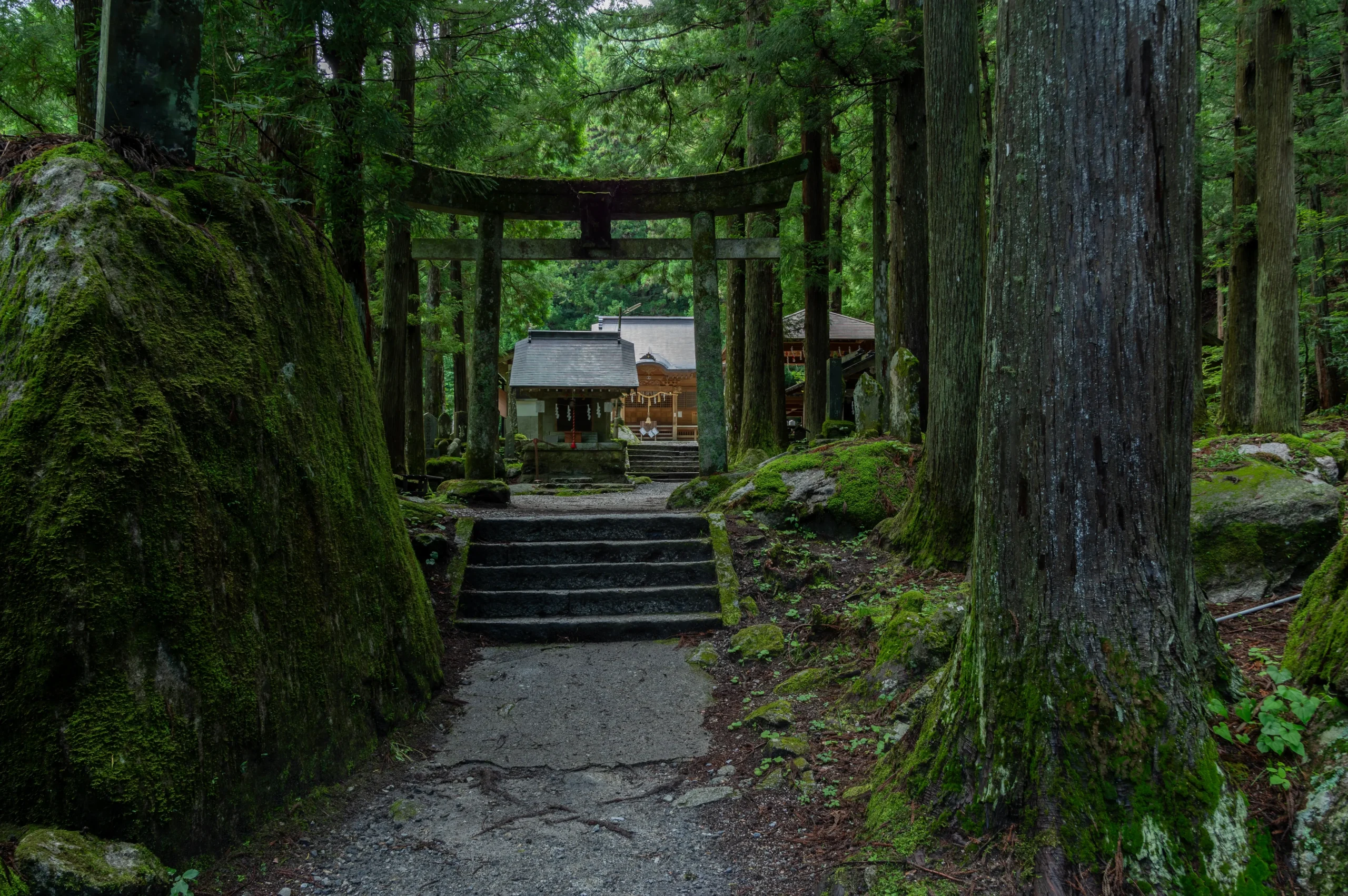
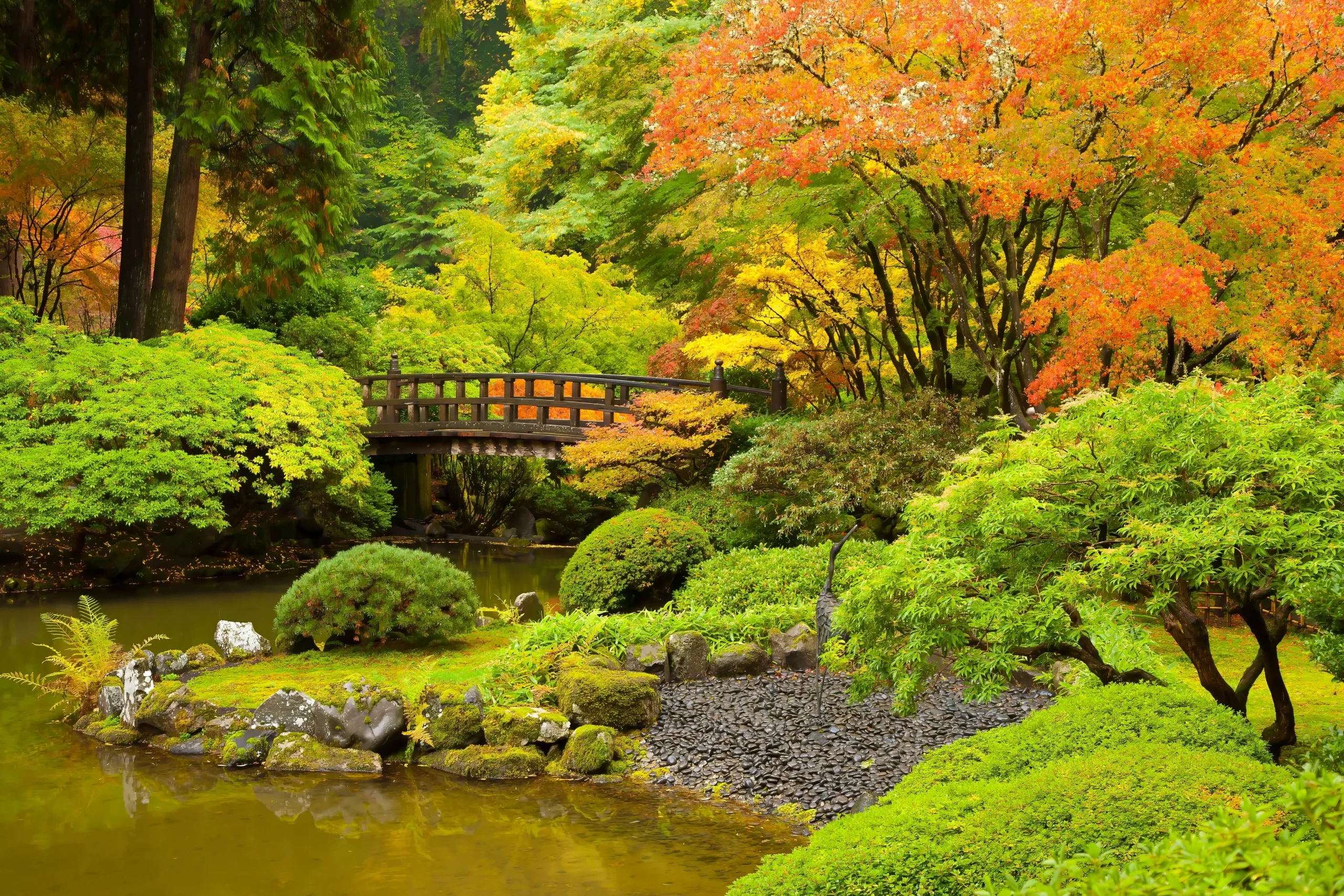
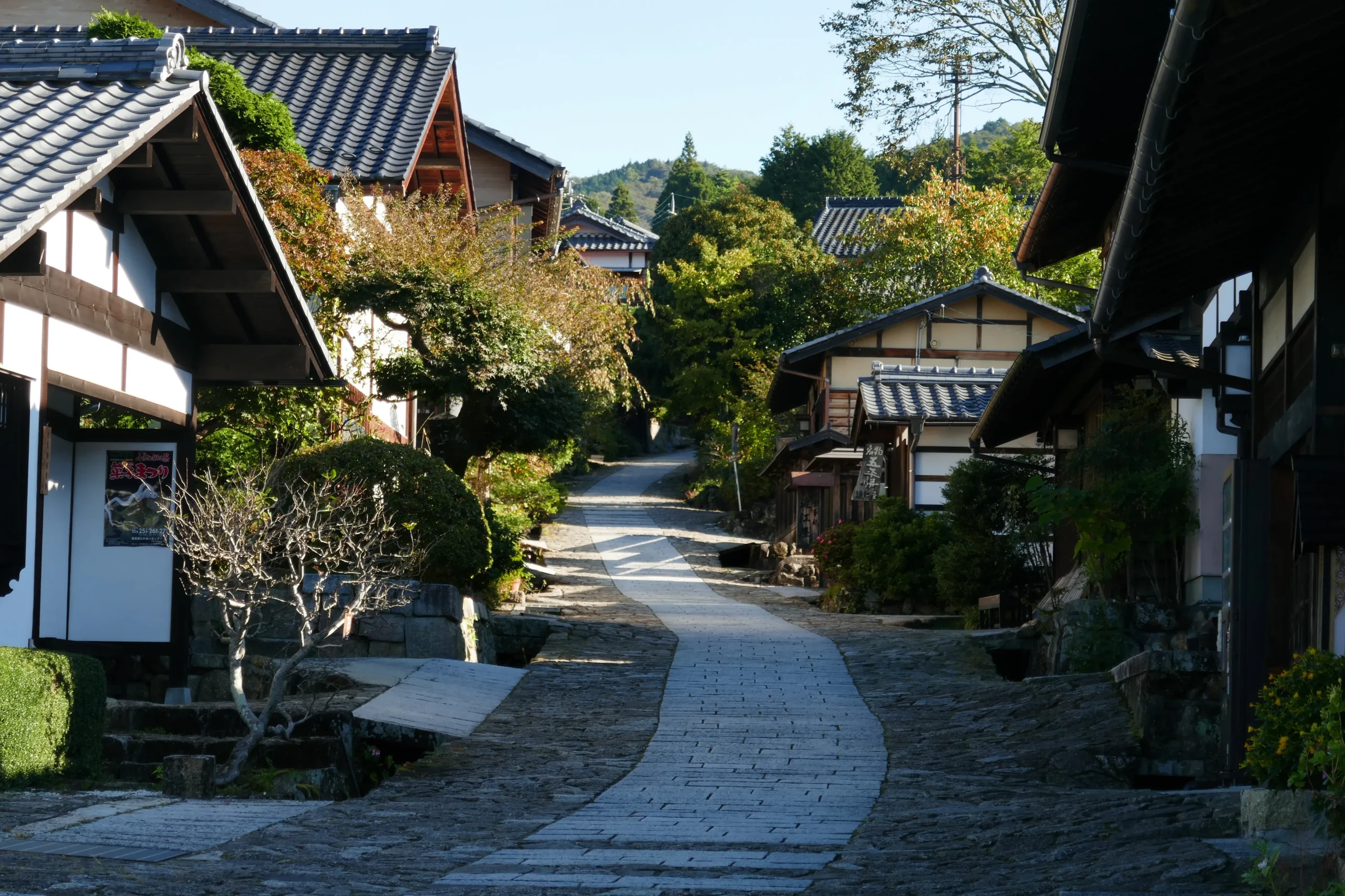
Japan’s surviving historic castles give a glimpse of the country’s former military architecture, while gardens show a very different design tradition. Water, stone, plants, paths and carefully framed views are used in different combinations depending on the garden’s period and purpose.
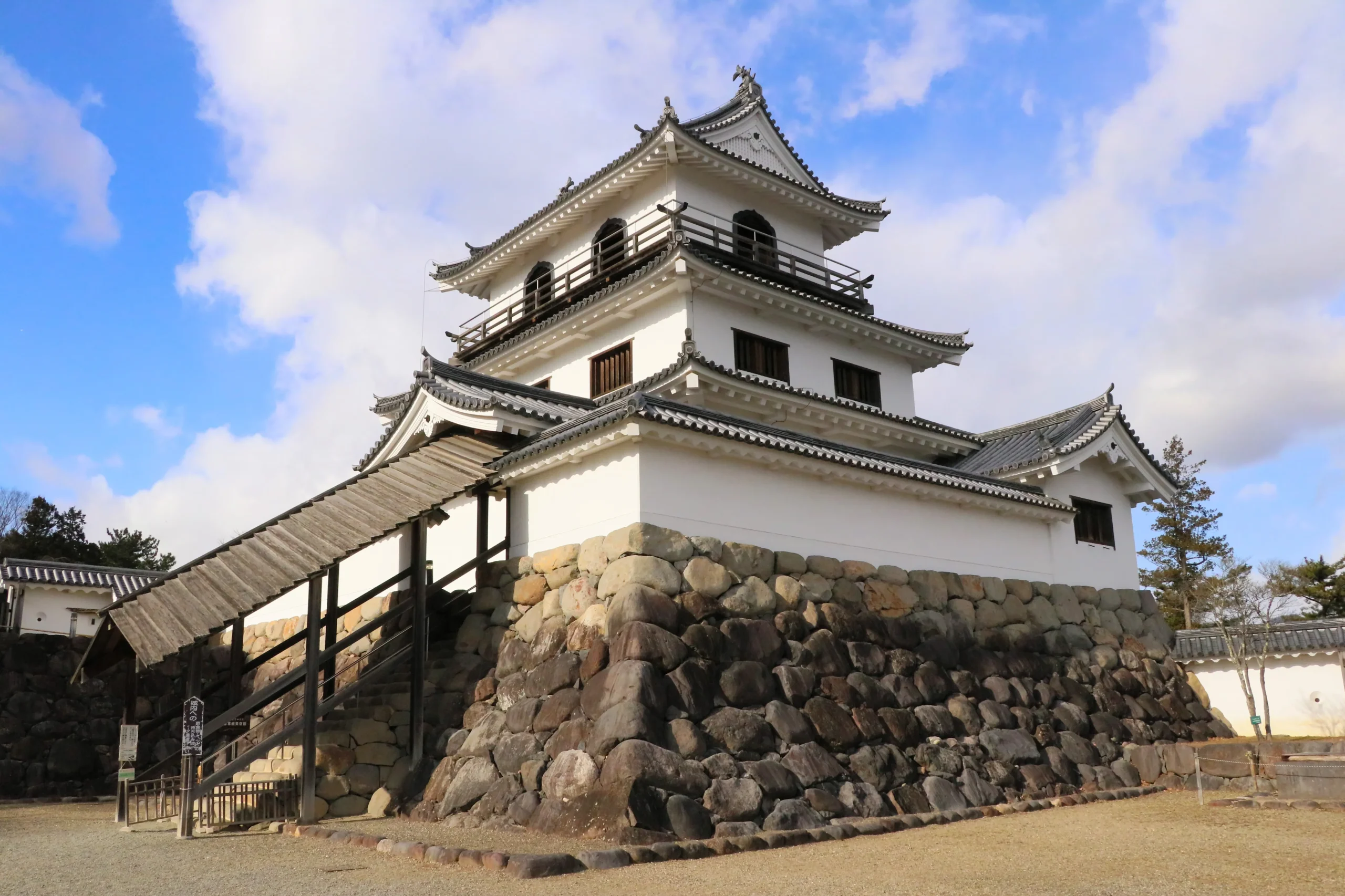
You do not need several examples of each. One carefully chosen garden or historic site that already fits your route is usually more rewarding than adding another long detour simply to complete a checklist.
Read More: Japanese Garden Features: The Beauty of Water Bamboo
What Should You Book Ahead?
The cultural experiences in this article broadly fall into two groups.
Usually easier to add to an existing itinerary
- shrines, castles and gardens;
- kimono rental;
- tea ceremonies;
- many craft workshops.
Popular experiences can still fill up, so reserving in advance is useful when you already know your dates.
More dependent on timing
- major festivals;
- Kabuki and Noh performances;
- Grand Sumo tournaments.
Check these while you are still deciding when to travel rather than after hotels and transport are already booked.
The same applies to regional craft destinations. A washi town in Gifu, a festival in Aomori and a performance in Tokyo may all be worthwhile individually, but combining them without thinking about geography can add a surprising amount of travel time.
How Much Traditional Culture Fits Into One Trip?
For a one-week Tokyo and Kyoto trip, it is usually easier to choose a few experiences already on your route: perhaps a craft workshop, tea ceremony or kimono rental together with a performance or garden.
With around two weeks, adding one culturally focused detour becomes much more realistic, particularly if it connects naturally with the rest of your route.
On a longer trip or repeat visit, regional craft towns, festival-focused travel and less central cultural destinations become easier to justify.
The important question is not how many traditional experiences you can fit into Japan.
It is which ones are important enough to shape your itinerary around.
Experience the Parts of Japanese Culture That Interest You
Traditional Japanese culture becomes much easier to approach when you stop treating it as one huge subject to study.
Wear something. Make something. Eat something. Watch a performance. Join a festival if the dates work. Spend time in a garden.
Choose the parts that genuinely interest you and go deeper where it feels worthwhile.
If several cultural experiences are priorities, ENJYU JAPAN can help fit them around your travel dates and route, particularly when performances, festivals, workshops or regional detours require advance planning.
You do not need to experience every tradition in one journey. A few well-chosen experiences can give you a much clearer picture of Japanese culture than a long checklist.