Every summer, Japan’s streets, shrine grounds and waterfronts take on a different rhythm. Soy sauce smokes on hot grills, taiko drums send a low beat through the pavement, and paper lanterns glow after sunset. These matsuri are shaped by religious rites, seasonal customs and local work.
For travellers, a summer matsuri offers more than food and fireworks. It shows how communities prepare, gather and pass traditions on. This guide explains their meaning and how to attend respectfully.
9-Day Summer Festival Japan Tour
What are Summer Festivals (Matsuri) in Japan?
Matsuri means “festival”, but many traditional matsuri are connected with Shinto shrine rites. Shinto centres on kami: sacred presences associated with nature, places and communities. A shrine festival may include offerings, music, purification and a procession before its public celebrations begin. Its religious purpose still matters.
However, not every event called a matsuri is a Shinto rite. It may also describe community, seasonal and cultural celebrations. Bon Odori, for example, is a circle dance associated with the Bon season, when families remember their ancestors. Some festivals centre on processions; others focus on dancing, fireworks or food. Matsuri is therefore a broad cultural world, not one single ceremony.
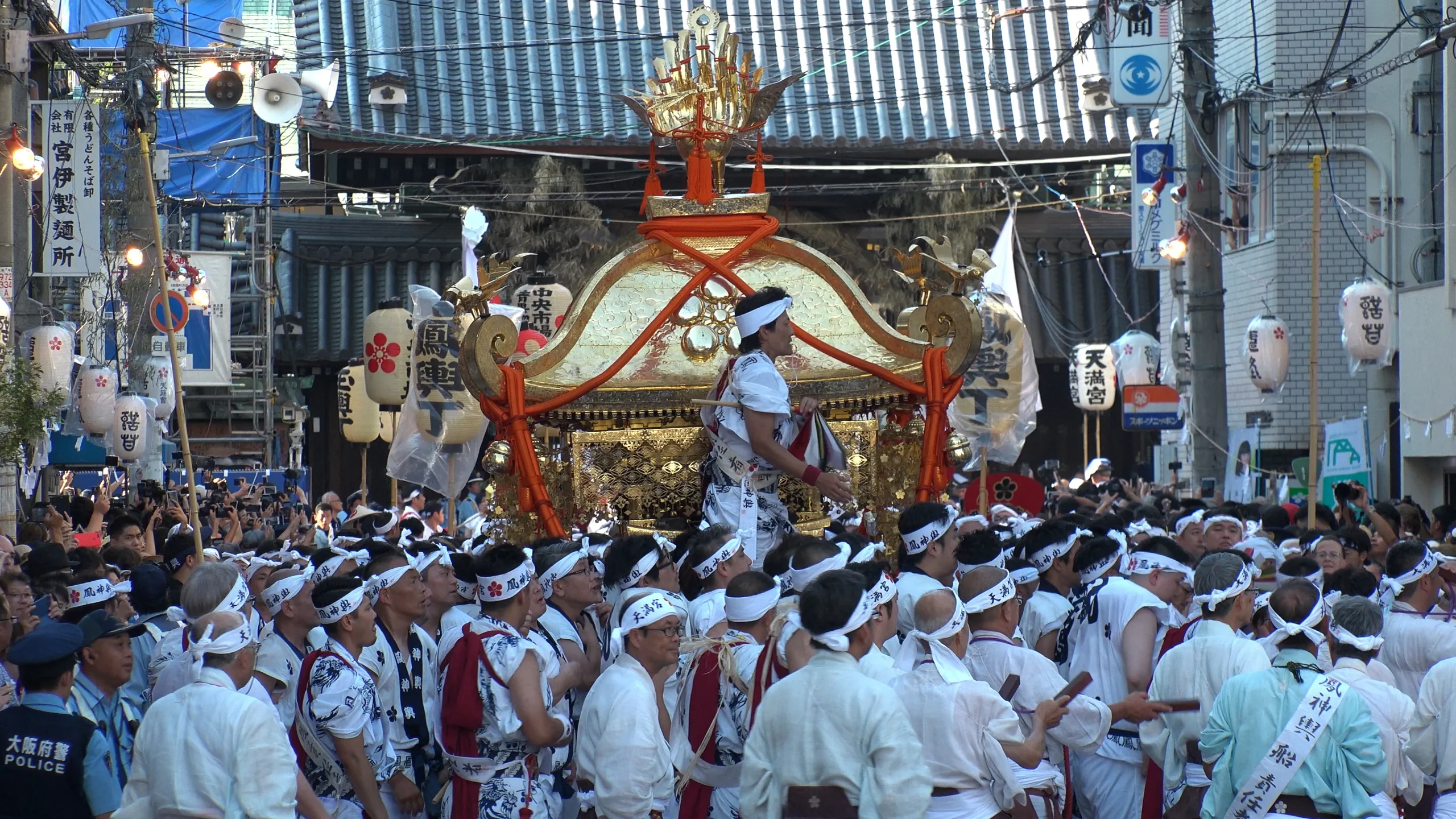
One familiar sight is a mikoshi, a portable shrine carried through a neighbourhood during a festival. Residents prepare floats, music, lanterns and routes together. A matsuri is not simply a show for visitors; it belongs to the community that sustains it.
Famous & Must-See Summer Festivals for First-Time Visitors
For a first visit, choose one major festival that fits your route: Kyoto for traditional floats, Osaka for a river procession, or Aomori for giant illuminated floats.
Gion Matsuri | Kyoto
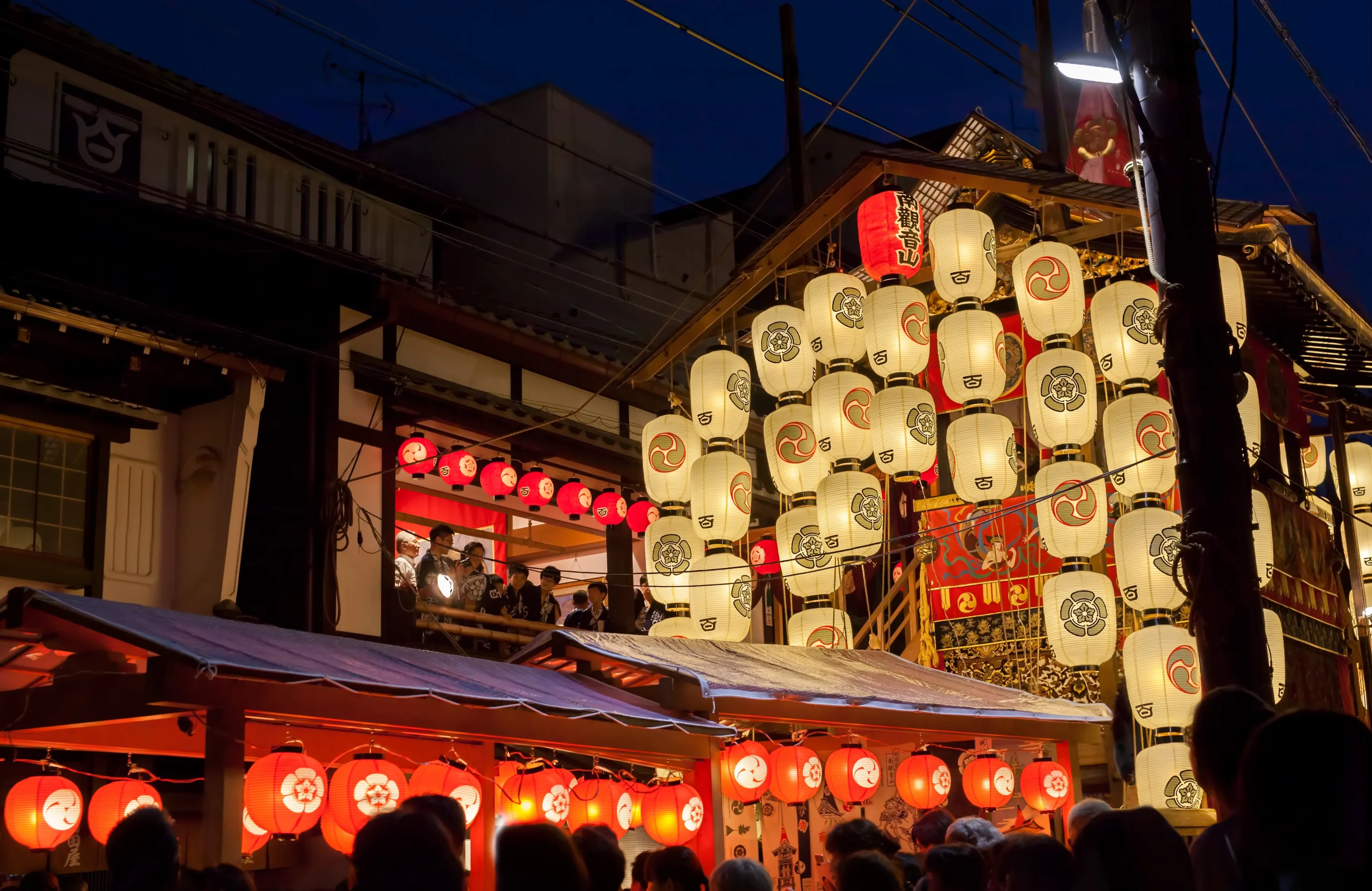
Gion Matsuri traces its origins to 869, when a ritual was held at Yasaka Shrine to pray for protection from an epidemic. Gion Matsuri takes place throughout July, with its best-known float processions on 17 and 24 July. On these days, large yamahoko—wheeled festival floats—move through central Kyoto.
The three evenings before each procession are known as yoiyama. During these evenings, lanterns illuminate the floats and traditional Gion music carries through the surrounding streets. Some historic townhouses display treasured screens and decorations. Gion Matsuri brings ritual, neighbourhood organisation and craftsmanship together in the same streets.
Read more: Gion Matsuri : Schedule, Highlights, and the Best Ways to Enjoy
Nebuta Matsuri | Aomori
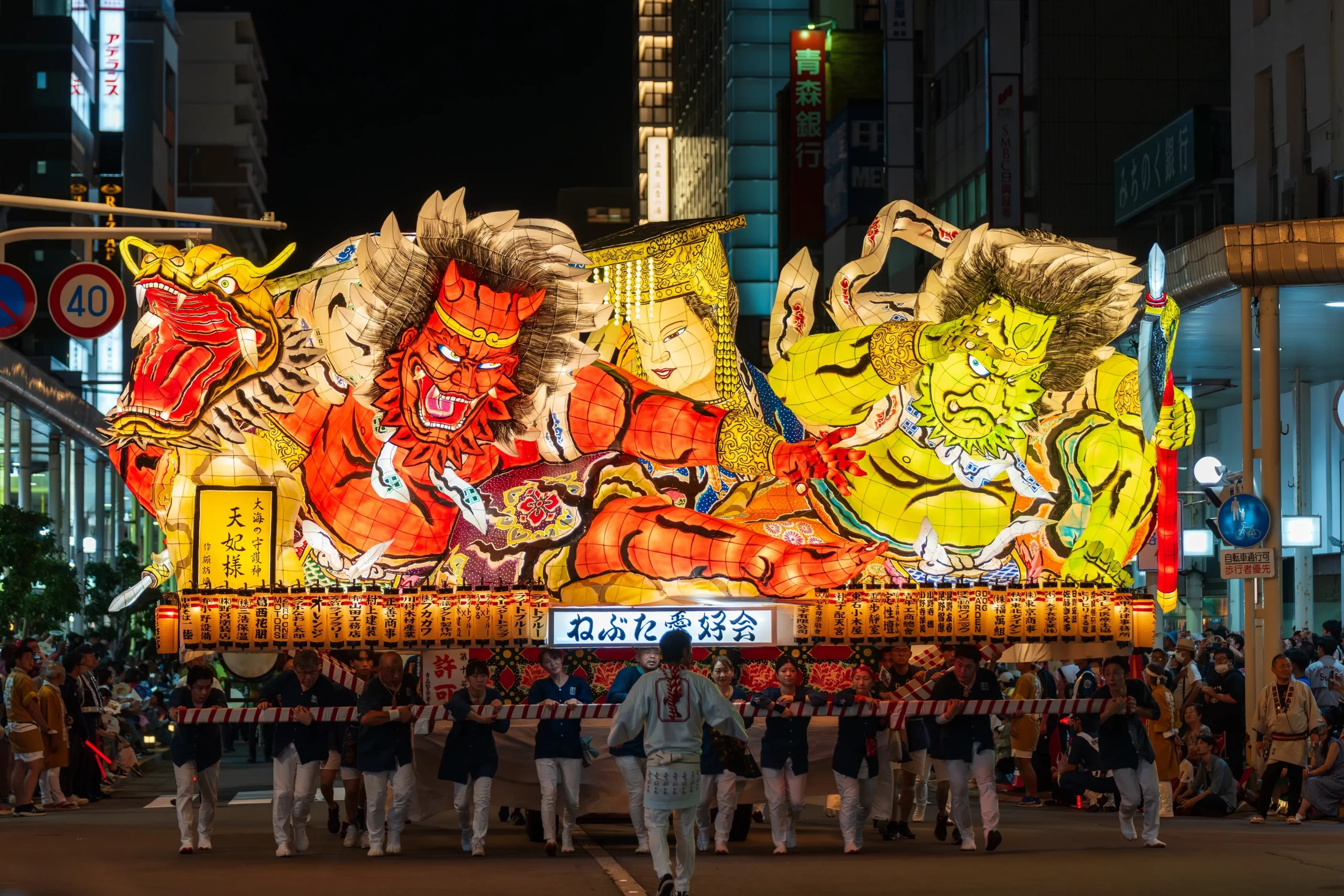
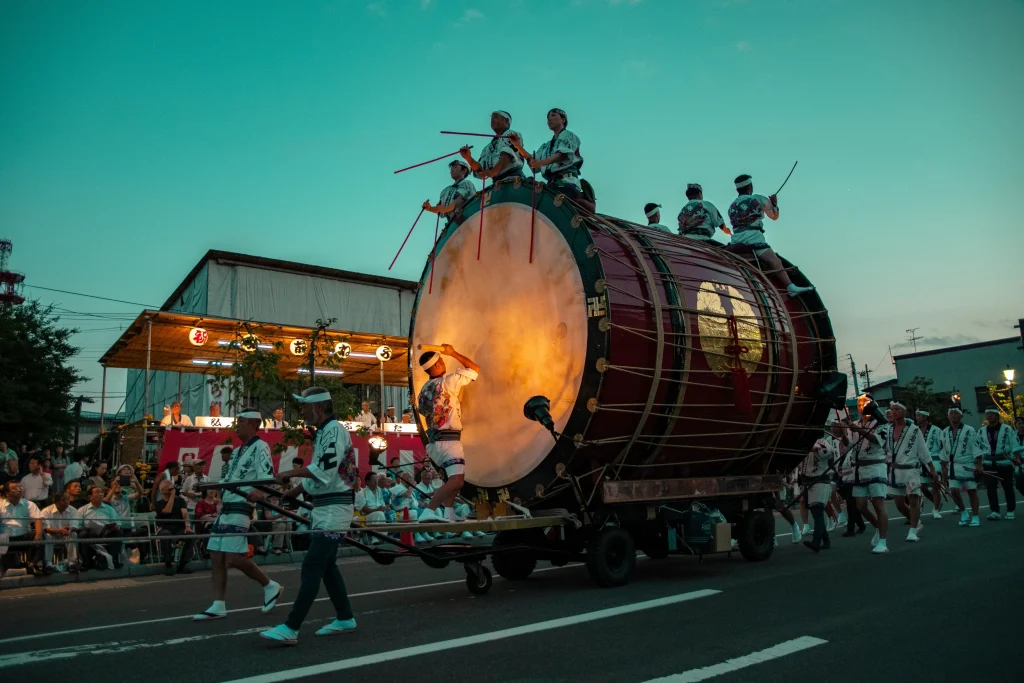
In early August, Aomori City transforms into a glowing dreamscape during the Nebuta Matsuri. Enormous illuminated floats shaped like samurai and mythical creatures’ parade through the streets, accompanied by dancers shouting “Rassera! Rassera!” The energy is electric ‐ part art, part athletic performance and seeing the floats light up the night sky is something you’ll never forget.
Aomori Nebuta Festival runs from 2 to 7 August. Its illuminated floats portray warriors, legends and kabuki-inspired scenes. Artisans shape wire frames, cover them with painted paper and light them from within.
Musicians and haneto dancers move beside the floats, calling “Rassera! Rassera!” as the procession advances. Visitors can join the dancing if they wear the designated haneto costume, which can be rented or bought locally. Nebuta combines local craft, music and movement on a remarkable scale.
Tenjin Matsuri | Osaka
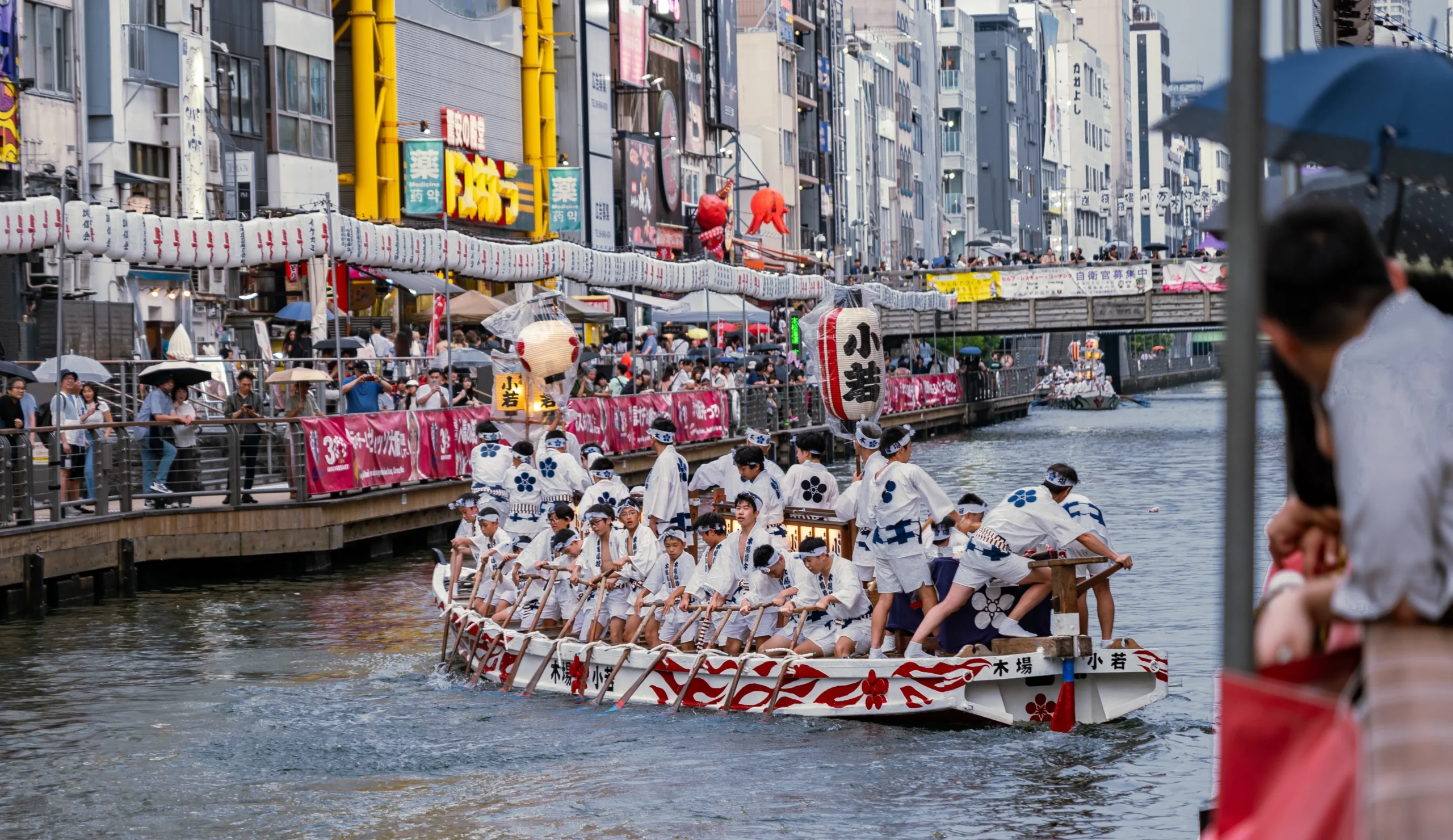
Tenjin Matsuri is the annual festival of Osaka Tenmangu Shrine. Its main events culminate on 25 July, when a land procession leads to a boat procession, or funatogyo, on the Okawa River. Lantern-lit boats, festival music and fireworks turn the riverbanks into the evening’s viewing ground.
The festival begins with shrine rites before expanding into a city-wide celebration. Arrive early and expect busy transport around the river. It shows how tradition unfolds in a modern city.
These festivals are famous for different reasons, but each depends on people who make, carry, play, guide and preserve. Plan around one, and you will see more than a spectacle.
Hidden & Local Matsuri You Probably Don’t Know Yet
While the major matsuri draw attention with their scale, smaller festivals can show how closely a celebration is shaped by its surroundings. In Mie Prefecture, summer brings three very different settings: the preserved streets of a former post town, the open coast where fireworks meet the sea, and a fishing port lit by a giant lantern. These festivals take more planning to reach than Kyoto or Osaka, but the journey reveals something the larger city festivals cannot: how local landscapes and communities give each matsuri its own character.
Sekijuku Gion Summer Festival | Kameyama, Mie
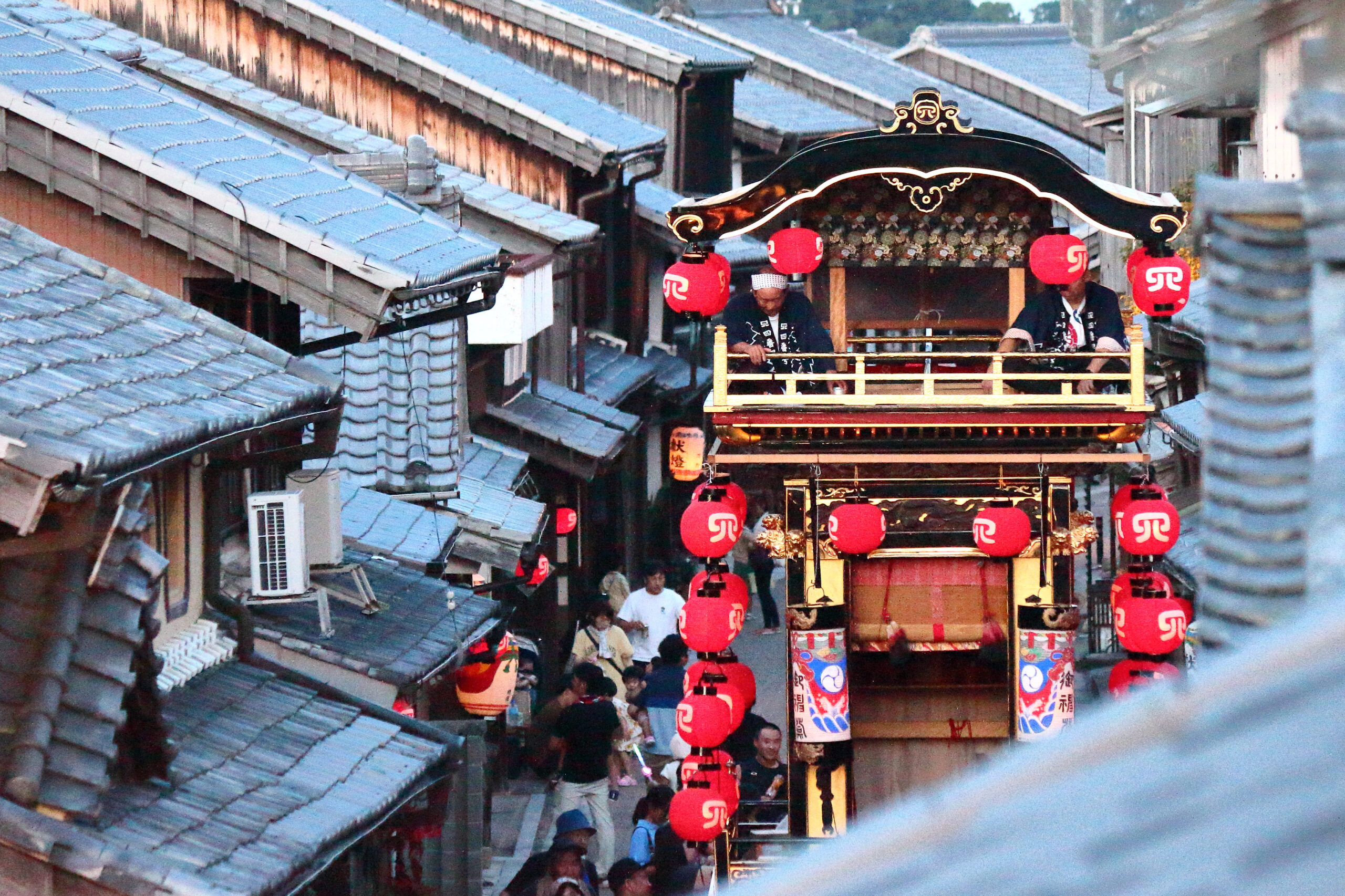
Sekijuku was a post town on the old Tokaido road, which connected Edo, now Tokyo, with Kyoto. During its July Gion festival, four floats travel through the preserved streets, alongside a mikoshi procession and evening lanterns.
The highlight is butai-mawashi, when the upper sections of the floats turn together. Against the old wooden frontage, the street itself becomes part of the event.
Kumano Fireworks Festival | Kumano, Mie
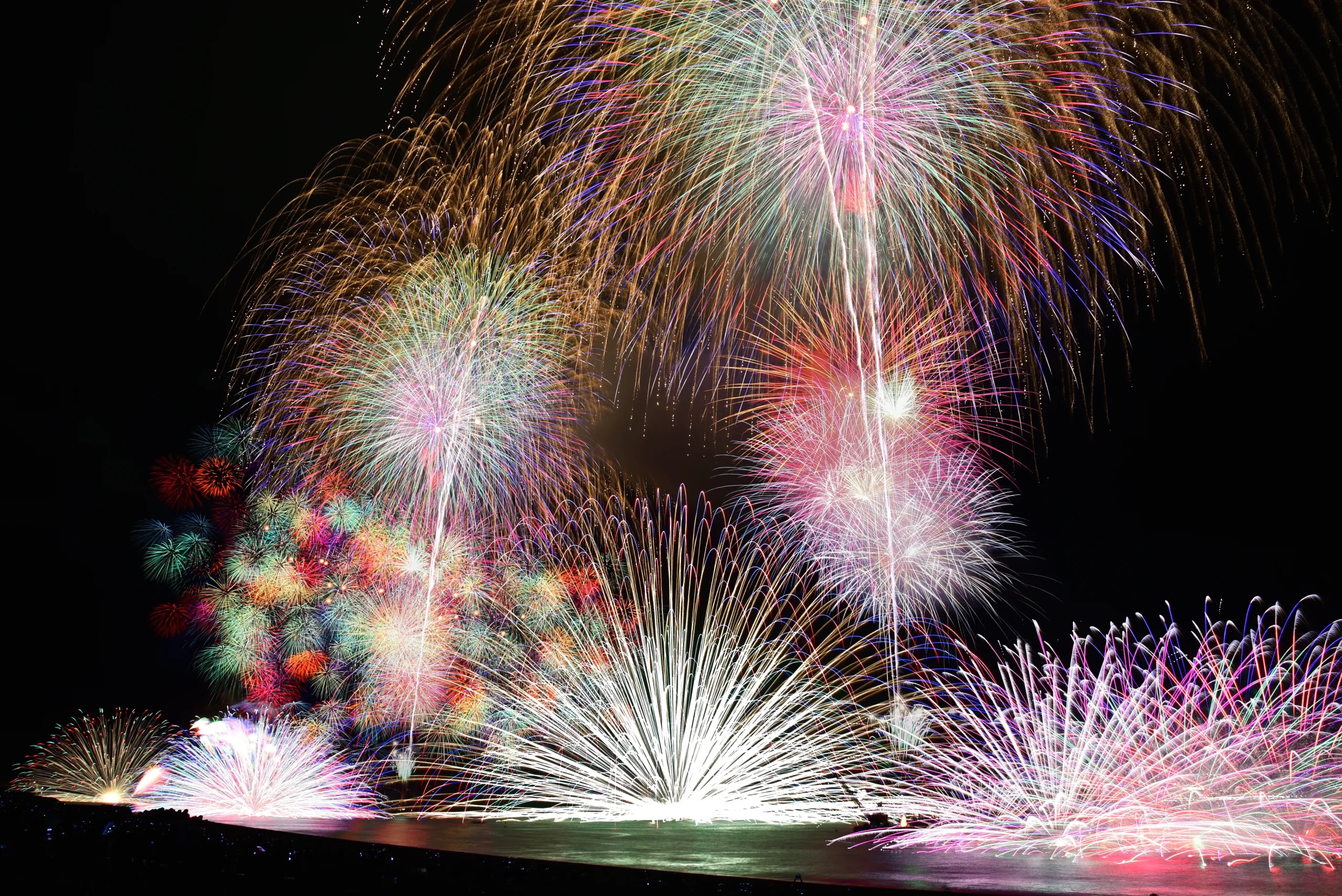
Kumano Fireworks Festival is held on Shichiri Mihama Beach, not on the Kumano River. The programme includes about 10,000 fireworks, including fireworks launched from boats and the dramatic Onigajo Grand Finale. In 2026, it is scheduled for 17 August, with 21, 24 and 27 August set as reserve dates.
Check the official notice shortly before travel, as weather or sea conditions may require a postponement. Allow extra time for travel, particularly if you are coming by train or car. The sea and mountains form part of the performance.
Kihoku Lantern Festival | Kihoku, Mie
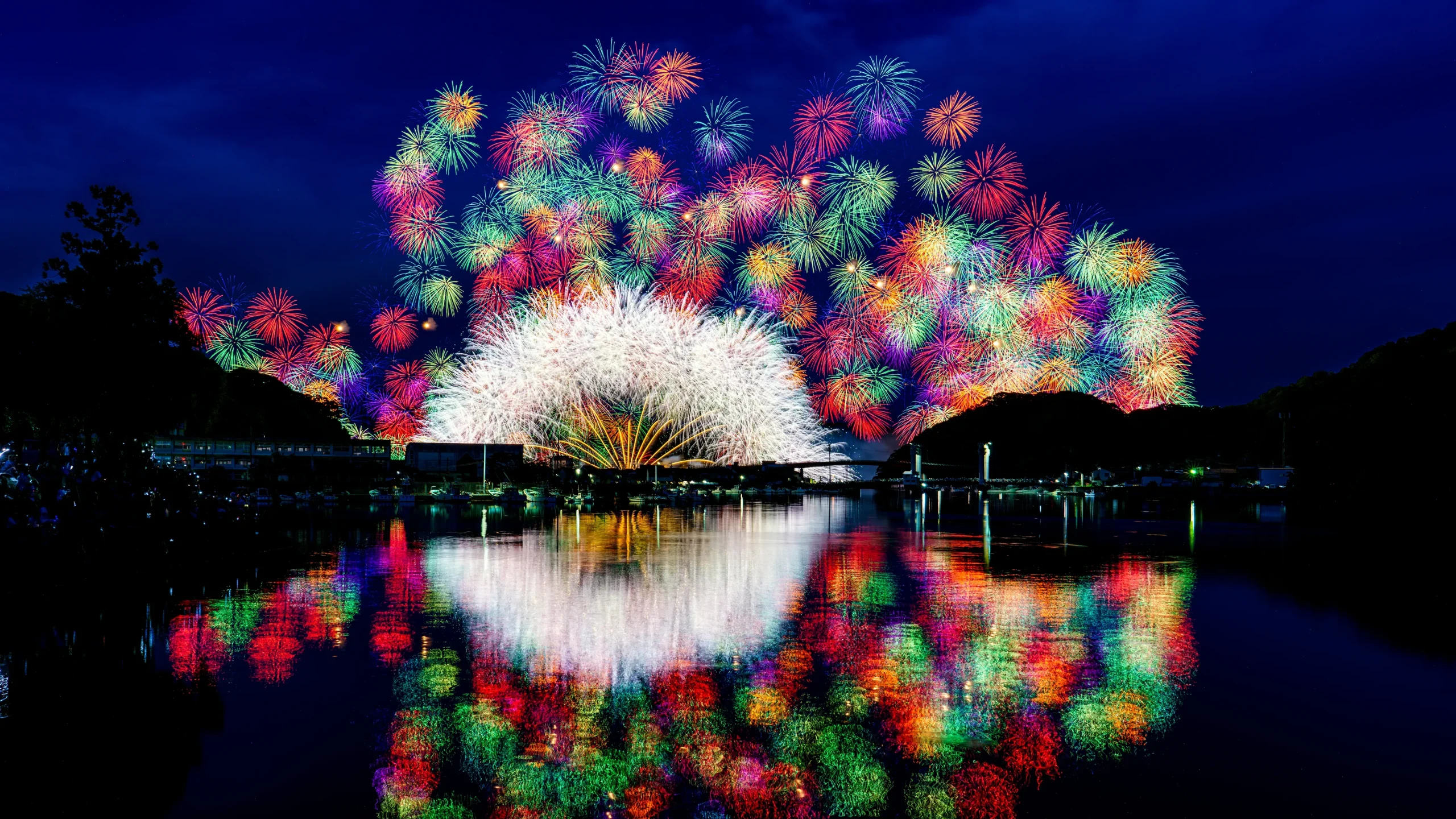
Kihoku Lantern Festival takes place at Nagashima Port in late July. Its centrepiece is a giant lantern more than 10 metres high, with fireworks held over the harbour as part of the evening programme. Local volunteers, from children to grandparents, spend more than six months preparing the festival.
Do not expect lanterns released into the sky. The experience lies in the illuminated structure, the water and the coastal shore. It is a festival shaped by a fishing port and the people who maintain it.
9-Day Summer Festival Japan Tour
How to Enjoy Matsuri Like a Local (Manners & Tips)
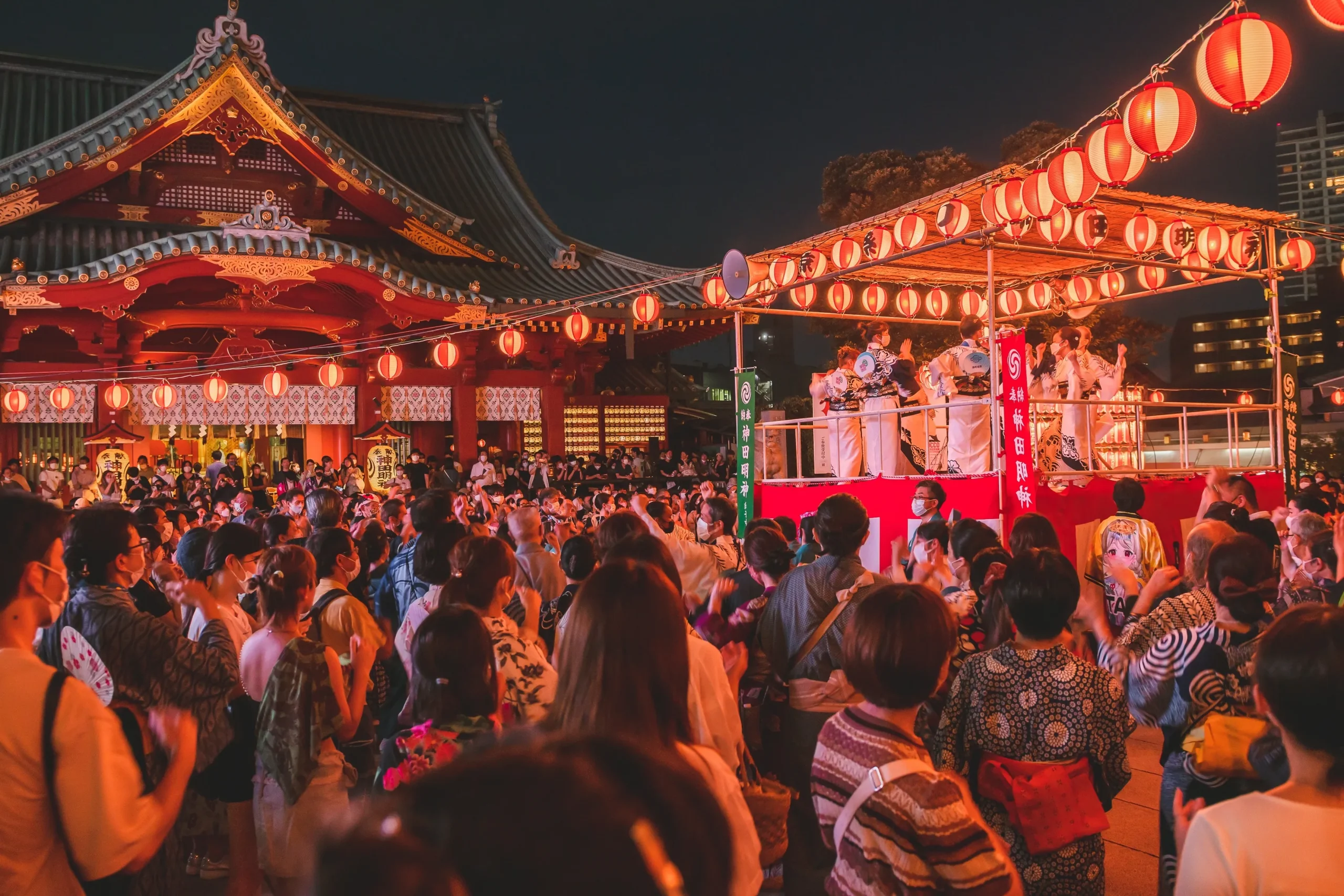
You do not need specialist knowledge to enjoy a matsuri, but a few choices make it more comfortable and respectful. Observe first, then take part where participation is clearly invited.
A yukata is a light cotton robe often worn at summer festivals. Rental shops may offer yukata and dressing services, but wearing one is optional. Cool clothing, comfortable shoes, water and a hand fan may be more practical during humid evenings. Comfort helps you enjoy the festival for longer.
Dress Comfortably for a Summer Matsuri
A yukata is a light cotton robe often worn at summer festivals. Rental shops may offer yukata and dressing services, but wearing one is optional. Cool clothing, comfortable shoes, water and a hand fan may be more practical during humid evenings. Comfort helps you enjoy the festival for longer.
Respect Shrine Etiquette
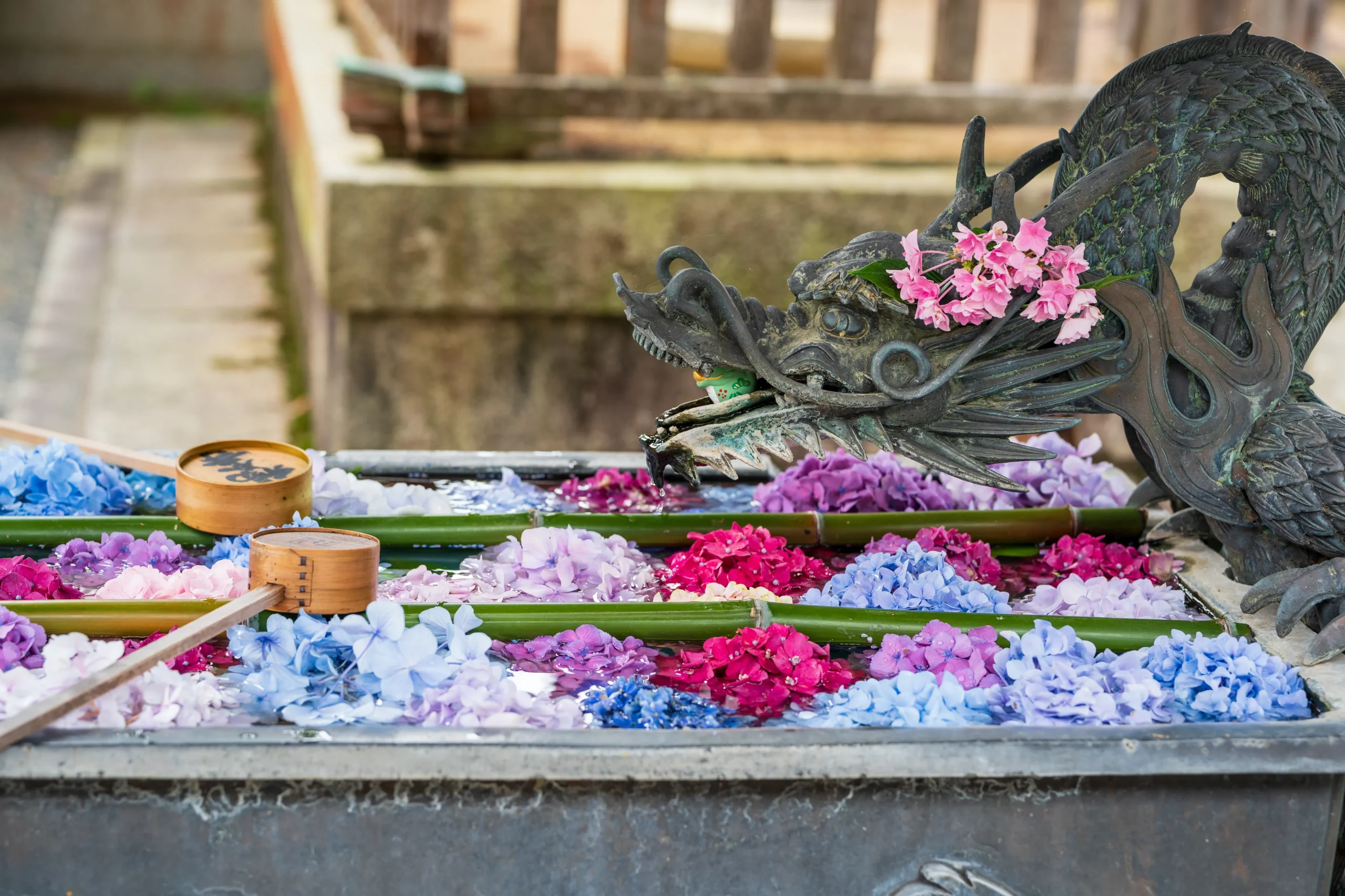
At a shrine, treat the torii gate as the entrance to sacred ground. Bow lightly before passing through, and follow signs or staff instructions. At the water basin, rinse your hands. If you rinse your mouth, pour water into your hand rather than drinking directly from the ladle. Quiet behaviour respects people who have come to pray.
Enjoy Festival Food with Consideration
Festival food stalls are part of the experience. Try yakisoba, stir-fried noodles, takoyaki, small batter balls containing octopus, or kakigori, shaved ice with syrup. Carry cash, including coins and small notes, because some stalls do not accept cards. Use bins when provided, and do not stop in narrow walkways for photographs. A small purchase also supports the local stallholders.
Join in Only When Invited
At Bon Odori, watch one round before joining and copy the simple hand movements. However, do not assume that every procession welcomes public participation. At Nebuta, for example, you need the designated haneto costume to join the dancing. Respect for local rules matters more than trying to look like a local.
How to Find a Matsuri That Fits Your Trip
Start with official tourism calendars, shrine websites and festival organisers, then check them shortly before travel. Dates, parade routes, reserved seats and road closures can change, particularly for fireworks events. Current information matters most.
Match the event to the experience you want. Choose Gion Matsuri for Kyoto’s float craftsmanship and streetscape; Tenjin Matsuri for ritual and river spectacle; Nebuta for a vivid evening parade; and Mie for a slower route beyond the major cities. For regional festivals, check accommodation and transport before committing to your itinerary. The right festival is the one you can reach without turning the day into a race.
Feel the Summer Spirit of Japan
A summer matsuri becomes memorable when you notice the work behind its colour and noise: hands pulling a float rope, volunteers lighting a lantern, a priest preparing a rite, and families returning to the same street each year. You may arrive for fireworks or food, but leave with a clearer sense of how a community marks time together.
When planning your journey, leave one summer evening open for a festival that suits your route. It may become the moment that gives the rest of the trip its shape.