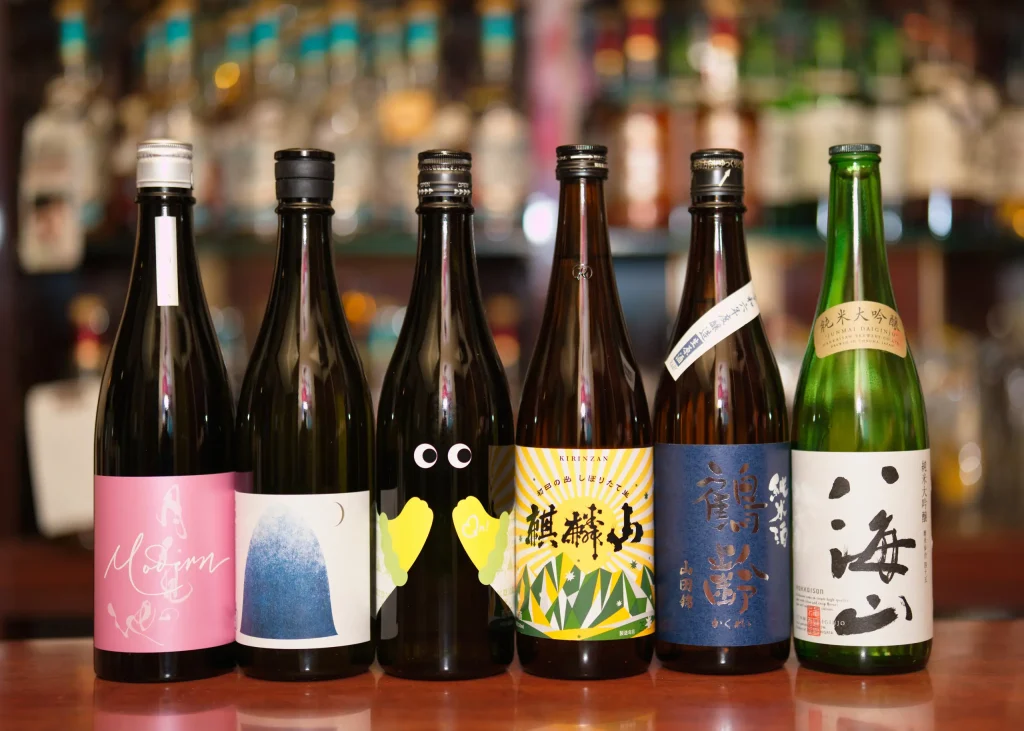
A Japanese sake menu can look like a ranking: junmai, ginjo, daiginjo, honjozo. Yet Japan’s eight official designations describe how sake is made, not exactly how it tastes. They concern ingredients, rice polishing and, for some styles, a particular brewing method. Daiginjo is not necessarily sweeter than ginjo, and a more elaborate name does not guarantee a better drink. Learn what the names mean, then check other clues about aroma, sweetness and body.
The Eight Main Sake Types at a Glance
Japan recognizes eight tokutei meishoshu, or special sake designations. One useful way to read them is as two families: sake made without added distilled brewing alcohol and sake in which a limited amount may be used. The polishing requirements form the other part of the picture.
| Polishing requirement | No added brewing alcohol | Brewing alcohol permitted |
|---|---|---|
| 50% or less; ginjo method | Junmai daiginjo (純米大吟醸酒) | Daiginjo (大吟醸酒) |
| 60% or less; ginjo method | Junmai ginjo (純米吟醸酒) | Ginjo (吟醸酒) |
| 60% or less, or qualifying special method | Tokubetsu junmai (特別純米酒) | Tokubetsu honjozo (特別本醸造酒) |
| Base designations | Junmai (純米酒): no fixed threshold | Honjozo (本醸造酒): 70% or less |
The percentages show how much of each rice grain remains after polishing. At 60%, 40% of the grain has been removed. Many bottles show ratios around 50–70%, but some use much more or less polishing. Lower percentages mean more polishing. The Japanese category names in the table help you recognize them on bottles.
A sake polished to 50% does not automatically qualify as ginjo, and bottles without a special designation can still be enjoyable. Sake outside this system is commonly called futsu-shu, or ordinary sake.
References: Sake Varieties — National Research Institute of Brewing (English)
Junmai vs Honjozo: What Does Added Alcohol Mean?
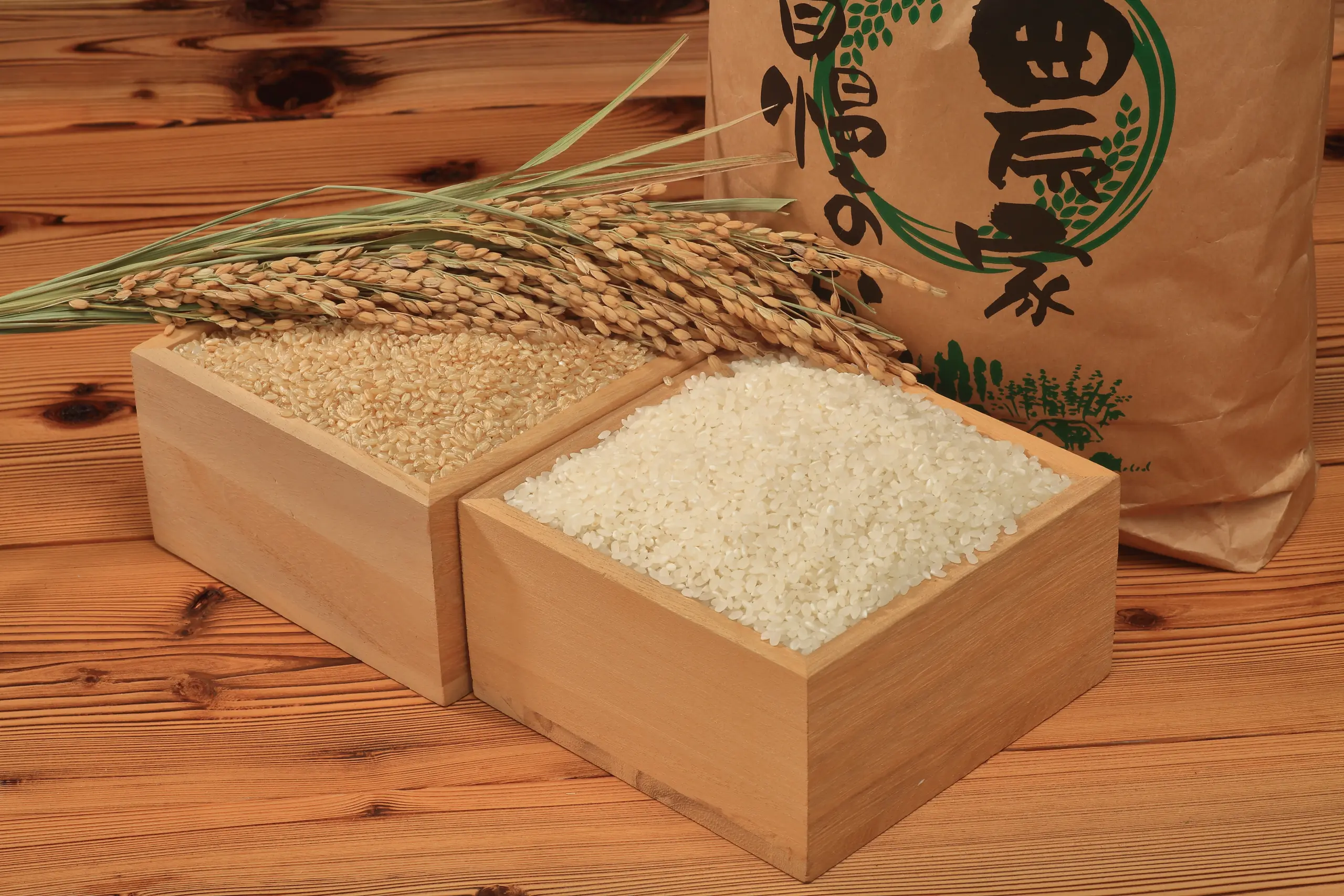
Junmai is made with rice, rice koji and water, without added distilled brewing alcohol. Koji is rice cultivated with a fungus whose enzymes help convert starch into fermentable sugar. Honjozo permits a measured addition of distilled alcohol. For special designations that allow it, the added alcohol is limited to 10% of the polished rice’s weight.
Adding distilled alcohol may sound like a shortcut, but it has a purpose in carefully made sake: it can lift certain aromas and leave a lighter, cleaner finish. Junmai often has a fuller, more savory character, while honjozo may feel crisper. Both vary widely from bottle to bottle. If you prefer dry sake, the brewer’s tasting notes will tell you more than either name.
There is a labeling exception: a rice-only ginjo does not always display the word junmai. To check whether brewing alcohol was added, look at the ingredient list rather than relying on the name alone. If a bottle is labeled only in Japanese, ask the shop staff or use a translation app to check.
Ginjo vs Daiginjo: Understanding Rice Polishing
Ginjo requires a polishing ratio of 60% or less; daiginjo requires 50% or less. The same distinction applies to junmai ginjo and junmai daiginjo. Both use ginjo-zukuri, a brewing method traditionally associated with slow, carefully controlled fermentation at low temperatures.
Why polish the rice? The outer layers contain fats, proteins and minerals that affect fermentation and flavor. Removing more of them can help produce a lighter profile. The fruity aromas sometimes described as apple, melon or banana also depend on yeast and fermentation conditions; they are not created by polishing alone.
Extra polishing uses more rice and often raises the price. Daiginjo can be delicate and aromatic, while a fuller junmai might suit grilled fish better. Sweetness varies within both categories, so taste and the food on your table matter more than the grade.
Tokubetsu means “special.” Tokubetsu junmai and tokubetsu honjozo qualify through a 60% or lower polishing ratio or a qualifying special method explained on the label. They may use different brewing methods from ginjo. Until 2004, junmai also had a 70% polishing requirement. That restriction has since been removed.
Read more: How Japanese Sake Is Made Along With Its Unique Flavors
Sweet or Dry? What Sake Classifications Don’t Tell You
A fruity aroma can make sake seem sweet before you taste it. Some ginjo and daiginjo smell of ripe fruit but finish dry, while less fragrant sake can taste sweet. The grade gives you only part of the picture. For a better idea, read the tasting notes on the bottle or menu.
Three label terms are especially useful when choosing by taste:
- Sweet / dry (amakuchi / karakuchi): Useful descriptions on menus or when asking staff, though breweries may interpret them differently.
- Sake Meter Value (SMV, or nihonshu-do): Positive numbers generally suggest drier sake and negative numbers sweeter sake. It measures density, though, rather than sweetness itself.
- Acidity: It can sharpen the finish and balance sweetness. Sake with similar meter values can still taste different because of acidity and aroma.
These figures are optional, and plenty of bottles show none of them. If you want something crisp with sushi, a description such as “dry and light” may be more useful than choosing by grade. The goal is to narrow down possibilities rather than predict every sensation before taking a sip.
Other Sake Types and Styles: Nigori, Nama, Genshu, and Sparkling
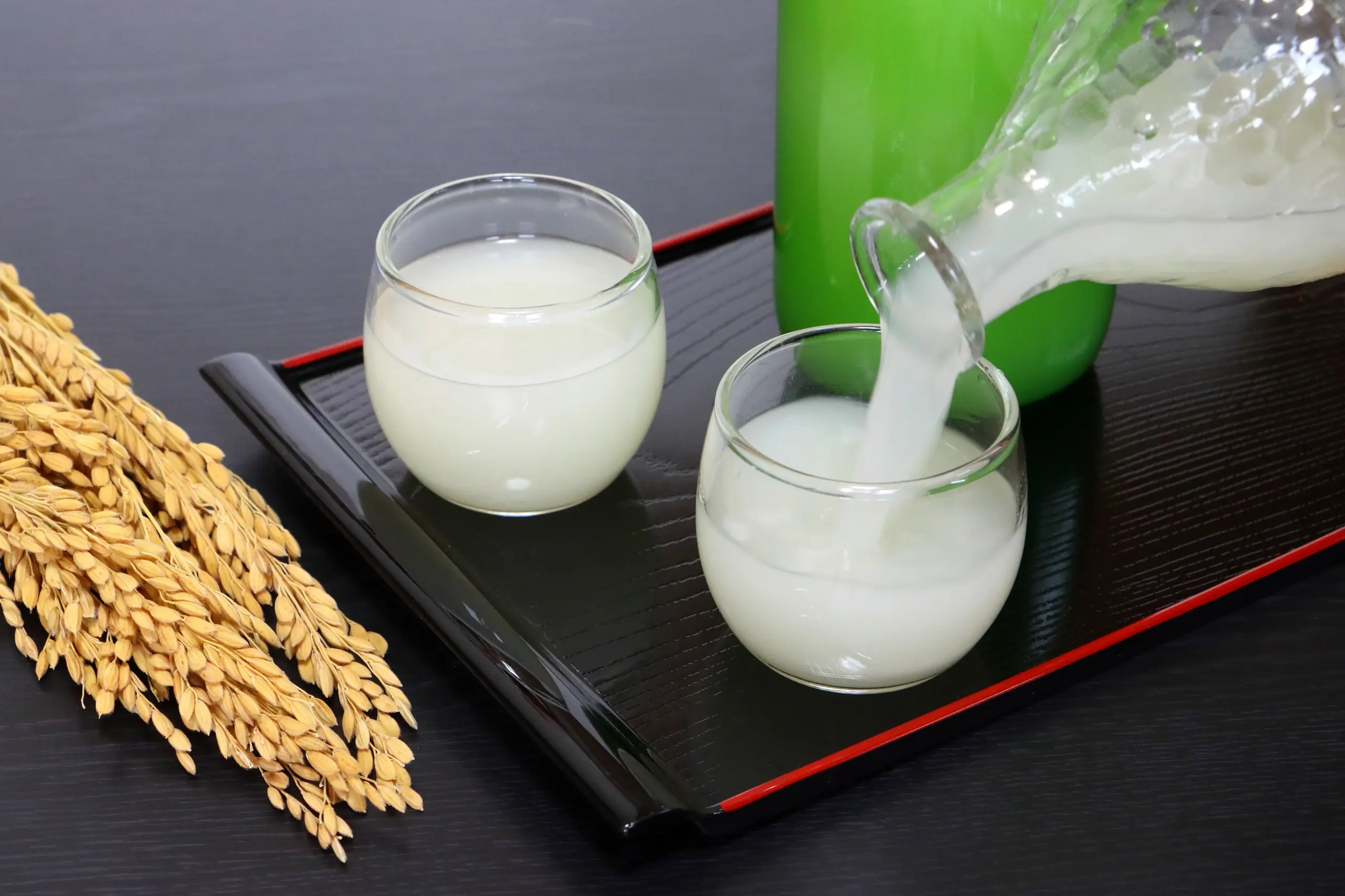
Once you know the main designations, the next question is what the other words on a bottle mean. Some describe whether sake is cloudy, unpasteurized, undiluted or sparkling. They can appear alongside a formal designation, as in junmai ginjo namazake.
| Term | What it means |
|---|---|
| Nigori (にごり酒) | Cloudy sake, coarsely strained so some particles remain |
| Namazake (生酒) | Unpasteurized sake, requiring attention to storage |
| Genshu (原酒) | Not normally diluted with water to adjust alcohol strength |
| Sparkling sake | Effervescent; bubbles can come from fermentation or added CO₂ |
Namazake often has a fresh character, but because it has not been heat-treated, it should stay refrigerated. Check the storage instructions or ask the shop if unsure. Nama-chozo and nama-zume are different: each is pasteurized once, but at a different stage.
Nigori can be soft and creamy, although dry versions exist. Genshu often has a stronger impression because it has not undergone normal dilution, but the actual alcohol percentage varies. Sparkling sake ranges from sweet and gently fruity to dry and more structured. Its bubbles may come from fermentation or added carbon dioxide. A refreshing sparkling bottle can be an appealing introduction for someone who did not previously enjoy conventional sake.
These terms can appear together. “Junmai ginjo nama genshu,” for instance, tells you about the classification, pasteurization and dilution separately.
How to Read a Japanese Sake Label
The large characters on the front are often the brand or designation. Turn the bottle around for the smaller information panel, usually on the back or side. Without reading Japanese, you can still use these number patterns. The Japanese below is included only to help you match the shapes on a real bottle:
- 精米歩合 55% — Rice-polishing ratio. Here, 55% of the grain remains. Around 50–70% is common, although other figures occur.
- アルコール分 15度 — Alcohol strength. Most sake is around 15–16% ABV. Genshu often reaches 17–20%, while some sparkling styles are lighter.
- 内容量 720ml — Bottle size, not an indication of taste. You may also see 300ml or 1800ml.
- 日本酒度 +4 — Optional Sake Meter Value (SMV). Many regular sakes fall around −5 to +10, but there is no fixed minimum or maximum. Higher numbers generally suggest a drier taste.
These are examples, not a fixed label layout. A figure such as 100% might refer to the rice variety rather than polishing, so match numbers to the heading beside them. If unsure, use your phone’s camera translation or ask the staff.
The numbers are only a starting point. A bottle may still reveal little about aroma, acidity or how sweet the sake will actually seem. When choosing, a tasting description or a quick request for something dry, light or rich can help more than the grade alone.
Reference: Label Terms — National Research Institute of Brewing
Temperature, Food, and Finding Your Preference
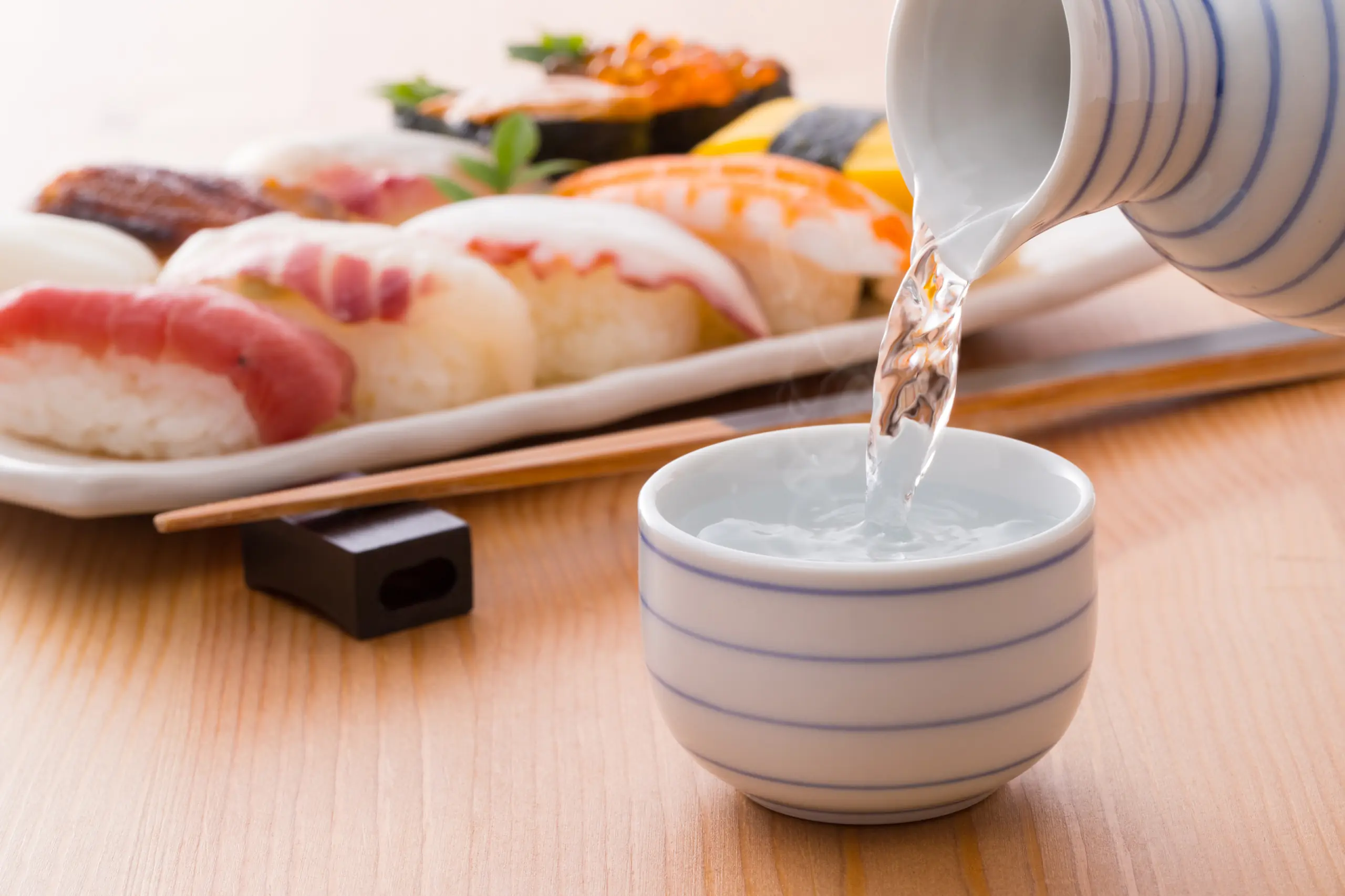
Even after you’ve chosen a bottle, temperature can change how its flavors come across. Cooling often suits fruity, aromatic styles and gives sake a crisper feel. Gentle warming may bring out savory qualities in a fuller-bodied bottle. These are starting points: try the temperature that suits the sake and your taste.
With food, start by matching the weight of the sake to the dish. A subtle sake may suit sashimi, while a fuller one can work with grilled fish or richer cooking. Depending on its sweetness and acidity, sparkling sake can pair well with lighter snacks or cheese. These are ideas to try, rather than strict rules.
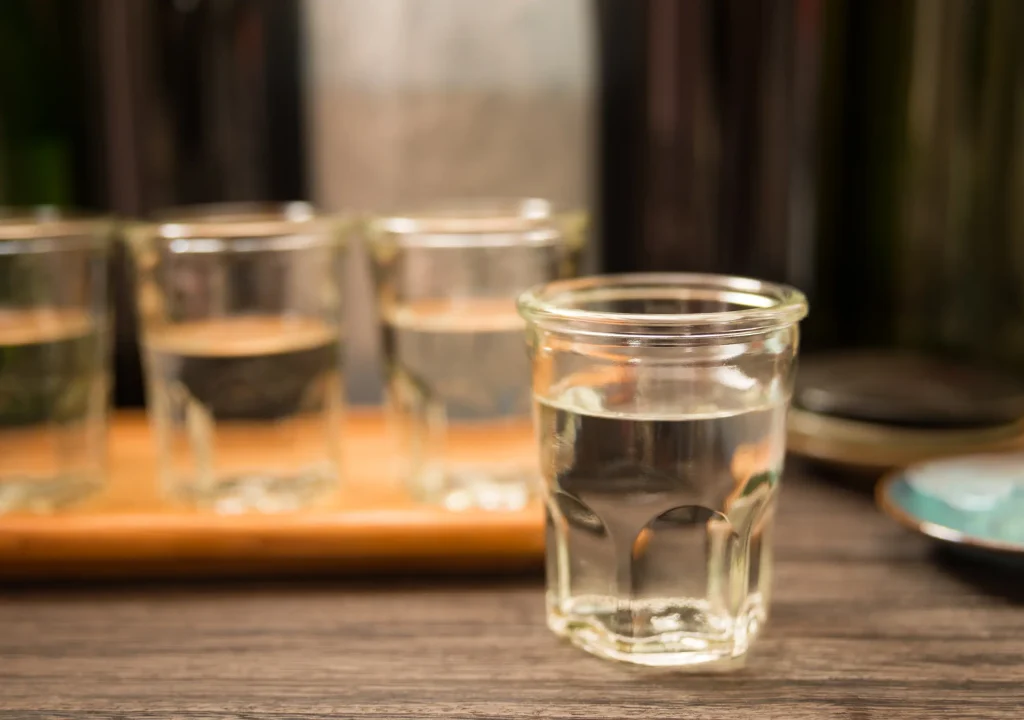
A tasting set, often called nomikurabe in Japan, makes comparison easier. Try a junmai, a ginjo and perhaps a sparkling or nigori. Compare aroma, sweetness, acidity, texture and finish. Remember the flavor you liked, not only its designation. Regional tastings offer another way to explore those differences.
Read more: Niigata Sake
Discover the Sake You Enjoy
Once the main designations make sense, reading a sake list feels less like guesswork. You might find that a straightforward junmai suits dinner perfectly, then prefer something fragrant and light another evening. Notice which aromas and textures appeal to you. Those impressions will guide your next choice when you encounter an unfamiliar bottle.
If tasting sake makes you curious about the regions where it is made, ENJYU JAPAN can help plan a Tailor-Made Tour around your interests, including local food and culture. Explore Tailor-Made Tours to discuss a trip that fits you.