Yamagata, in Japan’s Tohoku region, is where winter snow becomes a natural spectacle, mountains carry living pilgrimage traditions, and hot springs and fruit culture shape everyday life. It was recently spotlighted in National Geographic’s Best of the World 2026 list.
This guide breaks down what to do in Yamagata by season (especially summer and winter) and how to plan a route that feels smooth.
What Is Yamagata Known For? Five Reasons to Visit
Yamagata is famous less for one “must-see” and more for how five themes connect: heavy snow, sacred mountains, onsen (hot springs), preserved townscapes, and fruit farming. The Sea of Japan climate brings deep winter snowfall; the mountains help explain why hot springs and mountain worship became central here.
Four examples anchor the experience. Mount Zao’s juhyo (“snow monsters”) appear only when temperature, wind, and humidity line up. Dewa Sanzan (three sacred mountains) is a long-running pilgrimage area tied to Shugendo, a tradition of spiritual training in the mountains. Ginzan Onsen keeps a Taisho-era streetscape shaped by rebuilding after a major flood in 1913. And cherries are not a cute souvenir here; Yamagata produces around 70 percent of Japan’s cherries in many years.
Yamagata is roughly 2.5 to 3 hours from Tokyo by Shinkansen, so getting in is easy. The key is planning once you arrive, because the highlights are spread out and winter weather can change the day.
Things to Do in Yamagata City as a Travel Base
Yamagata City works best as a hub. From Yamagata Station, Yamadera is about 20 minutes by local train, and Mount Zao is roughly 40 minutes by bus, so you can do big sights without packing up every morning.
A simple rhythm is “one big outing, one calm reset.” Climb Yamadera in the morning, then slow down with a walk around Kajo Park (Yamagata Castle ruins), where moats and stonework make the old castle-town layout easy to picture. At night, the city’s quietness is the feature. A short stroll and an early start often beat trying to force big-city nightlife into a place built for a slower pace.
Yamadera Temple: Steps, Silence, and Bashō’s Legacy
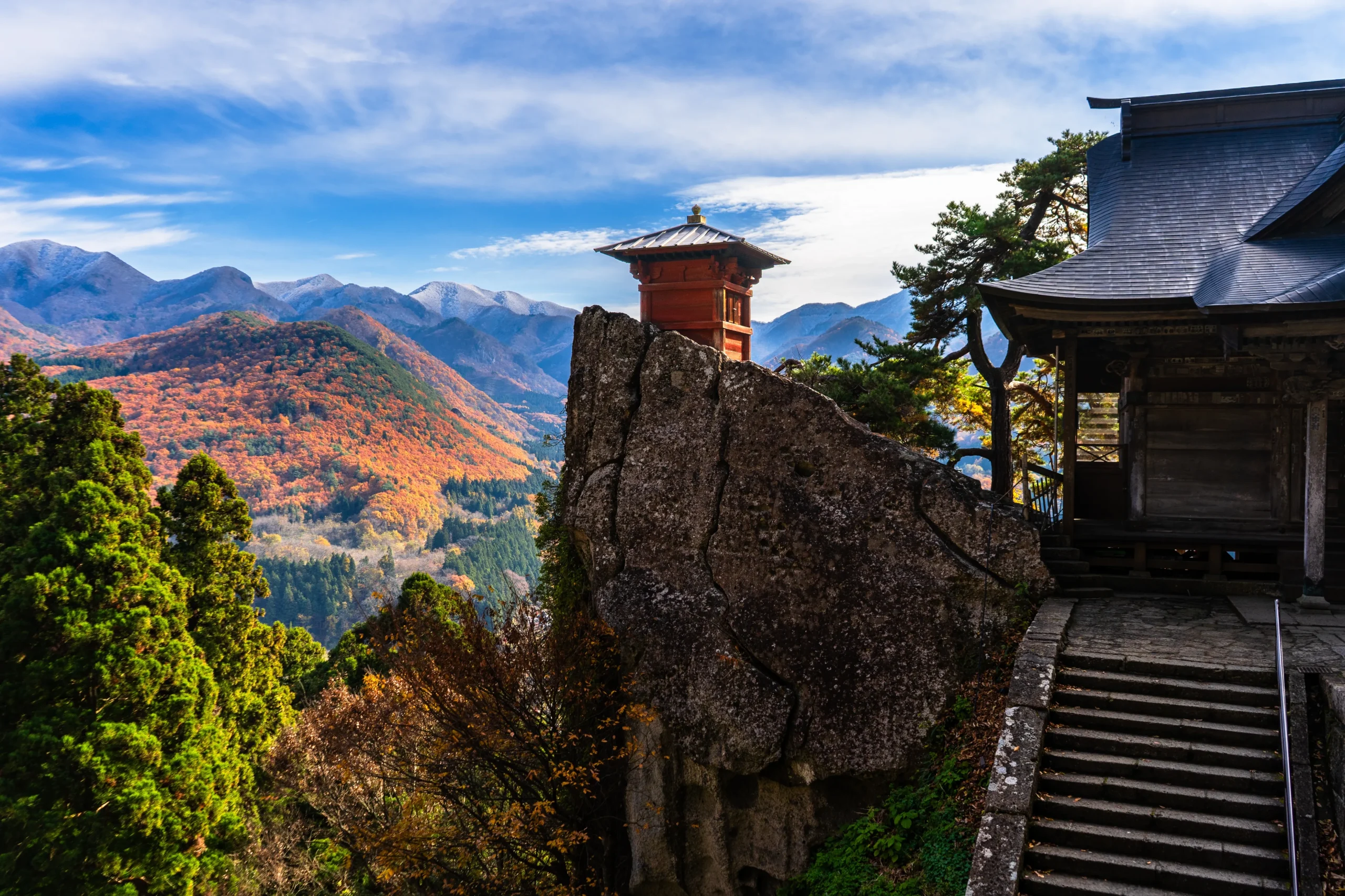
Yamadera is a mountain temple where the main activity is climbing. Its official name is Risshaku-ji, traditionally founded in 860 and linked with the monk Ennin of the Tendai Buddhist school. The approach is commonly described as about 1,015 stone steps, and the climb itself is the point: breath, pace, and the gradual shift into stillness.
The temple is also tied to literature. Haiku poet Matsuo Bashō visited in 1689 during the journey recorded as Oku no Hosomichi (The Narrow Road to the Deep North). A famous translation includes “a cicada’s cry sinks into the rocks,” which fits the place well. Even if you have never read haiku, Yamadera makes sense as a site where sound, stone, and silence share the same frame.
Practical note: treat it like a short hike, not a quick stop. Good shoes, a steady pace, and a water break keep everyone in your group on the same side of the experience.
Mount Zao in Winter: Snow Monsters and Hot Springs
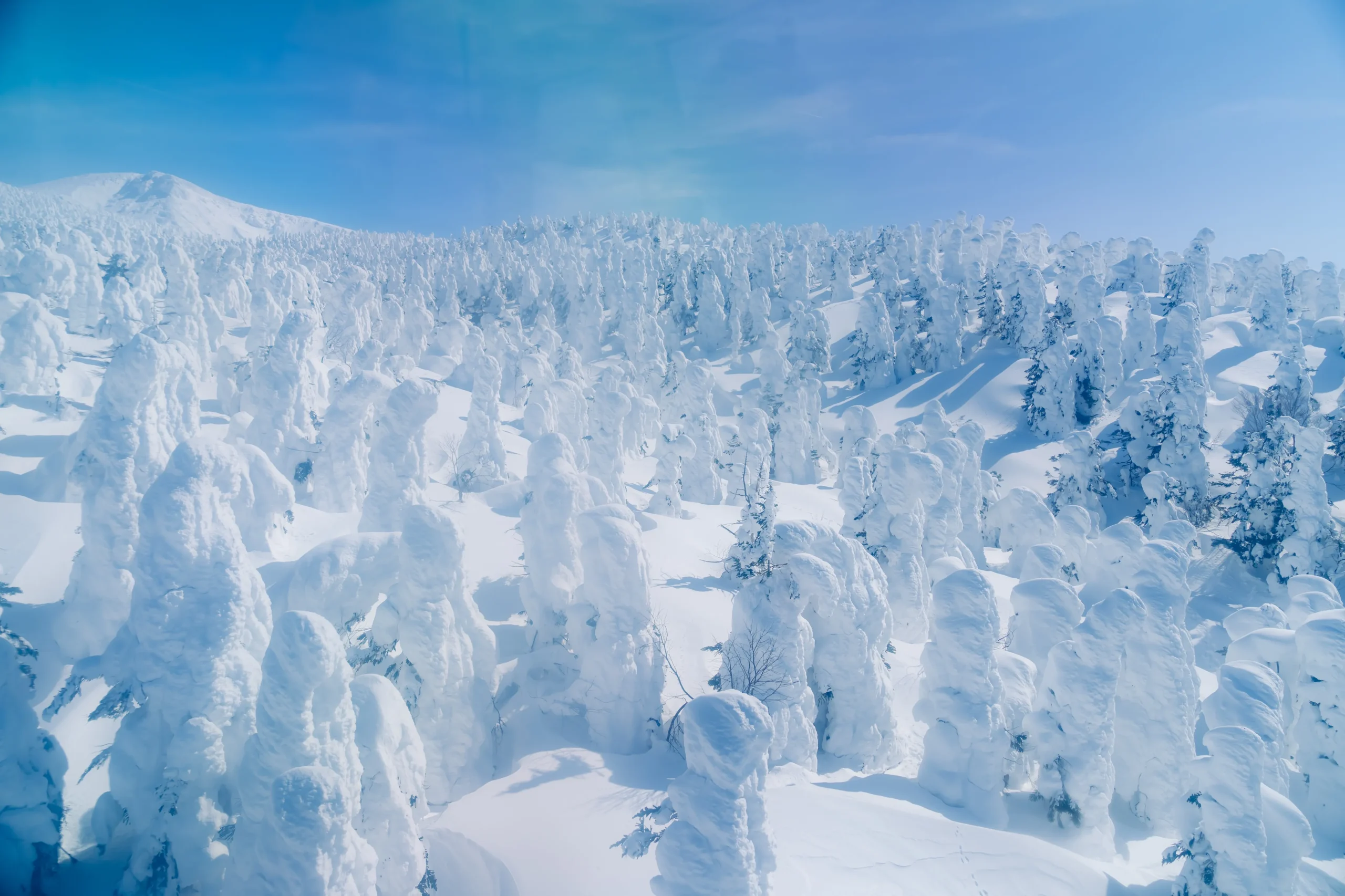
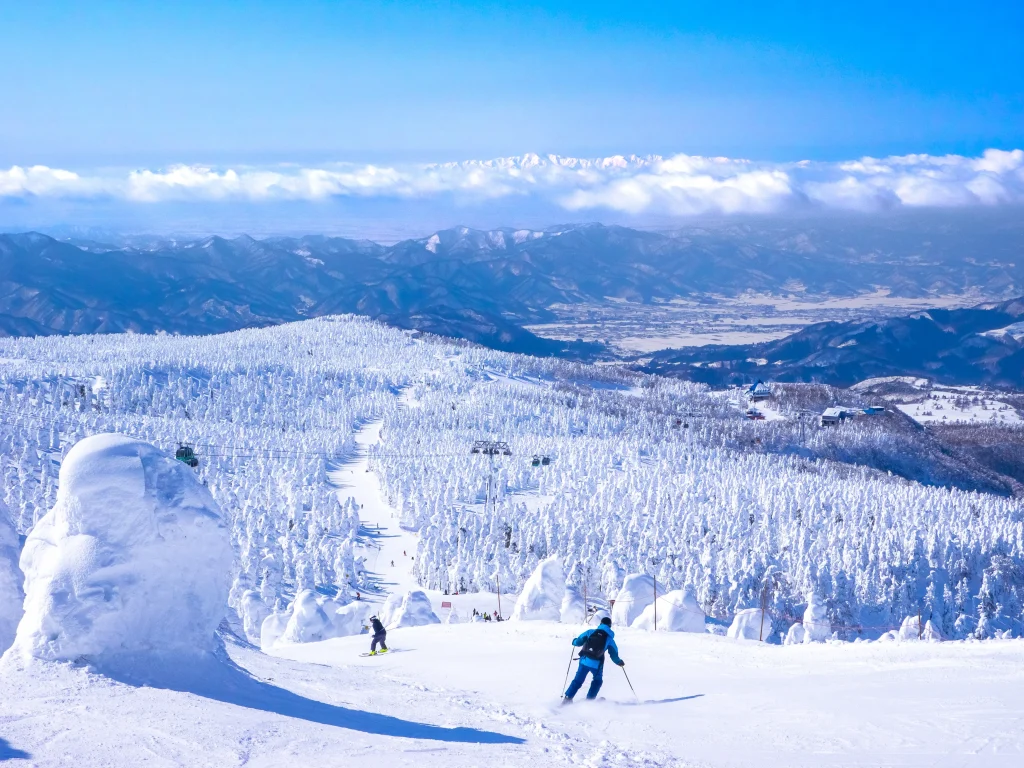
For things to do in Yamagata winter, Mount Zao is the headline. Its juhyo look like creatures, but they are rime ice: moisture in strong winter winds freezes onto evergreen trees, then builds layer by layer into thick white shapes. Because formation depends on weather, every season looks a little different. That unpredictability is part of the appeal.
Most visitors reach the viewing area by ropeway. From above, the juhyo field looks like a frozen crowd; up close, you can see how wind direction carved the ice. Some winters have nighttime illumination, but schedules vary, so treat it as a bonus.
Winter tip that saves trips: plan Zao as weather-dependent. If visibility is poor or buses run late, swap in something that matches the mood, such as a temple visit, a castle-park walk, or a hot-spring focused day. Your trip stays coherent even when the mountain refuses to cooperate.
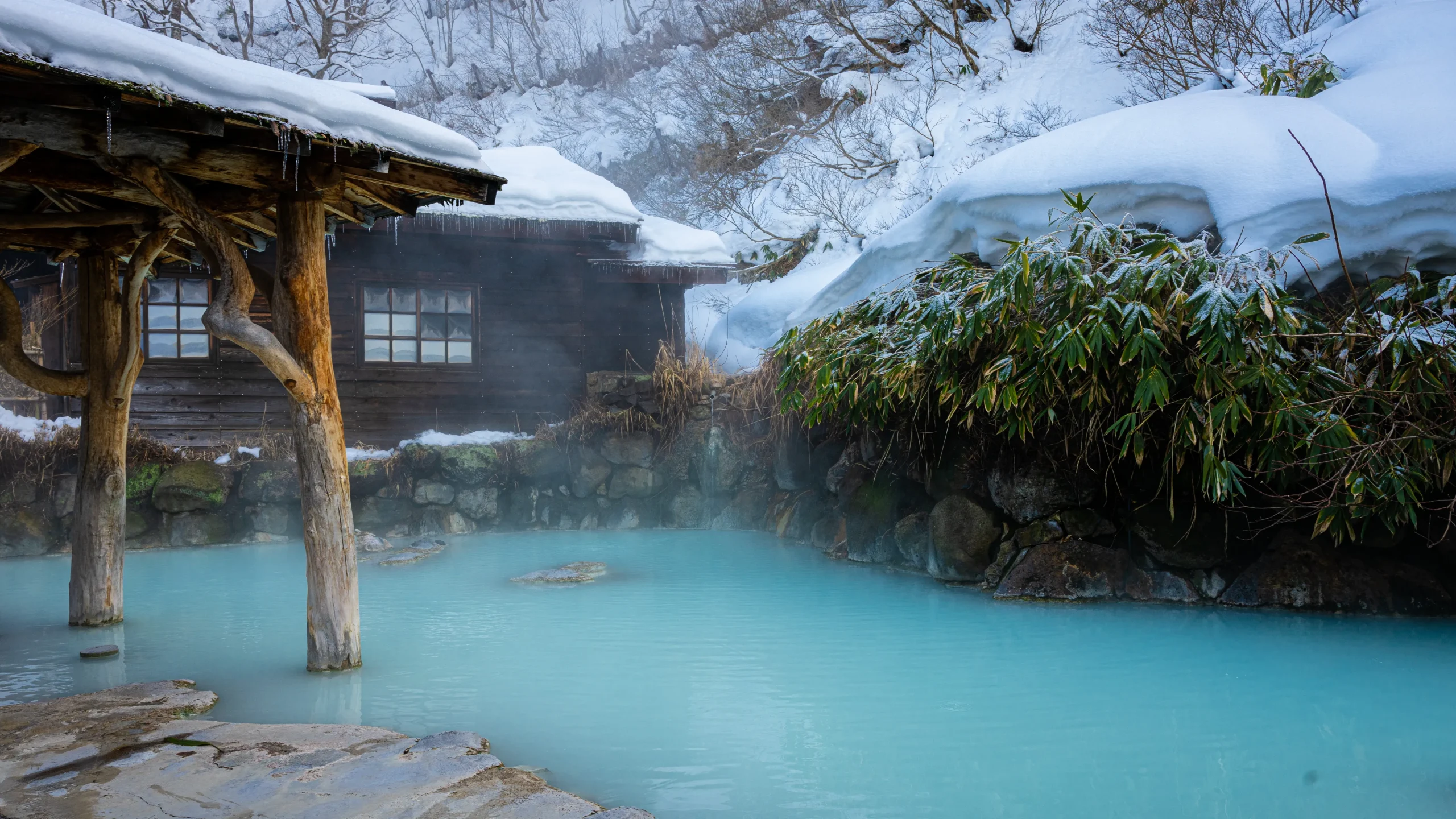
Ginzan Onsen: A Taisho-Era Hot Spring Town
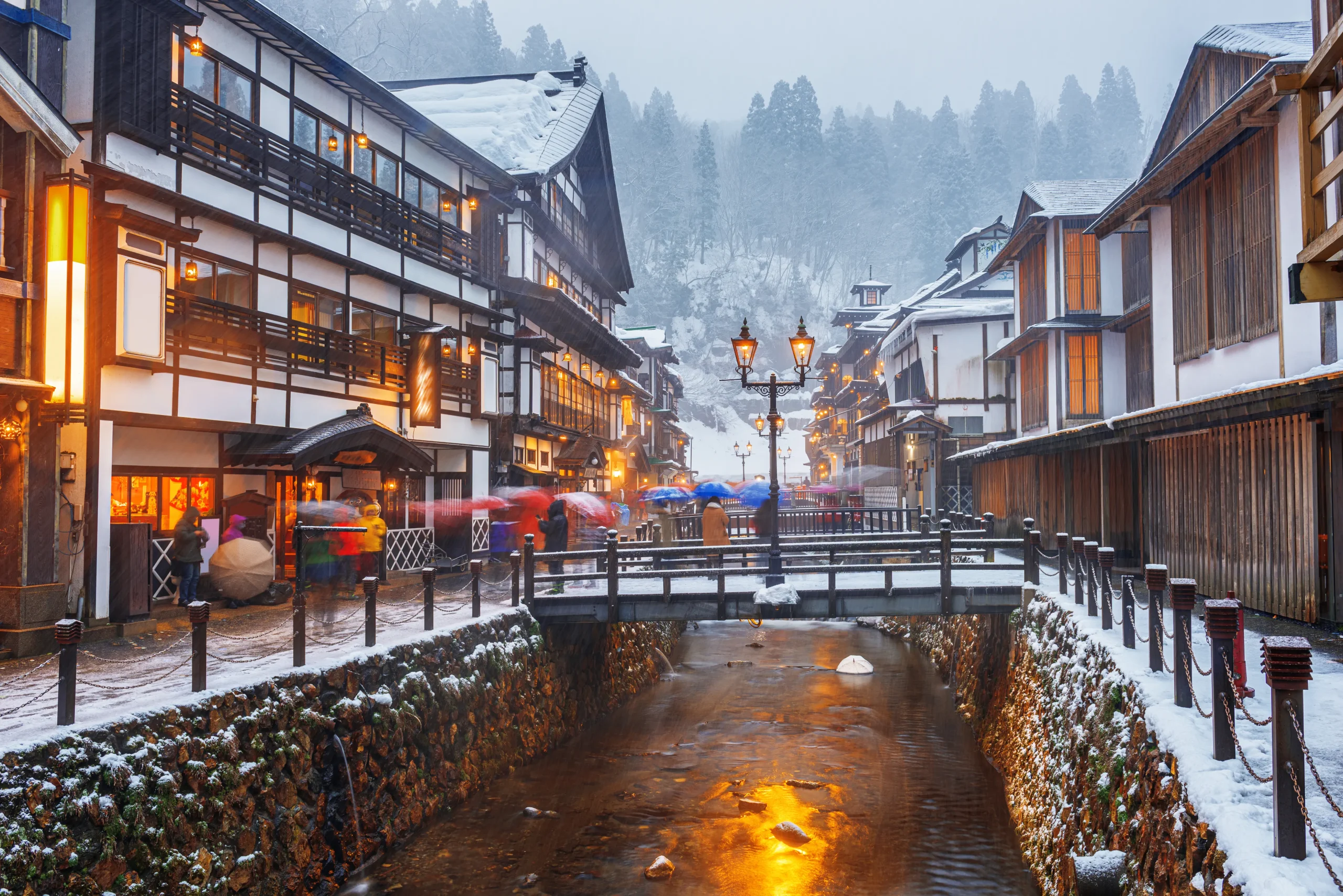
Ginzan Onsen is famous for its atmosphere, but it is not “accidentally old.” The town grew near a former silver mine, then was heavily damaged by a flood in 1913. Reconstruction began in 1926, and rebuilding in Taisho-era style created the unified wooden streetscape seen today.
Night is when it clicks. Gas-lamp-style lighting reflects off snow, wooden facades line a narrow river, and the street becomes quiet enough that you notice footsteps and flowing water. Because the main street is short, winter crowds can be intense, and access rules have changed in some seasons for traffic and safety. Build in buffer time and treat Ginzan as a protected highlight.
Dewa Sanzan: A Sacred Pilgrimage of Rebirth
Dewa Sanzan refers to three sacred mountains in central Yamagata: Haguro, Gassan, and Yudono. These are not just viewpoints. They are a pilgrimage landscape used for spiritual training for well over a thousand years, closely tied to Shugendo (literally “the way of training and testing”). In plain terms, Shugendo is a Japanese tradition where mountains are treated as places to practice discipline and purification through walking, prayer, and rituals in nature.
Practitioners are often called yamabushi, meaning “those who bow in the mountains.” You do not need religious knowledge to appreciate the experience. The mountains guide your attention: long stairways, deep cedar shade, cold air on the skin, and the quiet you get once street noise disappears.
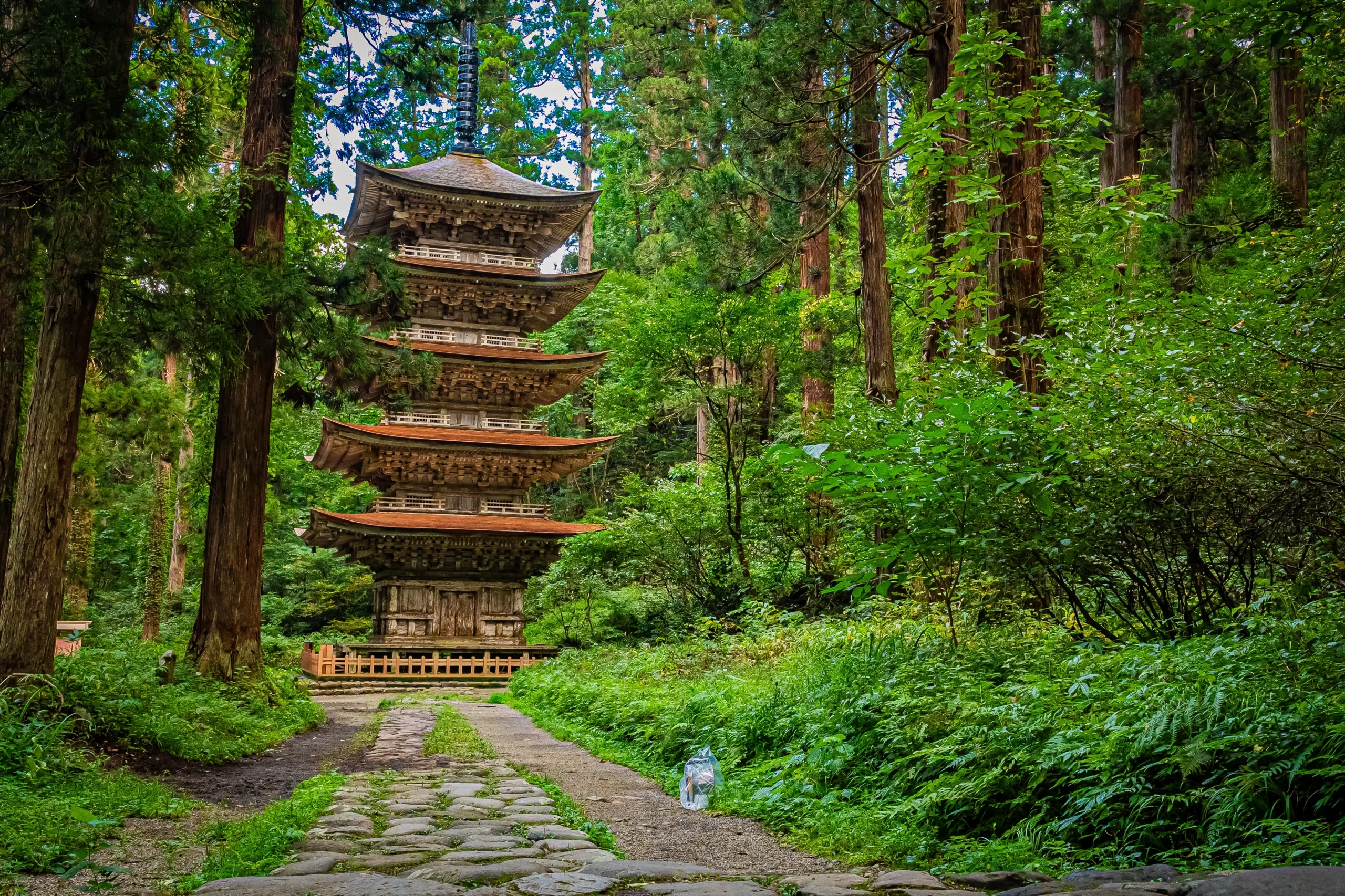
Each mountain plays a different role. Haguro is the most accessible and can be visited year-round. A long stone staircase runs through cedar forest, and along the route you pass a five-story pagoda designated as a National Treasure. Gassan and Yudono are seasonal because of heavy snow, so opening periods are announced each year.
Yudono, in particular, is known for strict etiquette. Photography is not allowed, and in certain sacred zones you remove your shoes and walk barefoot. On paper that can sound restrictive. In practice it creates a rare travel moment: you are asked to experience the place directly, without turning it into content.
If you want to go to Dewa Sanzan on a first trip, aim for summer into early autumn and plan the rest of Yamagata around that time.
Yamagata’s Fruit Culture: Cherries and Local Food

Yamagata’s “fruit country” reputation is not a slogan. Cherries are the headline, with the prefecture producing around 70 percent of Japan’s harvest in many years. Basin geography creates strong day-to-night temperature swings during ripening, which helps explain the fruit’s sweetness and firmness. Local history sources also describe cherries spreading in the early Meiji era after seedlings were introduced from overseas.
For things to do in Yamagata summer, timing is everything. Peak cherry season is usually late June through early July, shifting with weather and altitude. Autumn brings imoni, a taro-and-meat stew cooked outdoors along riverbanks, plus a well-known public event where thousands of servings are prepared in one giant pot.
Best Time to Visit Yamagata: Summer vs Winter
Yamagata changes dramatically by season, so choose based on what you want to feel.
Winter (roughly December to early March) is snow phenomena and hot springs: Zao’s juhyo, Ginzan’s streetscape under fresh snow, and lantern-style winter events such as the Uesugi Snow Lantern Festival in Yonezawa.
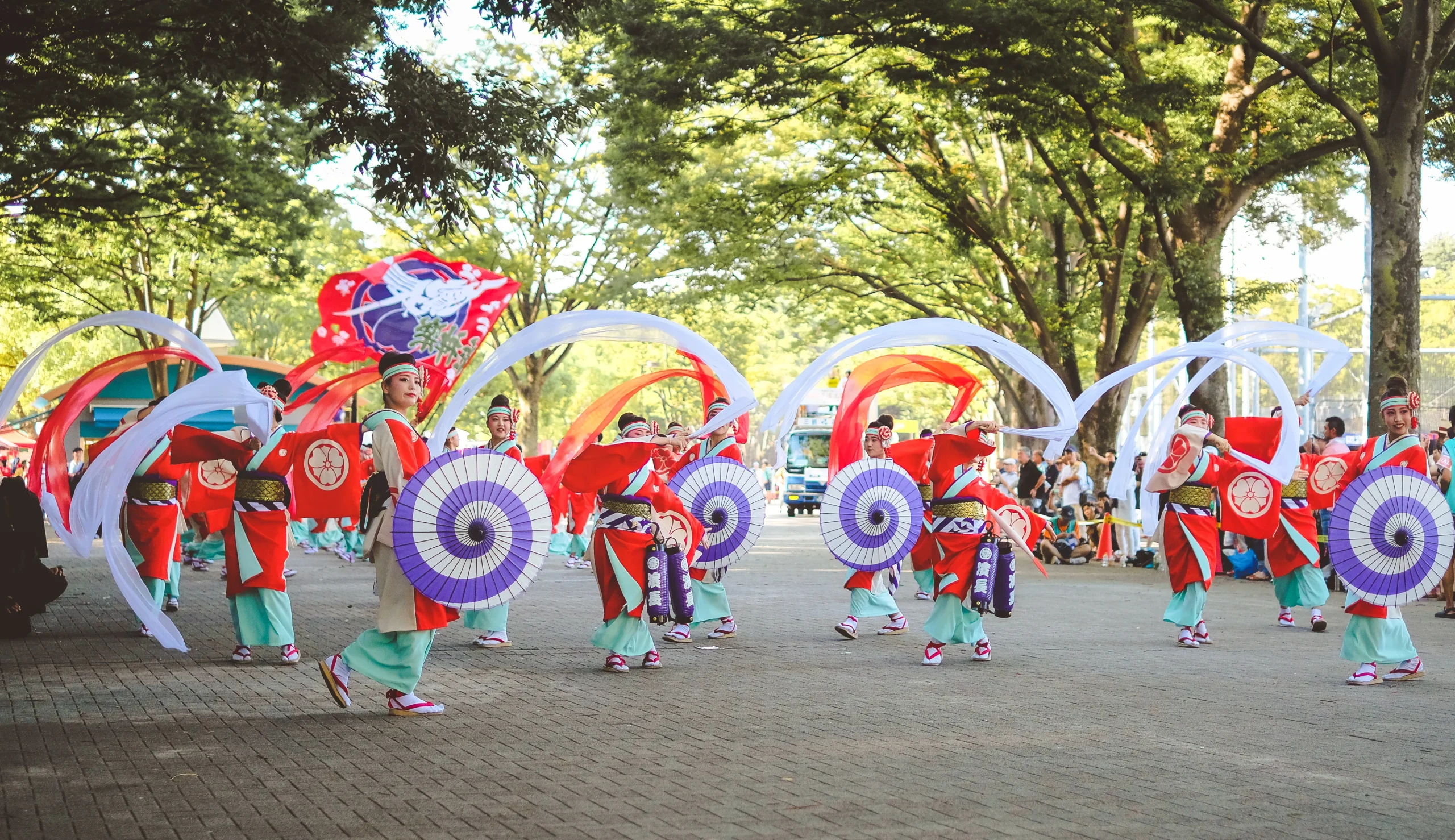
Summer is movement, fruit, and festivals. The Yamagata Hanagasa Festival runs in early August (commonly August 5 to 7) and turns the city into a dance stage at night. Spring and autumn can be excellent for fewer crowds, but mountain access can be tricky in shoulder seasons because of late snowmelt or early snowfall. If your plan includes all three Dewa Sanzan peaks, summer is the safest window.
Planning Your Yamagata Trip: Seasons, Nights, and Getting Around
Within Yamagata, trains and buses set the pace, and winter weather can disrupt it. The best planning move is to pick a theme, then choose bases that match it. Temples and views pair naturally with Yamagata City and Yamadera. Winter scenes pair with Zao and a hot-spring stay. Pilgrimage culture pairs with Dewa Sanzan, but only in the right season.
Add buffers. Keep one flexible day in winter, allow extra time for Ginzan, and be honest about stair-heavy days if you are traveling with family or friends. In Yamagata, the season really is the main character, so letting it lead makes the whole trip feel more effortless.
How many nights do you need?
- 2 nights: Base in Yamagata City. Do Yamadera one day, Mount Zao another.
- 3 nights: Add Ginzan Onsen as a half-day or overnight, depending on season and transport timing.
- 4+ nights: Add Dewa Sanzan in season and build the trip around one theme: snow and onsen, pilgrimage and forests, or summer fruit and festivals.
If Yamagata is on your shortlist and you want a route that flows, planning help can be valuable here, simply because timing and transport make a big difference. ENJYU JAPAN can support tailor-made itinerary design around your interests, with realistic pacing and seasonal backup options, so Yamagata feels cohesive rather than scattered.