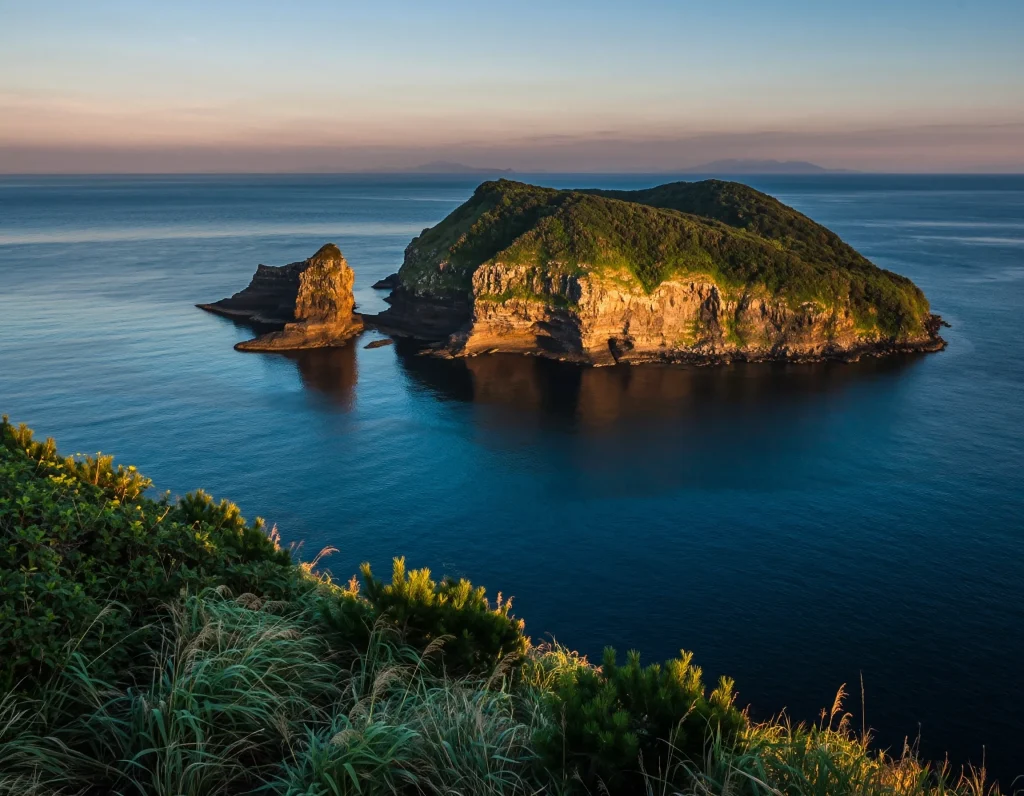
Tokyo has 11 inhabited islands, officially part of the same metropolis, ranging from quick day trip escapes to remote voyages that take a full day at sea.
This guide shows how to choose between the Izu Islands and the Ogasawara Islands (also known as the Bonin Islands), how many nights each option really needs, and where they fit best in a longer Japan itinerary, plus a few common planning traps to avoid.
The Big Picture: Tokyo’s Islands Are Not All the Same
Tokyo’s islands offer a surprising contrast to the city’s familiar urban landscape of neon and trains. These Treasure Islands are 11 inhabited islands, grouped into the nine Izu Islands and the two Ogasawara Islands (Chichijima and Hahajima island), fall within the same administrative boundary of Tokyo, but their geography dictates the travel experience.
The Izu Islands, located south of mainland Honshu on a volcanic arc, can be reached by boat or small aircraft, making them a feasible addition to a standard Tokyo stay. In contrast, the Ogasawara Islands are a true expedition. These subtropical islands are situated about 1,000 kilometers south of central Tokyo. Travel to Chichijima involves a lengthy journey, with the regular ship taking about 24 hours one way.
Therefore, deciding which “Tokyo islands to visit” means choosing between a brief, nearby natural getaway (Izu) or an extensive, distant voyage (Ogasawara).
Short Trips from Tokyo: One Day or One Night
If you want volcano scenery, ocean air, and a different rhythm without rewriting your entire itinerary, start with the nearest Izu islands. The goal here is efficiency: maximum landscape change, minimum logistics.
Several Izu islands fall within the broader Fuji-Hakone-Izu National Park area. In plain terms, that means the scenery is not a random collection of beaches. It is a protected landscape with real geological character.
Izu Oshima
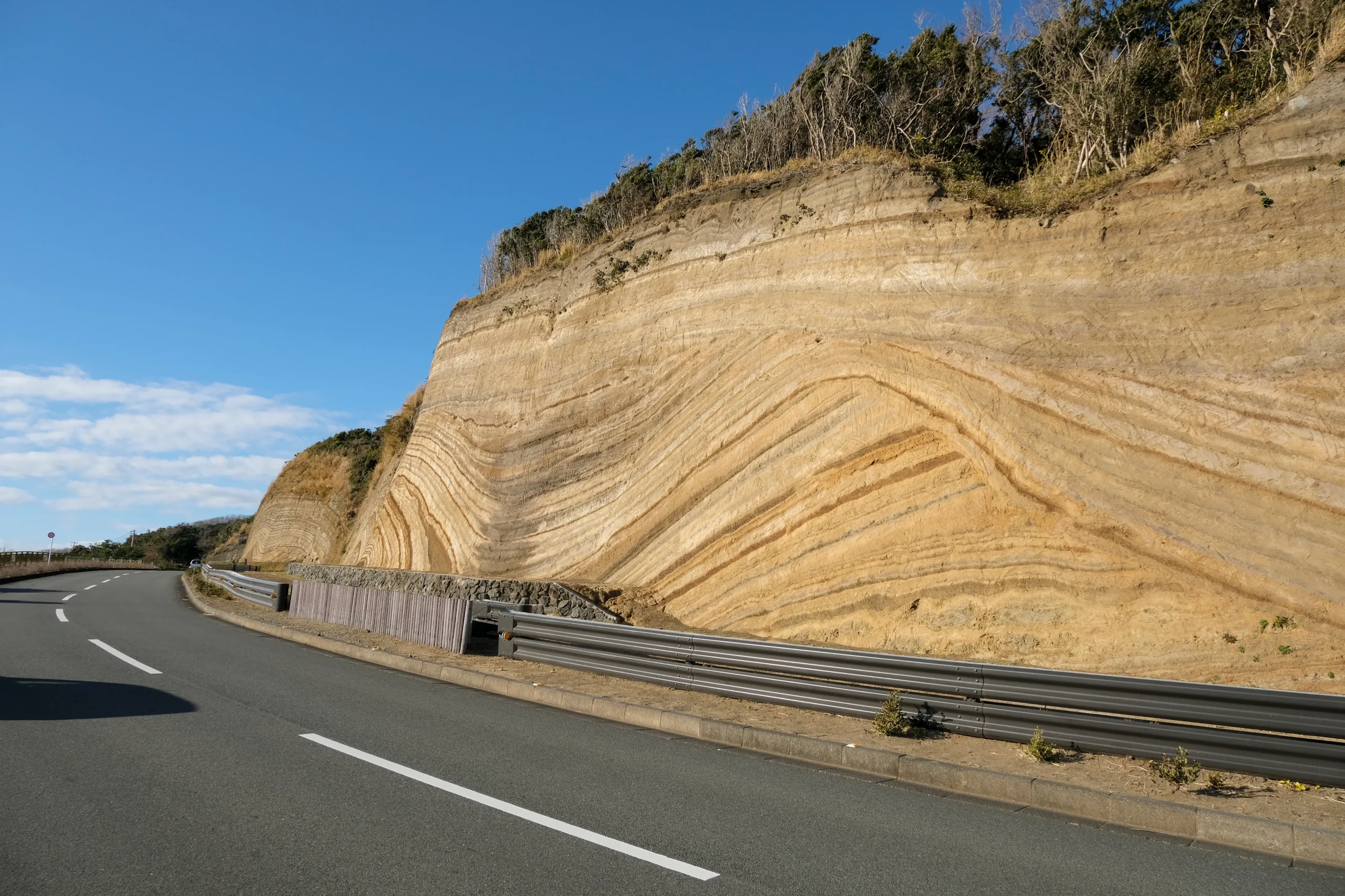
Izu Oshima is the clearest first stop because the island’s story is easy to read. Mount Mihara is an active volcano, and the island’s modern history includes a major 1986 eruption that triggered an island wide evacuation. Knowing that does something useful. It turns the crater and lava fields into a living classroom about risk, preparedness, and how communities return.
You may also hear gojinka, often translated as “sacred fire.” It is a respectful way of talking about volcanic fire, and it hints at a local attitude that mixes respect with caution.
Practically, Oshima is reachable in under two hours by high speed boat, or in roughly four hours by a larger ferry. There are also commuter flights. If you are building a long Japan route, one night here works best when you still have flexibility, not on the final day before your international flight.
Some Izu islands can work as a long day trip, but it depends on the specific sailing times. If you want the least stressful version, one night is the sweet spot, because you’re not racing the last boat back.
Two to Three Nights Away: Beaches, Volcanoes, and Dark Skies
With two to three nights, the island experience stops being a quick detour and starts feeling like a chapter of the trip. You have time for the slower parts that people usually remember: long coastal walks, warm afternoons, and a night sky that actually looks like a sky.
Nii-jima and Kozushima are strong options in this range. They are still within the Izu chain, but they deliver a clearer sense of being away from the city.
Kozushima
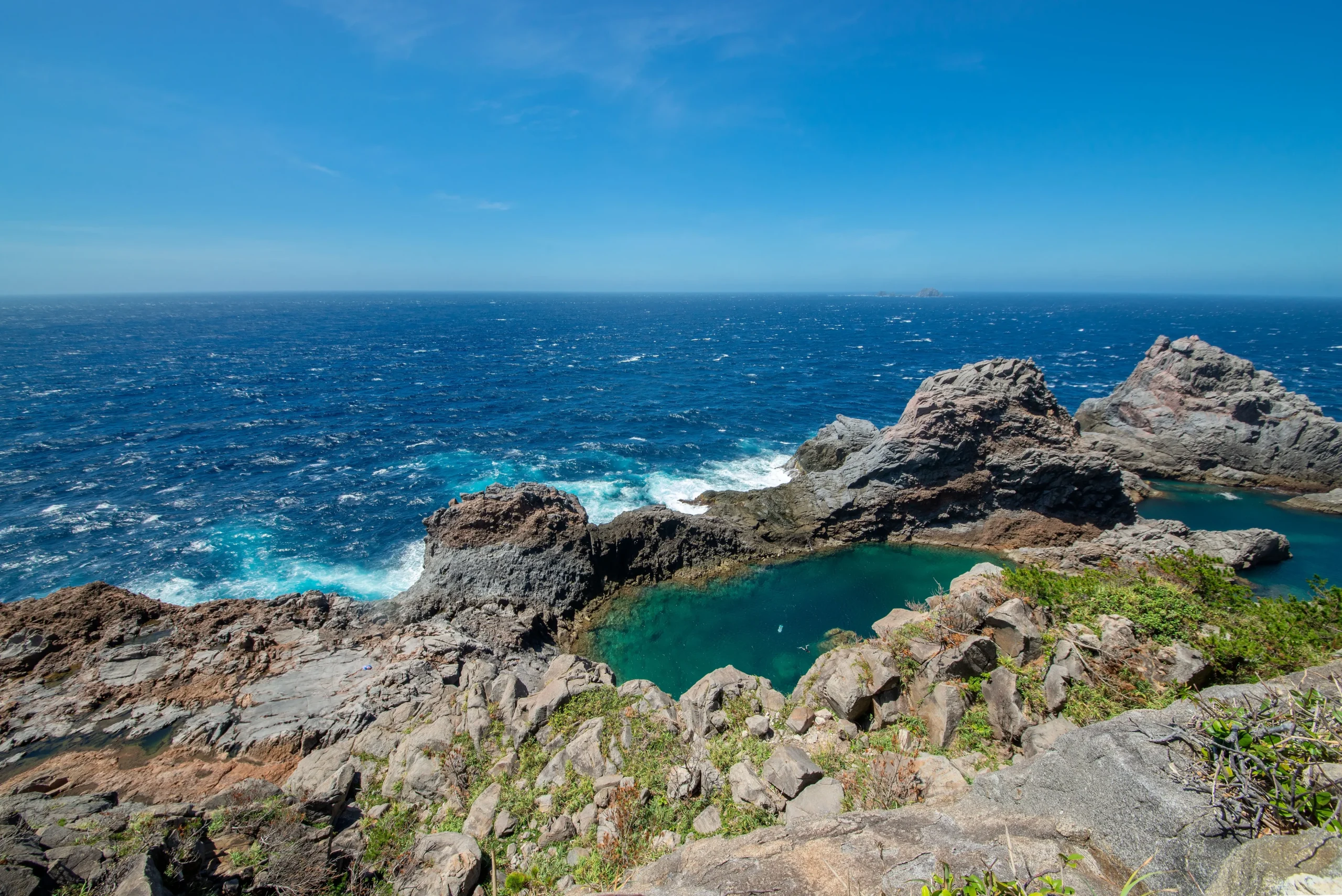
Kozushima stands out after dark. It was recognized as an International Dark Sky Park in 2020, which means the community has taken serious steps to protect darkness from light pollution. Here, the payoff is simple: you can see far more of the Milky Way than you can from urban Tokyo or many other places in the world on a clear night.
Nii-jima
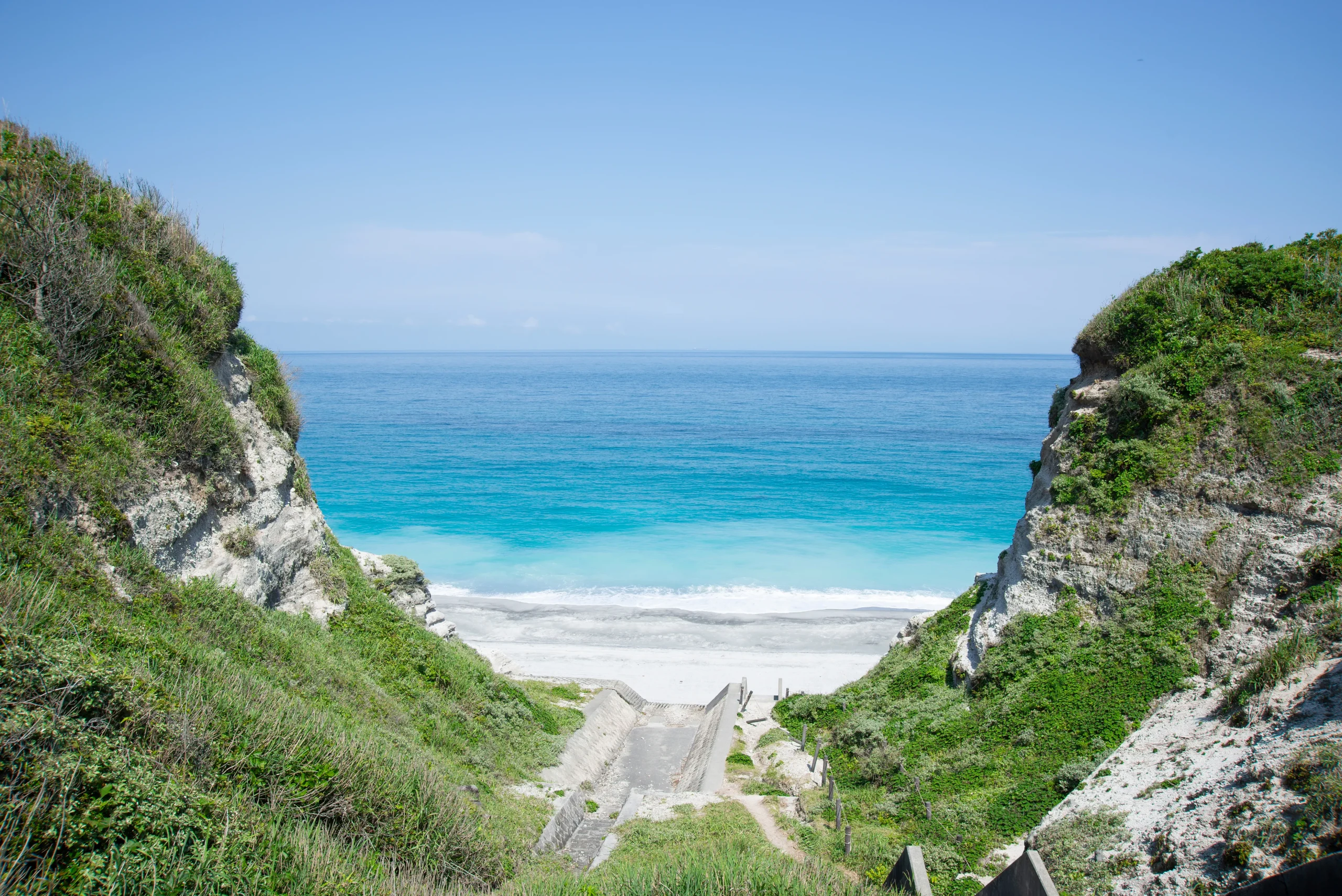
Nii-jima is fun in a different way. The island is known for koga stone, a porous volcanic rock used in local architecture and sculpture. Once you start noticing it, you stop thinking of geology as something you only see in textbooks. You see it in walls, textures, and the shapes people choose to build.
One planning tip matters more than any packing list: respect the ocean. Sea conditions decide what is possible, so build each day around anchors that still work in wind or swell, like viewpoints and inland walks.
Deeper Nature Experiences: Wildlife, Culture, and Remote Living
If you want more depth per day, head farther south in the Izu chain. The trade off is simple: the further you go, the more your transportation depends on weather and limited schedules.
Mikurajima
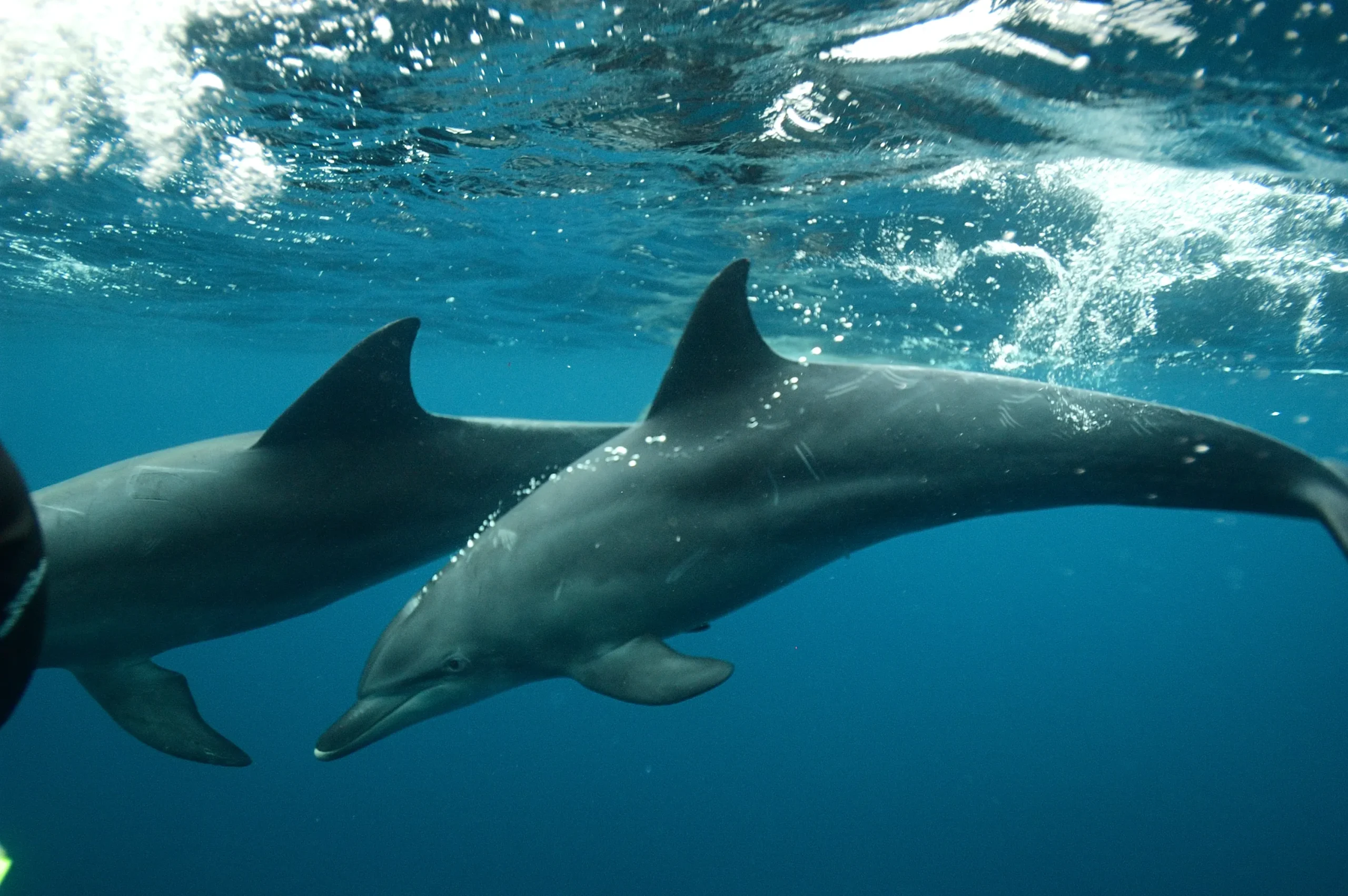
Mikurajima is known for Indo Pacific bottlenose dolphins in the surrounding waters, and local guidance emphasizes rules designed to protect both the animals and the habitat. That framing matters. On small islands, nature is not a staged show. It is the environment people live with, so etiquette is part of the experience.
Hachijojima
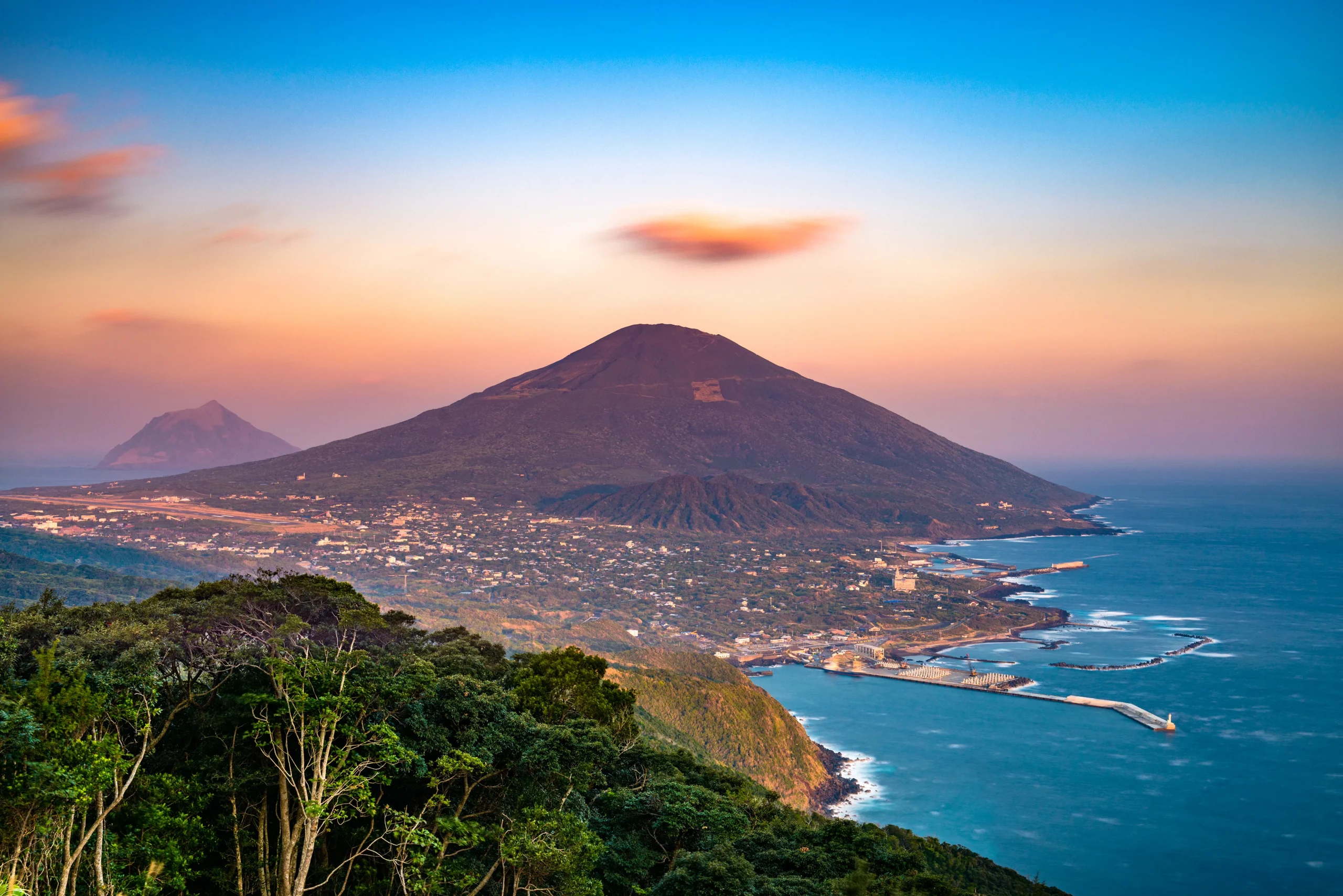
Hachijojima brings culture into focus. The island is associated with Kihachijo, a silk textile dyed with plant based colors and recognized in Japan’s traditional craft system. Even if you never shop, knowing the craft exists connects you to the island’s plants, climate, and the time it takes to make color last.
There is also a quieter layer. Hachijo is listed among Japan’s endangered languages in UNESCO related reporting and Japanese linguistic research. It is a reminder that island culture can fade in small, ordinary ways, like fewer people speaking a local tongue at home.
Aogashima
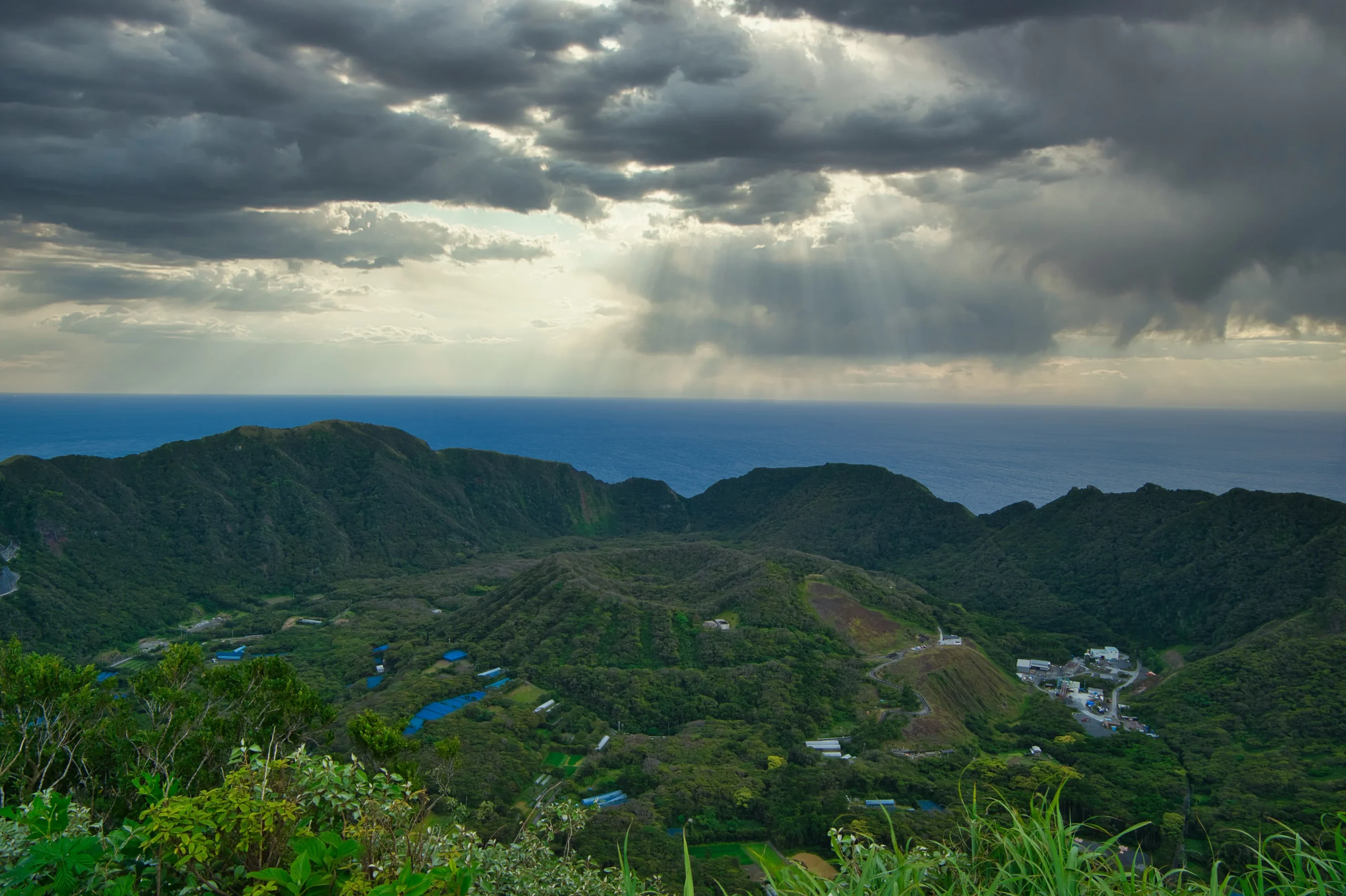
Aogashima, with a population around 170, is the “only if it lines up” option. Access is vulnerable to sea and weather conditions, so it is best planned with extra days and a flexible mindset.
The Ogasawara Islands: A Remote Journey to a World Natural Heritage Site
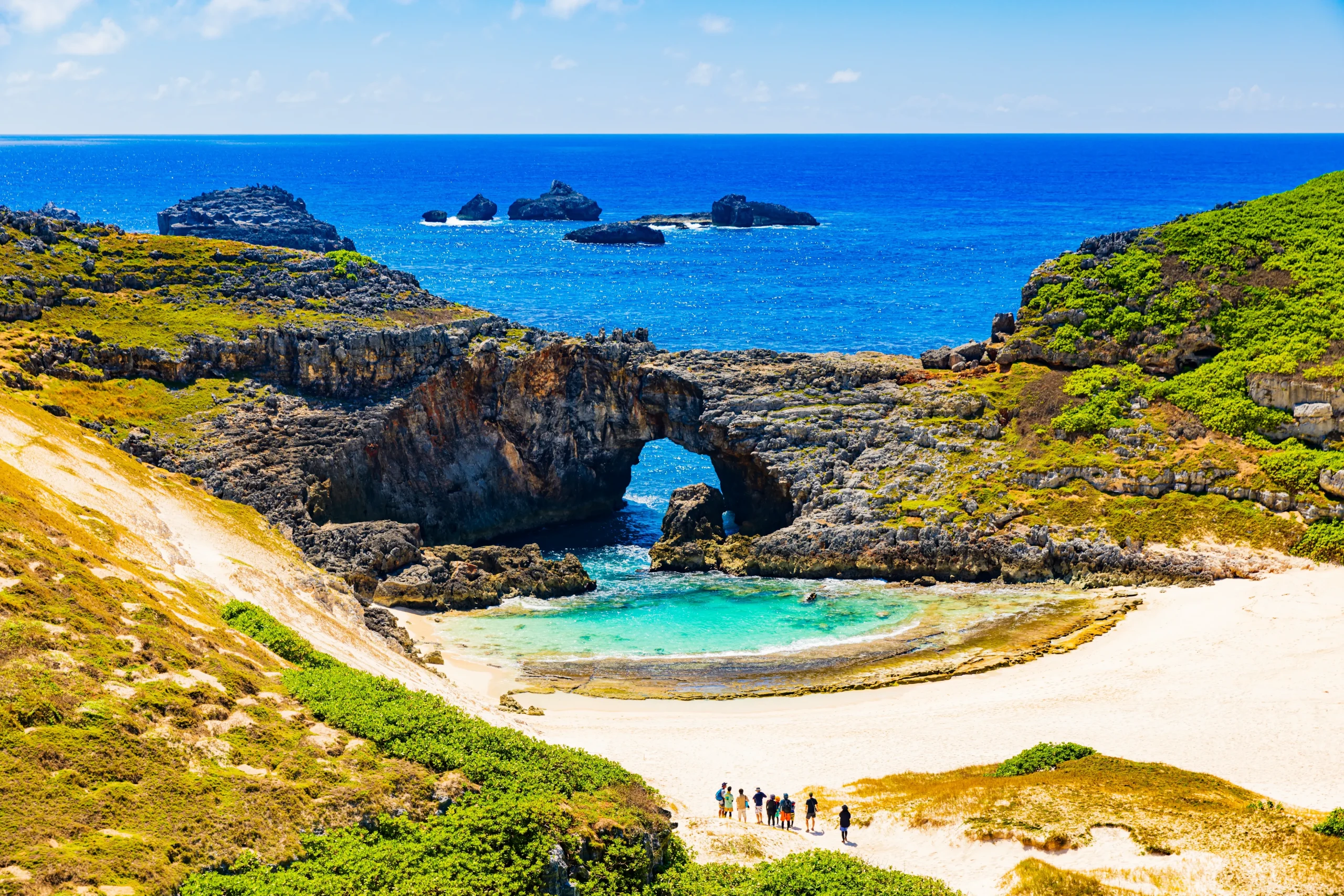
Ogasawara is not an extra. It is a remote journey where the distance is part of the meaning.
The islands were inscribed as a UNESCO World Natural Heritage site in 2011, recognized for biodiversity shaped by long isolation. These are oceanic islands that were never connected to a continent, so plants and animals arrived by chance and evolved over time in a separate ecological world.
Getting there forces you to slow down. From Tokyo’s Takeshiba terminal, the regular ship to Chichijima takes about 24 hours one way, and there are no airports on Chichijima or Hahajima. When you plan Ogasawara, you are planning a sea journey, not just a destination.
Human history adds another layer. After World War II, Ogasawara was administered by the United States, and the islands were returned to Japan in 1968. That recent shift helps explain why the islands can feel culturally distinct from most mainland stops.
Planning Realistically: Weather, Transportation, and Buffer Days
Island travel runs on weather, not wishful thinking. The best way to raise your success rate is to design for disruption before it happens. Typhoons are seasonal in Japan and can disrupt both ships and flights. Japan’s tourism authorities encourage travelers to monitor official updates and plan for weather related changes. If this sounds inconvenient, you’re not wrong. The trick is to treat the sea like a schedule partner, then build a little breathing room so the trip still feels calm if plans shift.
A simple rule: northern Izu is easiest, southern Izu is more sensitive to weather, and Ogasawara is a dedicated multi-day journey.
Two habits make the biggest difference. First, add buffer days. A buffer day is a spare day that absorbs delays and cancellations. It is not wasted time. It is what turns “we are stuck” into “we adjust.” Second, pick one main purpose for your island segment, then choose an island that matches it well. For example: volcanic terrain and disaster history (Oshima), dark skies (Kozushima), or oceanic island ecology (Ogasawara).
Finally, be careful about placement. If you schedule an island visit right before your flight home, you are raising the stakes for no real benefit. Put islands earlier in the trip when possible, when you still have room to adapt.
If you’re doing the classic Golden Route (Tokyo, Hakone, Mt. Fuji area, Nagoya, Kyoto, Osaka), the easiest slot is right after your Tokyo days, before you commit to long-distance train travel.
What Tokyo’s Islands Add to a Japan Journey
Tokyo’s islands add something city days alone rarely deliver: a sense of scale. In a single trip, “Tokyo” can mean a volcano landscape, a genuinely dark night sky, a craft tradition rooted in local plants, or an oceanic ecosystem protected by distance.
For many first time visitors to Japan, an Izu overnight is the easiest way to break the urban rhythm. For travelers who can invest more time, Ogasawara offers a bigger reward: a remote journey with a strong “why this place matters” story, anchored in ecology and modern history.
If you would like help deciding which island fits your interests, how many nights are realistic, and where to place buffer time within a larger Tokyo, Hakone, Kyoto route, ENJYU JAPAN can design a tailor made itinerary that stays flexible while still feeling intentional.