Shirakawa-go is Japan’s best-known traditional village, but it represents only one kind of historic settlement. Its steep-roofed mountain farmhouses feel very different from the old Nakasendo streets of Magome and Tsumago, the waterfront funaya of Ine, or the red-tiled Ryukyu homes of Taketomi.
Those differences reflect heavy snow, historic roads, farming, fishing, island climate, and the materials available locally. The best choice therefore depends less on which place looks “most traditional” and more on what you want to see and where your trip already takes you.
What Counts as a “Traditional Village” in Japan?
Places commonly described as traditional Japanese villages include several different kinds of historic communities. Japan’s preservation system includes post towns, merchant towns, mountain settlements, fishing villages, and island farming communities, among other types. As of September 2026, Japan has 130 nationally designated Important Preservation Districts for Groups of Traditional Buildings.
Places that look similarly old may have developed for completely different reasons. Tsumago grew as a post town, Ine around fishing, Miyama as a mountain settlement, and Taketomi within a Ryukyu island tradition. Preservation does not mean these places stopped changing either. Roofs are repaired, materials shift, and buildings continue adapting to daily life.
Having visited Shirakawa-go, Magome, and older townscapes, what stood out was not just the wooden buildings, traditional roofs, and hilly scenery, but how different each place felt when looking at the layout and architecture.
Read more: Traditional Old Towns in Japan
Which Traditional Japanese Village Fits Your Trip?
| Place | Best for | Fits naturally with | Public transport | Time to allow |
|---|---|---|---|---|
| Shirakawa-go & Gokayama | Gassho-zukuri farmhouses and snow-country architecture | Takayama, Kanazawa, Central Japan | Good, but buses need planning | Half to full day |
| Tsumago & Magome | Historic road and walking | Nagoya, Kiso Valley, Matsumoto | Good, but local buses are limited | Half day, or full day if walking |
| Ouchi-juku | Thatched post-town scenery | Aizu, Tohoku | Possible, but more limited | Around 2-3 hours locally |
| Miyama Kayabuki no Sato | Rural thatched Kyoto | Kyoto, Kansai | Possible, but buses are infrequent | Full-day outing |
| Ine | Boathouses and a working fishing settlement | Amanohashidate, northern Kyoto | Possible, but long from Kyoto City | Full day or regional overnight |
| Taketomi | Ryukyu village landscape | Ishigaki, Yaeyama Islands | Easy by ferry | Half to full day |
Shirakawa-go and Gokayama: Snow-Country Farmhouses
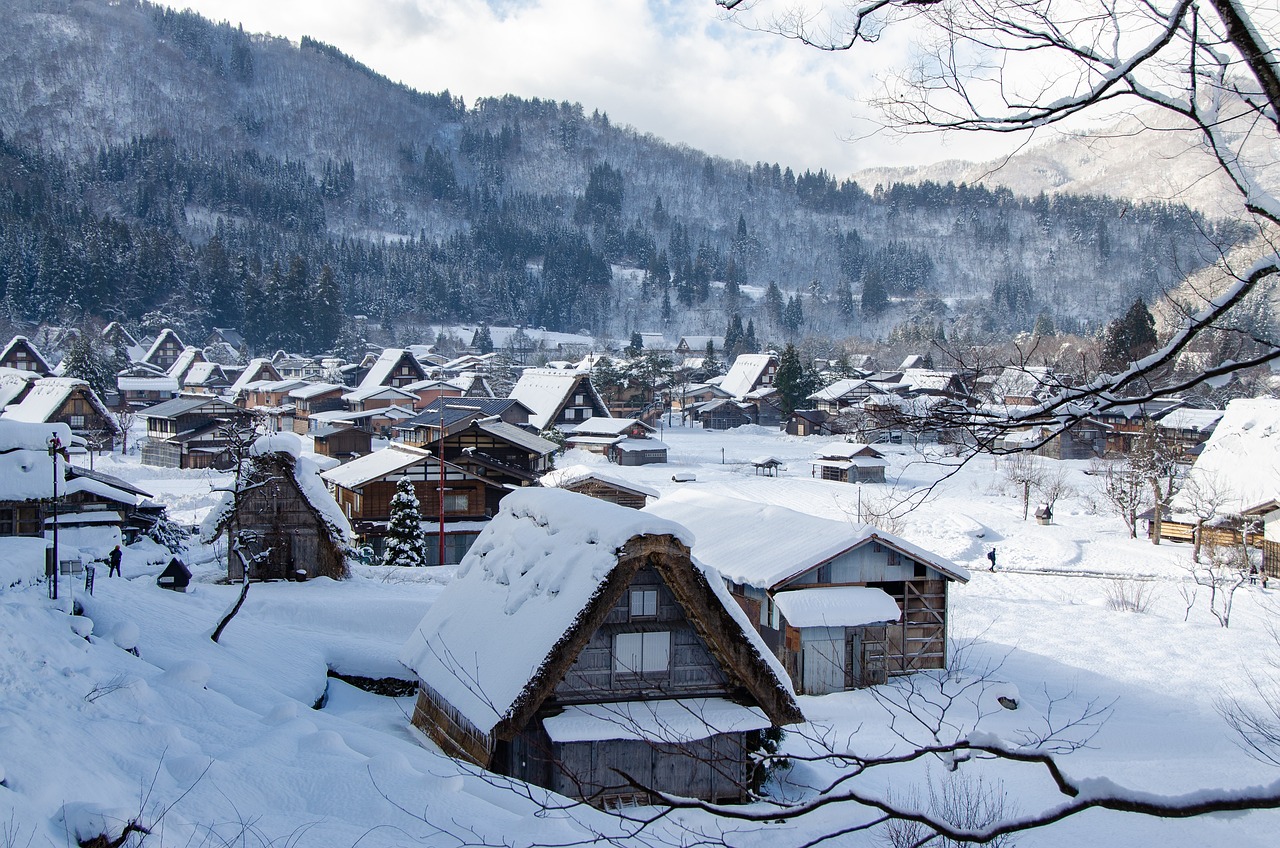
If the steep thatched roofs against a mountain backdrop are what made you search for traditional Japanese villages in the first place, Shirakawa-go is still the obvious starting point.
The UNESCO World Heritage site is actually made up of three settlements: Ogimachi in Shirakawa-go, plus Ainokura and Suganuma in Gokayama. Their gassho-zukuri farmhouses developed for the heavy-snow environment, with steep roofs adapted to local conditions and large upper spaces historically connected with sericulture.
Shirakawa-go is the most famous and easiest to build into a Takayama or Kanazawa route, but that also means more visitors. Ainokura and Suganuma show the same regional building tradition on a smaller scale and can be a good choice for travelers who want to understand Gokayama rather than simply collect another photo stop.
A short visit gives you the basic landscape, but extra time helps you see how the houses, fields, river, and surrounding mountains fit together. If your dates are flexible, Shirakawa-go also publishes an official crowd forecast showing expected congestion up to several months ahead, which can be useful during busy seasons.
Reference: Historic Villages of Shirakawa-go and Gokayama – UNESCO World Heritage Centre
Read more: What to Do in Gifu
Tsumago and Magome: A Historic Road You Can Still Walk
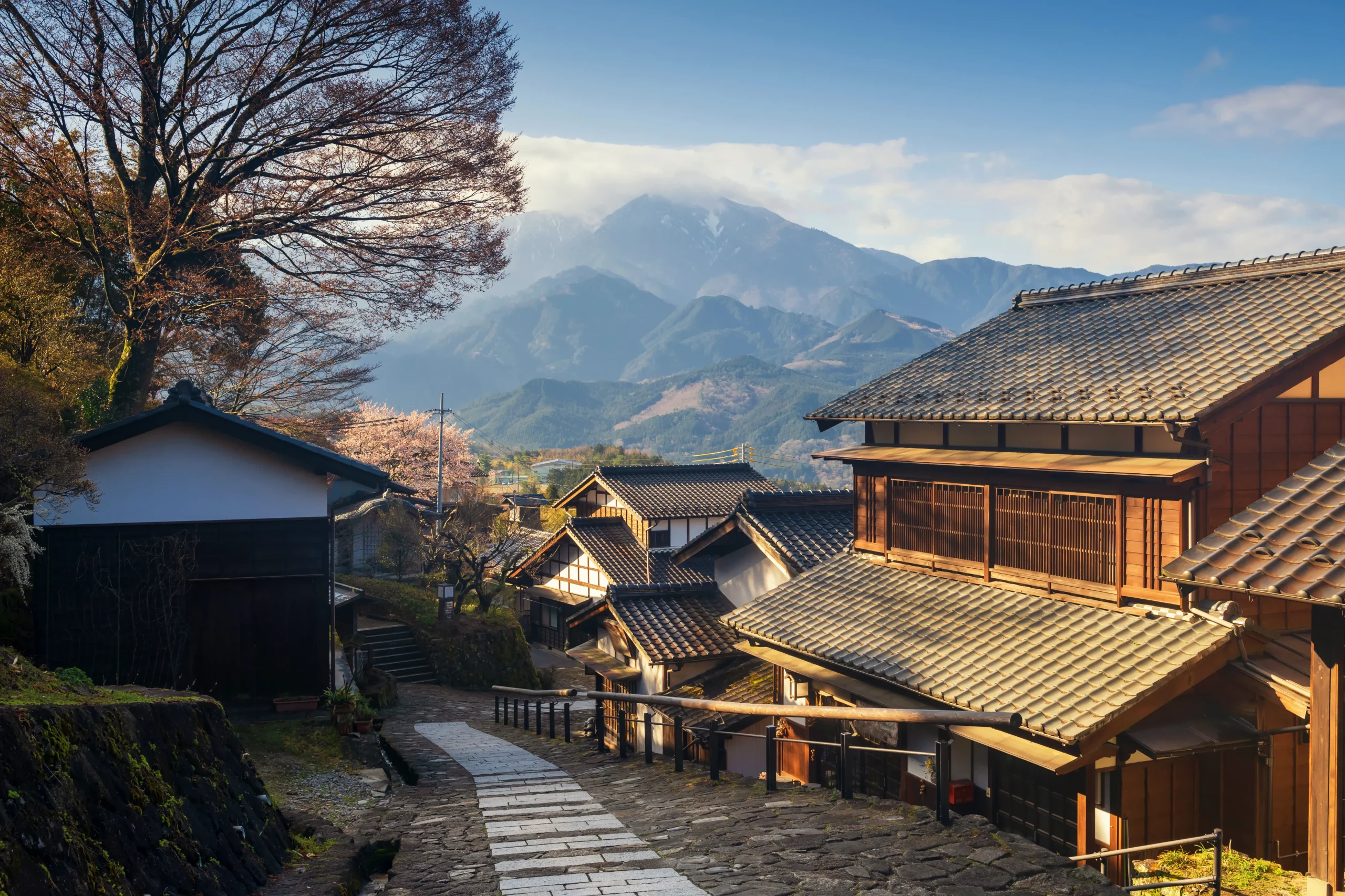
Tsumago and Magome offer a completely different experience. These were post towns on the Nakasendo, the old highway that linked Edo and Kyoto, so their identity comes from travel rather than farming.
The streets are lined with wooden buildings, lattice fronts, inns, and former merchant spaces rather than the large gassho-style farmhouses of Shirakawa-go. Magome is particularly striking because the old street climbs a hillside, which makes the surrounding terrain part of the experience.
The most rewarding way to connect the two towns is on foot. The Magome-Tsumago section of the Nakasendo is about 8 kilometers and takes roughly three hours for many walkers. Starting from Magome generally means less uphill walking. A same-day luggage-forwarding service is also offered between the two tourist information centers, which can make the walk easier if you are traveling with larger bags. Check current operating dates before relying on it.
If you do not want to hike, either town still works as a shorter visit. The walking route, however, is what makes the experience especially distinctive.
Reference: Magome to Tsumago – Kiso Ontake Tourism Office
Read more: Rural Japan: 5 Countryside Places to Add to Your Trip
Ouchi-juku: A Thatched Post Town in Tohoku
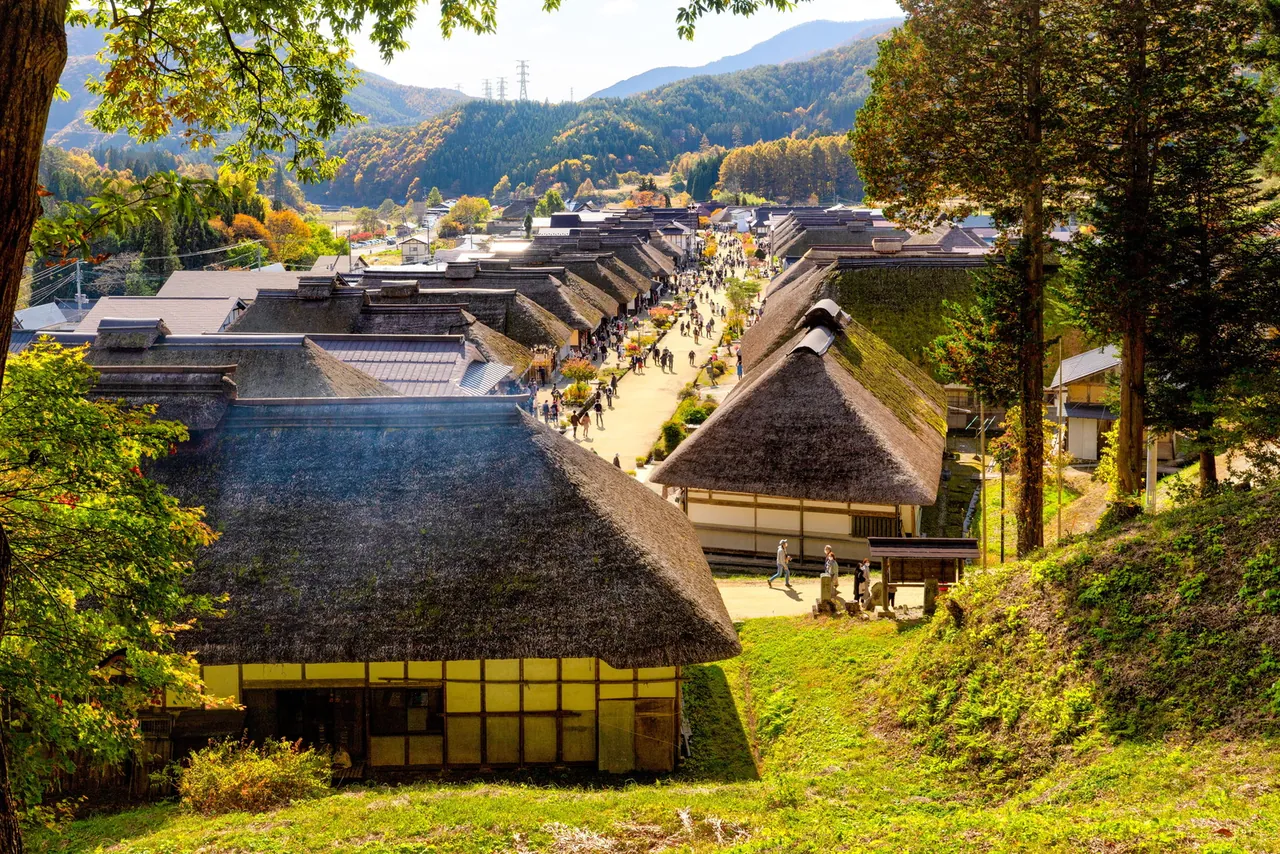
Photo: くろふね / Wikimedia Commons / CC BY 4.0
Ouchi-juku is useful precisely because it looks a little like a thatched mountain village while having a different history. It was a post station on the route connecting Aizu with the Nikko area, and its long central street is lined on both sides with thick thatched-roof buildings.
Its roadside layout also shows why roof material alone does not tell you what kind of community you are looking at. Tsumago and Ouchi-juku were both shaped by highway travel, yet their streets feel noticeably different because their building traditions and regional settings are different.
Ouchi-juku fits best into an Aizu or wider Tohoku trip. Public transport is possible via Yunokami Onsen, but connections are limited enough that it is worth checking the return journey carefully. It is much less convincing as a quick detour from Tokyo.
Miyama Kayabuki no Sato: Rural Kyoto Beyond the City

Miyama is a good choice for travelers who are already spending time in Kansai but want a rural mountain settlement rather than Kyoto City’s temple districts and preserved urban streets.
Kayabuki no Sato in Miyama’s Kita village contains around 50 houses, with 39 still retaining thatched roofs. Many are private homes, and the settlement sits close to fields and wooded hills, giving it a very different character from Kyoto’s historic city neighborhoods. The thatched roofs may invite comparison with Shirakawa-go, but Miyama is better understood on its own terms as a Kyoto mountain community rather than a smaller substitute for it.
You can reach Miyama by public transport, but the journey usually involves JR plus a local bus, so the timetable shapes the day. It works better as a deliberate countryside outing than something squeezed between Kyoto sightseeing stops.
Reference: Miyama’s Thatched Village – Kyoto Miyama Tourism Association
Ine: A Traditional Fishing Village Built Around the Water

Ine is one of the strongest reasons not to equate “traditional Japanese village” with mountains and thatched roofs.
Its funaya line the edge of Ine Bay. With very little flat land between the hills and the water, buildings developed right along the waterfront. The funaya themselves grew out of fishing work: historically, the lower level sheltered wooden boats, while upper floors were used for nets and other equipment. Many families had their main residence in a separate house across the road.
As boats became larger and everyday life changed, many funaya changed too. Boats are now often moored outside rather than pulled into the building, and some upper floors have taken on residential or other uses. That makes Ine a useful reminder that a preserved landscape does not have to be frozen in one historical period.
Around 230 funaya line the bay today. Ine is officially protected as a fishing-village landscape, and it fits most naturally with Amanohashidate or a wider northern Kyoto itinerary. From Kyoto City alone, the travel time is long enough that an overnight stay in the region can make more sense than a rushed out-and-back day.
Reference: About Funaya – Ine Town Tourism Association
Taketomi Island: A Ryukyu Village on a Coral Island
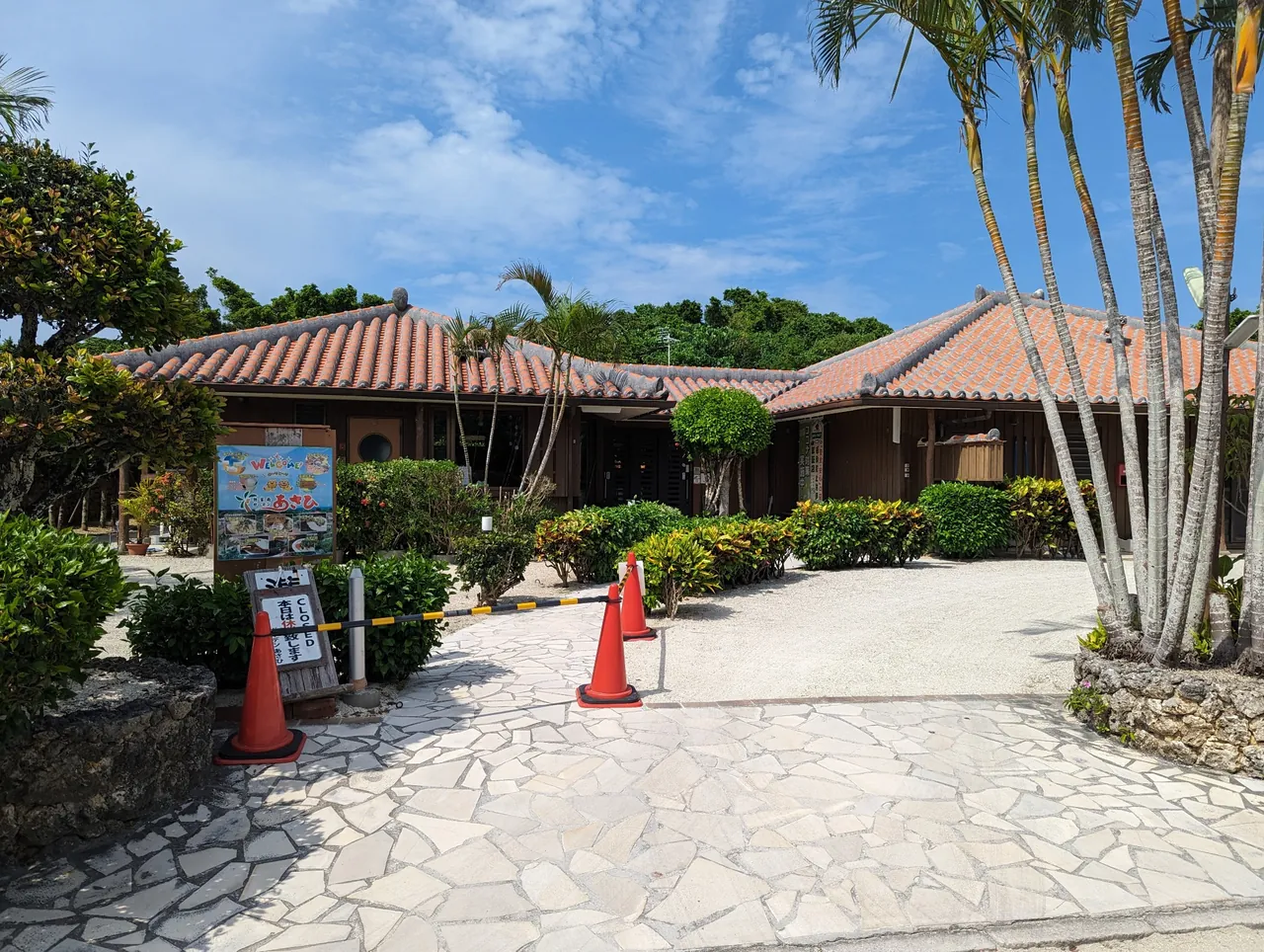
Taketomi makes the clearest case that there is no single visual style for traditional Japanese settlements.
Here the landscape is subtropical: red-tiled houses, coral-stone walls, white-sand lanes, and dense greenery replace the steep roofs and mountain scenery of central Japan. The settlement belongs to the cultural landscape of the Yaeyama Islands and is officially classified as an island farming community.
Even the now-iconic roofscape has changed over time. Cultural-property sources note that the main houses were formerly thatched, while red-tiled roofs later became characteristic of the preserved streetscape. Preservation here is therefore about maintaining a regional landscape that has evolved, rather than pretending nothing ever changed.
Taketomi is easy to add if you are already staying on Ishigaki, with ferries linking the two islands. It is therefore one of the easiest villages here to add once you are already in the right region. Outside an Okinawa or Yaeyama itinerary, however, it is too far away to function as a simple alternative to Shirakawa-go or Tsumago.
Reference: Taketomi Island – Agency for Cultural Affairs / Cultural Heritage Online
Remember That These Are Places Where People Live
The more attractive the streets and houses look, the easier it is to forget that many are still homes, storage spaces, workshops, or working parts of local life. That is especially important where there is no obvious boundary between visitor space and residential space.
Do not enter gardens, yards, doorways, or buildings unless they are clearly open to visitors. Be careful with photographs of residents and follow local rules on drones, smoking, and fire. Thatched settlements are particularly sensitive to fire risk.
Public transport deserves the same realistic approach. “Accessible without a car” does not necessarily mean frequent or convenient. Several of these places rely on regional buses or ferries with limited schedules, so the last connection of the day can matter more than the nominal journey time.
So, Which Village Should You Choose?
If you are already traveling through Central Japan, start with Shirakawa-go/Gokayama for gassho-zukuri architecture or Tsumago/Magome if walking an old highway appeals more.
Choose Miyama if you want a rural mountain settlement from Kansai, or Ine if coastal life and fishing architecture interest you more. Ouchi-juku makes the most sense as part of an Aizu or Tohoku trip, while Taketomi is the obvious choice if Ishigaki and the Yaeyama Islands are already on your route.
Each village has its own unique atmosphere and each of them are worth visiting, but to make the most out of your trip, the most satisfying one is usually the place whose history, landscape, and location already fit the trip you want to take.
Once you move beyond the major rail corridor, limited buses and long regional transfers can make these places awkward to combine. ENJYU JAPAN’s Tailor-Made Tour can help fit a rural or historic settlement into a wider Japan itinerary, including advising when a long detour may take more time from the rest of your trip than it is worth.