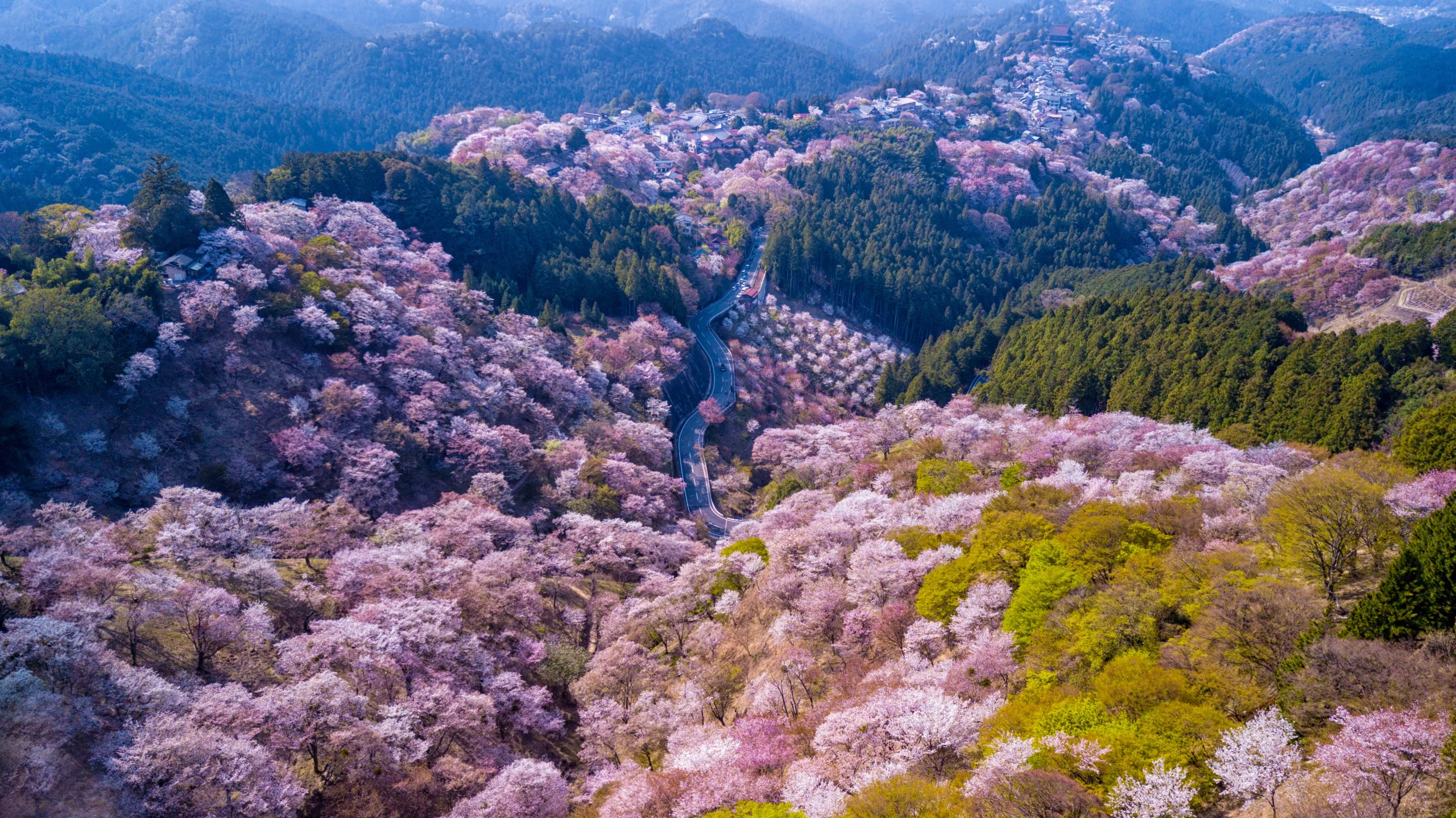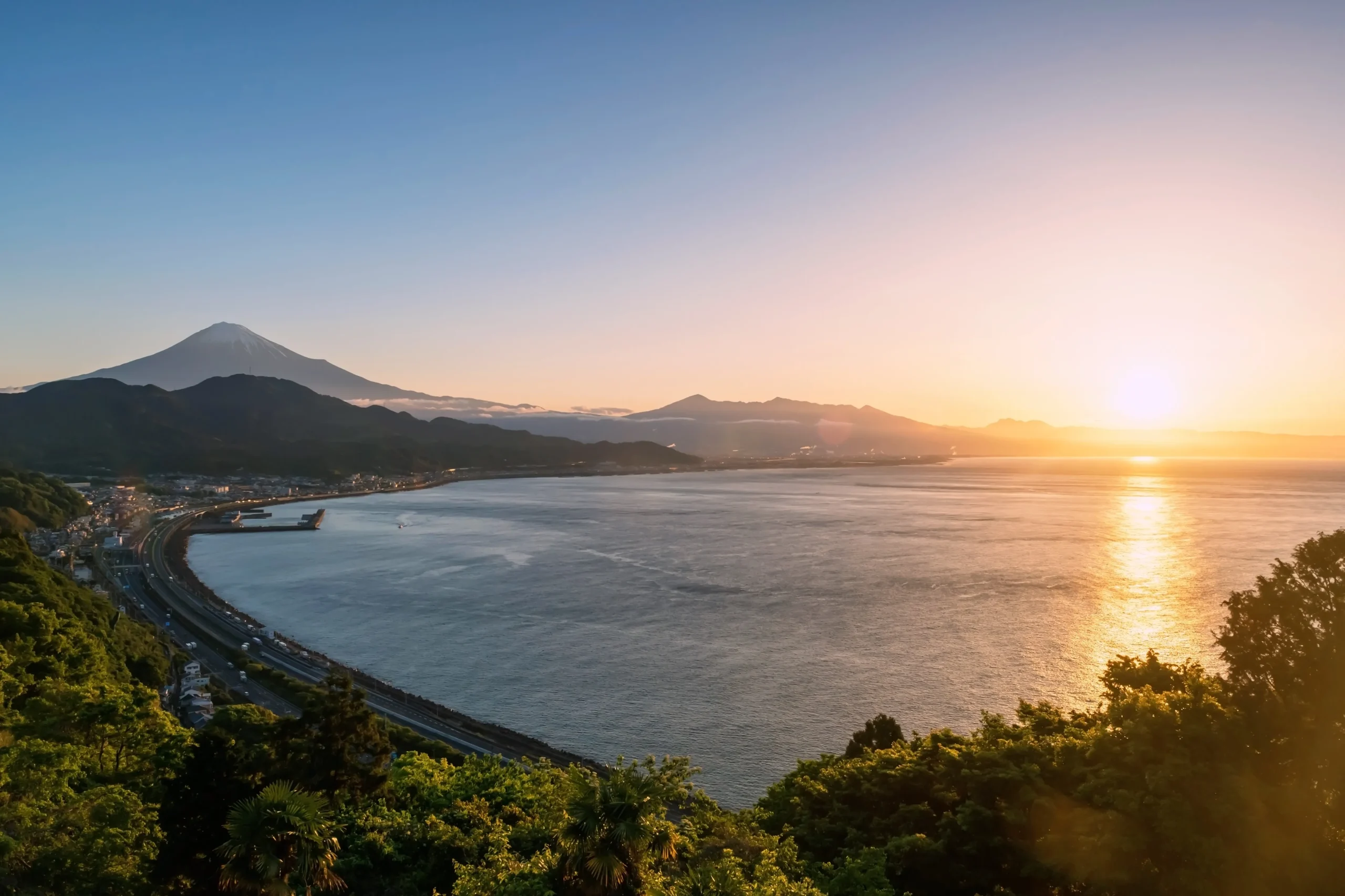
If you are deciding what to do in Gifu, start by treating it as more than one city stop. The prefecture stretches from old post towns and river valleys near Nagoya to the mountain villages of Shirakawa-go, the preserved streets of Takayama, and the hot springs of Gero. This guide helps you choose the right version of Gifu: a day trip, a relaxed overnight, or a few days of old towns, food, caves, rivers, and mountain scenery.
Understanding the Geography of Gifu Prefecture
There are two Gifus, and it helps to separate them early. Gifu City is the prefectural capital, about twenty minutes by train from Nagoya, with Mt. Kinka rising above the Nagara River. Gifu Prefecture is much larger and full of traditional rural towns: the Hida region in the north with Takayama and Shirakawa-go, Gero Onsen in the middle, Magome on the old Nakasendo road to the southeast, and Gujo with its rivers and highlands in between.
Most people searching for things to do in Gifu are really asking which of these places to combine, and how. The prefecture’s appeal is the mix of mountains, rivers, old streets, seasonal food, and a pace that feels calmer than the big-city stops on a typical Japan route. If your image of a good day involves green hills, the sound of water, and towns that close early, Gifu is one of the best places to find that feeling.
How Much Time to Spend in Gifu: A Planning Guide
The honest answer depends on which Gifu you want. Gifu City and Magome work well as day trips. They are reachable from Nagoya. Gujo Hachiman can also fit, though transport needs more care. Takayama and Shirakawa-go can be done in one day, but it will be a bit packed.
If Takayama and Shirakawa-go are the goal, one night in Takayama changes the trip. You can see the morning markets before the middle of the day gets busier, and Shirakawa-go becomes a relaxed half-day rather than a photo stop. Adding Gero Onsen also makes more sense as an overnight; a hot spring town shows its character in the evening, after many day visitors have left.
You do not need a car for the main route. The Limited Express Hida runs from Nagoya through Gero to Takayama, and Nohi Bus connects Takayama with Shirakawa-go. A car starts to earn its keep if you want highland camping, caves, or quieter corners around Gujo.
The Classic Gifu Route: Takayama and Shirakawa-go
For a first visit, these three form the easiest backbone: old merchant streets, mountain village scenery, and a hot spring night.
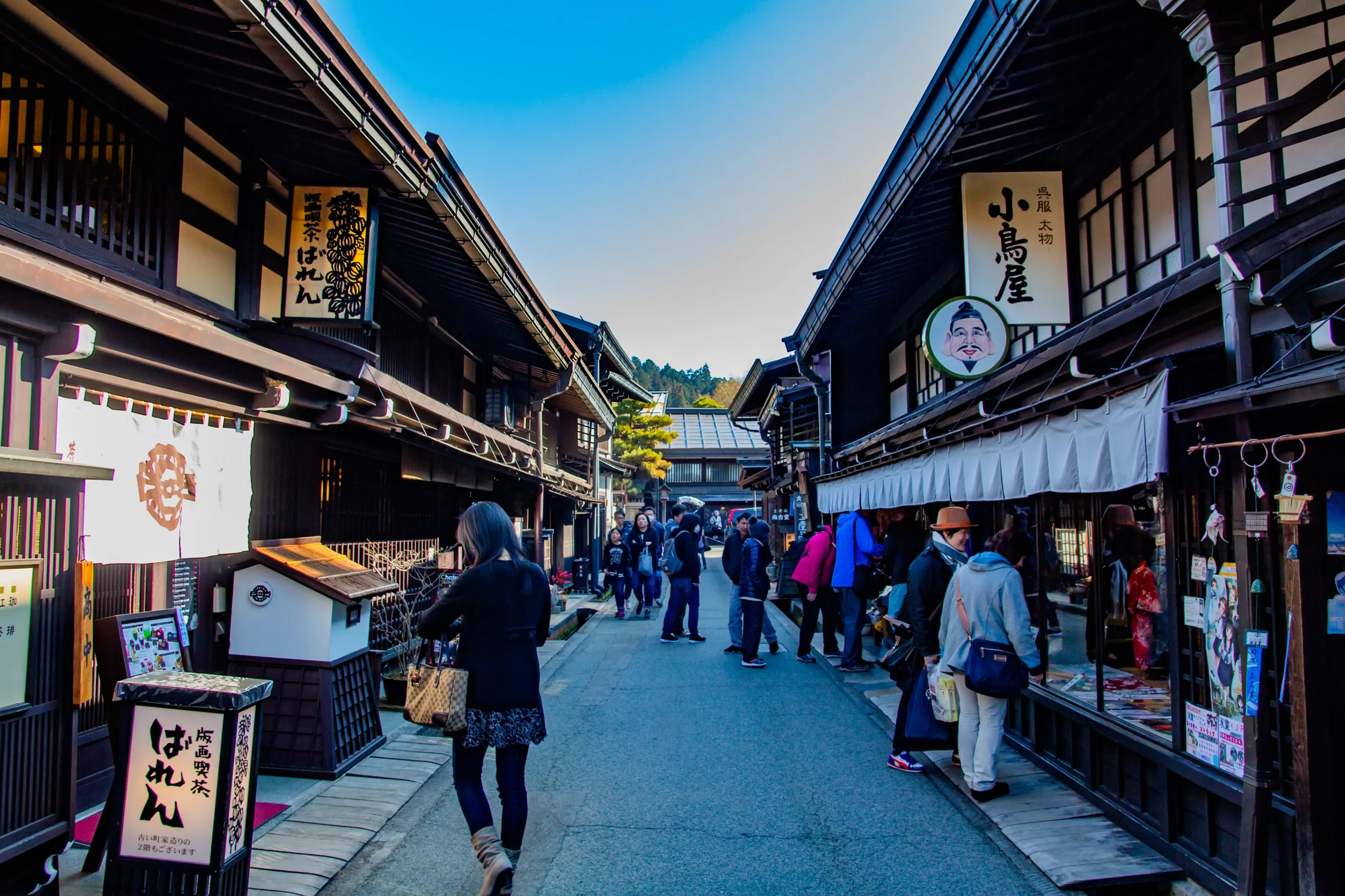
Takayama grew as a merchant and craftsman’s town deep in the Hida mountains, and the Sanmachi district still reflects that history in its sake breweries, dark wooden storefronts, and narrow streets. The morning markets along the Miyagawa River are worth setting an alarm for, less for shopping than for seeing the town at its own rhythm.
Read more: Traditional Old Towns in Japan
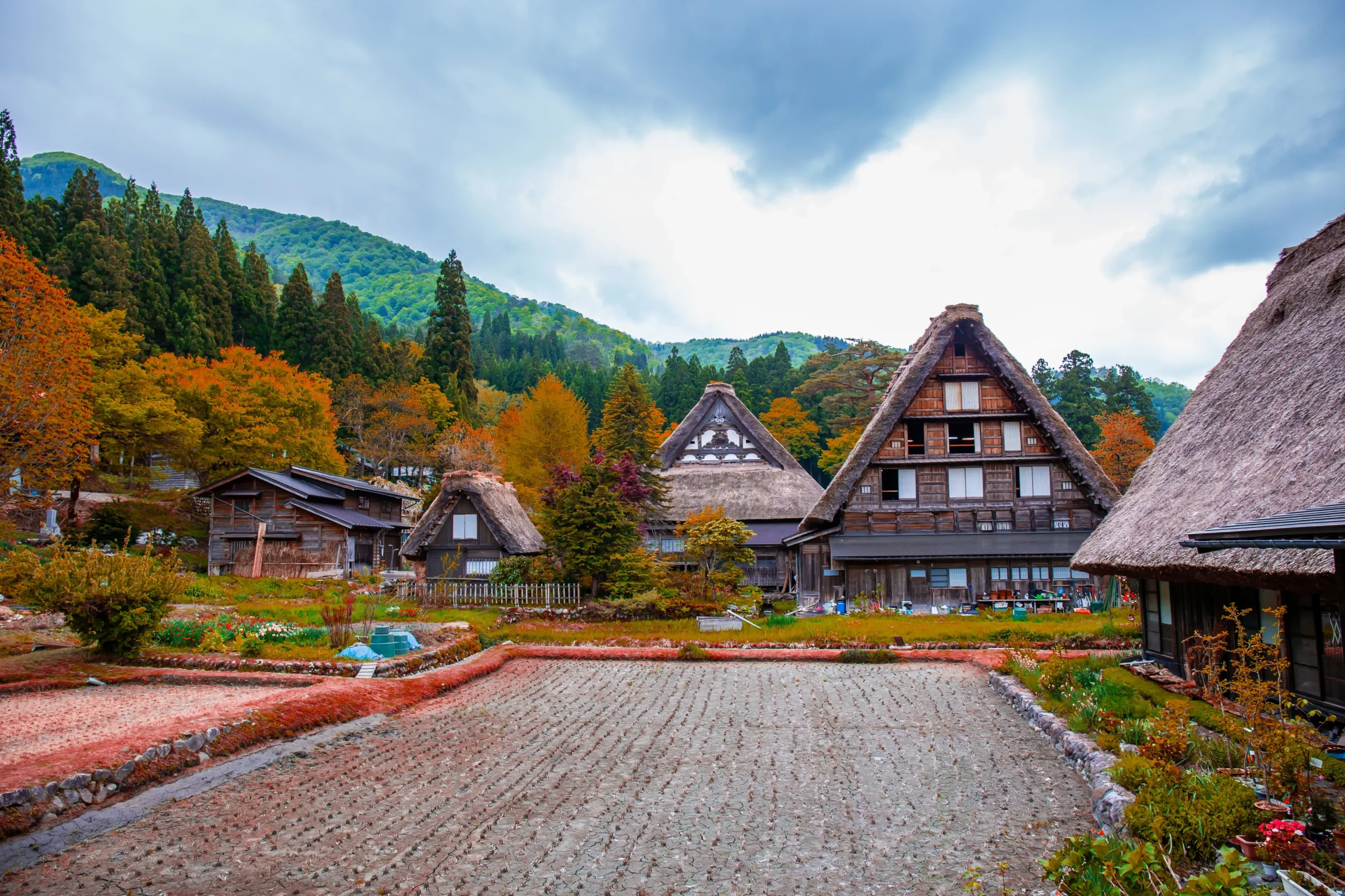
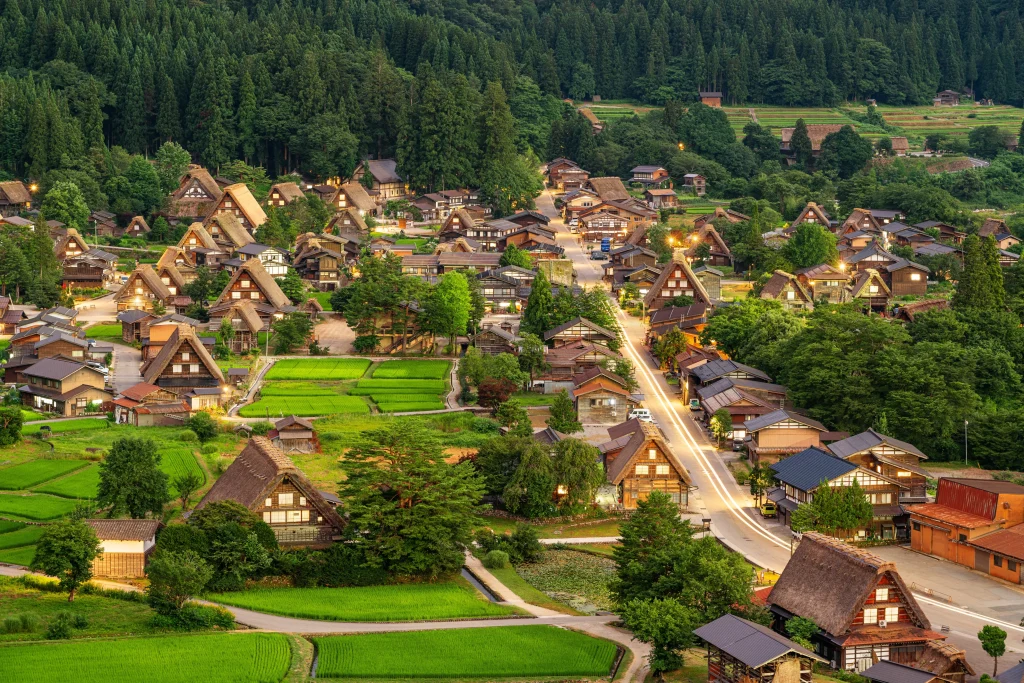
Shirakawa-go, about fifty minutes from Takayama by bus, is the famous one: steep thatched gassho-zukuri farmhouses built to shed the region’s heavy snow, recognized as a UNESCO World Heritage site along with neighboring Gokayama. It is still a lived-in village, not an open-air museum. It gets busy at midday, so if atmosphere matters to you, aim for early morning or consider staying nearby.
Reference: Historic Villages of Shirakawa-go and Gokayama – UNESCO World Heritage Centre
Gero sits conveniently on the rail line between Nagoya and Takayama, which makes it easy to slot in and easy to underestimate. As a quick stopover it is pleasant; as an overnight, with a ryokan dinner and a soak while the river runs below, it becomes a good reason to slow the route down.
Discovering Magome and the Ancient Nakasendo Road
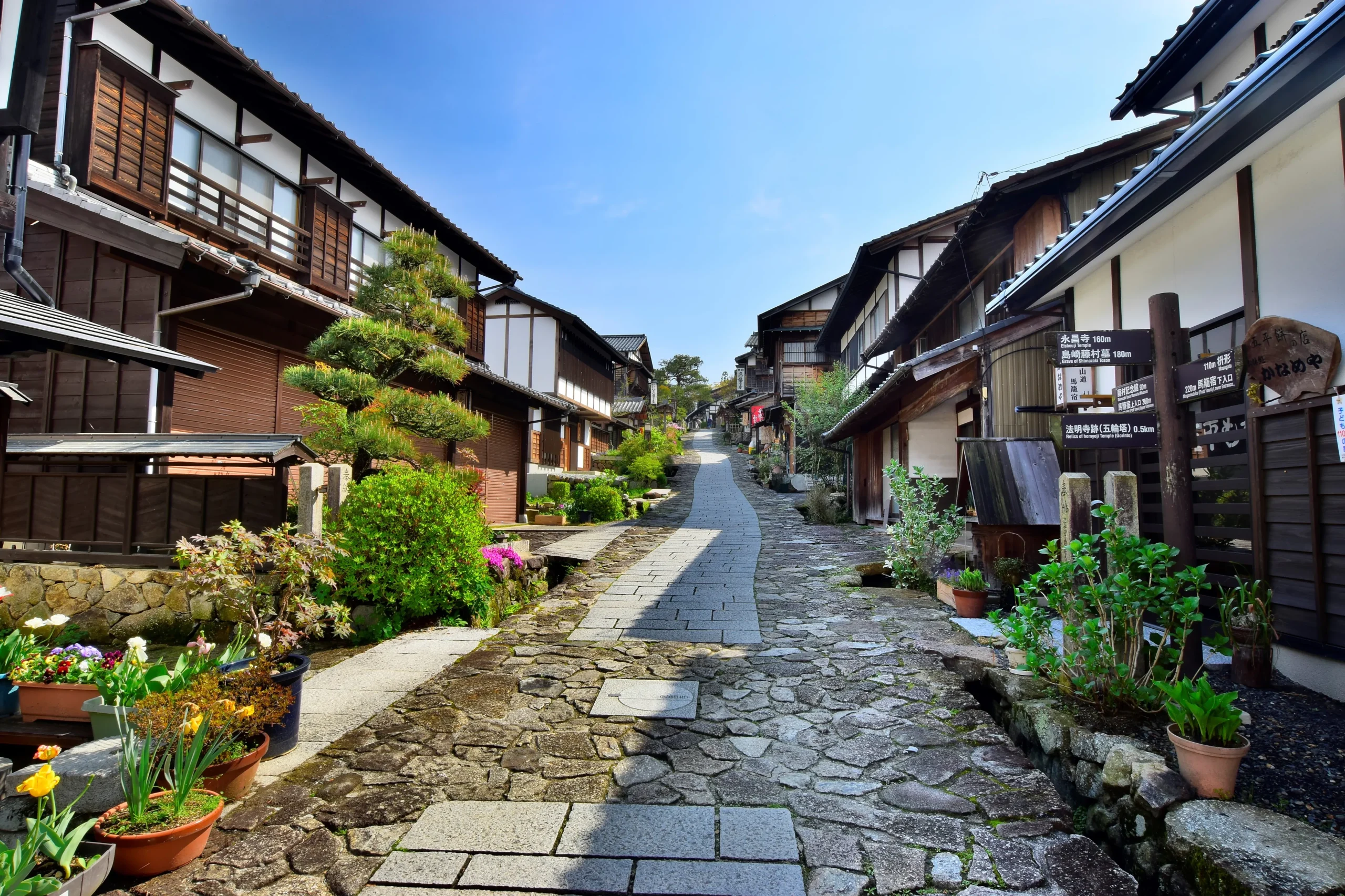
Magome, in Nakatsugawa City on Gifu’s southeastern edge, belongs to a different route: the old Nakasendo, the inland highway that once linked Kyoto and Edo. The town climbs a stone-paved slope lined with wooden inns and a working water wheel, with views opening toward the Kiso mountains at the top.
The popular walk from Magome to Tsumago, about eight kilometers over a gentle pass, crosses into Nagano Prefecture. That matters for planning, even if the experience itself feels seamless. It is an easy half day, with forest, small hamlets, and occasional bells along the way.
Magome pairs with Nagoya or a Nakasendo-focused itinerary rather than with Takayama and Shirakawa-go, which sit far away in a different mountain area. If you like old roads and hillside towns more than famous sights, Magome is one of Gifu’s strongest choices.
Exploring Gifu City and the Scenic Nagara River
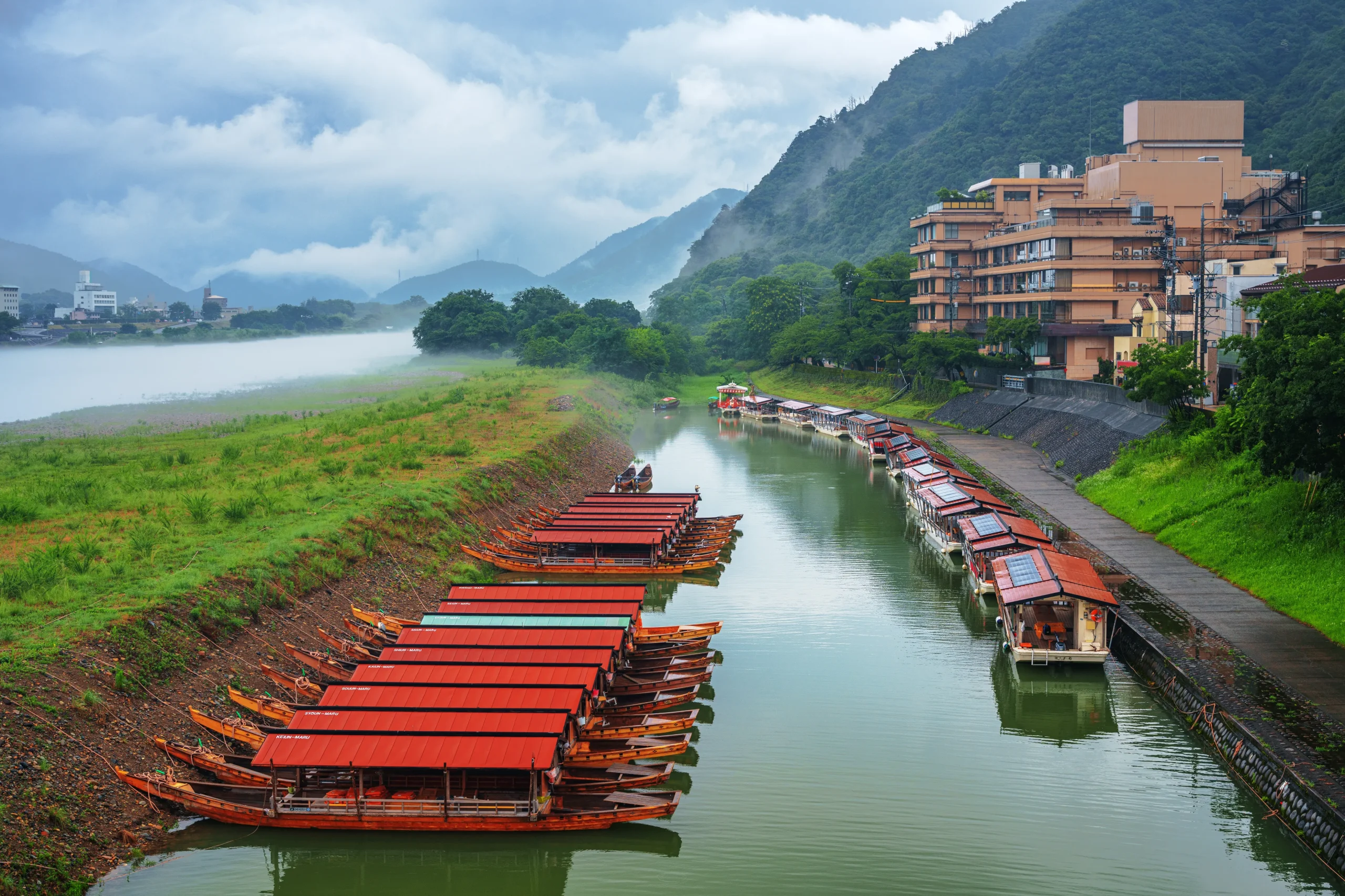
Gifu City is not the reason most travelers spend several days in the prefecture, but as a half-day or day trip from Nagoya it works nicely. Mt. Kinka rises from the city center, with a ropeway to the top and hiking trails for those who prefer to walk. The castle keep is closed for renovation from mid-May 2026 until October 2027, so check the current status before building a day around it; the view and the forested climb are the real draw anyway.
Reference: Gifu Castle Closure Scheduled from May 2026 until October 2027 – Gifu Prefecture Tourism Federation
Below the mountain, the Nagara River gives the city its character. From mid-May to mid-October, cormorant fishing, or ukai, takes place most evenings, with fishing masters working trained birds by torchlight from wooden boats. It depends on weather and water levels, and it happens at night, so it suits an evening after a relaxed riverside afternoon. This is where the gentle-breeze, water-and-green-hills feeling is easiest to reach on a short schedule.
Gujo and the Outdoor Side of Gifu
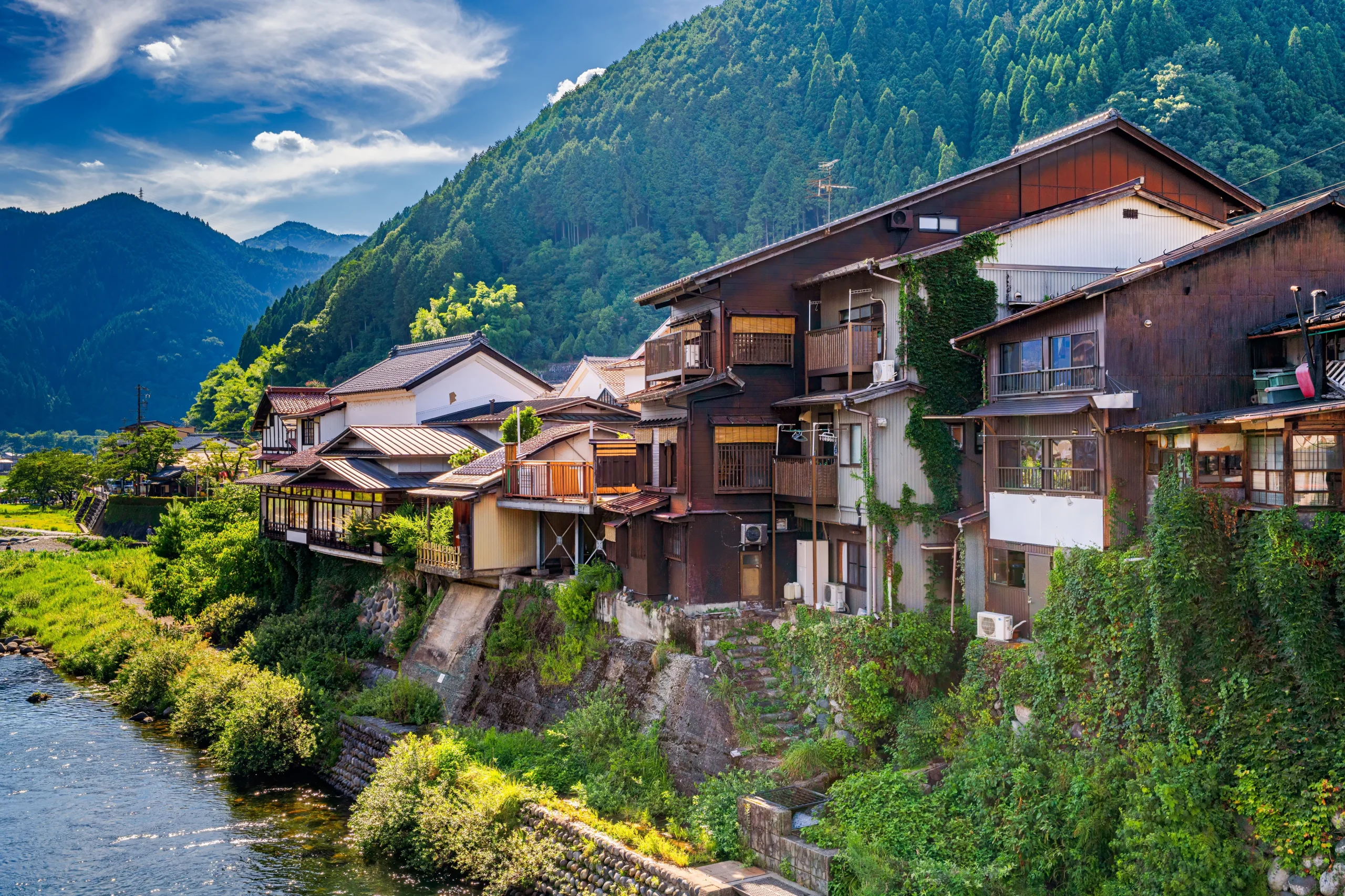
Gujo Hachiman is a small castle town threaded with waterways. Canals run beside the streets, and some of the old water basins are still part of the town’s daily scenery. In summer, Gujo Odori brings the streets to life across more than 30 nights from mid-July to early September, with visitors welcome to join the dancing rather than watch from the side.
Reference: About Gujo Odori – Gujo Hachiman Tourism Association
Gujo is not essential for every first trip. Where it earns its place is when your route leans outdoors. The Takasu and Hirugano highlands above the town have campgrounds and ski areas, while the Otaki Limestone Cave near Gujo Hachiman makes a good rainy-day or midsummer stop, with a naturally cool walk underground.
Must-Try Local Foods and Regional Gifu Cuisine
Hida beef gets the attention, and fairly. But Gifu’s food makes more sense when read against its geography.
Ayu, the sweetfish of the Nagara River, is tied to the ukai tradition and is often eaten salt-grilled in summer. Keichan, a comforting traditional dish of chicken cooked with a miso or soy-based sauce and cabbage, belongs to the mountain areas around Gero and Gujo. Hoba miso, sweet miso grilled on a dried magnolia leaf, is a Hida dish that often appears at ryokan breakfasts around Takayama. On the Nakasendo side, gohei mochi, pounded rice on a skewer brushed with a walnut-sesame-miso glaze, fits the old-road mood. Nakatsugawa is also strongly associated with kuri kinton, a simple traditional autumn sweet of chestnut and sugar.
None of these require hunting down a specific shop. They appear naturally along the routes above, which is part of the pleasure.
Seasonal Highlights: Nature, Sports, and Events
Gifu rewards choosing by season. Spring suits old-town walking in Takayama, Magome, and Gujo, plus easy river strolls before the summer heat sets in.
Summer brings cormorant fishing (ukai), Gujo Odori dance nights, highland camping, and caves as a cool escape. The Hida Great Limestone Cave, between Takayama and Okuhida, offers an 800-meter walking route that stays cool year-round.
Autumn brings chestnut sweets in Nakatsugawa, chestnut picking at local orchards if your dates line up, and foliage that warms the mountain towns and the Magome-Tsumago trail.
Winter brings skiing in the Gujo highlands, deep snow on the gassho-zukuri roofs of Shirakawa-go, and a strong case for a night at Gero Onsen. A hot bath after a cold day is one of the simplest pleasures in the region.
Is Gifu Worth Adding to Your Japan Trip?
If your Japan trip is entirely cities, Gifu is optional. If you want mountain towns, rural calm, rivers, onsen, seasonal food, or old walking roads, it is a rewarding addition within reach of the main route. For half a day, Gifu City or Magome from Nagoya works well. With one night, Gero or Takayama opens up. With two or three days, the classic Takayama-Shirakawa-go-Gero triangle, or Takayama plus the caves and Okuhida, becomes a different chapter of the trip rather than a detour.
The variable that matters most is the order, the season, and how much you try to fit into each day. If you would rather not solve that puzzle alone, ENJYU JAPAN builds Tailor-Made Tour itineraries around exactly these decisions: your interests, your pace, the season you are traveling, and how you prefer to move between places.