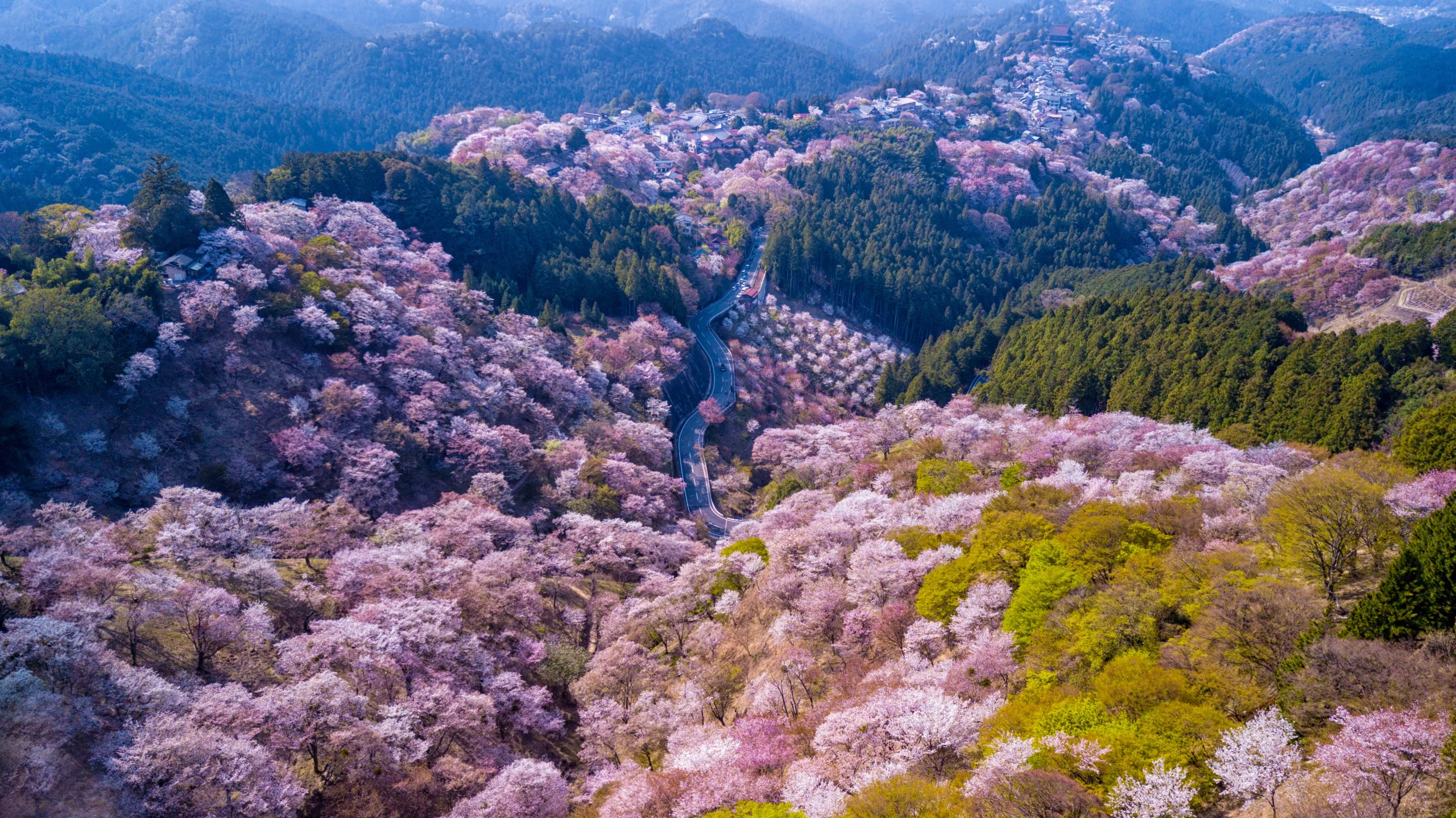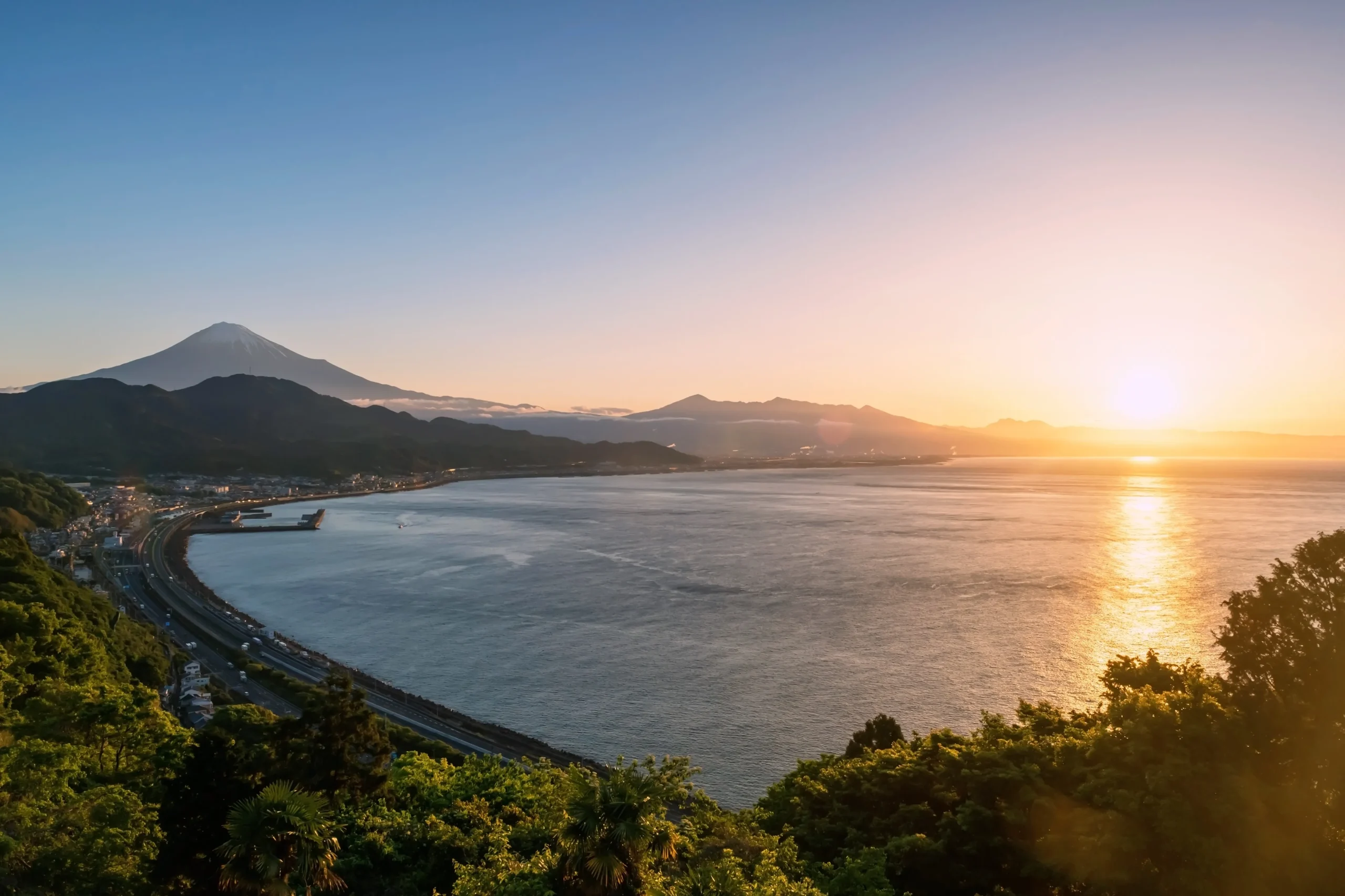
Modern Japan is a country of bullet trains and neon, but scattered across the archipelago are streets that look much as they did centuries ago — merchant quarters, post towns, and hot-spring resorts where wooden facades, stone lanes, and tiled roofs have been deliberately preserved. Walking them is one of the most rewarding things you can do on a trip here, and unlike the temples of Kyoto, most stay refreshingly uncrowded.
This guide covers ten of Japan’s most atmospheric old towns, from Hokkaido down to Kyushu. For each one you’ll find what makes it special, how to get there, and when to go — plus a quick primer on the different kinds of old town, so you can pick the ones that fit your trip.
What Counts as an “Old Town” in Japan?
In Japanese, a preserved historic streetscape is called a Machinami — literally “rows of houses.” Most date from the Edo period (1603–1868), though some hot-spring and port towns kept their look into the Meiji and Taishō eras that followed. Many of the best-preserved districts are officially protected by the national government as Important Preservation Districts for Groups of Traditional Buildings.
It helps to know that “old town” isn’t one thing. A few broad types come up again and again:
- Post towns (Shukuba) — rest stops along the old Edo-era highways like the Nakasendo, built to lodge and feed travelers.
- Merchant towns (Shōka-machi) — trading districts lined with shops and storehouses (kura), often the commercial core of a former castle town.
- Castle & samurai towns (Jōka-machi) — settlements that grew around a lord’s castle, with distinct samurai quarters.
- Port towns (Minato-machi) — harbors that thrived on sea trade, some now sleepy fishing villages.
- Hot-spring towns (Onsen-machi) — resort towns whose bathhouses and inns preserve an older, nostalgic atmosphere.
Knowing which is which makes it far easier to decide what you actually want to see. The list below tags each town by type.
10 Beautiful Old Towns in Japan Worth Visiting
Otaru Canal | Hokkaido
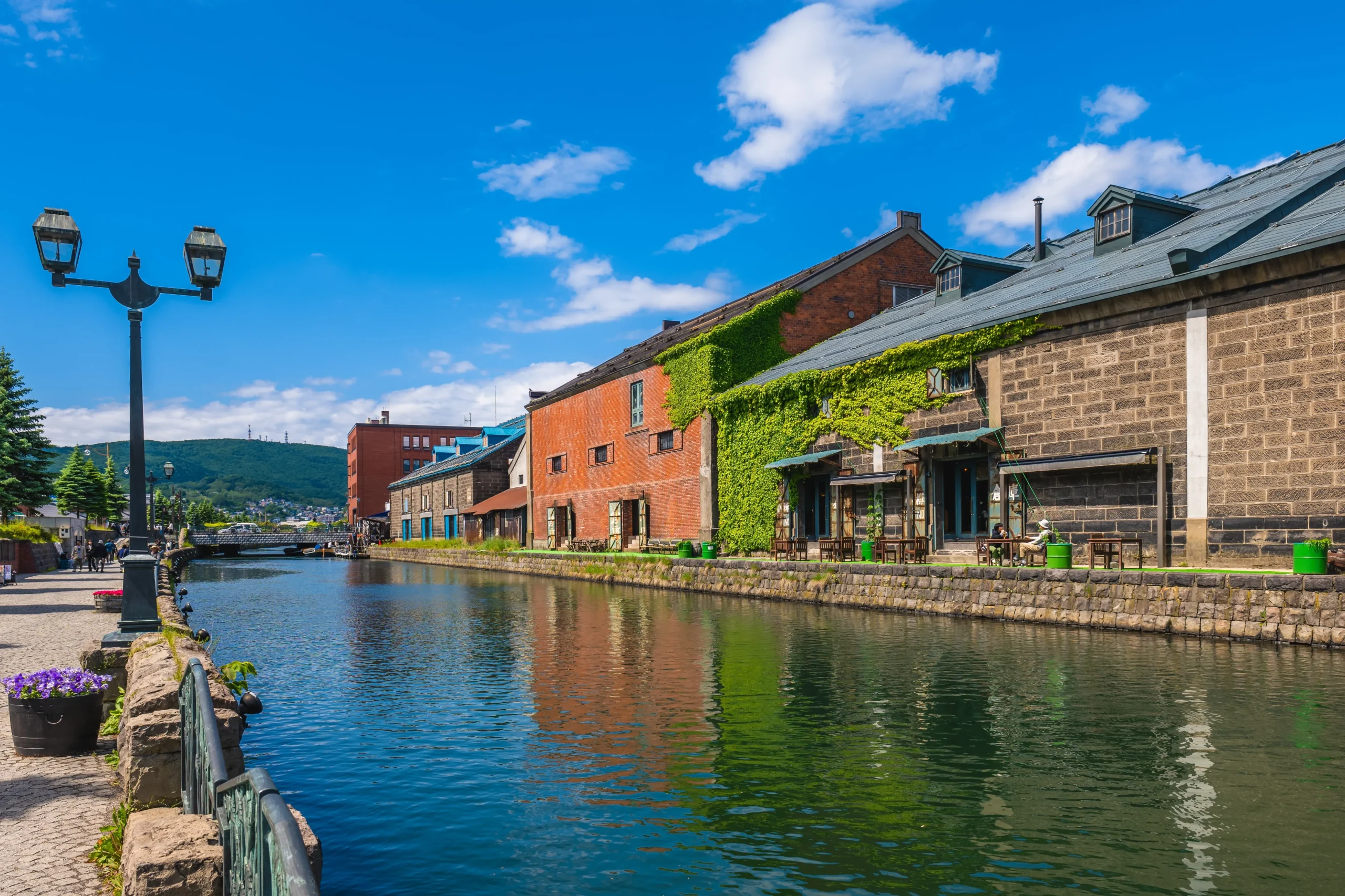
A short 40-minute ride from Sapporo, Otaru boomed as a shipping and finance hub after the Meiji era, and its signature Otaru Canal is lined with stone warehouses from that period. Today those warehouses house cafés, glassworks, and restaurants, and the gently curving waterway is one of Hokkaido’s most photographed scenes.
Otaru is lovely year-round, but it’s at its best under snow. In February the Otaru Snow Light Path festival lines the canal and side streets with hundreds of small candle lanterns, and the whole town glows.
- Type: Port and Canal Town
- Getting there & when to go: Frequent JR trains run from Sapporo Station (roughly 40 minutes), making Otaru an easy half- or full-day trip. Go in winter for the illuminations; late spring through autumn is milder and far quieter.
Ginzan Onsen | Yamagata
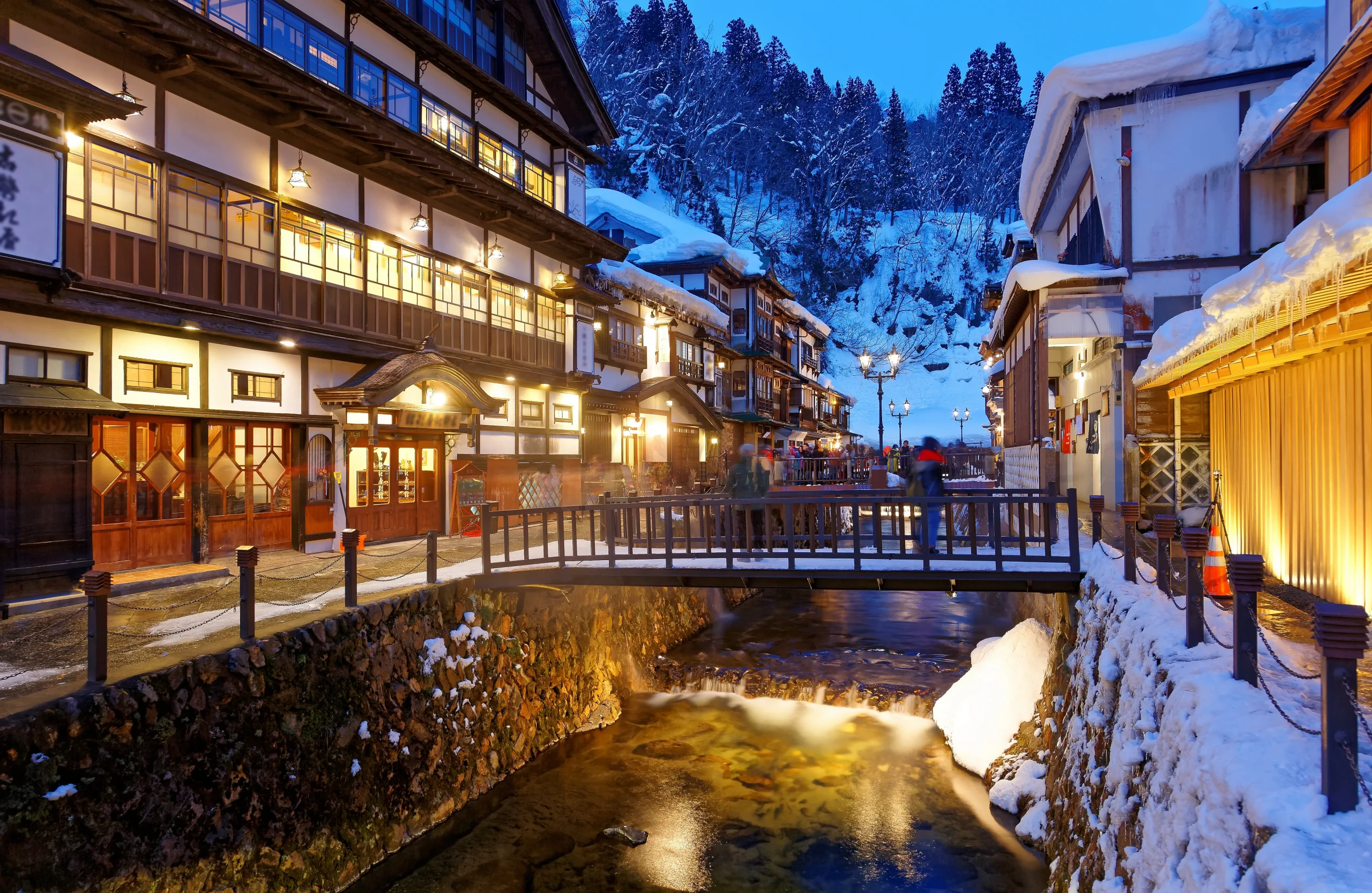
Tucked into the mountains of Yamagata, Ginzan Onsen is the picture most people have in mind when they imagine an old Japanese hot-spring town: a narrow river flanked by three- and four-story wooden inns, gas lamps, and little bridges. The look is pure Taishō era (1912–1926), and in winter, with snow piled on the eaves and lamplight on the river, it’s genuinely spellbinding.
The hot springs at Ginzan Onsen are rich in sulfur. The sulfur content is said to promote skin cell turnover and help remove old keratin, leaving the skin feeling smooth and revitalized. So, many people visit not only for effective fatigue recovery and relaxation but also for its high skin-beautifying effects.
- Type: Hot-Spring Town
- Getting there & when to go: Reach Ōishida Station on the Yamagata Shinkansen, then take a local bus to the village. Winter is the iconic season — but note that Ginzan Onsen has, in recent years, limited day-tripper access during peak winter and introduced a reservation/shuttle system to control crowds, so staying overnight is the surest way to experience it.
Kawagoe | Saitama
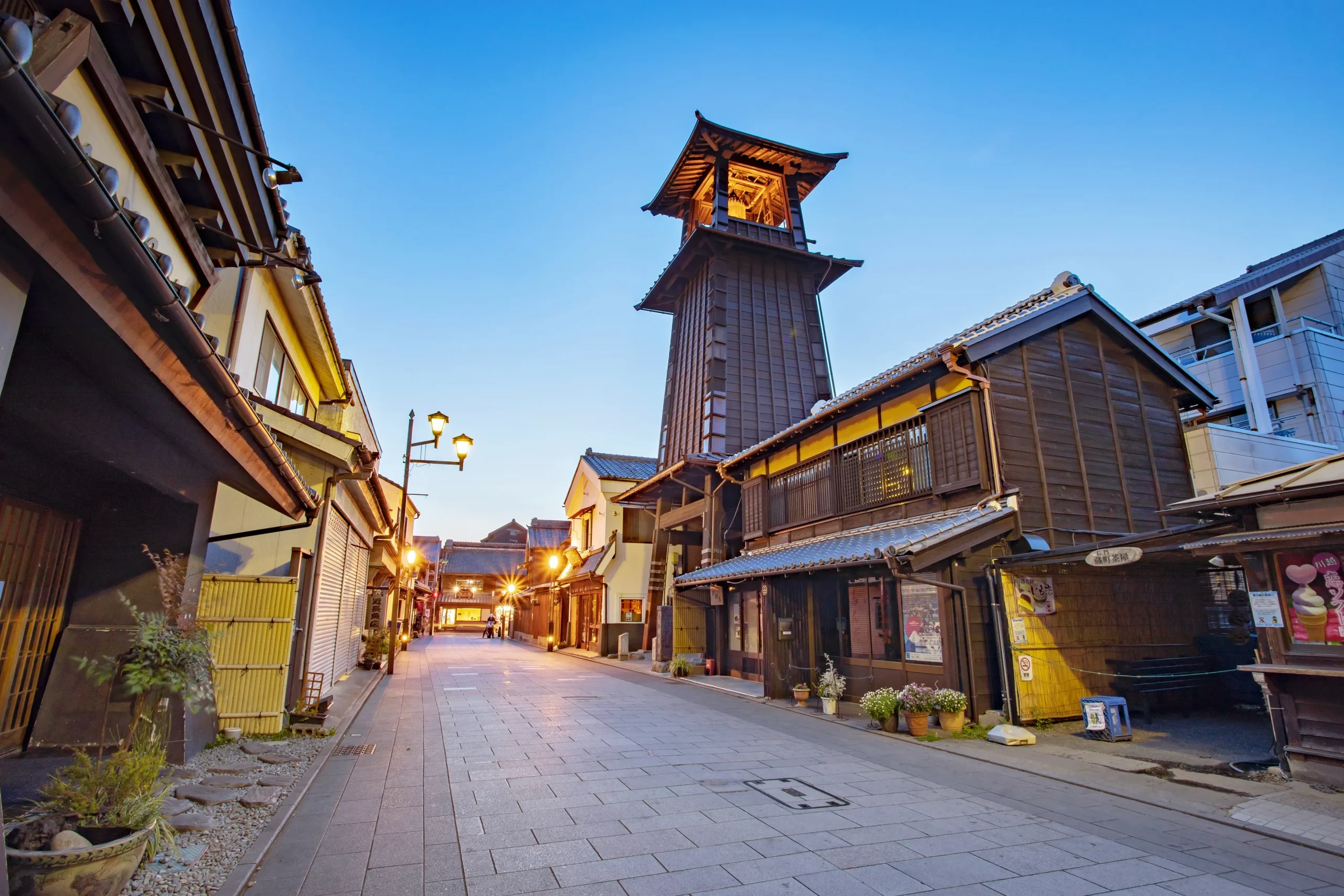
If you only have time for one old town near Tokyo, make it Kawagoe. Nicknamed “Little Edo,” its main street is lined with Kurazukuri clay-walled merchant warehouses, and its wooden bell tower, Toki no Kane, still marks the day. The side lanes are full of old-fashioned shops selling sweet-potato treats and traditional sweets, and there’s even a much-loved coffee-chain outlet built into a former merchant house with a garden.
Because it’s so close to the capital and so walkable, Kawagoe is the ideal introduction to Edo-era townscapes for anyone short on time.
- Type: Merchant Town (“Little Edo”)
- Getting there & when to go: From central Tokyo it’s roughly 30 minutes by direct train (via Ikebukuro on the Tobu Tojo Line, among other routes). Great any season; weekdays are noticeably calmer than weekends.
Kagurazaka | Tokyo
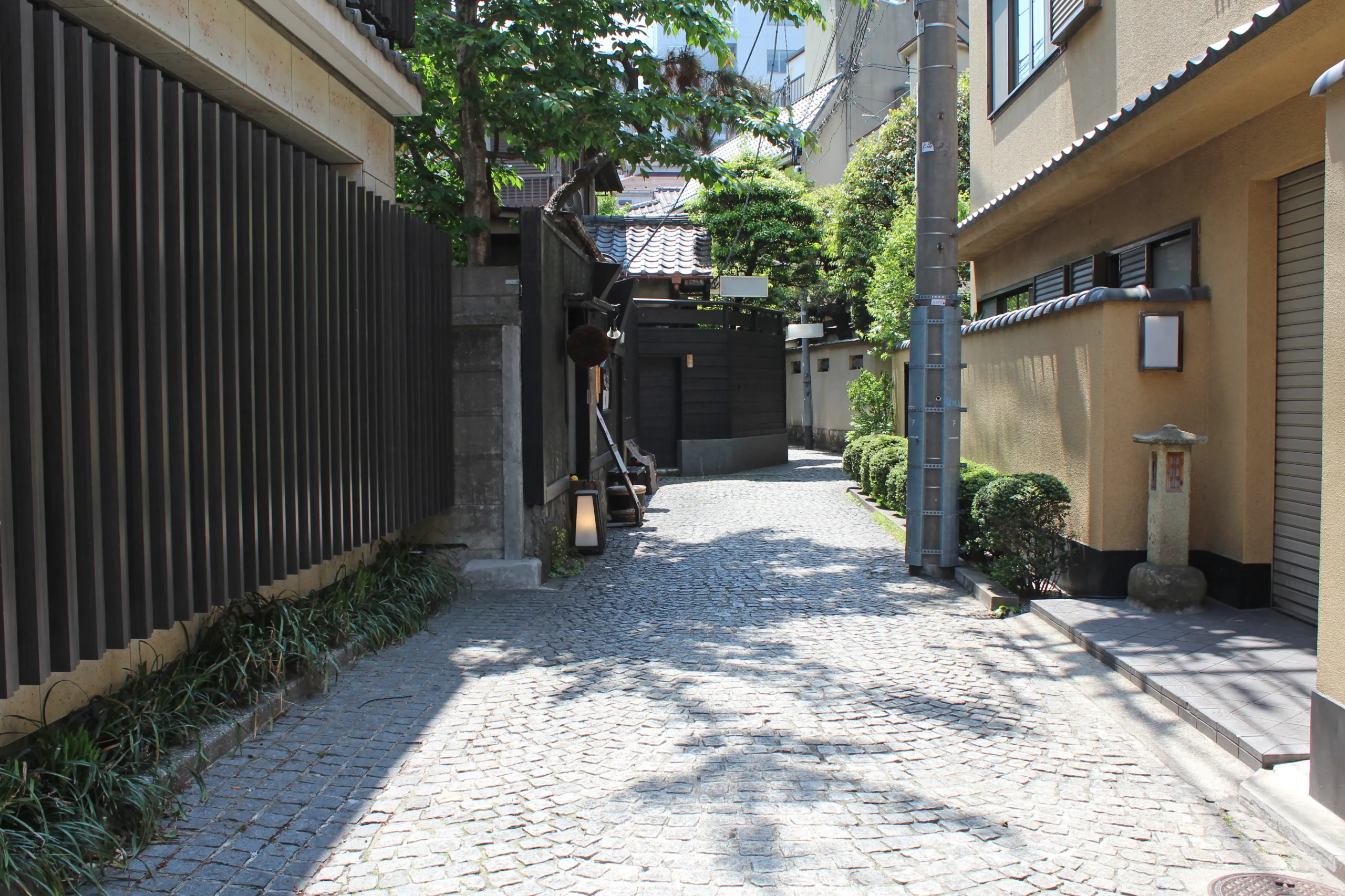
Proof that Tokyo still hides pockets of the past, Kagurazaka in Shinjuku Ward keeps its stone-paved alleys and wooden buildings just off a busy modern hill. Lanes like Geisha Shindō and Kakurenbo Yokochō once formed a lively entertainment quarter, and a small community of geisha still performs at traditional events here. Today the mood is elegant and a little Parisian, with the old teahouse architecture now sharing space with bistros, cafés, and craft shops.
- Type: Former Geisha District
- Getting there & when to go: Central Tokyo, a short walk from Iidabashi or Kagurazaka stations — easy to fold into any Tokyo day. Evenings are the most atmospheric, when the alley lanterns come on.
Shukunegi | Niigata
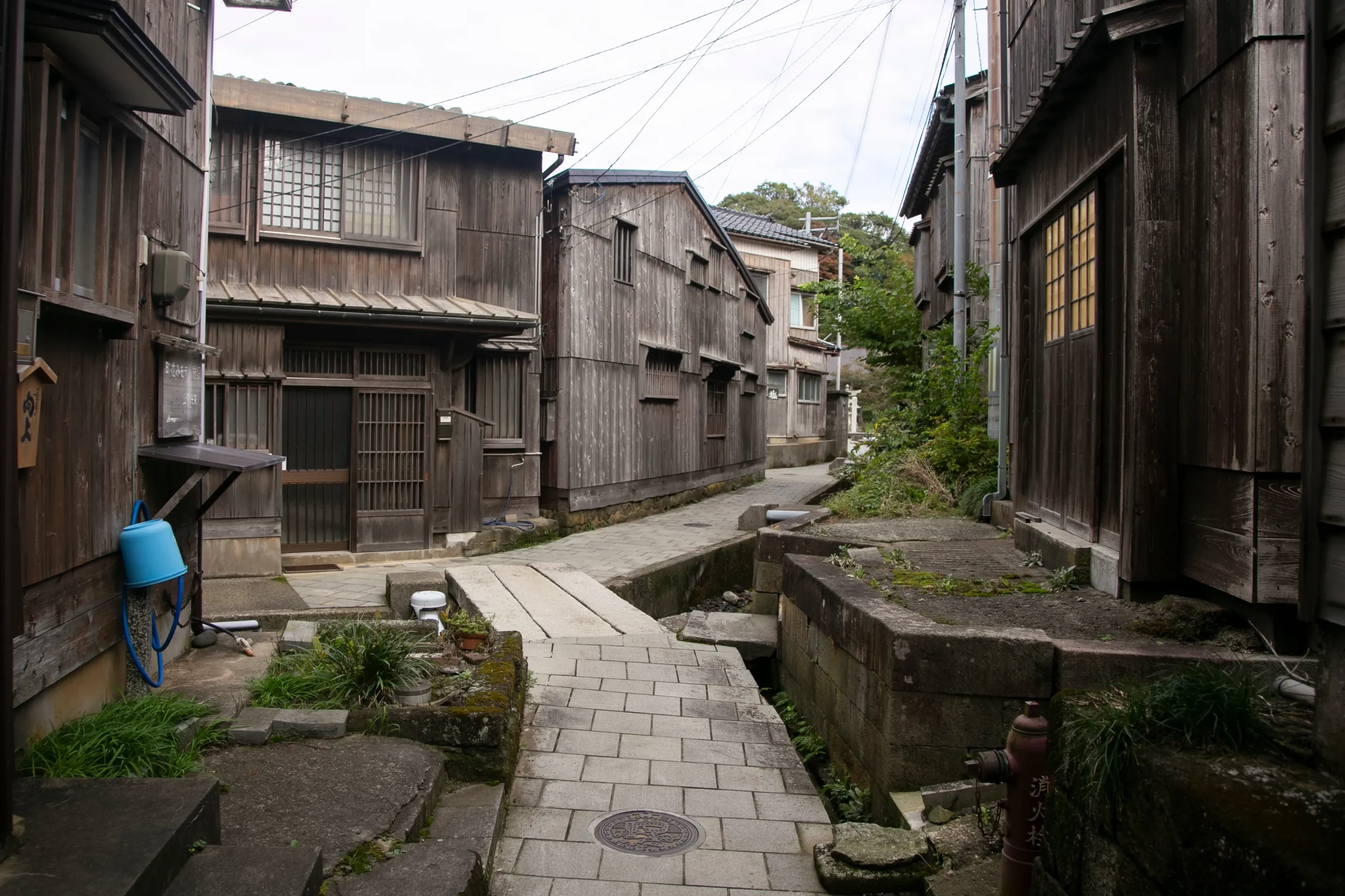
For something well off the tourist trail, Shukunegi is a historic fishing village located in the southern part of Sado Island. It flourished as a port town for the Kitamae-bune trading ships from the Edo period to the early Meiji period. The village still preserves architectural styles showcasing the craftsmanship of shipbuilders, as well as historical structures such as granite bridges that were transported on the Kitamae-bune.
Just outside the village, a picturesque bay provides a stunning photo spot, offering a striking contrast between the majestic coastline and the traditional fishing village. Fishing remains an active industry in the area, and local inns serve fresh seafood caught nearby, allowing visitors to savor the region’s culinary delights.
In addition, guided tours by local volunteers are also available, offering a unique opportunity to learn about the history of the fishing village and catch a glimpse of the traditional way of life. It’s a rare chance to step back in time and experience the charm and heritage of this historic community.
- Type: Port and Fishing Village
- Getting there & when to go: Take a ferry to Sado Island (from Niigata), then a local bus or car to the village. Sado rewards an overnight stay; spring through autumn is best, as winter ferries and weather can be rough.
Tsumago | Nagano
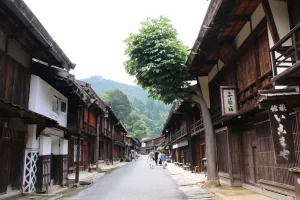
Tsumago-juku, located in southern Nagano, is a post town along the historic Nakasendo route that has preserved the essence of the Edo period. Strolling along its stone-paved streets lined with traditional Edo-era buildings, visitors can feel as though they’ve stepped back in time.
The Honjin, Waki-Honjin, and Hatago inns, designed to host high-ranking travelers like feudal lords, boast elegant architecture and are must-see highlights. In these buildings, there are some exhibits that recreate the lives of travelers and the daily activities of post-towns, providing a tangible glimpse into Edo-era journeys and culture.
A visit to Tsumago offers a comprehensive experience of the role, lifestyle, and culture of post-towns during the Edo period. It’s an unforgettable journey into Japan’s past, where history comes alive in an authentic and immersive setting.
The classic experience is the gentle walking trail between neighboring Magome and Tsumago — one of the most accessible ways to hike a stretch of a historic Japanese highway.
- Type: Post Town
- Getting there & when to go: Nagiso Station is the closest railhead, with local buses to Tsumago; many walkers start from Magome and finish here. Spring and autumn are ideal for the hike; the towns are quiet and lovely under early-morning light before day-trippers arrive.
Takayama | Gifu
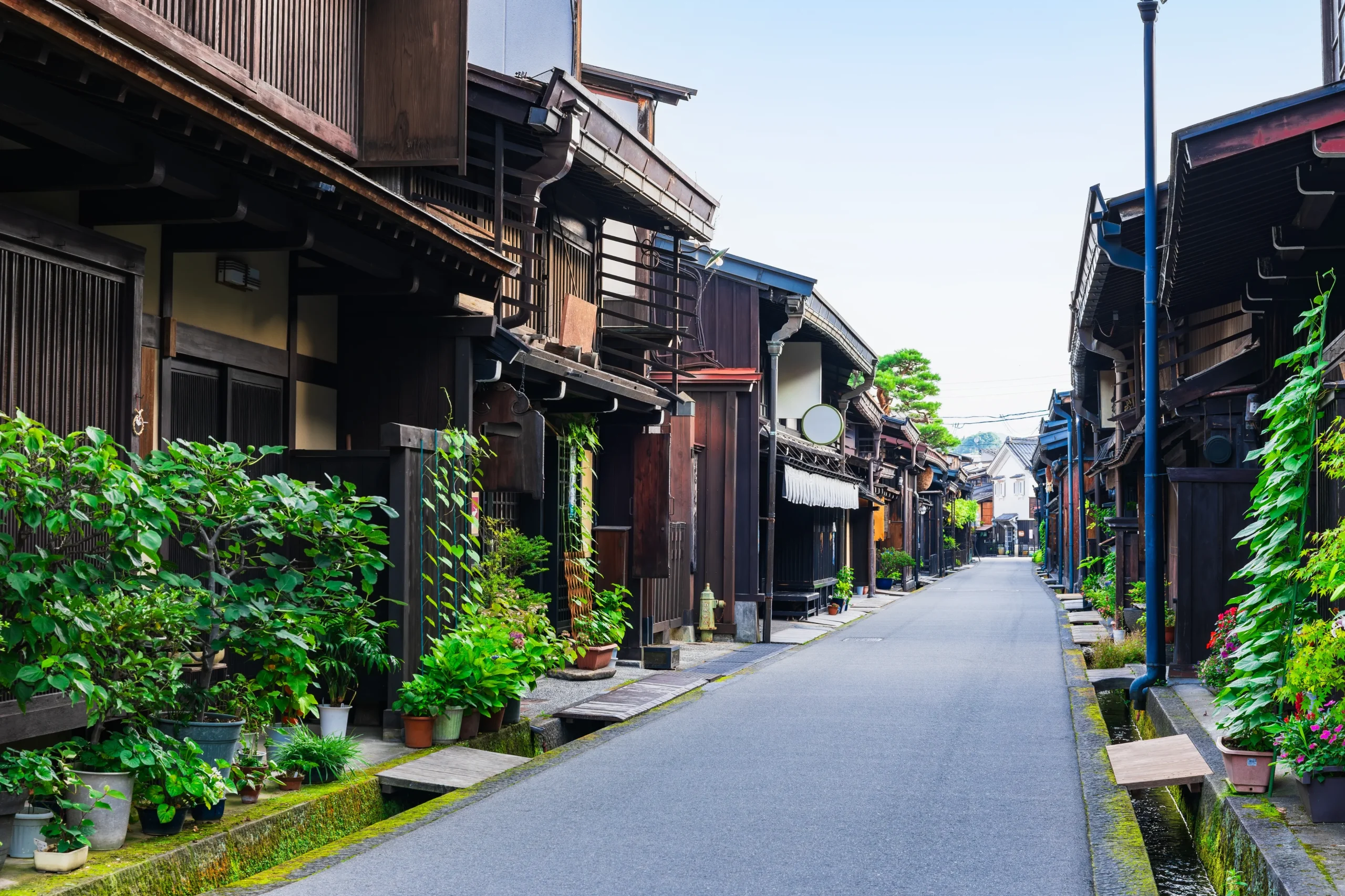
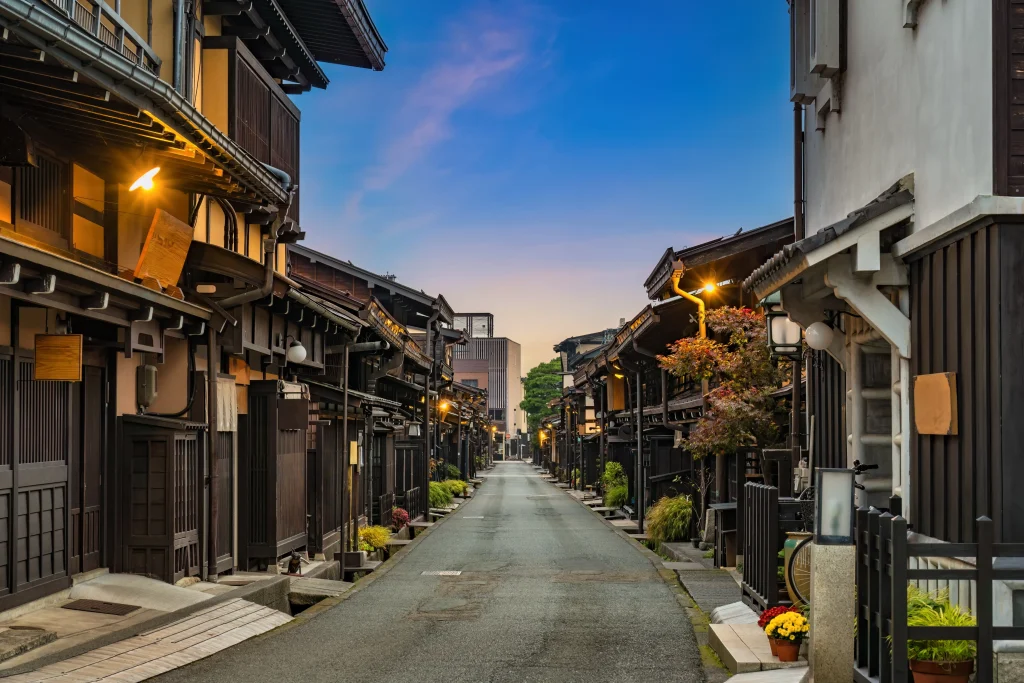
Often called Hida-Takayama, this mountain town in Gifu has one of Japan’s finest preserved merchant quarters, the Sanmachi district, where rows of lattice-fronted wooden houses now hold sake breweries, cafés, and craft shops. Takayama largely escaped the destruction that flattened many Japanese cities, which is part of why it feels so intact.
Further enhancing Takayama’s allure are its vibrant daily morning markets, where stalls overflow with fresh local produce and unique handcrafted goods. These bustling markets provide not only a chance to savor the region’s culinary and artisanal treasures but also an opportunity to engage with the warm and welcoming local community, making for an unforgettable experience.
- Type: Merchant Town
- Getting there & when to go: JR trains reach Takayama from Nagoya in about 2.5 hours; it pairs naturally with a side trip to the Shirakawa-go thatched-roof villages. Beautiful year-round; spring and autumn are peak, winter adds snow and fewer crowds.
Kurashiki Bikan Historical Quarter | Okayama
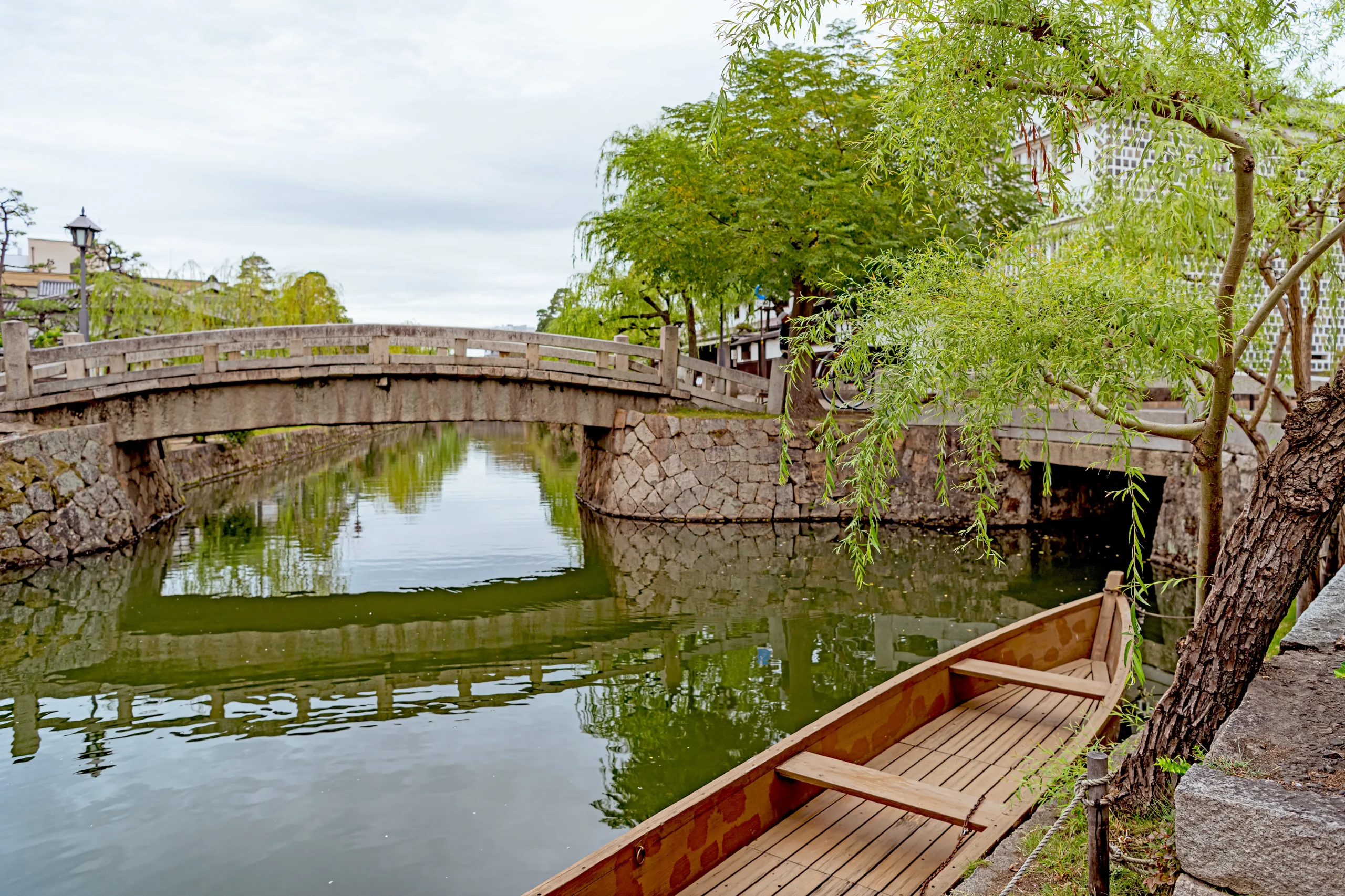
The Kurashiki Bikan Historical Quarter in Kurashiki City, Okayama, is a beautifully preserved area that showcases the charm of an Edo-period townscape. This district captivates visitors with its stunning white-walled and namako wall buildings, traditional warehouses, and streets that exude a timeless atmosphere.
Adding to the charm is the Kurashiki River, which flows gently through the district. Once a vital route for transporting goods, the river now offers boat rides, allowing visitors to soak in the historic scenery from a unique waterside perspective. The leisurely pace of the boat ride enhances the serene and nostalgic ambiance of the area.
For those with a love for fashion, Kurashiki Denim Street is another highlight. Known for its high-quality Japanese denim, the street is a haven for denim enthusiasts, offering everything from locally crafted items to international brands, making it a perfect stop for stylish souvenirs.
With its blend of historical architecture, scenic waterways, and modern attractions, the Kurashiki Bikan Historical Quarter is a destination where tradition and culture harmonize beautifully. Whether you visit to admire the seasonal beauty, delve into its history, or shop for premium denim, the quarter promises an unforgettable experience.
- Type: Merchant and Canal Town
- Getting there & when to go: Kurashiki is about 15 minutes by train from Okayama, itself a Shinkansen stop — an easy day trip. Pleasant year-round; evenings, when the quarter is softly lit, are especially atmospheric.
Dōgo Onsen | Ehime
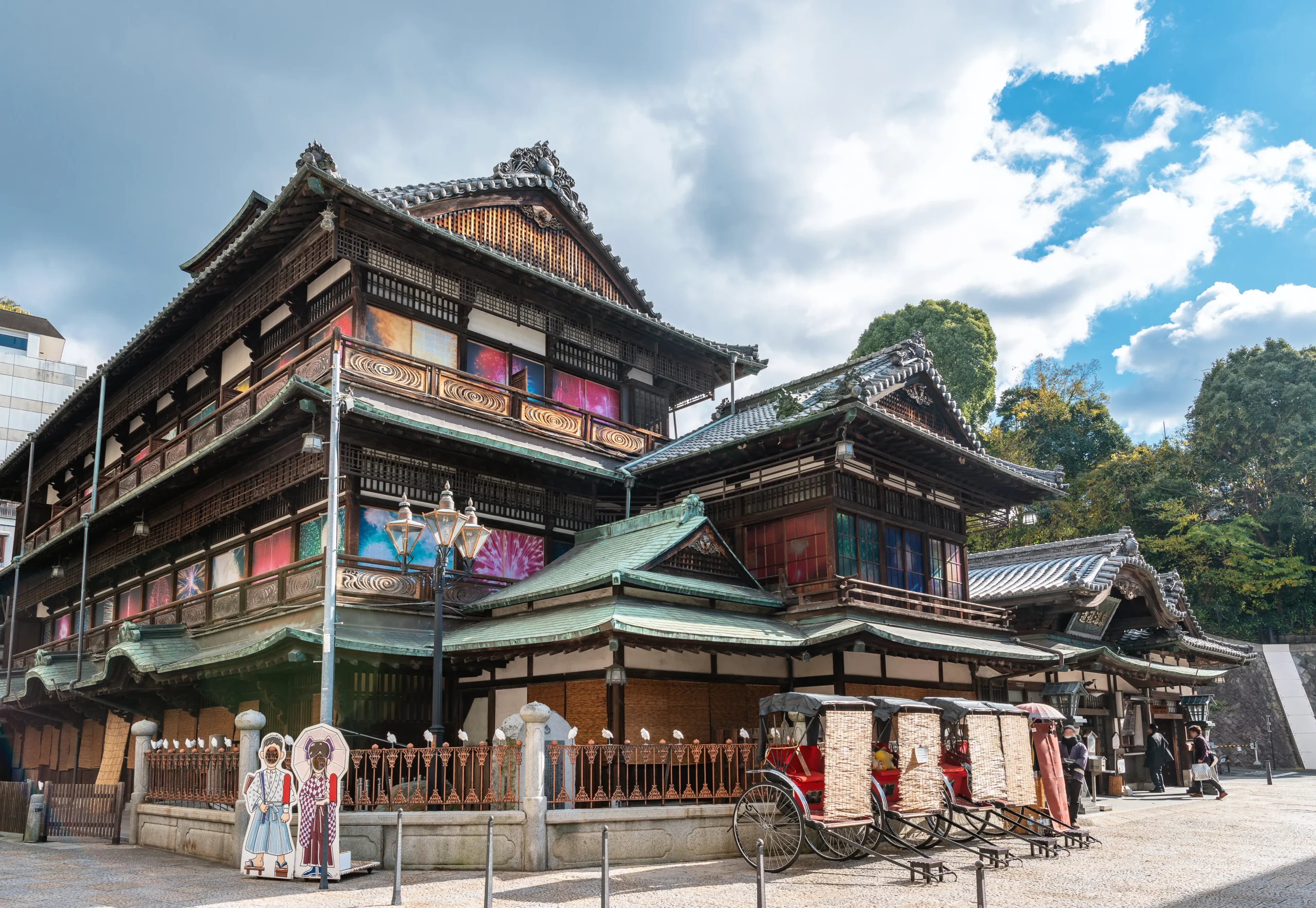
Dogo Onsen, located in Matsuyama City, Ehime, is one of Japan’s oldest hot springs, with a history dating back to the Nara period. It is even mentioned in the Nihon Shoki, one of Japan’s oldest historical texts compiled in 720, which records the nation’s early history and myths. At the heart of the onsen town stands the Dogo Onsen Honkan, a magnificent three-story wooden bathhouse built in 1894, evoking the atmosphere of a period drama.
This historic site also gained fame as the setting of Natsume Soseki’s novel *Botchan*. Written in 1906, this classic tale of humor and cultural observation by one of Japan’s most celebrated authors has further solidified Dogo Onsen’s reputation, intertwining its charm with Japan’s rich literary heritage.
The surrounding onsen town exudes a retro charm, with traditional inns and souvenir shops lining its streets. Visitors often stroll the area wearing yukata, enhancing the nostalgic ambiance.
Dogo Onsen offers more than just relaxation—it’s a journey through Japan’s history of hot springs, literature, and culture, providing a deeply enriching and soothing experience for both body and mind.
- Type: Ancient Hot-Spring Town
- Getting there & when to go: From Matsuyama, hop the vintage tram out to the Dōgo terminus. Good any time of year; it’s an easy add-on to a Shikoku itinerary.
Mamedamachi | Ōita
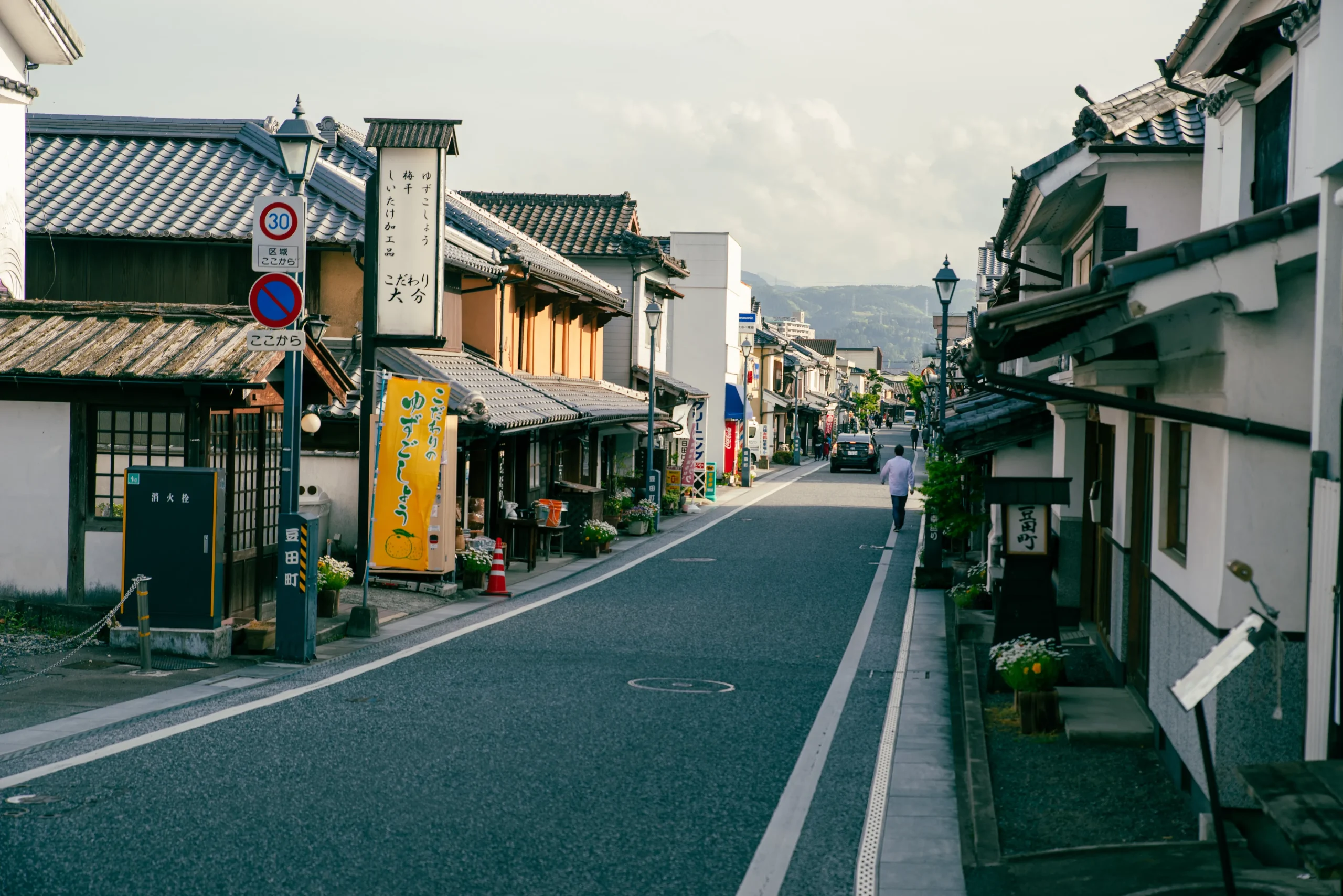
Mamedamachi in Hita City, Oita, captivates visitors with its well-preserved historical townscape, offering a glimpse into the essence of the Edo period. Originally established in 1601 as a castle town, it later became a tenryo—territory directly governed by the Tokugawa shogunate. These regions, carefully managed for their economic, cultural, and strategic importance, played a key role in Japan’s feudal era, and Mamedamachi thrived as a cultural and economic hub of Kyushu.
Walking through the narrow streets of Mamedamachi feels like stepping into a living open-air museum. Traditional merchant houses line the roads, their wooden facades and intricate details preserving the spirit of a bygone era. Key attractions such as the Kusano Honke, a historic family residence, and the Tenryo Hita Museum provide deeper insights into the town’s rich history. Here, visitors can learn about the governance, daily life, and culture of Mamedamachi during its prosperous days as a tenryo.
Mamedamachi complements its historical charm with a peaceful atmosphere, inviting visitors to take a leisurely stroll and enjoy the timeless beauty of this merchant town. It’s a place where history, culture, and the gentle pace of traditional life come together seamlessly.
- Type: Castle and Merchant Town
- Getting there & when to go: Hita is reachable by train from Fukuoka’s Hakata Station and works well alongside a Beppu or Yufuin onsen trip. Any season suits; the appeal here is the unhurried pace.
The 10 Old Towns at a Glance
| Town | Region | Type | Era feel | Nearest hub | Best for |
| Otaru | Hokkaido | Port / canal | Meiji–Taishō (1868~1926) | Sapporo (~40 min) | Winter illuminations |
| Ginzan Onsen | Yamagata | Hot-spring | Taishō
(1912~1926) |
Ōishida Stn + bus | Snowy onsen stay |
| Kawagoe | Saitama | Merchant | Edo
(1603~1868) |
Tokyo (~30 min) | Easy Tokyo day trip |
| Kagurazaka | Tokyo | Geisha district | Edo–modern mix
(1603~1868) |
Central Tokyo | Half-day stroll & dining |
| Shukunegi | Sado Is., Niigata | Port / fishing | Edo
(1603~1868) |
Sado ferry + bus | Off-the-beaten-path |
| Tsumago | Nagano | Post town | Edo
(1603~1868) |
Nagiso Stn | The Nakasendo walk |
| Takayama | Gifu | Merchant | Edo
(1603~1868) |
Nagoya (~2.5 hr) | Morning markets, food |
| Kurashiki | Okayama | Merchant / canal | Edo
(1603~1868) |
Okayama (~15 min) | Canal boats, art |
| Dōgo Onsen | Ehime | Hot-spring | Ancient
(592~794) |
Matsuyama + tram | Historic bathhouse |
| Mamedamachi | Ōita | Castle / merchant | Edo
(1603~1868) |
Hita Stn | Quiet, crowd-free |
How To Choose Which Old Towns To Visit
You won’t fit all ten into one trip, so match them to your route:
- Based in Tokyo, short on time: Kawagoe and Kagurazaka are both quick and easy.
- Doing the classic Golden Route (Tokyo–Kyoto–Osaka): slot in Takayama (with Shirakawa-go) or Tsumago and the Nakasendo walk.
- Heading west or to Shikoku/Kyushu: Kurashiki, Dōgo Onsen, and Mamedamachi pair naturally.
- Chasing winter atmosphere: Otaru and Ginzan Onsen are unbeatable under snow.
- Wanting to escape the crowds entirely: Shukunegi and Mamedamachi.
A good rule of thumb: pick two or three from different types — say, a post town, a merchant town, and a hot-spring town — so each one feels distinct rather than repetitive.
Frequently Asked Questions
Which Is The Best-Preserved Old Town In Japan?
There’s no single answer, but Tsumago (a Nakasendo post town) and Takayama’s Sanmachi quarter are frequently cited as among the most intact and atmospheric merchant and post-town streetscapes.
Which Old Town Is Easiest To Reach From Tokyo?
Kawagoe, “Little Edo,” is roughly a 30-minute train ride from central Tokyo, making it the simplest Edo-era day trip from the capital.
What’s The Difference Between A Post Town, A Castle Town, And A Merchant Town?
A post town lodged travelers along the old highways; a castle town grew up around a feudal lord’s castle (with samurai quarters); a merchant town was a trading district of shops and storehouses, often the commercial heart of a castle town.
What Is One Of The Oldest Hot-Spring Towns In Japan?
Dōgo Onsen in Matsuyama is among the oldest, with a history reaching back over a thousand years and a mention in one of Japan’s earliest chronicles.
Summary
This article highlights ten must-visit historic towns in Japan, each offering a unique blend of cultural and historical charm, from merchant and post towns to serene hot spring resorts. Exploring these timeless streets while uncovering their rich history provides not only a deeper appreciation but also an authentic connection to Japan’s heritage. Let this guide inspire your journey and help you create unforgettable memories in Japan.