Capturing a perfect photo of Mt. Fuji is a great goal, but the true magic of the area lies in crafting a full-day experience, a journey with a clear beginning, middle, and end.
This guide is your blueprint for exploring the Mt. Fuji region, focusing on a balanced blend of breathtaking scenery, local culture, seasonal highlights, and smart, weather-proof pacing.
Why Mt. Fuji Is More Than a Scenic Landmark
Mt. Fuji is not only a mountain you look at. It is a place people have treated as sacred, and a subject artists returned to for centuries. UNESCO’s 2013 World Heritage listing reflects that: Mt. Fuji, also known as Fujisan, is registered as a cultural site, made up of 25 connected places such as lakes, shrines, pilgrimage routes, and spring sites.
When planning a trip around Mt. Fuji (including Fujikawaguchiko, the Five Lakes, Fujiyoshida, and Hakone), focus on experiencing the area as a cultural landscape, not just a viewpoint. This approach ensures a fulfilling trip, even if clouds hide the peak, because activities like museum visits, town walks, or exploring a lava cave still count as “meeting Fuji.”
Choosing Between Kawaguchiko, Fujiyoshida, or Hakone
The same “Mt. Fuji area” label can mean three different styles of day. The fastest way to choose is to decide what role you want Fuji to play.
- Fujikawaguchiko (Kawaguchiko) is the easiest base. Public facilities and transport make it flexible for first-time visitors to Japan, mixed-age groups, and anyone who wants a calm pace.
- Fujiyoshida is for the human story: worship culture, historical approach routes, and a town shaped by pilgrims.
- Hakone shifts the focus to volcanic terrain and hot-spring culture inside Fuji-Hakone-Izu National Park, with Fuji views as a bonus on clear days.
If you have one day, try not to triangle between these areas. Each extra transfer costs more than time, it costs attention. Choosing one core area and leaving space between stops usually feels better than stacking five quick sightings.
How Geography Shapes the Fuji Five Lakes Experience
The Fuji Five Lakes are not interchangeable “view decks.” Their differences come from volcanic history.
The Jōgan eruption of 864 CE sent lava from Fuji’s western flank, creating the broad plain now covered by the Aokigahara Jukai forest and reshaping older lake systems. Lake Saiko and Lake Shojiko are described as remnants of a former larger lake.
Simple lake facts help you choose on purpose. Lake Kawaguchiko sits around 830 meters above sea level and is shallow, with a maximum depth of 14.6 meters. Lake Motosuko is much deeper at 121 meters, which contributes to a quieter, more expansive feel. Once you know this, “what to do around Fujikawaguchiko” becomes a real decision about pace, access, and atmosphere.
Once you know the lakes are different on purpose, choosing stops becomes surprisingly fun. Want an easy shoreline stroll with lots of options nearby? Start with Kawaguchiko. Want a quieter, bigger-sky feeling? Consider one of the deeper lakes.
Kawaguchiko as a Base for Views and Learning
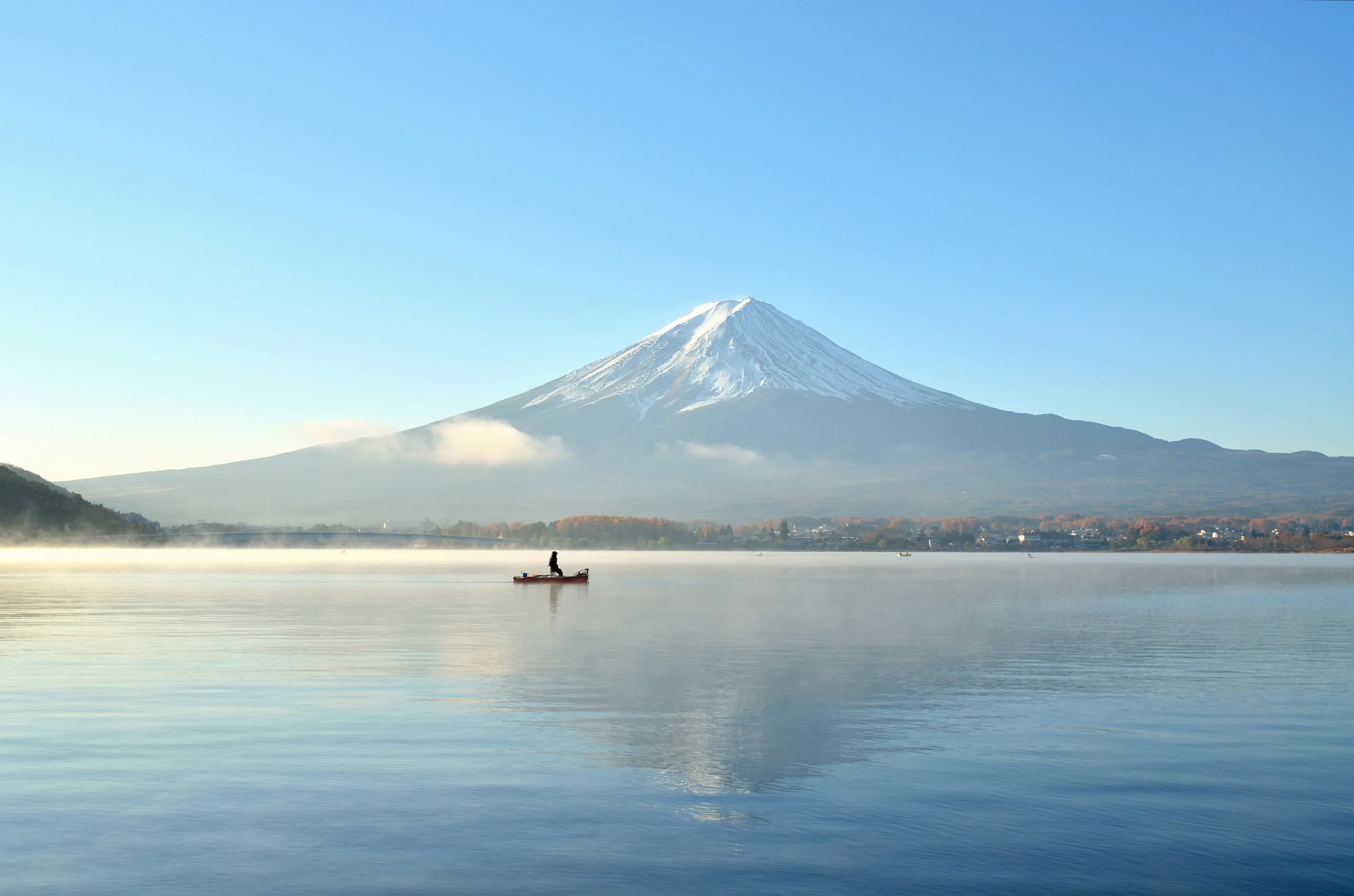
Kawaguchiko is an ideal base for quick context-building around Fuji. Start at the Yamanashi Prefectural Fujisan World Heritage Center to get a shared vocabulary via exhibits on worship, nature, and art.
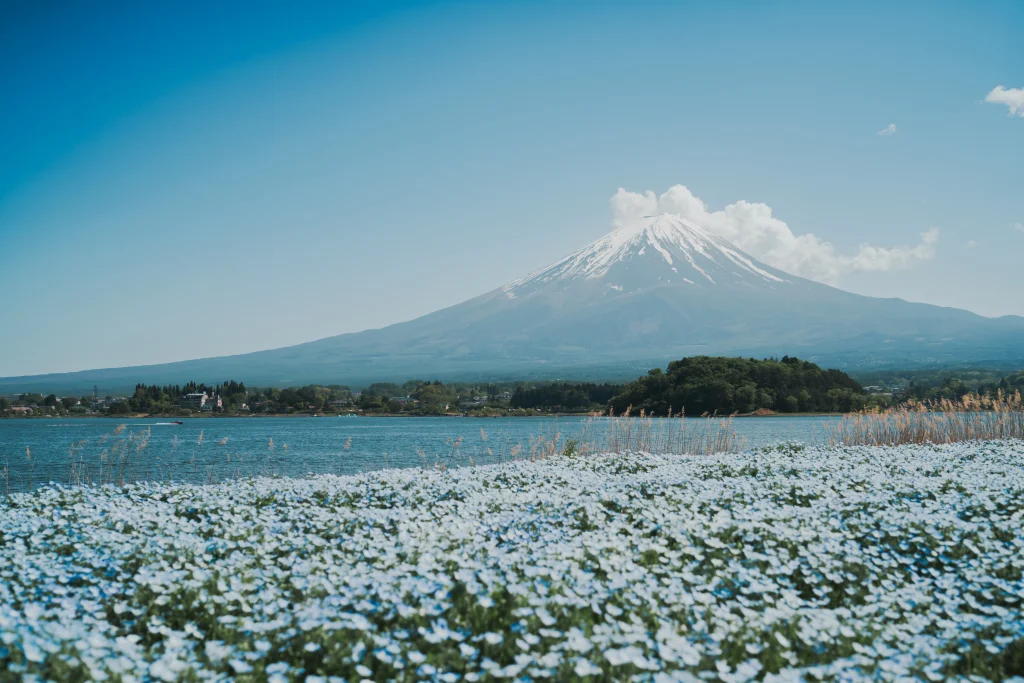
Fuji Visibility Rule: Early mornings offer the best, most stable views, often with reflections on calm water. Use your clearest window for the main viewpoint, then focus on culture and geology to ensure a satisfying trip even if clouds appear later.
Plan your visit in “layers”: start at the shoreline, gain height with an easy ropeway or observation point for a new angle, and then return to the lake. This second view will be richer as you can now “read” the landscape.
Read More: Things to Do in Kawaguchiko: Best Time to Visit and How to Get There
Fuji Yoshida and the Cultural Roots of Mt. Fuji
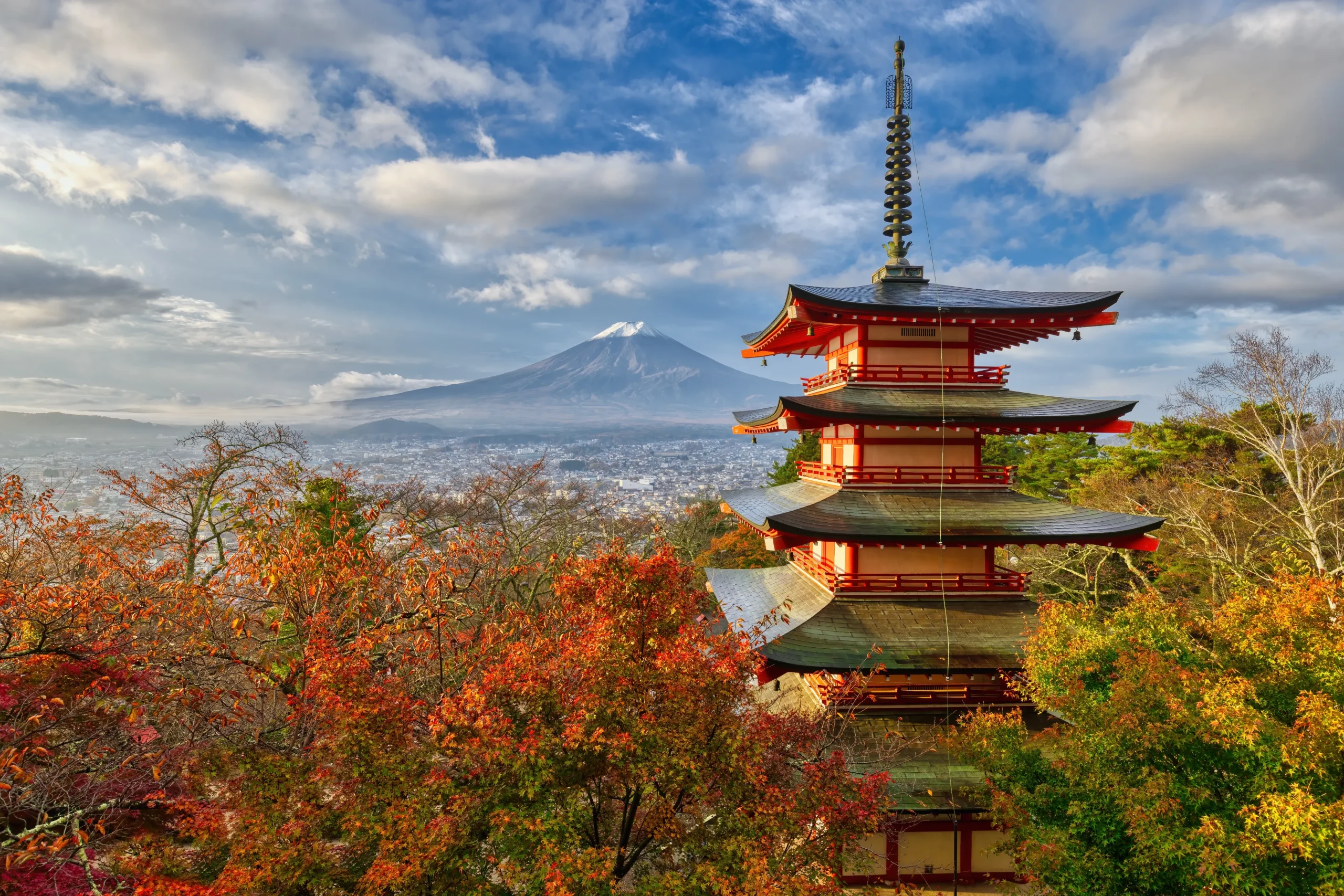
Fujiyoshida is central to Mt. Fuji’s worship culture. Fuji-kō were lay pilgrimage groups, and Oshi were the guides and hosts who supported them. The town also has a hataori machi (“weaving city”) identity, reflecting its long history as a textile center.
Arakurayama Sengen Park is famous for its “Fuji plus pagoda” view, reached by 398 steps, but is also a working neighborhood. The city canceled the February 2026 cherry blossom festival to prioritize resident life and safety.
Crowd tip: Photographed places have choke points. For a calmer experience, go early, move slowly, and focus on one signature viewpoint instead of rushing through many.
Lava, Forests, and Water Beneath Mt. Fuji
Even when Mount Fuji’s summit is hidden by clouds, the foothills offer compelling experiences, including a direct look at the volcano’s past. Days with bad visibility can be perfect for exploring Fuji underground, where lava tube caves vividly tell the story of its formation.
For example, a well-known wind cave in the Aokigahara area is about 201 meters long and maintains an average internal temperature of 3°C, useful for packing, even in summer. Stepping inside is like walking into a natural refrigerator, making the volcanic history instantly tangible.
Water features add cultural depth, particularly with the practice of Misogi, a ritual purification involving water and part of broader mountain worship. Springs are best appreciated as a cultural and ecological story rather than a precise time marker.
A good way to pace a trip is to place a cave or forest walk in the middle of the day. This breaks up driving and prevents the experience from becoming a monotonous sequence of viewpoints.
What Winter Reveals About the Mt. Fuji Area
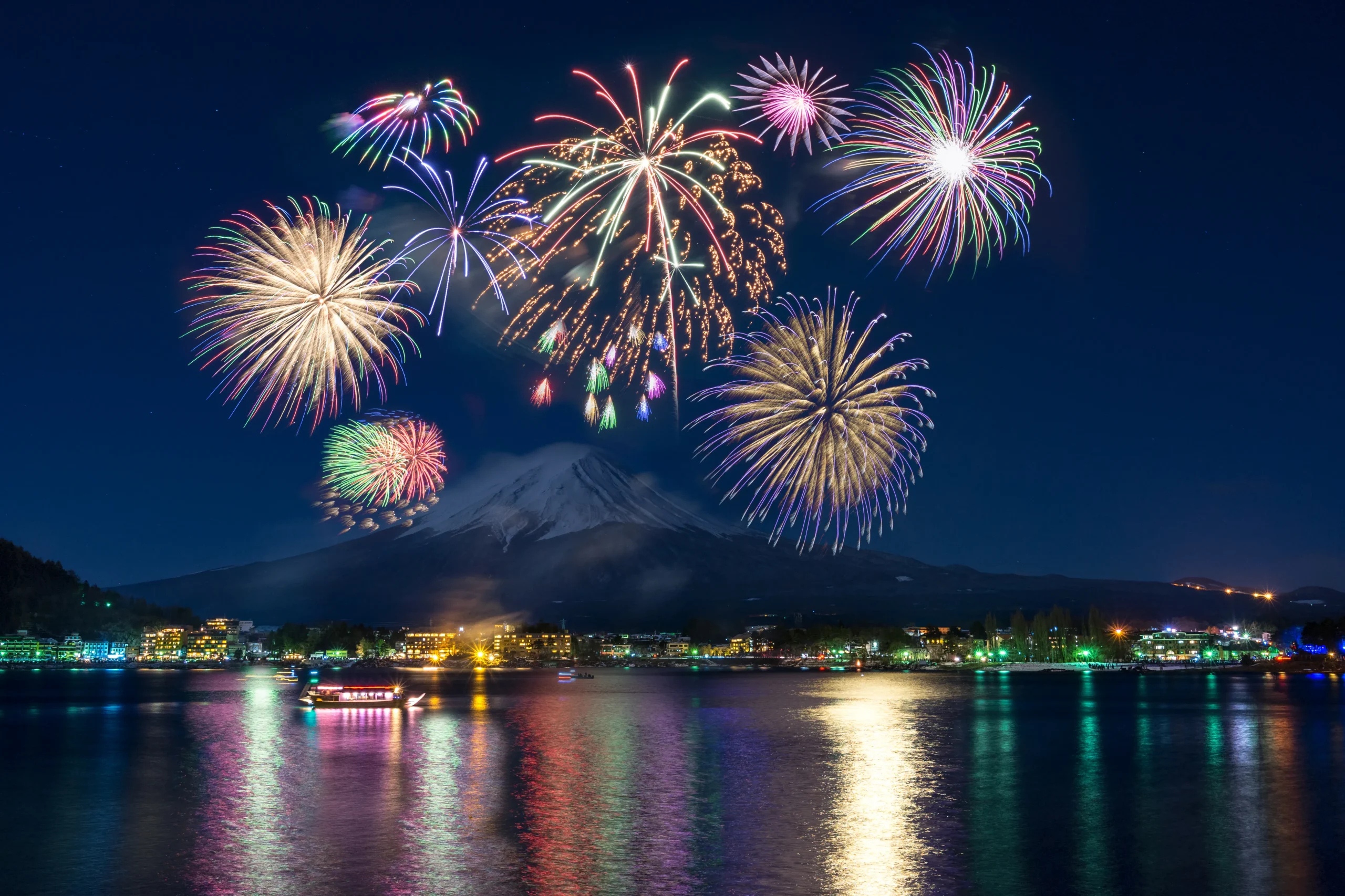
Mt Fuji in winter is great for structured evenings and clear-air days, as long as you dress for wind and icy pavement.
Kawaguchiko’s winter fireworks run on fixed dates, typically weekends from late January to late February. In 2026, each display lasted about 20 minutes from 8:00 p.m. to 8:20 p.m. Schedules can change year to year, so check the official calendar close to travel.
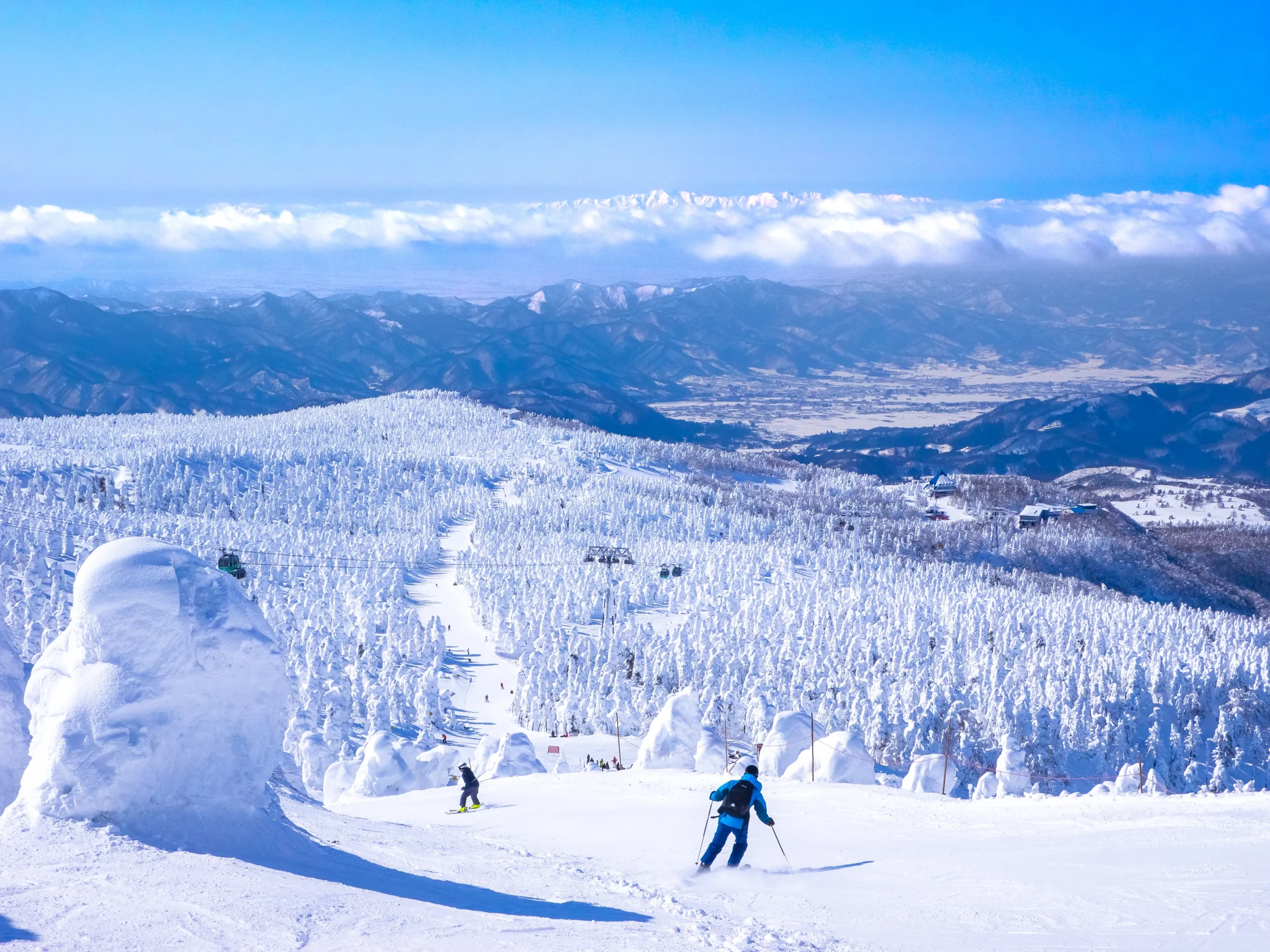
Another winter anchor is the Saiko Ice Festival at Saiko Wild Bird Forest Park, known for frost-covered trees (reported up to about 5 meters tall) and nighttime illumination. It turns a cold lakeside into an easy evening highlight.
Winter logistics are simple: sunset comes early, temperatures drop fast, and shaded sidewalks can freeze. Layers, gloves, and shoes with reliable grip make the difference.
How to Spend a Quiet and Meaningful Evening
Night in the Fuji area is not a time to chase one more checkbox. It’s your chance to let the day land. If fireworks are scheduled, make them the anchor. If not, keep it simple: a warm bath, a short safe walk by the lake, or an early night that makes tomorrow easier.
On fireworks nights, let the schedule do the work. Arrive early, stay warm, and treat it as your “final scene.” On other nights, keep your evening simple: a public hot-spring bathhouse, a short safe lakeside walk, or quiet stargazing only if your group is prepared for cold, dark roads, and limited late-night services. A calmer evening makes the whole day feel more intentional.
A Realistic One-Day Plan Around Mt. Fuji
For a one-day trip to Mt. Fuji:
Structure your day around three elements: Base, Symbol, and Insurance.
- Base: Start at Kawaguchiko for the best introductory views and orientation.
- Symbol: Choose one focus: either Fujiyoshida for cultural worship and town life, or the lava caves/forest for geology and nature.
- Insurance: Finish at an indoor stop, like the World Heritage Center, in case of cloud cover.
A sample flow: Lakeside morning, short indoor context midday, afternoon culture/geology segment, then an early evening reset.
Note on Climbing: Mt. Fuji climbing requires its own dedicated day and planning due to changing rules and seasonal access; it’s not a casual add-on.
What to Do When Mt. Fuji Is Hidden by Weather
When planning your time around Mount Fuji, anticipate at least one “no summit view” moment to relax and enjoy the rest of your experience. Start by focusing on learning before simply looking. Gain immediate cultural and geological context through an indoor exhibit. Follow this with a weather-resilient experience, such as exploring a lava cave or walking maintained forest paths.
A coherent day plan includes:
- Learn: Visit a World Heritage exhibit to connect with the mountain’s significance.
- Feel: Explore the volcanic landscape (caves, forests, landforms).
- Reset: Take time for a warm, indoor break.
If the mountain comes into view later, it will feel like a bonus. If it remains hidden, you will still have had a rich and cohesive day.
Why Planning Matters More Than Spot-Hopping
The Fuji area rewards sequence. Culture, then geology, then scenery tends to land best: you understand how people related to the mountain, you see how eruptions shaped the land, and then the view feels like a conclusion. Crowds, transit bottlenecks, and weather are not “unexpected problems” here. They are design constraints. Once you plan around them, your day stops feeling like a chase and starts feeling like a story you control. Mt. Fuji can be a quick sighting from a bus window. It can also be a day that feels personal, even if the summit hides. The difference is pacing, sequence, and having a backup plan that still feels meaningful.
If you’d like help shaping those pieces around your group’s interests, season, and comfort level, ENJYU JAPAN can design a Tailor-Made Tour that focuses on flow: time windows for visibility, minimal transfers, and weather alternatives that still feel worth the trip.