Japan is full of gorgeous souvenirs, but few are as useful as a good kitchen knife. A well-made blade is something you notice immediately: it glides instead of crushing, feels steady in your hand, and makes simple cooking feel strangely satisfying.
This guide shows how sword-era techniques connect to modern blades, which knife towns to visit, and how to choose, care for, and bring a knife home safely.
How Sword Culture Connects to Kitchen Knives
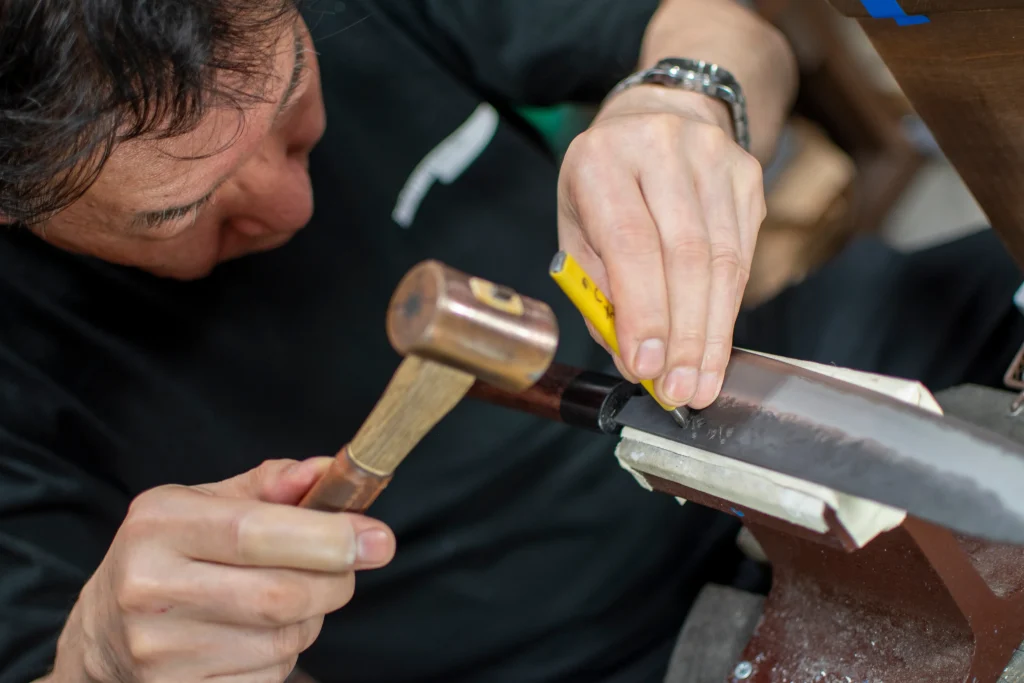
Japanese knife-making did not magically appear out of nowhere. Many of the core techniques overlap with sword-era production: forging and shaping the steel, heat treatment to harden it, and careful polishing and finishing.
In the Meiji period, the 1876 Haitōrei proclamation restricted sword wearing, which changed how blade culture fit into daily life. Craft regions adapted in different ways over time, but what stayed consistent are the skills in steel, heat, and finishing. They shifted into tools people actually use every day.
And so, hundreds of years of careful craftsmanship also shaped kitchen knives used in daily cooking. That is one reason Japanese knives are not just souvenirs. They are part of living culture.
Japan’s Big Three Knife Towns: Sakai, Seki, and Echizen
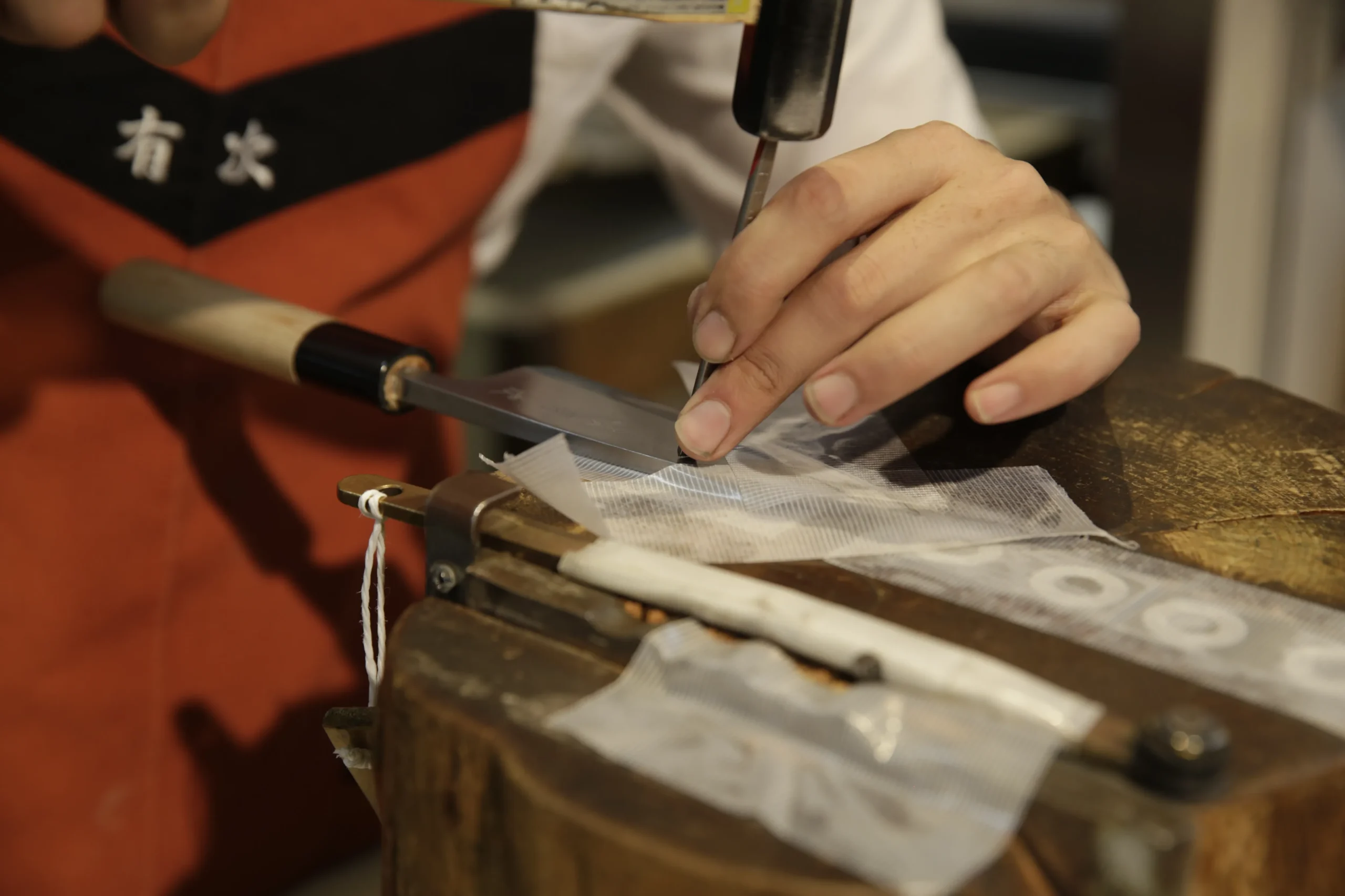
Japan has many knife-making regions, but for travelers, three areas stand out because they are accessible, well-known, and easier to experience through museums, cooperative facilities, and local events.
Sakai (Osaka): Trade, Specialization, and Professional Knives
Sakai is one of the most famous knife-making towns in Japan, especially for kitchen knives used by professional chefs. Historically, Sakai was a port city with strong trade networks, which helped its crafts spread.
One of Sakai’s unique features is specialization. In traditional production, different craftspeople often focus on different steps: forging, sharpening, handle making, and finishing. That division of labor helped Sakai become known for precise, high-quality blades.
If you visit, the Sakai Traditional Crafts Museum is a good place to start. It gives context, shows tools and history, and helps you understand why Sakai knives are so respected.
Who Sakai is best for: Travelers who want a clear introduction to knife culture, enjoy museums, and want to connect the craft to everyday cooking.
Seki (Gifu): Swordsmith Roots and a Blade Festival
Seki is one of Japan’s most famous “city of blades”. Local histories often connect Seki’s early growth to swordsmith lineages, including a smith often described as Motoshige. Today, the city still leans into that identity, and you can visit museums that focus on swordsmithing tradition and the broader blade heritage.
But the real highlight is the annual Seki Knife Festival, which turns the town into a celebration of blades, tools, and craft identity. It’s not only a market. It’s a whole-town event with demonstrations and activities tied to Seki’s craft identity. It’s often held in October (dates vary by year), with venues spread across town. Check the official festival listing before you plan your trip.
If you like your travel with a bit more movement and atmosphere, Seki can be an exciting choice.
Who Seki is best for:Travelers who like festivals, want to shop, and enjoy craft culture as a lively community event.
Echizen (Fukui): An Open-Factory Knife Village
Echizen is another famous blade region, and for visitors, the most accessible experience is Takefu Knife Village. This is a cooperative-style area where multiple makers work in close proximity, and where visitors can often see craft work happening.
It feels more like stepping into a working craft space than a traditional museum. That makes it especially interesting if you want to see the craft as a living workplace.
Who Echizen is best for: Travelers who want an “open-factory” feeling, enjoy seeing makers at work, and want to experience a cooperative craft environment.
Can Travelers do a Knife-Making Workshop in Japan?
Yes, but what you can do depends on the workshop, the time you have, and what “knife-making” means in that setting.
In many places, true forging (heating steel, hammering, heat-treating) is limited for short-term visitors, because it requires specialized equipment, safety controls, and time. Traveler-friendly experiences are more commonly:
- Handle-making / assembly (fit a handle, pin it, finish it)
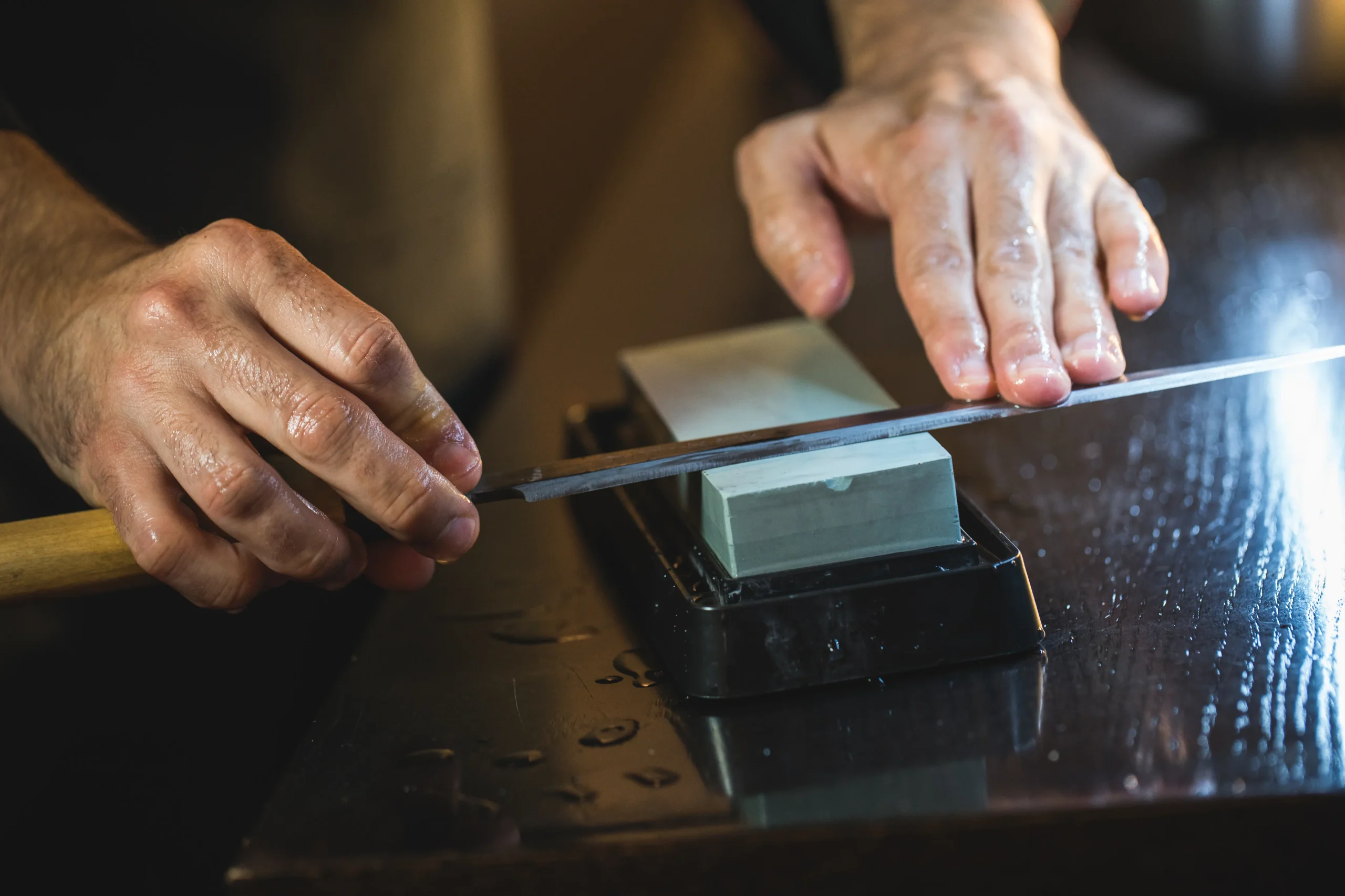
- Sharpening sessions (learn whetstone basics and edge maintenance)
- Polishing and finishing (depending on the facility)
- Observation-focused visits where you watch multiple craftspeople work up close
If you want a hands-on experience, look for pages that clearly mention:
- The length of the session
- What you actually do (forge vs assemble vs sharpen)
- Language support
- Whether you take the knife home or shipping is recommended
Planning tip: If your goal is to learn, weekdays are often easier to book and calmer. If your goal is to feel the culture (and shop), festival weekends can be worth the crowds.
The Core Knife Types
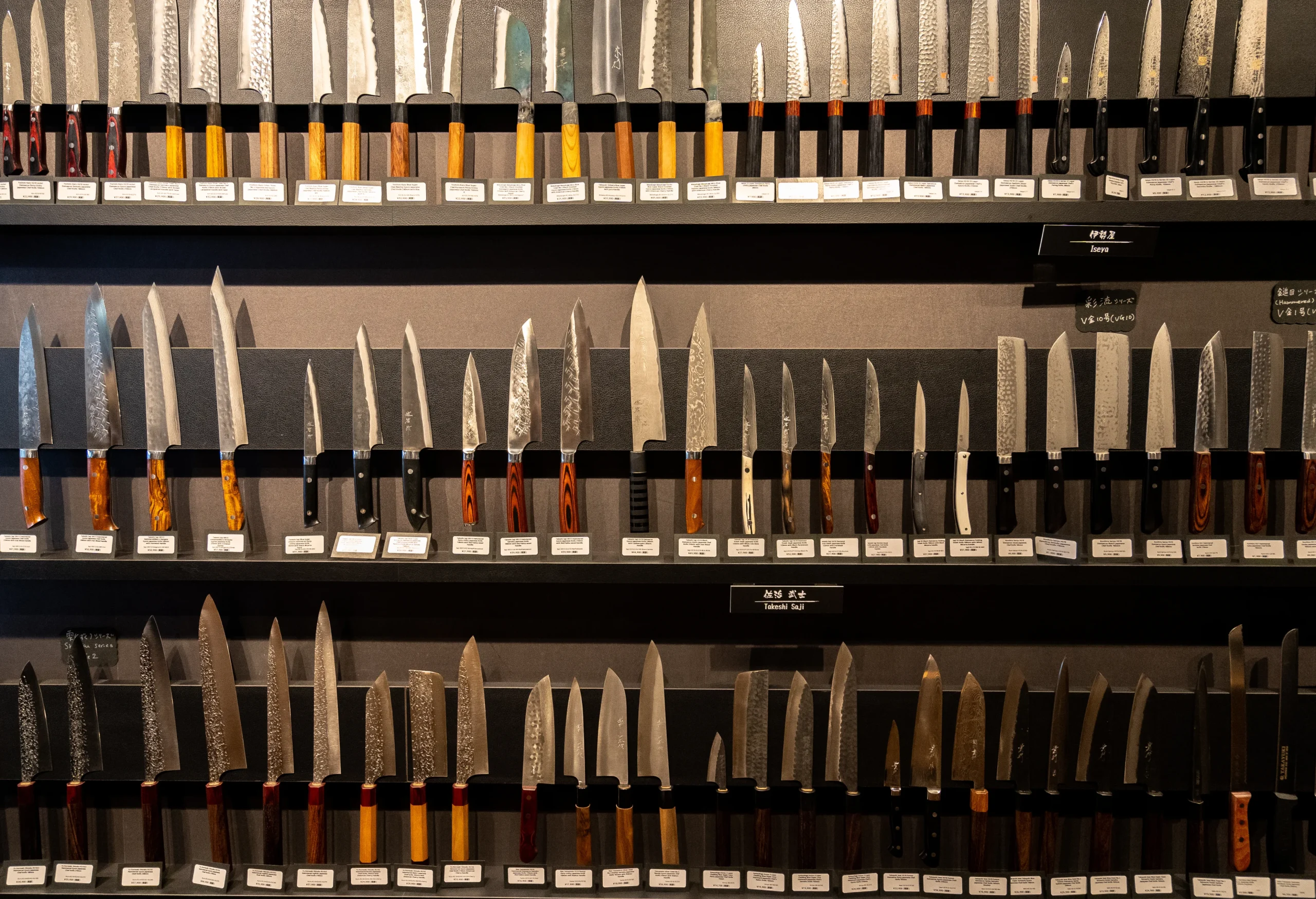
If you walk into a knife shop in Japan, you might hear a lot of specific terms. Here are the ones travelers often encounter, explained in simple ways.
- Santoku: A popular home knife that literally means “three virtues,” commonly interpreted as meat, fish, and vegetables. It is usually shorter and feels approachable.
- Gyuto: Often compared to a Western chef’s knife. It is versatile and good for many tasks, from meat to vegetables.
- Deba: A heavier knife used for fish and sometimes poultry. It is made for breaking down fish and handling harder work.
- Yanagiba: Long, thin, and used for slicing sashimi. Often associated with sushi chefs.
- Nakiri: A vegetable knife with a straight edge. It is excellent for chopping vegetables and makes clean cuts.
Many traditional Japanese knives use a single-bevel edge for specific tasks, while many modern home-friendly options are double-bevel and easier to maintain. If you are buying your first Japanese knife, a double-bevel gyuto or santoku is usually the easiest entry point.
Why “Decorative Cutting” gets easier with the right blade
If you have ever watched Japanese chefs cut ingredients into neat shapes or paper-thin slices, it can look like magic. In reality, skill matters most. But the tool also changes the learning curve.
A sharp, well-balanced knife helps you cut cleanly with less pressure. That makes it easier to practice techniques like katsuramuki (thin peeling), clean sashimi slices, or fine shredded cabbage.
Good knives do not do the work for you, but they reduce friction. That is why many people feel the difference immediately when they try a well-made blade.
Where Travelers Can Learn the Craft: Museums, Cooperative Centers, and Festivals
Even if you cannot join a workshop, there are still many ways to experience knife culture in Japan.
- Museums (like the Sakai Traditional Crafts Museum) help you understand history and process.
- Cooperative centers (like Takefu Knife Village) can feel like an “open factory.”
- Festivals (like the Seki Knife Festival) show how the craft lives in community life.
If you want to choose a place based on your style, here is a quick guide:
- Want history and context? Choose Sakai.
- Want energy, shopping, and celebration? Choose Seki.
- Want a craft-space atmosphere? Choose Echizen / Takefu Knife Village.
Choosing, Caring for, and Bringing a Knife Home Safely
If you plan to buy a knife in Japan, here are the main things to keep in mind.
Choosing your First Knife
If you are unsure, start with something versatile. A gyuto or santoku is usually the safest choice for most home kitchens.
Think about:
- blade length (shorter is easier to control)
- handle style (Western-style vs Japanese-style)
- maintenance (stainless is easier than carbon steel)
- sharpening habits (will you use whetstones or professional sharpening?)
Basic Care
Japanese knives tend to be harder and sharper than many mass-market Western knives, but that also means they can be more delicate if misused.
Simple care tips:
- avoid cutting frozen food or hard bones (unless the knife is designed for it)
- hand wash and dry immediately
- store safely (sheath, knife block, or magnetic strip)
- learn basic whetstone sharpening if possible
Bringing a Knife Home
In general, do not plan to carry knives in your hand luggage. Pack them in checked baggage, ideally with the blade protected.
Also remember: import rules differ depending on your destination. Some countries have restrictions on blade length, knife type, or shipping. It’s worth checking your home country’s customs rules before you buy.
Easy Ways to Add a Bit of Knife Culture to a Japan Itinerary
You do not need to build an entire trip around knives to enjoy this part of Japanese culture. Here are simple ways to include it:
- Add a museum stop in Sakai during an Osaka trip
- Visit Seki during festival season if your route includes central Japan
- Combine Echizen with other Fukui travel (temples, coast, traditional crafts)
- Look for sharpening experiences or craft demonstrations in regional workshops
Knife culture connects to food, history, and local crafts. Even a short visit can add a meaningful layer to a Japan trip.
Experience Japanese Knife Culture with ENJYU JAPAN
Knife travel gets even better when it matches your style: museums and history, festival energy, or quiet workshop observation.
If you’re planning a longer trip (especially 10 nights or more), you can compare regions like Sakai, Seki, and Echizen in one itinerary and see how different local histories shaped different approaches to the same craft.
ENJYU JAPAN can help you plan the timing and logistics so a knife-focused route fits smoothly into your trip.