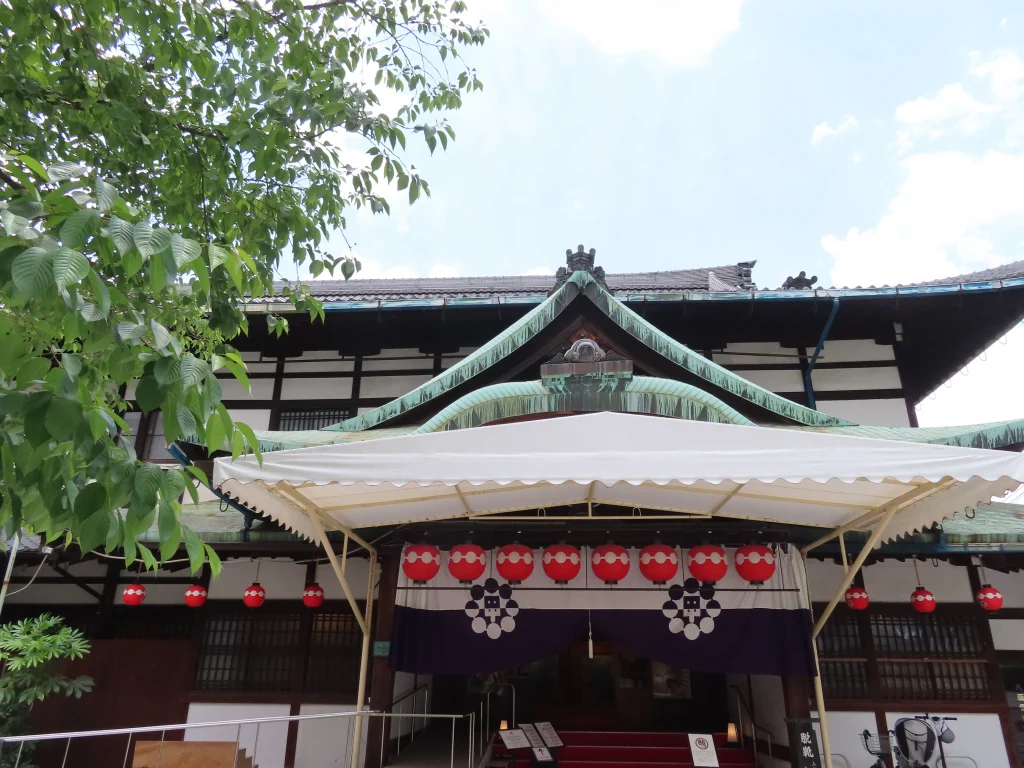
A well-planned museum journey begins with one useful question: which visits must be fixed in advance, and which can remain open until the day itself?
If you visit only one museum in Japan, Tokyo National Museum is the clearest starting point for Japanese art, archaeology, and cultural heritage. If Ghibli Museum, Nintendo Museum, teamLab, Chichu Art Museum, or Teshima Art Museum matters to you, review the ticket system before you fix hotels, long-distance trains, or ferries.
You do not need every famous name. The right museum depends on your interests, route, time, physical comfort, and the weather. This guide covers art, history, memorial, open-air, natural-history, and regional museums. It does not include theme parks or temporary exhibitions.
Here, “wander into” means keeping a museum flexible in your route, not arriving without first reading its official visitor information.
The Best Museums in Japan at a Glance
This is a planning comparison, not a ranking. The table helps you choose a museum that fits the route you already have.
|
Museum |
Area | Best for | Planning level |
Main practical point |
|
Tokyo National Museum |
Tokyo |
Japanese art and archaeology | Check Ahead | Review gallery and exhibition calendars |
| teamLab Borderless / Planets | Tokyo | Digital and spatial art | Book Ahead |
The physical experiences differ |
|
Ghibli Museum |
Mitaka, Tokyo | Animation and design | Book Ahead | Advance reservation only |
|
Nintendo Museum |
Uji, Kyoto Prefecture | Games and product history | Book Ahead |
A date-specific drawing and identity conditions may apply |
| Hiroshima Peace Memorial Museum | Hiroshima | Peace and modern history | Check Ahead |
Leave time around the visit |
|
Chichu / Teshima Art Museum |
Naoshima / Teshima, Setouchi | Art and architecture | Book Ahead | Plan tickets, ferries, and closures together |
| Adachi Museum of Art | Shimane | Japanese-style painting and garden viewing | Check Ahead |
Plan regional transport |
|
Museum Meiji-Mura |
Aichi | Historic architecture | Check Ahead | Expect outdoor walking and weather |
|
Hokkaido Museum |
Sapporo area | Regional history and nature | Check Ahead |
Review bus and seasonal transport |
|
Lake Biwa Museum |
Shiga | Freshwater ecology and regional life | Check Ahead |
Bus connection from Kusatsu Station |
| 21st Century Museum of Contemporary Art | Kanazawa | Contemporary art | Check Ahead |
Conditions for particular installations can vary |
How to Read the Planning Level
- Book Ahead: These museums may use timed entry, ticket drawings, or limited visitor numbers. Check the ticket system before you confirm hotels, long-distance trains, or ferries.
- Check Ahead: You may not always need a reservation, but opening days, exhibition changes, final entry times, local transport, or weather can affect the best day to visit.
- Wander Into with Care: These museums can remain flexible within your route. This does not mean arriving without preparation. Before you leave your accommodation, review the official opening hours, ticket conditions, and exhibition-language information.
If You Visit Only One: Tokyo National Museum
Tokyo National Museum is the most reliable single choice for travellers who want Japanese art, archaeology, and cultural heritage in one museum complex. Located in Ueno Park, it is Japan’s oldest and largest museum, with more than 120,000 art and archaeological objects in its collection. Only a selection is on view at one time, so a focused visit works better than trying to see everything.
Begin with the Honkan, or Japanese Gallery. Its rooms introduce Japanese material culture through early archaeological objects, painting, ceramics, textiles, sculpture, and armour. A National Treasure is a cultural object that Japan formally recognises as having exceptional importance. An Important Cultural Property is a legally protected asset of major historical or artistic value. Individual works rotate, so a particular sword, screen, or print may not be on display.
This is a Check Ahead museum. Review the official calendar for gallery changes, special exhibitions, and entry arrangements. Ueno Park offers several indoor cultural options when the weather changes, but the museum itself deserves unhurried time. If urban life from Edo to modern Tokyo interests you more than national art and archaeology, Edo-Tokyo Museum may be a better fit when it is open.
Museums to Book Before You Travel
A ticket can become the first fixed point in a day. These museums have different subjects and visitor conditions, but each can shape a Tokyo or Kyoto-area route. Choose the one that genuinely interests you, then prepare an alternative before the trip.
teamLab Borderless and teamLab Planets, Tokyo
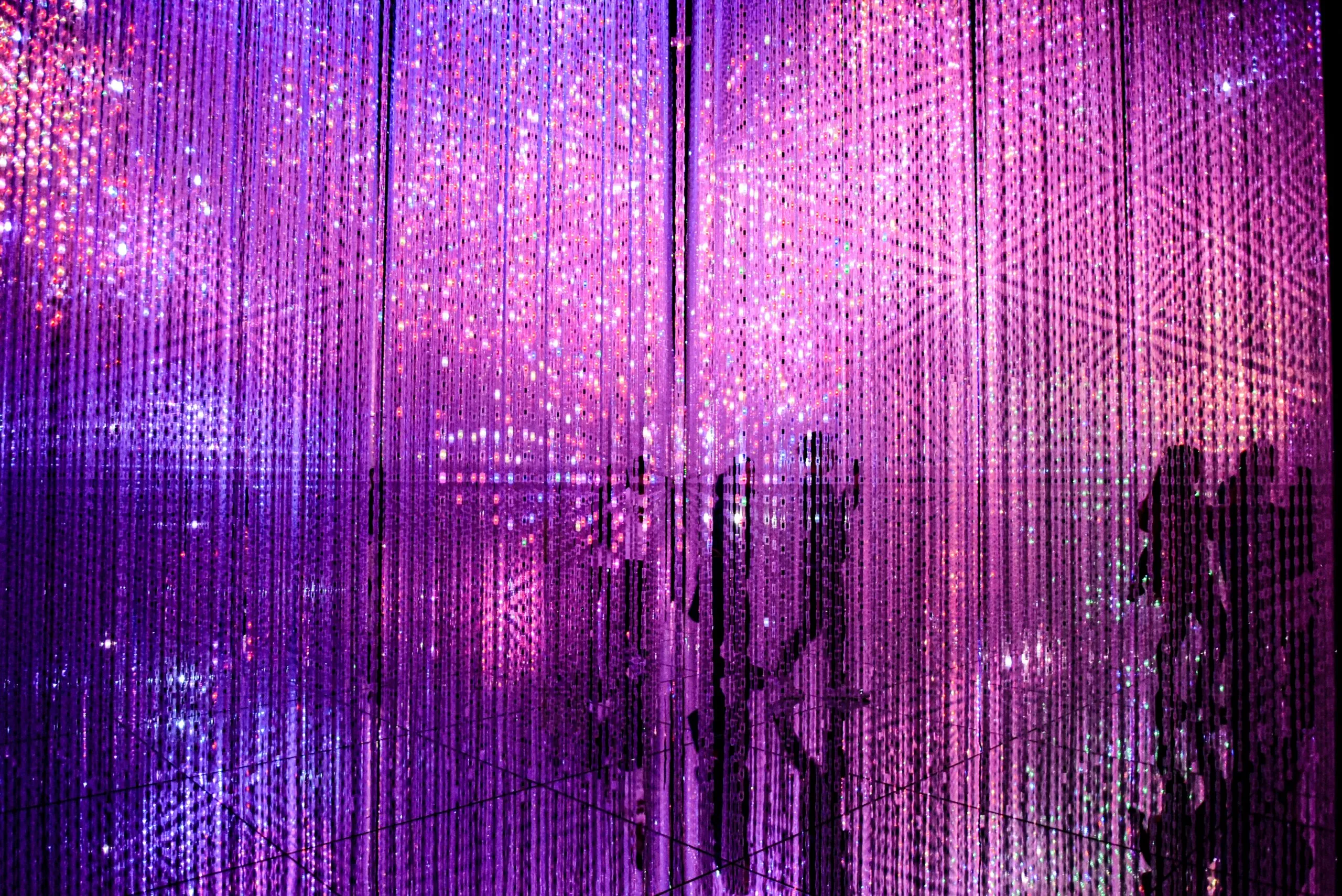
Choose teamLab Borderless or teamLab Planets according to the kind of digital-art experience you want.
Borderless is a roaming, map-free environment where digital works move across rooms. Planets follows a more directed route and can include barefoot movement and water. Both use date-and-time tickets, so review the official English pages before building a Tokyo day around either one.
Both use less written explanation than collection-based museums, which can help visitors who do not read Japanese. The visitor guidance still matters. For Planets, review current information on clothing, water, footwear, and mobility before booking. If your preferred slot is unavailable, use the Tokyo route in the Plan B table below rather than relying on an unconfirmed secondary ticket seller.
Ghibli Museum, Mitaka
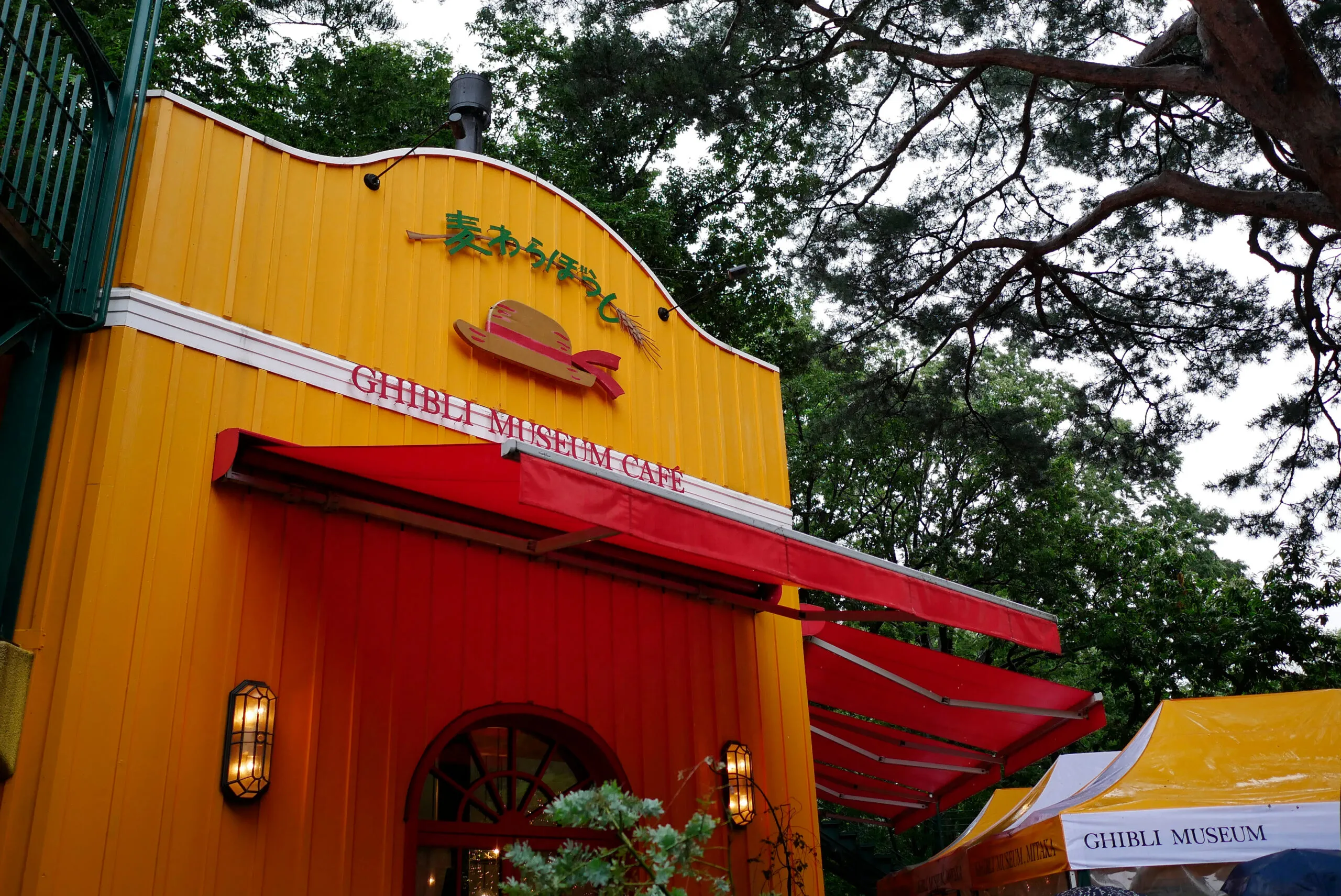
Ghibli Museum is for travellers who care about animation as a craft, as well as Studio Ghibli’s films. Its displays, original short films, and building design explore how animated worlds are made. Entry is by advance reservation, and tickets are not sold at the museum.
Review the current release schedule and international purchase route before shaping a day around Mitaka. Ghibli Park in Aichi Prefecture is a separate destination, so this guide focuses on the Mitaka museum. If tickets are unavailable, redirect the day to another confirmed Tokyo museum route rather than travelling to Mitaka in the hope of entry.
Read more: How to Experience Studio Ghibli in Japan: Park, Museum, and Tickets
Nintendo Museum, Uji
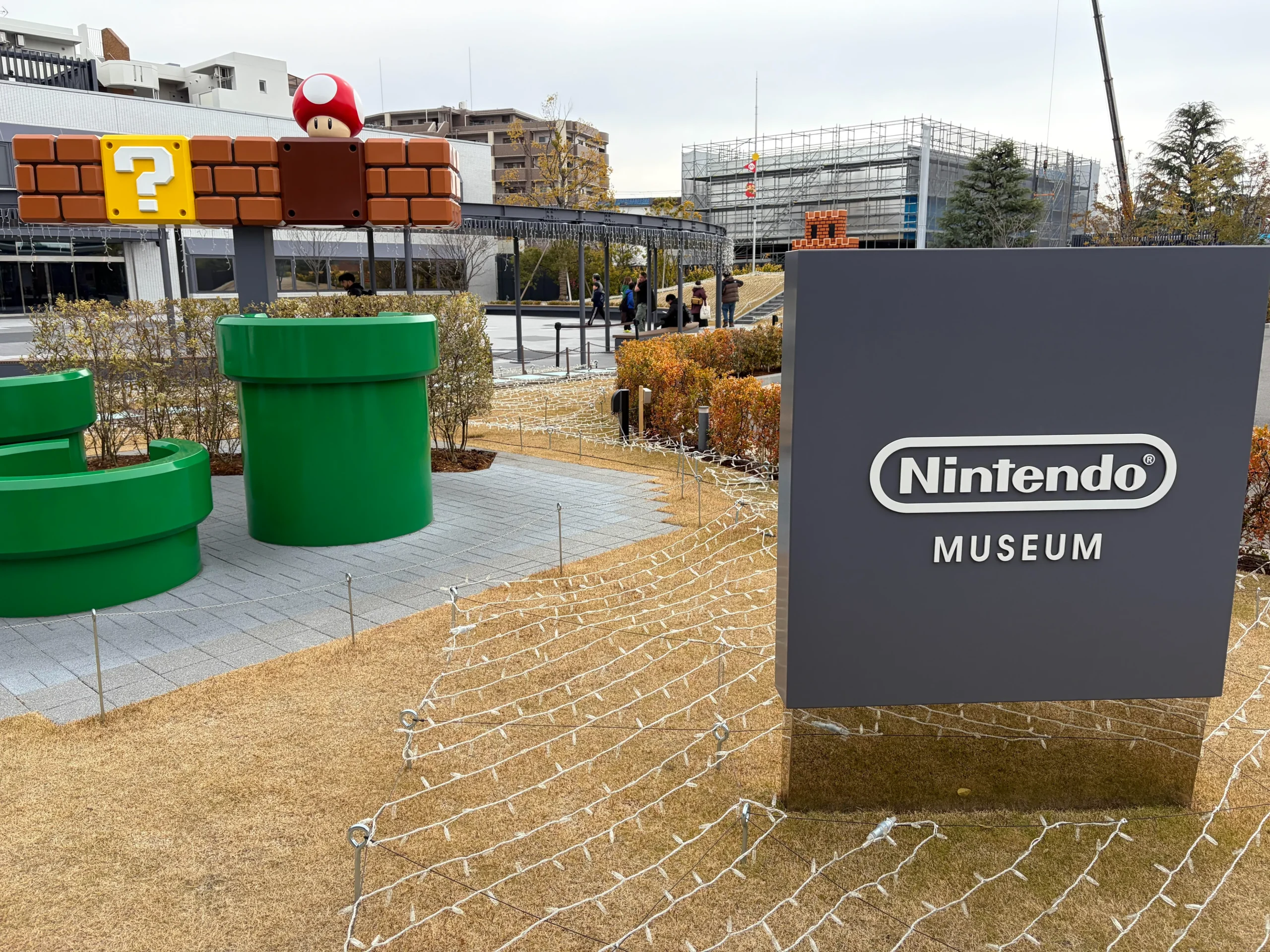
Nintendo Museum is in Uji, Kyoto Prefecture, not central Kyoto. It suits travellers interested in games, product design, and Nintendo’s changing forms of play. Tickets are allocated through a drawing for a specified date and time; applications open three months before a visit. A free Nintendo Account is required, and successful applicants must pay by the stated deadline. Non-Japanese nationals must show a passport with their ticket’s QR code at entry.
An unsuccessful drawing application need not decide your Kyoto or Uji day. Nintendo may announce first-come, first-served sales if tickets become available after the drawing. Otherwise, Kyoto National Museum may suit an interest in art and archaeology. Lake Biwa Museum offers a natural-history route, but reaching it requires a separate journey to Kusatsu Station and a bus.
Hiroshima Peace Memorial Museum: Leave Time Around the Visit
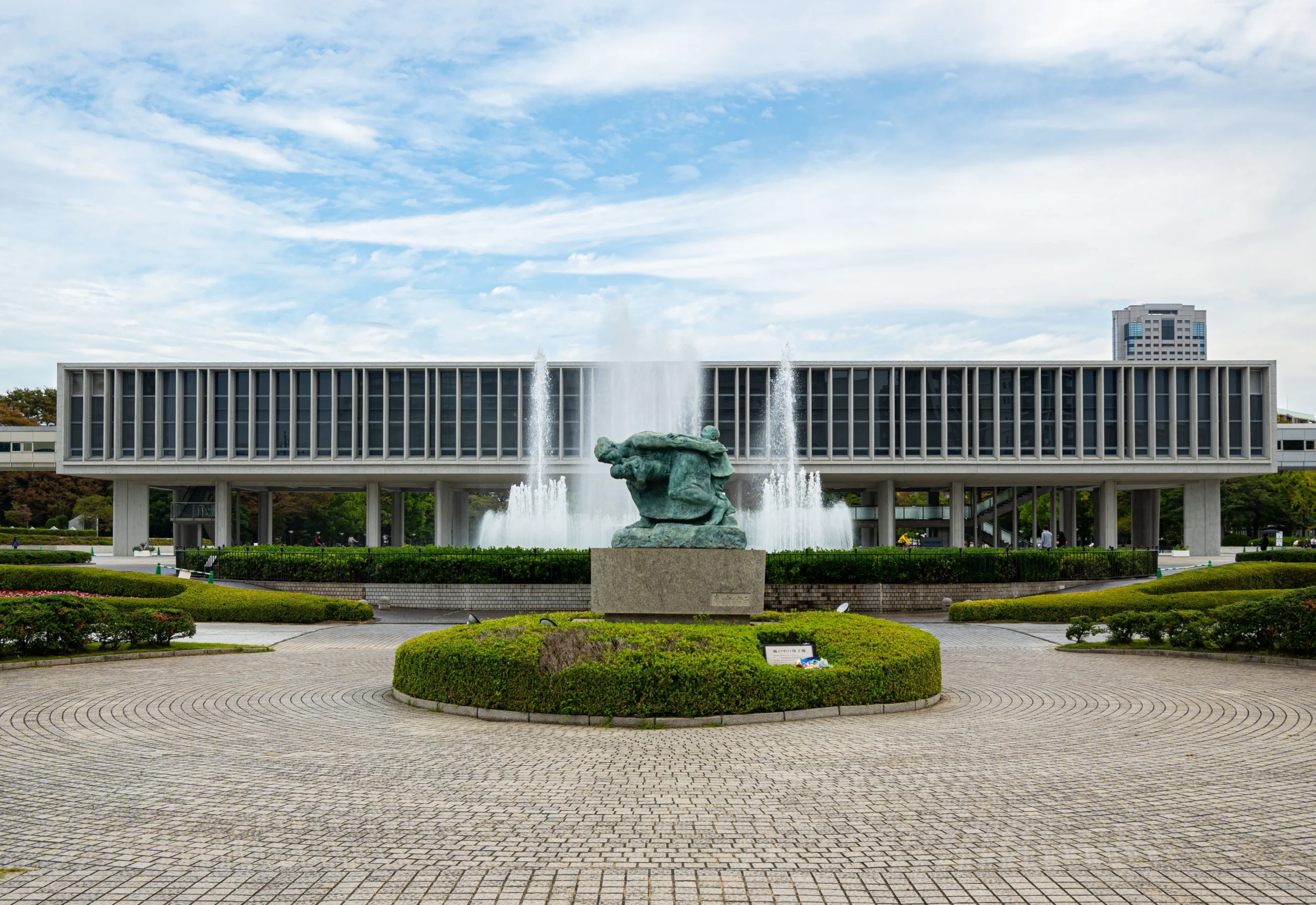
Hiroshima Peace Memorial Museum belongs at the centre of a half-day, with time before and after the visit. It documents the atomic bombing of Hiroshima on 6 August 1945 through belongings, photographs, documents, and testimonies. Its exhibitions place the bombing within the wider history of Hiroshima and the continuing nuclear age.
Give the galleries their own pace, then decide whether to continue through Peace Memorial Park and towards the Atomic Bomb Dome. In rain, the museum can remain the main focus of the half-day. In more comfortable weather, the surrounding memorial sites add context to the visit.
Some early and late entry periods require an advance online ticket for the permanent exhibition. During regular opening hours, tickets can also be bought at the museum, with an entry time assigned. Review the museum’s current hours and ticket periods before visiting, and avoid scheduling another demanding activity immediately afterwards.
Art Islands That Shape the Route: Naoshima and Teshima
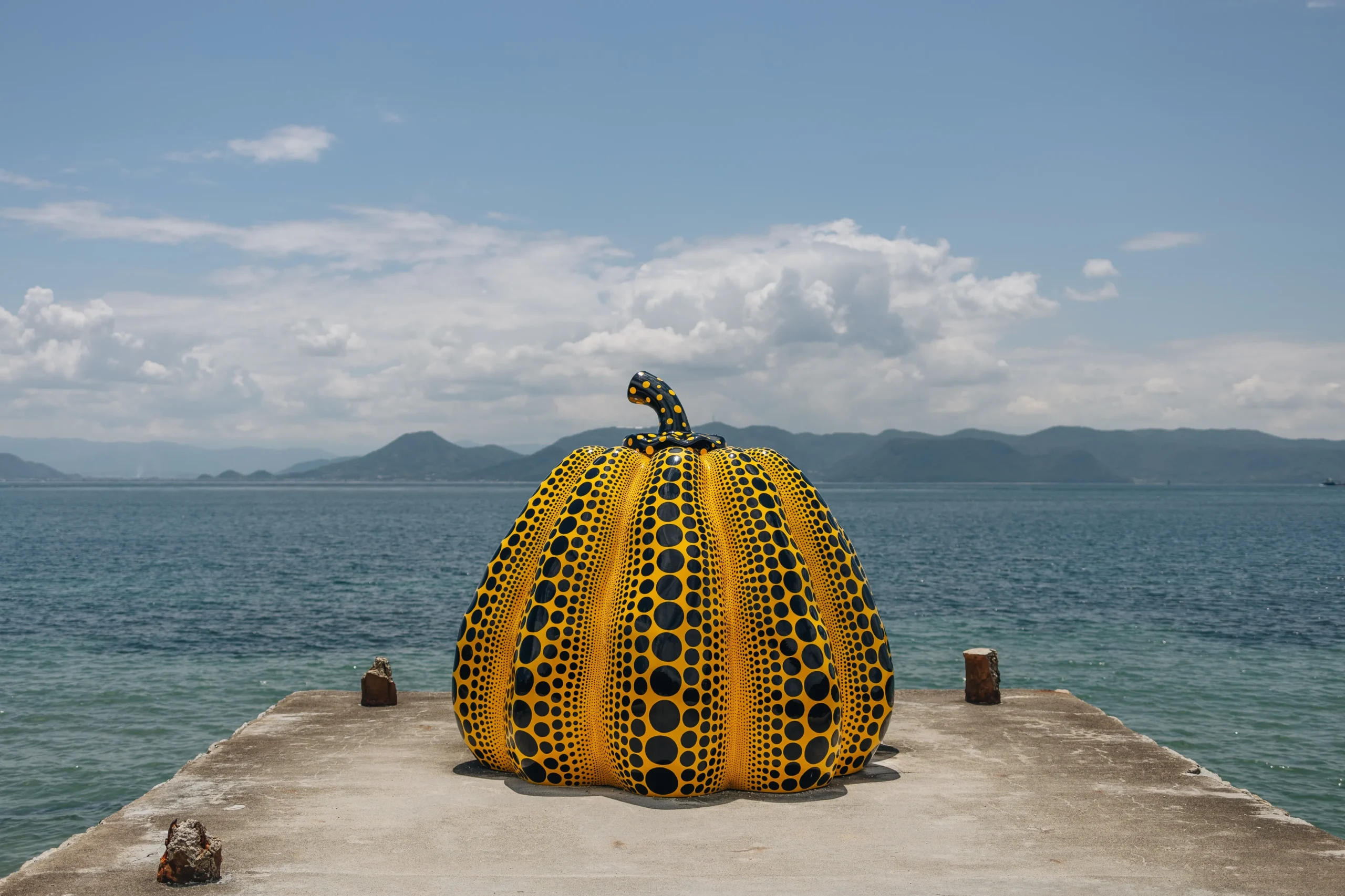
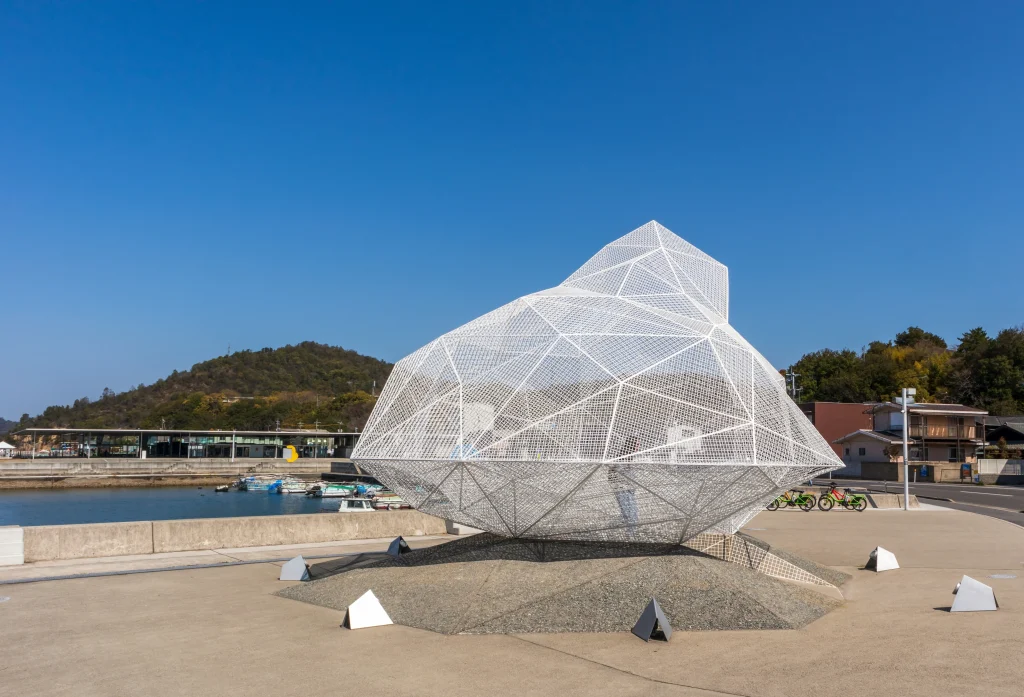
Naoshima and Teshima are contemporary-art islands in the Seto Inland Sea. They are destinations around which travellers should build a route, rather than museums to add when free time appears. The challenge is not only the ticket. It is the combination of museum entry, ferry travel, island transport, closure days, and weather.
On Naoshima, Chichu Art Museum brings Tadao Ando’s architecture together with works by Claude Monet, James Turrell, and Walter De Maria. On neighbouring Teshima, Teshima Art Museum uses architecture, daylight, and water as part of a site-specific visit. Benesse House Museum is another Naoshima option that can help you adjust a route within the island.
Build the day around a booked museum and give one island enough time. If timings tighten, reduce the route to one reachable island. If strong wind or ferry disruption changes access, use an indoor cultural route on the Okayama or Takamatsu side. Ferry operation and museum opening need separate confirmation.
Where Art and Garden Become One: Adachi Museum of Art
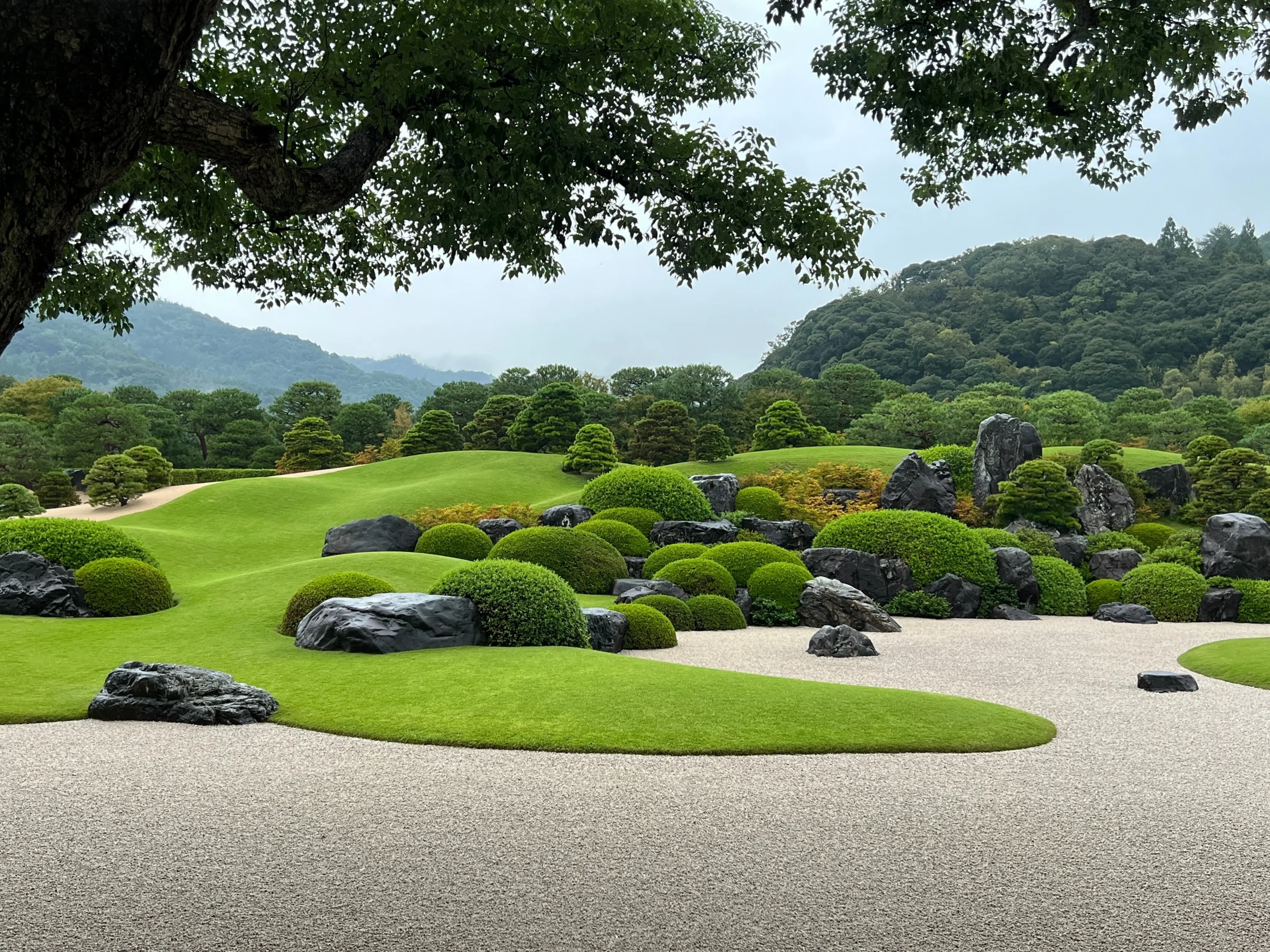
Adachi Museum of Art suits travellers who want Japanese painting and carefully framed garden viewing within a slower San’in route through Yasugi, Matsue, or Izumo. Regional transport matters more here than early ticket pressure.
The collection centres on nihonga, or Japanese-style painting, often made with mineral pigments and ink on paper or silk. The museum presents its gardens through composed views from inside the building. Visitors look through windows that set the frame, rather than entering a strolling garden. This makes the relationship between painting, architecture, and garden design easy to follow.
Review current access and shuttle details before travelling. Because the gardens are viewed indoors, the museum can remain a considered option when weather is unsettled.
Read more: Japanese Garden Features: The Beauty of Water Bamboo
The Best Open-Air Museum Choice: Museum Meiji-Mura
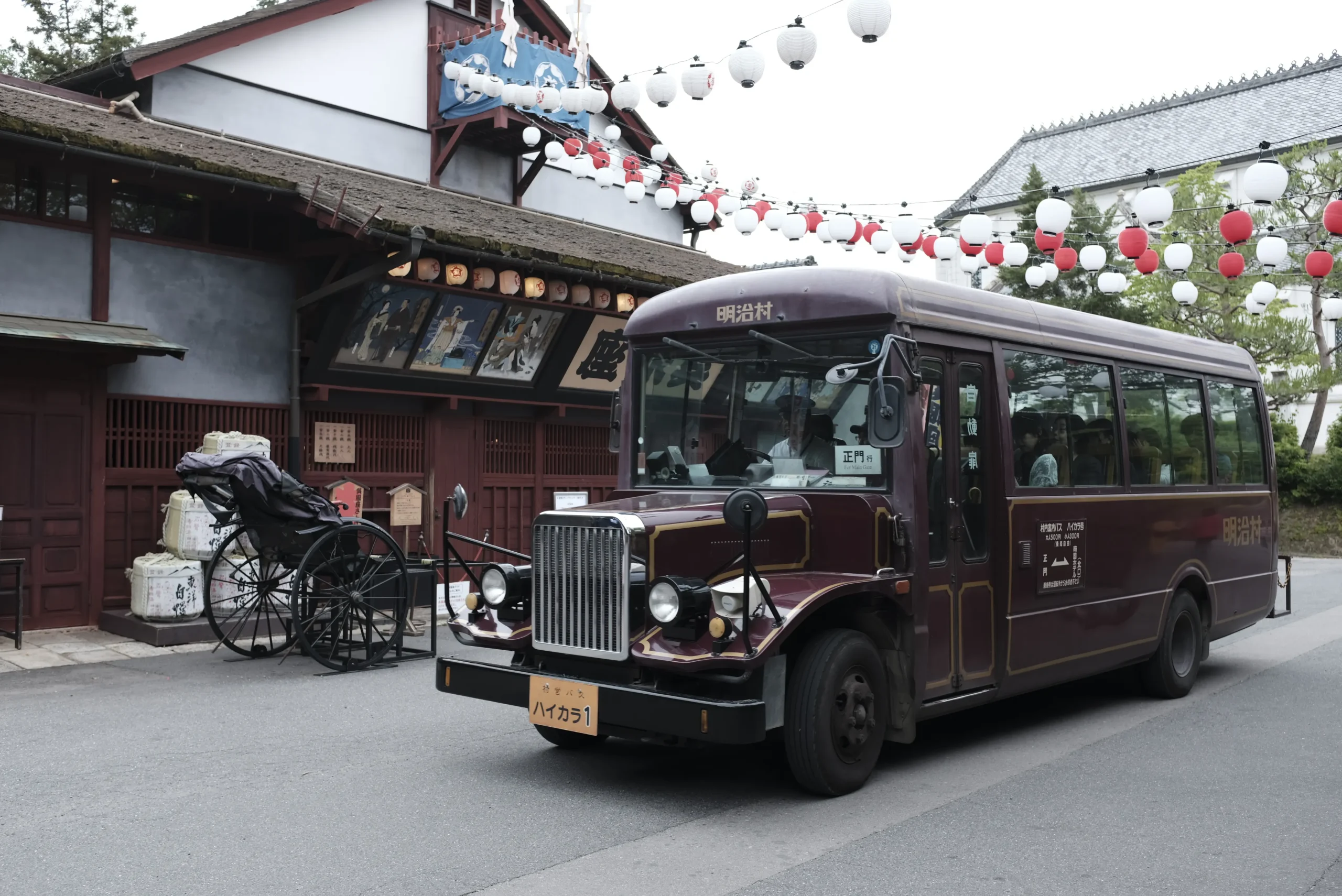
Museum Meiji-Mura suits travellers interested in architecture, preservation, and Japan’s modernisation during the Meiji era (1868–1912).
An open-air museum relocates, preserves, and presents historic buildings across an outdoor site. Here, buildings themselves provide evidence of a period of rapid political, industrial, social, and architectural change.
The museum includes schools, churches, public buildings, and the central entrance of Frank Lloyd Wright’s former Imperial Hotel. An English audio guide covers the display buildings. The museum’s value lies in preservation, not nostalgia.
Allow at least half a day and plan for outdoor walking. Slopes, steps, rain, heat, and strong weather can affect how much of the site you can cover. Wear reliable shoes and review operating notices before travelling. In heavy rain or extreme heat, the Plan B table suggests an indoor Nagoya alternative.
Museums That Explain a Region: Hokkaido and Lake Biwa
Some museums matter because they explain the place around them. Hokkaido Museum and Lake Biwa Museum connect landscape, wildlife, history, and livelihoods. They are not simply wet-weather alternatives; they can give a regional journey its context.
Hokkaido Museum
Hokkaido Museum introduces the nature, history, and culture of Hokkaido in one institution. Its exhibitions connect the region’s natural environment with human life, including migration and settlement history. They also present Ainu culture as living and continuing, rather than as a closed historical chapter.
Audio guides are available in Japanese, English, Chinese, Korean, Russian, and Thai. Multilingual explanation boards also appear throughout the main exhibition. Review current seasonal hours and the bus connection from Shin-Sapporo before travelling.
The museum can be a useful indoor choice when rain, snow, or difficult outdoor conditions change a Hokkaido day. In severe weather, transport safety must come first. Confirm JR and bus operations before leaving your accommodation.
Lake Biwa Museum
Lake Biwa Museum is a planned choice for travellers interested in freshwater ecology, environmental history, and regional life in Shiga. Its exhibitions follow the relationship between Lake Biwa and people, moving from the lake to reed beds, rice paddies, rivers, and forests. This connects freshwater wildlife with fisheries, food, and everyday life around the lake.
Freshwater displays add another way to compare habitats and understand why lake conservation involves more than water alone. The museum places wildlife alongside the history and livelihoods of communities around the lake, rather than treating it as a separate attraction.
From Kusatsu Station’s west exit, take the bus from stop 2 towards Lake Biwa Museum; the museum is the last stop. The museum’s English guide explains how to board and pay without speaking Japanese. English visitor information helps you plan the journey, although it does not mean every gallery has the same level of English interpretation.
A Flexible Contemporary-Art Stop in Kanazawa
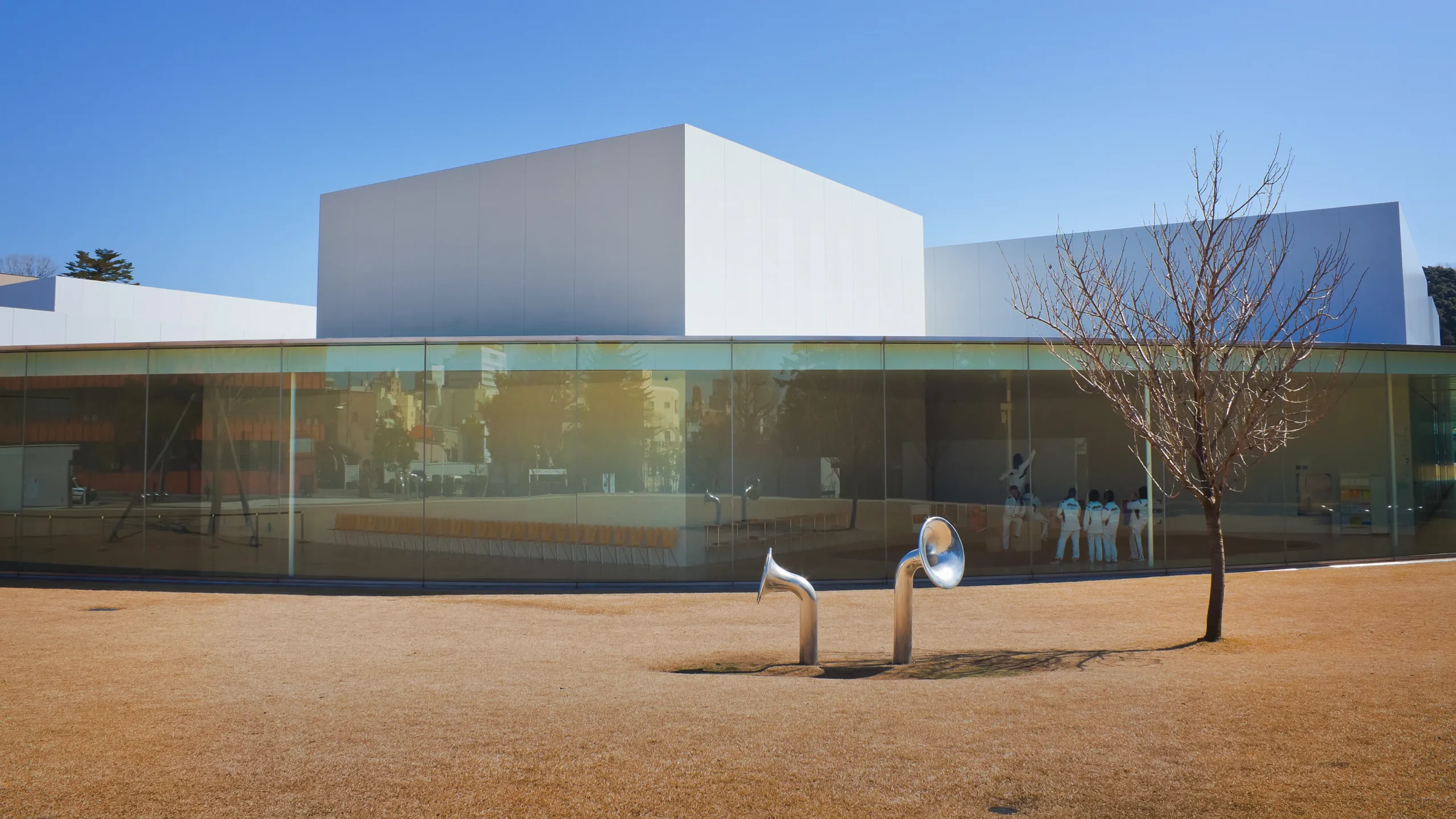
The 21st Century Museum of Contemporary Art, Kanazawa works best when you are already exploring central Kanazawa. It sits near Kenrokuen and other cultural sites, so it can fit into a wider city day rather than taking over the itinerary.
Leandro Erlich’s The Swimming Pool is one recognised work, but it should not be the only reason to visit. To see its underground section, obtain a same-day waiting-list place and an exhibition ticket. The museum currently lists a planned closure of the work from 19 to 30 October 2026 for an exhibition changeover. Review the official page before travelling, particularly if this work matters to you.
If Plans Change: Plan B and Plan C by Route
A changed plan is not necessarily a lesser one. Use current museum, transport, and weather information to choose an alternative that suits the day safely and well.
|
Route / disruption |
Original plan | Plan B | Plan C |
Check before leaving |
| Tokyo: teamLab or Ghibli unavailable | Timed-entry museum | Tokyo National Museum | Edo-Tokyo Museum or another current museum in your district | Tickets, exhibitions, closures |
| Kyoto/Uji: Nintendo application unsuccessful | Nintendo Museum application | Check any later ticket sales; otherwise, Kyoto National Museum | Lake Biwa Museum if travel time and conditions suit | Exhibition calendar, bus access, language information |
| Setouchi: strong wind or ferry disruption | Reserved island route | One reachable island | Indoor cultural route in Okayama or Takamatsu | Ferry status, museum tickets, closure calendar |
| Nagoya: heavy rain or extreme heat | Museum Meiji-Mura | Toyota Commemorative Museum of Industry and Technology | Another current central Nagoya museum | Weather warnings, opening times, transport |
| Hokkaido: outdoor plans become difficult | Hokkaido Museum | A current central Sapporo indoor museum | Indoor venue near accommodation | JR and bus operation, opening hours |
For Hokkaido, transport safety comes before museum substitution. For Setouchi, ferry operation and museum opening require separate confirmation.
Book Ahead, Check Ahead, or Wander Into with Care
Book Ahead: Ghibli Museum, Nintendo Museum, teamLab, Chichu Art Museum, and Teshima Art Museum. Review the official ticket system before confirming hotels, long-distance trains, or ferries.
Check Ahead: Tokyo National Museum, Hiroshima Peace Memorial Museum, Adachi Museum of Art, Museum Meiji-Mura, Hokkaido Museum, Lake Biwa Museum, and the 21st Century Museum of Contemporary Art, Kanazawa. Confirm opening days, gallery changes, final entry, local transport, and weather conditions.
Wander Into with Care: municipal museums, craft museums, local-history museums, and small regional galleries. Flexibility does not mean arriving without preparation. Before leaving your accommodation, confirm official opening hours, ticket conditions, and the language of exhibition information.
Admission costs vary widely. National and regional public museums often charge a modest collection fee, while timed digital-art venues and island museums can cost more and may require online booking. Special exhibitions can use separate tickets. If you plan several museum visits in Tokyo, review the current Tokyo Museum Grutto Pass edition for its price, validity period, and participating facilities.
A Museum Journey with Room to Breathe
The best museum journey is not the one with the highest number of entries. It is the one that secures the few bookings that define a route, gives memorial museums and island travel the time they need, and leaves room for a regional museum chosen according to the actual day.
A meal after an exhibition, a slower walk through a park, or a revised train plan can be part of the design rather than a break from it. ENJYU JAPAN’s Tailor-Made Tour can help shape museum days around confirmed tickets, opening days, regional transfers, and realistic viewing time.
References
- Tokyo National Museum – Discover Japan at the Tokyo National Museum
- Ghibli Museum, Mitaka – Tickets
- Nintendo – From Ticket Reservation to Arrival at the Museum
- Hiroshima Peace Memorial Museum – Hours and Admission
- Benesse Art Site Naoshima – Chichu Art Museum
- Benesse Art Site Naoshima – Teshima Art Museum
- teamLab – teamLab Borderless TOKYO
- teamLab – teamLab Planets TOKYO
- Museum Meiji-Mura – Tickets and Visitor Services
- Hokkaido Museum – Visitor Services
- Lake Biwa Museum – Guide to Buses
- 21st Century Museum of Contemporary Art, Kanazawa – Make Reservations to Experience The Swimming Pool