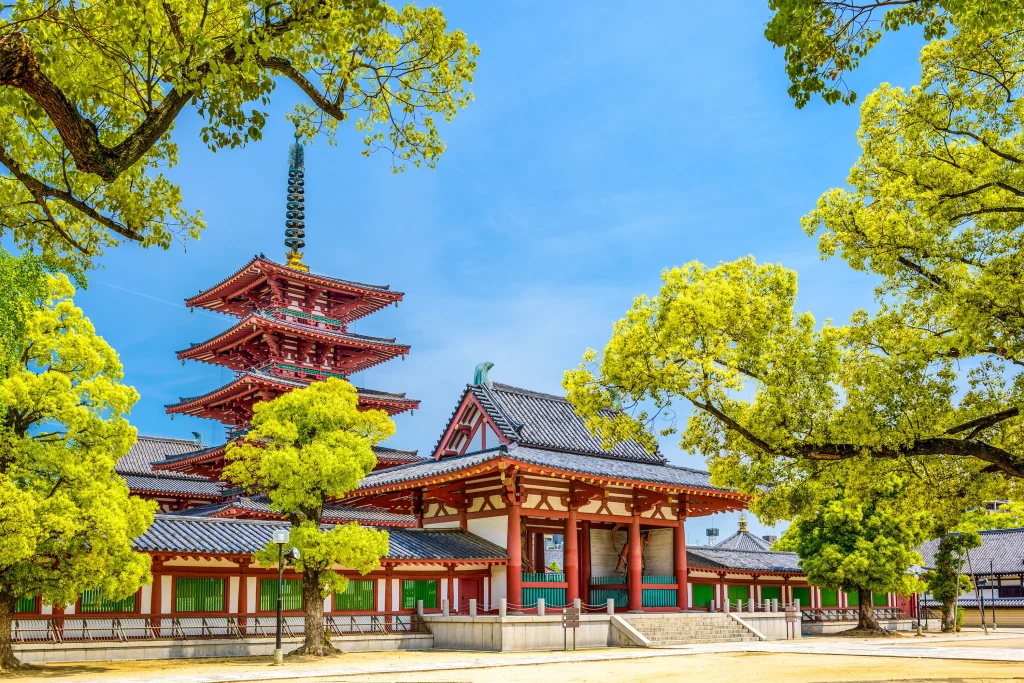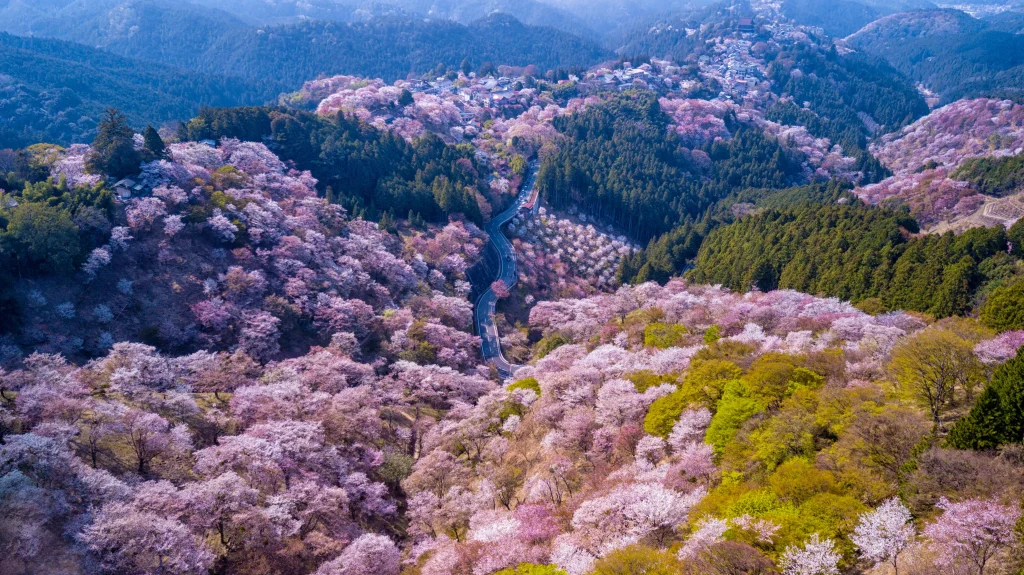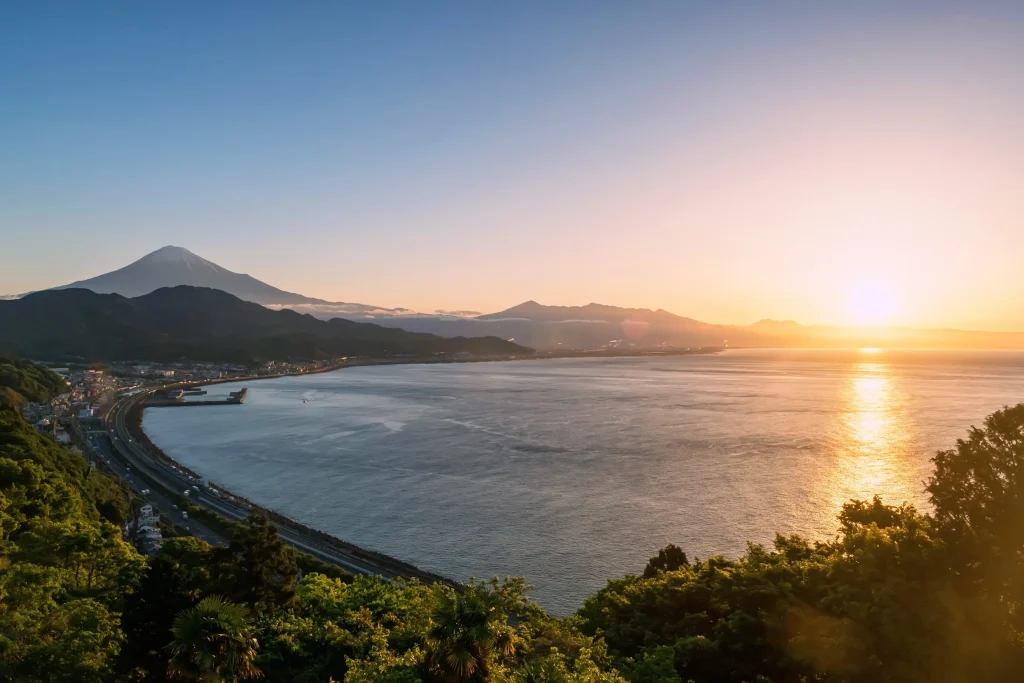
Asakusa’s temple, Shibuya’s crossing, and the Skytree’s observation deck appear on essentially every Tokyo list, and for a first visit, that reputation is earned. For a traveler who has already seen those three, or simply wants a version of Tokyo fewer people are posting about, the city holds a second layer entirely: a primeval forest inside the city limits, a temple that claims to have invented the lucky cat, and a museum built entirely around parasites. This guide covers nine specifically unusual things to see in Tokyo, along with the history behind each one.
A Forest You’re Not Supposed to Find in Central Tokyo
The Institute for Nature Study, a 20-hectare reserve in the Shirokanedai district, preserves a fragment of the Musashino Plain’s original forest, the vegetation that covered this entire region before Tokyo existed as a city. The land’s history explains why it survived at all: it served as a feudal lord’s estate starting in 1664, then as a military gunpowder magazine after the Meiji Restoration in 1868, and finally as an Imperial estate, three consecutive uses that kept developers away for roughly 350 years before it opened as a nature reserve in 1949.
Because the National Museum of Nature and Science, which now manages the site, limits admission to a few hundred visitors at a time, walking its forested trails and turtle-filled ponds feels closer to a quiet countryside reserve than anything ten minutes on foot from Meguro Station. For a traveler who assumes “nature in Tokyo” means a manicured park, the Institute is a specific, correcting example of the opposite.
Todoroki Valley | A Real Valley Hidden in the Suburbs
Todoroki Valley, in Tokyo’s Setagaya Ward, is a genuine river gorge, roughly one kilometer long, cut into the landscape by the Yazawa River, complete with a walking path that drops below street level into bamboo groves and moss-covered rock. Partway along the trail sit yokoana kofun, ancient burial tunnels carved directly into the gorge’s rock walls, dating to the Kofun period (300–538 CE), Japan’s early tomb-building era, making Todoroki one of the few places in Tokyo where a visitor walks past 1,500-year-old graves on an otherwise ordinary neighborhood walk.
At the valley’s midpoint, Todoroki Fudoson, a small Buddhist temple built into the hillside, adds a waterfall and a vermilion bridge to the scene. Because the entire gorge sits a short walk from Todoroki Station on the Tokyu Oimachi Line, in the middle of a conventional residential neighborhood, the contrast between the surrounding suburb and the gorge itself is part of what makes the walk memorable rather than merely scenic.
Gotokuji Temple | The Temple That Invented the Lucky Cat
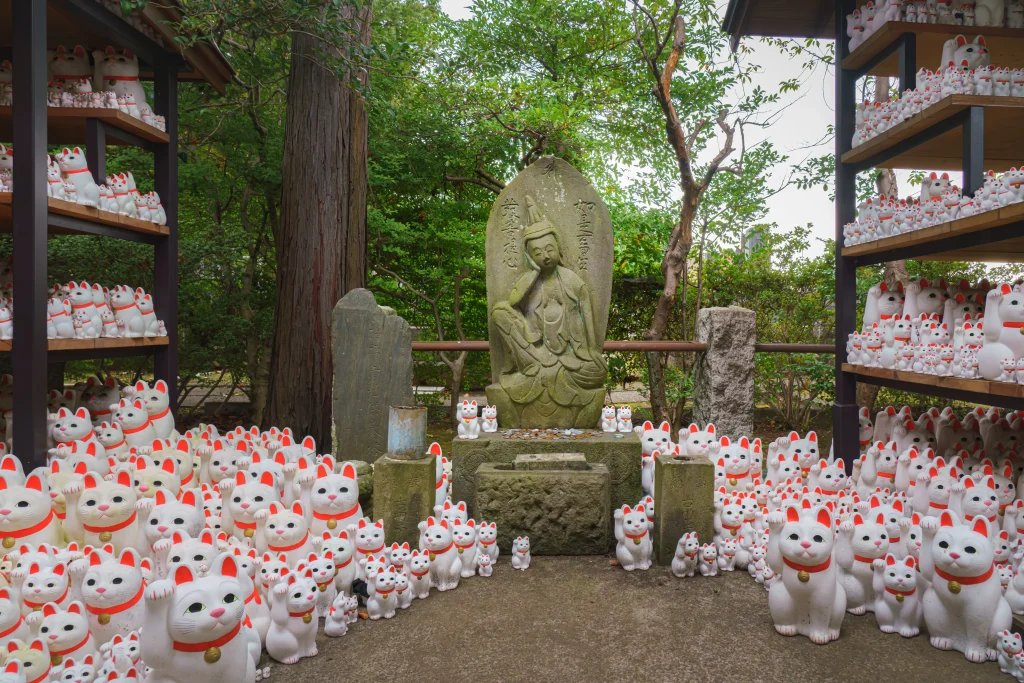
Gotokuji Temple, in Setagaya Ward, is widely credited as the birthplace of the maneki-neko, the beckoning cat figurine now found in shops and restaurants worldwide. According to temple legend, a feudal lord named Ii Naotaka was caught in a sudden thunderstorm in the early 17th century when a temple cat beckoned him inside moments before lightning struck the spot where he had been standing; in gratitude, his powerful clan became the temple’s patron, and the cat was later deified as a symbol of fortune.
Today, shelves throughout the temple grounds hold thousands of white ceramic cat figurines, each specifically right-pawed rather than left, donated by visitors whose wishes were granted. Because new figurines are added continuously, the display looks visibly different from one visit to the next, a detail that separates Gotokuji from a static monument and turns it into something closer to an ongoing, crowd-sourced shrine.
The Meguro Parasitological Museum | A Museum Dedicated Entirely to Parasites
The Meguro Parasitological Museum, founded in 1953 by physician Satoru Kamegai out of concern for parasitic infection in postwar Japan, remains the only museum in the world devoted solely to parasites, and it is free to enter. Its centerpiece, an 8.8-meter tapeworm removed from a patient who had eaten infected fish, hangs alongside a length of rope that lets visitors measure the specimen against their own height, a detail that turns an abstract number into something viscerally understood.
Because the museum’s roughly 300 displayed specimens (drawn from a collection of tens of thousands) are organized with genuine scientific rigor rather than shock value, a visit works as both a memorably strange story to tell afterward and an honest, if unsettling, education in parasitology. Most visitors report the full museum takes under an hour to see, making it an easy addition to a day already built around nearby Meguro or Nakameguro.
A 12-Meter Godzilla Head Watching Over Shinjuku
Since 2015, an enormous Godzilla head, roughly 12 meters tall, has loomed over the eighth floor of the Hotel Gracery Shinjuku, positioned to mark the site’s history as the former home of Toho Studios, the production company behind the original 1954 Godzilla film. The head is visible for free from the street below, but hotel guests and visitors to the attached Godzilla-themed rooms and terrace can get considerably closer, standing at eye level with a monster typically seen only from a cinema seat.
Because the head sits directly above Kabukicho, Tokyo’s largest entertainment district, it functions as an unmissable, self-explaining landmark for navigating the neighborhood after dark, a rare case of a piece of pop-culture history doubling as practical wayfinding.
Nakano Broadway | Five Floors of Subculture Most Tourists Never Find
Nakano Broadway, a shopping complex a short walk from Nakano Station, functions as Akihabara’s less-photographed sibling: five floors packed with shops selling vintage manga, rare action figures, retro video games, and idol merchandise, run largely by independent dealers rather than large chains. Because it sits one Chuo Line stop pattern away from the crowds that dominate Akihabara, the atmosphere favors serious collectors browsing at their own pace over the tour-group energy found closer to central Tokyo.
For a traveler who has already walked through Akihabara and found it more crowded than curious, Nakano Broadway offers a version of the same subculture with room to actually look closely at what is for sale.
Golden Gai | A Neighborhood Built for Drinking in Booths the Size of Closets
Golden Gai, a small grid of alleys in Shinjuku, packs roughly 200 tiny bars into a footprint of just a few narrow streets, many seating no more than five or six people at once. Built on the site of a black market that operated after World War II, the area retains its original scale rather than being redeveloped, meaning entering nearly any bar means sitting close enough to strike up a conversation with the owner or the stranger next to you almost by default.
Because most bars charge a modest seating fee on top of drinks and many are genuinely wary of large tourist groups, visiting respectfully in pairs or alone, rather than as a crowd, is both good etiquette and the only way to actually experience the intimacy that makes Golden Gai distinct from an ordinary bar street.
Kagurazaka | The Geisha District Tokyo Forgot to Modernize
Kagurazaka, in Shinjuku Ward, was one of Tokyo’s principal geisha districts through the early 20th century, and its steep, stone-paved backstreets still curve at angles that predate the grid layout common elsewhere in the city. A wave of French residents and businesses settling in the neighborhood from the 1990s onward added an unlikely second layer, French bakeries and bistros now sit beside traditional ryotei restaurants down the same narrow lanes, a combination locals sometimes call “Little Paris” without much irony.
A handful of working geisha still perform in Kagurazaka’s remaining ryotei today, continuing a tradition most visitors assume survives only in Kyoto’s Gion district. Because the neighborhood’s layout has never been fully rationalized into straight streets, simply walking without a fixed destination, letting the alleys curve where they will, remains the most reliable way to experience what makes Kagurazaka distinct from the rest of Shinjuku Ward.
Yanaka | An Old Tokyo That the Bombs Never Reached
Yanaka, along with the neighboring districts of Nezu and Sendagi collectively known as Yanesen, is one of the few parts of central Tokyo that survived both the 1923 Great Kanto Earthquake and the firebombing of World War II largely intact, leaving a rare stretch of low-rise, prewar streetscape still standing in a city that rebuilt almost everything else from scratch. Yanaka Ginza, the district’s main shopping street, retains the scale and shopfronts of a mid-20th-century neighborhood market rather than a redeveloped tourist arcade, and Yanaka Cemetery, one of Tokyo’s oldest, doubles as an unplanned cherry-blossom viewing spot each spring.
The neighborhood has also become known, somewhat by accident, as one of Tokyo’s most cat-populated districts, with resident cats wandering shopfronts and alleys freely enough that local shops sell cat-themed souvenirs specifically referencing the area’s informal mascots. For a traveler whose image of “old Tokyo” comes entirely from temple complexes and museum reconstructions, Yanesen offers the rarer experience of an old neighborhood that was never rebuilt to look old, because it never needed to be.
Closing the Loop: Why These Places Reward a Second Trip to Tokyo
None of the nine places above appear on a typical 48-hour Tokyo itinerary, and that omission is precisely the point: each one rewards a traveler who has already covered the standard list and is now looking for the version of Tokyo that requires knowing where to look rather than simply following signage to the nearest famous landmark. A forest surviving three centuries of alternate uses, a temple’s cat legend still growing one figurine at a time, and a neighborhood that escaped a citywide rebuilding entirely by accident all share the same quality: a specific, traceable story behind them, not just a photogenic surface.
Pick two or three from this list that fit the neighborhoods you’re already planning to visit, and you’ll leave Tokyo with the kind of stories that a photo of Shibuya Crossing alone can’t tell.