Osaka sits at the center of the Kansai region’s rail network, close enough to Kyoto, Nara, Kobe, and Himeji that all four are reachable in under an hour by train. That geography changes how a Japan itinerary should be planned: rather than moving hotels every one or two nights to chase each city, a traveler can base entirely in Osaka and reach most of the region’s major sights as day trips. This guide covers where to go, how long each destination actually takes, and whether a longer trip to Hiroshima is realistic from an Osaka base.
Is Osaka Worth Visiting, and How Many Days Do You Need There?
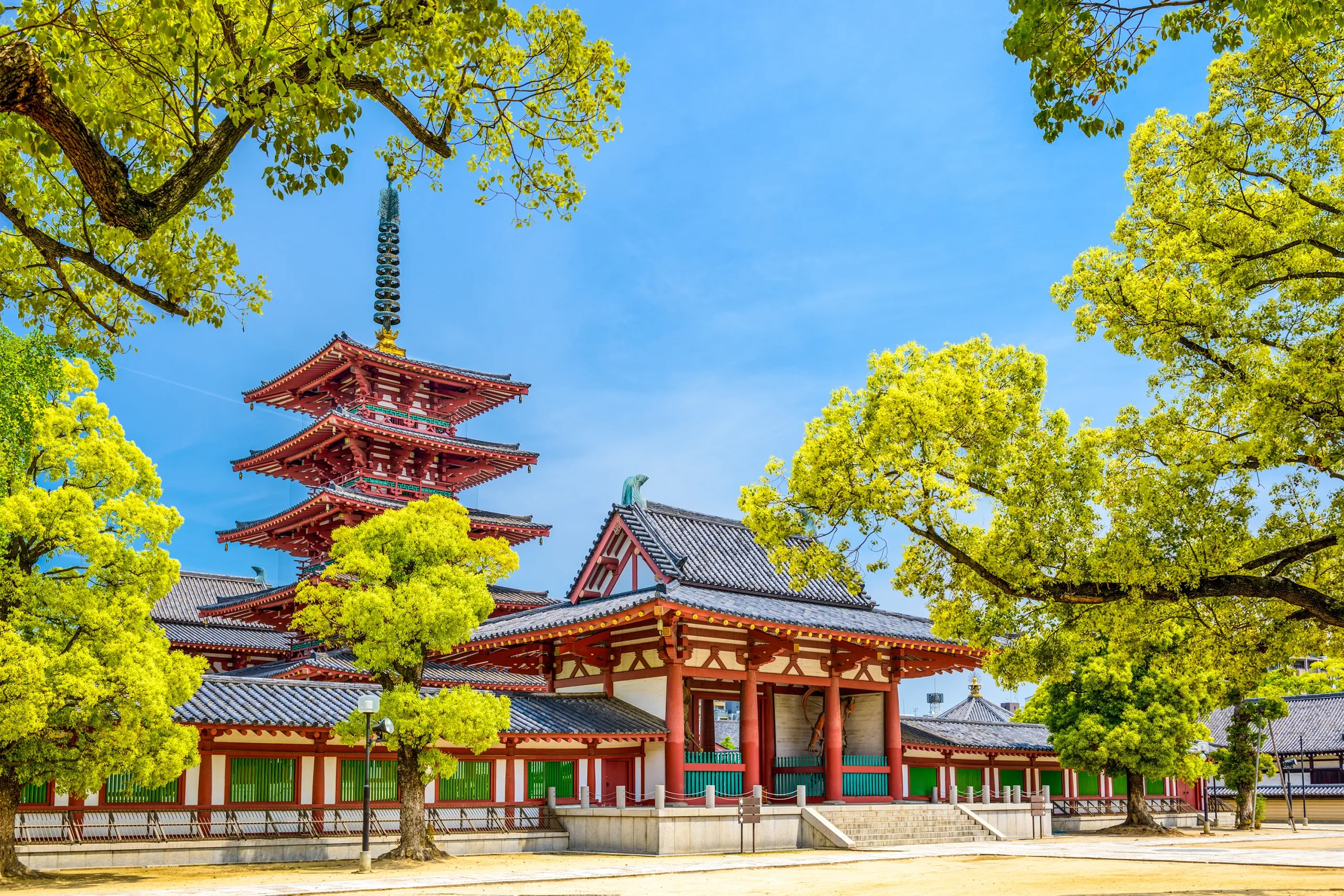
Yes, but not for as long as many first-time visitors assume. Osaka’s core sights, Osaka Castle, the Dotonbori canal district, and the food culture that earned the city its nickname as Japan’s kitchen, are comfortably covered in one to two full days. Where Osaka earns its place in a longer itinerary is not as a multi-day destination in its own right, but as a base: its central position in the Kansai rail network puts Kyoto, Nara, Kobe, and Himeji all within a single train ride, each short enough to visit and return the same evening.
This is precisely why relocating hotels every night or two to chase each city individually is usually unnecessary. Staying in Osaka for three to five nights and day-tripping outward covers the same ground as a moving itinerary, without the time cost of packing, checking out, and re-establishing a base in a new city every other day.
Kyoto: Japan’s Former Capital, 15 Minutes Away
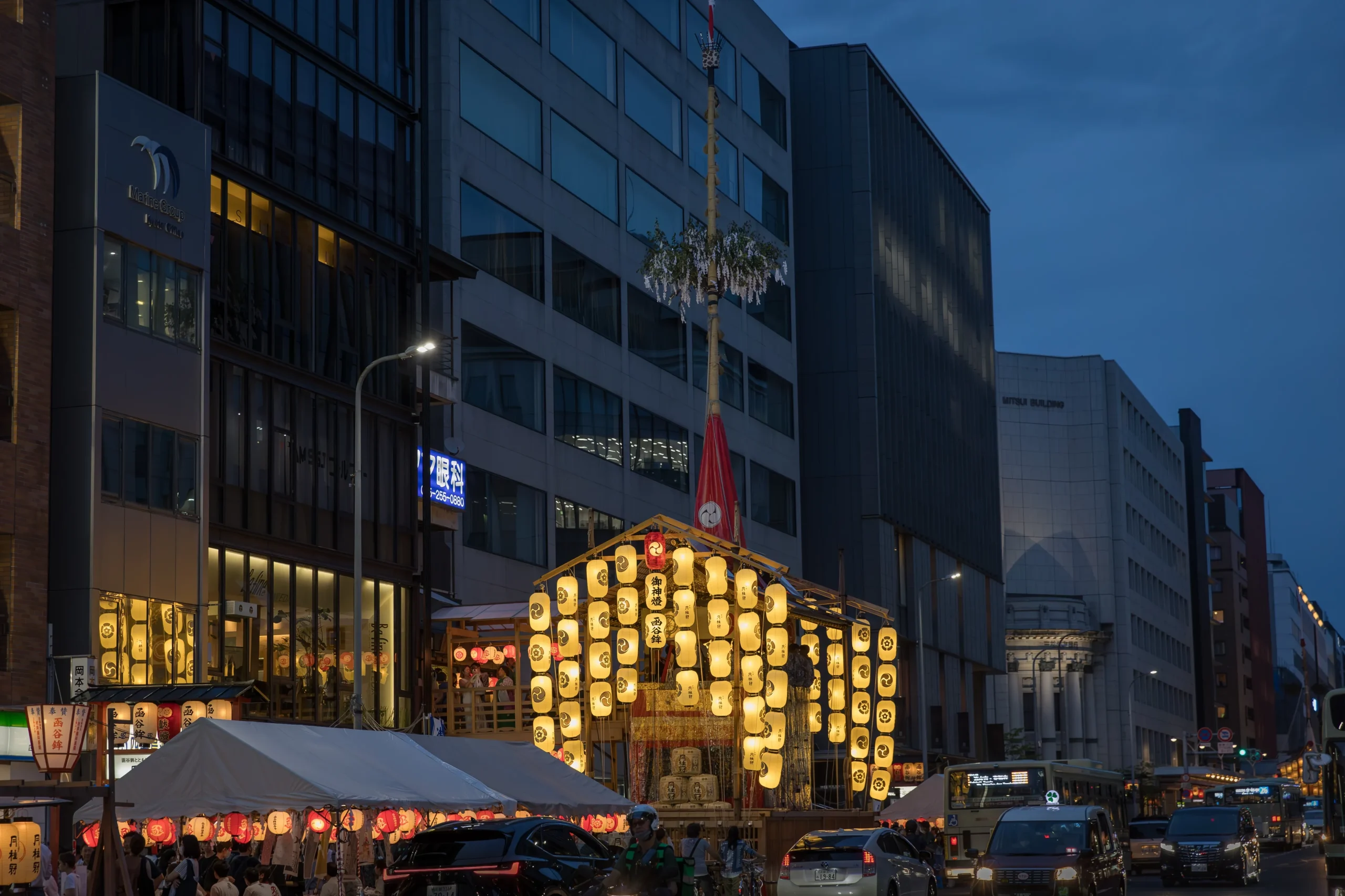
Kyoto is the fastest and easiest day trip on this list, reachable from Shin-Osaka Station in about 15 minutes by Shinkansen or in roughly 28 to 30 minutes by the JR Special Rapid Service or Hankyu Limited Express, both considerably cheaper than the bullet train for a trip this short. As Japan’s imperial capital for over a thousand years, from 794 until 1868, Kyoto holds a concentration of temples, shrines, and preserved historic districts unmatched elsewhere in the country, including Fushimi Inari Shrine’s thousands of vermilion torii gates and the Arashiyama bamboo grove.
Because Kyoto genuinely contains enough sights to fill several full days on its own, a single day trip from Osaka necessarily means choosing a focused area, such as eastern Kyoto’s Gion and Kiyomizu-dera, or western Kyoto’s Arashiyama, rather than attempting the entire city at once. Repeat day trips on different days, all returning to the same Osaka hotel each night, are a genuinely practical way to see Kyoto in sections without the cost or hassle of relocating.
Nara: Ancient Temples and Free-Roaming Deer
Nara, Japan’s capital before Kyoto and home to some of the country’s oldest surviving wooden architecture, is reachable from Osaka in about 35 to 50 minutes, either via the JR Yamatoji Line to JR Nara Station or the Kintetsu Nara Line to Kintetsu-Nara Station from Osaka-Namba. The city’s main draw is Nara Park, where over 1,000 sika deer, considered messengers of the gods in local Shinto belief, roam freely among visitors and can be fed Shika Senbei, deer crackers sold by vendors throughout the park, for around 200 yen.
Nara Park also borders Todai-ji Temple, home to a 15-meter bronze Buddha statue cast in the year 752 and housed in what remains one of the largest wooden buildings in the world despite being a reconstruction roughly two-thirds the size of the original. Because Nara’s main sights cluster closely around the park itself, the city works well as a half-day addition paired with a morning or afternoon elsewhere, rather than requiring a full day on its own.
Kobe: The Day Trip Most First-Timers Skip
Kobe, roughly 20 to 30 minutes from Osaka by JR Special Rapid Service, is frequently overlooked by first-time visitors in favor of Nara or Himeji, despite being the closest of the four major day trips geographically. The city’s appeal is different in character from Kyoto or Nara: a harbor city with a genuine international history dating to its 1868 opening as one of Japan’s first treaty ports, still visible in its European-style former foreign residences in the Kitano district and in Kobe beef, the marbled wagyu the city lent its name to internationally.
For travelers who have already spent time in Kyoto’s temples and want a change of pace, Kobe’s harbor views, Nunobiki Herb Gardens ropeway, and relaxed café culture offer a genuinely different day rather than a lesser version of the same experience. Because Kobe sits almost directly between Osaka and Himeji on the same rail line, it also combines naturally with Himeji into a single day for travelers who prefer covering two destinations rather than one.
Himeji: Japan’s Best-Preserved Original Castle
Himeji Castle, roughly 30 minutes from Shin-Osaka by Shinkansen or about an hour by the cheaper JR Special Rapid Service, is widely regarded as Japan’s finest surviving example of original castle architecture, having survived both World War II bombing raids and multiple earthquakes largely intact since its current form was completed in 1609. Its nickname, Hakuro-jo, or “White Egret Castle,” comes from the bright white plaster covering its exterior, said to resemble a white bird taking flight when viewed from a distance.
Unlike many of Japan’s castles, which are concrete reconstructions built after wartime destruction, Himeji’s main keep is the genuine wooden structure, a detail that changes how the visit feels once inside: steep original wooden staircases, design features built specifically to confuse and slow attacking samurai, and centuries-old joinery are all still in place rather than recreated for visitors.
Because Himeji and Kobe sit on the same JR line roughly 30 to 40 minutes apart, combining them into a single day is genuinely practical for travelers who don’t want two separate outings: a morning at Himeji Castle followed by an afternoon and evening in Kobe’s Kitano district and harbor area covers two distinct cities without excessive backtracking. Trains between the two run late enough into the evening that this combined day doesn’t require an unusually early start or a rushed final leg back to Osaka.
Can You Really Do Hiroshima as a Day Trip from Osaka?
Yes, though it is the most demanding day trip on this list and requires an early start to work comfortably. Hiroshima sits roughly 80 to 100 minutes from Shin-Osaka by the fastest Nozomi Shinkansen (not covered by the Japan Rail Pass, which instead covers the slightly slower Hikari or Sakura services), meaning a departure around 7 to 8 a.m. arrives in Hiroshima by mid-morning with a full day ahead. From Hiroshima Station, the Peace Memorial Park and Museum, documenting the atomic bombing of August 6, 1945, and Miyajima Island, reachable by a further 25-minute train to Miyajimaguchi and a 10-minute ferry, are both realistic to cover in the same day.
The genuine constraint is the return trip rather than the outbound journey: because the last convenient Shinkansen back to Osaka has a fixed departure time, and Miyajima’s ferry schedule and tide times affect how the famous floating torii gate actually looks, travelers attempting this combination should plan the return leg first and work backward, rather than losing track of time on the island and missing the last practical train home.
Beyond the Big Four: Uji and Koyasan for a Different Kind of Day
For travelers who have already covered Kyoto, Nara, Kobe, and Himeji, or simply want a quieter alternative to the four most-searched destinations, two further options reward the extra planning. Uji, a short additional ride beyond central Kyoto, is Japan’s historic center of matcha production and home to Byodoin Temple, whose Phoenix Hall appears on the back of the 10-yen coin, offering a slower, tea-focused day that rarely appears on standard itineraries. Koyasan, reached via a roughly two-hour combination of Nankai train and cable car, is a mountaintop temple town founded in 816 as the headquarters of Shingon Buddhism, where travelers can walk through Okunoin, Japan’s largest cemetery, among moss-covered stone lanterns predating the country’s written history by comparison to most Kansai attractions.
Both destinations demand a longer, more deliberate day than Kyoto or Nara, but they answer a specific need for travelers who have already seen Kansai’s headline sights and want something with fewer other visitors doing the same thing.
Read More: Temple Stays in Japan: What to Expect and Where to Stay
Choosing the Right Pass for Your Day Trips
Which rail pass makes sense depends entirely on which combination of day trips a traveler plans to take, since Osaka’s day-trip destinations split across JR lines and private railways that do not share ticketing. Kyoto and Nara are both reachable on an IC card with no advance booking, making a rail pass unnecessary for those two alone; Himeji and Hiroshima, by contrast, involve enough Shinkansen fare that a multi-day JR Pass can pay for itself if both are planned within its validity window. Travelers focused specifically on Kyoto and Nara in the same day may find a Hankyu or Kintetsu regional pass, which bundles those private railway fares together, cheaper than paying for each leg individually.
Working out this math before arriving in Japan, rather than at the ticket counter on the morning of a trip, prevents two common mistakes: paying for a pass you never fully use, and underestimating the fare on a Hiroshima or Himeji day that actually needs one.
Pick two or three of these destinations that match the days you have in Osaka, check the specific train times the night before, and you will cover far more of the Kansai region than staying in one more crowded city ever could.