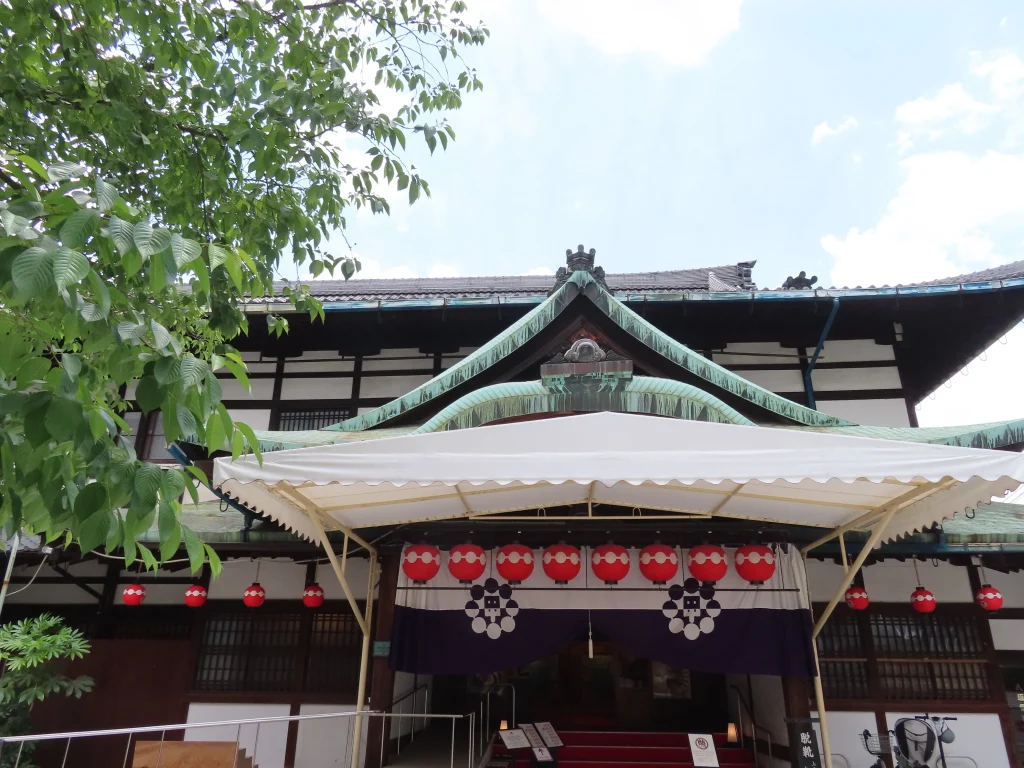
Kameoka is only about 20 minutes from Kyoto by rapid train, yet many visitors know it mainly as the starting point for the Hozugawa River Boat Ride or the far end of the Sagano Romantic Train. Beyond these well-known experiences, there’s an old castle town, temples and shrines, countryside scenery, and a local food culture shaped by the surrounding farmland.
Kameoka isn’t a compact historic village. It’s a working city, with a modern center and attractions spread across the surrounding area. You can enjoy a few hours walking through town, but exploring farther takes a little more planning.
Is Kameoka Worth Visiting? How Much Time Do You Need?
Kameoka is worth considering if you enjoy historic streets, nature, or visiting places that aren’t as busy as central Kyoto. You don’t have to cover a long list of attractions to enjoy a visit, although having more time opens up some interesting possibilities.
| Visit style | Allow | Best for |
| Half-day | 3–4 hours | Castle-town walk and a leisurely meal |
| Full day | 6–8 hours | The town plus one countryside attraction |
| Overnight | One night | Yunohana Onsen and exploring farther afield |
These times are approximate. If you’re planning to combine the scenic train and river boat, allow extra time for transfers, ticket collection, and waiting between departures.
Best Things to Do in Kameoka
Walk Through Kameoka’s Old Castle Town
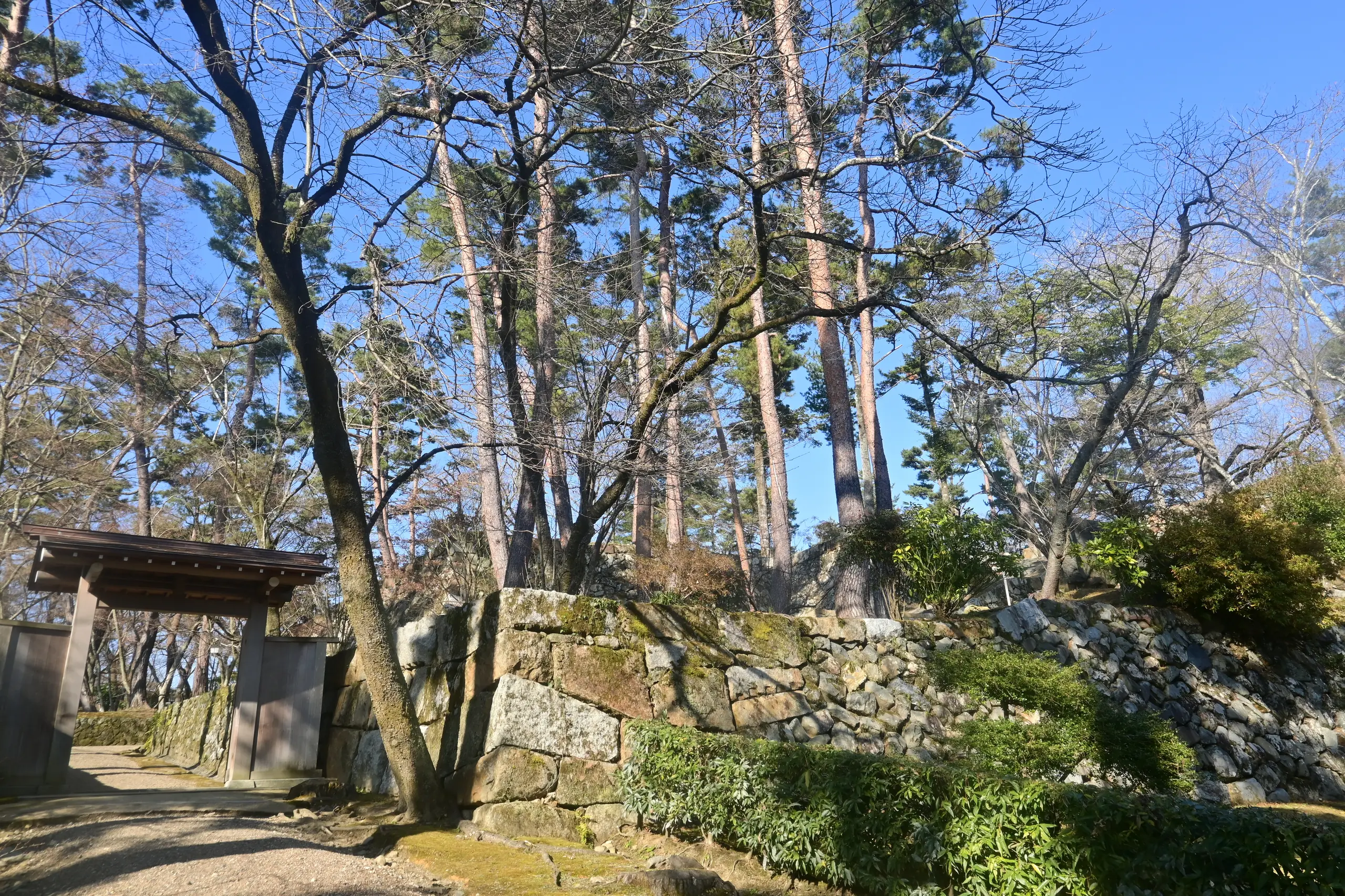
Start at Nango Park, a short walk from JR Kameoka Station. Its pond follows part of the former moat of Tamba Kameyama Castle, built under the samurai commander Akechi Mitsuhide in the late 16th century.
From here, you can walk toward Honmachi and the surrounding old castle-town streets. You’ll find older townhouses and shrines among more recent buildings, shops, and homes. This isn’t a preserved historic district, but there are traces of the town’s past as you walk around.
The castle ruins themselves are within the grounds of Omoto, a religious organization. Some of the stone walls were reconstructed using recovered stones. Admission is currently ¥300, with reception from 9:30 a.m. to 4 p.m. (apply by 3:30 p.m.). Certain sacred areas are off-limits to visitors.
Take the Hozugawa River Boat Ride
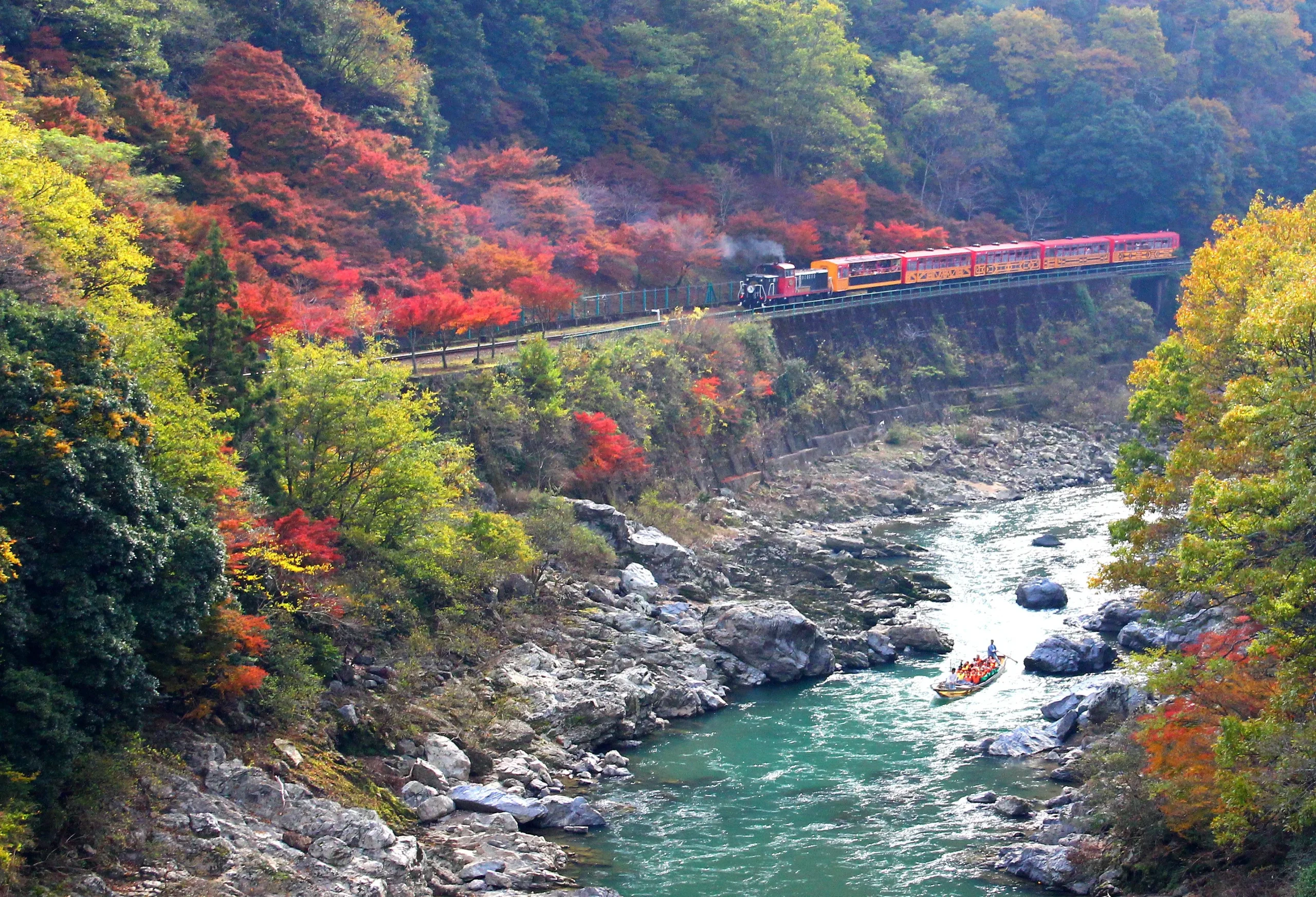
The Hozugawa River Boat Ride is one of Kameoka’s best-known experiences. Boatmen guide traditional-style boats through the gorge, passing wooded slopes, rocky banks, and stretches of moving water.
It’s a different experience from watching the river from the scenic train. You’re much closer to the water, and the journey usually takes around two hours, depending on river conditions.
The boats depart from Kameoka and finish downstream near Arashiyama, so this is a one-way trip. But keep in mind bad weather or high water can affect departures.
If you’d also like to explore Kameoka itself, plan your town visit before boarding the boat.
Enjoy the Sagano Romantic Train
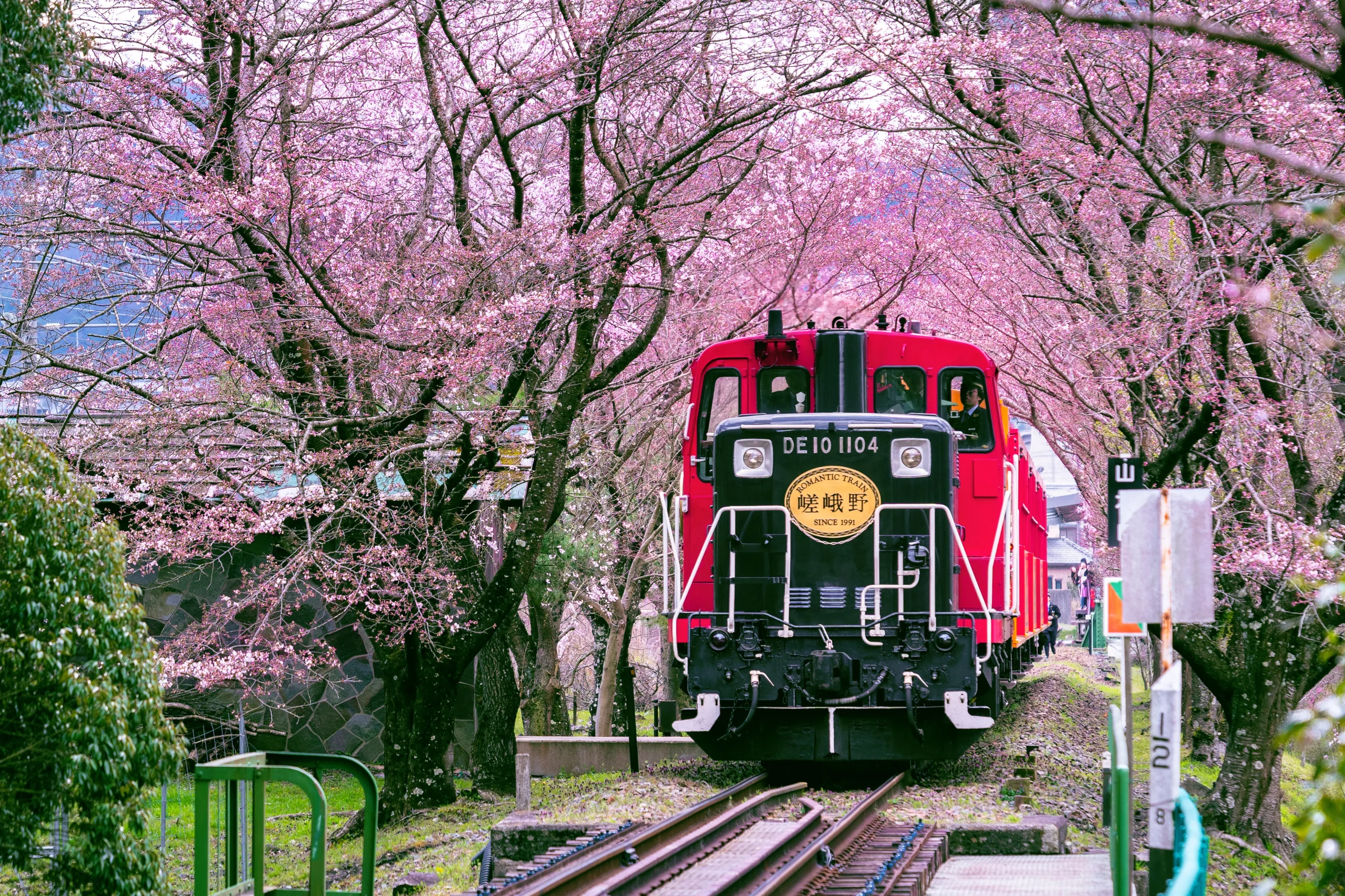
The Sagano Romantic Train follows the Hozu River gorge between Arashiyama and Torokko Kameoka Station. The journey takes roughly 25 minutes, with views of the river and surrounding hills. Spring greenery and autumn foliage are particularly popular.
One thing to remember when planning your trip is that Torokko Kameoka is not JR Kameoka Station. The scenic railway station is about a ten-minute walk from JR Umahori Station.
If you’re combining the train with the Hozugawa River Boat Ride, you’ll also need to reach the boat boarding area. The boat operator provides information about a connecting bus, but allow enough time between the two experiences and check the latest departure arrangements.
For visits in 2027, check the railway’s announcements. The current train cars are scheduled to retire on December 29, 2026, with a replacement train planned for spring 2027.
Read more: Scenic Trains in Japan
Visit Temples, Shrines, and Traditional Gardens
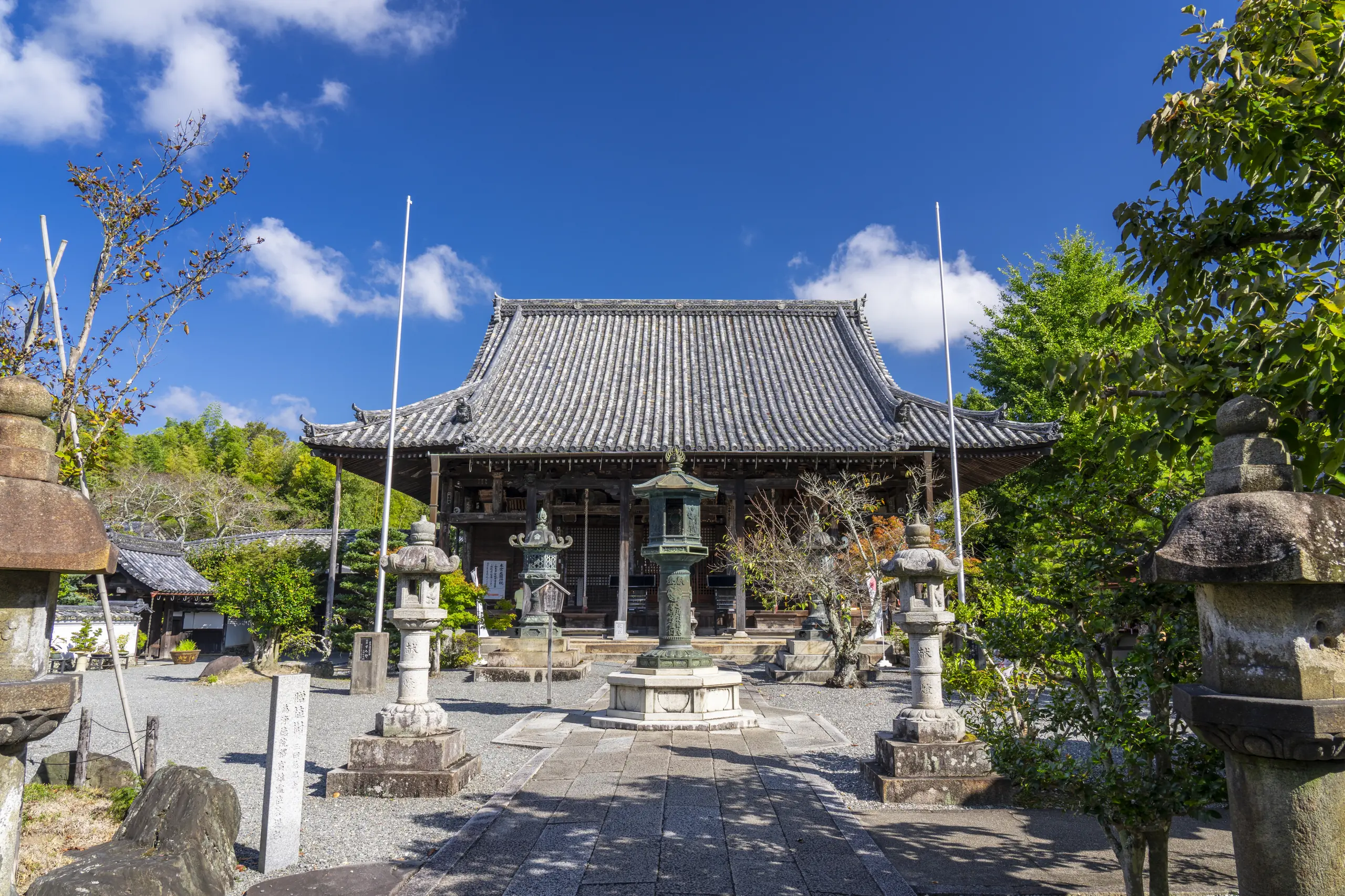
Kameoka has several historic temples and shrines outside the main station area, each offering something different.
Kuwayama Shrine is especially appealing in autumn, when maple leaves turn red and orange around the grounds.
Anao-ji Temple is part of the Saigoku Kannon pilgrimage and has a garden designated as a scenic spot by Kyoto Prefecture. It is also known for a reclining Buddha statue that has long been an object of devotion.
Izumo Dai-jingu has a historic main hall designated as an Important Cultural Property, along with a spring known as Manai no Mizu.
You don’t need to visit all three. Anao-ji may appeal most if you’re interested in gardens, while Kuwayama Shrine is a good choice during the autumn foliage season. As these sites are outside the central walking area, check transport before deciding where to go.
Explore the Countryside by Bicycle or on Foot
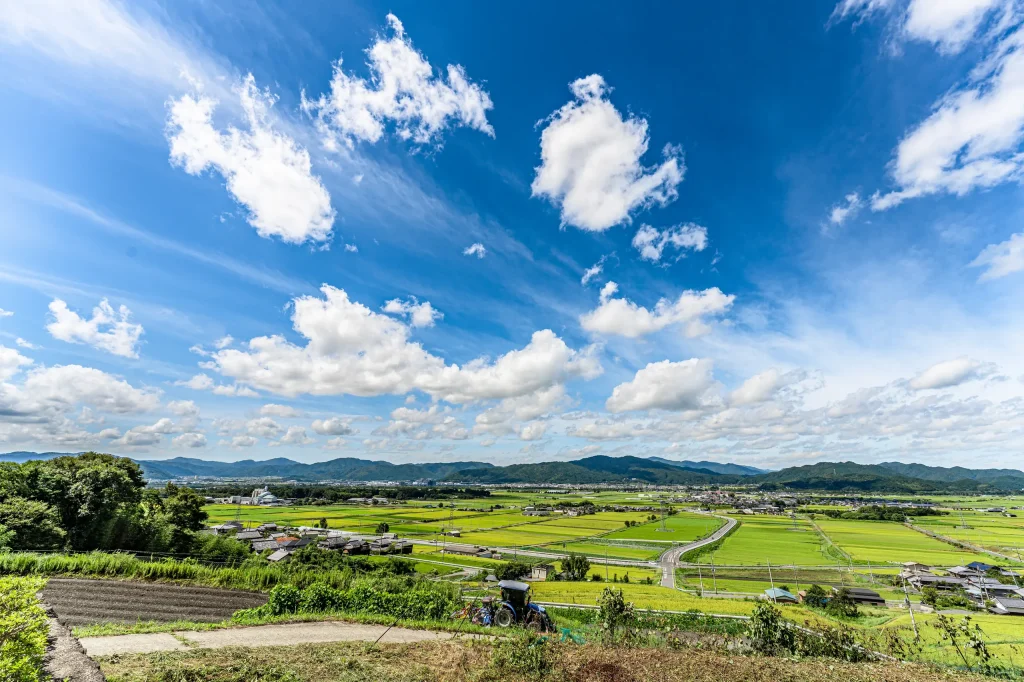
Beyond central Kameoka, the landscape opens into farmland, rivers, and wooded hills. Walking or cycling gives you a chance to explore this part of the area without having to move directly from one sightseeing spot to another.
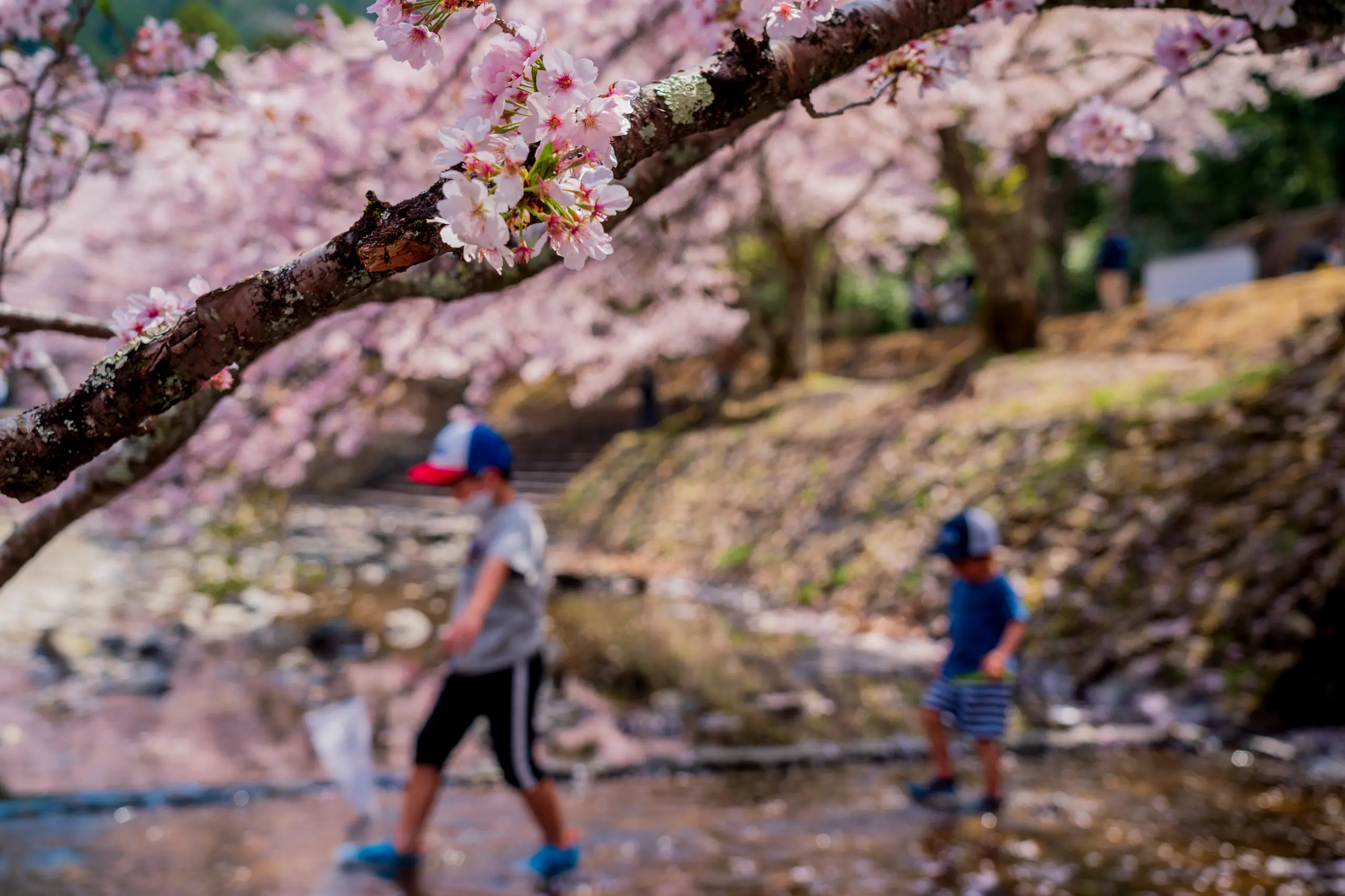
One place worth considering in spring is Nanatani-gawa, where Yawaragi Road runs beside a stretch of cherry trees. The riverside is particularly attractive during blossom season, when you can spend some time walking rather than simply stopping for photographs.
Electric rental bicycles are listed near JR Kameoka and JR Umahori stations. Check availability and the distances involved before setting out, especially if you plan to visit attractions outside the town center.
Sometimes a shorter walk and a longer lunch make a better day.
Look for Kameoka’s Sea of Clouds
From autumn into spring, fog sometimes gathers across the Kameoka Basin in the early morning. When viewed from the surrounding hills, it can resemble a sea of clouds.
Kameoka Fog Terrace is one of the places where visitors can look out over the basin. The tourism association provides a live camera that can help you check conditions before heading there.
Of course, fog depends on the weather, and there’s no guarantee of seeing it on a particular morning.
The viewpoint is also reached by a mountain road, so you’ll need to think about transport. It makes more sense as a planned early-morning outing than a quick stop during a walk around central Kameoka.
Discover Local Food and Crafts
Kameoka’s farmland produces vegetables for Kyoto, including Kamo eggplant and Shogoin turnips. Tamba chestnuts and black soybeans are also associated with the region, especially in autumn.
It’s worth seeing what’s in season when you visit, whether at a local produce shop or on a restaurant menu.
Kameoka also has a tradition of producing natural whetstones used to sharpen kitchen knives and woodworking tools. The Natural Whetstone and Hone Museum at Mori no Station Kameoka introduces this part of the region’s craft history. It’s outside the center, so you’d need to plan a separate visit if you’re interested.
If you’re shopping for local produce or gifts, bring a reusable bag. Kameoka prohibits shops from providing plastic checkout bags, including paid ones.
Relax at Yunohana Onsen
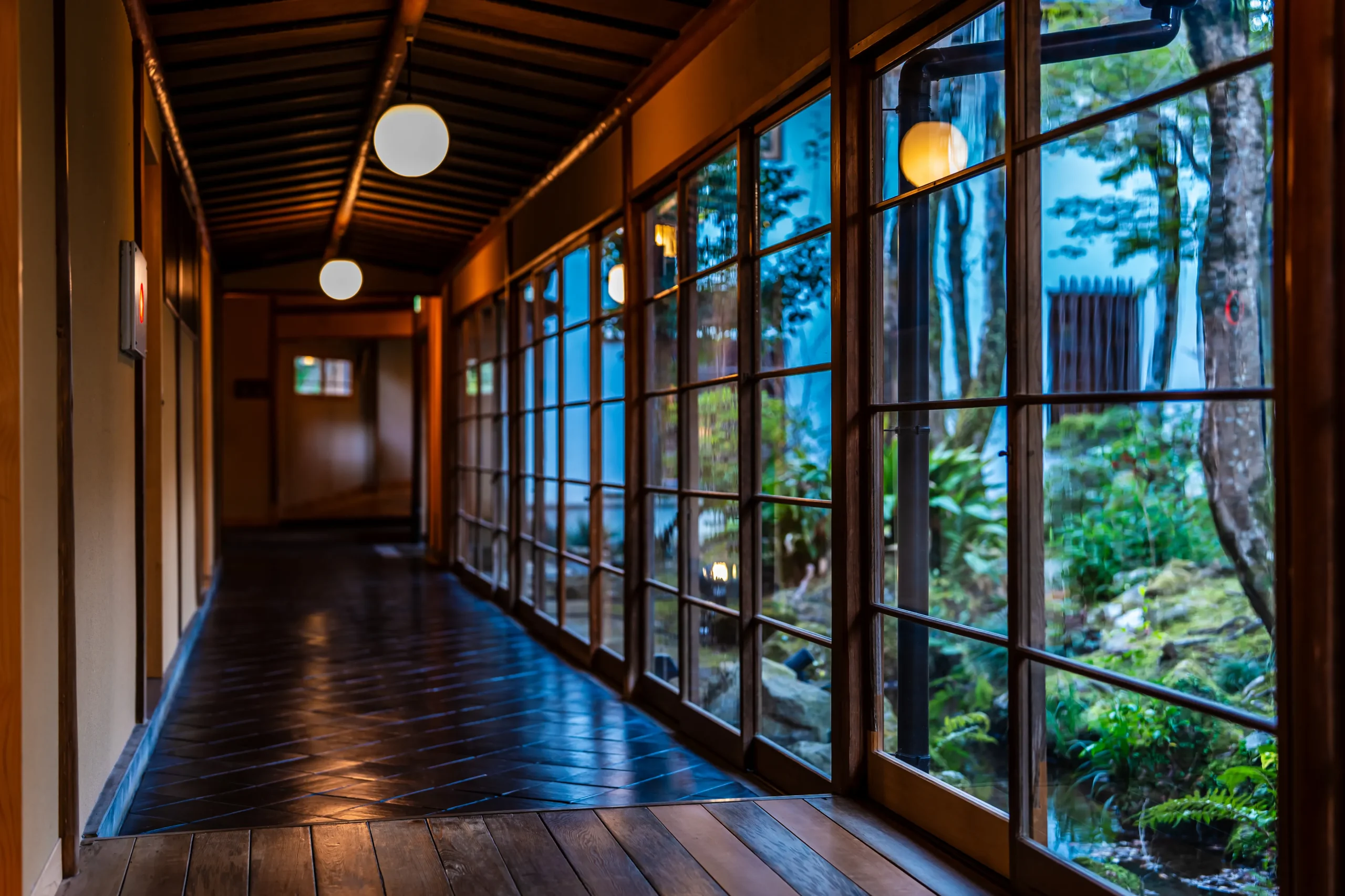
If you’d like to stay overnight, Yunohana Onsen is a hot-spring area in the hills west of central Kameoka.
A night at a ryokan gives you time to enjoy a bath and dinner without having to return to Kyoto the same evening. It can also make sense if you want to explore more of the surrounding countryside the following day.
Yunohana isn’t within walking distance of JR Kameoka Station. Some inns offer transfers for staying guests, but arrangements vary. If you’re considering a day visit just for bathing, check directly with the inn, as not all properties accept walk-in guests.
Best Time to Visit Kameoka
Spring is a good time for cherry blossoms along Nanatani-gawa, while summer brings green hills and river scenery. Bear in mind that summer can be hot and humid, and heavy rain may affect outdoor activities.
Autumn is particularly varied. Kuwayama Shrine is known for its colorful maples, the surrounding hills change with the season, and Kameoka Matsuri takes place in the old castle town in late October. In 2026, the main festival events are scheduled for October 24–25.
Late autumn and winter are associated with the morning fog that sometimes covers the basin. Some attractions also operate differently at this time of year. The scenic train has seasonal closures, while the river boats run on a different winter schedule.
Read more: Kyoto Autumn Foliage
How to Get to Kameoka from Kyoto and Get Around
From Kyoto Station, take the JR Sagano Line, also known as the San’in Line, to JR Kameoka Station. Rapid trains take about 20 minutes, while other services may take a little longer.
You can also reach Kameoka from Saga-Arashiyama by regular JR train.
The station you need depends on what you’re planning to do:
JR Kameoka: Best for exploring the castle town and reaching the Hozugawa River Boat Ride boarding area.
JR Umahori: The regular JR station closest to Torokko Kameoka.
Torokko Kameoka: The scenic railway station, separate from JR Kameoka.
Walking is convenient around the historic center. For more distant temples and countryside attractions, local buses, rental bicycles, or taxis may be necessary. Check the return bus timetable as well as the departure time, since some routes run infrequently.
The tourist information center at JR Kameoka Station is also a useful place to ask about local maps and transport options.
Three Ways to Spend Your Time in Kameoka
A relaxed half-day
Arrive at JR Kameoka Station, walk around Nango Park, and explore some of the old castle-town streets. Have lunch in town before returning to Kyoto or continuing your journey.
This is a straightforward choice if you don’t have a car or simply want a change from the busier sightseeing areas of Kyoto.
A fuller day
Spend the morning around the historic center, then choose one additional place, such as a temple, shrine, or riverside walking route. The best combination depends on the season and how you plan to get around.
Alternatively, make the Sagano Romantic Train and Hozugawa River Boat Ride the main experiences of the day. Both are enjoyable, but fitting several distant attractions around them could leave you with little time to explore Kameoka.
An overnight stay
Explore during the day, then travel to Yunohana Onsen for an evening at a ryokan.
The following morning, you could consider a visit to the fog viewpoint if the weather and transport arrangements work out, or continue sightseeing before returning to Kyoto.
Is Kameoka Worth More Than a Quick Stop?
Kameoka won’t suit every traveler. If you’re looking for a compact historic district where famous attractions are all a short walk apart, other parts of Kyoto may be more convenient.
But if you enjoy old town streets, rivers, and seasonal scenery, there’s plenty to see beyond the scenic train and river boat. You could spend a full day in Kameoka, or stay overnight at Yunohana Onsen.
If you’d like to explore Kameoka’s temples and countryside as well as the old town, getting around without a car can be tricky. ENJYU JAPAN can help you plan a Tailor-Made Tour and work out the transport between the places you want to visit.