Japan in August is hot and humid, and that summer climate shapes everything. From what you hear, what you eat, and why so much culture happens after the sun has set.
This guide covers Japan’s August weather, things to do, and how to plan for a unique trip only to be experienced in Japan in August.
What Makes Japan in August Special
The main image of Japan in August is the summer heat. Cities feel steamy by late morning, and the sun can be relentless. Treating August like any other season is how people end up cranky, dehydrated, and tired.
But the heat also gives August its personality. Cicadas roar in parks and shrine grounds, like a living soundtrack. You can see people wear light clothes and their rhythm is different compared to other seasons. They start their days early outside, have a midday retreat into air-conditioned spaces, then a second time outside once the sun has set. You can feel the whole country become a little more active at night.
Food is part of the adaptation. Cold noodles are everywhere because they make sense in the heat, and kakigori (shaved ice) is the quickest way to reset your mood. Late-summer fruit like grapes and figs tastes especially good when you want something sweet that still feels light. Add yukata (casual summer kimono) and lantern-lit streets, and August stops being just “hot.” It becomes a season with its own style.
August in Japan can be highly rewarding, provided that you plan and prepare to work with its unique rhythm rather than against it.
Culture & Peace: Festivals, Fireworks, Hiroshima
If you search “things to do in Japan in August,” you’ll find endless lists of festivals, events and other things to do. More significant than the weather is the social shift during this season. In August, public areas transform into shared, communal spaces.
Matsuri (community festivals) often peak in the evening. Lanterns switch on, parks turn into gathering places, and the heat becomes something everyone carries together. Hanabi (fireworks) fits the same logic: a summer night release, and often a display of craftsmanship as much as spectacle.
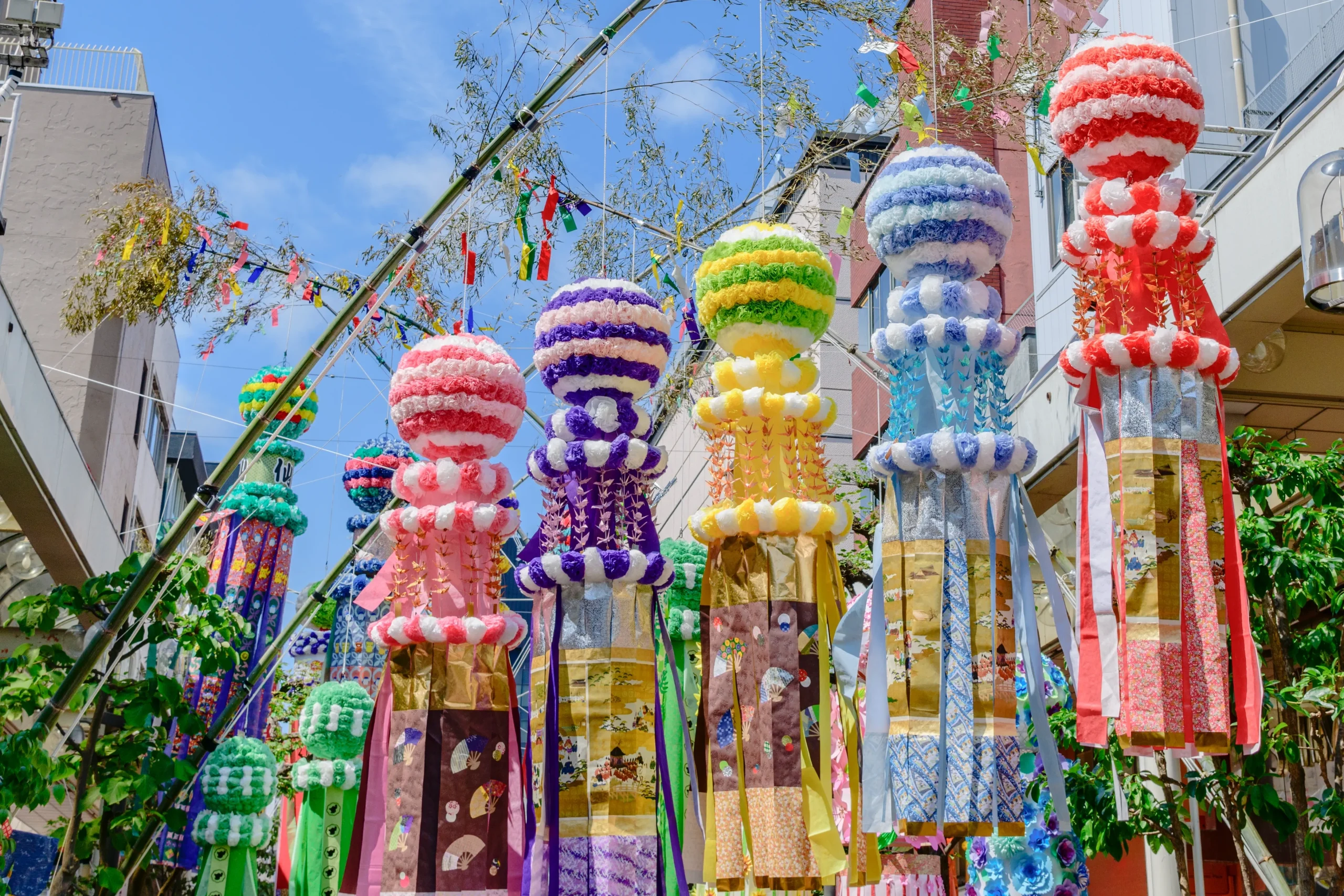
Aomori’s Nebuta Festival (typically Aug 2 to 7) sends huge illuminated floats through the city to drums and flutes. Sendai’s Tanabata Festival (typically Aug 6 to 8) is held one month later than the old lunar calendar timing to keep the seasonal feeling, according to the official explanation. This detail matters because it shows how seriously this season is treated.
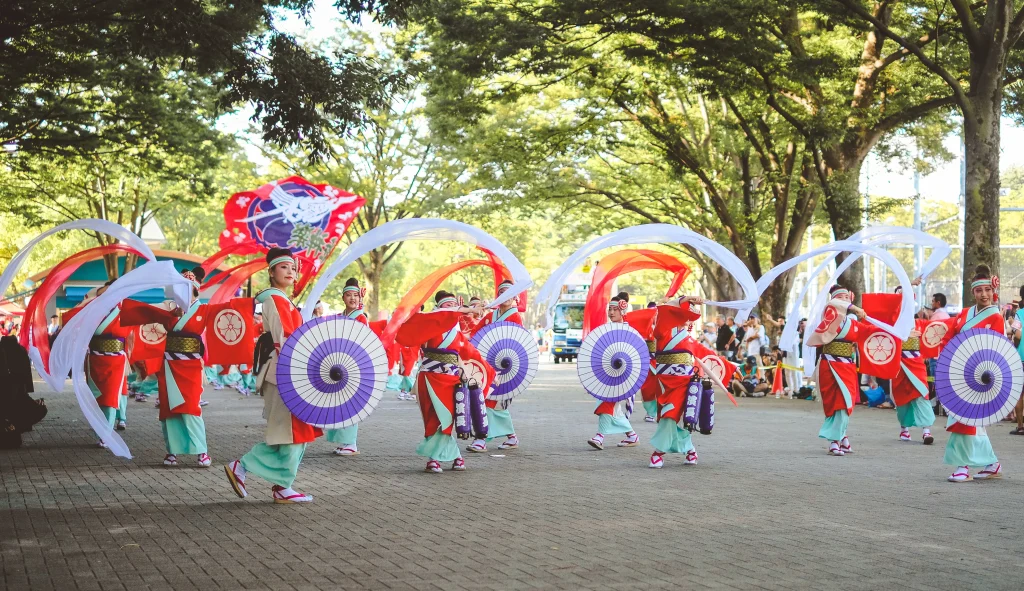
Dance festivals make the rhythm physical. Tokushima’s Awa Odori (typically Aug 12 to 15) turns streets into dance lanes, and Kochi’s Yosakoi (typically Aug 9 to 12) mixes tradition with modern choreography across multiple routes. Even as a visitor, it’s obvious these aren’t staged only for visitors. They’re for the town itself.
Read More: Summer Festivals in Japan: The Spirit of Matsuri
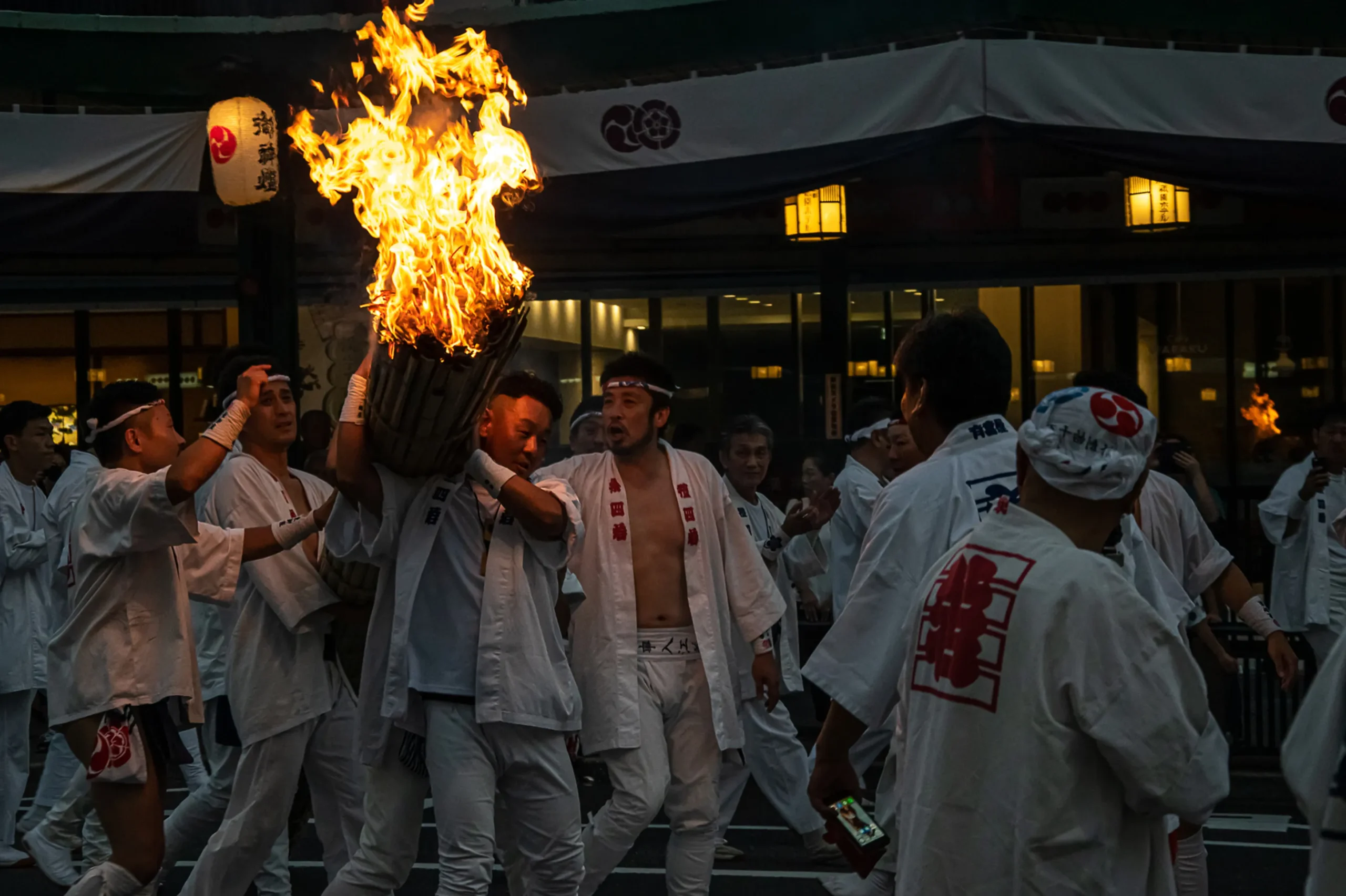
Mid-August also carries a quieter meaning. Kyoto’s Gozan Okuribi on Aug 16 is described as a ritual to send off ancestral spirits at the end of Obon (a period of honoring ancestors), with five bonfires registered as intangible folk cultural properties of Kyoto City. It’s beautiful, but it’s also reflective.
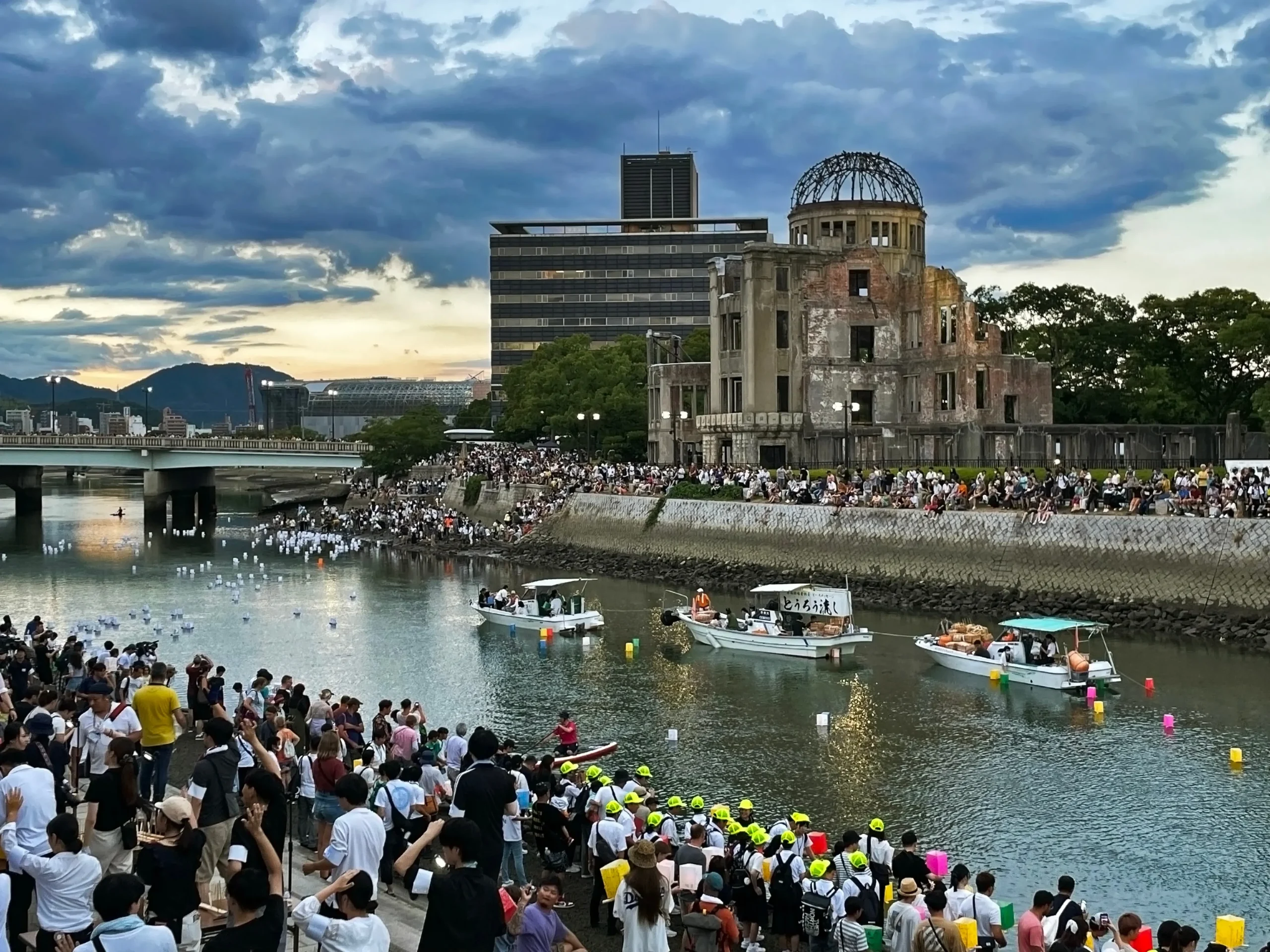
And then there are the dates that sit heavily in Japan’s modern history. Hiroshima’s Peace Memorial Ceremony on Aug 6 includes a minute of silent prayer at 8:15 a.m., the time the atomic bomb was dropped. Nagasaki’s memorial events are held on Aug 9. Aug 15, the date Japan marks as the end of the Second World War, brings remembrance as well. Visiting these sites in August can be especially powerful because you feel the season with your body, then step into a museum to understand what people endured in 1945, and how much was rebuilt after that period.
August also has small pleasures, like a cold drink on a humid night. After a festival walk, an ice-cold Japanese beer, in an izakaya (Japanese pub) or outside, can feel like the best argument for taking August slowly.
Cool Geography: Find Comfort by Going North, Going Higher, and Following Water
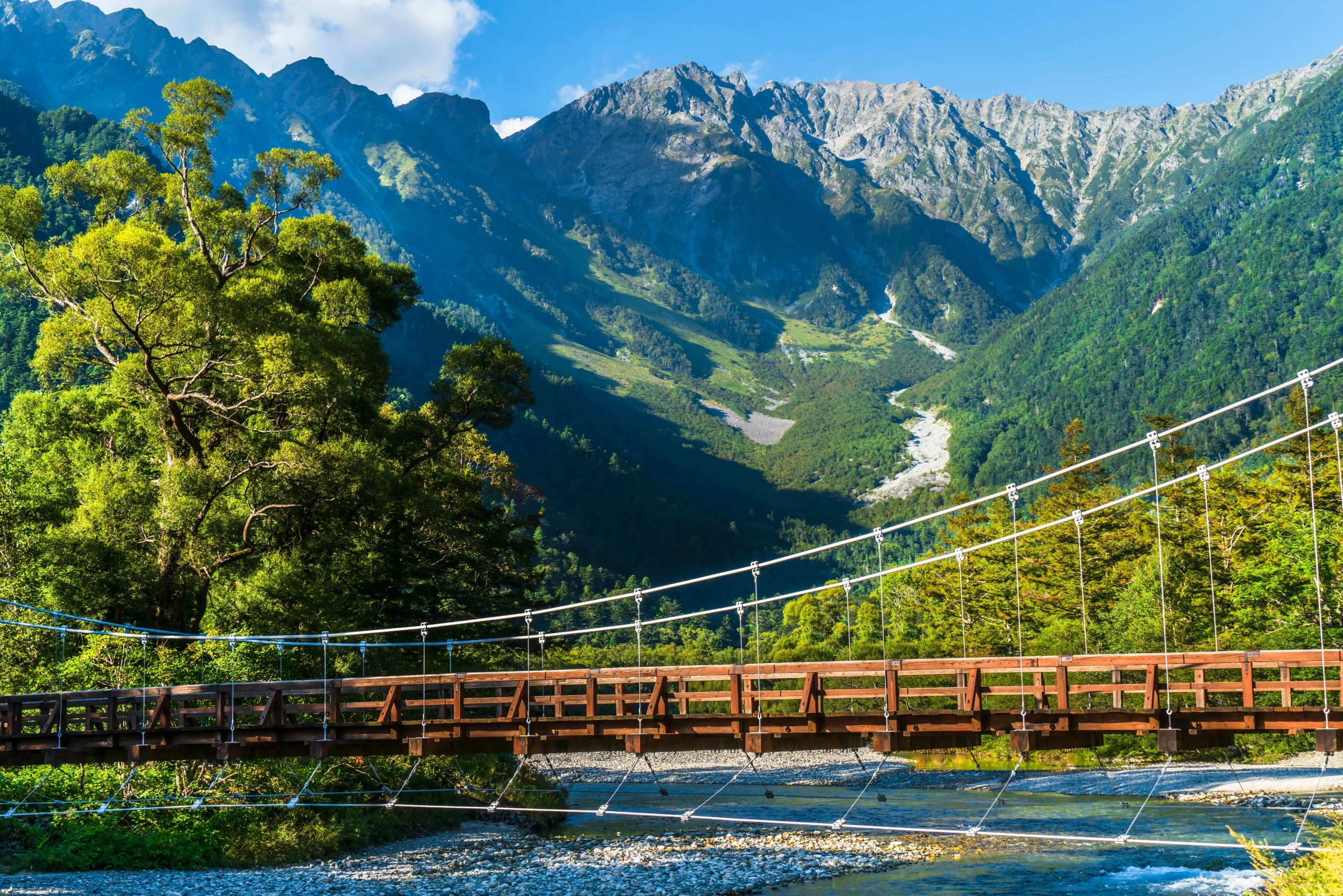
When people ask for the coolest parts of Japan in August, the answer is rarely one place. It’s a planning move: insert comfort on purpose. Three levers work again and again. Go north, go higher, or follow water.
Elevation is the easiest to feel. Kamikochi sits around 1,500 meters above sea level, and summer temperatures can be 5 to 10°C cooler than nearby Matsumoto. One day like that can reset your energy for the rest of the week.
Water is the flexible option, especially near cities. A shaded riverside path with moving air can feel dramatically gentler than a sunlit street. Mountain valleys close to rivers are classic summer escapes for a reason: shade, cool streams, and air that actually moves.
The goal isn’t to run away from heat for the whole trip. It’s to build a rhythm: culture days, then a cool recovery day, then culture again, especially at night.
Obon: Japan’s Mid-August Ancestral Traditions and Community Rhythm
Obon is often described as a holiday, but it’s closer to a seasonal worldview. Many families welcome ancestral spirits back home, honor them, then send them off. You’ll hear words like mukaebi (welcoming fires), okuribi (sending-off fires), and bon odori (bon dance). Lanterns and evening dances make ordinary streets feel ceremonial.
Timing varies by region, but the travel impact is consistent: domestic movement increases in mid-August. That’s why transport can feel crowded, and booking reserved seats early becomes more important than usual. The planning takeaway is simple: reduce long transfers during peak days, stay longer in each base, and give yourself at least one “stay put” day as a pressure valve.
If you want a local-feeling Obon moment, look for a bon odori dance in a park or community ground. A useful clue is a raised platform, often a square tower, where musicians or leaders stand while dancers move in a circle around it.
And yes, you can join. Bon odori steps are usually simple. Stand near the outer edge, follow the person in front of you, and keep it gentle. Don’t be shy, but be respectful to the people around you and you will have a great time.
Heat & Rain Reality: Tips for a Heat-Smart Schedule
August heat can be dangerous. Japan uses the WBGT (Wet Bulb Globe Temperature) index, and Heat Stroke Alerts are issued when WBGT is forecast at 33 or higher. In 2025, emergency transports due to heatstroke from May to September totaled 100,510, the highest since the national survey began in 2008.
There is a lot you can do to prevent yourself from getting a heatstroke. The most effective thing is time. Do outdoor sightseeing early, and save evenings for your main walking time. Treat 12 to 3 p.m. as the hardest window on sunny days, and plan indoor culture, transit, or a real rest break there.
Quick tips that actually help:
- Hydrate, and carry some cash in Japanese yen. Vending machines are common even in small towns, and even though you can pay cashless for some, older vending machines are still cash-only.
- Bring shade and cooling goods: a hat or UV umbrella will help a lot. And drugstores and convenience stores sell cooling towels and small wearable fans that make a real difference.
- Choose shade and water. Tree cover and riverside airflow matter more than you would expect.
Rain is the second August variable. Downpours can be sudden, so keep one indoor option near your base that you’ll genuinely enjoy in case it rains.
Buffer-Proof Itinerary: Flex Days and Backup Plans
Japan in late August can also mean weather disruption. Tropical cyclones are more likely to approach in late summer than in winter or early spring, and even when a storm doesn’t hit directly, transport can be affected.
A buffer-proof itinerary is simple. Front-load weather-dependent days, add at least one flex day in the back half, and keep backups close and low-transfer. Flex days aren’t wasted. They’re what make the rest of the plan feel calm.
Final Thoughts: Why Tailor-Made Planning Wins
If you are comparing summer options, Japan’s advantage in August is not mild weather. It is the atmosphere. Festivals, lantern nights, fireworks craftsmanship, and community rituals are concentrated in a way you cannot simply move to another season.
This is also why tailor-made planning matters more in August than in spring or fall. The best trip is not the one that tries to do everything. It is the one that fits your interests, your group’s pace, and the realities of heat, crowds, and weather.
If you want help shaping an August route that fits your interests and comfort level, ENJYU JAPAN can design a Tailor-Made Tour with cooler insertions, festival-friendly timing, and realistic backup plans, supported by local guides across regions. The goal is not to beat the heat. The goal is to meet August on its own terms and come home with stories that could only happen in summer.