Some Japanese whisky distilleries let you see copper stills and old production buildings; others offer museum visits or views of the surrounding countryside. A famous name does not guarantee a tour, though. Some sites require lottery reservations, while others offer a shorter, self-guided visit.
For some travelers, a refreshing highball is their first introduction to Japanese whisky. The classic drink is whisky with soda water, sometimes with citrus; canned and flavored versions may contain sugar or other ingredients. Even if drinking whisky neat isn’t your thing, a distillery can be interesting for its history and machinery.
Which Japanese Whisky Distillery Should You Visit?
| Distillery | Starting point | Booking / experience | English support |
|---|---|---|---|
| Yamazaki | Kyoto / Osaka | Paid tour lottery; museum separately booked | Audio guide; some English sessions |
| Hakushu | Tokyo / Yamanashi | Paid tour lottery; reserved museum | Audio guide |
| Yoichi | Otaru / Sapporo | Free guided tour; unbooked museum access | Japanese guide only |
| Miyagikyo | Sendai | Free booked tour; visitor center open | English materials / translation |
| Fuji-Gotemba | Gotemba / Mt. Fuji area | Paid booked tour; some open areas | Audio guide / subtitles |
| Mars Komagatake | Komagane | Free self-guided; booking preferred when busy | Confirm assistance |
| Kanosuke | Kagoshima | Paid booked tours; tasting varies by course | Dedicated English tours |
Choose the kind of visit first. A museum reservation, a guided production tour, and a tasting session can be three quite different experiences. Booking requirements and languages may change, so check the official visitor page before building a day around any distillery.
Why Visit a Whisky Distillery?
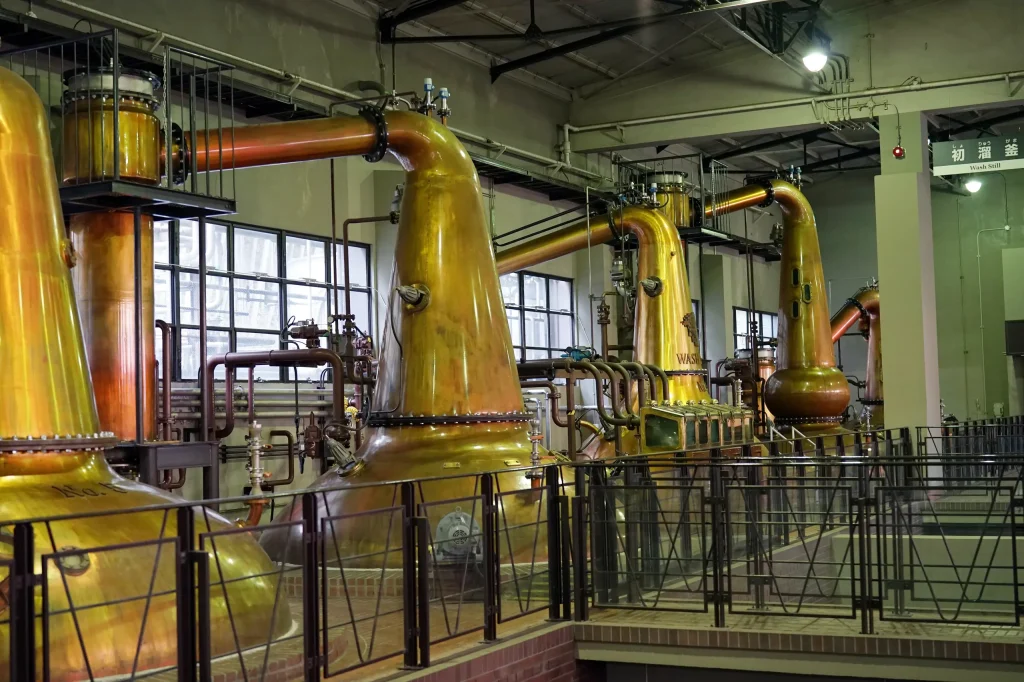
Whisky begins with grain, water and yeast. In a mash tun, malt starch becomes sugar; yeast then ferments the sweet liquid into alcohol. Copper stills concentrate it, and wooden casks are used for maturation. Equipment and ingredients differ: some distilleries make both malt and grain whisky.
Up close, the size of a mash tun and the curved neck of a copper still give a clearer sense of the scale and choices involved in production. Not all areas are open to visitors, however, and equipment can be idle during maintenance.
Suntory founder Shinjiro Torii began constructing Yamazaki in 1923. Masataka Taketsuru, who learned whisky-making in Scotland and worked at Yamazaki, established Nikka’s predecessor in Hokkaido in 1934. Japanese distillers adapted these methods while experimenting with stills and casks.
Water affects mashing and fermentation, while local temperatures and humidity can influence maturation. But landscape alone does not determine a whisky’s flavor; yeast, distillation and cask choices also matter.
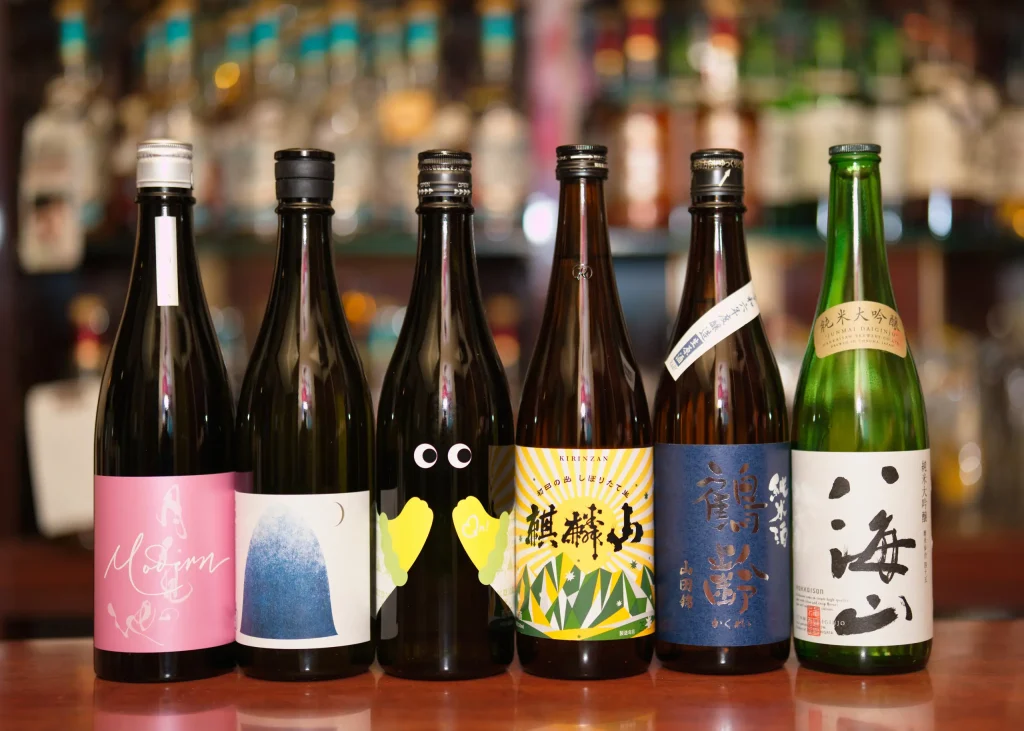
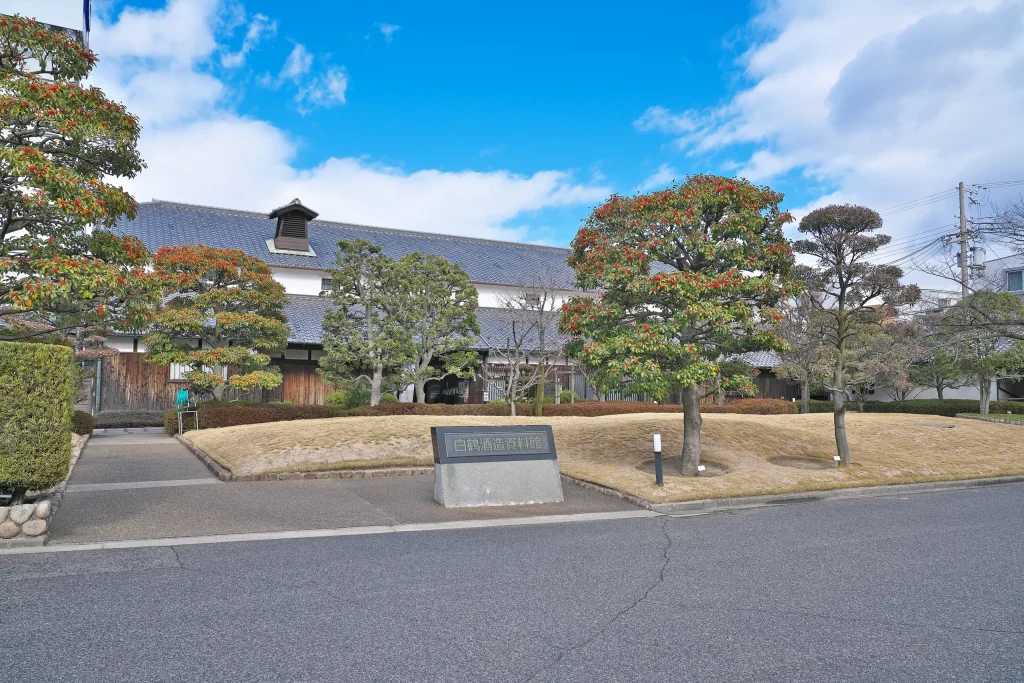
Much like a visit to a sake brewery, a whisky distillery can be enjoyable for its buildings, equipment and production history even when tasting is not the main attraction.
Yamazaki and Hakushu: Two Very Different Suntory Settings
Yamazaki: History Between Kyoto and Osaka
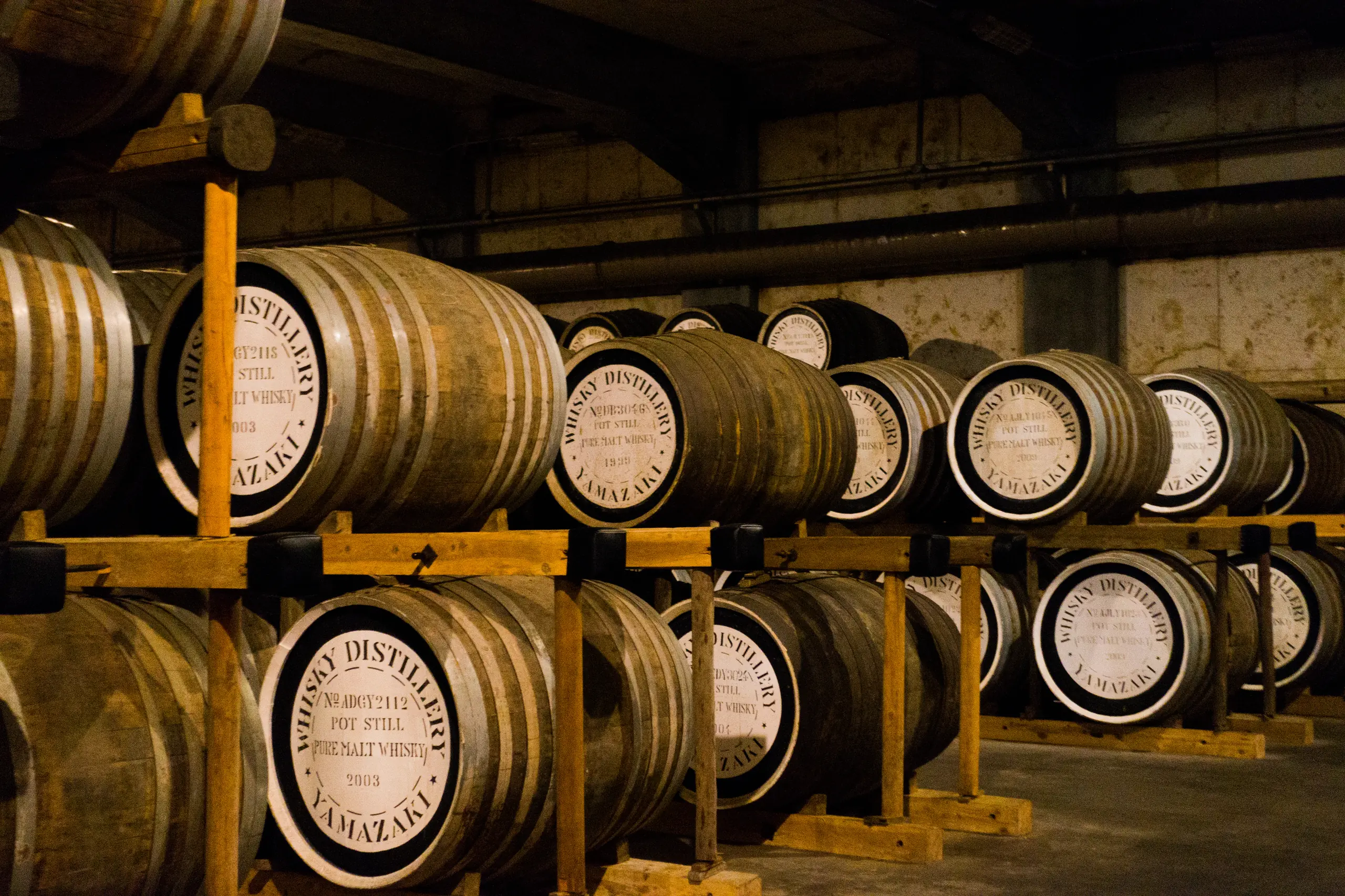
Yamazaki makes sense for a Kansai itinerary: it is about a ten-minute walk from JR Yamazaki or Hankyu Oyamazaki Station. Its production tours explain how different pot stills and cask types contribute to the whisky made here.
The principal paid production tours are allocated by lottery. Even the free whisky museum requires a separate reservation, and you cannot arrive simply to visit the shop. Guided tours are generally in Japanese, with an English audio-guide app; English-language sessions may also be announced on selected dates. If you do not secure a booking, don’t plan your entire Kyoto or Osaka itinerary around getting in.
Reference: Yamazaki Distillery – Suntory
Hakushu: Whisky in a Mountain Forest
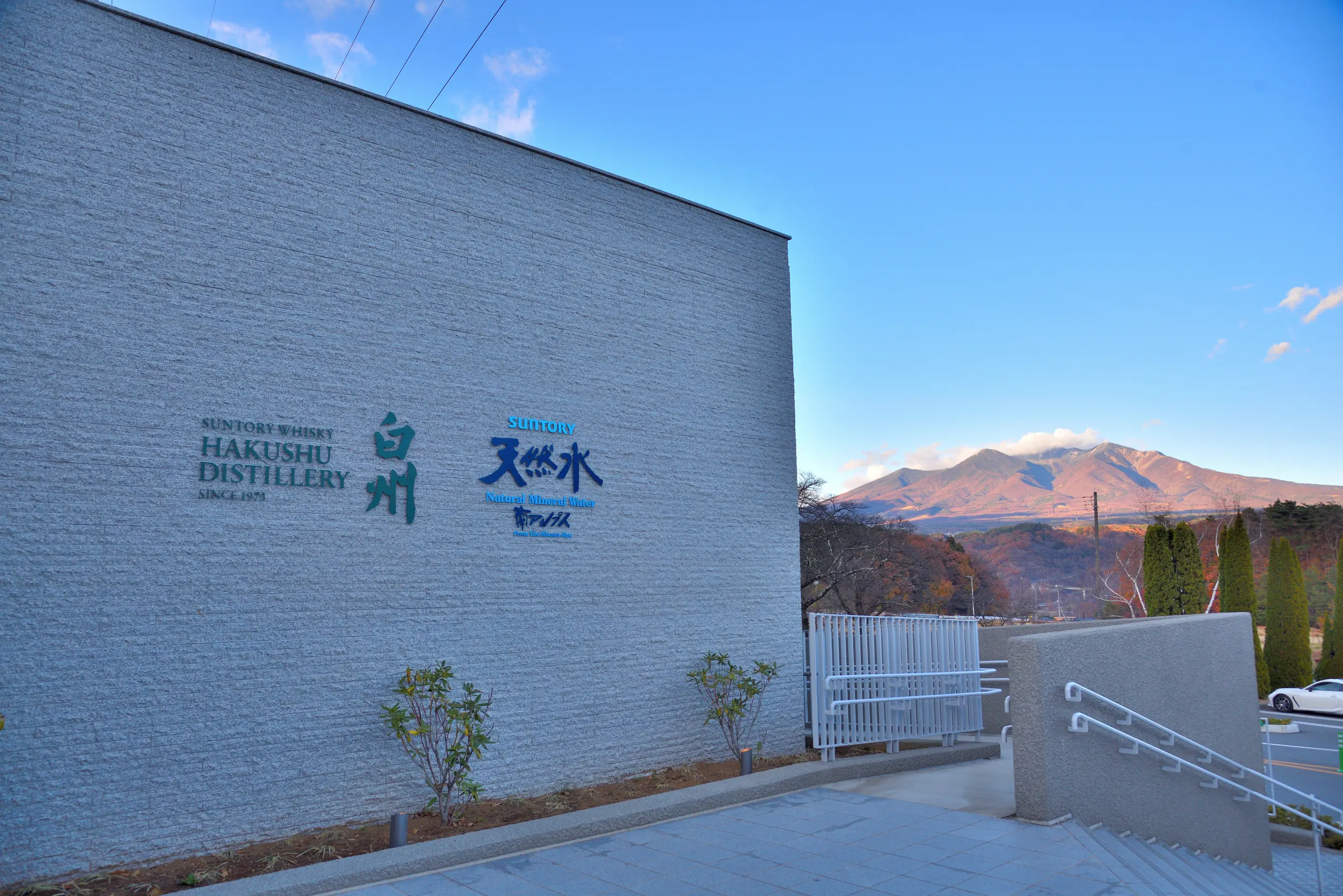
Hakushu sits in wooded surroundings at the foot of the Southern Alps. Museum exhibits and separate Suntory mineral-water facilities may appeal to visitors who want more than a tasting, although forest walks and other programs have individual conditions.
Production tours are allocated by lottery, and free museum access also needs a reservation. Suntory operates a free shuttle from JR Kobuchizawa Station, taking about twenty minutes, but places on the bus are not guaranteed. From Tokyo, allow much of a day once rail connections, the shuttle and the visit are included. The regular guided experience is in Japanese, with audio-guide support in English.
Reference: Hakushu Distillery – Suntory
Yoichi and Miyagikyo: Two Sides of Nikka
Yoichi: Coal-Fired Stills and Historic Buildings
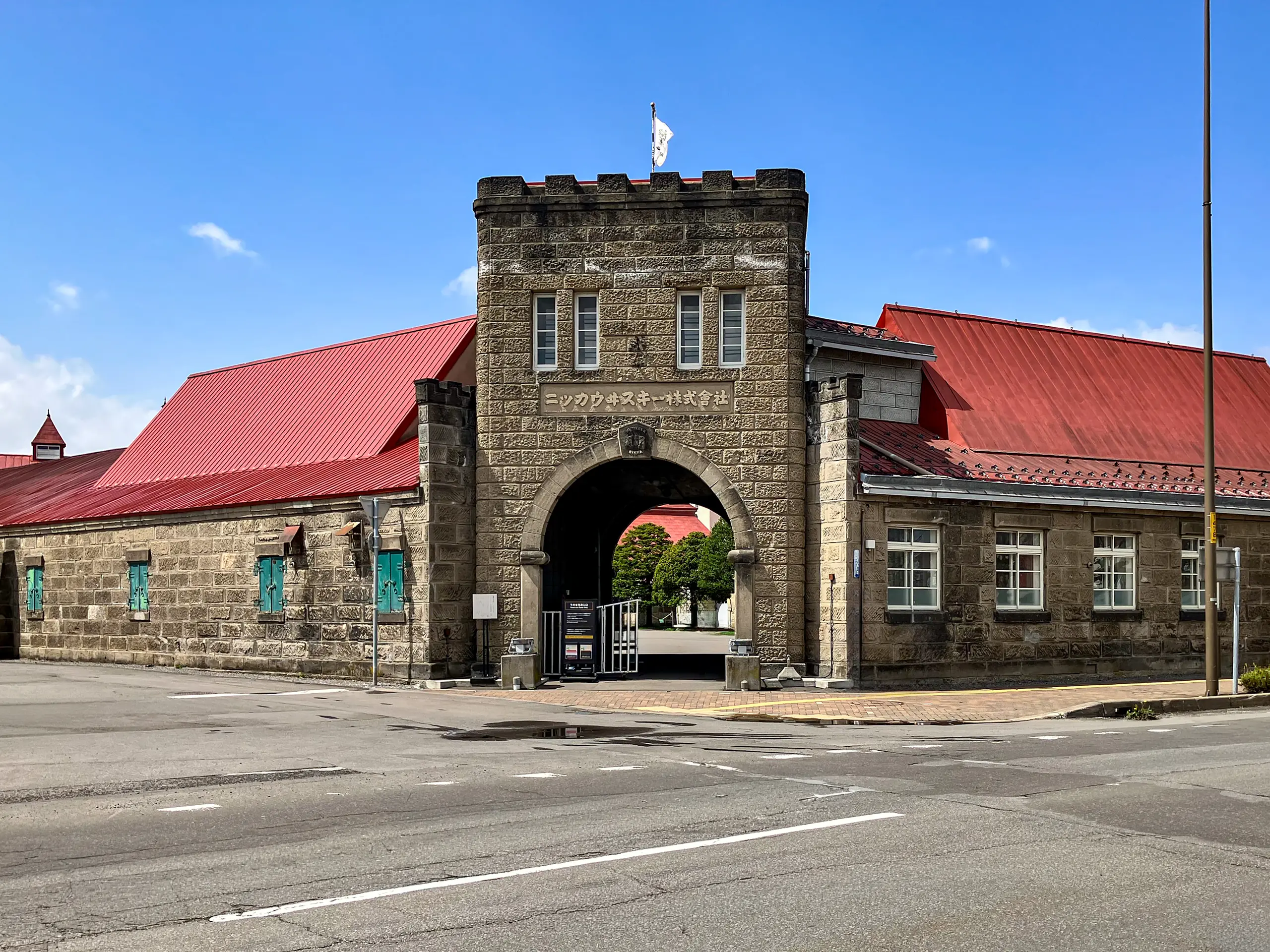
At Yoichi, Nikka still heats its pot stills with coal fires. Historic stone buildings and old kilns evoke the early years of Japanese whisky, while exhibits introduce Masataka Taketsuru and his Scottish wife, Rita.
Yoichi’s free Japanese-language production tour requires a booking and includes a tasting for eligible guests, with soft drinks available. Without a booking, the museum, shop, paid tasting bar and restaurant remain accessible, but production areas and some heritage buildings do not.
From Sapporo, travel through Otaru and change to a less frequent train for Yoichi, then walk around five minutes from the station. Allow for the connection rather than assuming it is a one-hour trip. Pairing Yoichi with Otaru makes a sensible regional outing.
Reference: Yoichi Distillery – Nikka Whisky
Miyagikyo: A Different Approach to Distillation
Miyagikyo contrasts with Yoichi: its pot stills are heated by steam rather than coal, and it also uses Coffey stills to produce grain whisky. These techniques help Nikka create different styles of spirit.
Free booked tours include a tasting but are guided in Japanese. English pamphlets and a phone-based multilingual translation system provide some help. Without a tour reservation, visitors can explore the visitor center, shop and designated warehouse displays, not the production areas.
Take the JR Senzan Line from Sendai to Sakunami, then use the distillery shuttle if its timetable fits. On ordinary Monday-to-Thursday services there are only two outbound departures. Taxis are not always waiting at Sakunami Station, so confirm the return connection and arrange a taxi beforehand if needed.
Reference: Miyagikyo Distillery – Nikka Whisky
Fuji-Gotemba and Mars Komagatake: Equipment and Mountain Landscapes
Fuji-Gotemba: Malt and Grain Whisky Beneath Mt. Fuji
At the foot of Mt. Fuji, Kirin’s Fuji-Gotemba Distillery produces both malt and grain whisky. Its booked production tour includes a tasting for eligible visitors. A viewing deck and some visitor facilities can be enjoyed without joining the tour.
Tours need advance online booking. The guide speaks Japanese, but Kirin supplies English audio guidance and English-subtitled video, making the explanation more accessible than the language label alone might suggest. A free shuttle runs from JR Gotemba Station on factory-tour operating days; check its outbound and return times before booking.
Reference: Fuji-Gotemba Distillery – Kirin
Mars Komagatake: A Flexible Self-Guided Stop
Below Nagano’s Central Alps, Mars Komagatake offers a shorter, free self-guided look at actual production equipment. The route generally takes around twenty minutes. During the production season you may see operations underway, whereas summer maintenance can leave equipment idle. Tours of the cask storage facility are currently suspended.
Reservations are optional but recommended: visitors with reservations take priority at busy times, and admission may be restricted. Whisky tasting at the visitor-center bar costs extra. Reach the distillery by taxi, around ten minutes from Komagane or Miyada Station on the JR Iida Line. With a short viewing route, it is more rewarding as part of a wider trip through the area.
Reference: Mars Komagatake Distillery – Hombo Shuzo
Kanosuke: Modern Craft and the Kagoshima Coast
Not every whisky distillery in Japan has a century of history. On the Kagoshima coast, Kanosuke draws on a family’s shochu-making heritage while producing whisky with three differently shaped copper pot stills and some re-charred former shochu casks. Its methods and coastal setting offer a contrast to the larger distilleries above.
Tours are reserved in advance, with specific English-language sessions available. A standard production tour and longer warehouse or blending experiences have different prices and tasting arrangements; do not assume every ticket includes the same drinks. Soft drinks are available to guests who cannot or do not drink, and the site’s sea-facing bar and visitor spaces add appeal for companions.
From Kagoshima-Chuo, take the JR Kagoshima Main Line to Ijuin, then a taxi of roughly twenty minutes. Arrange your return before tasting.
Reference: Kanosuke Distillery Tours – Kanosuke
Before You Book: Language, Tasting and Transport
First decide whether you want to tour the working facilities or would be content with a museum, exhibition or tasting lounge. Confirm the booking method, what the tour actually includes and whether an English audio guide is sufficient for your group. Check closure dates and shuttle schedules before paying for trains or accommodation.
Famous names aren’t always open for a casual visit. Suntory’s Chita Distillery does not offer general-public tours, while Chichibu is ordinarily unavailable for routine public visits. An older blog listing a distillery does not establish that you can book it today.
Japan’s legal drinking age is 20. Anyone driving or cycling should avoid alcohol. On remote routes, arrange onward transport beforehand. Even non-drinkers can enjoy buildings, equipment and exhibitions; check the availability of soft drinks and other activities.
Choosing the Visit That Fits Your Journey
Yamazaki can complement a Kyoto or Osaka stay if a reservation comes through, and Yoichi combines well with Otaru. Hakushu and Miyagikyo require more deliberate transport planning, while Mars Komagatake is better treated as one stop on a Nagano itinerary. Kanosuke rewards travelers for spending time in Kagoshima.
Choose a distillery for its actual visitor experience, not just its reputation. ENJYU JAPAN can help shape a Tailor-Made Tour around cultural interests, transport and companions’ needs, without promising lottery success or access.